
REVIEW · HISTORICAL TOURS
Cali: Walking tour of the historic center
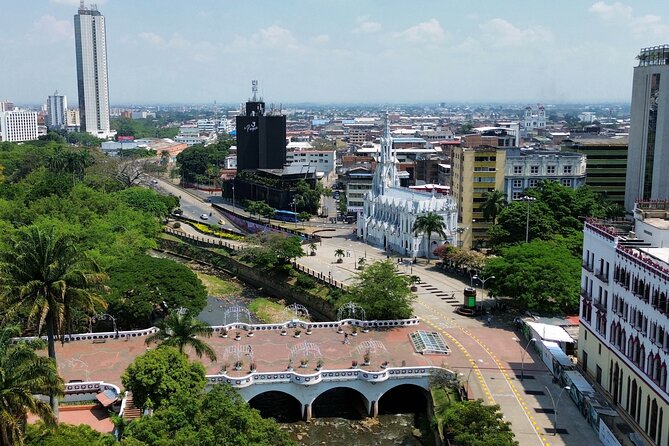
Cali reveals itself one street at a time. This small-group walk makes the city’s past easier to read, from La Merced Church and its colonial roots to the salsa markers along Calle del Sabor. I especially like the mix of local history and everyday culture, plus the chance to taste a typical Cali drink rather than simply look at monuments. The main drawback is that nearly three hours on foot can feel long in Cali’s heat, especially if rain arrives.
I also like the personal scale. The group is limited to seven people, even though the general description mentions a possible maximum of ten, so you should expect a fairly close guide-to-guest setup. Guides Julio and Marcela receive particular praise, and one English-speaking guest ended up with a private tour when nobody else had booked that morning.
The route covers a lot of ground, so this is not a slow architectural study of one or two buildings. It is a broad introduction to Cali’s churches, public squares, Indigenous art, rivers, fruit, and salsa. Wear good shoes, carry water, sunscreen, a hat, and an umbrella. The walk continues in rainy weather.
In This Review
- Key points at a glance
- Why this walking route works in Cali
- La Merced and the city’s first chapter
- Gold, theater, and the old civic center
- San Pedro Cathedral and Plaza de Caicedo
- Calle del Sabor and Cali’s salsa pulse
- Puente Ortiz and the Cali River views
- Jairo Varela Square and the trumpet monument
- Green spaces and the Boulevard del Río
- Calle de la Escopeta’s color and street life
- What $41 means in practical value
- Weather, shoes, and the real pace of the walk
- Who should book it?
- Final verdict: a strong first look at Cali
- FAQ
- How much does the walking tour cost?
- How long does the tour last?
- Where does the tour start?
- Where does the tour finish?
- How large is the group?
- Is a guide included?
- Is a drink included?
- Are museum and attraction admission fees included?
- Should I bring an umbrella?
- Can I cancel for a full refund?
Key points at a glance
- La Merced marks Cali’s beginning: Start with the church connected to the city’s founding and get a view toward Cristo Rey from the center.
- Gold explains the El Dorado story: The Calima Gold Museum displays Indigenous work dating back more than 4,000 years.
- Salsa becomes part of the city tour: Calle del Sabor and Jairo Varela Square connect music to Cali’s public identity.
- A lulada adds local flavor: A typical Cali drink is served beneath the ceiba trees at Paseo Bolívar.
- The route is compact but full: Thirteen stops fit into roughly two to three hours, with plenty of walking between them.
- Small groups improve the experience: The stated maximum is seven people, making it easier to ask questions and stay engaged.
Why this walking route works in Cali
Cali is often reduced to salsa, but this route gives you a wider picture. You move from colonial churches and government buildings to Indigenous goldwork, river views, public art, and music. That range is the tour’s strength. You are not left with only dates and façades. You see how religion, government, independence, local food, and salsa all share the same city center.
The pace is active. Most stops last between five and twenty minutes, with walking time between them. That gives you enough time for a useful explanation and a few photographs, but not enough for a long museum visit or a detailed examination of every building.
I would choose this early in a Cali visit. It gives you names and landmarks that make later exploring easier. After hearing why Jairo Varela matters, for example, a salsa club or live performance has more meaning. After seeing the old churches, the central streets no longer feel like a random collection of buildings.
The tour begins and ends at Valley Adventours, at Cra. 5 #3-02 in Comuna 3. It is near public transportation, and the stated duration is approximately two to three hours. Since the route ends where it starts, you do not need to arrange a ride from a distant final stop.
More History Tours in Cali
- Shared Tour of the Historical and Cultural Center of Cali
★ 5.0 · 211 reviews - Shared Tour Cali’s Historical Downtown
★ 4.8 · 143 reviews - Historical Shared Tour Salsa, Graffiti & Resistance in Cali
★ 5.0 · 107 reviews
La Merced and the city’s first chapter

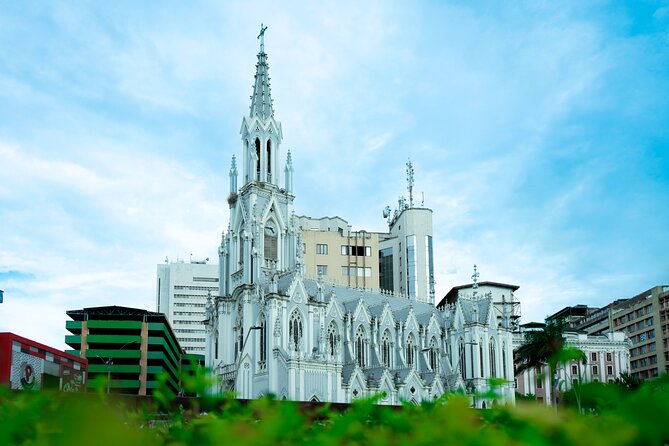
The first stop is Iglesia La Merced, a natural place to begin. The tour presents it as the birthplace of Cali, tied to the founding of the city near seven rivers named Cali. You get a short look at its colonial architecture and a chance to see Cristo Rey from inside the city center.
The stop lasts about fifteen minutes. That is enough for orientation, a few details about the church, and photographs, but you should not expect an extended religious-art visit. The value here is context: the tour starts with the city’s origins before moving into its later civic and cultural landmarks.
From a practical point of view, this is also a good moment to settle into the walk. You will be outside for most of the experience, and the route soon moves through streets where shade may vary.
Gold, theater, and the old civic center
At the Museo del Oro Calima, the focus shifts from colonial Cali to the Indigenous communities that lived in the region long before the Spanish arrival. The museum displays pieces more than 4,000 years old and explains how Indigenous gold craftsmanship helped shape the El Dorado legend.
The stop is planned for about twenty-five minutes, making it one of the longer visits. That matters because the museum is not treated as a quick photo stop. You get time to understand why gold carried such power and why European stories about El Dorado grew from real Indigenous skill and artistry.
Admission is listed as included at no extra charge. Still, twenty-five minutes is a short museum visit, so you may want to return later if the collection catches your interest.
Next comes the Teatro Municipal Enrique Buenaventura, a Neoclassical public theater in Cali’s historic center and cultural center. The stop lasts only about five minutes. Think of it as a quick architectural and civic introduction, not a theater tour or performance.
The route then continues to Plaza de la Gobernación. You walk through central streets before reaching the square and entering San Francisco Church. This ten-minute stop connects public government space with religious architecture, a pattern that appears again at the cathedral.
San Pedro Cathedral and Plaza de Caicedo
The St. Peter the Apostle Cathedral is described as Cali’s main church. Inside, the guide explains the relationship between church and state, an important theme in the layout and history of many Latin American city centers.
You have roughly fifteen minutes here. That gives you time to take in the interior and hear the main explanation without turning the stop into a long theological lesson. If churches are not your main interest, the guide’s wider point about authority and public life should still make the building worthwhile.
Plaza de Caicedo follows. This is Cali’s principal square, framed by the National Palace and lined with palm trees. The fifteen-minute visit gives you a chance to pause after several indoor and street-side stops.
I like this part of the route because it shows the center as a working public space, not just a preserved historical zone. Look around at how the square, surrounding buildings, and palms shape the city’s visual identity. Your guide can help connect the architecture to the civic role of the plaza.
More Walking Tours in Cali
- The Cali Street Food Walking Tour
★ 5.0 · 81 reviews - Afro Walking Tour. The colors of Cali.
★ 5.0 · 61 reviews - Cali: Walking tour of the historic center
★ 4.9 · 18 reviews - Cali: Walking Tour of the 11 Neighborhoods of Commune 20
★ 5.0 · 10 reviews
Calle del Sabor and Cali’s salsa pulse
Calle del Sabor is one of the route’s liveliest ideas. The street is linked to salsa music, and the guide explains how its sounds, rhythms, trumpets, and bell became part of Cali’s identity.
The stop lasts about ten minutes. You should expect an explanation of the street’s connection to salsa rather than a full dance class. One review describes dancing some salsa during the visit, so there may be a playful musical element, but the supplied details do not promise a formal lesson.
This is where the tour moves beyond buildings. Music is not presented as a separate nightclub activity. It is part of the public streetscape and a key way Cali expresses itself. If you already plan to attend a salsa venue, this short stop gives you useful background. If you are not a salsa fan, it still shows how local culture can shape a city’s image at home and abroad.
Puente Ortiz and the Cali River views
At Puente Ortiz, you cross the first bridge built over the Cali River. The stop includes views of the river, Torre de Cali, the city’s tallest building, and the Three Crosses Hill.
The bridge is planned for about ten minutes. Its arches offer strong photo spots, so keep your camera ready rather than packing it away between stops. This is also a good place to notice the contrast between older central architecture and the taller modern city beyond it.
The stop is brief, and the route continues on foot, so it is not designed as a long riverfront pause. Still, it gives the tour a welcome change of scenery after churches, squares, and museum rooms.
At Parque Paseo Bolívar, you visit the statue of Simón Bolívar and walk beneath ceiba trees while hearing about Colombian independence. The planned time is twenty minutes, one of the longest pauses on the route.
This is where the included typical drink appears: a lulada caleña. Lulada is a local fruit drink, and the chance to taste it adds something a standard sightseeing walk often lacks. The drink is specifically listed as included, while any extra food or drinks are not.
The ceiba shade should be welcome, especially on a sunny day. Even so, do not count on the drink replacing your own water. Bring a bottle, since the tour instructions specifically recommend it.
Jairo Varela Square and the trumpet monument
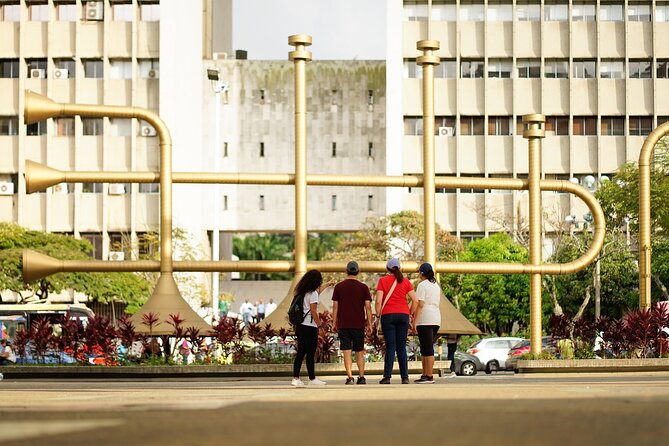
Plazoleta Jairo Varela gives salsa its strongest visual focus. The square honors Jairo Varela and Grupo Niche, whose music has influenced Cali and audiences around the world.
The stop lasts about twenty minutes. That allows time for the guide to explain Varela’s importance and for you to see the trumpet monument. The promise of getting inside the musical monument is a distinctive feature of this walk. It turns salsa from a topic of conversation into something you can physically explore.
This stop may be the highlight for anyone interested in music. It also helps explain why Cali’s salsa culture is more than a show for visitors. The square presents it as part of the city’s public memory and modern identity.
Guides Julio and Marcela are named in the feedback, with Julio receiving especially warm praise for his engaging approach. One English-speaking participant described the guide’s English as strong, which is useful if you are not comfortable receiving a long history lesson in Spanish.
Green spaces and the Boulevard del Río
Parque Simón Bolívar offers a quieter section of the walk. You hear birds, see palm trees, and pass tributes to Cali’s rivers and fruit trees. The visit takes about ten minutes.
This stop is not built around one major monument. Its purpose is to show how nature fits into the center. After so many buildings and cultural references, a short pause among trees helps break up the route.
The Bulevar del Río Cali follows for another ten minutes. Along the boulevard, you can see La Ermita Church, the Coltabaco building, and the Jorge Isaacs Theater. It is a compact architectural sweep, with several recognizable landmarks appearing from one public corridor.
Because the stop is short, you will likely get an overview rather than an inside visit to each building. That is fine for a first orientation. You can mark the places that deserve a closer look later.
Calle de la Escopeta’s color and street life
The final listed stop is Calle de la Escopeta, described as one of Cali’s most colorful streets. Its features include street art, a woven roof, colonial surroundings, and local flavors along the route.
The planned visit takes ten minutes. It is a fitting finish because it brings together the old neighborhood setting and the city’s more creative public expression. You move from formal churches and government buildings to a street where art, shade, and food make the experience feel more immediate.
The wording about flavors does not mean a full food tour. Only the typical drink is clearly included. If you want anything else along the way, plan to pay separately.
What $41 means in practical value
At $41 per person, this is not the cheapest way to take a city-center walk. The value depends on how much you want from a guide. You are paying for a route that connects thirteen stops, a local guide, small-group attention, and a typical drink, not merely for access to public squares.
Nearly all the stops list free admission, so the price is mainly for the guide’s time and interpretation. That can be worthwhile in Cali, where the story moves quickly between Indigenous culture, colonial institutions, independence, rivers, and salsa. Without a guide, you could see many of the same façades but miss the links between them.
The price looks strongest for a first visit, especially if you have only a short stay. It is also more appealing if you can join a small group of no more than seven. A solo booking may even become a private experience, as happened for one person on a quiet morning.
It is less compelling if you prefer to wander slowly, stop for long meals, or spend a great deal of time inside museums. The route is broad, and the stop lengths keep you moving.
Weather, shoes, and the real pace of the walk
You should wear comfortable walking shoes. The route includes thirteen stops and several walks through the historic center, so casual footwear that is fine for a short stroll may not be enough for the full outing.
Cali’s sun is another practical concern. Bring sunscreen, a hat, and water. An umbrella is useful for both sun and rain. The tour does not cancel because of rain, and the instructions recommend proper rain clothing if the forecast looks uncertain.
Most people can take part, according to the supplied details. No special physical restriction is stated, but you should be comfortable walking for two to three hours with regular standing stops.
The route’s timing is generally sensible. Five-minute visits keep the theater and some civic landmarks from slowing the group, while twenty-minute stops at the gold museum, Paseo Bolívar, and Jairo Varela Square give the major themes more room.
Who should book it?
I would recommend this walk to first-time visitors who want a useful introduction to Cali before exploring on their own. It suits people who enjoy history but do not want a formal lecture, and it works especially well for anyone curious about salsa, local drinks, public art, and city life.
It is also a good choice for solo visitors. A group capped at seven makes it easier to ask questions, and the experience may become private if few people book that time.
I would think twice if you dislike heat, rain, or steady walking. The route is not a relaxed café crawl, and the museum and church visits are short. You should also choose something else if your main goal is a dedicated salsa class or a full food tour.
Free cancellation is available when you cancel at least twenty-four hours before the start time. Later cancellations and changes are not refunded or accepted, so check your plans before the cutoff.
Final verdict: a strong first look at Cali
This is a well-rounded city-center walk with more substance than a simple monument checklist. The best parts are the Calima gold collection, the explanation of Cali’s salsa culture, the local lulada, and the small-group format.
The route moves quickly and the weather may test you, but that is a fair trade for seeing so many sides of the city in one outing. I would book it near the start of a Cali stay, bring water and rain protection, and leave room in the rest of the day for a slower return to whichever stop catches your interest.
FAQ
How much does the walking tour cost?
The price is $41 per person.
How long does the tour last?
The tour lasts approximately two to three hours.
Where does the tour start?
It starts at Valley Adventours, Cra. 5 #3-02, Comuna 3, Cali, Valle del Cauca, Colombia.
Where does the tour finish?
The tour ends back at the meeting point.
How large is the group?
The stated maximum is seven participants. The highlights also mention a small group limited to ten, so the more specific additional information is the seven-person maximum.
Is a guide included?
Yes. A local guide is included.
Is a drink included?
Yes. A typical soda or local drink is included. The itinerary identifies the drink as a lulada caleña at Parque Paseo Bolívar.
Are museum and attraction admission fees included?
The listed admission tickets for the stops are free.
Should I bring an umbrella?
Yes. You are advised to bring an umbrella or suitable rain clothing because the tour continues in rainy weather.
Can I cancel for a full refund?
Yes, if you cancel at least twenty-four hours before the experience start time. Cancellations made less than twenty-four hours before the start are not refunded.
Just added in Cali
- Trekking to Pico de Loro★ 4.5 · 14 reviews
- Private Transfer from Cali Airport (CLO)★ 5.0 · 4 reviews
- Trekking & Rivering Reserve Pericos★ 5.0 · 5 reviews
- Transportes y Traslados desde Cali★ 5.0 · 1 review
- Sugar Cane Hacienda El Paraiso & Nature Day Tour★ 4.0 · 6 reviews
- CITY TOUR OF CALI | Discover with local experts Cali★ 5.0 · 2 reviews
- Friday Night Street Salsa and Bar Crawl in Cali, Colombia★ 4.5 · 24 reviews
- Saturday Night Bar Crawl in Cali, Colombia★ 5.0 · 20 reviews
Historical Tours, compared.
Historic Center and Getsemaní Shared Walking Tour
Read our review →
Shared Tour of the Historic Candelaria in Bogotá
Read our review →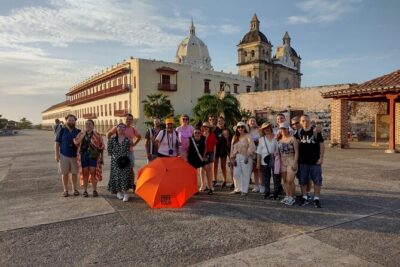
Historic Center & Getsemaní Shared Tour in Cartagena
Read our review →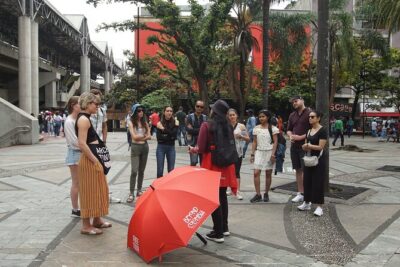
Shared Tour Historic Center of Medellin with Audio System
Read our review →
Medellín Essential: history & local life on E-bike
Read our review →
Medellin Historic Walking Tour with Expert Guide
Read our review →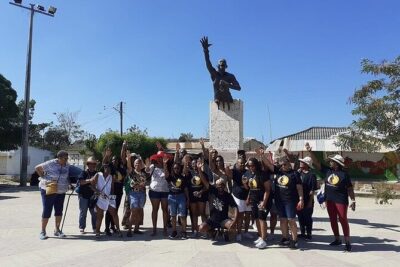
Bogota Shared Gastronomy Tour in the Historic Center
Read our review →Browse the lists this tour appears in