
REVIEW · GETSEMANÍ WALKING TOURS
Historic Center & Getsemaní Shared Tour in Cartagena
Cartagena’s stories spill into the streets. This low-cost walking tour links the walled city with Getsemaní, mixing colonial buildings, slavery history, Caribbean culture, music, legends, and a few helpful local pointers. I especially like the wide historical sweep, from Indigenous life and Spanish rule to independence and modern Cartagena, and the way the walk ends in Getsemaní, where salsa, champeta, graffiti, and street life take over. The main consideration is the heat and the group size, which can reach 25 people and may feel slow or crowded for some.
The tour costs $11.70 per person and lasts about two to three hours. Guides such as Robert, Legaxy, Alvaro, Camilo Jose, Mercedes, Ingrid, Liz, Karen, and Dani have been praised for making the material lively, clear, and interactive. Still, this is a walking introduction rather than a deep visit inside museums or churches, and one person found the storytelling pace boring. Your enjoyment will depend on how much you like guided history.
In This Review
- Key points to know before you go
- Starting near La Matuna and the Camellón de los Mártires
- The Clock Tower and the old routes of forced labor
- Portal de los Dulces and the women behind the tradition
- Plaza de la Aduana and Cartagena’s trading power
- Art, gold, and emeralds in the central city
- San Pedro Claver and the moral heart of the route
- San Ignacio, pirates, and the walls of Cartagena
- Centennial Park and Cartagena’s unexpected wildlife
- Entering Getsemaní through color and street culture
- Plaza de la Trinidad, salsa, and the finish at Plaza del Pozo
- What the $11.70 price really buys you
- Heat, pace, language, and guide style
- Should you book this Cartagena walking tour?
- FAQ
- Where does the tour start?
- Where does the tour end?
- How long does the tour last?
- How much does the tour cost?
- How large can the group be?
- Is the tour suitable for most people?
- What happens if the weather is poor?
- Can I cancel for a full refund?
Key points to know before you go
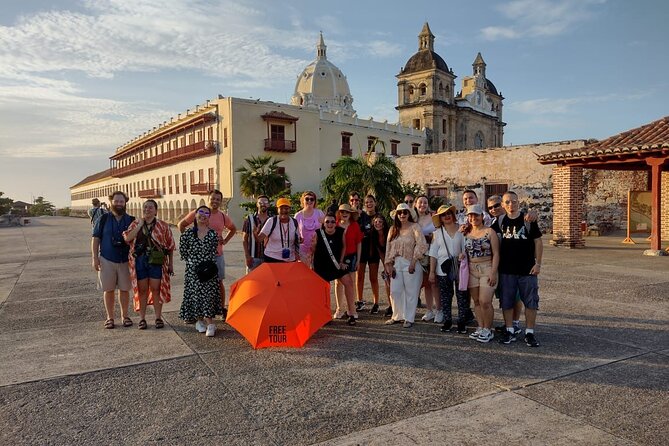
- Two distinct Cartagena neighborhoods: You begin around the walled center and finish at Plaza del Pozo in Getsemaní.
- A strong history and culture mix: The route covers Indigenous peoples, Spanish colonization, slavery, military defenses, religion, independence, art, music, and local traditions.
- A guide can make the difference: Robert, Legaxy, Alvaro, Camilo Jose, Mercedes, Ingrid, Liz, Karen, and Dani have all been praised for humor, energy, clear English, and useful advice.
- A hot, mostly outdoor walk: Bring water and a hat. The pace is described as easy and slow, but shade is not guaranteed at every stop.
- Good value at $11.70: You receive a broad orientation to central Cartagena without paying separate admission for the listed stops.
- A practical first-day activity: The route helps you get your bearings before exploring the old city and Getsemaní on your own.
Starting near La Matuna and the Camellón de los Mártires
The meeting point is at Cl. 32 #841 in La Matuna, near Cartagena’s historic center. The Google Maps pin has caused a little confusion, so give yourself extra time and check the exact location before setting out. This matters in central Cartagena, where short blocks, busy streets, and nearby plazas can make a meeting point look closer than it is.
The walk begins at the Camellón de los Mártires, also called Plaza de Cervantes. This opening stop sets up the city’s earliest human story by discussing the Indigenous people who lived here before and during the arrival of the Spanish.
I like this choice because it avoids starting with only grand colonial buildings. Cartagena is not just a Spanish fortification preserved for visitors. The city’s story includes the people who were already here, the forced movement of Africans, Caribbean customs, and the cultural mixture that shaped modern Colombia.
The first section lasts about an hour and provides the broad frame for the stops that follow. If you want dates, names, and a basic sense of how the city developed, this opening should be useful. If you prefer a fast visual tour with little narration, the amount of background may feel heavy.
More History Tours in Cartagena
- Cartagena: Historic Center and Getsemaní Shared Walking Tour
★ 4.9 · 2,716 reviews - San Basilio de Palenque History Tour
★ 5.0 · 301 reviews - Cartagena: Cultural tour Bazurto Market Adventure
★ 5.0 · 200 reviews
The Clock Tower and the old routes of forced labor
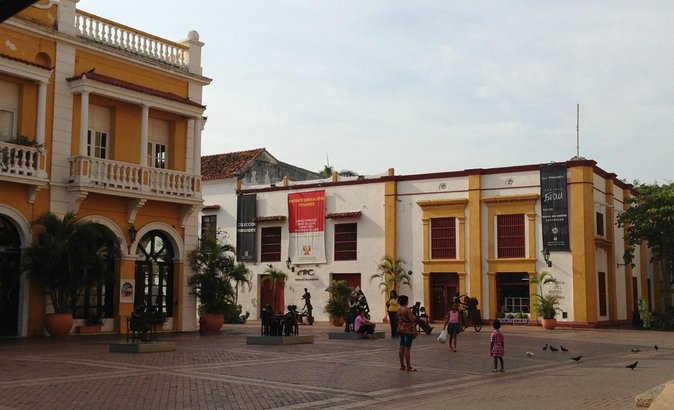
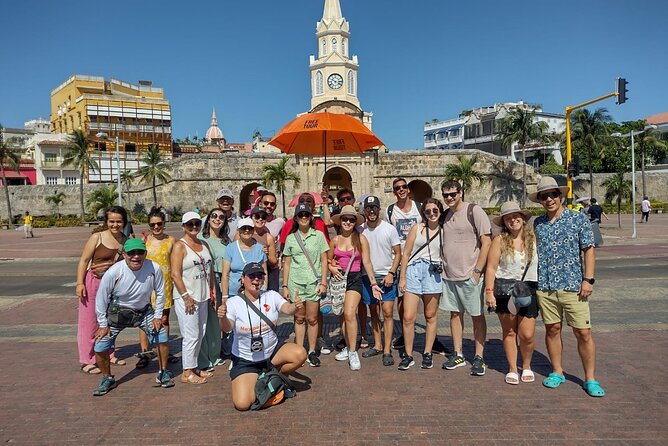
From the Camellón, the group moves to the Torre del Reloj, or Clock Tower. It is described as the Golden Key of Cartagena, a memorable entrance into the old city and a useful place to understand how movement through the walls worked.
The plaza has also carried the name Plaza del Esclavo, and the route connects this area with streets such as Porto Carrero and Candilejo. The discussion turns toward the city’s enslavement route, bringing an important and painful part of Cartagena’s past into the walk.
Pedro de Heredia, the Spanish founder of Cartagena, enters the story here. The guide uses the tower and surrounding streets as a way to connect people, power, trade, and architecture. You are not simply looking at a famous clock tower. You are being asked to see how the city’s public spaces reflected its colonial system.
This section lasts about 10 minutes. That is enough for an introduction, but not enough for a full study of slavery in Cartagena. I would treat it as a starting point for further reading or a later visit to museums and historic sites.
Portal de los Dulces and the women behind the tradition
The next stop is Portal de los Dulces, a popular passage known for sweets and for its connection to women’s work during the period of slavery. The route explains how descendants of those women continue related traditions today.
This is one of the more human stops because it links history to an activity you can still see in the city. Food traditions often carry memory more clearly than a plaque does. Here, the guide can show how labor, family customs, and public commerce continued through generations.
The stop is brief, around 10 minutes. You may have time to look at the sweets, but the purpose is mainly historical rather than a formal tasting. If you want to buy something, you can ask the guide for advice, though the supplied details do not promise a tasting or shopping break.
Plaza de la Aduana and Cartagena’s trading power
At Plaza de la Aduana, the focus shifts to commerce. The square was important for the movement of goods, including enslaved people, and the guide points out buildings such as the Municipal Hall.
This is a useful place to connect Cartagena’s handsome facades with the economic system that supported the port. Colonial architecture can look polished and harmless when viewed only as scenery. The explanation here adds the harder questions: Who controlled the trade? Who worked without freedom? Who gained wealth from the port?
The stop takes roughly 10 minutes. You will hear the main points while remaining outdoors, so do not expect an interior architectural tour of the Municipal Hall.
More Getsemani walks:
- Private Walking Tour in Cartagena Walled City & Getsemaní
★ 5.0 · 1,357 reviews - Cartagena Antigua & Barrio Getsemani group with audio system
★ 5.0 · 658 reviews - Getsemani neighborhood in group: art and culture with Audio System
★ 5.0 · 447 reviews - Cartagena: Walled City and Getsemani Shared Walking Tour
★ 4.5 · 352 reviews
Art, gold, and emeralds in the central city
The route then brings art into the story. The Museum of Modern Art is presented as an important home for Caribbean and Latin American art from the 1950s onward. The Gold Museum adds Indigenous pieces from the Colombian Caribbean, while the Emerald Museum introduces the stones that Colombia is famous for.
These three subjects widen the tour beyond forts and conquistadors. The Gold Museum points back to Indigenous craftsmanship and culture. Modern art shows that Cartagena is not frozen in the colonial period. Emeralds connect the city to Colombia’s natural resources, celebrity culture, and international image.
The museums open their doors to visitors in the description, but the experience does not specify a full guided museum entry or admission time. Plan to see these stops mainly from the outside or as brief orientation points unless your guide says otherwise.
That distinction matters. At $11.70, the tour is excellent for identifying places you may want to revisit. It is not priced like a museum-focused visit with long indoor sessions.
San Pedro Claver and the moral heart of the route
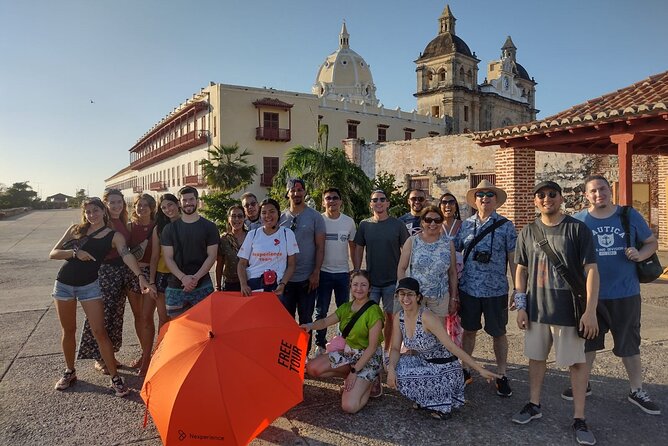
The Sanctuary of Saint Peter Claver is one of the most meaningful stops. San Pedro Claver is remembered as the Slave of the Slaves, and the church, museum, and monastery that bear his name are connected with human rights.
The guide discusses the architecture and the religious complex, while placing Claver’s work in the broader history of slavery. This gives the tour a moral center. You see a beautiful church, but you also consider the people who arrived in Cartagena under brutal conditions and the efforts made to help them.
The stop is again about 10 minutes. I would not expect a full museum visit or detailed examination of every room. Still, this short pause can help you understand why San Pedro Claver remains such an important figure in Cartagena.
San Ignacio, pirates, and the walls of Cartagena
At the Baluarte de San Ignacio, the story turns to defense. This bastion helped protect the Bay of Souls from pirate attacks, and the guide explains how Cartagena’s walls and military structures worked.
Pirates and corsairs are part of the fun here, but the value is in seeing the strategy behind the stone. The walls were not built only for dramatic views. They protected a wealthy port and shaped how people entered, traded, worshiped, and defended the city.
The route continues toward Plaza de Bolívar, honoring Simón Bolívar, a leading figure in South American independence. This gives you a quick shift from colonial military power to the independence movement.
Plaza de Bolívar also provides a natural pause. The description says it is a place to refresh, which is welcome in Cartagena’s heat. Even so, this is not a scheduled meal or extended rest stop, so carry your own water.
Centennial Park and Cartagena’s unexpected wildlife
Centennial Park offers a different side of the city. The park occupies the former railway station area and is described as one of Cartagena’s important green spaces, with tropical dry forest character.
The unusual draw is its urban wildlife. You may see sloths, squirrels, and iguanas among the trees. The guide uses the park to show that Cartagena is more than stone walls and decorated balconies. It also has pockets of shade and living habitat.
This can be one of the most refreshing parts of the walk, especially after several exposed plazas. The stop lasts around 10 minutes, so sightings are not guaranteed. Keep your eyes open, but do not treat the animals as a scheduled attraction.
Entering Getsemaní through color and street culture
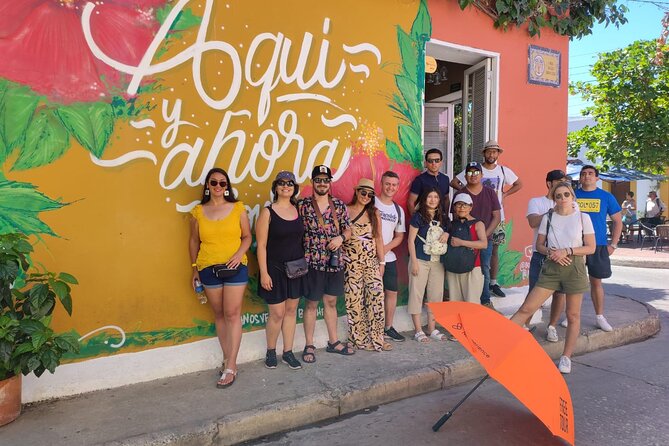
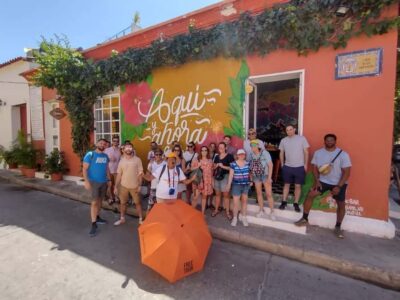
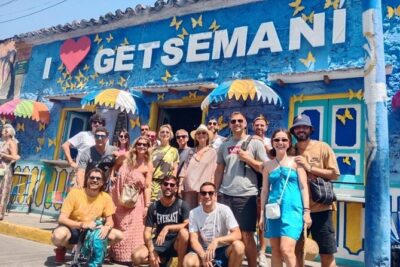
After Centennial Park, the tour moves into Getsemaní. This neighborhood is known for colorful cultural corridors, umbrellas, graffiti, and distinctive architecture.
The change is clear. The walled center often presents Cartagena through formal squares, churches, military walls, and colonial facades. Getsemaní feels more connected to street art, music, local identity, and daily social life. The tour helps you see both neighborhoods in one outing instead of treating the old city as the whole of Cartagena.
The guide may also explain how traditions from African and Caribbean culture continue in the neighborhood. This is where the walk becomes less about monuments and more about how people use public space.
Several guides have been praised for bringing this section to life. Legaxy is especially associated with humor, energy, English-language explanations, and dancing. That kind of personal touch can turn a standard history walk into a more social experience, though it will vary with the guide assigned to your departure.
Plaza de la Trinidad, salsa, and the finish at Plaza del Pozo
The final stretch passes through Callejón Ancho and along Calle San Juan before reaching Plaza de la Trinidad. The church and square provide another historical landmark, but the soundscape changes the mood.
Salsa and African champeta become part of the experience. These musical traditions help explain Getsemaní as a living neighborhood rather than a collection of decorative streets. You may also encounter the area’s well-known social energy around the square, though the tour itself remains a guided walk, not a nightlife outing.
The route ends at Plaza del Pozo on Cra. 10. This is a useful finish because you can continue exploring Getsemaní, look for food, or use the guide’s local suggestions. Robert was praised for walking with someone to a local lunch spot after the tour, but that should be treated as a generous personal gesture, not a guaranteed part of the booking.
What the $11.70 price really buys you
At $11.70, this tour offers unusually good value if you want orientation. You cover the historic center and Getsemaní, hear a connected account of Cartagena, and get a chance to ask questions about food, culture, safety, shopping, and walking around, depending on your guide.
The price is especially fair because the route includes many places without requiring separate admission. The tradeoff is depth. Most stops last about 10 minutes, so you are getting a guided introduction rather than long visits inside the Museum of Modern Art, Gold Museum, Emerald Museum, or San Pedro Claver complex.
The group can reach 25 people. One person found the group too large, while another praised the guide for keeping everyone together without making the crowd feel unwieldy. If you want a private conversation at every stop, choose a smaller tour. If you want a social and affordable first look, the group format works well.
Heat, pace, language, and guide style
The walk is described as easy and slow-paced, and most people can participate. It remains an outdoor Cartagena experience, so the heat may be your biggest challenge. Bring water, wear a hat, and consider choosing a late-afternoon departure if that option is available to you. One person specifically found the midday heat oppressive.
The quality of the experience depends heavily on presentation. Robert has been praised for being funny, energetic, kind, and clear in English. Legaxy is known for a strong sense of humor, excellent English, dancing, and a lively connection to Cartagena’s culture. Alvaro, Camilo Jose, Mercedes, Ingrid, Liz, Karen, Dani, and Leesie have also been praised for clear explanations, warmth, and useful answers.
That range of feedback suggests a consistent subject but a personal delivery. Most comments praise the guides for making history entertaining. One person left early after finding the tour boring, and another felt small children would not enjoy the format. I would choose this for adults, older children, solo visitors, and couples who like stories and questions more than constant sightseeing action.
The tour accepts service animals and operates near public transportation. Confirmation arrives when you book. You can cancel for a full refund up to 24 hours before the start time, but changes or cancellations inside that window are not accepted. The experience requires good weather, and a weather cancellation offers either another date or a full refund.
Should you book this Cartagena walking tour?
Book it if you want a strong first orientation to Cartagena at a modest price. The combination of the walled center, slavery history, military walls, San Pedro Claver, Centennial Park, and Getsemaní gives you a useful map of the city’s past and present.
I would especially recommend taking it near the start of your stay. Afterward, you can return to the church, museums, plazas, or streets that caught your attention. The tour also helps solo visitors feel more comfortable walking between the old city and Getsemaní.
Skip it if you dislike group walks, long historical explanations, or outdoor sightseeing in hot weather. It is also not the right choice if you want extensive museum access or a quiet private guide. For most people seeking an affordable, lively introduction, the $11.70 price is easy to justify. Just arrive early, bring water, and make sure you can find the meeting point.
FAQ
Where does the tour start?
It starts at Cl. 32 #841 in La Matuna, Cartagena de Indias. The tour description identifies the Camellón de los Mártires, also called Plaza de Cervantes, as the starting area.
Where does the tour end?
The walk ends at Plaza del Pozo in the Getsemaní neighborhood, on Cra. 10.
How long does the tour last?
The approximate duration is two to three hours.
How much does the tour cost?
The listed price is $11.70 per person.
How large can the group be?
The shared tour can have a maximum of 25 people.
Is the tour suitable for most people?
Most people can participate, and service animals are allowed. The walk is described as easy and slow-paced, but the heat may be difficult for some people.
What happens if the weather is poor?
The experience requires good weather. If it is canceled because of poor weather, you are offered another date or a full refund.
Can I cancel for a full refund?
Yes. You can cancel at least 24 hours before the start time for a full refund. Cancellations or changes made less than 24 hours before the start time are not accepted.
Just added in Cartagena
- Self-Guided Audio Tour: Pirate Tales in Cartagena★ 3.0 · 2 reviews
- Private History Photography Tour★ 5.0 · 17 reviews
- Paue Island Tour in the Rosary Islands★ 5.0 · 1 review
- Totumo Volcano★ 3.5 · 15 reviews
- Palmarito Beach★ 3.5 · 4 reviews
- Party without limits! Cartagena; VIP Party.★ 4.5 · 32 reviews
- Paragliding Experience in Cartagena★ 5.0 · 8 reviews
- Tour cultural to san Basilio de Palenque from cartagena★ 5.0 · 45 reviews
Getsemaní Walking Tours, compared.
Historic Center and Getsemaní Shared Walking Tour
Read our review →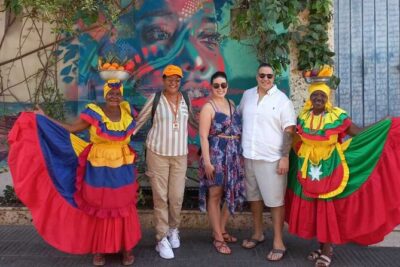
Private Walking Tour in Cartagena Walled City & Getsemaní
Read our review →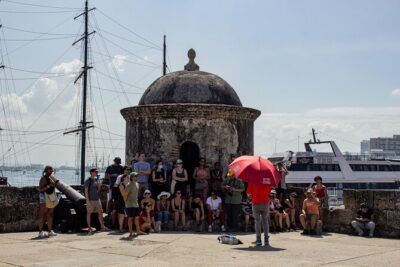
Cartagena Antigua & Barrio Getsemani group with audio system
Read our review →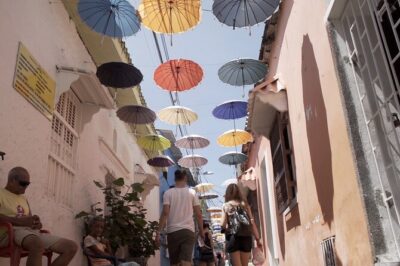
Getsemani neighborhood in group: art and culture with Audio System
Read our review →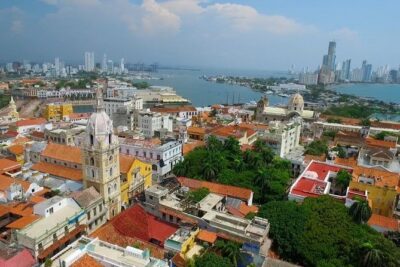
Cartagena Private Tour of the Walled City & Getsemani
Read our review →
Street Food Tour in Cartagena Walled City and Getsemani
Read our review →
Private Walking Tour in Walled City and Getsemani Cartagena
Read our review →Browse the lists this tour appears in