
REVIEW · GRAFFITI AND STREET ART TOURS
Historical Shared Tour Salsa, Graffiti & Resistance in Cali
Cali tells its story through rhythm and paint. This three-hour walking tour links salsa, street art, public spaces, and the city’s tradition of cultural resistance, giving you far more than a quick look at downtown. I like the way it connects music to everyday life, and I especially like that guides such as Cristian make the subject active with dance steps and simple instruments. The main consideration is that the tour is conducted in Spanish, and the advertised route includes ten stops, so you should expect a steady walk rather than a slow museum visit.
At $14 per person, the tour offers solid value if you want an introduction to Cali before choosing your evening plans. I also like the practical recommendations for salsa bars and local places to eat. One detail deserves attention: the experience is presented as a free walking tour by Beyond Colombia, so you may want to compare the platform price with booking directly and tipping the guide.
In This Review
- Key points to know before you go
- Why this Cali tour is more than a sightseeing walk
- Plazoleta Jairo Varela: start with Cali’s salsa heartbeat
- Parque de las Piedras: public space for salsa lovers
- Departmental Institute of Fine Arts: where art meets music
- La Curva del Boulevard: food, nightlife, and painted facades
- Boulevard del Río Emcali: a modern view of Cali
- Calle del Sabor: the route’s most flavorful stretch
- Beneficencia del Valle del Cauca: history in a colonial setting
- Calle de la Escopeta: Cali’s outdoor art gallery
- Túnel Mundialista: football, murals, and local pride
- Cimarrón Salsa Bar: finish with a plan for the evening
- What $14 buys you, and the free-tour question
- Who will get the most from this walk
- Should you book Salsa, Graffiti & Resistance in Cali?
- FAQ
- How long does the Salsa, Graffiti & Resistance tour last?
- Where does the tour begin?
- Where does the tour finish?
- Is the guide included in the price?
- Are food and drinks included?
- How large can the group be?
- What happens if bad weather cancels the tour?
Key points to know before you go
- Salsa is treated as living culture: You learn how music, dance, and popular culture shape Cali today, not just the names of famous performers.
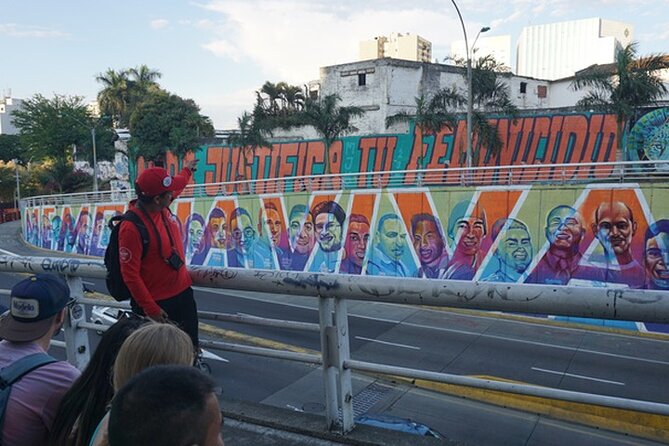
- Street art carries a message: Murals along Calle de la Escopeta, Calle del Sabor, and the Túnel Mundialista connect art with community identity and resistance.
- Cristian receives especially warm praise: His energy, dance instruction, history lessons, and use of instruments make the walk more interactive.
- The route ends at Cimarrón Salsa Bar: You finish with a useful lead for a night of dancing, music, and possible live performances.
- The group can reach 30 people: That keeps the price low, but a larger group may make it harder to hear or ask questions.
- Plan for Spanish: The included guide is certified and Spanish-speaking, an important point if you do not understand much Spanish.
Why this Cali tour is more than a sightseeing walk
Many city walks collect monuments. This one follows a theme: how Cali expresses itself through salsa, graffiti, public art, and community action. That gives the route a clear purpose, even though the stops vary from a square and a cultural building to a tunnel and a bar.
You begin at Plazoleta Jairo Varela, named for one of Cali’s great salsa composers, and finish at Cimarrón Salsa Bar. Along the way, you pass murals, performance spaces, landmarks, and streets where music and food are part of the daily scene. The route helps you see Cali as a city that communicates in public.
The word resistance matters here. The tour explains how music, dance, and art can serve as forms of unarmed resistance and empowerment. That subject gives the walk more weight than a simple introduction to salsa nightlife. You are not only learning where to dance. You are learning why salsa matters so much to local identity.
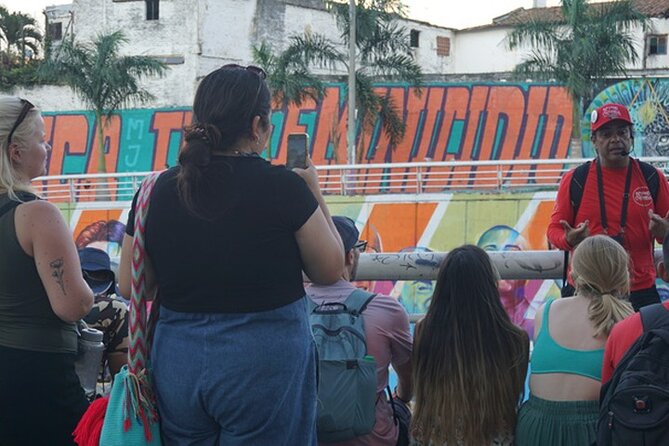
The guide is central to the experience. Cristian is praised for being warm, lively, and able to make history entertaining. He has explained the city’s past, taught basic dance steps, and brought instruments into the lesson. Juliana also receives strong praise for combining salsa history with a pleasant walk through Cali.
Since the route is in Spanish, the quality of your experience will depend partly on your language skills. If you understand Spanish, you should get the full value from the explanations about popular culture and resistance. If you do not, the visual parts, music, movement, and murals still help, but some of the meaning may be harder to follow.
More History Tours in Cali
- Shared Tour of the Historical and Cultural Center of Cali
★ 5.0 · 211 reviews - Shared Tour Cali’s Historical Downtown
★ 4.8 · 143 reviews - Cali: Walking tour of the historic center
★ 5.0 · 69 reviews
Plazoleta Jairo Varela: start with Cali’s salsa heartbeat
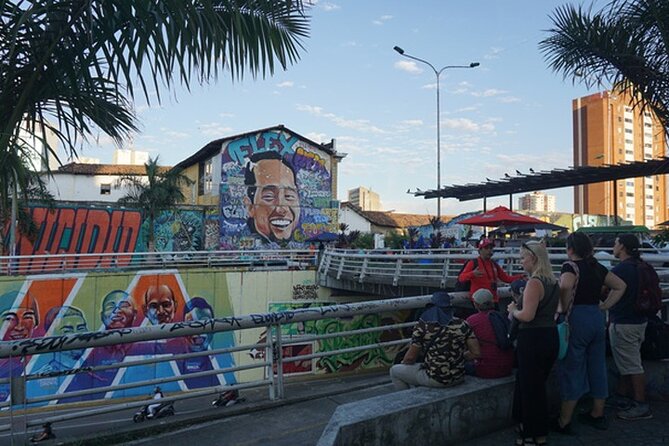
The tour opens at Plazoleta Jairo Varela in the Granada area. This is a good starting point because the square honors a major salsa composer and uses murals to celebrate his life and work.
You can expect an introduction to salsa caleña, the local style and culture that shape the rest of the walk. The stop lasts about 18 minutes, long enough for context and orientation without turning into a formal lecture.
I like this beginning because it gives you a human entry point. Instead of treating salsa as background music for a night out, the guide places it within Cali’s musical story. The murals also make the first stop visual, which helps if you are still adjusting to a Spanish-speaking tour.
Admission is free, and the meeting point is easy to identify: Plazoleta Jairo Varela, also known as Plazoleta de la Caleñidad, on Avenida 2 Norte. Check the exact meeting instructions before setting out, since the square has more than one reference name.
Parque de las Piedras: public space for salsa lovers
Next comes Parque de las Piedras, a meeting point associated with salsa fans. Its fountains, sculptures, open areas, and murals give the guide room to explain how public spaces support music and social life in Cali.
This stop is less about entering an attraction and more about reading the city around you. You may pause beside the sculptures, look at the murals, and hear how cultural diversity appears in the art. The 18-minute visit is fairly brief, so expect a focused explanation rather than an extended break.
The benefit is that the tour keeps moving. You see several parts of central Cali rather than spending the whole morning in one building. The drawback is that you may want more time for photographs or a closer look at the artwork. If a mural catches your eye, note its location and consider returning later.
Departmental Institute of Fine Arts: where art meets music
The Departmental Institute of Fine Arts brings a more formal cultural setting into the route. The building houses artistic expressions including painting, sculpture, and photography, and the guide explains the connection between local art and music.
This is an important change of pace. The tour is not limited to murals on exterior walls. You also get a glimpse of the institutions that support artistic life in Cali.
The stop is again planned for about 18 minutes. That timing suggests a short introduction to the building and its role rather than a full gallery visit. If you want a detailed look at exhibitions, you should not treat this walk as a substitute for a dedicated museum visit.
Still, the stop makes the route more balanced. It shows how Cali’s creative culture exists both in official spaces and on the street.
More Salsa Dancing Classes in Cali
- Shared Tour Cali’s Salsa, Graffiti & Resistance Experience
★ 4.8 · 53 reviews - Salsa Bar Hopping in Cali
★ 4.5 · 43 reviews - Salsa & Music Tour of Cali
★ 5.0 · 42 reviews - Friday Night Street Salsa and Bar Crawl in Cali, Colombia
★ 4.5 · 24 reviews
La Curva del Boulevard: food, nightlife, and painted facades
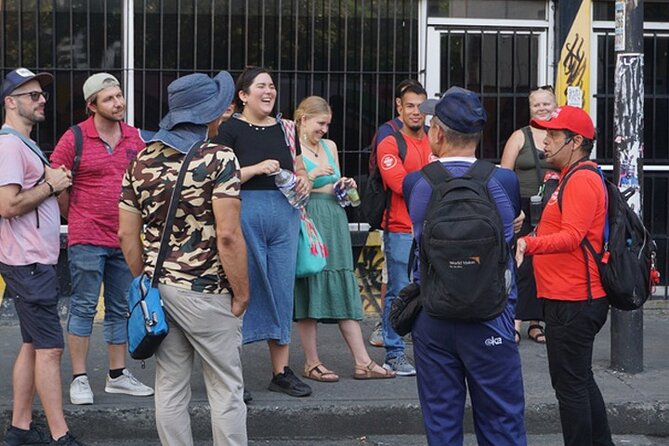
La Curva del Boulevard is associated with nightlife and dining. Here, the route shifts from cultural explanation toward the practical pleasures of the city: typical food, evening activity, and murals covering building fronts.
Food and drinks are not included, so budget extra if you want to eat at this point. The stop is a chance to ask the guide for local suggestions, but you should not assume that a meal is part of the $14 fee.
This is also one of the places where the tour can help with evening planning. If you arrive in Cali without a firm itinerary, a guide who understands the salsa scene can point you toward places that fit your interests. One person who took a related food-focused walk found the experience useful because it combined local dishes with lessons about salsa, the city, and important figures.
The practical limit is time. Eighteen minutes is enough to look around and hear recommendations, but not enough for a leisurely meal. Save your serious appetite for after the walk, or plan to return.
Boulevard del Río Emcali: a modern view of Cali
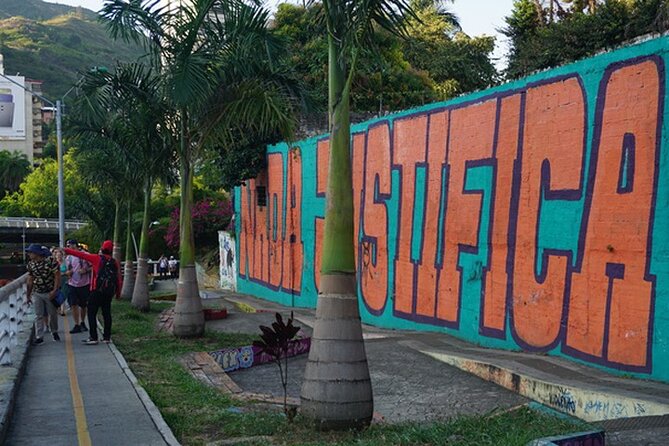
The Edificio Boulevard del Río Emcali introduces a more modern side of the city. Its architecture reflects urban development, while the viewpoint offers a panorama toward Cali and the river.
This stop matters because the route is not only about old buildings and historic stories. You also see how the city presents itself as a growing urban center. The view can help you place the streets you have walked and understand the relationship between the built center and the river.
The listed stop time is about 18 minutes. You should have enough time for a quick look and photographs, though the exact experience may depend on access and the pace of the group. Since the tour can include up to 30 people, move near the guide when the group gathers for explanations.
Calle del Sabor: the route’s most flavorful stretch
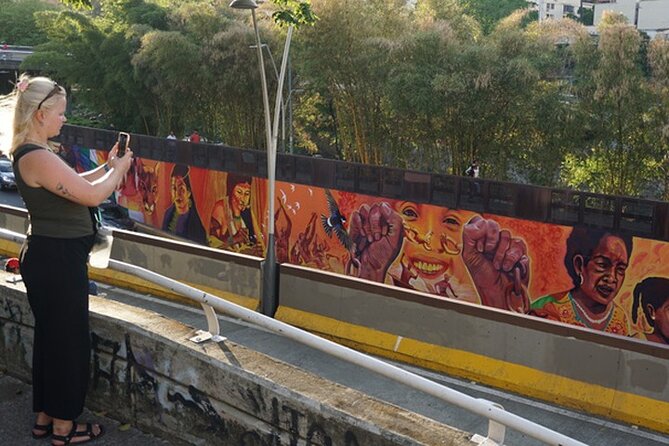
Calle del Sabor is described as the heart of salsa caleña. Bars, restaurants, themed shops, music, and murals come together here, creating one of the clearest links between food, nightlife, and local identity.
The walls tell stories of musicians, dancers, and popular culture. That makes this a good place to ask the guide how salsa moved beyond performance venues and became part of the city’s public character.
You will not receive food or drinks as part of the tour, but the street gives you plenty of ideas for later. The guide’s recommendations can be particularly useful here, since choosing a salsa bar in an unfamiliar city is not always easy.
The phrase Calle del Sabor points to the experience you should expect: a street where taste and sound overlap. It may also be one of the more active sections of the walk, so keep track of the group and wear comfortable shoes.
Beneficencia del Valle del Cauca: history in a colonial setting
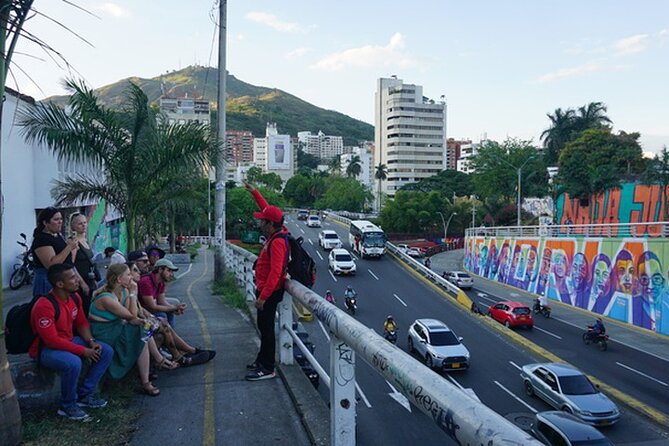
The Beneficencia del Valle del Cauca occupies a historic building with colonial architecture. It now houses cultural spaces where you may find art exhibitions, music presentations, and events connected with Cali’s heritage.
This stop shows another way culture is preserved and presented. Earlier, you see popular expression on walls and in public squares. Here, cultural activity takes place within an older architectural setting.
The visit lasts about 18 minutes, so expect an outside explanation or a short cultural introduction rather than an extensive indoor program. The supplied details do not promise a particular exhibition or performance on the day of your tour.
That uncertainty is worth remembering. The building is part of the route, but the exact cultural activity may vary. You should enjoy it as a context stop, not book the tour solely to see a specific show.
Calle de la Escopeta: Cali’s outdoor art gallery
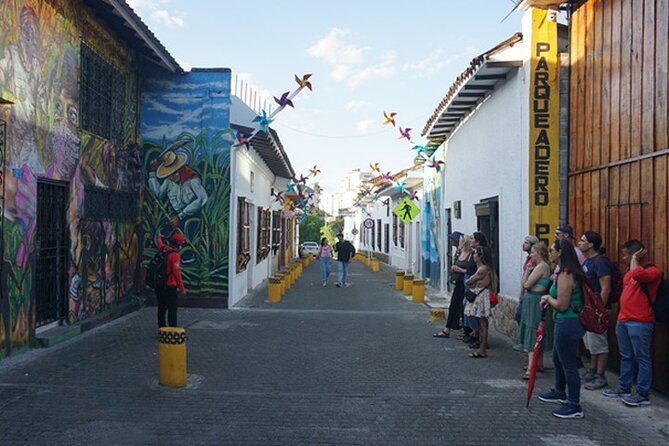
Calle de la Escopeta, or Street of the Shotgun, is a major urban art stop. Its colorful facades are covered in murals that give local artists a public canvas.
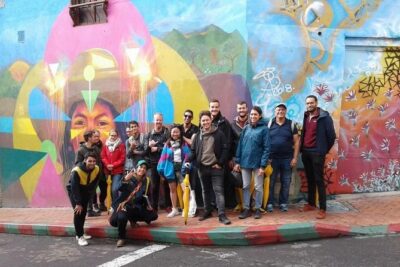
This is where the graffiti part of the tour becomes most direct. Instead of seeing one isolated painted wall, you walk through a street shaped by large-scale visual work. The guide can explain how artists use color, public space, and subject matter to express community ideas.
The title of the tour includes resistance, and this street helps explain why. Public art can record local concerns, celebrate identity, and give people a way to speak outside official institutions. The point is not that every mural has one simple political meaning. It is that the city’s walls participate in its public conversation.
You may wish the tour allowed more time here. Eighteen minutes goes quickly when there are many murals to examine. Keep your camera ready, but listen first, since the explanation is the part you cannot easily recreate alone.
Túnel Mundialista: football, murals, and local pride
The Túnel Mundialista is decorated with murals about football and local culture. It works as both a passage and a meeting place for sports fans.
This stop widens the theme beyond salsa. Cali’s identity includes music and dance, but also football, neighborhood pride, and shared public rituals. The painted tunnel gives the guide another way to show how sport and art meet in the city.
The tunnel should be easy to appreciate even if football is not your main interest. The murals provide a colorful walk, and the guide adds the stories behind them. Again, the planned 18-minute visit means you get an introduction rather than a full art study.
The route’s variety is its strength. By this point, you have seen formal arts, salsa landmarks, food streets, colonial architecture, graffiti, and football art. Cali begins to feel like a city with several overlapping cultural languages.
Cimarrón Salsa Bar: finish with a plan for the evening
The tour ends at Cimarrón Salsa Bar, described as a cult salsa venue where music and dancing continue late. The program includes live music, dance shows, and the chance to feel the energy of a working salsa venue.
The end point is especially useful. You do not finish at a random intersection and then have to search for nightlife. You finish with a specific place to consider for your evening. The address is on Calle 4 in the Normandía area.
Food, drinks, and souvenirs are not included. You should also remember that the tour itself does not promise a particular performance schedule beyond the description of live music and dance shows. Ask the guide what is happening that night before deciding to stay.
For a first day in Cali, this ending makes sense. You learn the background, practice a few steps, and then have a clear option for hearing salsa in a social setting. You do not need to be an experienced dancer to benefit, though you should expect a lively atmosphere rather than a quiet bar.
What $14 buys you, and the free-tour question
At $14, I consider this good value for a three-hour guided introduction, provided you want history, street art, and nightlife advice in one package. You receive a certified Spanish-speaking guide, explanations of Cali salsa and popular cultural movements, a route through major public art areas, and recommendations for salsa bars.
The cost is also reasonable because admission to the listed stops is free. You are paying for the guide’s time, route design, interpretation, and local suggestions rather than entrance tickets.
There is one important pricing wrinkle. The experience is associated with Beyond Colombia Free, Group & Private Tours, and one piece of feedback points out that the same kind of free walking tour may be bookable directly with Beyond Colombia for no set charge, with a tip offered to the guide instead. If you book through a third-party platform, compare the direct option first. The $14 may still be worth paying for convenience, but it is not necessarily the only way to join.
The tour is shared and can include up to 30 people. A smaller group usually makes it easier to hear Cristian or Juliana and ask questions. With a full group, stay close during explanations and expect the walk to feel more organized than personal.
Who will get the most from this walk
I would choose this tour if you want to understand why salsa matters in Cali, not merely find a dance club. It suits first-time visitors who want a cultural orientation and people who enjoy learning through streets, murals, and conversation.
It is also a strong fit if you are unsure how to plan your evenings. The recommendations for salsa bars, food spots, and cultural activities can save you guesswork. One related experience led to suggestions for a salsa club and a place with indigenous dancing on Thursdays, showing how useful a local guide can be for building a wider plan.
You may want another option if you need an English-language tour, dislike walking, or prefer long visits inside museums. The guide is Spanish-speaking, the route covers ten stops, and most stops last only about 18 minutes. The tour gives you a broad introduction rather than detailed time at each site.
Most people can participate, and service animals are allowed. The meeting point is near public transportation. Good weather is required, and the minimum group size must be met. You can cancel for a full refund up to 24 hours before the start time, but late cancellations and last-minute changes are not accepted.
Should you book Salsa, Graffiti & Resistance in Cali?
Book it if you want a lively, useful introduction to Cali’s salsa culture with street art and social context included. The strongest reasons are the energetic guides, the chance to learn simple dance steps, the use of instruments, and the explanation of music and art as forms of community expression.
I would especially recommend it early in your stay. You can use the route to choose where to eat, which salsa bar to try, and whether to return to a mural street at your own pace.
Think twice if you need English, a private experience, or a slow art tour. Also compare the $14 platform price with Beyond Colombia’s direct free-tour option. For most Spanish-speaking visitors who want culture with a beat, this is a smart way to get oriented before Cali’s nightlife takes over.
FAQ
How long does the Salsa, Graffiti & Resistance tour last?
The tour lasts approximately three hours.
Where does the tour begin?
It begins at Plazoleta Jairo Varela, also called Plazoleta de la Caleñidad, at Avenida 2 Norte in Granada, Cali.
Where does the tour finish?
The walk ends at Cimarrón Salsa Bar on Calle 4 in the Normandía area of Cali.
Is the guide included in the price?
Yes. The experience includes a certified Spanish-speaking guide.
Are food and drinks included?
No. Food, drinks, and souvenirs are not included.
How large can the group be?
The shared tour can have a maximum of 30 participants.
What happens if bad weather cancels the tour?
If poor weather causes cancellation, you can receive a different date or a full refund. A full refund is also available if you cancel at least 24 hours before the start time.
More Graffiti and Street Art Tours in Cali
- Cali: Comuna 20 Siloé Street Art Tour
★ 5.0 · 4 reviews - Medellin: Comuna 13 Graffiti Tour, Cable Car & Street Food
★ 4.8 · 9,046 reviews - Comuna 13 Graffiti Tour with Street Food
★ 5.0 · 7,503 reviews - Graffiti Tour: a fascinating walk through a street art City
★ 5.0 · 1,074 reviews
Just added in Cali
- Trekking to Pico de Loro★ 4.5 · 14 reviews
- Private Transfer from Cali Airport (CLO)★ 5.0 · 4 reviews
- Trekking & Rivering Reserve Pericos★ 5.0 · 5 reviews
- Transportes y Traslados desde Cali★ 5.0 · 1 review
- Sugar Cane Hacienda El Paraiso & Nature Day Tour★ 4.0 · 6 reviews
- CITY TOUR OF CALI | Discover with local experts Cali★ 5.0 · 2 reviews
- Friday Night Street Salsa and Bar Crawl in Cali, Colombia★ 4.5 · 24 reviews
- Saturday Night Bar Crawl in Cali, Colombia★ 5.0 · 20 reviews
Graffiti and Street Art Tours, compared.
Comuna 13 Graffiti Tour, Cable Car & Street Food
Read our review →
Graffiti Tour: a fascinating walk through a street art City
Read our review →
Comuna 13 Tour with Snacks And Your Own Graffiti
Read our review →
Comuna 13 and Graffiti Guided Tour with a Local
Read our review →Browse the lists this tour appears in