
REVIEW · HISTORICAL TOURS
Shared Tour of the Historical and Cultural Center of Cali
Cali’s story unfolds one square at a time. This three-hour shared walk links pre-Columbian art, colonial buildings, churches, poetry, salsa, and everyday city life for $14 per person, a low price that functions as the suggested tip for your certified guide. I like the compact route and the small group limit of 10, which should make it easier to hear explanations and ask questions.
I also like the range of subjects. You move from Calima goldwork to Cali’s cathedral, then toward Jairo Varela and the city’s salsa identity. The main drawback is that this is primarily a walking and sightseeing tour, and several buildings may be viewed from outside or require separate admission. If you expect a museum-heavy visit with long indoor stops, check your expectations first.
In This Review
- Key points to know before you book
- What this $14 Cali tour really gives you
- Starting with ancient Cali at La Merced
- Colonial architecture at Casa Arzobispal
- Calima gold at Museo del Oro
- Culture, theatre, and the city’s public life
- San Francisco, churches, and the city’s religious center
- Cathedral, Cayzedo, and the center of Cali
- From Calle del Pecado to Jairo Varela
- The walking pace and what to wear
- How the guides shape the experience
- Who should book this tour?
- Should you book the Cali historic center walk?
- FAQ
- How long does the tour last?
- How much does the tour cost?
- Is this a walking tour?
- What is included in the price?
- Are museum tickets, food, and tips included?
- Where does the tour start and finish?
- How many people can join the shared tour?
Key points to know before you book
- Fourteen central Cali stops in about three hours: The route covers museums, churches, plazas, cultural buildings, and salsa landmarks without sending you far across the city.
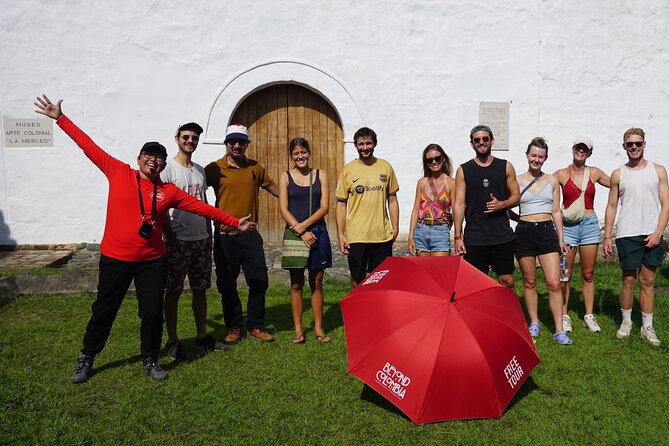
- A certified guide leads the experience: Guides such as Juliana and Lem have been praised for friendly delivery, local history, food, architecture, and salsa context.
- The $14 fee is a prepaid suggested tip: The amount goes to the guide, less the Viator commission, rather than functioning like a standard admission package.
- Expect a genuine walking tour: One description did not make the walking element clear, so wear comfortable shoes and prepare to spend most of the time on foot.
- Indoor access is limited or not guaranteed: Museo Arqueológico La Merced lists free admission, while several other stops list admission as not included.
- The route ends near Museo Jairo Varela: You finish at Av. 2 Norte in Granada, a useful point for continuing your day around Cali’s salsa culture.
What this $14 Cali tour really gives you
At $14, this experience is best understood as a guided orientation to central Cali, not as a bundle of museum tickets. Your payment is the suggested tip for the guide’s work, paid in advance through Viator, with the guide receiving the amount minus Viator’s commission.
That arrangement keeps the cost low. It also means the value depends heavily on the person leading the walk. A strong guide can connect a church, a colonial building, a public square, and a salsa monument into one clear story. The comments about Juliana and Lem point in that direction. Juliana is praised for being fun and organized, while Lem is noted for explaining local history, museums, architecture, street food, and salsa.
The maximum group size is 10 people. That is a useful middle ground. You get the social feel of a shared outing without the large crowd that can make a city walk hard to follow.
The tour runs for about three hours and includes 14 stops, with roughly 12 minutes assigned to each. That schedule tells you what kind of visit this is. You will get short explanations and a broad look at the center, rather than long, unhurried time inside every site.
More History Tours in Cali
- Shared Tour Cali’s Historical Downtown
★ 4.8 · 143 reviews - Historical Shared Tour Salsa, Graffiti & Resistance in Cali
★ 5.0 · 107 reviews - Cali: Walking tour of the historic center
★ 5.0 · 69 reviews
Starting with ancient Cali at La Merced
The meeting point is Museo Arqueológico La Merced, at Cra. 4 #6-59 in San Pedro. It is a sensible place to begin because the tour starts before modern Cali, with the pre-Columbian cultures of the Valle del Cauca.
The museum holds archaeological pieces connected with the region’s earlier societies. Even with only about 12 minutes, this opening gives the rest of the walk a useful frame. Cali is not just colonial churches and twentieth-century buildings. Its story reaches back to cultures whose artistic work and craftsmanship shaped the region long before Spanish rule.
Admission here is listed as free. Still, the short stop means you should not expect enough time for a careful museum visit. I would treat it as an introduction, then return later if the objects catch your interest.
Colonial architecture at Casa Arzobispal
Casa Arzobispal brings the route into the colonial period. The building, gardens, and long connection to Cali’s past offer a chance to picture how power and religion shaped the early city.
The stop is listed at 12 minutes, with admission not included. That wording matters. You may receive an exterior explanation or a brief look around, but you should not assume that a full interior visit is part of the price.
I like this stop for the way it adds texture to the walk. A guide can point out architectural details that are easy to miss when you pass on your own. If access is limited, the building still works as a visual marker between the archaeological museum and the later cultural sites.
Calima gold at Museo del Oro
Museo del Oro Calima is the clearest museum highlight on the route. It focuses on goldwork from the Calima culture, with finely made pieces that show the technical skill and artistic ideas of the region’s earlier inhabitants.
One useful point comes from the practical experience of the tour: the gold museum was the only place clearly described as an indoor visit. That makes it especially important if you want time inside a collection rather than a series of exterior views.
Admission is not included, so bring some flexibility for a separate ticket if required. The scheduled 12 minutes is brief for a museum, but it can still give you a strong first look at the collection. If pre-Columbian art is a major reason for your visit, plan a return visit with more time.
A completely different kind of day:
- A day to enjoy nature and have an adventure in the Jordan river
★ 5.0 · 469 reviews - Cali: City Tour | Guided tour around the city
★ 5.0 · 287 reviews - Street Food Tour
★ 5.0 · 157 reviews - The Cali Street Food Walking Tour
★ 5.0 · 81 reviews
Culture, theatre, and the city’s public life
Centro Cultural de Cali is a useful stop for understanding what the city does today. Exhibitions, concerts, workshops, and other artistic activities take place here. The building represents culture as an active part of daily life, not simply something stored in museums.
Next comes Teatro Municipal Enrique Buenaventura, an important performance venue for plays, concerts, and other events. The stop helps connect Cali’s historic center with its stage traditions. You may get more from the explanation than from the 12-minute visit itself, since event schedules and interior access are not provided.
The route then includes Parqueadero Público Cl7 Kr5. The name sounds more functional than scenic, but the stop is described as a short break where you can stretch and take in a city view from a useful vantage point. This pause matters on a quick walking route. Fourteen stops in three hours can feel brisk, so a moment to reset is welcome.
San Francisco, churches, and the city’s religious center
Plazoleta de San Francisco offers a quieter point in the middle of the historic center. The square is described as a calm place to pause, and its position beside the church makes it a natural lead-in to the next stop.
Iglesia de San Francisco adds religious architecture and interior detail. Admission is not included, so access may depend on opening conditions or any separate fee. The guide’s explanation should help you notice the relationship between the church, the plaza, and the surrounding historic streets.
Edificio Bolsa De Occidente shifts the subject from faith to commerce. It is associated with Cali’s economic growth in the early twentieth century. That change of subject is one of the route’s strengths. You are not given one narrow version of the city. Instead, you see how religion, trade, public culture, and entertainment all occupy the same center.
Cathedral, Cayzedo, and the center of Cali
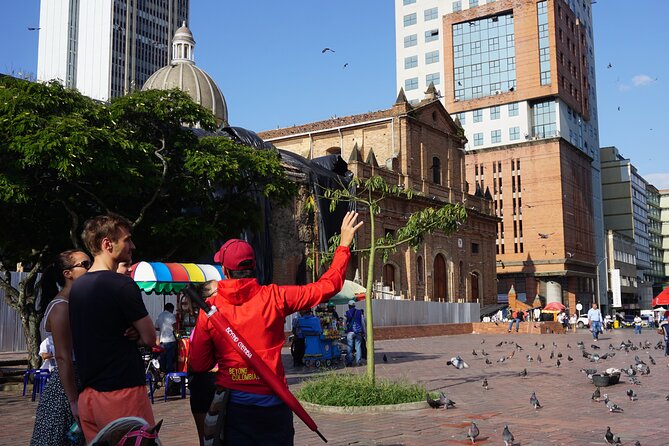
St. Peter the Apostle Cathedral is the main religious landmark on the route. Its facade and interior offer another chance to see the city through its Catholic traditions. Admission is not included, so again, do not assume a full interior tour.
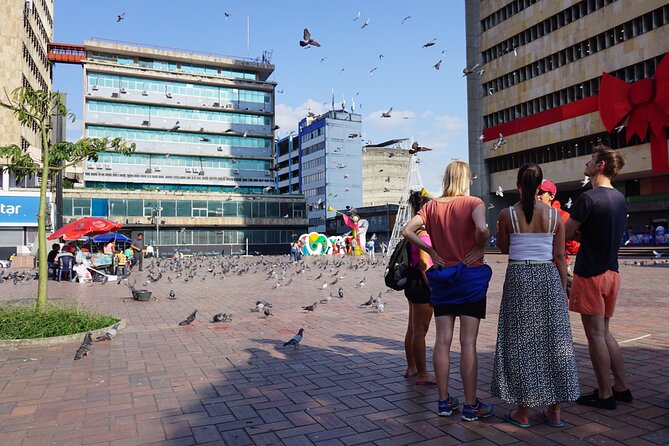
Plaza de Cayzedo is the geographic and civic heart of the itinerary. The square has witnessed major historical and cultural events, making it more than a place to cross on the way to somewhere else. A guide can help you read the space as a meeting point for public life.
This is also where the tour’s short-stop format becomes clear. Twelve minutes is enough to hear why the square matters and take in the setting. It is not enough for a long independent wander, people-watching session, or detailed architectural study. If you enjoy public squares, note what you want to revisit after the tour.
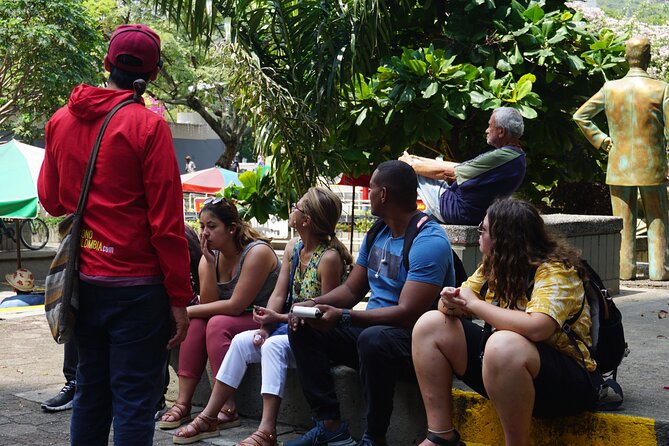
Parque de los Poetas gives the route a literary pause. The space honors poetry and offers a place to relax in the center. It is a small but worthwhile change from monuments and formal buildings, especially if you want to see how Cali presents its cultural figures in public spaces.
From Calle del Pecado to Jairo Varela
Calle Del Pecado brings a more modern, social side of Cali into view. It is known for bars and restaurants, so this part of the route can help you identify an area for a later meal or evening outing. Snacks and lunch are not included, which gives you freedom to choose your own stop, but you should budget separately if you want to eat along the way.
The final destination is Plazoleta Jairo Varela, beside Museo Jairo Varela, at Av. 2 Norte in Granada. Jairo Varela is honored here as a major figure in salsa, and the plaza is connected with live music and dancing.
Ending with salsa is a smart choice. Cali’s identity is strongly tied to music and dance, and the final stop gives the historical walk a lively cultural finish. It also keeps the tour from feeling like a string of old buildings. You finish with a living tradition that you can continue exploring after the guide says goodbye.
The walking pace and what to wear
This is a walking tour, even though that point can be easy to miss when reading the basic description. One assessment specifically noted that the walking format was not clearly stated, while another praised the comfortable, slow pace.
That combination is encouraging. You should still wear comfortable shoes, but you are not signing up for a race. The route’s 14 stops create a steady rhythm: walk, listen, look around, and move on.
The tour lasts about three hours. You may find the pace manageable, but the schedule leaves little room for long photo sessions or extended museum visits. Snacks and lunch are not included, and it is wise to plan your food before or after the walk rather than counting on a meal during it.
The meeting point is near public transportation, and most people can participate. Service animals are allowed. No more specific accessibility details are provided, so if you need particular support, ask the operator before booking.
How the guides shape the experience
The strongest reason to book is the guide. A short city walk can become a dull list of dates and buildings, or it can help you understand how the parts fit together.
Juliana receives especially warm praise for being fun and conducting the tour well. Lem is credited with linking history to museums, architecture, street food, and salsa. Those details are useful because they show the kind of commentary you can hope for: not only formal facts, but also links to how Cali feels and functions.
The 4.9 rating from 211 ratings and the 98 percent recommendation rate suggest a consistently well-received experience. Still, a shared tour always depends on the guide assigned that day and on the group’s pace. The $14 price makes that uncertainty easier to accept.
Who should book this tour?
I would choose this walk if you are visiting Cali for the first time and want a quick orientation. It gives you a map in your head, introduces the historic center, and points you toward museums, churches, restaurants, and salsa-related places you can explore later.
It also suits you if you want variety. The route moves from archaeology to colonial architecture, goldwork, theatre, religion, business, poetry, food streets, and salsa. Few three-hour outings cover so many sides of the city.
I would hesitate if your priority is detailed museum access. Several stops list admission as not included, and the timing gives each place only about 12 minutes. You may see many locations without having time to study them closely.
The tour requires a minimum number of participants. If that minimum is not met, the operator offers another date or experience, or a full refund. You can cancel for a full refund up to 24 hours before the start time, but changes or cancellations inside that window are not accepted.
Should you book the Cali historic center walk?
Book it if you want a low-cost, guide-led introduction to Cali’s center, especially one that ends with the city’s salsa culture. The small group limit, strong rating, and praise for guides such as Juliana and Lem make the $14 suggested tip a reasonable value.
Skip it if you want a slow museum tour or guaranteed entry to every building. For most first-time visitors, though, this is a useful first afternoon or morning plan. It gives you enough context to decide where you want to spend more time on your own, which is exactly what a good city orientation should do.
FAQ
How long does the tour last?
The tour lasts approximately three hours.
How much does the tour cost?
The price is $14 per person. This amount is the suggested tip for the guide’s work, paid in advance through Viator, with Viator’s commission deducted before payment reaches the guide.
Is this a walking tour?
Yes. The experience is a walking tour through Cali’s historic and cultural center. A comfortable, slow pace has been noted, but you should still wear suitable walking shoes.
What is included in the price?
A certified guide is included.
Are museum tickets, food, and tips included?
Snacks and lunch are not included. Admission is listed as free at Museo Arqueológico La Merced and Plazoleta de San Francisco, while admission is not included at several other stops. The $14 payment functions as the suggested guide tip.
Where does the tour start and finish?
The tour starts at Museo Arqueológico La Merced, Cra. 4 #6-59, San Pedro, Cali. It ends at Museo Jairo Varela, Av. 2 Norte #60 a 2, Granada, Cali.
How many people can join the shared tour?
The tour has a maximum of 10 travelers. It requires a minimum number of participants, and if that minimum is not reached, you will be offered another date or experience or a full refund.
Just added in Cali
- Trekking to Pico de Loro★ 4.5 · 14 reviews
- Private Transfer from Cali Airport (CLO)★ 5.0 · 4 reviews
- Trekking & Rivering Reserve Pericos★ 5.0 · 5 reviews
- Transportes y Traslados desde Cali★ 5.0 · 1 review
- Sugar Cane Hacienda El Paraiso & Nature Day Tour★ 4.0 · 6 reviews
- CITY TOUR OF CALI | Discover with local experts Cali★ 5.0 · 2 reviews
- Friday Night Street Salsa and Bar Crawl in Cali, Colombia★ 4.5 · 24 reviews
- Saturday Night Bar Crawl in Cali, Colombia★ 5.0 · 20 reviews
Historical Tours, compared.
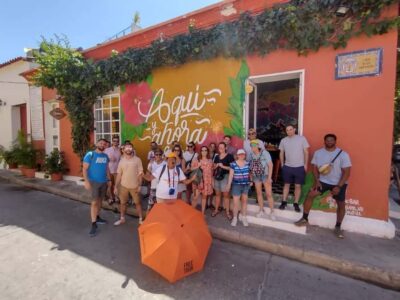
Historic Center and Getsemaní Shared Walking Tour
Read our review →
Shared Tour of the Historic Candelaria in Bogotá
Read our review →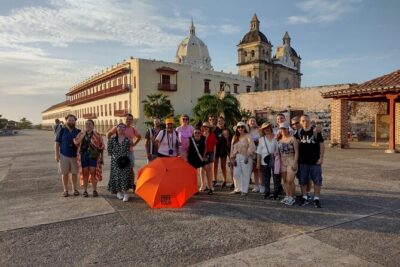
Historic Center & Getsemaní Shared Tour in Cartagena
Read our review →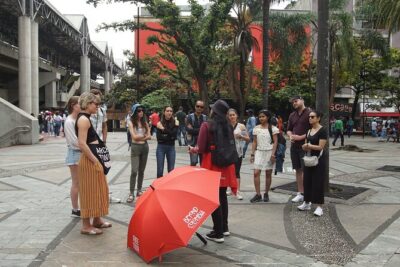
Shared Tour Historic Center of Medellin with Audio System
Read our review →
Medellín Essential: history & local life on E-bike
Read our review →
Medellin Historic Walking Tour with Expert Guide
Read our review →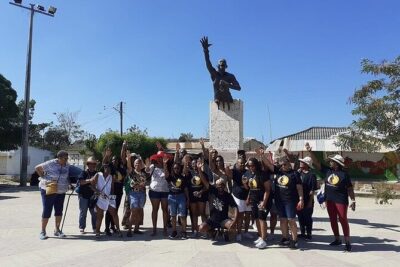
Bogota Shared Gastronomy Tour in the Historic Center
Read our review →Browse the lists this tour appears in