
REVIEW · HISTORICAL TOURS
Shared Tour Cali’s Historical Downtown
Cali’s past has plenty of rhythm. This walking tour makes the city’s story unusually easy to follow, linking colonial buildings, Afro-Colombian traditions, salsa, drug trafficking, protest movements, and the arts in one downtown walk. I especially like the strong local focus and the way guides connect food, music, and slang to the city’s history. I also like that you see major landmarks without paying surprise entrance fees. The main drawback is the pace: you may walk about 7 kilometers, and the tour can feel long if you prefer short sightseeing stops.
The listed duration is 150 minutes, though the description says to allow about three hours. That difference matters. You should arrive ready for a serious walk, not a quick introduction. Comfortable shoes, water, and rain protection will make a real difference, especially in Cali’s changeable weather.
In This Review
- Five things to know before you go
- Starting at La Merced and the birth of Santiago de Cali
- From San Francisco Square to the city’s colonial core
- Cayzedo Square and Cali’s changing public life
- The River Boulevard and Puente Ortiz
- La Ermita and Cali’s postcard view
- Theaters, literature, cinema, and the arts
- Jairo Varela and the sound of salsa
- Food, slang, and the chontaduro tasting
- Protests, the pandemic, and Cali’s fighting spirit
- How the guides shape the experience
- Is $13 good value for 150 minutes?
- Who should book this Cali walking tour?
- Should you book it?
- FAQ
- Where does the tour meet?
- How long does the tour last?
- How far will I walk?
- What language is the tour offered in?
- What sights are included?
- Is food included?
- Is transportation included?
- Can I cancel the booking?
Five things to know before you go
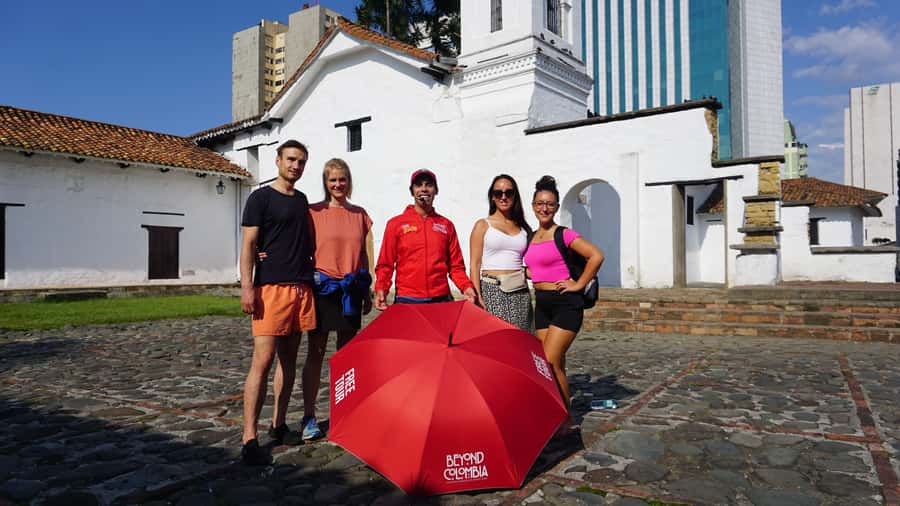
- The route begins at La Merced: Meet in front of the Museo Arqueológico La Merced, marked by Beyond Colombia’s red umbrellas.
- You cover about 7 kilometers: The route includes frequent stops, but it is still a substantial downtown walk.
- The story goes beyond architecture: You will discuss Afro-Colombian culture, salsa, soccer, drug trafficking, protests, literature, cinema, and theater.
- Guide quality is a major strength: Cristian, Fernando, Juliana, Lem, Adriana Alvarez, and Christian have all drawn especially warm praise for their energy and local insight.
- There is a small taste of Cali: Chontaduro is offered when available, and guides point out places for food, coffee, shopping, and souvenirs.
- The price is low for the coverage: At $13 per person, you get a broad orientation to central Cali without added entrance fees or transport costs.
Starting at La Merced and the birth of Santiago de Cali
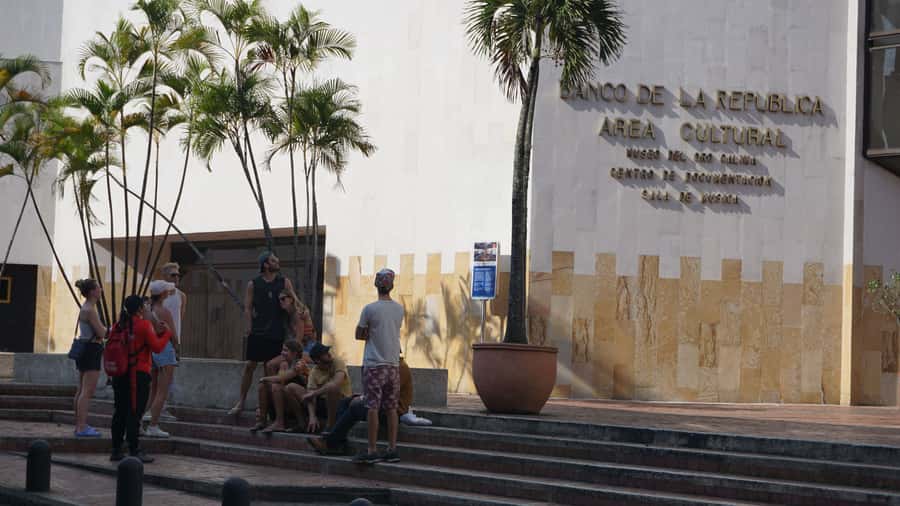
The meeting point in front of the Museo Arqueológico La Merced is a useful place to begin. La Merced Church marks the early colonial center of Santiago de Cali, and the nearby Calima Gold Museum helps introduce the Indigenous cultures connected to the region before and during Spanish rule.
This opening gives the tour a useful frame. Cali is not presented as a city that began with salsa clubs or modern high-rises. You start with the older forces that shaped the city: geography, Indigenous communities, Spanish colonization, African slavery, agriculture, trade, and the growth of the Valle del Cauca.
The Valle del Cauca matters throughout the walk. Its fertile setting helped shape Cali’s economy and its links with the Pacific coast. That connection also helps explain why Cali’s culture differs from the image many first-time visitors bring to Colombia. The city is not only about colonial façades or Andean traditions. Pacific food, African rhythms, local speech, and migration are central to its character.
I like this beginning because it gives you more than dates and names. You are encouraged to think about how a place produces its culture. The guide connects geography to food, labor, music, and social class, which makes the city easier to understand as you continue through the streets.
More History Tours in Cali
- Shared Tour of the Historical and Cultural Center of Cali
★ 5.0 · 211 reviews - Historical Shared Tour Salsa, Graffiti & Resistance in Cali
★ 5.0 · 107 reviews - Cali: Walking tour of the historic center
★ 5.0 · 69 reviews
From San Francisco Square to the city’s colonial core
The route continues through San Francisco Square, one of the important public spaces in the center. From here, the guide can explain how religious and civic buildings helped organize colonial life and how the downtown area changed as Cali expanded.
You will also see St. Peter’s Cathedral and other historic buildings that show the city’s Spanish influence. The point is not to treat each church as an isolated sight. Instead, the stops help you read the center as a record of political power, faith, commerce, and changing urban life.
This is a walking tour, so the best part is often the explanation between landmarks. You see how one square leads to another and how modern Cali sits on top of older layers. At the same time, do not expect long indoor museum visits. The advertised route focuses on outdoor sightseeing, and entrance tickets are not included because the group does not make stops that require sudden extra charges.
That makes the tour simple and good value, but it also means you should not book it expecting a series of formal museum tours. You are getting a guided city walk with historical interpretation.
Cayzedo Square and Cali’s changing public life
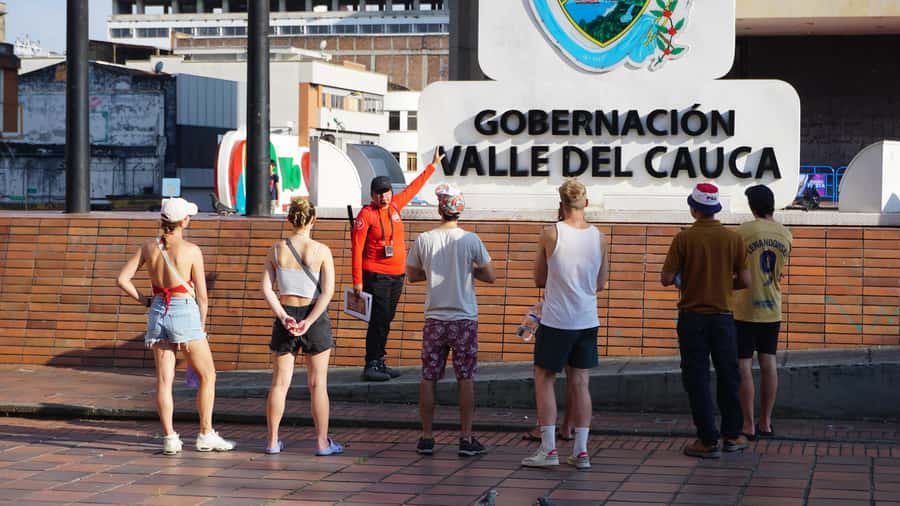
Cayzedo Square is one of the key points in central Cali. It gives the guide a natural place to discuss civic identity, political change, and the way public spaces become stages for celebration, protest, and daily life.
The tour’s historical story includes civil wars, discrimination, social inequality, and the difficult effects of drug trafficking. This is important because a polished city tour can easily reduce Cali to colorful walls and salsa music. This one aims to show both the joy and the damage that shaped modern life.
You will hear about the rise of drug cartels and their effects on ordinary society. The subject is handled as part of Cali’s social story, alongside soccer, music, and popular culture. That balance matters. Salsa and soccer are not treated as simple entertainment, while drug trafficking is not used as a cheap shock story.
The guide is also expected to remain objective and avoid taking sides. Still, the tour does not pretend that history is free of conflict. You are given an explanation of how violence, inequality, resistance, and community life affected one another.
The River Boulevard and Puente Ortiz
The River Boulevard and Puente Ortiz bring the tour into a more modern public setting. These places help show how Cali has reshaped its center and how the riverfront functions as more than a backdrop for photographs.
Puente Ortiz is one of the city’s architectural reference points. It also helps connect the older center with newer urban projects. As you walk, the guide can point out how infrastructure affects movement, public space, and the way people experience downtown.
This portion of the route is useful for getting your bearings. You are no longer only looking at church towers and colonial buildings. You are seeing a city that has made room for pedestrians, public gathering, and new forms of civic life.
If you like architecture, this route gives you a solid first look, but it is not a specialist architecture tour. The guide’s attention is spread across buildings, politics, culture, and social history. That broad approach is a strength for first-time visitors, though architecture fans may want a separate visit to study the details at a slower pace.
A completely different kind of day:
- A day to enjoy nature and have an adventure in the Jordan river
★ 5.0 · 469 reviews - Cali: City Tour | Guided tour around the city
★ 5.0 · 287 reviews - Street Food Tour
★ 5.0 · 157 reviews - The Cali Street Food Walking Tour
★ 5.0 · 81 reviews
La Ermita and Cali’s postcard view
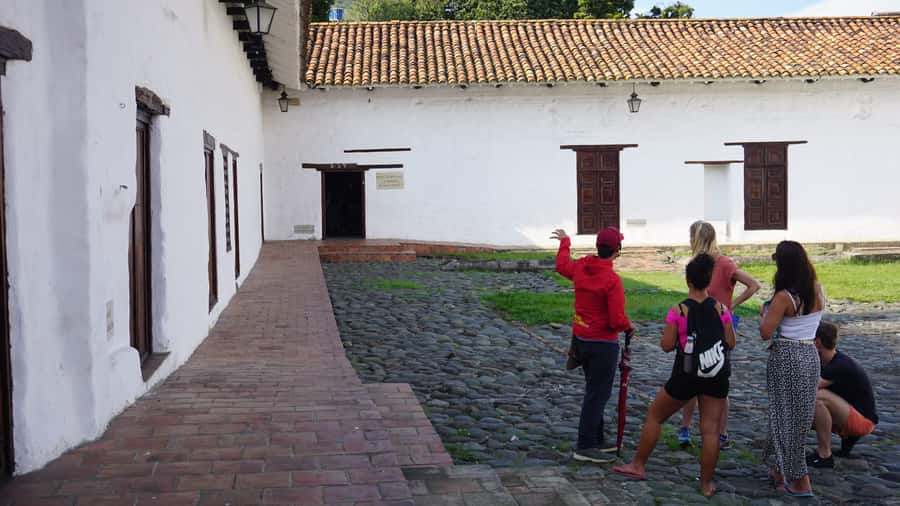
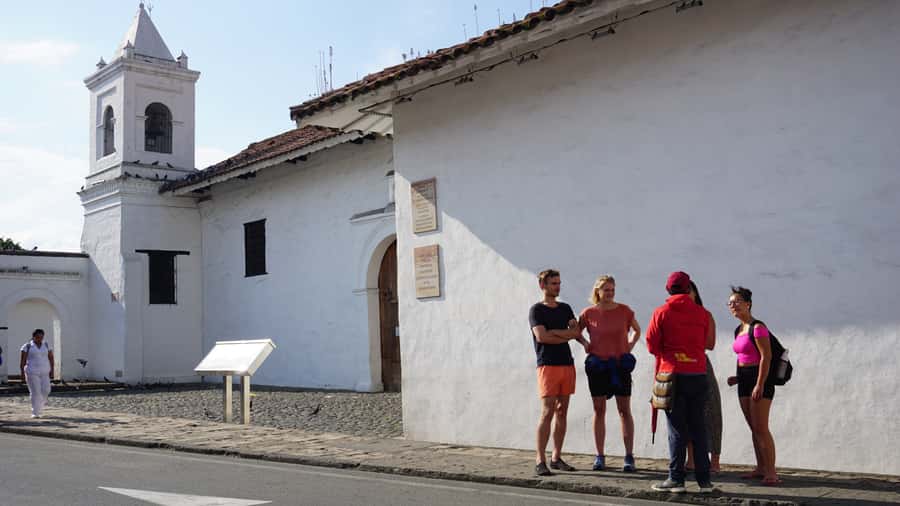
The Ermita is one of Cali’s best-known architectural icons and an important photo stop. Its appearance is distinctive, and the church helps anchor the tour’s discussion of the city center.
Here, you get a strong sense of how Cali presents itself visually. The route moves between historic religious buildings and busy public spaces, showing why the downtown area remains important even as the wider city grows.
The stop also works well as part of the larger story about identity. Cali is often called the Sultana del Valle and La Sucursal del Cielo. Those nicknames reflect pride in the city’s setting and personality, but the guide also places them beside harder truths about social conflict and exclusion.
That contrast is one of the tour’s best features. You are not asked to choose between a beautiful, musical Cali and a troubled, unequal Cali. Both realities are part of the city you are visiting.
Theaters, literature, cinema, and the arts
The Municipal Theater and Jorge Isaacs Theater shift the focus toward creative life. Cali’s culture is not limited to dance floors. Literature, cinema, and theater have all helped shape how the city describes itself.
The Jorge Isaacs Theater is especially useful in a discussion of the city’s writers and artistic voices. The guide connects poems and songs about Cali’s mountains, women, and streets with the wider process of cultural change.
The arts section gives the tour breathing room after the more difficult subjects of war, discrimination, and trafficking. It also shows how a city can respond to hardship through creative work. You may come away with a better sense of why local culture feels so expressive, humorous, and defiant.
This part will suit you if you enjoy cultural context rather than a checklist of sights. It is less useful if you want detailed information about every performance venue or a full art-focused route. The stops are part of a wider narrative.
Jairo Varela and the sound of salsa
Jairo Varela Square brings salsa into the center of the tour. Varela was a major figure in Colombian salsa, and the square gives the guide a fitting place to explain the music’s role in Cali.
The story includes the growth of the salsa movement during the years of cartel influence and the importance of La Feria de Cali. The festival helped make music and dance central to the city’s public image. Cali’s famous acrobatic salsa style did not appear from nowhere. It grew through local practice, performance, neighborhood life, and a strong connection to the wider Pacific and Caribbean sound world.
You will also learn about the African roots of Cali’s culture. The tour links the legacy of enslaved Africans to gastronomy, music, dance, and songs from the Pacific. This is one of the most valuable parts of the experience because it corrects a common mistake: treating Afro-Colombian culture as a side note instead of one of the foundations of Cali’s identity.
The salsa section is likely to be one of the most energetic parts of the walk. Lem is especially praised for his love of salsa, while Cristian and Christian are repeatedly described as lively and engaging. If your guide has a strong connection to the music, expect this section to feel less like a lecture and more like a local introduction to the city’s pulse.
Food, slang, and the chontaduro tasting
Food is used here as a way to explain history. You will hear how the three major cultural groups that shaped Valle del Cauca influenced local dishes, speech, and customs.
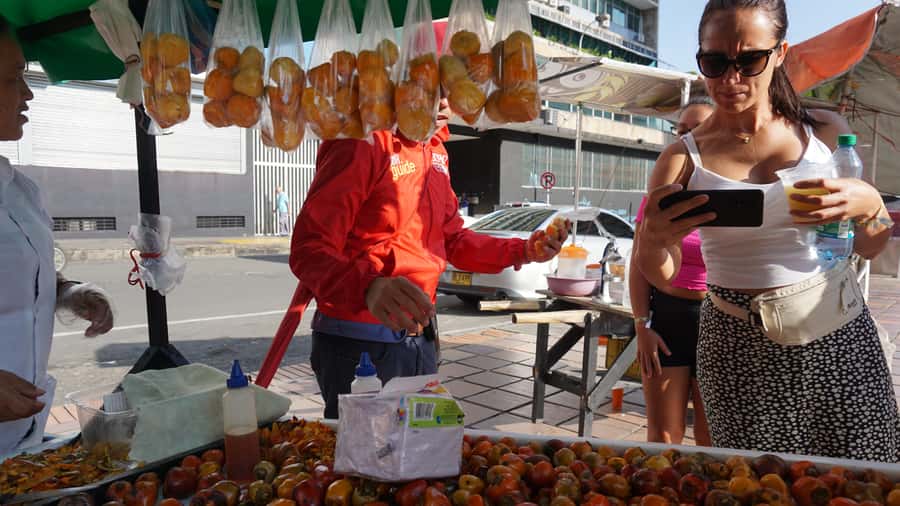
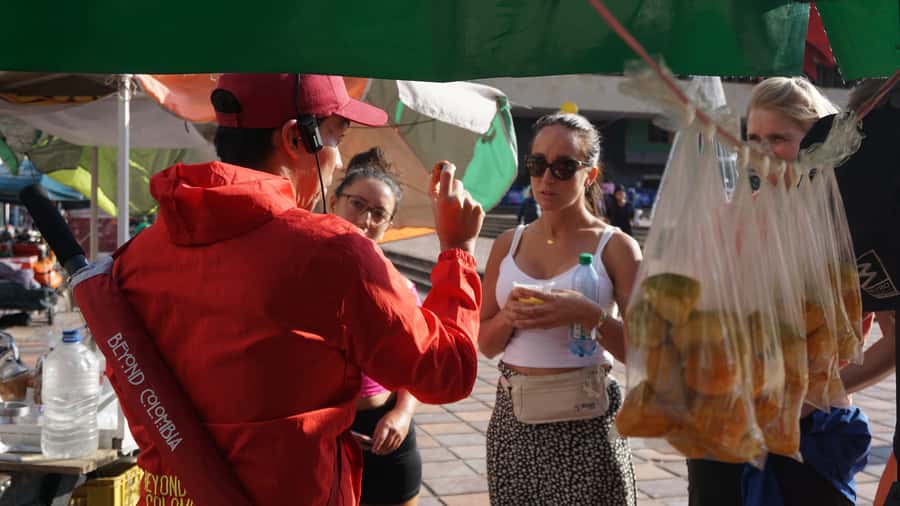
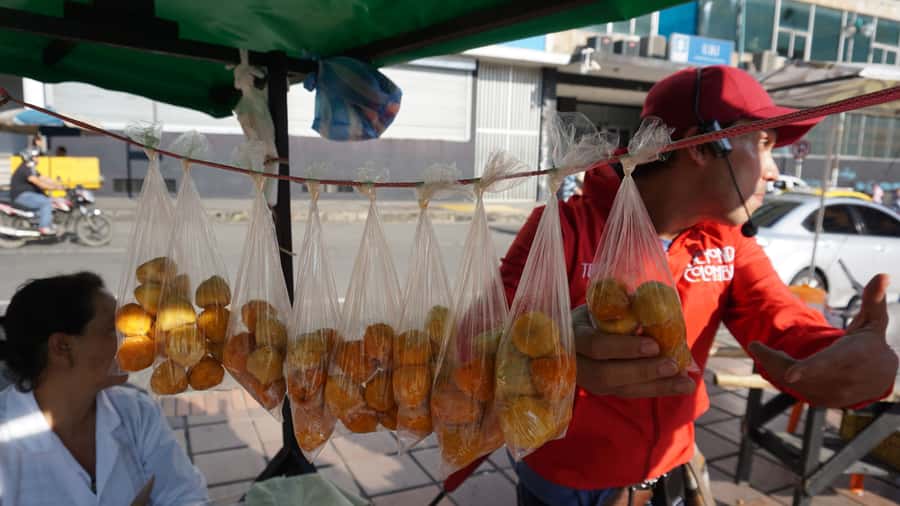
When available, the tour includes a taste of chontaduro, a fruit strongly associated with Colombia’s Pacific region. It is a small sample, not a meal, so you should still eat beforehand or plan lunch afterward.
The guides also recommend local places for lunch, coffee, souvenirs, and other purchases. This is practical help you can use after the tour, especially because the route puts you in a central part of Cali where you can continue exploring on foot.
Drinks, meals, and souvenirs are not included. That keeps the base price low, but you should bring some Colombian pesos or another payment method if you want to stop for food or buy something along the way. The tour itself does not include transportation, so you also need to reach the meeting point and make your own way back.
Protests, the pandemic, and Cali’s fighting spirit
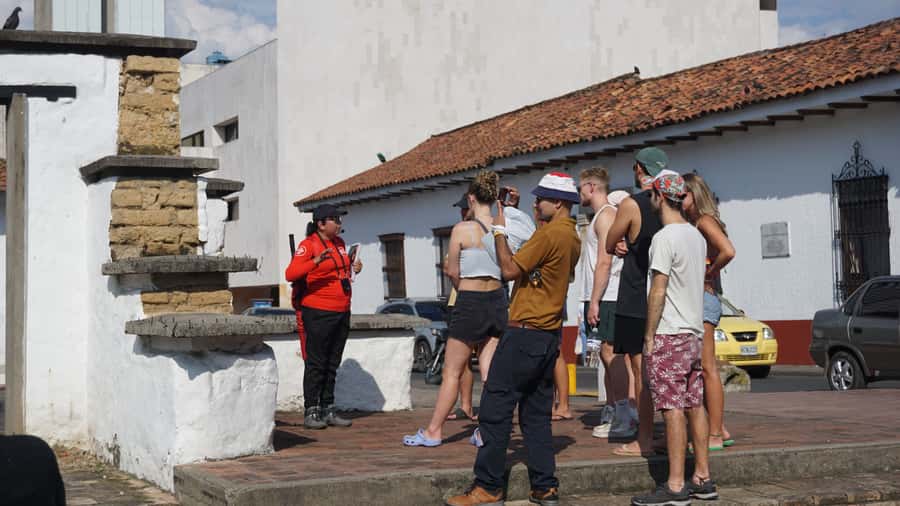
The final part of the story turns toward social revolts during and after the pandemic. The guide explains how Cali’s political and social tensions produced protest and resistance movements.
This subject can be uncomfortable, but it gives you a clearer view of contemporary Cali. The city’s rebellious streak is presented as part of a longer tradition shaped by discrimination, inequality, labor, race, and the struggle for recognition.
I value this modern focus because it prevents the tour from ending in a romantic version of the past. You learn how history continues to affect daily life. The phrase don’t give papaya is useful here in a practical sense too: keep your belongings close in crowded areas and avoid careless displays of phones or cash.
Cali is a place where you should pay attention to your surroundings. The tour provider specifically advises keeping friends close and possessions closer. That is sensible advice for any busy urban center and should not be ignored.
How the guides shape the experience
The guide can make or break a history walk, and this experience has a strong record in that department. Cristian is praised for professional service, energy, clear explanations, and the ability to engage a group. Fernando is described as friendly, interactive, and full of local tips.
Juliana is a Cali resident who speaks excellent English and brings a strong local perspective. Lem is known for his enthusiasm for salsa, while Christian is praised for making history lively and easy to follow. Adriana Alvarez has also received strong praise for her presentation of Cali’s past.
The guide roster can vary, so you cannot choose a particular person simply from the booking. Still, the consistent pattern is encouraging: the best guides are not just reciting information. They get to know the group, adjust the route when city conditions require it, and keep the pace social.
One practical note: a scheduled walk can occasionally be replaced if circumstances prevent it from running. One booking was redirected to a market food tour, which was described as a good substitute. If your plans are tight, keep a little flexibility around the start time.
Is $13 good value for 150 minutes?
At $13 per person, this is a strong orientation tour for Cali. You see major central sights, receive a connected explanation of the city, get a possible chontaduro tasting, and leave with suggestions for meals and shopping.
The value is greatest if you are new to Cali and want context before exploring alone. A guide can help you understand why the same city is celebrated for salsa and flavor while also carrying painful memories of violence, exclusion, and protest.
The cost does not cover food, drinks, transport, or a private guide. You also need to remember that it is a shared group walk. That means you will meet other people, but you will not receive a custom route built around your own interests.
Free cancellation up to 24 hours before the tour and reserve-now, pay-later booking make it easier to fit into a changing itinerary. The tour is offered in English, and the stated age guidance says it is not suitable for people over 70. The walking distance is the more important practical limit for most people.
Who should book this Cali walking tour?
I would choose this tour if you want a first look at Cali that joins landmarks with social history. It suits curious visitors who want to understand Afro-Colombian influence, salsa, local food, public protest, and the city’s creative life in one outing.
It is also a good choice if you have only a short stay. In two and a half to three hours, you cover many central sights and receive useful advice for the rest of your visit.
You may want another option if you dislike long walks, prefer private guiding, or want extended time inside museums and theaters. The pace is active, and the subject matter is broad. You should also bring rain protection, water, comfortable clothing, and sturdy shoes.
Should you book it?
Yes, if you want an affordable and honest introduction to Cali. The strongest reason to book is not a single church or square. It is the way the guide links the Valle del Cauca’s geography with African heritage, salsa, food, protest, and the arts.
Book it early in your stay so the recommendations can shape the rest of your time in the city. Just allow closer to three hours than 150 minutes, prepare to walk about 7 kilometers, and arrive with an open mind. If you do that, $13 buys a useful sense of where Cali came from and why its culture sounds, tastes, and moves the way it does.
FAQ
Where does the tour meet?
The meeting point is in front of the Museo Arqueológico La Merced, beside La Merced Church. Look for the Beyond Colombia guides with red umbrellas.
How long does the tour last?
The listed duration is 150 minutes. The tour description also says to allow approximately three hours.
How far will I walk?
You will walk about 7 kilometers, with several stops to rest and listen to the guide.
What language is the tour offered in?
The live guided tour is offered in English.
What sights are included?
The route includes La Merced, the Calima Gold Museum area, the River Boulevard, San Francisco Square, Cayzedo Square, Jairo Varela Square, The Ermita, the Municipal Theater, St. Peter’s Cathedral, Jorge Isaacs Theater, and Puente Ortiz.
Is food included?
A chontaduro tasting is included when available. Other food, drinks, and souvenirs are not included.
Is transportation included?
No. You are responsible for reaching the meeting point, and the tour itself is done on foot without included transportation.
Can I cancel the booking?
Yes. You can cancel up to 24 hours in advance for a full refund. You can also reserve now and pay later.
Just added in Cali
- Trekking to Pico de Loro★ 4.5 · 14 reviews
- Private Transfer from Cali Airport (CLO)★ 5.0 · 4 reviews
- Trekking & Rivering Reserve Pericos★ 5.0 · 5 reviews
- Transportes y Traslados desde Cali★ 5.0 · 1 review
- Sugar Cane Hacienda El Paraiso & Nature Day Tour★ 4.0 · 6 reviews
- CITY TOUR OF CALI | Discover with local experts Cali★ 5.0 · 2 reviews
- Friday Night Street Salsa and Bar Crawl in Cali, Colombia★ 4.5 · 24 reviews
- Saturday Night Bar Crawl in Cali, Colombia★ 5.0 · 20 reviews
Historical Tours, compared.
Historic Center and Getsemaní Shared Walking Tour
Read our review →
Shared Tour of the Historic Candelaria in Bogotá
Read our review →
Historic Center & Getsemaní Shared Tour in Cartagena
Read our review →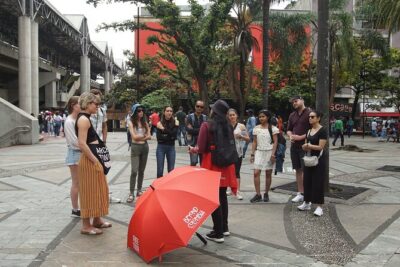
Shared Tour Historic Center of Medellin with Audio System
Read our review →
Medellín Essential: history & local life on E-bike
Read our review →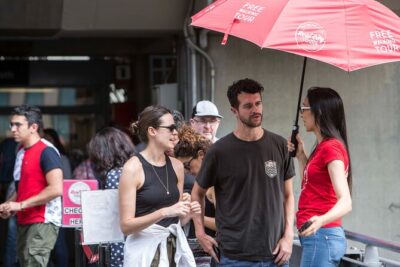
Medellin Historic Walking Tour with Expert Guide
Read our review →
Bogota Shared Gastronomy Tour in the Historic Center
Read our review →Browse the lists this tour appears in