
REVIEW · GRAFFITI AND STREET ART TOURS
Shared Tour Cali’s Salsa, Graffiti & Resistance Experience
Cali’s salsa has a story behind the beat. This $13 walking tour links dance, graffiti, African emancipation, and social protest, giving you a sharper view of the city than a simple nightlife outing. I like the strong mix of music and street art, and I like that guides such as Cristian bring real warmth and energy to the storytelling. The main catch is the distance: you may walk about 8 kilometers in roughly two and a half hours.
This is a shared tour, so you will meet other people rather than receive a private lesson in salsa or a custom city walk. Still, the price is hard to argue with. You get a local guide, a clear introduction to Cali’s salsa culture, street murals, bar recommendations, and a route through several central sights without added entrance fees.
In This Review
- Key points at a glance
- Why Cali salsa means more than dancing
- Meeting under the red umbrellas
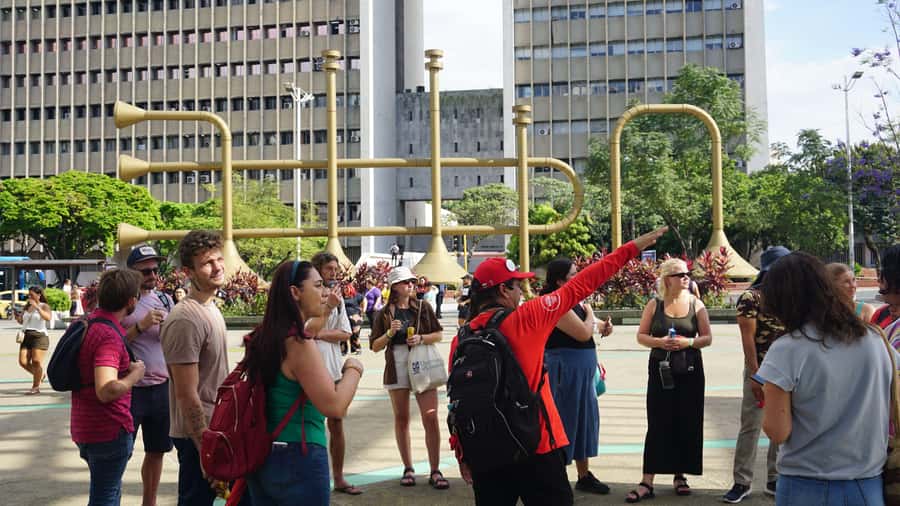
- Plazoleta de la Caleñidad and the city’s public identity
- Calle del Pecado and the street of flavor
- The River Boulevard and the Curve
- World Cup Tunnel and Fifth Avenue
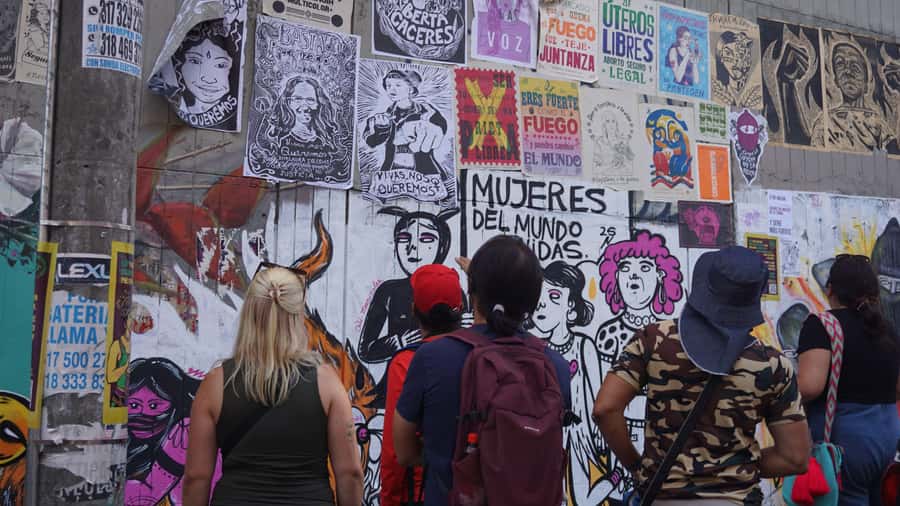
- Murals, victims, and messages of resistance
- Salsa bars and planning your evening
- What the $13 price really buys you
- How demanding is the walk?
- Who will enjoy this most?
- Should you book the Salsa, Graffiti & Resistance Experience?
- FAQ
- Where does the tour meet?
- How long does the tour last?
- How much walking is involved?
- Which languages are available?
- Is transportation included?
- Are food and drinks included?
- Are tickets or entrance fees required?
- Is this a private tour?
- Can wheelchair users join?
Key points at a glance
- Salsa as social history: Learn how music grew from African and Caribbean roots into a force tied to popular culture, protest, love, and identity.
- Graffiti with a purpose: See murals honoring salsa figures alongside works connected to victims, activism, and social struggles.
- A long but active route: Expect about 150 minutes on foot, with roughly 8 kilometers of walking and regular stops to listen.
- Strong guide-led experience: Cristian and other Beyond Colombia guides are praised for lively storytelling, interaction, and clear affection for Cali.
- Useful nightlife advice: The tour includes recommendations for cult salsa bars, helping you decide where to dance later.
- Good value at $13: There is no food, drink, transport, or private guide, but the cultural content and central route offer plenty for the price.
Why Cali salsa means more than dancing
Cali is famous for salsa, but this tour asks you to hear the music differently. Instead of treating salsa as a soundtrack for nightlife, it presents it as part of cultura popular, the shared culture of ordinary people.
The story reaches back to the Caribbean Antilles, follows the music’s mixing and development in New York, and then turns toward Cali’s major period of cultural growth during the 1960s, 1970s, and 1980s. That background matters because it explains why salsa feels so closely tied to local identity.
You will hear about African emancipation and the cultural legacy left by earlier generations. You will also look at lyrics as records of romance, conflict, social change, and political feeling. That is a useful frame for anyone who has heard salsa in a club but never considered the lives and struggles carried inside the songs.
I especially like this approach because it does not force you to choose between celebration and protest. In Cali, salsa can be joyful, romantic, folkloric, and rebellious at the same time. The tour makes that tension its central subject.
More Salsa Dancing Classes in Cali
- Historical Shared Tour Salsa, Graffiti & Resistance in Cali
★ 5.0 · 107 reviews - Salsa Bar Hopping in Cali
★ 4.5 · 43 reviews - Salsa & Music Tour of Cali
★ 5.0 · 42 reviews
Meeting under the red umbrellas
The meeting point is Plazoleta Jairo Varela, where you look for the red umbrellas of Beyond Colombia. The plaza is a practical place to begin because it puts you close to the city’s public art, central streets, and early route stops.
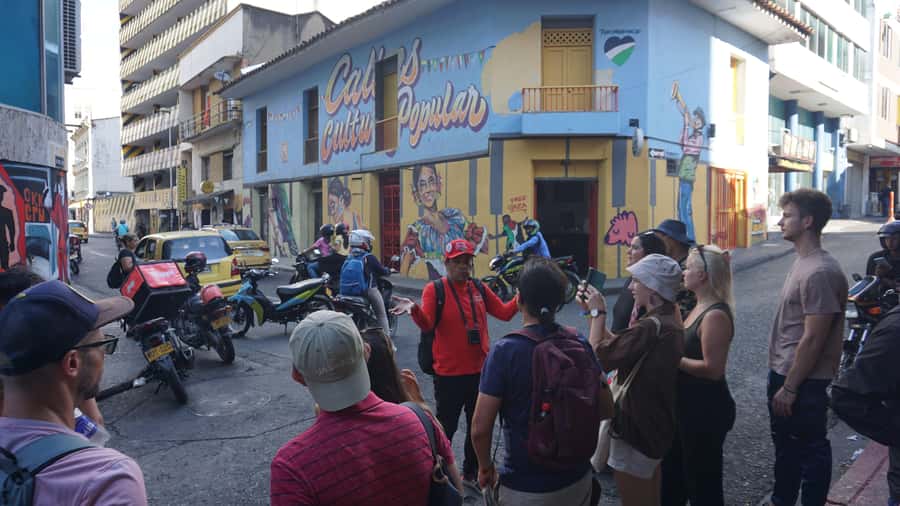
Your guide leads in English or Spanish. An optional audio guide is available in Spanish, but the main experience depends on the live guide’s delivery. That makes the guide especially important. Cristian has received praise for being animated, interactive, and open to questions, with a clear love of both Cali and salsa.
This is not a silent walk from one photo stop to the next. You should expect the guide to talk, explain links between places, and keep the group moving. The best experience will come if you arrive with an open mind and a willingness to listen to political and social material, not just music trivia.
Since this is shared, the group may include people with different interests and walking speeds. The format can be sociable, but it also means the guide cannot build the entire route around your personal questions.
Plazoleta de la Caleñidad and the city’s public identity
One of the important stops is the Plazoleta de la Caleñidad. Its role in the route is to introduce the character of Cali and the way local identity is displayed in public spaces.
The name points toward caleñidad, or the feeling of being from Cali. Here, the guide can help you connect the city’s pride, music, movement, and social history. It is an early reminder that salsa is not an imported decoration added for tourists. It has become part of how Cali presents itself and understands itself.
For you, this stop is valuable because it gives the rest of the walk a frame. The murals and music references later in the route make more sense once you have considered the city’s public sense of self.
Do not expect a long visit at each location. The tour covers several sites, so the emphasis is on connections and explanation rather than spending a full hour at one plaza.
Calle del Pecado and the street of flavor
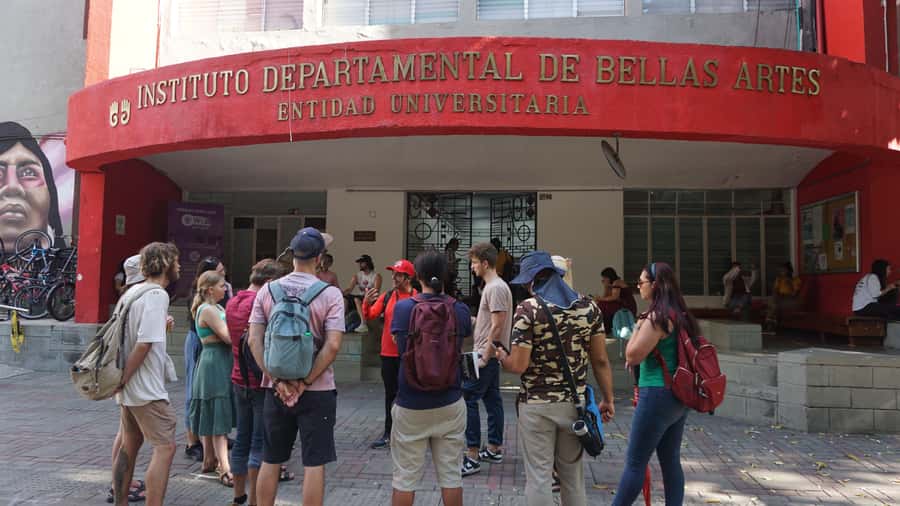
The route also passes through Calle del Pecado, described as the street of flavor. The nickname captures the playful, sensual side of Cali’s nightlife culture, a useful contrast to the more serious discussion of protest and resistance.
This part of the walk helps you see why salsa is more than a museum subject. It belongs to streets, evening plans, social gatherings, flirting, dancing, and local habits. The tour’s musical focus is grounded in real city life rather than kept at the level of dates and famous names.
I would pay attention here to the way the guide describes the connection between salsa and everyday social groups. Salsa helped connect communities and professional circles, and it became a shared way to celebrate as well as comment on life.
The stop may appeal most to people who want practical nightlife context. It is less useful if you are looking only for formal monuments or a traditional sightseeing route.
More Graffiti and Street Art Tours in Cali:
- Cali: Comuna 20 Siloé Street Art Tour
★ 5.0 · 4 reviews - Medellin: Comuna 13 Graffiti Tour, Cable Car & Street Food
★ 4.8 · 9,046 reviews - Comuna 13 Graffiti Tour with Street Food
★ 5.0 · 7,503 reviews - Graffiti Tour: a fascinating walk through a street art City
★ 5.0 · 1,074 reviews
The River Boulevard and the Curve
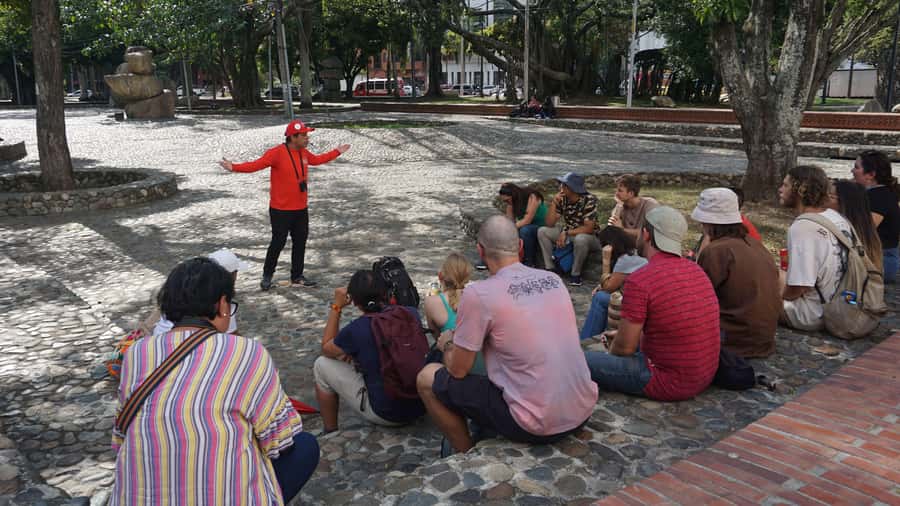
At the Curve of the River Boulevard, the tour shifts between public space, city movement, and the continuing presence of street art. The boulevard is one of the places where you can feel the route’s balance between sightseeing and social interpretation.
Your guide may point out how public art works beside ordinary city life. Murals do not exist in isolation. They share space with sidewalks, traffic, meeting points, shops, and the daily routines of Cali residents.
That is one reason this tour works better during the day than a standard salsa club visit. You are looking at the city where its cultural messages are displayed. You are also encouraged to notice that different kinds of messages can appear near one another, from tributes to musicians to harder-edged calls for justice.
You will have resting stops, but the route remains active. Comfortable shoes are not optional here. Eight kilometers is a serious walk, especially if you are also stopping to take photographs and standing while the guide speaks.
World Cup Tunnel and Fifth Avenue
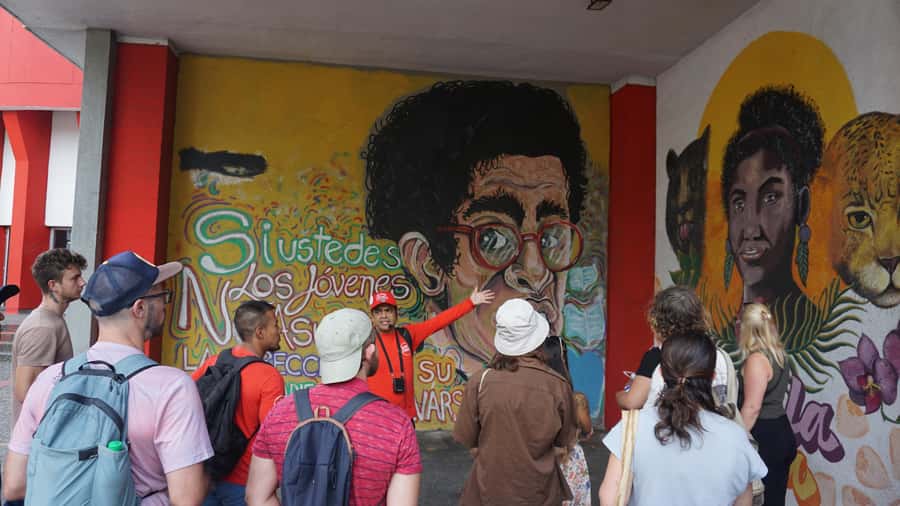
The World Cup Tunnel and Fifth Avenue bring another part of Cali’s public story into view. These stops add scale to the route and help connect music, sports, public celebration, and the city’s habit of expressing itself through large visual works.
The tunnel is also a useful reminder that street art is not limited to one neat district. The experience moves through different kinds of urban spaces, so you see how art and memory appear along the routes people actually use.
Bring a camera, but do not let photography take over. The murals are central to the experience, yet their meaning depends on the guide’s explanation. A quick picture without the social context would miss much of what makes this route worthwhile.
Fifth Avenue adds another major public corridor to the walk. The route is designed to show you Cali through movement, not from inside a vehicle. That gives you more contact with the streets, but it also exposes you to heat, thirst, crowds, and the practical demands of a long urban walk.
Murals, victims, and messages of resistance
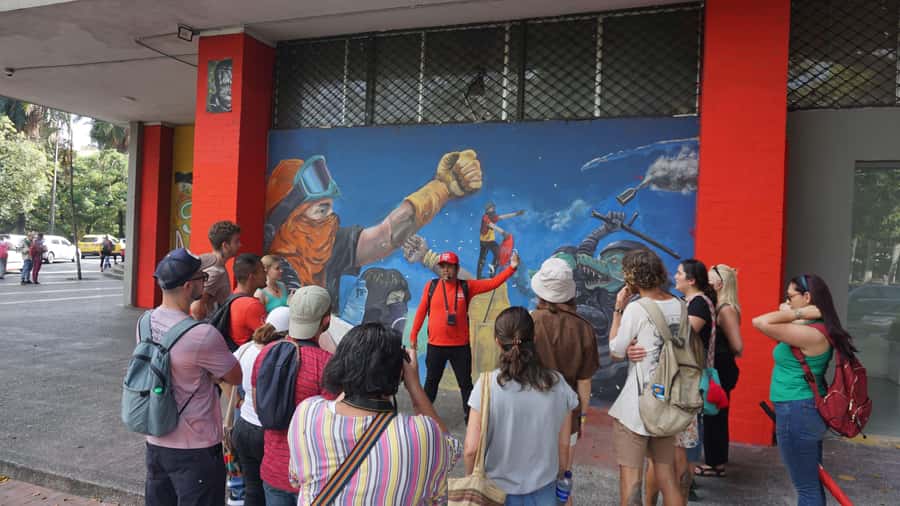
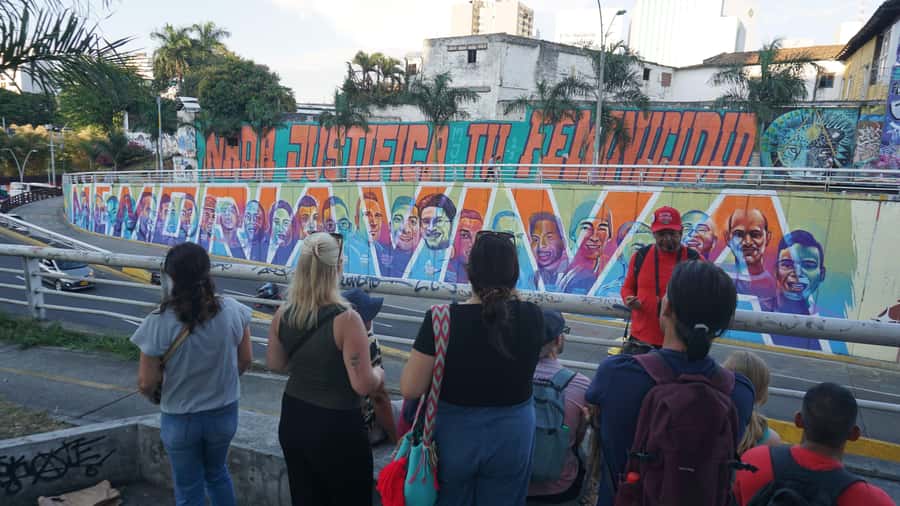
The graffiti monument to victims N21 is among the most serious stops. Its presence shifts the conversation from musical celebration toward memory, loss, and social struggle.
The tour places salsa murals and activist art close together. That pairing is important. You see tributes to people who shaped Cali’s music, then encounter more radical messages linked to popular causes and resistance. The point is not that every mural says the same thing. The point is that art, music, and public protest share the same city.
This section may be the most meaningful part of the walk if you want to understand Cali beyond its party reputation. The city has faced social outbreaks, protests, and solidarity struggles, and the tour presents art and music as tools people use to express those experiences.
The subject matter may feel heavier than the title suggests. If you expect two hours of dancing and cheerful murals, you may find the resistance theme demanding. That is also its strength. The tour does not reduce Cali to a festive postcard.
Salsa bars and planning your evening
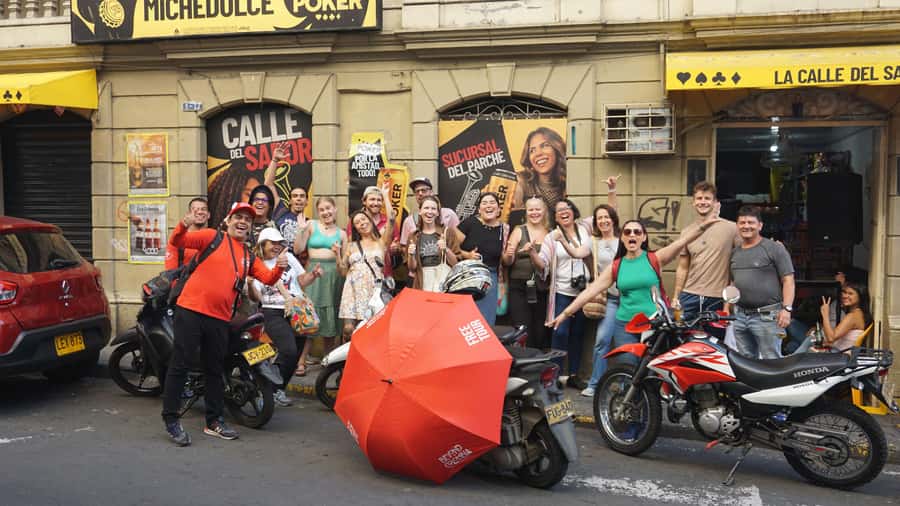
The route includes recommendations for cult salsa bars. It does not include drinks, food, or admission to a club, so you should treat these suggestions as practical guidance for after the walk rather than part of the paid experience.
This is a smart feature. After hearing how salsa functions in Cali, you can use the guide’s advice to choose a place for dancing or listening later that night. One guide also helped a participant find a restaurant, which shows the kind of local advice you may receive along the way, though food is not included.
You should not expect a dance class as a formal part of the tour. The experience is about understanding salsa’s history, cultural role, and local setting. Still, the music may tempt you to move, and you should be ready for a little participation. One enthusiastic description warns you to get ready to dance.
If you plan to go out afterward, ask the guide about the recommended bars before the tour ends. Write down names if needed. The advice is one of the easiest ways to turn a history walk into a full Cali evening.
What the $13 price really buys you
At $13 per person, this is a strong value for a guided city walk lasting about 150 minutes. You receive a professional Beyond Colombia guide, a planned route, salsa history, street-art interpretation, cultural context, and recommendations for later.
The price does not cover transport to the meeting point, transport during the route, drinks, meals, souvenirs, or entry fees. In practice, that keeps the cost clear because the tour does not take you to places with sudden extra charges. You pay for the guide’s time and the cultural explanation, then choose your own food and nightlife spending.
The shared format also helps keep the price low. If you want a private guide who will change the route around your interests, this is not the right product. If you want a lively introduction before exploring Cali on your own, the value is much better.
The company has operated in Colombia since 2013 and describes itself as the country’s largest group of expert local free tour guides, with international recognition and awards in several Colombian cities. Those claims are less important than the practical result here: the route appears organized around a clear theme rather than a random list of central sights.
How demanding is the walk?
The advertised duration is approximately two hours, while the activity information gives 150 minutes. Plan for the longer figure. You may walk around 8 kilometers, with pauses to hear the guide and take in the art.
Wear comfortable shoes and comfortable clothing. Carry water or another preferred drink because the route can leave you thirsty. A camera is useful, but your phone is not a substitute for sensible walking gear.
The tour is not suitable for wheelchair users. The combination of distance, sidewalks, crowded areas, and regular movement makes it better for people who are comfortable walking through central city streets.
Keep your belongings close. The route includes crowded areas, and the practical local advice is simple: do not give papaya. In other words, avoid making yourself an easy target by displaying valuables or losing awareness of your surroundings.
Smoking is not allowed during the activity.
Who will enjoy this most?
I would choose this tour if you want to understand why salsa matters to Cali, not simply where to hear it. It suits first-time visitors, music fans, street-art followers, and anyone interested in the link between culture and social movements.
It is also a good first-day activity. The route gives you names, neighborhoods, public spaces, and nightlife ideas that can shape the rest of your stay. You may leave with a clearer sense of where to dance and what to listen for.
You may want something else if you dislike long walks, prefer air-conditioned sightseeing, or want a dedicated dance lesson. The tour can be lively and fun, but its serious discussion of resistance is just as important as its salsa material.
The guide makes a major difference. Cristian is repeatedly praised for his enthusiasm, storytelling, and ability to keep people involved. If your scheduled guide has a similar style, you can expect more than a lecture. You will likely get a personal, animated explanation of Cali’s cultural life.
Should you book the Salsa, Graffiti & Resistance Experience?
Book it if you want a low-cost, active introduction to Cali that connects music with real social history. The combination of salsa, murals, victims’ memorials, and activist messages gives you a more complete picture of the city than a nightlife-only outing.
Skip it if 8 kilometers on foot sounds tiring, or if your main goal is to spend two hours dancing. For most visitors who can manage the distance, the $13 price is fair, the theme is unusual, and the bar recommendations add useful value after the walk. Bring water, protect your belongings, and leave room in your evening for salsa.
FAQ
Where does the tour meet?
The meeting point is Plazoleta Jairo Varela. Look for the red umbrellas used by Beyond Colombia.
How long does the tour last?
The activity lasts approximately 150 minutes, or about two and a half hours. The tour description also refers to it as approximately two hours, so plan for the longer time.
How much walking is involved?
You may walk about 8 kilometers, with stops to rest and listen to the guide.
Which languages are available?
The live tour guide is available in English or Spanish. An optional audio guide is available in Spanish.
Is transportation included?
No. You must make your own way to the meeting point, and the tour itself is done on foot. Transportation to or from your hotel is not included.
Are food and drinks included?
No. Food, drinks, and souvenirs are not included.
Are tickets or entrance fees required?
The tour does not include tickets or entrances. It is designed without sudden extra charges at the places visited.
Is this a private tour?
No. This is a shared tour, so you will join other people and will not have an exclusive guide.
Can wheelchair users join?
The tour is not suitable for wheelchair users.
Just added in Cali
- Trekking to Pico de Loro★ 4.5 · 14 reviews
- Trekking & Rivering Reserve Pericos★ 5.0 · 5 reviews
- Transportes y Traslados desde Cali★ 5.0 · 1 review
- Private Transfer from Cali Airport (CLO)★ 5.0 · 4 reviews
- Sugar Cane Hacienda El Paraiso & Nature Day Tour★ 4.0 · 6 reviews
- CITY TOUR OF CALI | Discover with local experts Cali★ 5.0 · 2 reviews
- Friday Night Street Salsa and Bar Crawl in Cali, Colombia★ 4.5 · 24 reviews
- Saturday Night Bar Crawl in Cali, Colombia★ 5.0 · 20 reviews
Graffiti and Street Art Tours, compared.
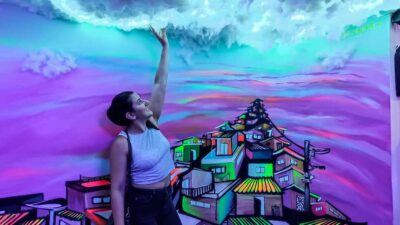
Comuna 13 Graffiti Tour, Cable Car & Street Food
Read our review →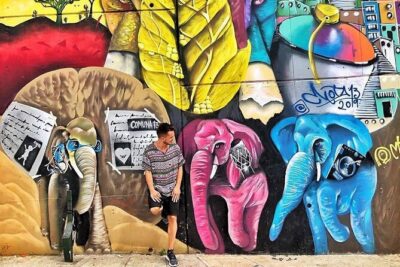
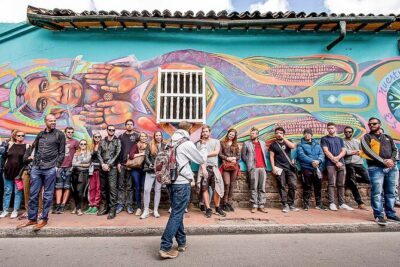
Graffiti Tour: a fascinating walk through a street art City
Read our review →
Comuna 13 Tour with Snacks And Your Own Graffiti
Read our review →
Comuna 13 and Graffiti Guided Tour with a Local
Read our review →Browse the lists this tour appears in