
REVIEW · WALKING TOURS
Afro Walking Tour. The colors of Cali.
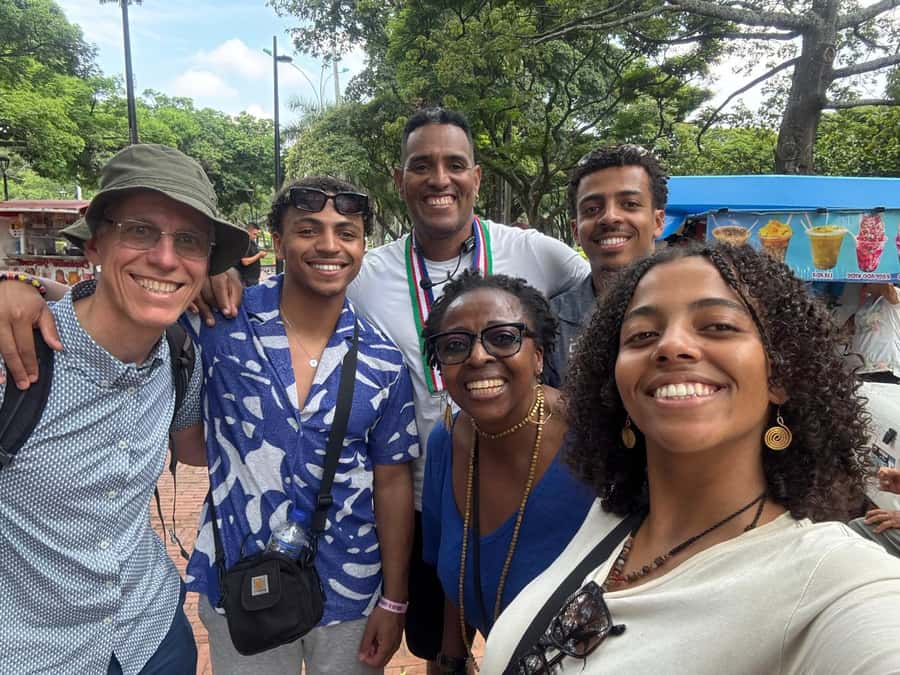
Cali tells its story in color. The Afro Walking Tour: The Colors of Cali brings that story into the streets, pairing Afro-Colombian history with murals, music, food, dance, and everyday city life. I like the way guide Andrés Jiménez makes the experience conversational rather than a long speech, and I like that the route reaches places many visitors would miss, including local businesses and cultural spaces. The main consideration is that you will walk through central Cali, where street vendors, beggars, traffic, and all kinds of city life are part of the scene.
This is a two-and-a-half-hour walk for anyone who wants more than postcard Cali. You will learn why the city is known as the world capital of salsa, taste Afro-Colombian food, visit three institutions of cultural interest, and look at street art with more context. English and Spanish are available, which is especially useful if you want to practice listening in Spanish.
In This Review
- Key points about The Colors of Cali
- Why Afro-Colombian culture matters in Cali
- Meeting Andrés at the Subway
- Reading Cali through its murals
- Downtown Cali beyond the usual sights
- Three cultural institutions with a wider view
- Food, salsa, and the sound of Cali
- Andrés’ guiding style
- Is $42 a fair price?
- Practical considerations before you go
- Who should book The Colors of Cali?
- Final verdict: book it for meaning, not just landmarks
- FAQ
- How long does the Afro Walking Tour last?
- How much does the tour cost?
- Where does the tour meet?
- What languages does the guide speak?
- Is food included?
- How many cultural institutions are included?
- Is the tour wheelchair accessible?
Key points about The Colors of Cali
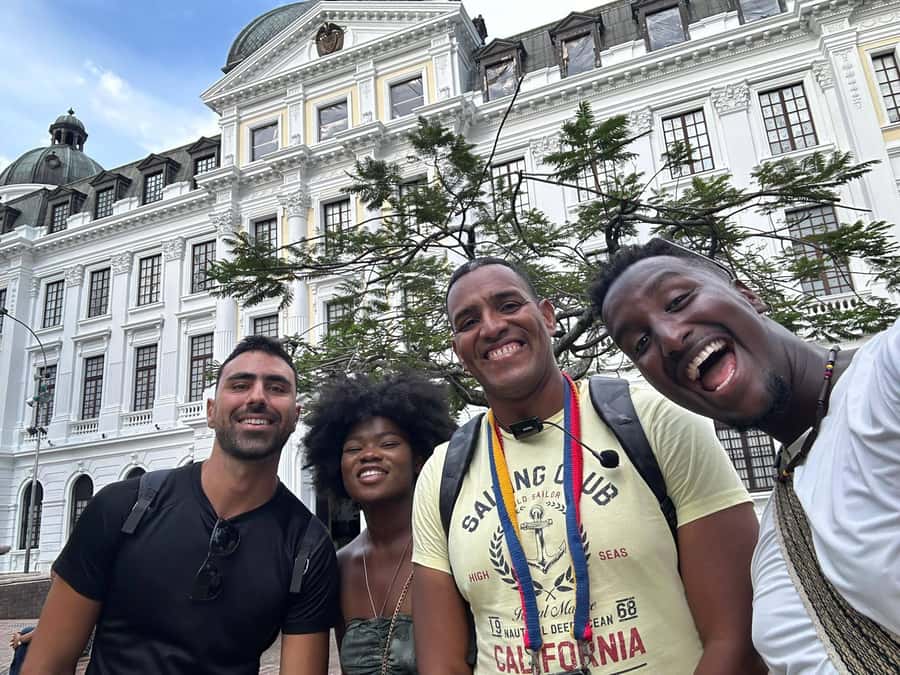
- Andrés Jiménez leads a personal, bilingual walk filled with questions, conversation, and stories about Cali.
- The route connects downtown with Afro-Colombian communities, including mural-filled areas and local businesses.
- Three cultural institutions are included, giving the walk more substance than a simple street-art tour.
- Food, music, dance, and shopping all play a role, with a local tasting and, on some outings, a short salsa lesson.
- The tour costs $42 per person and lasts 150 minutes, a fair price if you value a guide who adds meaning to what you see.
- The walk is wheelchair accessible, but it is not recommended for children under 10 or people with hearing loss.
Why Afro-Colombian culture matters in Cali
Cali is a multicultural city shaped by Indigenous, Spanish, and African influences. Its Afro-descendant population is one of the largest in the Americas, and African heritage is central to the city’s music, dance, food, art, and social life.
That connection is easy to miss if you only visit the main plazas, churches, and salsa clubs. A mural may look like a colorful wall until someone explains the people, struggles, and achievements represented in it. A food stall may seem like a quick snack until you understand how cooking carries family traditions and regional identity.
Andrés focuses on those connections. He discusses the arrival of African culture in Colombia, enslavement, emancipation, the experiences of Afro and Indigenous communities, and the contributions of Afro-Colombians to Cali and Colombia. The subject matter is serious, but the tone is not stiff. His style is energetic, friendly, and open to conversation.
You are not expected to simply listen. Andrés asks questions about your own background and invites discussion about race and identity in Colombia and across the African diaspora. That personal exchange is one reason the tour can feel different from a standard city walk.
More Walking Tours in Cali
- The Cali Street Food Walking Tour
★ 5.0 · 81 reviews - Cali: Walking tour of the historic center
★ 5.0 · 69 reviews - Cali: Walking tour of the historic center
★ 4.9 · 18 reviews
Meeting Andrés at the Subway
The meeting point is in front of the Subway sandwich restaurant. That is simple enough, but be sure to check the exact starting time when you book, since the tour offers different departure times.
Andrés Jiménez is the guide and the experience provider is Date un borondo ve. He leads in English and Spanish, and his English is strong enough for detailed explanations and easy conversation. If you speak some Spanish, the bilingual format gives you a chance to practice comprehension without losing the thread of the story.
The tour lasts 150 minutes. That is enough time to cover several parts of central Cali and visit cultural institutions, but not so long that the walk takes over your entire day. I would schedule it early in your stay. You will pick up ideas for food, shopping, cultural visits, and other things to do in Cali.
Wear comfortable shoes and clothes. Bring water, sunglasses, a camera, and some cash. Cash matters because the walk includes food and visits to local businesses, and you may want to buy something along the way.
Reading Cali through its murals
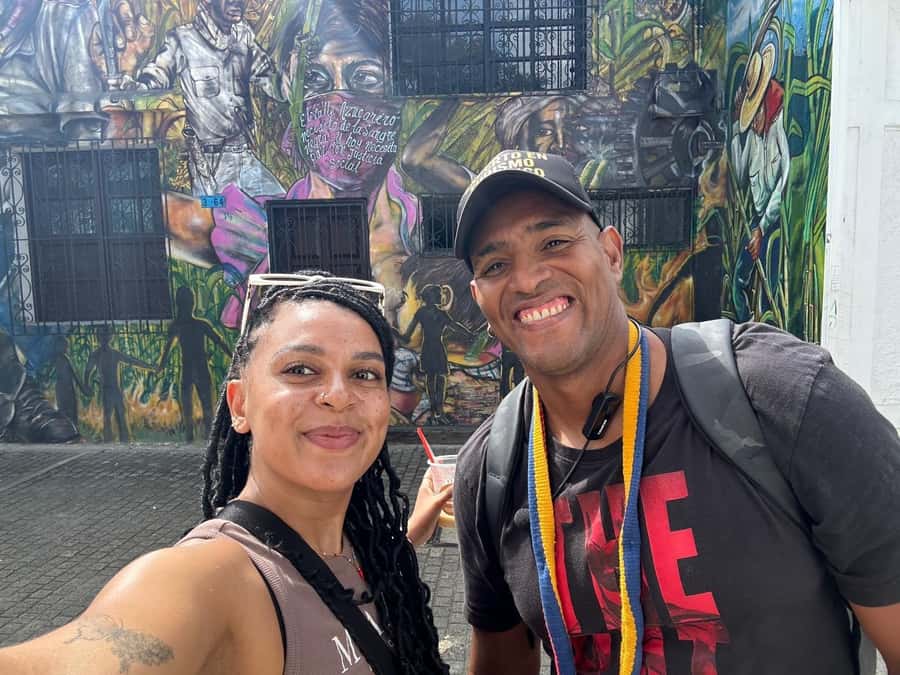
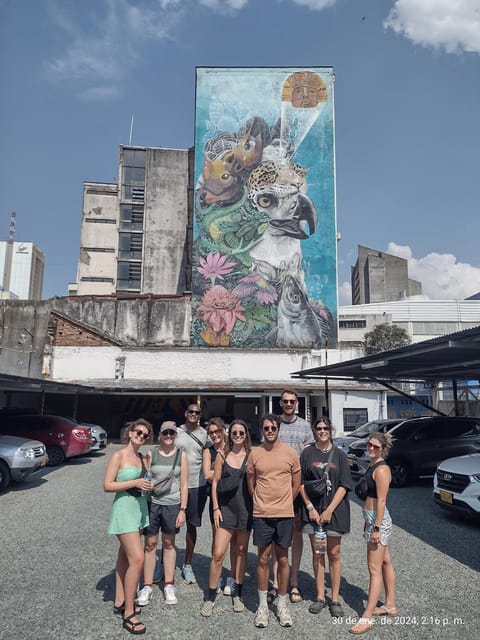
Street art is one of the strongest parts of this experience. Instead of treating murals as quick photo stops, Andrés explains what they represent and places them within the city’s social and cultural story.
That changes the way you look at downtown. Colors, faces, symbols, and public figures begin to feel connected to real communities. You may see images linked to Afro-Colombian identity, music, resilience, political memory, and daily life. The exact murals can vary, but the point is consistent: you are learning to read the city rather than simply passing through it.
The art also helps keep the history grounded. A discussion of enslavement or emancipation can feel abstract in a classroom. On a city street, paired with a mural or a community institution, it becomes easier to connect past events with present-day culture.
Bring a camera if you enjoy street photography, but remember that this is a living city, not an outdoor museum. Take pictures respectfully, especially around people, businesses, and neighborhoods.
Downtown Cali beyond the usual sights
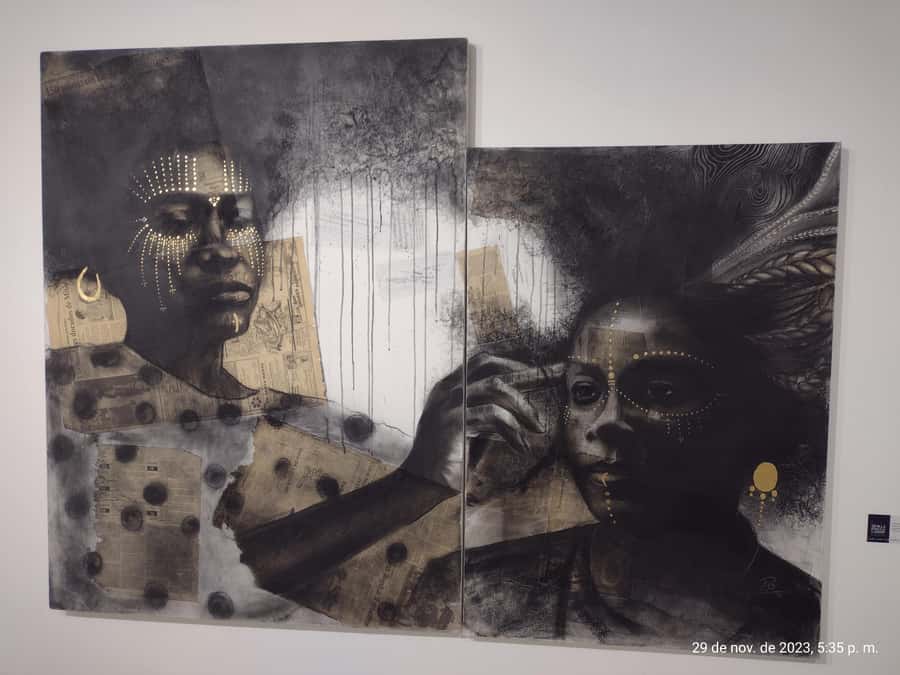
The walk includes familiar city-center attractions, but it also takes you into places that many tourists would not find on their own. One part of the route has included an Afro-Colombian neighborhood in the eastern part of the city, while other stops focus on downtown streets, local shops, and community spaces.
This mix is valuable. You get enough of the recognized Cali experience to understand the city’s public face, then see how people live, work, sell, create, and preserve culture away from the main tourist circuit.
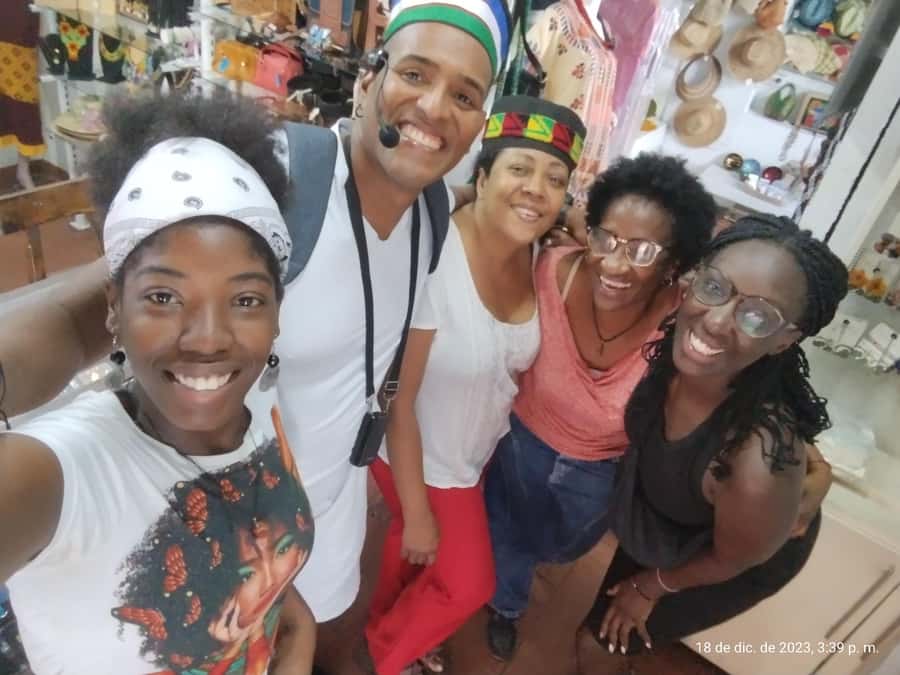
Andrés also introduces visitors to Black-owned businesses and entrepreneurs. Depending on the stops, you might find Afrocentric beauty products, hair-care items, lotions, accessories, or other locally made goods. For Black visitors, this can be a practical way to find products that are not always easy to locate while abroad. For everyone else, it shows how culture is expressed through commerce as well as music and food.
The route also includes street vendors and people asking for money. The activity description is direct about this, and it is worth taking seriously. You are walking through a real urban area, not a polished attraction. Stay aware of your surroundings, keep valuables secure, and accept that ordinary city life is part of the experience.
A completely different kind of day:
- A day to enjoy nature and have an adventure in the Jordan river
★ 5.0 · 469 reviews - Cali: City Tour | Guided tour around the city
★ 5.0 · 287 reviews - Shared Tour of the Historical and Cultural Center of Cali
★ 5.0 · 211 reviews - Street Food Tour
★ 5.0 · 157 reviews
Three cultural institutions with a wider view
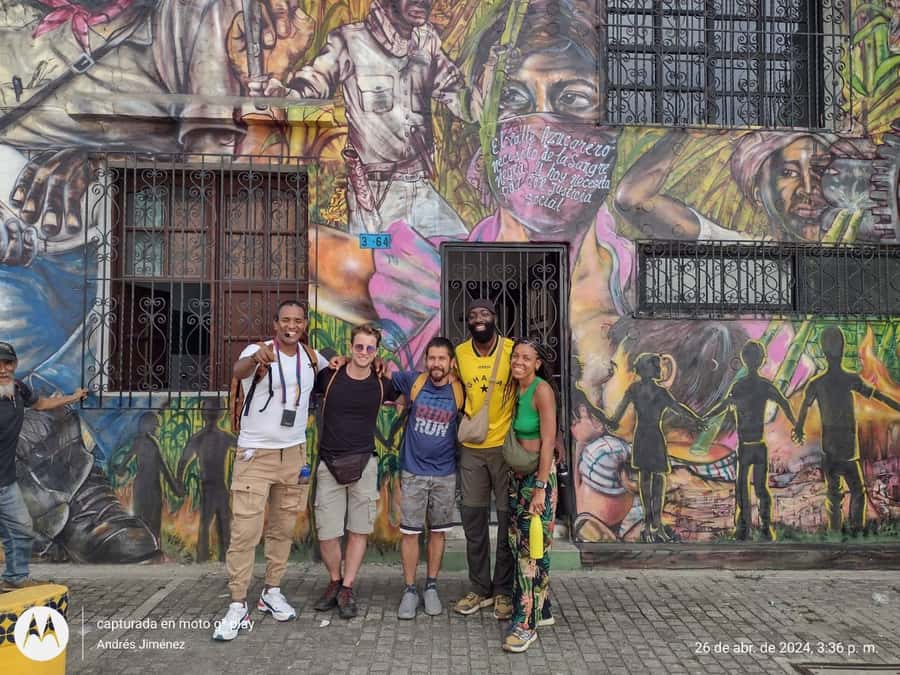
The tour includes visits to three institutions of cultural interest. The supplied details do not name each institution, so I would not book this expecting a fixed museum list. Their value is in showing how Afro-Colombian culture is taught, preserved, and shared in Cali today.
One cultural center visited on the tour has programs offering music, skills, and cultural education across generations. That kind of stop adds an important present-day angle. You are not only hearing about the past. You are seeing how communities keep traditions active and give people places to learn.
These visits also broaden the tour beyond tourism. You may encounter music, arts, education, social programs, or local history. One visitor with a professional interest in mental health found the community resources especially meaningful, while others appreciated meeting people involved in cultural work.
The institutions are included in the tour price, but the exact order and timing can change. Allow Andrés to guide the pace. The best moments may come from a conversation or an unexpected introduction rather than a perfectly timed photo stop.
Food, salsa, and the sound of Cali
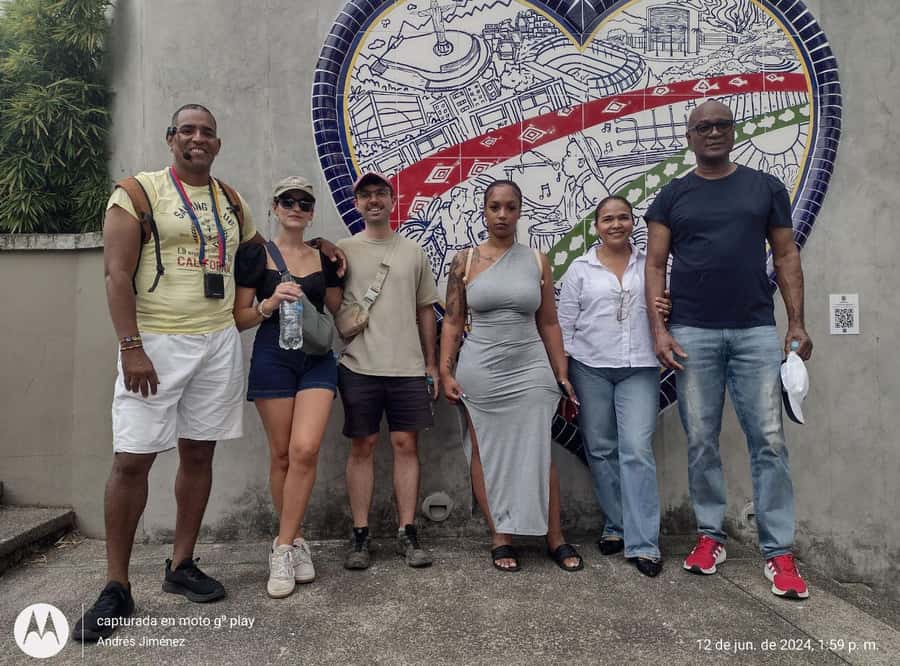
Food is included, and you will taste local Afro-Colombian specialties among the cultural stops. The exact dishes are not specified, so you should think of this as a local tasting rather than a full meal.
I like this format because food gives the history a direct, sensory link. Indigenous, Spanish, and African influences meet in Colombian cooking, and a snack from a local vendor can tell you more about daily life than a generic restaurant meal. Come with an open mind and keep cash handy.
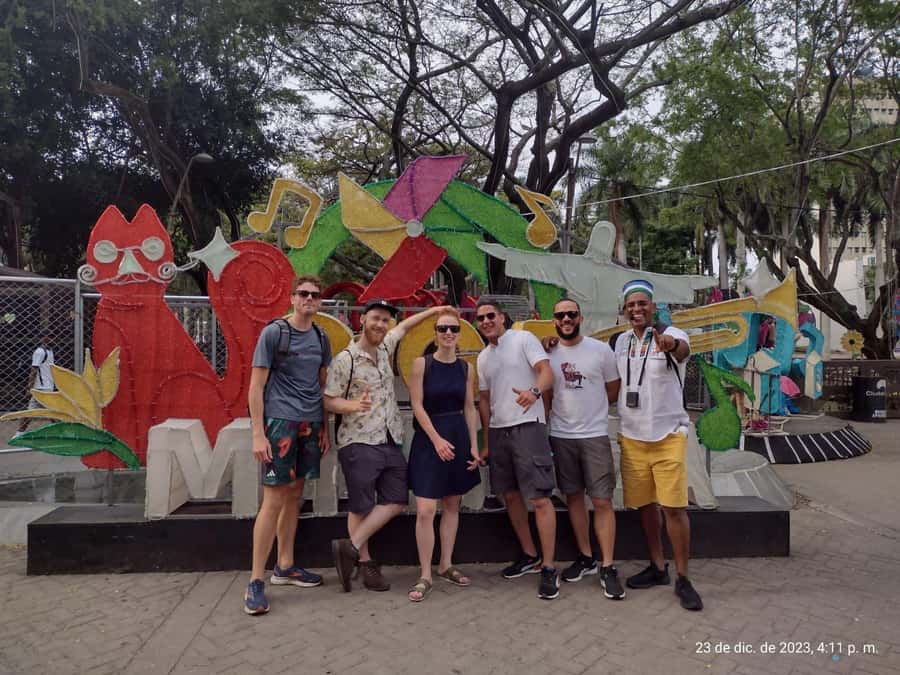
Music and dance are just as important. Andrés explains why Cali is called the world capital of salsa, a title that makes more sense once you see how rhythm is woven into the city’s identity. Some outings have included a short salsa class, so you may get more than a talk about dancing. Do not expect a full dance lesson or a professional performance, but be ready to participate.
The tour is particularly good for people who learn through doing. You may taste food, discuss identity, look closely at murals, hear stories about music, and perhaps try a few salsa steps. It is an active walk, not a lecture with occasional stops.
Andrés’ guiding style
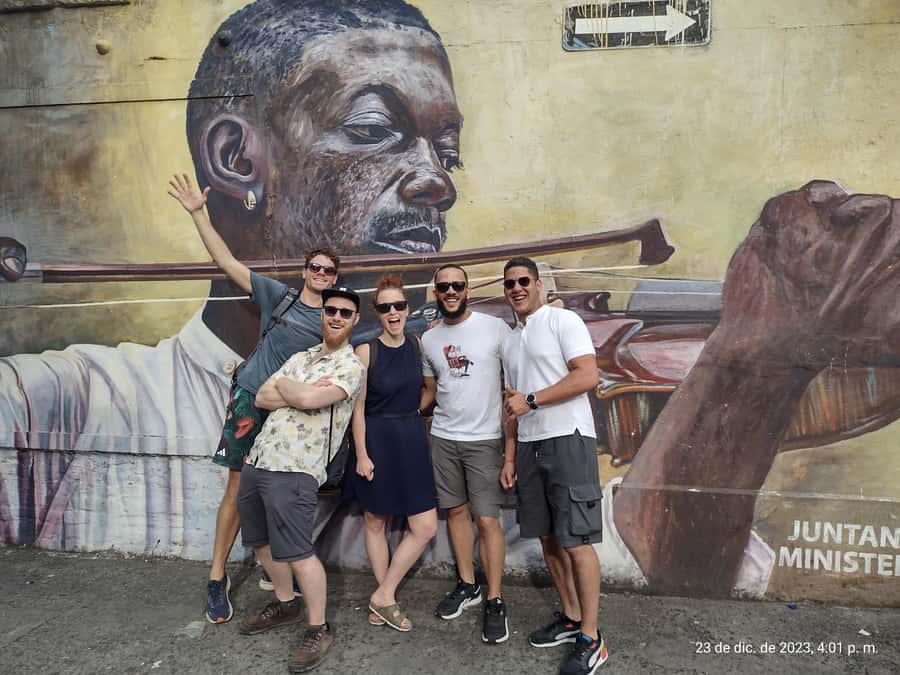
The guide is the heart of this experience. Andrés brings enthusiasm and a strong command of Afro-Colombian and Indigenous history, but his biggest strength is the way he connects information to people.
He has been praised for being attentive, friendly, energetic, and generous with his time. He also makes an effort to understand who is in front of him. In one especially personal example, he researched a participant’s home state in the United States and used that knowledge to start a thoughtful conversation. That may sound like a small gesture, but it shows the level of care he brings to the walk.
His approach works well for solo visitors and couples who enjoy conversation. It also suits families of adults and older travelers who want a slower, thoughtful look at the city. A visitor took the tour with parents aged 67 and 73 and found the experience rewarding.
The one limitation is that the interactive style may not suit everyone. If you prefer a tightly scripted route with minimal discussion, Andrés may feel too conversational. If you enjoy asking questions and sharing your own perspective, that is exactly where the tour shines.
Is $42 a fair price?
At $42 per person, this is not the cheapest way to walk around Cali. You can explore public streets and view murals without paying for a guide. The value comes from the interpretation, food tasting, cultural institutions, language support, and access to places you might not locate by yourself.
You are also paying for a focused subject that many general city tours treat only briefly. The tour explains Afro-Colombian contributions to the city, not as a side note but as the main story. That gives the experience a clear purpose.
The price looks strongest if you are interested in history, art, food, race and identity, music, or community life. It is also useful for someone considering a longer stay or even relocation to Colombia, since Andrés can offer practical ideas about neighborhoods, shopping, dining, and cultural resources.
The value is weaker if you want a fast list of landmarks or a large sightseeing circuit. This is a human-scale walk, and the reward is understanding rather than checking off attractions.
Practical considerations before you go
The walk is wheelchair accessible, which is helpful, but accessibility in a city-center walking tour can depend on street conditions and the exact route. Ask for current details if you have specific mobility needs.
The experience is not suitable for children under 10. It is also not suitable for people with hearing loss, since much of the tour depends on spoken storytelling and conversation.
You should not bring or use alcohol or drugs. Comfortable shoes are essential, and water will help in Cali’s warm conditions. Sunglasses and comfortable clothing are sensible choices.
The tour offers free cancellation up to 24 hours before departure, and you can reserve now and pay later. Those terms make it easier to fit the walk into a changing itinerary, though you should still check the available start times before making plans around it.
Who should book The Colors of Cali?
I would book this tour if you want to understand how Afro-Colombian culture shapes Cali today. It is especially useful for visitors interested in street art, salsa, local food, Black history, cultural preservation, and the everyday life of the city.
It is also a strong choice for Black travelers seeking a more direct connection with Afro-Colombian culture, including local products, businesses, and conversations about the wider diaspora. Non-Black visitors can gain a fuller picture of Cali by listening carefully and approaching the subject with respect.
I would skip it if you dislike walking, participation, local street conditions, or discussions about difficult history. The tour is not a polished sightseeing show. It asks you to pay attention to the people and places around you.
Final verdict: book it for meaning, not just landmarks
The Afro Walking Tour: The Colors of Cali earns its $42 price through the guide’s personal approach and the range of experiences packed into 150 minutes. You will see murals, taste food, visit cultural institutions, hear about salsa, and learn how African heritage continues to shape Cali.
The strongest reason to book is Andrés Jiménez. His English and Spanish, warm energy, careful preparation, and willingness to hold a real conversation turn a city walk into something personal. Book it near the start of your stay, bring comfortable shoes and cash, and expect Cali to be noisier, more complicated, and more interesting than a standard sightseeing route suggests.
FAQ
How long does the Afro Walking Tour last?
The tour lasts 150 minutes, or two and a half hours.
How much does the tour cost?
The listed price is $42 per person.
Where does the tour meet?
The meeting point is in front of the Subway sandwich restaurant.
What languages does the guide speak?
The tour is offered in English and Spanish.
Is food included?
Yes. The experience includes a tasting of local Afro-Colombian food among the cultural stops.
How many cultural institutions are included?
The tour includes visits to three institutions of cultural interest.
Is the tour wheelchair accessible?
Yes, the activity is listed as wheelchair accessible. It is not suitable for children under 10 or people with hearing loss.
Just added in Cali
- Trekking to Pico de Loro★ 4.5 · 14 reviews
- Private Transfer from Cali Airport (CLO)★ 5.0 · 4 reviews
- Trekking & Rivering Reserve Pericos★ 5.0 · 5 reviews
- Transportes y Traslados desde Cali★ 5.0 · 1 review
- Sugar Cane Hacienda El Paraiso & Nature Day Tour★ 4.0 · 6 reviews
- CITY TOUR OF CALI | Discover with local experts Cali★ 5.0 · 2 reviews
- Friday Night Street Salsa and Bar Crawl in Cali, Colombia★ 4.5 · 24 reviews
- Saturday Night Bar Crawl in Cali, Colombia★ 5.0 · 20 reviews
Walking Tours, compared.
Historic Center and Getsemaní Shared Walking Tour
Read our review →
Private Walking Tour in Cartagena Walled City & Getsemaní
Read our review →
Graffiti Tour: a fascinating walk through a street art City
Read our review →
Medellin Historic Walking Tour with Expert Guide
Read our review →
Bogotá Tour: Monserrate, Food, City Walk & Botero Museum
Read our review →Browse the lists this tour appears in