
REVIEW · LA CANDELARIA TOURS
Walking Tour in La Candelaria Bogotá
Bogotá reveals itself on foot. This three-hour walk through La Candelaria pairs old streets, street art, political history, and local flavors, making it a useful first look at Colombia’s capital. I especially like the fruit, chicha, and coffee tastings, plus the chance to hear the stories behind the city’s painted walls. The main drawback is that the tour may run in English and Spanish together, and one guide received criticism for speaking too quickly.
At $16 per person, this is an excellent-value introduction to central Bogotá. Guides such as José Vásquez, Natalie, Sara, Lorena, María, and Nati have been praised for their warmth, humor, and command of local history. Still, you should wear good walking shoes, dress in layers, and confirm the language pace suits you.
In This Review
- Key points to know before you go
- Why La Candelaria makes a fine first Bogotá walk
- Chorro de Quevedo: a lively place to begin
- Two hours through La Candelaria’s old streets
- Street art with stories behind the paint
- Fruit, chicha, and coffee: the tour’s best local touch
- Plazoleta del Rosario and the city’s older center
- Plaza de Bolívar and Colombia’s difficult past
- Teatro Colón, Botero, and Gold Museum options
- Plaza de Santander and the final stretch
- Is $16 a good price for three hours?
- Who will enjoy this walking tour most?
- Should you book it?
- FAQ
- Where does the walking tour begin?
- Where does the tour end?
- How long does the tour last?
- What tastings are included?
- Is museum admission included?
- What happens if it rains?
Key points to know before you go
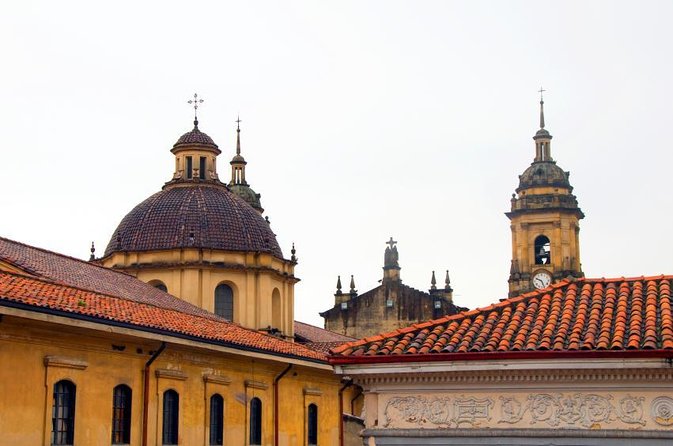
- Start at Chorro de Quevedo: The meeting point puts you in one of La Candelaria’s most atmospheric squares from the first minute.
- Taste Bogotá along the way: Chicha, Colombian coffee, and fresh fruit turn the walk into more than a sightseeing loop.
- Cover major landmarks: The route reaches Plaza de Bolívar, Teatro Colón, Plaza del Rosario, Plaza de Santander, and more.
- Expect history with strong political context: The guide discusses the state, guerrillas, drug trafficking, and Colombia’s armed conflict.
- Plan for a mixed-language possibility: English and Spanish may be used together depending on the group.
- Budget for a tip already included: The price covers the guide’s tip in advance, along with all-risk insurance.
Why La Candelaria makes a fine first Bogotá walk
La Candelaria is Bogotá’s historic center, and it rewards a guide who can connect streets to events. You will not simply pass old buildings and take photographs. The route uses plazas, markets, museums, cafés, and public art to explain how Bogotá grew and how Colombia’s past still shapes daily life.
I like this format for a first day because it gives you a working map of the city. After three hours, you will know where several major sights are located, understand the basic story of the center, and have a few ideas for food and coffee.
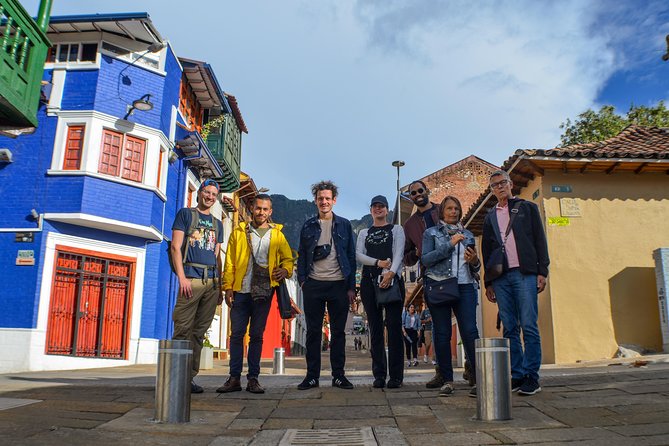
The tour is also social by design. You meet at Plaza del Chorro de Quevedo, join a group of up to 20 people, and walk with others through the neighborhood. That can be a plus if you are traveling alone or want quick company at the start of your stay.
The scale is manageable, but it is still a real walking tour. One participant described it as easy to walk, while another advised comfortable shoes and plenty of room on your phone for photographs. Bogotá’s weather can shift from warm to cool, so layers are sensible. The operator says an umbrella is provided if it rains, and the tour runs in all weather.
More Walking Tours in Bogota
- Bogotá: Guided La Candelaria Walking Tour
★ 4.8 · 1,229 reviews - Graffiti Tour: a fascinating walk through a street art City
★ 5.0 · 1,074 reviews - Bogotá Tour: Monserrate, Food, City Walk & Botero Museum
★ 5.0 · 328 reviews
Chorro de Quevedo: a lively place to begin
The tour begins at Plaza del Chorro de Quevedo, a small square in La Candelaria with a casual, local feel. You have about 10 minutes here, enough to meet your guide and group before setting off.
This is a good starting point because the square helps you adjust to the neighborhood’s scale. La Candelaria is best understood at street level, where narrow lanes, colorful façades, cafés, vendors, and murals sit close together.
Your guide introduces what the area contains beyond its most obvious attractions. That early orientation matters. Bogotá’s center can feel busy and visually crowded, and a short explanation at the start helps you notice the details instead of simply following the group.
Do not expect a long formal visit at the plaza. It is a meeting and orientation stop, not a separate attraction with an included ticket. The real value begins once the group moves into the surrounding streets.
Two hours through La Candelaria’s old streets
The longest portion of the tour lasts about two hours in and around Barrio La Candelaria. This is where the experience earns its low price. You spend enough time walking to see the neighborhood as a connected place rather than a string of isolated photo stops.
The guide discusses the history and culture of Bogotá, along with lesser-known facts that are easy to miss on your own. The subjects can range from local food and coffee to national politics and the armed conflict. José Vásquez, in particular, has been praised for explaining Colombian and Bogotá history in a clear, compact way.
Expect a broad introduction rather than a specialist lecture. The route tries to cover many subjects in a short time, so some explanations will be brief. That is useful if you know little about Colombia, but less satisfying if you already have a strong background in the country’s history.
The strongest guides add practical advice. José has been praised for tips about key sights, food, and the city itself. Other guides, including Natalie, Lorena, María, Sara, and Nati, have been singled out for answering questions and keeping the group engaged.
Language is the one point to watch carefully. The tour can run in English and Spanish at the same time, depending on the group. Many English-language participants have found the explanations clear, but two people had trouble with a guide who spoke too fast and had a heavy accent. If you need slow, precise English, ask about the language arrangement before booking or at the meeting point.
Street art with stories behind the paint
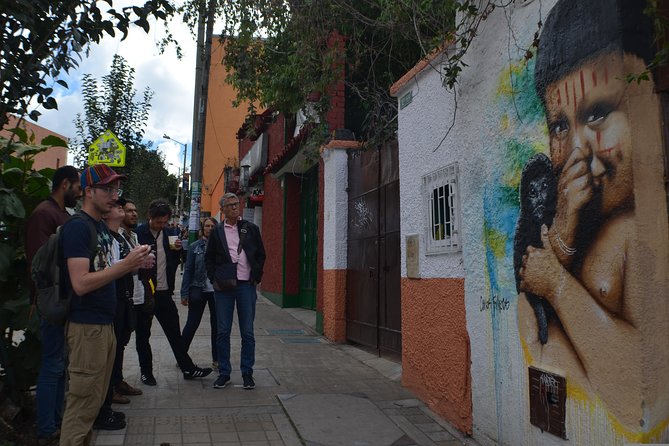
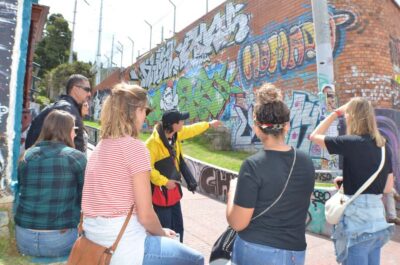
La Candelaria is famous for street art, and the tour gives you more than a quick mural checklist. The guide explains the ideas and stories connected to some of the artwork, helping you see why public walls matter in Bogotá.
That context is valuable because street art can otherwise become a colorful backdrop for photographs. Here, the paintings become part of a conversation about identity, public space, social issues, and the city’s changing character.
The exact murals can change, and the supplied details do not promise specific artists or walls. That is actually sensible for a walking route. Public art changes, and a guide can point out what is present on the day rather than follow a rigid indoor schedule.
Bring a phone or camera, but do not let photography make you fall behind. The route covers a lot of ground, and the guide’s explanations are a large part of what you are paying for.
More La Candelaria walks:
- La Candelaria, Monserrate and Museums Bogotá Private City Tour
★ 5.0 · 1,567 reviews - Shared Tour of the Historic Candelaria in Bogotá
★ 5.0 · 1,551 reviews - Bogota + Monserrate Private City Tour, Museums, Candelaria.
★ 5.0 · 1,015 reviews - Graffiti Tour in La Candelaria Bogotá
★ 5.0 · 315 reviews
Fruit, chicha, and coffee: the tour’s best local touch
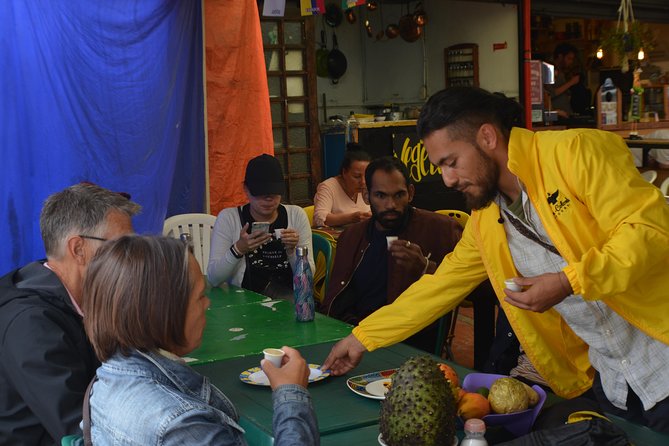
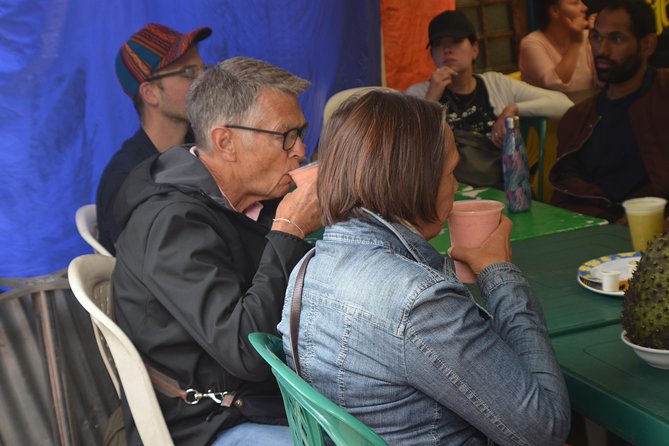
The tastings give this walk its most memorable character. You sample local fruits, try chicha, and taste Colombian coffee during the route. These moments break up the historical commentary and connect national culture to things you can actually smell, sip, and eat.
The fruit tasting is particularly helpful if you do not know Colombian produce. Rather than seeing unfamiliar fruit in a market and walking past, you get a chance to ask what it is and how it fits into local food culture. Several participants described the fruit as a highlight.
Chicha adds another layer. This traditional fermented drink is not just a refreshment stop, and the tasting gives the guide a natural opening to discuss Colombian customs and older food traditions. The tour does not promise unlimited drinks or a full meal, so think of the tasting as a small cultural sample, not lunch.
The coffee stop is equally practical. Colombia is one of the world’s best-known coffee producers, yet a short visit can be more useful than a long technical talk. You get a taste, hear some local context, and learn where coffee fits into the country’s daily life.
Some participants also enjoyed chocolate during their tasting experience, but the advertised highlights specifically name fruit, chicha, and coffee. I would book this for its cultural samples, not as a substitute for a food tour.
Plazoleta del Rosario and the city’s older center
The walk reaches Plazoleta del Rosario for about 10 minutes. This short stop adds another important public space to the route and gives you a chance to pause before continuing through the center.
A brief plaza visit is not enough for detailed architectural study, but it works well in a walking overview. You are building a mental map of central Bogotá, linking the plazas and streets rather than treating each location as a separate day trip.
The route also passes through an old market area. That is where the food side of the experience feels most grounded. You see a working part of the center and connect the fruit and drink tastings to the everyday life of the neighborhood.
A useful improvement would be more direct explanation of certain nearby historical details. For example, the flower market beside the cathedral has a connection to the beginning of the uprising against Spain, and this is the kind of small fact that can make a short stop much more memorable. If the guide does not raise such details, ask questions. Guides generally welcome them.
Plaza de Bolívar and Colombia’s difficult past
Plaza de Bolívar receives about 15 minutes, but the subject matter is much larger than the clock suggests. Here the guide explains how the state, guerrilla groups, drug trafficking, and the armed conflict fit together in Colombia’s modern history.
This is one of the most useful parts of the tour for first-time visitors. Colombia is often presented through simple travel images, but the country’s recent past is more complicated. A guide can give you basic terms and connections before you visit museums or read more on your own.
The short stop also has a practical limitation. Fifteen minutes is enough for an overview, not a full account of the conflict. You should listen for the broad framework rather than expect every political issue to be resolved before the group moves on.
The square is a natural place for photographs, but give priority to the explanation. Understanding the center’s political importance will make later visits to Bogotá’s museums more meaningful.
Teatro Colón, Botero, and Gold Museum options
The route includes a walk near Teatro Colón, one of Bogotá’s important cultural landmarks. The stop lasts about 10 minutes, and admission is not included. In practical terms, you should expect to see and discuss the theater from the outside unless you arrange a separate visit.
The Botero Museum and Gold Museum also appear among the important sights along the route. The available information does not give them separate timed visits or include museum admission, so do not plan on a full museum tour during this three-hour walk.
That distinction matters. Bogotá’s Gold Museum and Botero Museum deserve dedicated time, especially if you enjoy art, archaeology, or Colombian culture. The walking tour helps you locate them and gives you context, but you may need to return later for a proper visit.
One person wished they had booked the early tour because it would have made museum visits easier. That is useful planning advice. If you want to enter museums afterward, choose a departure time that leaves room for opening hours and a relaxed visit. Do not assume that passing a museum means you will go inside.
The route also mentions the Emerald Museum and Casa de la Moneda. Again, treat these as landmarks or possible points of discussion unless entry is specifically stated. The tour’s strength is the connected walk through the district, not included admission to every museum.
Plaza de Santander and the final stretch
Near the end, the group reaches Plaza de Santander for about 10 minutes. This stop helps connect La Candelaria with the wider historic center and gives the walk a clear finish before returning to the starting point.
The tour ends back at Plaza del Chorro de Quevedo. That is convenient because you are not left at an unfamiliar location, and you can continue exploring La Candelaria, return to your hotel, or use the guide’s food suggestions for the rest of the day.
The route covers many landmarks, but the schedule is not designed for long rests. If you have mobility concerns, the operator says most people can participate, but you should be prepared for three hours on foot. Ask before booking if you need specific accessibility arrangements, since no detailed accessibility information is provided.
Is $16 a good price for three hours?
Yes, for most people. At $16, the tour costs less than many single museum admissions or organized half-day activities, while including a guide, tastings, and all-risk insurance. You also avoid spending your first day trying to connect the historic center’s main sights on your own.
The value depends on how much you use the guide. If you walk at the back, miss the explanations, or leave early, the price feels less impressive. The tour works best when you listen, ask questions, and treat the food samples as part of the cultural lesson.
The tip is paid in advance, so you are not expected to calculate an additional gratuity at the end. Extra purchases are not included, and hotel pickup and drop-off are not provided. You need to reach the square yourself.
Free cancellation is available up to 24 hours before the start time. Changes or cancellations inside that window are not refunded, so keep your plans firm once you get close to departure.
Who will enjoy this walking tour most?
I would recommend it to first-time visitors who want a clear introduction to Bogotá before tackling the city independently. It is also a good fit for solo visitors, families with older children, and couples who prefer local streets and conversation to a bus window.
Food-curious visitors will enjoy the fruit, chicha, and coffee tastings. Art lovers will like the street murals and the chance to locate the Botero and Gold museums, provided they understand that museum entry is not part of the experience.
It is less suitable if you want a slow architectural tour, a dedicated political history lecture, or several hours inside museums. It may also frustrate you if you require very slow English and the group becomes bilingual.
The maximum group size is 20. That is large enough for a social atmosphere but small enough for a guide to answer questions, assuming everyone stays together.
Should you book it?
Book this tour if you want a lively first look at La Candelaria without spending much money. The strongest reasons are the useful city overview, the excellent mix of history and food, the street-art stories, and the guides’ practical advice.
Choose an early departure if museums are part of your plan, and wear shoes that can handle three hours of walking. Confirm the language setup if clear English is essential. With those expectations in place, this is a smart, affordable way to get your bearings in Bogotá and decide what deserves a longer visit.
FAQ
Where does the walking tour begin?
It begins at Plaza del Chorro de Quevedo in La Candelaria, Bogotá.
Where does the tour end?
The activity ends back at the meeting point, Plaza del Chorro de Quevedo.
How long does the tour last?
The walking tour lasts approximately three hours.
What tastings are included?
The tour includes tastings of chicha, Colombian coffee, and fruits. The listed inclusions describe this as a gastronomic experience.
Is museum admission included?
No. Admission is not included for Teatro Colón, and the available details do not list admission for the Botero Museum, Gold Museum, Emerald Museum, or Casa de la Moneda.
What happens if it rains?
The tour operates in all weather conditions. You should dress appropriately, and an umbrella is provided if it rains.
Just added in Bogota
- Tour of Zipaquirá: Visit the Salt Cathedral and the main squares★ 4.5 · 55 reviews
- Catedral de Sal desde Bogotá en Tren★ 5.0 · 5 reviews
- Zipaquirá and Salt Cathedral Muisca Heritage with Guide – Private★ 4.5 · 23 reviews
- Botanical Garden Bogotá Private Tour (4 Hrs.)★ 5.0 · 13 reviews
- Zipaquira Salt Cathedral★ 4.5 · 12 reviews
- LOCAL GUIDE Zipaquirá PRIVATE TOUR – Salt Cathedral and Salt Oven★ 5.0 · 24 reviews
- Zipaquirá Salt Cathedral: An architectural wonder.★ 4.5 · 24 reviews
- Private Zipaquira Salt Cathedral and Guatavita Lagoon Tour from Bogota★ 4.5 · 44 reviews
La Candelaria Tours, compared.
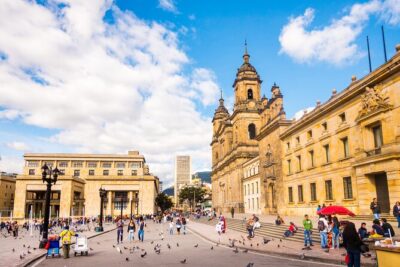
La Candelaria, Monserrate and Museums Bogotá Private City Tour
Read our review →
Shared Tour of the Historic Candelaria in Bogotá
Read our review →
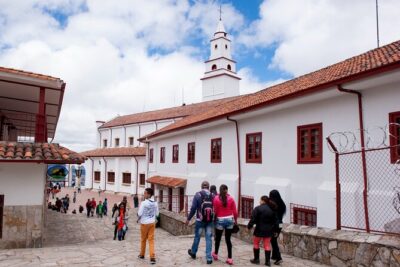
Bogota + Monserrate Private City Tour, Museums, Candelaria.
Read our review →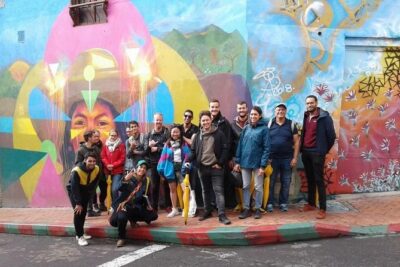
Private Tour in Bogota : Monserrate, Museums and Candelaria
Read our review →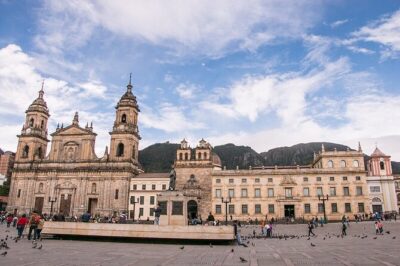
Private Bogotá Tour: Candelaria, Gold Museum, Optional Monserrate
Read our review →Browse the lists this tour appears in