
REVIEW · WALKING TOURS
Immersive Cartagena’s Afro Culture Walking Tour
Cartagena’s streets carry more than colonial charm. This three-hour walking tour explores Afro-Colombian heritage through slavery, resistance, music, food, hairstyles, fashion, and dance. It takes place inside the walled city, where major landmarks become doorways into stories often left out of standard sightseeing tours.
I like the clear focus on living culture, not just old monuments. I also like the small group limit of 10, which should give you more room to ask questions and take part in the champeta dance session. The main consideration is the heat: you will be walking for three hours, so comfortable shoes, sunscreen, water, and loose clothing matter.
Guide Keyla earned especially strong praise for her engaging approach and for making sure the tour suited the people in her group. That personal care is a useful sign for an experience built around conversation, participation, and sensitive historical subjects.
In This Review
- Key points to know before you book
- Why Afro-Colombian history changes your view of Cartagena
- Walking through the walled city with a different lens
- Slavery, resistance, and the Slave of slaves
- Meeting Colombia’s only Black president
- Hairstyles and fashion as tools of resistance
- Music, sweets, and coconut water along the route
- Champeta: hear the story, then learn the moves
- What $57 gets you
- Group size, language, and physical comfort
- How the guide can shape the experience
- Who should book this Cartagena walk?
- Final verdict: a strong choice for cultural context
- FAQ
- Where does the Afro Culture Walking Tour take place?
- How long does the tour last?
- How much does the tour cost?
- Is the tour available in English?
- How large is the tour group?
- Is transportation included?
- What food or drinks are included?
- Does the tour include a dance activity?
- What should you bring?
Key points to know before you book
- The tour links slavery to present-day culture, helping you understand why freedom, resistance, music, and style matter in Cartagena.
- Hairstyles and clothing take center stage, showing how appearance can carry identity and serve as a form of resistance.
- The Slave of slaves and Colombia’s only Black president are part of the historical story told along the route.
- Champeta is not only something to hear, you also get a chance to learn some moves.
- A small group of up to 10 people keeps the walk more personal than a large city tour.
- Coconut water and a sweet sample are included, along with a Cartagena map and a surprise gift.
Why Afro-Colombian history changes your view of Cartagena
Many first-time visitors see Cartagena through its walls, churches, balconies, and plazas. Those sights matter, but they do not explain the full story of the city. This tour begins with slavery because the guide uses that difficult past to explain later stories of resistance, freedom, and cultural renewal.
That order is important. You are not simply given a list of dates or shown a collection of old buildings. Instead, you are asked to connect the past with the way people express identity today. Music, food, clothing, dance, and public memory all become part of the lesson.
I find that approach useful for anyone who wants more than a postcard view of Cartagena. The tour presents Afro-Colombian culture as something active and current, not as a museum subject that ended centuries ago.
The discussion also includes the independence cry, a key point for understanding Colombia’s break from colonial rule. You will hear how Black history fits into the wider story of independence, rather than treating it as a side note.
More Walking Tours in Cartagena
- Cartagena: Historic Center and Getsemaní Shared Walking Tour
★ 4.9 · 2,716 reviews - Private Walking Tour in Cartagena Walled City & Getsemaní
★ 5.0 · 1,357 reviews - Cartagena: Walled City and Getsemani Shared Walking Tour
★ 4.5 · 352 reviews
Walking through the walled city with a different lens
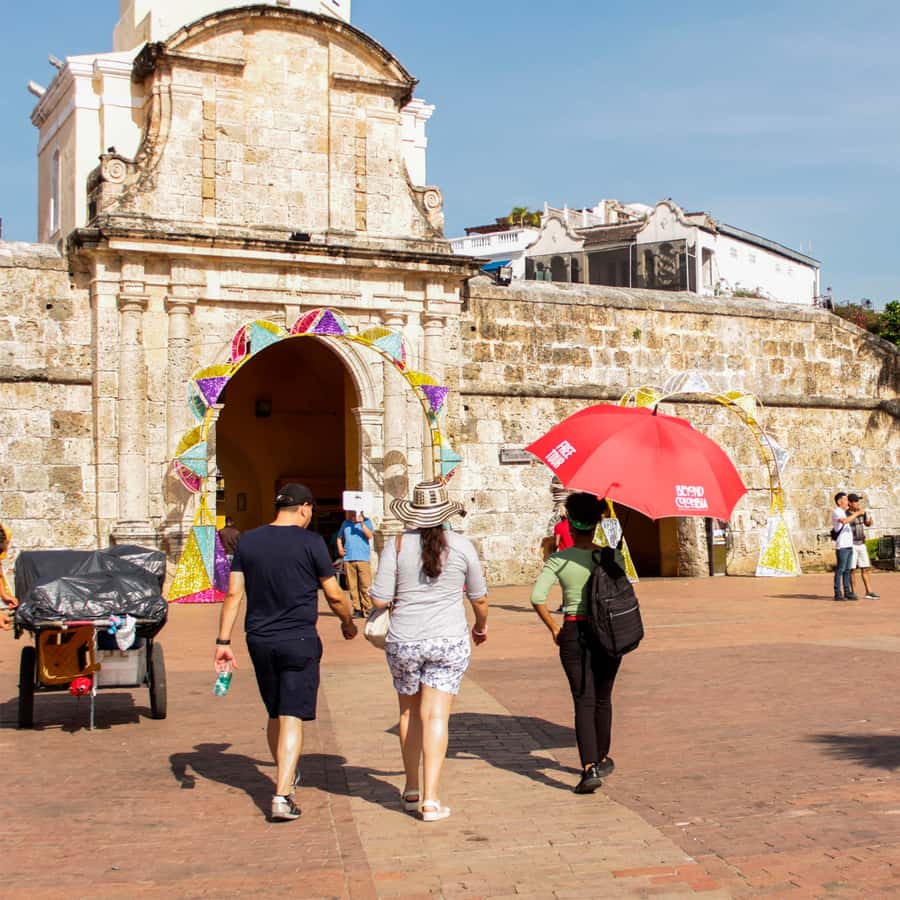
The route visits significant places and landmarks within Cartagena’s walled city. The exact sequence can depend on the guide and starting time, but the purpose is consistent: familiar streets become settings for stories about African heritage and local identity.
This is a walking tour, not a vehicle-based sightseeing trip. That gives you time to notice street life and move at the pace of the group, but it also means you should prepare for sun, uneven walking conditions, and regular stops rather than air-conditioned transport.
Resting stops are built into the walk. Still, three hours can feel long in Cartagena’s warm climate, especially if you are already spending the day on foot. Bring drinks, and do not treat the included coconut water as your only refreshment.
The walled city setting also makes the tour easy to fit into a day of sightseeing. You do not need hotel transport, since pickup and drop-off are not included. Plan to reach the meeting point on your own and allow time to arrive without rushing.
Slavery, resistance, and the Slave of slaves
The historical section does not avoid slavery. That is one of the tour’s strengths. You begin with the forced movement and exploitation of African people, then follow the story toward resistance and the rebuilding of identity in Colombia’s Caribbean communities.
The reference to the Slave of slaves adds a striking human element to the route. Rather than keeping the subject at the level of broad political history, the tour uses an individual story or symbol to help you consider the systems that shaped Cartagena.
You should expect serious material here. This is not simply a cheerful music-and-dance walk. The later parts of the experience carry more meaning because the guide first explains the pain and injustice behind the culture being celebrated.
The tour also connects this history to freedom and rebirth. That framing allows you to see Afro-Colombian traditions as acts of survival and creativity, not merely inherited customs.
Meeting Colombia’s only Black president
Another unusual part of the route is the chance to learn about the one and only Black president of Colombia. This gives the tour a national political angle, while still keeping its focus on Black identity and representation.
The subject matters because it places Afro-Colombian history within the country’s public life. You are not only hearing about anonymous communities or distant ancestors. You are also considering who has been represented in power and how that representation fits into Colombia’s larger story.
The available details do not specify whether this part includes a dedicated building entrance or a particular monument. What is clear is that the story is presented as part of the walk, with no surprise entrance fees added along the way.
A completely different kind of day:
- Cartagena Island Hopping: 5-Stop Rosario Islands Tour with Lunch
★ 4.5 · 4,903 reviews - Cartagena: Rosario Islands Catamaran with Lunch and Snorkel
★ 4.5 · 2,479 reviews - Full-Day Rosario Islands Including Barú, Bocachica & Playa Blanca
★ 4.0 · 1,729 reviews - Tour De Palenque, Road to Emancipation.
★ 5.0 · 1,678 reviews
Hairstyles and fashion as tools of resistance
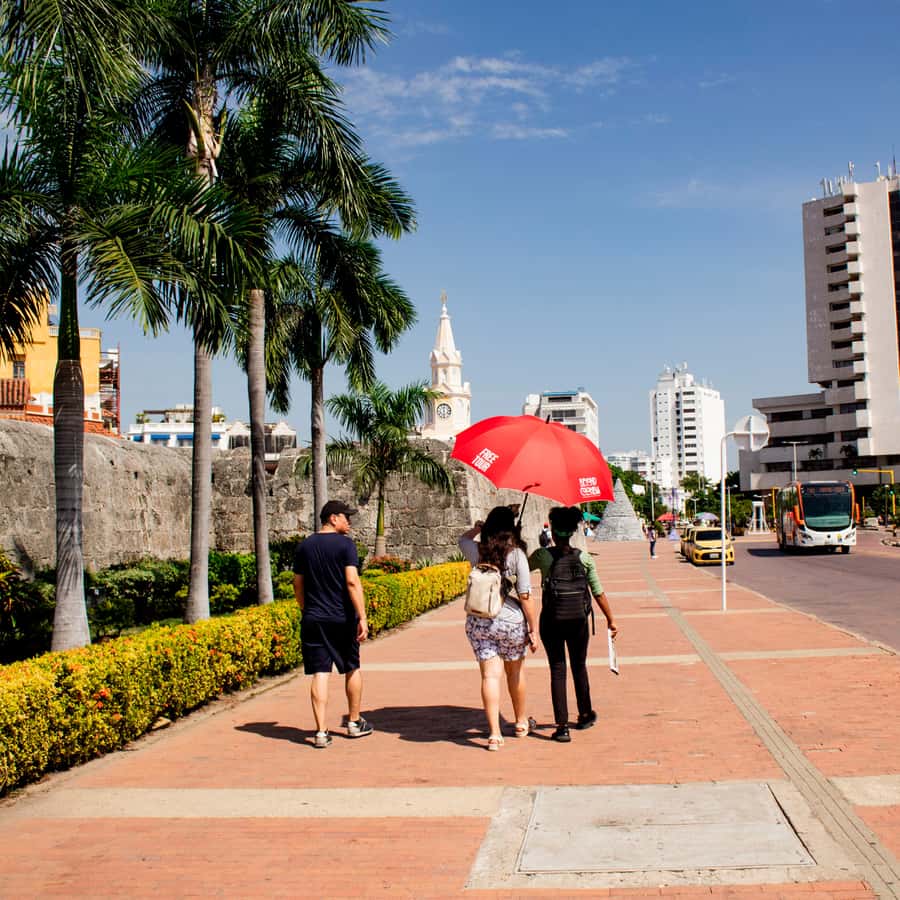
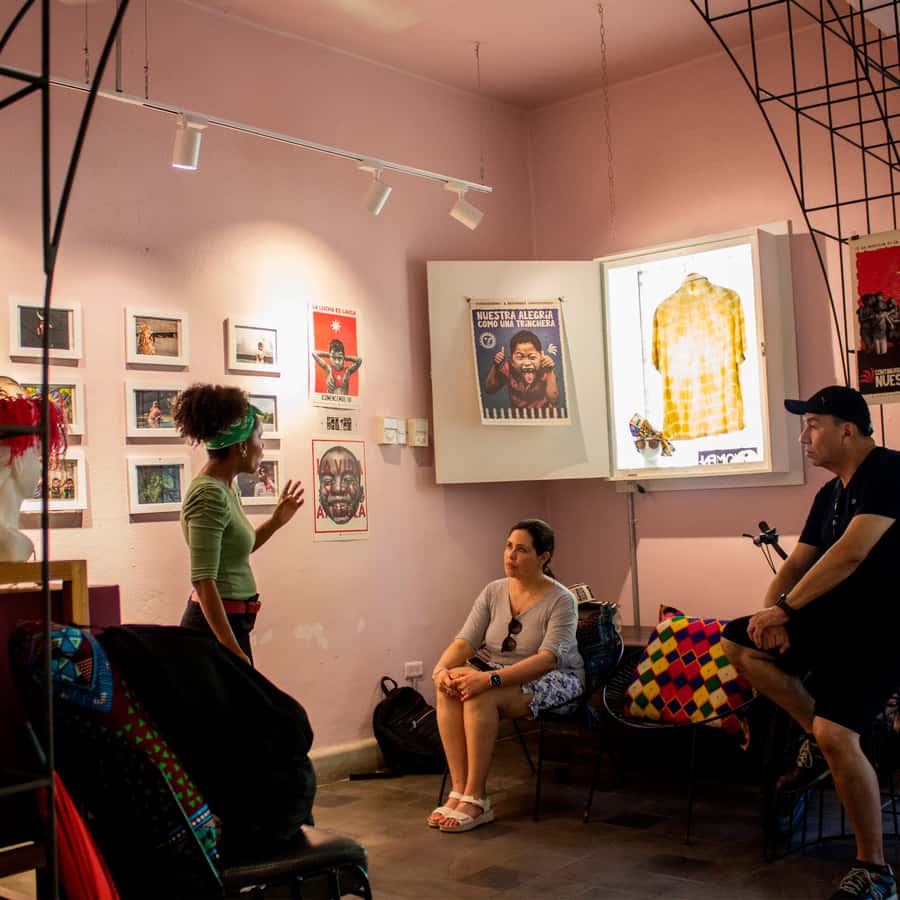
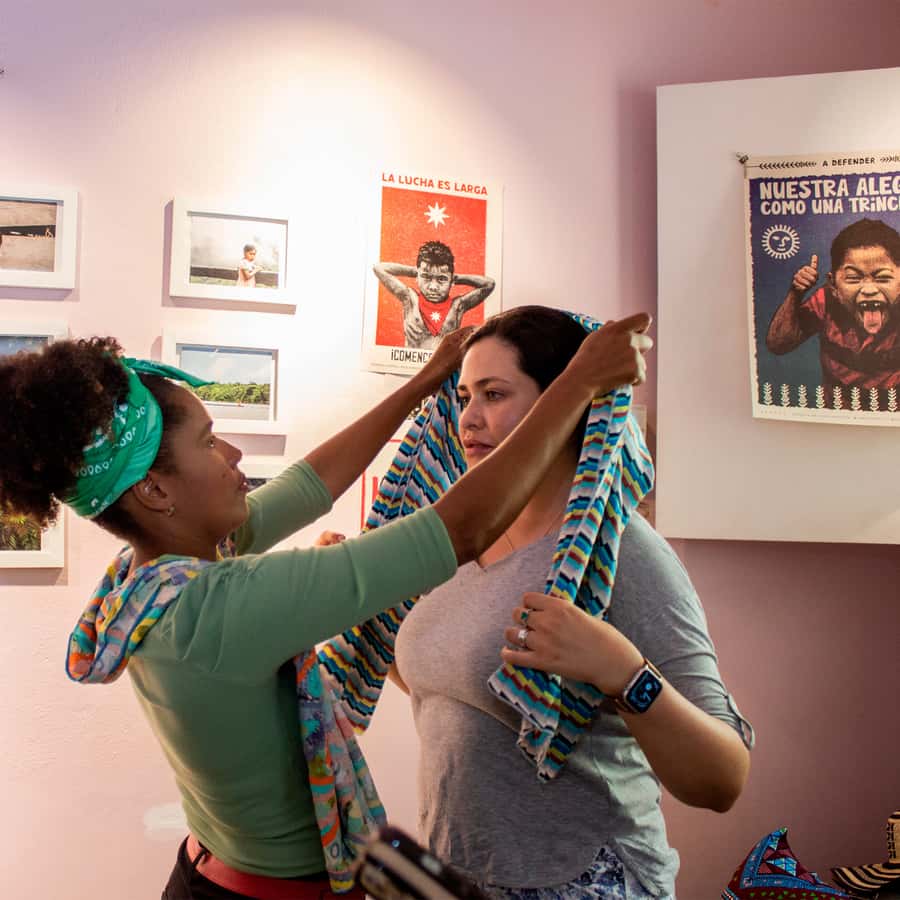
The most memorable idea for many people may be the treatment of hairstyles and fashion. The tour shows how personal style can communicate identity, preserve heritage, and resist pressure to conform.
That makes the discussion feel close to everyday life. You do not need a background in Colombian history to understand the importance of hair, clothing, and presentation. These are visible choices, and the guide uses them to explain larger questions about dignity, freedom, and belonging.
This part should appeal to visitors who enjoy cultural details that are easy to miss on a standard historical walk. It also gives the experience a modern feel. The Afro-Colombian story is not presented only through the past, but through the way people continue to express themselves now.
Do not expect a fashion show or a hands-on styling class. The value is in the explanation and the way appearance is connected to history.
Music, sweets, and coconut water along the route
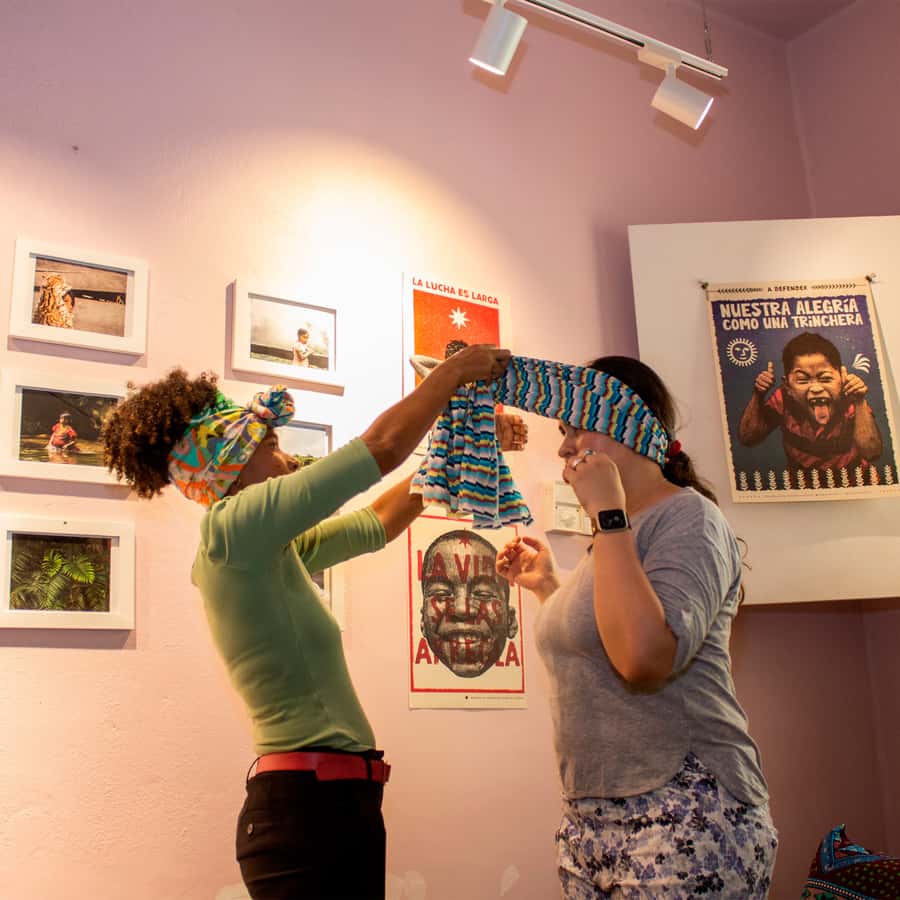
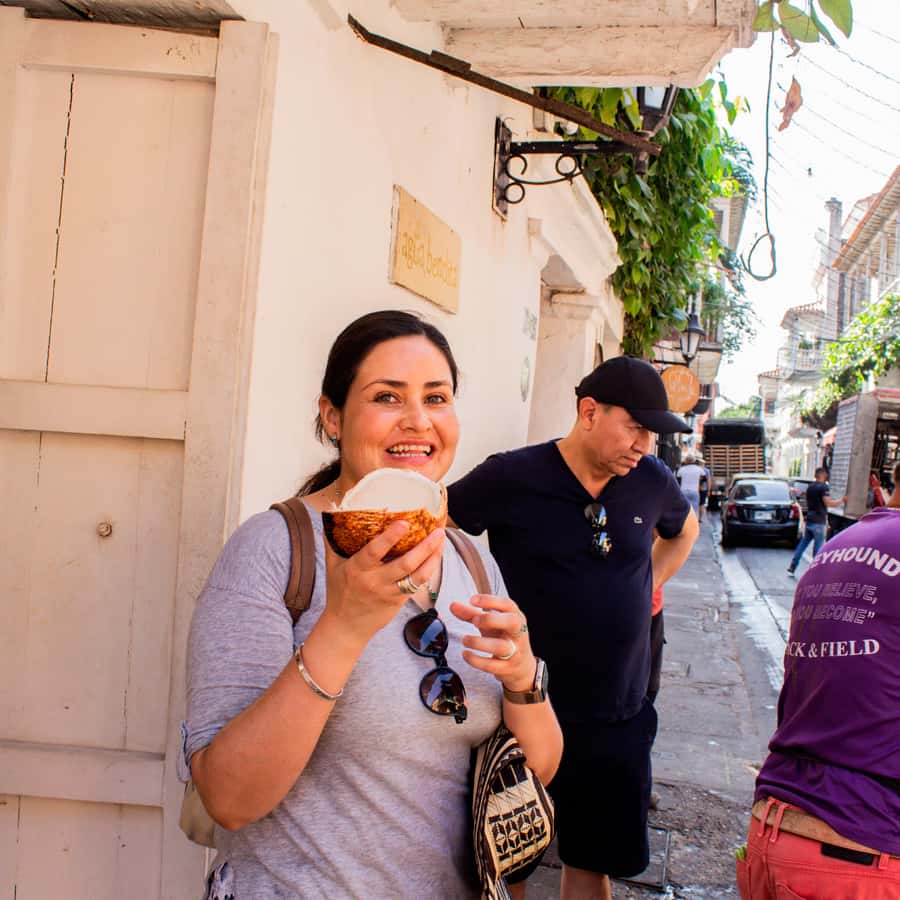
Food and drink provide a lighter break from the historical material. You receive a sample of local gastronomic sweets and coconut water during the walk.
The portion is a sample, not a meal. You will still need to budget for your own food and drinks, especially if you are walking during the hottest part of the day. The tour specifically excludes additional food, drinks, and souvenirs.
That limitation is reasonable at a $57 price, since the main cost is the guide and the small-group format rather than a full culinary program. The included tasting adds a useful sensory detail without pretending to replace lunch.
Food also helps connect the tour to daily life. Music and dance are not the only ways culture survives. Recipes, flavors, and casual refreshments can carry family and community traditions as well.
Champeta: hear the story, then learn the moves
The champeta segment gives the tour its most active moment. You learn about the history of champeta and get a chance to try some dance steps.
This is a good fit if you enjoy participating rather than standing at the edge of a group. You do not need to arrive as a dancer. The point is to understand the music through movement and to experience at least a small part of the joy attached to it.
The activity is also a useful counterweight to the heavier historical subjects earlier in the walk. You move from learning about oppression and resistance to seeing how music became a source of expression and communal energy.
Keep your expectations practical. The included experience is a chance to learn some moves, not a full dance course or evening club outing. Comfortable clothing will make the activity easier, and shoes that can handle several hours of walking are more important than stylish footwear.
What $57 gets you
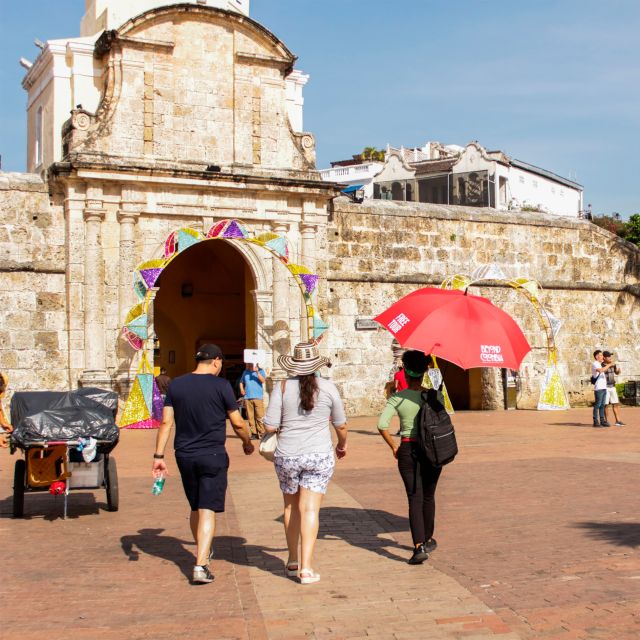
At $57 per person, this is not the cheapest way to walk around Cartagena. A self-guided stroll through the walled city costs far less, and many historic sights can be seen from public streets without paying for a tour.
The value comes from the interpretation. Your fee includes an English-speaking guide, Spanish or English service, a small group capped at 10 participants, a map, a sweet sample, coconut water, a surprise gift, and the champeta activity.
You are also paying for a tour with a clear subject rather than a general introduction to Cartagena. If Afro-Colombian history and contemporary culture are central to your interests, that focus makes the price easier to justify.
I would be less quick to recommend it if you mainly want architecture, shopping, or a broad overview of every major Cartagena attraction. The route stays centered on Afro culture, and that is exactly what makes it worthwhile for the right audience.
No transportation, hotel transfers, extra meals, or paid entrances are included. The tour makes a point of avoiding stops with sudden admission charges, which helps you keep control of your spending.
Group size, language, and physical comfort
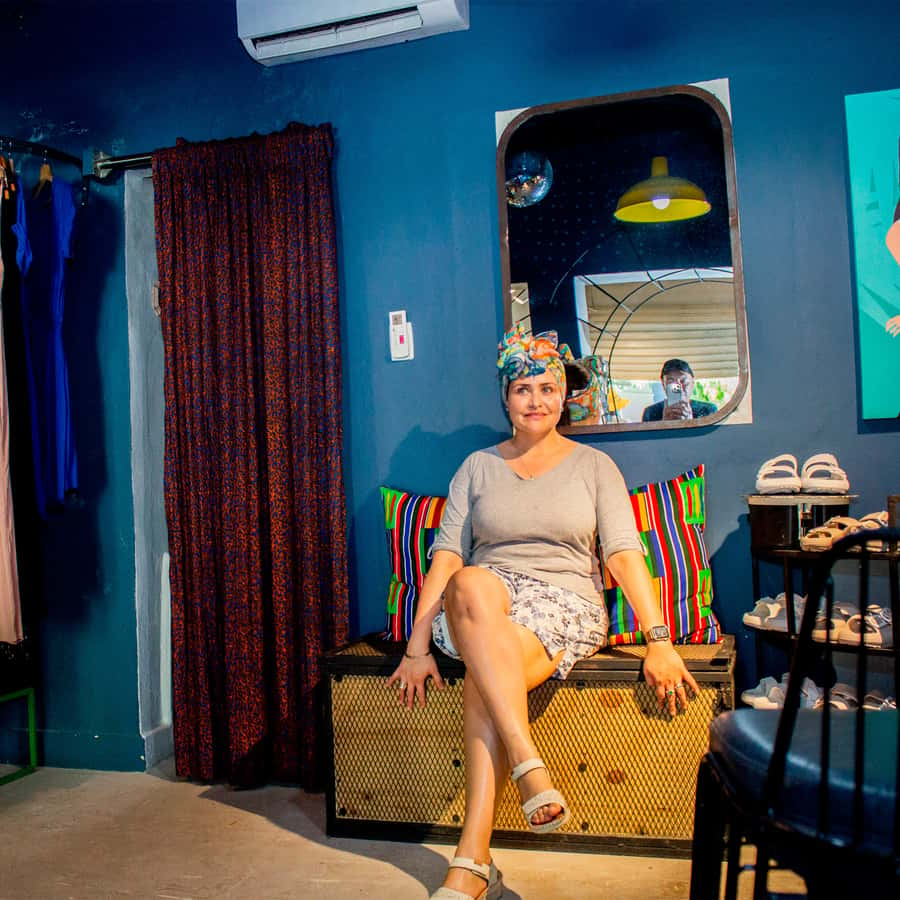
The group limit of 10 is a practical advantage. A smaller group makes it easier to hear the guide on city streets, ask questions, and join the dance portion without feeling lost in a crowd.
The tour runs in English or Spanish. If you want to discuss sensitive historical topics or ask detailed questions, choose the language in which you can follow the conversation most easily.
The activity is listed as wheelchair accessible. Since this is a walking tour in the walled city, you should still confirm the day’s meeting details and route conditions if you have specific mobility needs. The supplied information confirms accessibility, but it does not describe every surface or stop.
Wear comfortable shoes and clothes, bring sunscreen, and carry drinks. Rest stops help, but they do not remove the need to pace yourself.
How the guide can shape the experience
A tour about identity and historical trauma depends heavily on the person leading it. Keyla received especially warm praise for being engaging, well prepared, and attentive to what her group wanted from the experience.
That matters here more than it would on a simple route between monuments. The guide must explain painful history without flattening it, then connect that history to music, food, fashion, and dance without making the subject feel shallow.
The tour includes what is described as objective knowledge from an Afro tour guide. For you, that means the experience is designed to place Afro-Colombian voices at the center rather than treating the culture as a decorative extra.
Because the tour is shared, you will meet other participants rather than having a private guide. That keeps the price below a private tour, though it also means the pace and discussion will reflect the interests of the full group.
Who should book this Cartagena walk?
I would recommend this tour to you if you want to understand Cartagena beyond colonial architecture. It is especially suited to visitors interested in African diaspora history, social identity, music, food, fashion, and local traditions.
It also works well for couples, friends, and solo visitors who like a mix of listening and participation. The small group can make it easier to meet people, while the dance session gives the walk a social finish.
Families with older children may find the music and style sections engaging, though the slavery discussion is serious. Anyone uncomfortable with a three-hour walk in warm weather should choose carefully or ask about the route before booking.
You can cancel up to 24 hours in advance for a full refund, and you can reserve now while paying later. Those terms are useful if your Cartagena plans are still moving around.
Final verdict: a strong choice for cultural context
Book this tour if you want Cartagena’s Afro-Colombian story placed at the center of your visit. The combination of slavery and resistance, hairstyles and fashion, food, music, the story of Colombia’s only Black president, and champeta makes the three hours feel purposeful.
Skip it if you want a general city tour or a quiet walk with little audience participation. For everyone else, the $57 price is fair, particularly with a group of no more than 10 and a guide such as Keyla, whose warm and attentive style can make difficult subjects easier to engage with.
FAQ
Where does the Afro Culture Walking Tour take place?
The tour takes place in Cartagena’s walled city in Bolívar, Colombia, visiting significant sites and landmarks connected to Afro-Colombian culture.
How long does the tour last?
The walking tour lasts three hours.
How much does the tour cost?
The listed price is $57 per person.
Is the tour available in English?
Yes. The live guide service is available in English and Spanish.
How large is the tour group?
The tour is limited to 10 participants.
Is transportation included?
No. Transportation to and from your hotel is not included. You walk to the meeting point and complete the experience on foot, with resting stops.
What food or drinks are included?
You receive a sample of gastronomic sweets and coconut water. Additional food and drinks are not included.
Does the tour include a dance activity?
Yes. The tour includes a champeta dance experience and an introduction to the history of champeta.
What should you bring?
Bring comfortable shoes, comfortable clothing, drinks, and sunscreen.
Just added in Cartagena
- Private History Photography Tour★ 5.0 · 17 reviews
- Self-Guided Audio Tour: Pirate Tales in Cartagena★ 3.0 · 2 reviews
- Paue Island Tour in the Rosary Islands★ 5.0 · 1 review
- Totumo Volcano★ 3.5 · 15 reviews
- Paragliding Experience in Cartagena★ 5.0 · 8 reviews
- Palmarito Beach★ 3.5 · 4 reviews
- Party without limits! Cartagena; VIP Party.★ 4.5 · 32 reviews
- Tour cultural to san Basilio de Palenque from cartagena★ 5.0 · 45 reviews
Walking Tours, compared.
Historic Center and Getsemaní Shared Walking Tour
Read our review →
Private Walking Tour in Cartagena Walled City & Getsemaní
Read our review →
Graffiti Tour: a fascinating walk through a street art City
Read our review →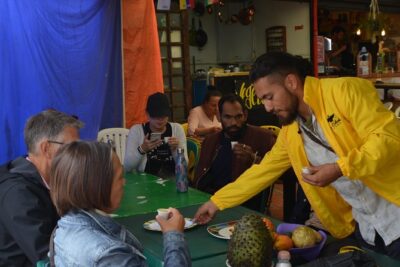

Medellin Historic Walking Tour with Expert Guide
Read our review →
Bogotá Tour: Monserrate, Food, City Walk & Botero Museum
Read our review →Browse the lists this tour appears in