
REVIEW · SAN BASILIO DE PALENQUE HERITAGE TOURS
Tour De Palenque, Road to Emancipation.
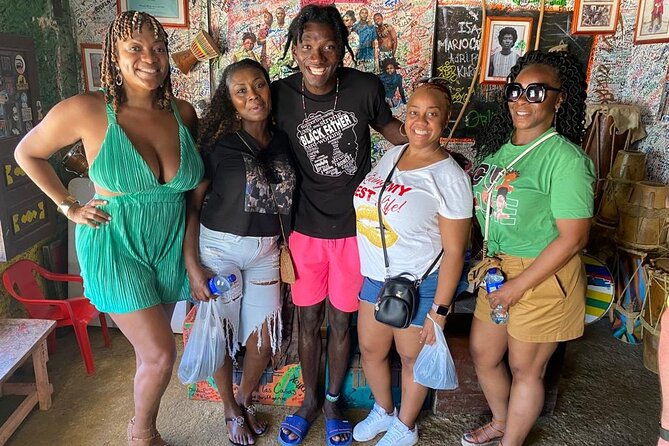
Freedom has a hometown in Colombia. Tour De Palenque, Road to Emancipation takes you from Cartagena to San Basilio de Palenque, a community founded by escaped Africans and known for protecting its language, music, customs, and identity for more than 400 years. I like the way the experience combines history with real contact: you hear Palenque’s story from local guides, then learn dance steps, play drums, visit traditional medicine practitioners, and eat a local meal. I also like the capped group of up to 30 people, which is large enough to meet others but smaller than a full coach outing.
The main caution is transport and pickup communication. The trip includes air-conditioned transportation, but some recent departures had confusing instructions, late pickups, or an uncomfortable ride. You should confirm the meeting point on WhatsApp before the day of departure, and you should be ready for a long drive on rough roads. The cultural visit itself earns very strong marks, with a 4.9 rating from 1,678 reviews and 98 percent of customers recommending it.
In This Review
- What makes this Palenque visit worth your day
- Why San Basilio de Palenque matters
- Leaving Cartagena from the Clock Tower
- Meeting the people of Palenque
- Dance, drums, and the young performers
- Language, murals, and the town’s creative life
- Traditional medicine and the practical side of culture
- Lunch in Palenquero style
- Palenquito and the return through Bolívar
- Is $100 a fair price?
- Who will enjoy this most?
- Should you book Tour De Palenque?
- FAQ
- How long does the Tour De Palenque experience last?
- Where does the tour start and finish?
- Is hotel pickup included?
- What is included in the $100 price?
- What food is served for lunch?
- Is the tour suitable for children?
- Are service animals allowed?
- How many people can join the group?
- Can I cancel for a full refund?
What makes this Palenque visit worth your day
- A living freedom story: Learn how San Basilio de Palenque became home to the first free African people in the Americas.
- Local voices and translation: A native Palenque guide explains the community’s customs, language, and past, with multilingual support.
- Music you can join: Watch a dance presentation, learn traditional steps, and try the drums instead of only standing on the sidelines.
- More than a museum stop: The route includes the town square, a folkloric rap group’s house, a museum house, Palenque Viejo, and traditional medicine.
- A proper local lunch: A typical Palenquero meal, often praised for its fish, rice, beans, salad, patacones, and lemonade, is included.
- Useful for cruise schedules: Pickup and return are arranged around Cartagena’s central meeting point, making this a possible shore excursion for cruisers with enough time.
Why San Basilio de Palenque matters
San Basilio de Palenque is not simply a themed village or a quick cultural display. It is a community that has preserved a distinct identity since the era of slavery in the Americas. The tour presents Palenque as the settlement of Benkos Biohó, the leader credited with founding the community and creating a refuge for people who escaped bondage.
That background gives the day its purpose. You are not just driving inland to watch a performance. You are learning how people protected their freedom, passed on their customs, and maintained a language with roots in Bantu languages from the Guinea and Congo regions.
The phrase Road to Emancipation is fitting, but the experience also points beyond emancipation. Freedom here is shown as an ongoing act of cultural protection. The language, dance, drum traditions, food, medicine, and education of young people all play a part.
I find that especially useful for visitors staying in Cartagena, where colonial streets and grand architecture can easily dominate the conversation about Colombia’s past. Palenque brings Afro-Colombian history to the center. It also lets you hear that story through local people rather than through a guide speaking only from outside the community.
More San Basilio de Palenque heritage visits:
- Freedom Tour of Palenque
★ 5.0 · 467 reviews - San Basilio de Palenque History Tour
★ 5.0 · 301 reviews - Cartagena: Palenque´s tour, dance show, lunch, pick-Up inclu
★ 4.7 · 182 reviews
Leaving Cartagena from the Clock Tower
The stated meeting point is the Monumento Torre del Reloj at Boca del Puente in Cartagena’s historic center. The activity ends back at this same meeting point. Select pickup locations may be offered, but the instructions have not always been consistent, so you should contact the operator after booking and confirm exactly where you need to wait.
This is not a minor detail. Some people received hotel pickup information during booking but were later told to meet outside the old city walls. In one case, late-night messages changed the plan only hours before departure. Other departures went well, with clear communication and punctual transport, but you should not leave this point to chance.
The drive to Palenque takes about an hour and a half each way according to the detailed experience reports. That means a substantial part of a five to six hour outing is spent on the road. Some people found the driving rough and unsettling, while others praised the driver’s ability to handle the route. Vehicle condition has also drawn mixed comments, including a note that the bus felt dated.
The air conditioning matters in Colombia’s heat, and transport is included in the $100 price. Still, I would plan for a bumpy ride and avoid scheduling an important activity immediately after the return. If you are arriving by cruise ship, check your ship’s all-aboard time carefully. The tour is promoted as a good option for cruisers, but the pickup confusion and road delays mean you need a generous time cushion.
Meeting the people of Palenque
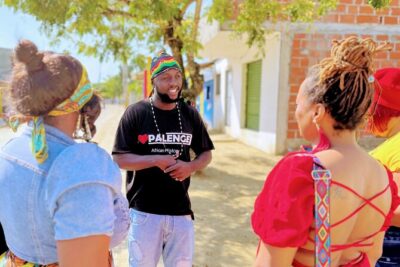
Once you arrive, the pace changes. The visit is built around several local stops rather than one long lecture. A Palenque guide leads the group and translates when local residents speak in Palenquero or another community language.
Guides named in the feedback include Romeo, also called Romero or Lempito in some accounts, and Edwin. Romeo receives particularly warm praise for his energy, humor, language lessons, and ability to include solo participants, couples, and families. One useful touch is that he may send a language cheat sheet afterward, which helps you remember the phrases introduced during the morning.
Guide quality matters here because the subject is not simple. You will hear about slavery, escape, cultural survival, African ancestry, and the community’s relationship with the wider Colombian society. The strongest part of the guiding is the use of local voices. Your guide does not simply speak over the town. He allows people connected to Palenque’s traditions to explain their own work, then helps the group understand it.
The tone is generally warm and playful, but the topic deserves attention. You will get the most from the visit if you listen closely and treat the community as a living place rather than a performance set up only for tourists.
Dance, drums, and the young performers
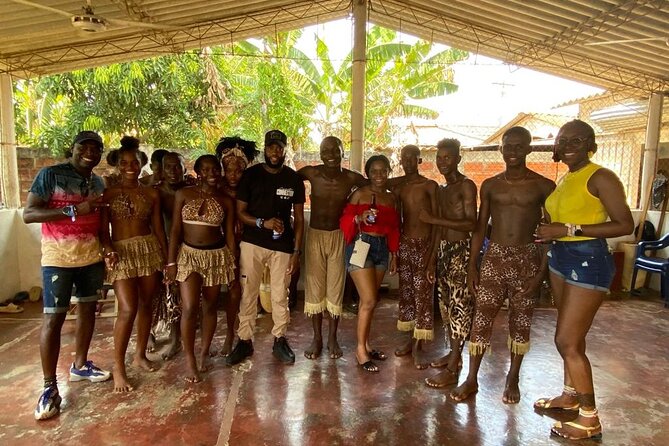
The dance presentation is one of the most praised parts of the experience. Young people perform traditional dances connected to Palenque’s African roots, and the energy is direct and infectious without feeling like a distant stage show.
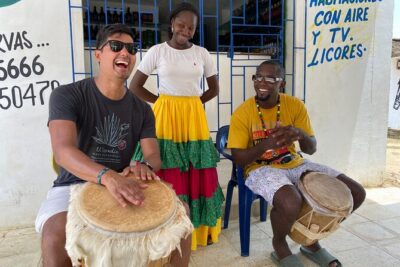
You are invited to learn some steps and join in. You may also play the drums. This turns the session into a shared activity and gives you a small sense of how rhythm and movement carry memory from one generation to the next.
Several people especially enjoyed being invited into the dancing, including one person celebrating a birthday. Families appreciated the young performers, while solo visitors found the activity an easy way to connect with the group. If you prefer to watch quietly, you can do that too, but the invitation to participate is part of the charm.
The dance school also deserves attention. Supporting its work through a reasonable purchase or contribution can help keep local arts education going. At the same time, you should know that tipping and souvenir requests may come up often during the day. Some people felt comfortable supporting local vendors; others felt pressured and said the repeated requests reduced their enjoyment.
My advice is simple: decide before you go what you want to buy and how much you wish to tip. Give freely when you choose, but do not let uncertainty turn every stop into a negotiation.
More things to do in Cartagena:
- Cartagena Island Hopping: 5-Stop Rosario Islands Tour with Lunch
★ 4.5 · 4,903 reviews - Cartagena: Historic Center and Getsemaní Shared Walking Tour
★ 4.9 · 2,716 reviews - Cartagena: Rosario Islands Catamaran with Lunch and Snorkel
★ 4.5 · 2,479 reviews - Full-Day Rosario Islands Including Barú, Bocachica & Playa Blanca
★ 4.0 · 1,729 reviews
Language, murals, and the town’s creative life
A lesson in Palenquero language gives the visit a personal touch. The language has Bantu roots connected to Guinea and Congo, and the guide introduces basic words before local speakers use them. Even a few greetings can change the way you approach the town. You are no longer only looking at a culture from the outside.
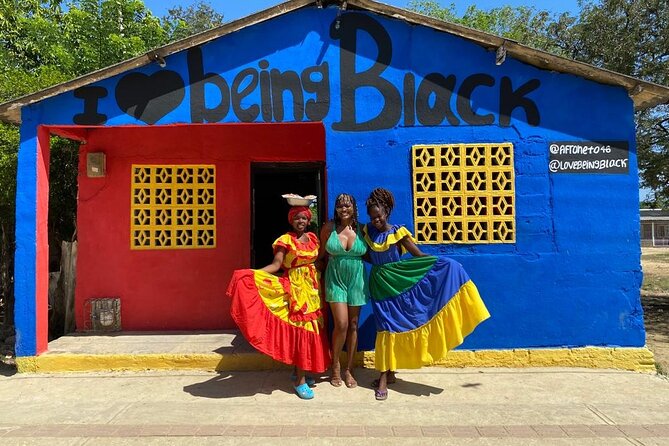
The route includes the town square, the house of Kombilesa Mi, and colorful street art and murals. Kombilesa Mi is a folkloric rap group, and its work shows that Palenque culture is not frozen in the past. Traditional identity and modern music can share the same street.
You also visit a museum house and Palenque Viejo. These stops help connect the current settlement with its earlier story. The value is not in seeing a long list of objects. It is in understanding how daily life, family memory, language, music, and resistance fit together.
The exact order of stops can vary, and the amount of time at each place is not specified. Expect an active walking visit through town rather than a formal museum tour with long periods of quiet viewing.
Traditional medicine and the practical side of culture
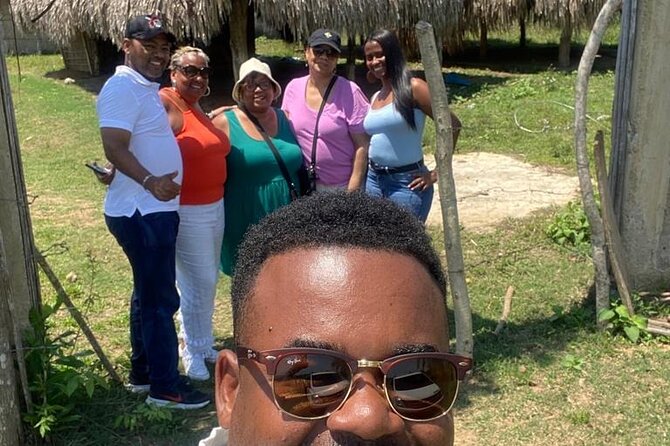
The traditional medicine stop is a favorite for many people. You learn about herbal remedies from local practitioners and hear how plant knowledge is used within the community.
This is a good example of why the tour works best when you treat it as an exchange of knowledge rather than a checklist of attractions. The medicine visit connects history to daily life. Palenque’s identity is not only found in stories about ancestors. It also appears in the ways people care for one another now.
Listen with respect and avoid treating the remedies as a substitute for professional medical advice. The experience gives cultural context, not a personal medical consultation. Still, it is one of the more distinctive parts of the day and adds depth beyond music and photographs.
Lunch in Palenquero style
Lunch is included, and it is one of the safest reasons to view the $100 price as reasonable. The meal is served at a local restaurant in the community, not simply as a packaged snack during the drive.
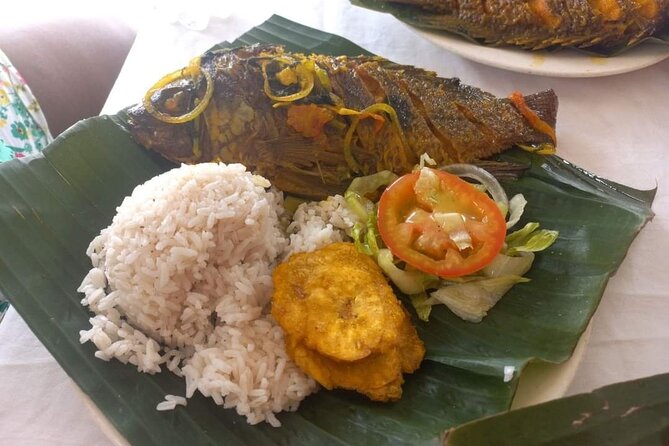
Fried or stewed fish receives repeated praise, along with rice, beans, salad, patacones, and lemonade. One person called the fried fish a highlight, while another said it was the best meal of a Colombia visit. The food is described as fresh, flavorful, and filling.
Dietary flexibility has also been possible. A plant-based participant received beans, rice, salad, and patacones. You should still explain your needs in advance because the tour information does not promise every diet can be accommodated.
Lunch also gives the day a natural pause. After the history, language, dancing, and walking, sitting down for a local meal lets you talk with the group and reflect on what you have seen.
Palenquito and the return through Bolívar
On the way back, the vehicle stops briefly in Palenquito for photographs beside the letters spelling YO AMO A PALENQUE. This is a five-minute photo stop, so keep your expectations modest. It is a quick souvenir image, not another major cultural visit.
The return route passes through other towns without stopping. The drive can feel long, especially after a full day in Palenque, and road conditions may affect the schedule. The tour ends at the original Cartagena meeting point.
That structure makes the experience efficient but not leisurely. You get a strong cultural introduction in one day, yet you do not have time to wander widely or set your own pace. If you want an extended stay in Palenque, this is not that kind of outing. If you want a guided introduction from Cartagena, it makes practical sense.
Is $100 a fair price?
At $100 per person, the tour costs more than a simple bus ride to Palenque, but transport alone would not provide the same access. The fee includes an air-conditioned vehicle, transportation, a native guide, the dance presentation, bottled water, and lunch.
The price also supports a network of local participants: guides, performers, food providers, medicine practitioners, and community vendors. That does not erase the need for clear standards, but it gives the excursion more value than a detached sightseeing transfer.
I would call the price fair for someone who wants a structured cultural day and values local interpretation. I would be less enthusiastic if your main goal is independent exploration, a quiet schedule, or a very polished vehicle. The experience is strongest in the town itself, not in the logistics surrounding it.
Who will enjoy this most?
I would recommend it to you if you want to understand Afro-Colombian history while taking part in music, dance, food, and conversation. It suits solo visitors particularly well because the capped group and participatory activities make it easy to meet people.
Families can enjoy the dance school and the interactive language and drum sessions. Couples may appreciate the combination of serious history and lighthearted activities. Black visitors from the United States and other parts of the African diaspora may find the connection especially moving, though you do not need a personal connection to learn from the visit.
You should think twice if you dislike group tours, rough road travel, repeated sales opportunities, or uncertain timing. The activity is also not ideal if you need a strictly controlled schedule. Most people can participate, and service animals are allowed. Children from ages one to four do not pay, but they must sit on a parent’s lap.
After booking, use the supplied phone number, +57 318 820 2888, to confirm pickup details. Free cancellation is available if you cancel at least 24 hours before the start time. Changes or cancellations inside that window are not accepted.
Should you book Tour De Palenque?
Yes, if your priority is an honest introduction to Palenque’s people, memory, music, and food. The strongest elements are the local guides, the young dancers, the language lesson, the traditional medicine visit, and the meal. Romeo and Edwin have both been praised for warmth, humor, and clear storytelling.
Book with a practical mindset. Confirm pickup in writing, expect about three hours of total driving, allow extra time for the return, and set your own tipping budget. If those conditions suit you, this is one of the more meaningful day trips from Cartagena, and the 4.9 rating is consistent with the quality of the cultural program.
FAQ
How long does the Tour De Palenque experience last?
The advertised duration is approximately five to six hours. The drive to San Basilio de Palenque takes about one and a half hours each way according to detailed trip accounts, so transportation takes up a large part of the day.
Where does the tour start and finish?
The stated meeting point is the Monumento Torre del Reloj at Boca del Puente in Cartagena’s historic center. The activity ends back at the same meeting point.
Is hotel pickup included?
Pickup from select locations may be offered, but instructions have sometimes differed from the original booking details. Contact the operator after booking to confirm your exact pickup location and time.
What is included in the $100 price?
The price includes an air-conditioned vehicle, transportation, a native guide, the dance show, lunch, and a bottle of water. Tips are not included.
What food is served for lunch?
The meal is a typical Palenquero dish. Fried or stewed fish is commonly served, with items such as rice, beans, salad, patacones, and lemonade. Plant-based food has also been provided when requested.
Is the tour suitable for children?
Most people can participate, and children from one to four years old do not pay. Children in that age range must sit on a parent’s lap.
Are service animals allowed?
Yes. Service animals are allowed on this activity.
How many people can join the group?
The maximum group size is 30 people. This creates a medium-sized group rather than a private tour.
Can I cancel for a full refund?
Yes, if you cancel at least 24 hours before the experience start time. Cancellations or changes made less than 24 hours before departure are not accepted for a refund.
Just added in Cartagena
- Self-Guided Audio Tour: Pirate Tales in Cartagena★ 3.0 · 2 reviews
- Private History Photography Tour★ 5.0 · 17 reviews
- Paue Island Tour in the Rosary Islands★ 5.0 · 1 review
- Totumo Volcano★ 3.5 · 15 reviews
- Palmarito Beach★ 3.5 · 4 reviews
- Party without limits! Cartagena; VIP Party.★ 4.5 · 32 reviews
- Paragliding Experience in Cartagena★ 5.0 · 8 reviews
- Discover the Rich Heritage of San Basilio de Palenque★ 4.0 · 1 review
San Basilio de Palenque Heritage Tours, compared.
Palenque´s tour, dance show, lunch, pick-Up inclu
Read our review →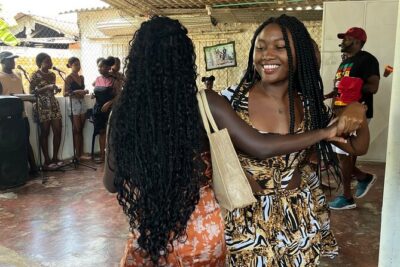
Tour a san Basilio de Palenque desde cartagena
Read our review →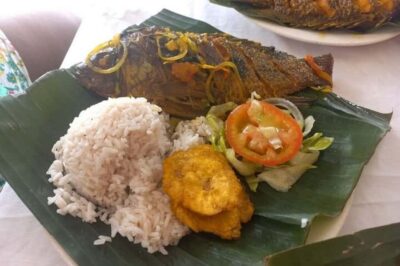
Visit Palenque with natives : history, culture and ancestral legacy
Read our review →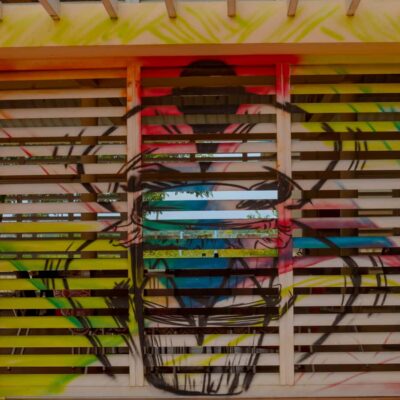
Browse the lists this tour appears in