
REVIEW · SAN BASILIO DE PALENQUE HERITAGE TOURS
Cartagena: Palenque Tour and Road to Emancipation
History comes alive in San Basilio de Palenque. This six-hour excursion from Cartagena takes you to a town that has protected its African identity for more than four centuries. I like the honest look at slavery, freedom, and cultural survival, and I like that the day is led by local people through music, language, food, dance, and traditional medicine. The main caution is time: multiple pickups and the long drive can stretch the outing beyond six hours.
I also appreciate the chance to meet people connected to Palenque’s living culture rather than simply viewing displays in a museum. Guides such as Romeo and Damaso have been praised for making the past understandable and for translating local explanations clearly. Still, you should expect a warm, active day, not a quiet museum visit.
In This Review
- Key things to know before you book
- Why San Basilio de Palenque matters
- The road from Cartagena to Palenque
- Entering the town square
- Meeting the people behind Palenque’s music
- Learning a language with African roots
- The museum house and Palenque Viejo
- Traditional medicine and inherited knowledge
- A Palenquero lunch worth making room for
- Is $108 a fair price?
- Guides who shape the experience
- What to bring and how to handle the day
- Who should book this Palenque tour?
- Should you book it?
- FAQ
- How long does the Palenque tour last?
- Where is pickup in Cartagena?
- What languages are available?
- Is lunch included?
- What places are visited in San Basilio de Palenque?
- Can I cancel the booking?
Key things to know before you book
- San Basilio de Palenque is the heart of the day: You visit the town square, museum house, Palenque Viejo, traditional medicine sites, and the home of Kombilesa Mi, a folkloric rap group.
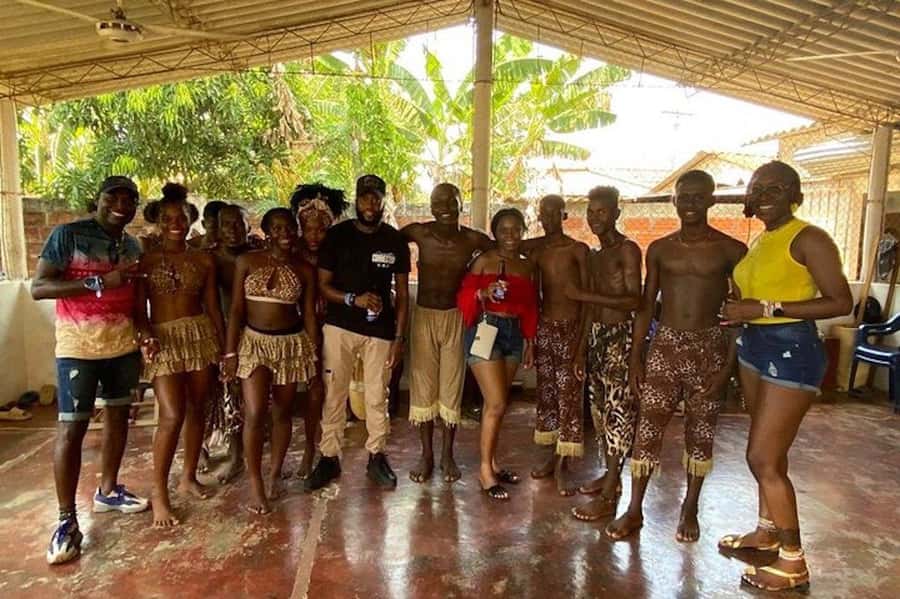
- The culture is participatory: A dance performance includes lessons and drumming, so bring some energy and be ready to join in.
- Palenquero language is part of the story: A native guide introduces words connected to Bantu languages from Guinea and Congo.
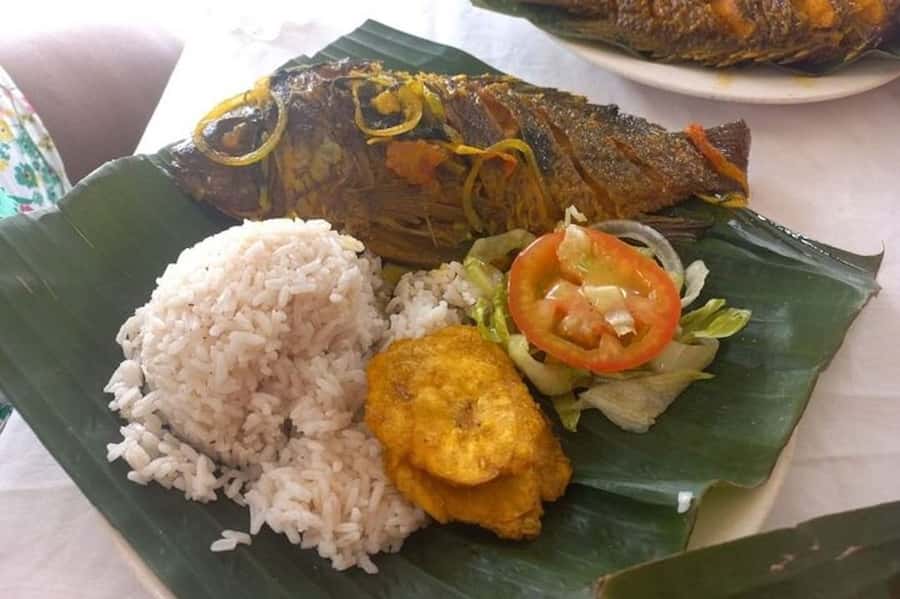
- Lunch is included: You finish with a typical Palenquero meal, with fish and chicken among the choices mentioned by visitors.
- The day begins early: Pickup starts at 8:00 a.m. in the historic center, with later times for other parts of Cartagena.
- Allow extra time: Hotel pickups across the city can make the outing longer than the advertised six hours.
Why San Basilio de Palenque matters
San Basilio de Palenque is not simply a day-trip village with a cultural show. It is presented as the first free African town in the Americas, founded by escaped enslaved people who built a community outside colonial control.
That history gives the visit real weight. You hear about slavery and emancipation, but the focus is not only on suffering. The tour also shows how people protected their language, music, food, spiritual practices, and community customs across generations.
I value that balance. A visit here is strongest when you understand Palenque as a living place, not as a historical stage set. People still live and work here, young people still perform and learn, and local guides explain their town in their own voices.
The subject can be difficult. The tour treats slavery directly and candidly, so it is better suited to you if you want history without a polished or softened version. Romeo has received particular praise for explaining the past while connecting it to Palenque today.
More San Basilio de Palenque heritage visits:
- Tour De Palenque, Road to Emancipation.
★ 5.0 · 1,678 reviews - Freedom Tour of Palenque
★ 5.0 · 467 reviews - San Basilio de Palenque History Tour
★ 5.0 · 301 reviews
The road from Cartagena to Palenque
The drive from Cartagena takes a little over an hour in normal conditions, but the full morning can feel longer because pickups happen in several parts of the city.
Pickup for hotels in the historic center is at 8:00 a.m. at the Clock Tower. If you stay in Bocagrande, Castillo Grande, or Laguito, collection is scheduled between 8:20 and 8:45 a.m. Pickups from Marbella, Cabrero, Crespo, Cielo Mar, the northern zone, and Manzanillo del Mar run later, roughly from 8:50 to 9:30 a.m.
If you stay in Manga or on Barú Island, you need to reach the Clock Tower at 8:00 a.m. This is worth planning carefully, since missing a city pickup can cause more trouble than the excursion itself.
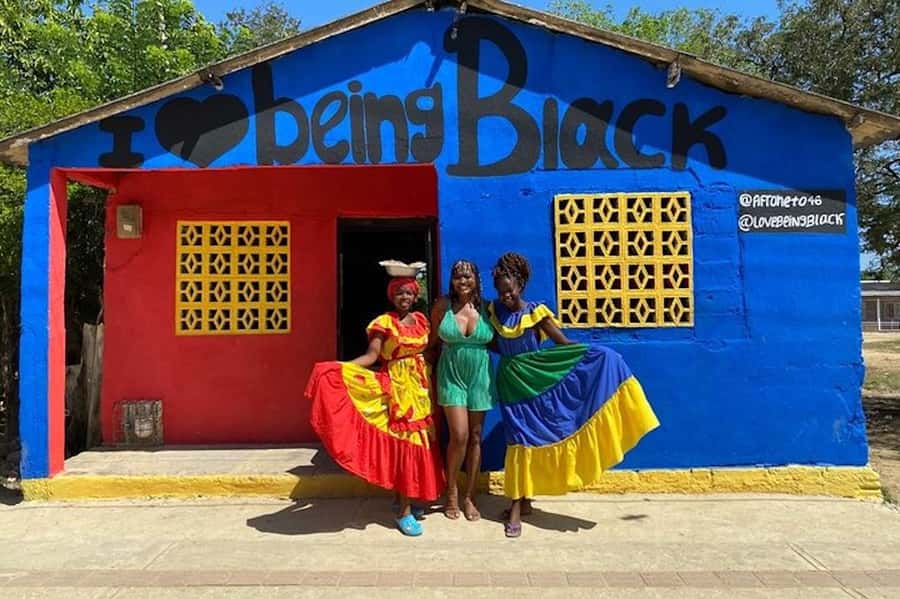
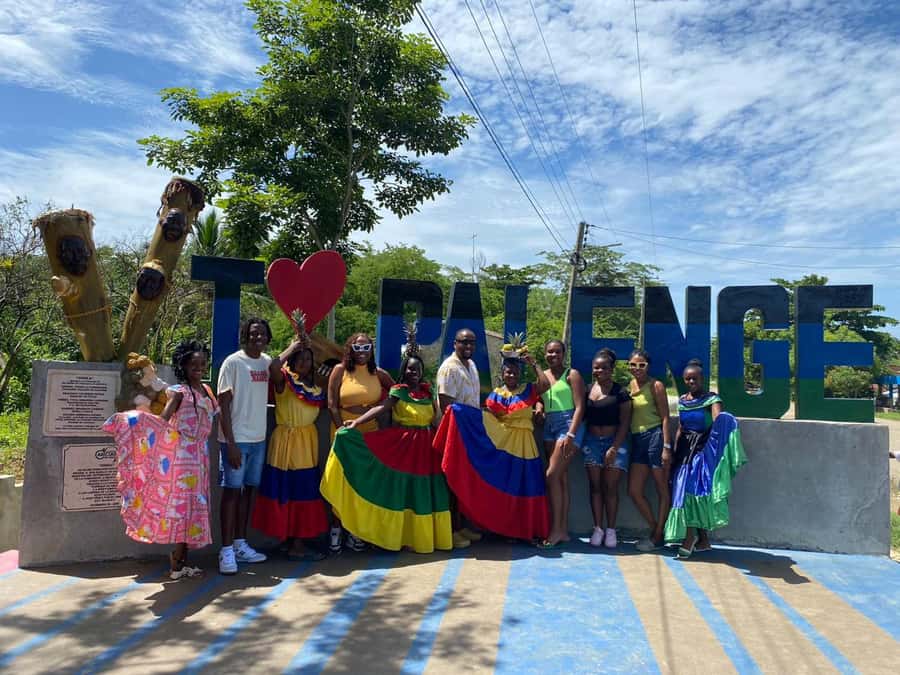
The route passes through Turbaco. At Palenquito, near María La Baja, the vehicle stops briefly for photographs beside the letters spelling YO AMO A PALENQUE. It is a five-minute photo stop, useful for a quick picture but not a major part of the day.
The transport is air-conditioned and private transportation is included. One past vehicle was described as old, with weak suspension and air conditioning that could have been stronger. Another account found the van comfortable enough and appreciated the umbrellas supplied for people caught without shade.
My advice is simple: carry water, expect heat, and bring patience for the pickup loop. The ride is part of the price of reaching Palenque, but it is not the main attraction.
Entering the town square
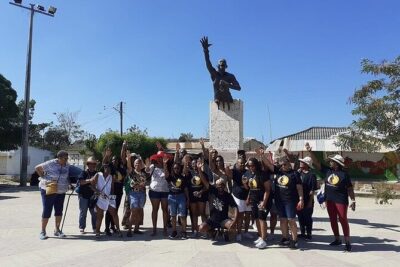
The visit to San Basilio de Palenque begins in the town square, where the guide helps you get your bearings and places the town within its long story.
This is where the tour shifts from a road trip into a personal introduction to Palenque. Rather than rushing straight through a list of sights, the local guide explains the town’s identity and points out the art and public spaces that reflect its African roots.
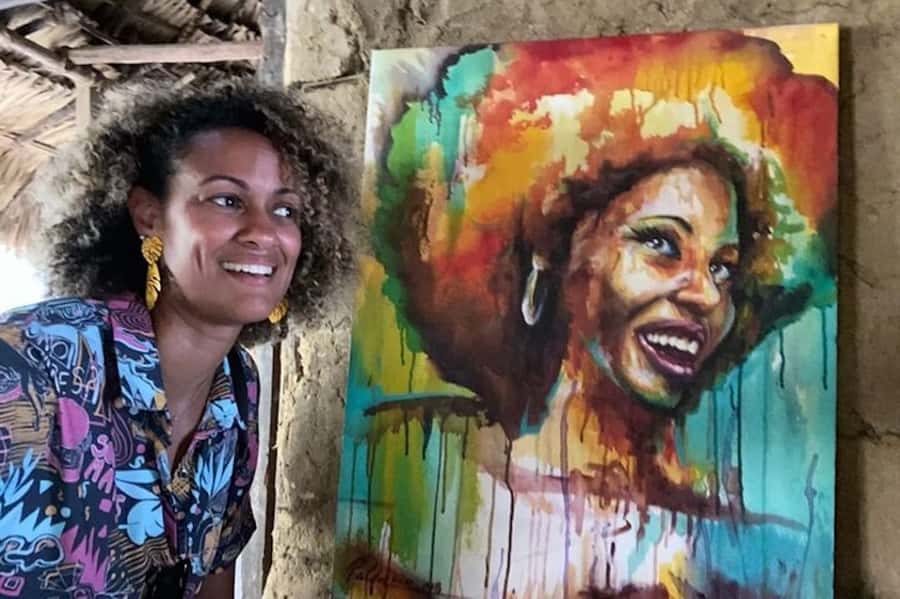
The town is known for its murals and strong visual culture. You might see young people and community members involved in the cultural life of the place, which helps show that Palenque is not a frozen version of the past.
Damaso has been praised as a local apprentice guide who shows visitors around his hometown. That kind of handoff matters. Your Cartagena guide may explain the wider Colombian context, while a local guide can point out what the town means to the people who live there.
Meeting the people behind Palenque’s music
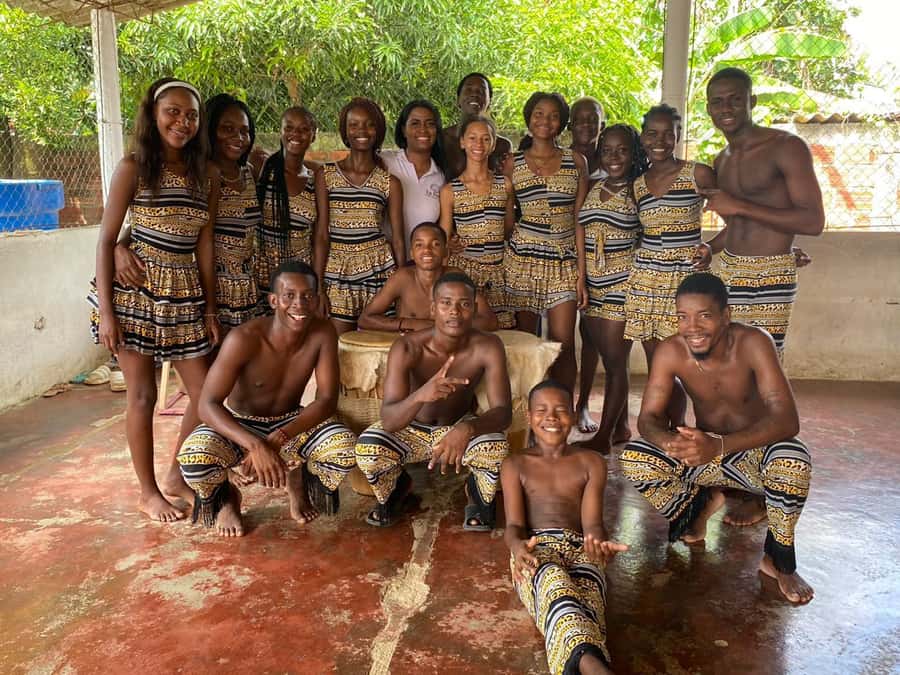
One stop is the house of Kombilesa Mi, a folkloric rap group. The visit connects older traditions with a modern form of expression, showing that Palenque’s culture is not limited to historic songs or formal performances.
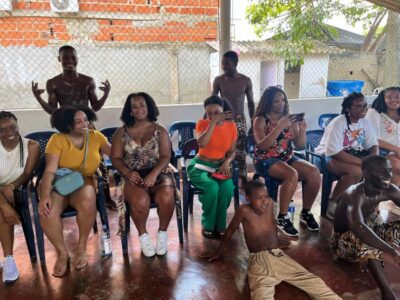
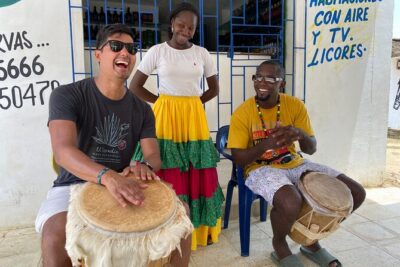
Music becomes even more central during the dance show. You watch traditional dancing, learn some steps, and play drums. This is not a performance you simply sit through. The invitation to participate makes the session lively, but you should be comfortable with a little public movement.
The dance section has been one of the strongest parts of the experience for many people. Birthdays have even been celebrated through songs and dancing, although that is not something you should expect as a standard part of the itinerary.
I like this part because it gives you a physical sense of rhythm and community. Reading about Palenque’s musical traditions is one thing. Trying the steps and drum patterns gives you a small, respectful connection to how those traditions are practiced.
You do not need to be a dancer. You only need to be willing to join the group and have a bit of fun.
More things to do in Cartagena:
- Cartagena Island Hopping: 5-Stop Rosario Islands Tour with Lunch
★ 4.5 · 4,903 reviews - Cartagena: Historic Center and Getsemaní Shared Walking Tour
★ 4.9 · 2,716 reviews - Cartagena: Rosario Islands Catamaran with Lunch and Snorkel
★ 4.5 · 2,479 reviews - Full-Day Rosario Islands Including Barú, Bocachica & Playa Blanca
★ 4.0 · 1,729 reviews
Learning a language with African roots
A native guide teaches you words from the Bantu language tradition associated with Guinea and Congo. This is a small section of the tour, but it carries a lot of meaning.
Language is one of the clearest ways a community preserves identity. Hearing words explained in Palenque helps you understand that African influence here is not just visible in dance, food, or appearance. It remains part of how people express themselves.
Your bilingual guide translates the local explanations into English or Spanish. Romeo has been singled out for translating clearly, while other guides, including Andrés, have helped visitors understand the local presentations. If you speak French, Andrés may also be able to offer some French assistance, according to the information available.
The language lesson is not a full class, and you should not expect to leave fluent. Its value is in showing how cultural memory survives through ordinary speech.
The museum house and Palenque Viejo
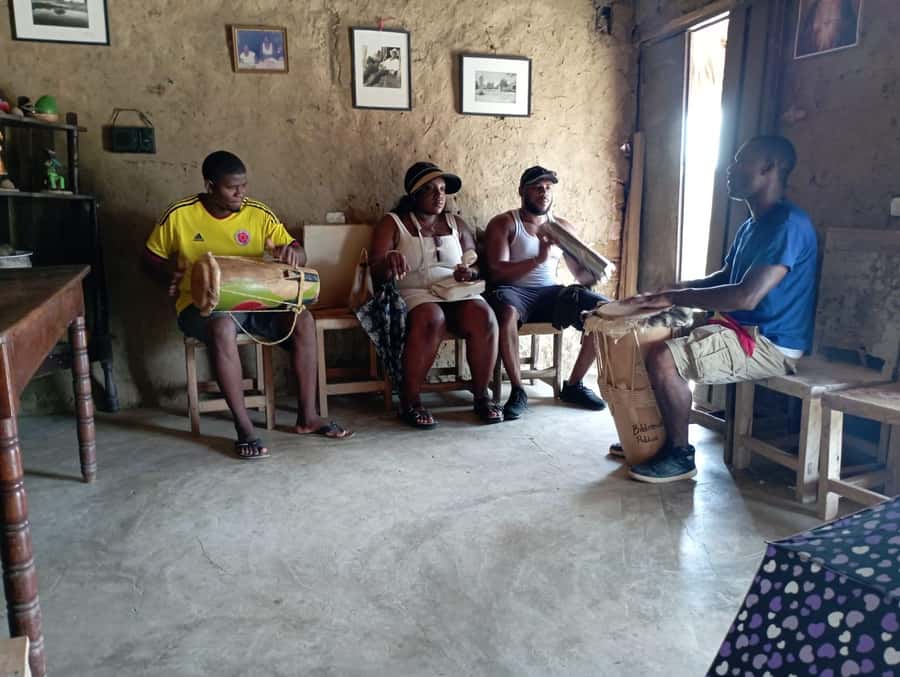
The museum house gives the day a more formal historical stop. Here you can connect the town’s present-day culture with the struggles and achievements that shaped it.
Palenque Viejo adds another layer. The stop helps explain the community’s older roots and gives the idea of emancipation a physical setting beyond the tour guide’s narration.
The exact pace can depend on the group and on how much time is spent translating. That is not necessarily a weakness. Interpretation takes time, especially when the guide is moving between English, Spanish, and local explanations.
I would pay close attention here, even if the dance show is the part you were most excited about. These stops explain why the music and language matter, and they keep the day from becoming only an entertaining cultural performance.
Traditional medicine and inherited knowledge
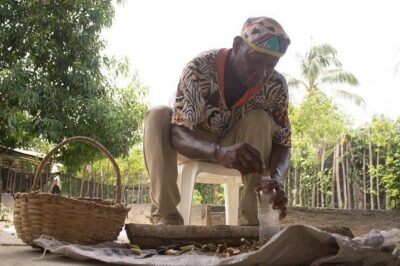
The stop focused on traditional medicine introduces the work of local healers and the knowledge passed down through the community.
This section is especially useful if you want to understand Palenque as a functioning community with its own systems of care and inherited knowledge. It also reinforces a larger point: cultural traditions survive because people continue to teach them, use them, and adapt them.
You may hear about roots and herbal remedies. Previous visitors have wished there were more chances to buy local preparations or bottles of herbal tonic, but those purchases are not listed as an included part of the tour. Do not assume a shopping opportunity.
Approach this visit with respect. You are being introduced to community knowledge, not promised a medical treatment. The value is educational and cultural.
A Palenquero lunch worth making room for
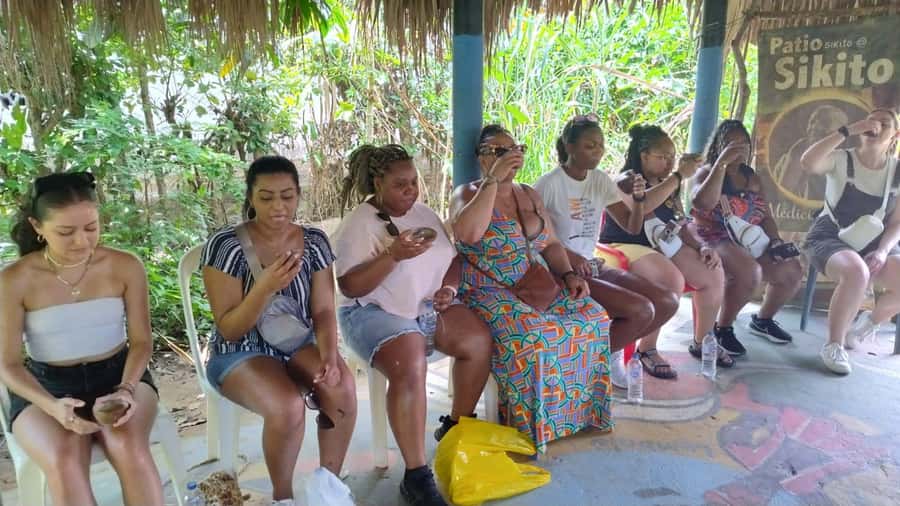
Lunch is included, and it is one of the practical strengths of the tour. After the morning’s walking, talking, dancing, and drumming, a local meal gives you time to sit down and process what you have seen.
Fish cooked in coconut milk has been singled out as a favorite, and chicken is also available. The food has received some of the warmest praise connected with the experience, with several people describing it as a highlight of the day.
Drinks may include a preparation made with sugar cane juice. It was well received, although you should not assume that every local drink or fruit will be available for purchase. The supplied information confirms lunch and bottled water, not a full market stop.
For the price, this meal matters. You are not paying $108 only for transport and a guide. The cost also covers the cultural program, local presentations, lunch, bottled water, and the work of connecting you with people in Palenque.
Is $108 a fair price?
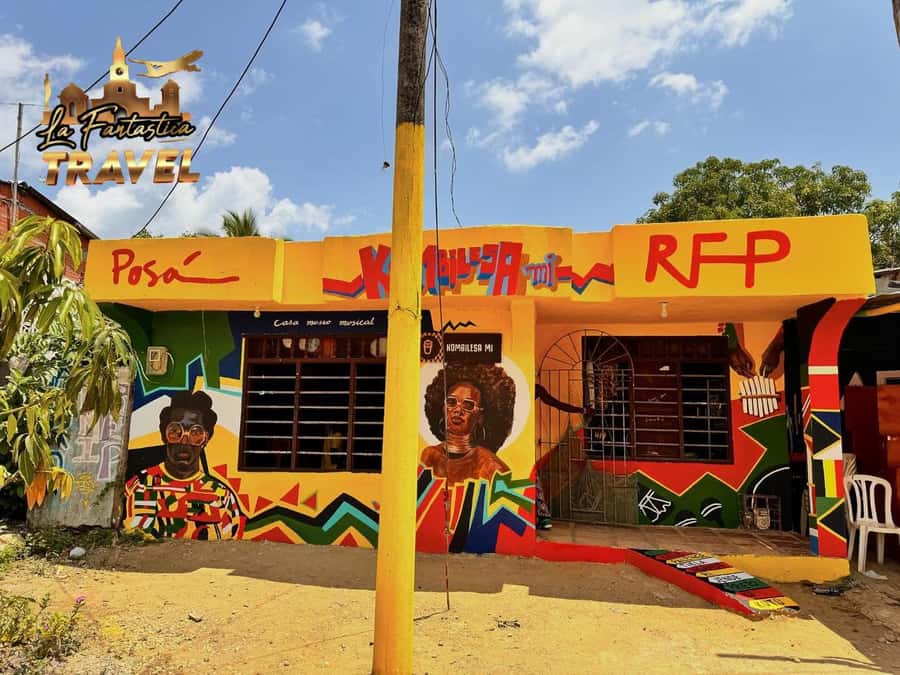
At $108 per person, this is not the cheapest way to spend six hours outside Cartagena. You also need to account for the travel time and the possibility of a longer day because of city pickups.
Still, I think the value is reasonable if you want a guided cultural visit rather than a quick photo stop. The transportation removes the need to arrange your own route, a bilingual guide provides context and translation, lunch is covered, and the itinerary brings you to several community-based stops.
The price is less convincing if you mainly want a casual drive, a meal, or a short dance performance. Some people have felt the excursion was expensive for what it included. That criticism is fair if you are not especially interested in Afro-Colombian history or cultural traditions.
The best way to judge the cost is to ask what kind of day you want. If you want to understand Palenque and meet people who preserve its traditions, the price buys access and interpretation that would be difficult to arrange independently. If you want a fast sightseeing outing, this will feel long and costly.
Guides who shape the experience
The guide can make or break a visit to a place where much of the meaning is carried through translation and storytelling.
Romeo has been praised repeatedly for humor, clear explanations, and strong connections in Palenque. Damaso adds local knowledge as an apprentice guide from the town. David has also been praised for keeping the program moving and translating local explanations effectively.
Other guides named during the experience include Andrés, Gleidis, and Daison Batista Marimon. The common thread is the combination of a bilingual escort from the tour company and local people who explain their own culture.
That arrangement is important. You are not simply hearing a Cartagena guide summarize a distant place. You are also meeting dancers, artisans, guides, and people connected with traditional medicine.
What to bring and how to handle the day
Start with comfortable clothing for heat and movement. The dance session can be active, and the town portion involves walking between stops.
Bring sunscreen, water, and small bills for tips. One person specifically advised carrying tip money for people in the village who take photographs or provide performances. Tipping is not listed as included, so budget for it separately if you feel a local contribution is deserved.
An umbrella can help with the sun, although umbrellas may be provided when available. A phone or camera is useful for the Palenquito sign and the murals, but ask before photographing people closely.
The most important item is patience. Pickup times are given as ranges, and collecting people from different parts of Cartagena adds time. Confirmation messages may arrive late in the evening, so check your phone and meeting instructions before bed.
Who should book this Palenque tour?
I recommend this excursion if you care about history, African diaspora connections, music, food, and local voices. It is particularly meaningful if you want to understand Colombia beyond Cartagena’s old walls and beaches.
You should also book it if you enjoy participatory activities. The dance and drum session rewards people who join rather than stand back.
Families with older children may find it useful, as may anyone interested in slavery, emancipation, language, or cultural survival. The subject matter is serious, so it is not the right pick if you want a light, purely recreational outing.
I would be more cautious if you dislike long drives, warm weather, group pickups, or translated presentations. The vehicle may not be luxurious, and the schedule can run longer than advertised.
Should you book it?
Book this tour if San Basilio de Palenque is a priority and you want a structured, culturally focused introduction. The combination of history, local guides, music, language, traditional medicine, and lunch gives the day more substance than a simple sightseeing transfer.
Skip it if you have only a few hours in Cartagena or if your main goal is a relaxed meal and quick photos. For everyone else, this is one of the more meaningful excursions available from the city, especially when guides such as Romeo and Damaso are leading the conversation. Go ready to listen, participate, tip respectfully, and accept that the road to Palenque takes time.
FAQ
How long does the Palenque tour last?
The advertised duration is six hours. The drive takes a little over an hour each way in some conditions, and multiple Cartagena pickups can make the full outing last longer than six hours.
Where is pickup in Cartagena?
Pickup is at 8:00 a.m. at the Clock Tower for clients staying in the historic center. Pickup times are later for Bocagrande, Castillo Grande, Laguito, Marbella, Cabrero, Crespo, Cielo Mar, the northern zone, and Manzanillo del Mar.
What languages are available?
The tour offers a live guide in English and Spanish. A native guide also teaches words connected with the Bantu language tradition of Guinea and Congo.
Is lunch included?
Yes. A typical Palenquero lunch and bottled water are included. Fish and chicken are among the meal choices described.
What places are visited in San Basilio de Palenque?
The itinerary includes the town square, the house of Kombilesa Mi, the museum house, Palenque Viejo, and a traditional medicine stop. It also includes a dance show and lunch.
Can I cancel the booking?
You can cancel up to 24 hours in advance for a full refund. The reserve-now-and-pay-later option allows you to book without paying immediately.
Just added in Cartagena
- Private History Photography Tour★ 5.0 · 17 reviews
- Self-Guided Audio Tour: Pirate Tales in Cartagena★ 3.0 · 2 reviews
- Paue Island Tour in the Rosary Islands★ 5.0 · 1 review
- Totumo Volcano★ 3.5 · 15 reviews
- Palmarito Beach★ 3.5 · 4 reviews
- Party without limits! Cartagena; VIP Party.★ 4.5 · 32 reviews
- Paragliding Experience in Cartagena★ 5.0 · 8 reviews
- Tour cultural to san Basilio de Palenque from cartagena★ 5.0 · 45 reviews
San Basilio de Palenque Heritage Tours, compared.

Palenque´s tour, dance show, lunch, pick-Up inclu
Read our review →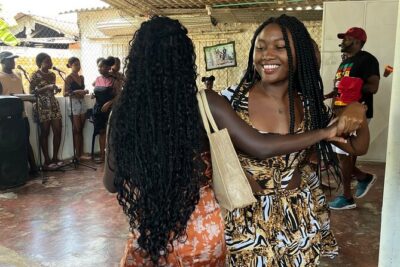
Tour a san Basilio de Palenque desde cartagena
Read our review →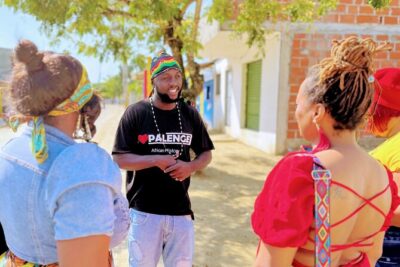
Visit Palenque with natives : history, culture and ancestral legacy
Read our review →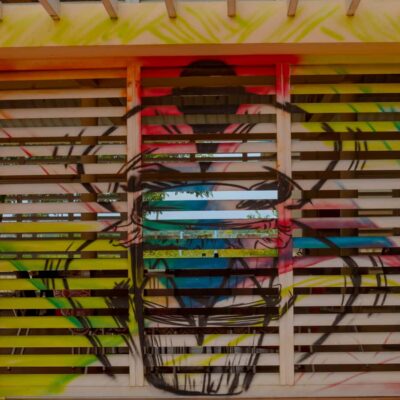
Browse the lists this tour appears in