
REVIEW · SAN BASILIO DE PALENQUE HERITAGE TOURS
Visit Palenque with natives : history, culture and ancestral legacy
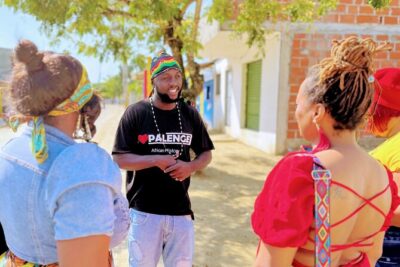
Freedom still has a hometown. This six-and-a-half-hour trip from Cartagena takes you into San Basilio de Palenque, a community founded by Africans who escaped Spanish slavery and built an independent settlement. The visit is not just a walk past monuments. You meet people connected to local music, medicine, boxing, food, language, and family traditions.
I especially like the native-led approach and the way the tour gets you involved. You may play traditional instruments, try a few boxing moves, learn Palenque words, examine medicinal plants, and eat lunch cooked in the local style. The main consideration is the heat: much of the visit takes place outdoors or in buildings without air-conditioning, so you need water, a hat, and light clothing.
In This Review
- Key Points Before You Book
- Why Palenque Matters Near Cartagena
- The Ride From Cartagena to San Basilio
- Starting at the Tourist Parador
- Benkos Bioho and the Road to Freedom
- Inside the Simankongo House Museum
- Medicinal Plants and Ancestral Care
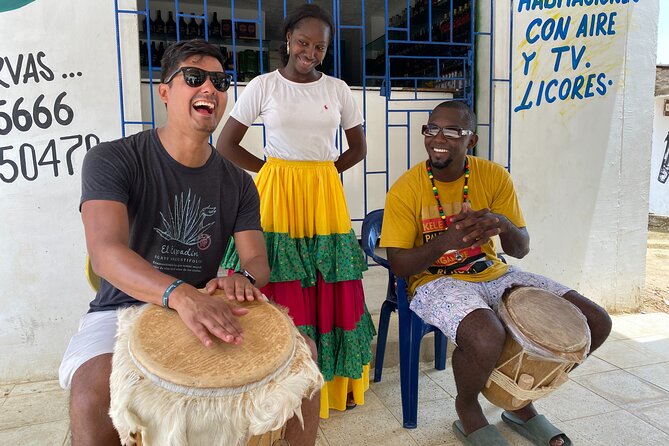
- Making Music With Kombilesa Mi
- Murals Along the Village Streets
- Palenque Religion Beyond Catholic Labels
- Kid Pambele, Boxing, and Community Pride
- Lunch From the Fire to the Bijao
- What $102 Buys You
- Who Will Get the Most From This Visit
- Booking, Weather, and Timing
- Should You Book the Palenque Tour?
- FAQ
- Where does the tour take place?
- How long does the experience last?
- What is included in the price?
- Is this a private tour?
- Is traditional music and dance by Batata included?
- Can most people participate?
- What is the cancellation policy?
Key Points Before You Book
- A native guide gives the community a personal voice: Guides such as Neudis, Royman, Romeo, Leo, and Victor have introduced visitors to their home and its customs.
- The tour covers more than colonial history: You learn about Palenque language, medicine, religion, music, traditional housing, food, murals, and boxing.
- Participation is part of the plan: Expect chances to make music, handle instruments, learn basic boxing movements, and speak a few local words.
- Lunch is a real part of the experience: The meal may include fish in coconut sauce, fried fish, chicken, beef, pork, or vegetarian food.
- The vehicle is air-conditioned, but the village is hot: You will walk between stops, and several indoor spaces have little or no cooling.
- The price reflects a private community visit: At $102 per person, the cost includes transport, lunch, and water, with only your own group taking part.
Why Palenque Matters Near Cartagena
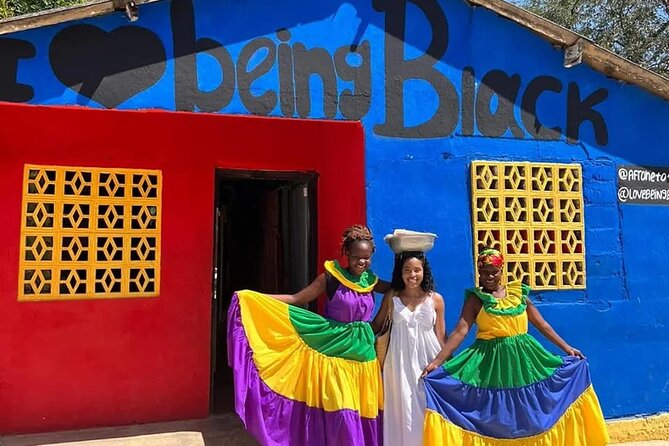
San Basilio de Palenque sits outside Cartagena, but its story reaches far beyond the city. The community grew from resistance to slavery, with escaped Africans creating palenques, or fortified settlements, where they could live with greater freedom and defend themselves.
The tour places this story in the hands of local people. That matters because the visit is not limited to dates and political events. You hear how identity survives through language, music, hairstyles, medicine, food, and daily customs.
Palenque is also widely described on the tour as the first free African village in the Americas. That claim gives the entire visit weight, but the most useful part is seeing how freedom became a living culture rather than a line in a textbook.
The setting is modest. This is not a polished theme park with staged streets and perfectly arranged displays. You walk through ordinary village spaces, enter a traditional house, meet local representatives, and stop at working cultural sites. That gives the day a human scale, though it also means you should expect simple facilities.
More History Tours in Cartagena
- Cartagena: Historic Center and Getsemaní Shared Walking Tour
★ 4.9 · 2,716 reviews - Historic Center & Getsemaní Shared Tour in Cartagena
★ 5.0 · 620 reviews - San Basilio de Palenque History Tour
★ 5.0 · 301 reviews
The Ride From Cartagena to San Basilio
The tour lasts about six hours and 30 minutes, including the ride from Cartagena, the village visit, and lunch. An air-conditioned vehicle is included, which is important in the Caribbean heat.
Several guides and drivers have earned praise for being punctual and attentive. Ignacio and Richard are two drivers associated with especially smooth transfers, including pick-up from accommodations and timely returns for people with flights to catch. Your actual driver may be different, but the transport is clearly an important part of the service.
The ride can also add context. Guides have pointed out nearby towns, explained parts of the region, and played local music on the way. I like this because it helps you shift from Cartagena’s colonial center to the rural community you are about to visit.
Still, the road time means the day is not six and a half hours of continuous sightseeing. Some of your time is spent seated in the vehicle. That is normal for a day trip from Cartagena, and the private format makes the ride more comfortable than joining a large bus group.
Starting at the Tourist Parador
The first stop is the community’s tourist parador, where you receive a welcome and a broad introduction to San Basilio de Palenque. This first hour gives you a map for the rest of the visit.
I would pay close attention here. The later stops make more sense once you understand the community’s origin, its relationship with Cartagena, and the importance of keeping local customs alive.
This opening can also set expectations. You are entering a living community, not simply visiting a museum. The welcome helps explain how the day is organized and introduces the people who may guide you through separate parts of Palenque culture.
Because the stop lasts an hour, it is not just a quick greeting. If you prefer a fast tour with little explanation, the opening may feel long. If you want context before seeing the village, it is useful preparation.
Benkos Bioho and the Road to Freedom
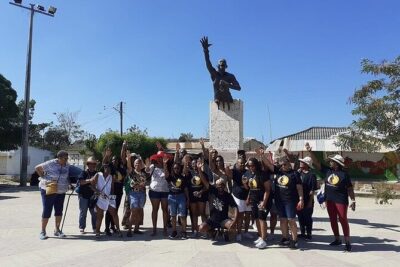
The monument to Benkos Bioho is one of the most important stops. He is presented as the founding hero of Palenque and a leader who organized resistance, built palenques, and negotiated with colonial authorities.
The story has several names attached to it. For Palenqueros, he is the great maroon and a guide toward liberty. Colonial authorities used another name, Domingo Bioho. The contrast helps show how the same man could be remembered as a liberator by one side and a threat by another.
This is the place to connect the village with the larger history of slavery in Colombia. Benkos Bioho arrived enslaved in Cartagena near the end of the 16th century, then helped build a system of military resistance and political negotiation.
The monument itself takes about 30 minutes. That is enough time for an explanation and photographs without turning the stop into a lecture. I find this part most valuable when the guide connects the historical figure to present-day pride in Palenque.
More San Basilio de Palenque heritage visits:
- Tour De Palenque, Road to Emancipation.
★ 5.0 · 1,678 reviews - Freedom Tour of Palenque
★ 5.0 · 467 reviews - Cartagena: Palenque´s tour, dance show, lunch, pick-Up inclu
★ 4.7 · 182 reviews - Tour a san Basilio de Palenque desde cartagena
★ 5.0 · 123 reviews
Inside the Simankongo House Museum
The Simankongo House Museum represents a traditional home and shows elements linked to the life of earlier generations. It offers a practical look at how people lived, rather than treating culture as an abstract idea.
You may see household objects and ancestral elements that help explain family life and domestic routines. The stop lasts about 30 minutes, so it is focused rather than sprawling.
This is also where you should remember that the tour is not a museum visit in the usual sense. The house represents a traditional way of living, but the experience depends heavily on the guide’s explanation and the people you meet. A native guide such as Royman has been praised for making this part personal by explaining the customs of his own community.
There may be limited cooling inside. Wear shoes that are comfortable for walking between stops, and do not expect every building to provide air-conditioning.
Medicinal Plants and Ancestral Care
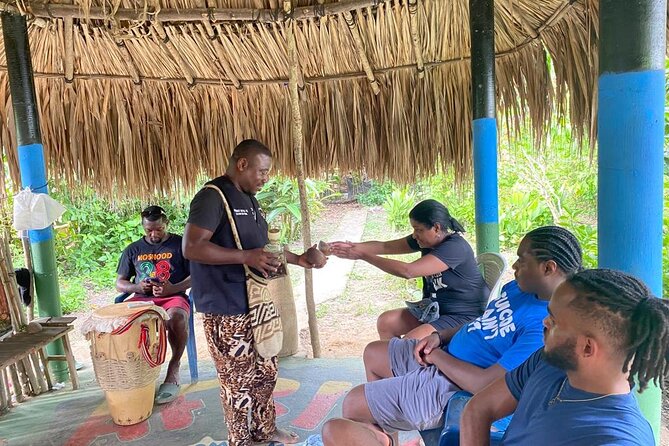
At the medicinal patio, traditional doctors explain the importance of ancestral medicine and identify plants used for different ailments. This is one of the more unusual stops because it shows knowledge passed through families and community practice.
The visit lasts about 30 minutes. You are not simply looking at plants. The goal is to understand why they matter and how local people have used them.
I appreciate this stop because it adds balance to the historical story. Palenque is not only about resistance against colonial power. It is also about the everyday systems that helped a community care for itself.
Keep the right attitude here. This is a cultural lesson, not a substitute for medical care. Listen respectfully, ask questions through your guide or translator, and avoid treating traditional practices as a novelty.
Making Music With Kombilesa Mi
Kombilesa Mi is described as a cultural and musical movement from the community. At this stop, you may have the chance to interpret traditional music and try instruments alongside members of the group.
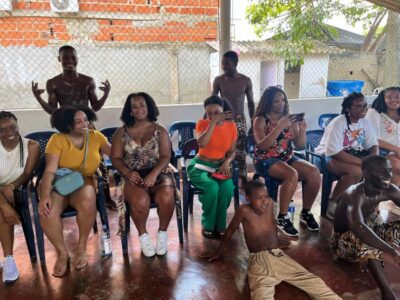
This is among the most engaging parts of the day because you are asked to participate. Even if you have no musical ability, the point is not to give a perfect performance. It is to feel how music carries memory, community pride, and language.
English-speaking visitors may have a translator. Gabriel has worked on several tours and is praised for clear, friendly interpretation. Liliana has also served as a translator. A good interpreter is especially useful here because music and personal stories can lose their meaning when translated word for word.
One detail is easy to miss: a formal presentation of traditional music and dance by Batata is not included. The Kombilesa Mi activity is part of the planned experience, but you should not assume it includes every possible music or dance performance in Palenque.
Murals Along the Village Streets
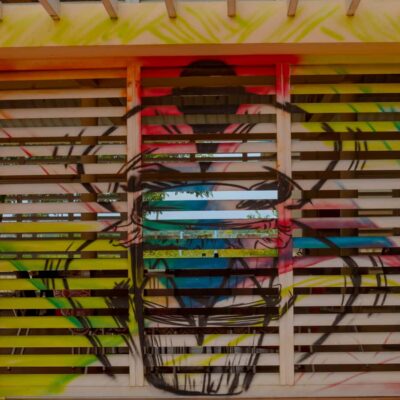
The cultural route of murals takes you through Palenque’s streets and explains the meaning of identity murals painted around the community. You will have time to take photographs, but the pictures are better when you understand what they represent.
This stop makes the village itself part of the museum. Instead of keeping cultural material behind glass, the route shows how public art can tell stories about people, work, language, memory, and pride.
The walk lasts about 30 minutes, though the full day includes walking between several stops. Bring sturdy sneakers or other comfortable shoes. One practical warning comes up again and again: the heat can be intense, and there is little relief inside many buildings.
Carry bottled water, which is included, but bring additional ways to stay cool if you need them. A hat, umbrella, small fan, or water spritzer can help. The operators have also been attentive when someone felt unwell, including obtaining a sports drink during one visit, but it is wiser to arrive prepared.
Palenque Religion Beyond Catholic Labels
The religiousness stop looks at the imposition of Catholicism and the difference between that imposed structure and Palenque’s own religious life.
This is a compact 30-minute conversation, but it can be one of the more thought-provoking parts of the tour. It asks you to consider how outside institutions changed local life while older beliefs and practices continued in other forms.
The guide’s role matters here. This subject can become confusing if it is reduced to a simple conflict between two religions. Listen for the explanation of how Palenque people understand their own spirituality and how historical pressure shaped public practice.
If you want only light sightseeing, this part may feel serious. If you care about how communities preserve identity under pressure, it adds real depth to the day.
Kid Pambele, Boxing, and Community Pride
At the Kid Pambele monument, the guide explains the importance of Antonio Cervantes Reyes, known as Kid Pambele, to Colombian boxing and to Palenque’s development.
The stop ends with a short boxing class. This is a fun change of pace after the historical and cultural discussions, but it is more than a gimmick. Boxing becomes a way to talk about ambition, discipline, local pride, and the importance of a community figure.
You do not need to be an athlete to take part. The activity is brief, and the focus is on trying the movements and learning why the boxer matters. Wear clothes that allow comfortable movement, especially because the heat can make even a short activity feel demanding.
This is another reason the tour works well for families and mixed-age groups. The day includes serious history, quiet observation, food, music, and physical participation.
Lunch From the Fire to the Bijao
The final stop is lunch, described as from the fire pit to the bijao. The meal may include fish in coconut sauce, fried fish, fried chicken, steak, stewed pork, or vegetarian food.
Fish in coconut sauce is a particularly appealing choice because it links the meal to Caribbean ingredients and local cooking traditions. The food has received some of the warmest praise connected with this tour, and several people describe lunch as a highlight of their time in Colombia.
The meal is included in the $102 price, along with bottled water. That improves the value, especially since the tour includes private transportation and a full sequence of community-led stops.
Do not expect a quick snack between attractions. Lunch lasts about an hour and gives you time to rest after walking in the sun. If you have dietary needs, select the vegetarian option when arranging the tour, since that option is specifically provided.
What $102 Buys You
At $102 per person, this is not the cheapest way to leave Cartagena for a day. The price makes more sense when you look at what is bundled together: an air-conditioned vehicle, a private group format, bottled water, lunch, and access to a series of local cultural encounters.
The private arrangement is a major benefit. Only your group takes part, so the pace can feel more personal and questions are easier to ask. You are not being moved through the village as part of a large crowd.
The money also supports community tourism through BenkosTour. That does not mean every part of the experience will feel polished. One person wanted a more seasoned guide and felt the local approach lacked the structure of a larger operator. That is a fair caution.
I would choose this tour if I value direct contact and local voices over slick production. If you prefer large companies, formal museums, and standardized commentary, a bigger operator may feel more predictable.
One useful custom is to carry several 10,000 Colombian peso bills. One visitor recommended using them to tip the local people who explain specific parts of the culture. Tips are not listed as included, so plan for them if you want to show appreciation.
Who Will Get the Most From This Visit
I would recommend the tour to you if you want to understand Cartagena’s wider regional story, not just its old walls and plazas. It is especially suited to people interested in African diaspora history, Colombian culture, music, language, food, and community traditions.
It also works well for solo visitors. The private format gives you more room to ask questions, and the activities make it easier to connect with the guide and local representatives.
Families can benefit too, since the day changes pace often. Children may respond especially well to the murals, music, food, and boxing lesson, though you should judge how they handle a hot day with substantial walking.
I would think twice if you dislike heat, walking, or informal cultural visits. The tour does not promise air-conditioning at the village stops, and some of the most important conversations happen in simple spaces.
The experience is also best for people who approach local culture with respect. You are entering someone’s home community. Listen carefully, ask before taking close-up photographs, and treat the music, medicine, religion, and food as living parts of daily life.
Booking, Weather, and Timing
The tour is commonly booked about 26 days ahead, which suggests that you should not leave it until the last minute if your Cartagena dates are fixed. Confirmation is provided when you book.
Most people can participate, and the activity is private. Good weather is required. If poor weather cancels the trip, you are offered another date or a full refund. If the minimum number is not reached, you receive the same choice of a new arrangement or a refund.
You can cancel up to 24 hours before the start time for a full refund. Changes or cancellations made inside that 24-hour window are not accepted for a refund, and the cut-off uses local time.
Should You Book the Palenque Tour?
I would book it if you want a meaningful day outside Cartagena and prefer to meet local people rather than simply view cultural displays. The strongest parts are the native guides, the range of subjects, the chance to participate, and the excellent included lunch.
Choose it with realistic expectations. You will spend time in a hot village, walk between stops, and visit simple buildings. The guide may be warm and deeply connected to the community without offering the polished delivery of a large commercial company.
For $102, the value is good if you take advantage of the whole day: ask questions, learn a few Palenque words, try the instruments, join the boxing lesson, and stay open to the personal stories. I would not treat this as just another excursion from Cartagena. It is a chance to see how a community keeps freedom, memory, and identity present in ordinary life.
FAQ
Where does the tour take place?
The tour takes place in San Basilio de Palenque, a community reached from Cartagena, Colombia.
How long does the experience last?
The experience lasts approximately six hours and 30 minutes.
What is included in the price?
The $102 per person price includes an air-conditioned vehicle, bottled water, and lunch. Lunch options include fish in coconut sauce, fried fish, fried chicken, steak, stewed pork, and vegetarian food.
Is this a private tour?
Yes. Only your group participates in the activity.
Is traditional music and dance by Batata included?
No. A presentation of traditional music and dance by Batata is specifically not included. The tour does include a visit with Kombilesa Mi, where you may interpret music and try traditional instruments.
Can most people participate?
Yes. The activity information states that most people can participate. The day includes walking, and the village stops may be very hot, so comfortable shoes and protection from the sun are useful.
What is the cancellation policy?
You can cancel at least 24 hours before the start time for a full refund. Cancellations or changes made less than 24 hours before the start time are not refunded or accepted. Poor weather or failure to meet the minimum number of participants may result in another date or a full refund.
Just added in Cartagena
- Private History Photography Tour★ 5.0 · 17 reviews
- Self-Guided Audio Tour: Pirate Tales in Cartagena★ 3.0 · 2 reviews
- Paue Island Tour in the Rosary Islands★ 5.0 · 1 review
- Totumo Volcano★ 3.5 · 15 reviews
- Palmarito Beach★ 3.5 · 4 reviews
- Party without limits! Cartagena; VIP Party.★ 4.5 · 32 reviews
- Paragliding Experience in Cartagena★ 5.0 · 8 reviews
- Tour cultural to san Basilio de Palenque from cartagena★ 5.0 · 45 reviews
San Basilio de Palenque Heritage Tours, compared.

Palenque´s tour, dance show, lunch, pick-Up inclu
Read our review →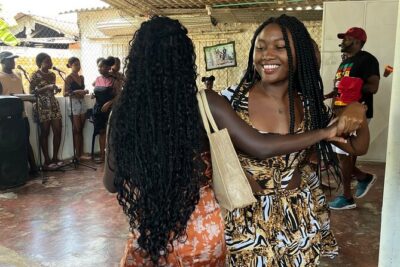
Tour a san Basilio de Palenque desde cartagena
Read our review →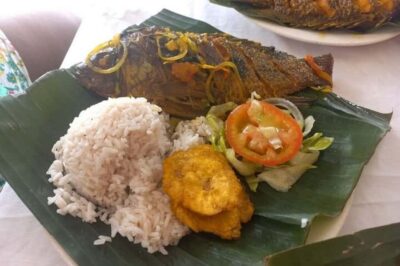
Browse the lists this tour appears in