REVIEW · STREET FOOD TOURS
Santa Marta A Historical & Street food Experience
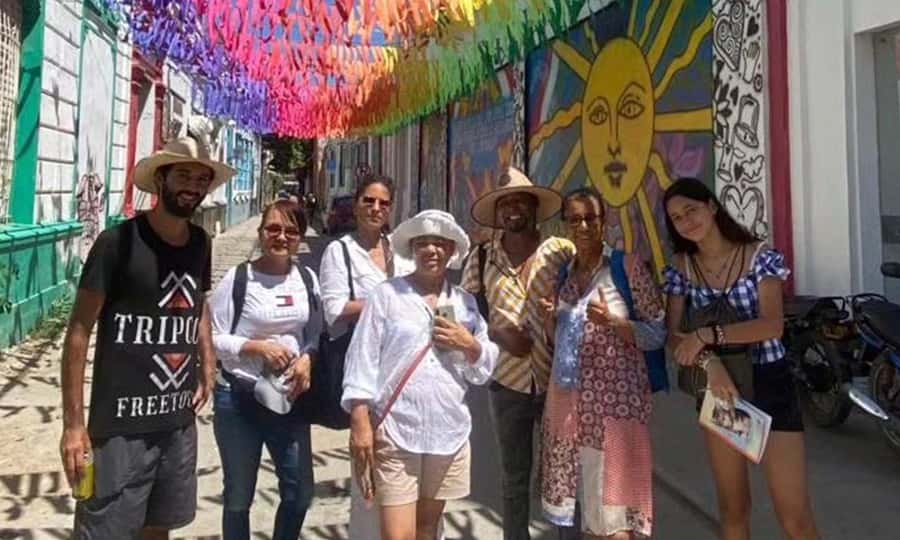
Santa Marta’s old center rewards curious walkers. This two-hour tour brings together the Tairona Gold Museum, colonial churches, historic squares, local drinks, and Colombian street food in one compact outing. I especially like the focus on both the Indigenous peoples of the Sierra Nevada and the city’s Spanish-era buildings. I also like that guides with backgrounds in history, journalism, and anthropology lead the walk, rather than treating Santa Marta as a string of photo stops.
The main concern is value at $56 per person. That price can make sense if you receive a full museum visit, thoughtful guiding, and the promised tastings. But the timing has not always been consistent. One experience ran close to four hours, while two others felt hurried and much shorter than expected. Food availability can also affect the tasting portion, so I would confirm the exact plan before booking.
In This Review
- Key Things to Know Before You Book
- Starting at the Tairona Gold Museum
- Bolívar Park and the Story of Independence
- Colonial Architecture Along the Camellón
- Santa Marta Cathedral Basilica
- Los Novios Park and the Evening City
- San Francisco Church and San Miguel Cemetery
- The Food Stops: Fruit, Ceviche, Lulo, and Empanadas
- Guides Make or Break the Experience
- Is $56 a Fair Price?
- Timing, Heat, and the Best Departure
- Who Should Book This Santa Marta Walk?
- My Booking Recommendation
- FAQ
- How long does the Santa Marta historical and street food experience last?
- What is the starting location?
- Which languages are available?
- Is a professional guide included?
- Is the museum visit guided?
- What food and drinks are included?
- Does the tour include ceviche?
- Which places are visited?
- Where does the tour finish?
- Can I cancel for a full refund?
Key Things to Know Before You Book
- Tairona culture comes first: The visit to the Tairona Gold Museum gives useful context about Indigenous life in the Sierra Nevada.
- The route covers central Santa Marta: You walk between Bolívar Park, the cathedral, the waterfront, Los Novios Park, San Francisco Church, and San Miguel Cemetery.
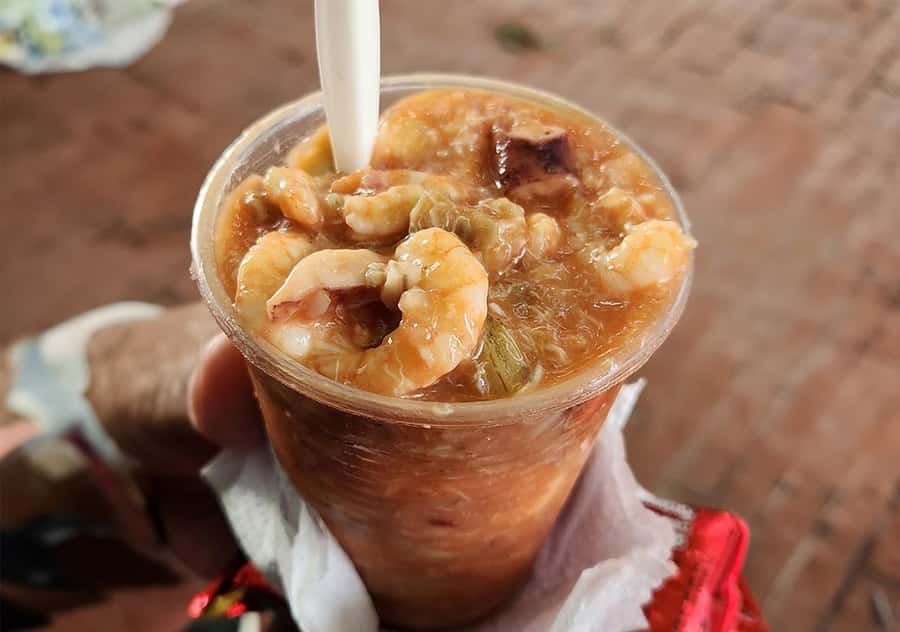
- Local tastes are part of the plan: Expect a local drink, with the wider food program featuring fruit juices, ceviche, lulo, and empanadas.
- Guide quality matters here: Sergio has received especially warm praise for his explanations, care, and practical advice about Santa Marta.
- Timing needs clarification: The advertised duration is two hours, but the listed stops can create a longer outing, especially if the museum and tastings receive proper attention.
- English and Spanish are available: You can choose a live guide in either language.
Starting at the Tairona Gold Museum
The tour begins at the Tairona Gold Museum, housed in the Casa de la Aduana. This is a useful meeting point because it puts you directly in the old center, close to several of the city’s main sights.
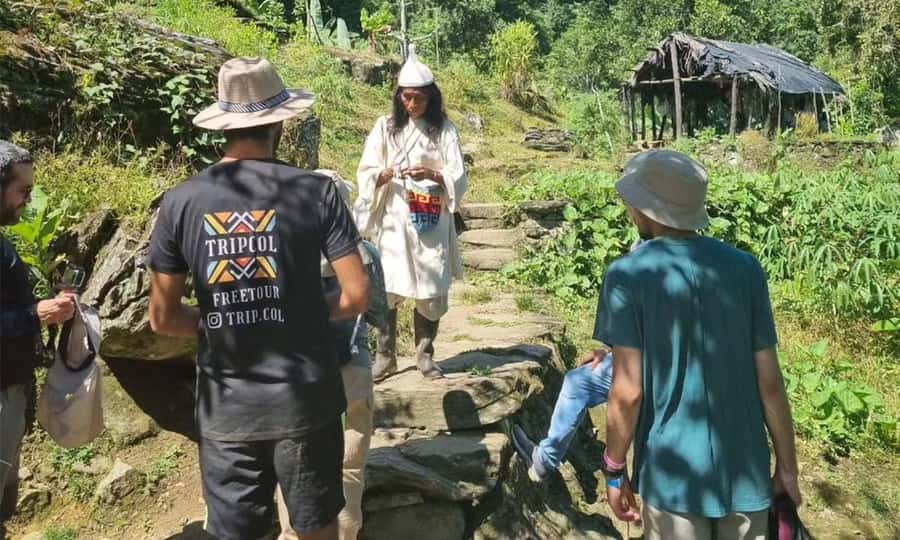
The museum introduces the Tairona people and their artistic traditions through gold work and other objects. The wider tour also addresses the Indigenous communities connected to the Sierra Nevada, giving you a better frame for understanding the region before focusing on Santa Marta’s colonial buildings.
The museum visit is meant to include a guided portion. The published schedule lists an initial 15-minute guided tour and another 30-minute museum visit, which suggests that this stop can take a sizable share of the outing. That is good news if you enjoy museums, but it creates a time problem if the tour truly ends after two hours.
I would pay close attention here. The museum is not simply a warm-up before the city walk. It is one of the most worthwhile parts of the route because it connects present-day Santa Marta with the cultures that existed long before the colonial city was built.
More Food Tours in Santa Marta
- Santa Marta Street Food Tour: 7 Tastings with a Local Guide
★ 5.0 · 39 reviews - Santa Marta: Guided Walking Food Experience
★ 4.8 · 33 reviews - Food Tour in Santa Marta Old City Half-Day
★ 5.0 · 13 reviews
Bolívar Park and the Story of Independence
From the museum, the route continues to Simón Bolívar Park. This gives the guide a natural place to explain Bolívar’s connection to Santa Marta and his role in the city’s national story.
The park is also a good setting for broad historical context. Instead of hearing isolated facts about a cathedral or a colonial house, you can begin to see how Santa Marta changed over time, from an Indigenous region and port city to a modern urban center.
I like this part of the tour because a local guide can explain what a name such as Bolívar means in the city itself. The stop is scheduled for about 30 minutes, so it should be more than a quick photograph if the timing is handled well.
Still, keep your expectations reasonable. This is a walking history experience, not a formal lecture or a long museum seminar. The quality depends heavily on how well your guide connects places, people, and events.
Colonial Architecture Along the Camellón
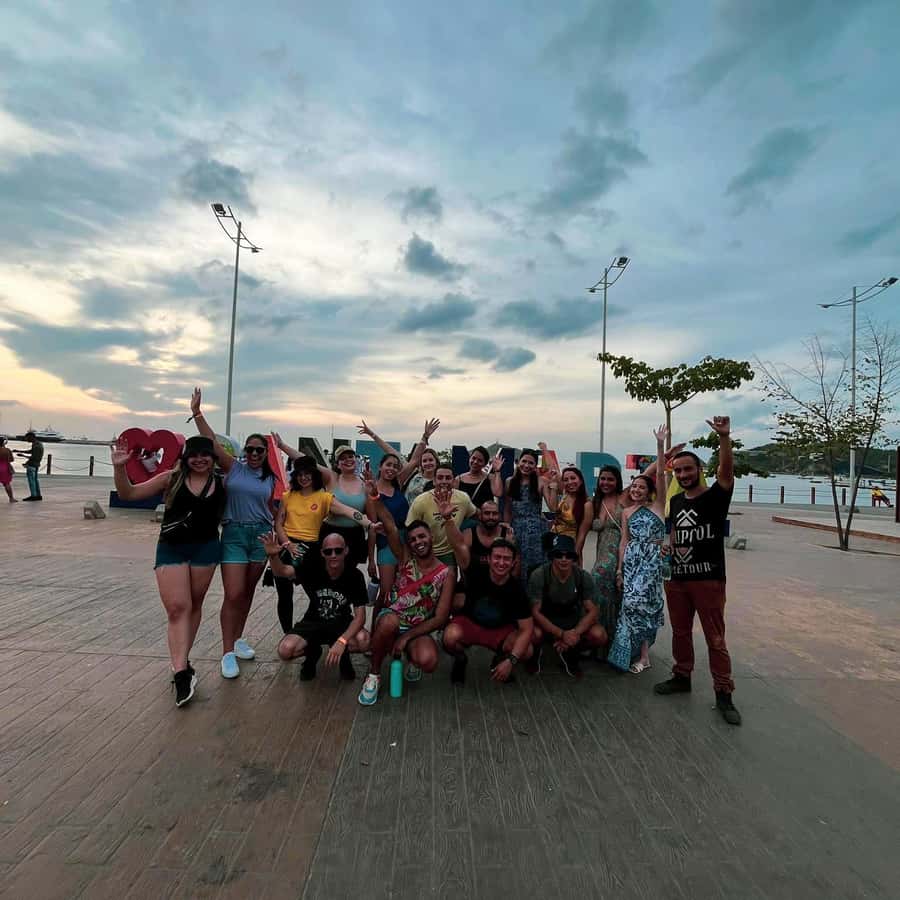
The walk then reaches Parque Camellón Rodrigo de Bastidas, a waterfront promenade and a natural spot for photographs. The program allows about 15 minutes here, with a guided visit and time for views along the way.
This section helps you shift from political history to the physical character of Santa Marta. The old center is best understood on foot, where you can notice the relationship between public squares, churches, historic homes, and the waterfront.
The tour’s emphasis on representative historic houses is useful, though the exact buildings discussed may depend on the route and available time. You should expect exterior explanations and street-level observations rather than entry into every house.
That is not necessarily a weakness. Santa Marta’s character comes from the way these buildings sit among daily city life. A good guide can point out details you might otherwise pass without noticing, while also explaining how the city’s material heritage fits with its less visible traditions and stories.
Santa Marta Cathedral Basilica
The Cathedral Basilica of Santa Marta is one of the central architectural stops. The tour covers its colonial design and the messages said to appear in its frescoes, along with scenic views during the walk.
The church is valuable for travelers who want more than a list of dates. Its architecture shows how Spanish colonial power shaped the city, while the explanations about the interior add a layer of symbolism to what might otherwise be a brief church visit.
You may spend about 20 minutes here. That is enough for a guided introduction and a look around, but not enough for a slow architectural study. If you care strongly about churches, art, or religious history, ask your guide how much time the group can spend inside.
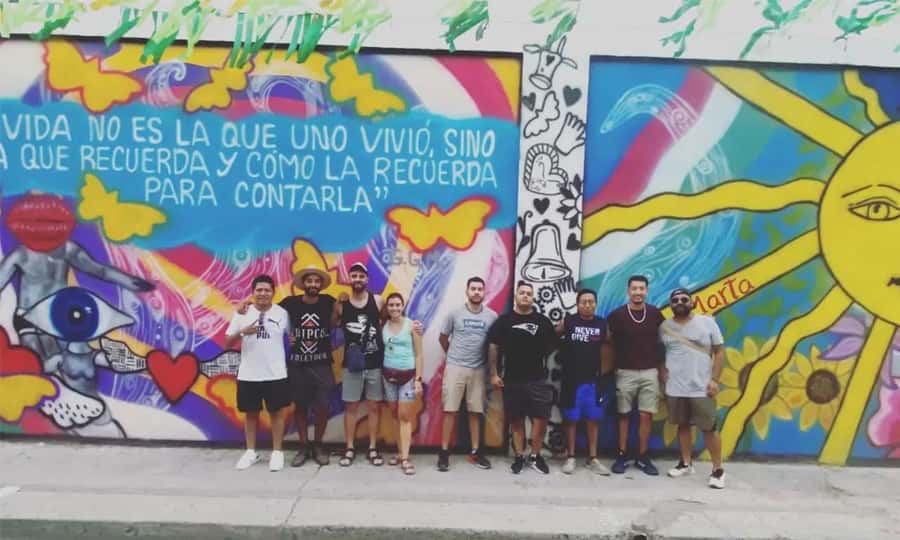
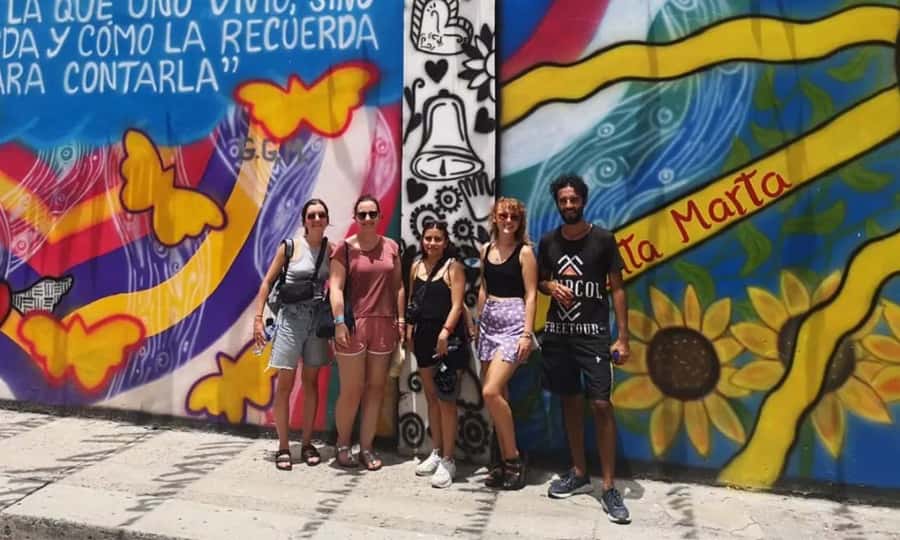
The walk also includes references to Santa Marta’s cultural figures and public art. One especially praised element was the chance to see murals connected with Gabriel García Márquez. These details help bring the city into the present rather than leaving it frozen in the colonial period.
More History Tours in Santa Marta
- Historic Center Bike Tour
★ 5.0 · 108 reviews - Trekking History and Indigenous Heritage in Minca + Cacao & Coffee + Waterfall
★ 4.9 · 63 reviews - Private Half Day Cultural Tour of Historic Mompox
★ 4.5 · 10 reviews - Private Santa Marta Historic Center Walking Tour
★ 5.0 · 1 review
Los Novios Park and the Evening City
Los Novios Park is scheduled as the longest city stop, at about 45 minutes. That makes sense. The park is described as a social and cultural center, with stories of romance, local legends, restaurants, pubs, and clubs nearby.
This is where the tour shifts from formal history to present-day Santa Marta. You can get a sense of how the center functions after the monuments close, and the guide can point out areas for eating and going out later.
I find this kind of advice particularly useful early in a stay. A short orientation can save you from spending every evening around the first restaurant you notice. The tour ends at Parque de los Novios, so you can also remain in the area afterward if you want to continue eating or exploring.
The longer stop creates another timing question. If the group spends a full 45 minutes here, takes the museum seriously, and includes the church and cemetery, the two-hour schedule becomes very tight. One participant found the experience closer to four hours, while others felt the guide hurried through it. Ask at the start whether your outing will follow the short schedule or a fuller version.
San Francisco Church and San Miguel Cemetery
The route includes a 15-minute visit and photo stop at Iglesia San Francisco, followed by about 20 minutes at San Miguel Cemetery. These are shorter stops, but they add variety to the walk.
San Francisco Church offers another look at Santa Marta’s religious architecture. Since the Cathedral receives more time, this stop works as a contrast, showing that the old center is not defined by one building alone.
San Miguel Cemetery brings a quieter and more personal side of the city’s past. A cemetery can reveal local customs, family histories, and attitudes toward remembrance in ways that a plaza cannot. The available information does not specify particular graves or figures discussed, so I would treat this as a guided cultural stop rather than expect a detailed genealogy lesson.
Both locations are also practical examples of why walking tours can be useful. You might pass them on your own, take a photograph, and move on without understanding their place in the city. A guide gives the stop a reason.
The Food Stops: Fruit, Ceviche, Lulo, and Empanadas
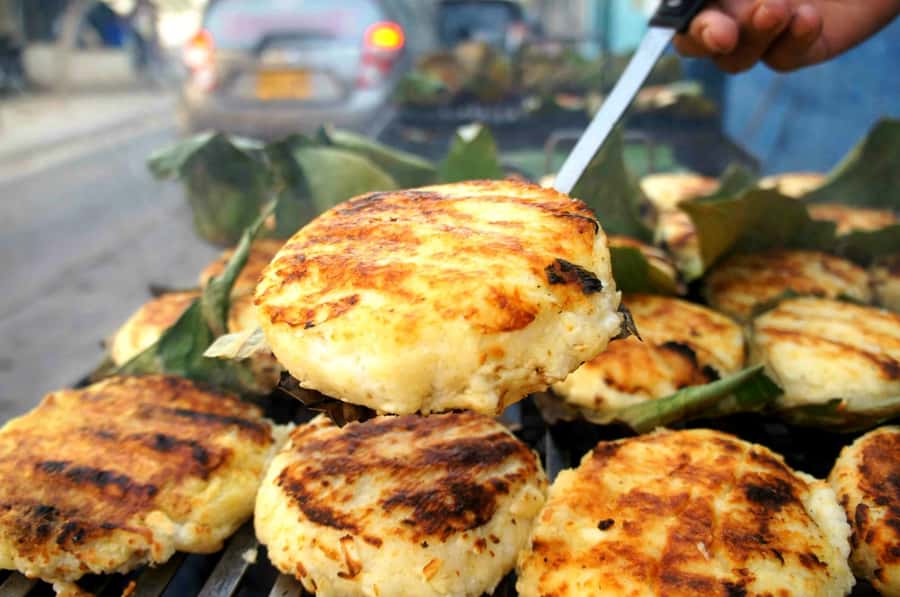
The food element is a major reason to consider this tour. The program features exotic fruit juice, Colombian-style ceviche, lulo in different preparations, and a final empanada stop.
The fruit tasting may include flavors such as guanábana, maracuyá, and zapote. If you have mostly encountered Colombian food through coffee, arepas, or familiar fried snacks, these drinks offer a quick introduction to the country’s fruit culture.
Lulo is another worthwhile inclusion. Its sharp, distinctive flavor is common in Colombian drinks, and the tasting may include juice or an artisanal infusion. This is the sort of small food lesson that helps you order with confidence later.
Ceviche gives the route a coastal connection. Colombian-style ceviche can differ from versions you may know from Peru or Mexico, so it is a useful taste of how Santa Marta uses its Caribbean setting. The final empanada stop is more casual and familiar, with crisp pastry and local fillings.
There is an important catch. The confirmed inclusions specifically list a local drink, while the fuller description presents several tastings. In one case, the ceviche stop was closed and no replacement was offered. That means you should not treat every food item as guaranteed unless the operator confirms it for your date.
The food is best viewed as a bonus attached to the history walk, not as a full meal. If you book mainly for a culinary tour, $56 may feel high if only the drink and one small snack are available.
Guides Make or Break the Experience
The guide is the biggest factor in this tour’s value. History, architecture, food, and Indigenous culture require careful explanation, and the route has enough stops that a weak guide could turn it into a rushed checklist.
Sergio received particularly strong praise for being personable, careful, and easy to talk with. He also offered suggestions for other things to do in Santa Marta and helped one participant with a hostel problem outside the tour itself. That sort of practical attention can make a real difference, especially if you have just arrived in town.
Another positive account described the guide as well informed, fun, and attentive. The strongest praise focused on explanations of the Tayrona people, Santa Marta’s architecture, traditional food, and the city’s cultural details.
At the same time, two lower ratings point to hurried pacing and incomplete stops. You should not assume that every guide will create the same experience, or that every departure will include the same amount of food and museum time.
If you can request Sergio, it is worth asking. If you cannot, ask how long the museum visit will last and which tastings are operating that day.
Is $56 a Fair Price?
At $56 per person, this is not a bargain-priced orientation walk. The value depends on what you want from the two hours.
The price is easier to justify if you receive:
- A proper guided visit inside the Tairona Gold Museum
- Clear explanations of Indigenous and colonial history
- A thoughtful walk through the old center
- Several food and drink samples
- Useful suggestions for restaurants, pubs, and clubs
- A guide who answers questions rather than rushing between stops
It is harder to justify if the museum receives only a brief visit, the walk is compressed, and the ceviche or other tastings are unavailable. Two people specifically felt the experience was too expensive for a short or hurried outing.
I would compare it with the cost of arranging separate museum entry, a private guide, and food stops. The tour combines those elements, which is convenient. But the package only works financially when the combined experience is delivered in full.
The flexible cancellation policy helps reduce the risk. You can cancel up to 24 hours before the start for a full refund, and the reserve-now, pay-later option lets you keep your plans open. Those terms are useful, but they do not solve the question of whether the food program will operate on the day.
Timing, Heat, and the Best Departure
The experience is advertised as two hours, with starting times available based on the date. In practice, the timing may vary widely.
One participant found the afternoon departure at 4:30 especially comfortable because Santa Marta was cooler later in the day. That is a sensible tip for a walking route in a warm coastal city. A late afternoon start may also place you near Los Novios Park as the center becomes more social.
You should ask at the beginning whether the tour will be a strict two-hour walk or a longer version. If the guide tries to cover the museum, seven city stops, and multiple tastings in two hours, the pace may feel sharp. If the guide allows close to four hours, make sure you have enough time in your schedule and are prepared for extended walking.
The route finishes at either Parque de los Novios or the Tairona Gold Museum, depending on the arrangement. Both are central, so the ending is useful for continuing your evening, though no transport is included.
Who Should Book This Santa Marta Walk?
I would recommend this experience to a first-time visitor who wants a quick introduction to Santa Marta’s center and prefers a guide to explain the setting. It suits you especially well if you care about colonial architecture, Indigenous culture, small food samples, and practical advice about what to do next.
It is also a good match for travelers who want to ask questions. Sergio’s strongest quality was not simply his factual knowledge, but his willingness to respond to basic questions and adjust the conversation to the group.
I would be more cautious if you want a dedicated food tour, a slow museum visit, or a tightly controlled two-hour schedule. The route contains too many elements for every stop to receive equal attention.
My Booking Recommendation
I would book this tour if the operator confirms three things: the museum will receive a proper guided visit, the food stops are open, and the timing matches your plans. The history and city orientation are the strongest reasons to go, while the food adds local flavor when everything is operating.
If you are visiting Santa Marta for only a day or two, this can be an efficient introduction. Choose a late afternoon departure if available, and ask for Sergio if guide requests are possible. If the $56 price feels high, book only when you are confident the full tasting program is running.
FAQ
How long does the Santa Marta historical and street food experience last?
The advertised duration is two hours. Actual timing can vary, with one reported experience lasting close to four hours and others feeling shorter and hurried.
What is the starting location?
The tour starts at the Tairona Gold Museum, also known as Casa de la Aduana.
Which languages are available?
The experience offers live guides in English and Spanish.
Is a professional guide included?
Yes. A professional guide is included.
Is the museum visit guided?
Yes. The Tairona Gold Museum visit includes a guided tour inside the museum.
What food and drinks are included?
The experience includes a local drink. The wider tasting program features exotic fruit juice, ceviche, lulo preparations, and empanadas, but individual items may depend on availability.
Does the tour include ceviche?
Ceviche is part of the planned tasting experience, but availability is not guaranteed. A closed food stop previously meant that the ceviche could not be served.
Which places are visited?
The route includes the Tairona Gold Museum, Simón Bolívar Park, Parque Camellón Rodrigo de Bastidas, the Cathedral Basilica of Santa Marta, Los Novios Park, Iglesia San Francisco, and San Miguel Cemetery.
Where does the tour finish?
The listed drop-off points are Parque de los Novios and the Tairona Gold Museum, Casa de la Aduana.
Can I cancel for a full refund?
Yes. You can cancel up to 24 hours before the experience for a full refund. You can also reserve now and pay later.
More Places to Eat in Santa Marta
- Bogotá Food Experience: Cultural & Culinary Tour
★ 5.0 · 591 reviews - Dinner cruise on Cartagena’s bay with Sibarita Master
★ 4.5 · 297 reviews - Cooking Class In A Real Restaurant At Old City
★ 5.0 · 180 reviews - Dinner Cruise Along Cartagena’s Bay
★ 4.5 · 147 reviews
Just added in Santa Marta
- 4 Rosario Islands Adventure with entrance to the oceanarium included★ 3.5 · 3 reviews
- Full Day At the best Vip Beach Club in Tierra Bomba★ 5.0 · 4 reviews
- Monkey Volunteer Work in Wildlife Reserve Near Cartagena★ 5.0 · 3 reviews
- The Native Expedition – Sierra Nevada (2 days Discovering Chorrerón waterfall)★ 5.0 · 7 reviews
- UTV Safari in a Wildlife-Filled Nature Reserve Near Cartagena★ 5.0 · 36 reviews
- Playa Blanca Barú Tour with Lunch and hotel pick up★ 3.0 · 8 reviews
- Surf Lessons For All Levels★ 5.0 · 1 review
- Tour Isla del Encanto Cartagena★ 3.5 · 4 reviews
Street Food Tours, compared.

Comuna 13 Graffiti Tour, Cable Car & Street Food
Read our review →

Rumbero Gastrotour through Medellín and Street Food
Read our review →

Street Food and Poblado Rooftop Tour with a Local
Read our review →