
REVIEW · STREET FOOD TOURS
Street Food Tour in Cartagena
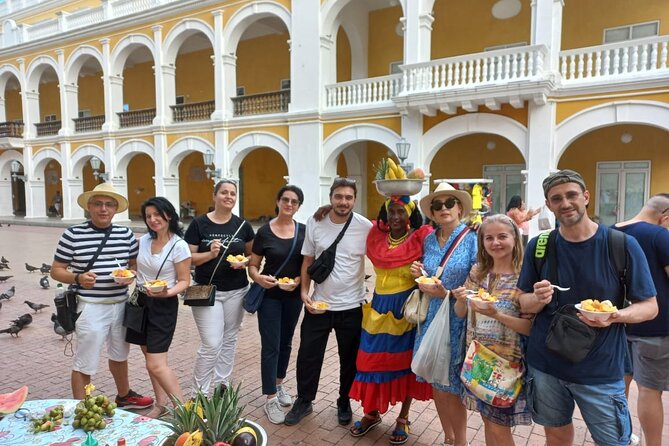
Come hungry, leave happily stuffed. This Cartagena street food tour packs about ten local tastes into two to three hours, while a guide leads you through the old city, La Matuna, San Diego, and Getsemaní. I like the mix of food and city orientation, and I especially like that the stops include dishes you might not find on your own, from Colombian ceviche to cocadas and fresh tropical fruit. The possible downside is that much of the food is heavy finger food, and some stops involve standing rather than sitting down for a full meal.
The tour costs $44 per person and accepts no more than 12 people. That is a fair price if you want a broad first taste of Cartagena, especially since food samples, drinks, and a qualified guide are included. Just remember that extra full plates or meals cost more, and the portions can add up quickly.
In This Review
- Five useful things to know before you book
- Why this is a smart first taste of Cartagena
- La Matuna begins with Caribbean seafood
- Portal de Los Dulces brings coconut and candy
- San Diego pairs pandebono with tropical juice
- Plaza Fernandez Madrid is the fried-food center
- Palito de Caucho serves plantain with suero
- La Matuna fruit stop changes the pace
- A local Caribbean beer adds a drink stop
- Coffee, crafts, and candy finish the Walled City route
- Getsemaní ends with arepa and fruit juice
- The guides shape the experience
- Is $44 good value?
- Who should take this tour?
- Timing, meeting points, and cancellation
- Should you book the Cartagena street food tour?
- FAQ
- How long does the Cartagena street food tour last?
- How much does the tour cost?
- How many types of food are included?
- Are drinks included?
- Where does the tour start?
- Where does the tour finish?
- How large is the group?
- Can most people participate?
- Can I cancel for a full refund?
Five useful things to know before you book
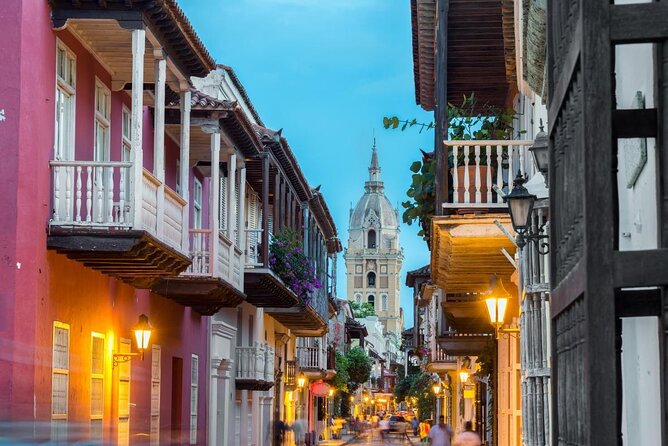
- Expect around ten food samples: You will taste ceviche, cocadas, pandebono, Colombian fritos, patacón with suero and cheese, tropical fruit, local beer, coffee, candy, arepas, and other local bites.
- The food is also a walking tour: The route links central Cartagena sights with neighborhood food stops, ending in Getsemaní.
- Come very hungry: Several people finish with a very full stomach, since the samples can be generous rather than tiny tasting portions.
- Small groups help: The maximum group size is 12, making it easier to hear the guide and ask about ingredients, customs, and local food traditions.
- Wear good walking shoes: The route covers several areas, and the streets can require careful footing.
- Book early if your dates are fixed: The tour is booked about 24 days ahead on average.
Why this is a smart first taste of Cartagena
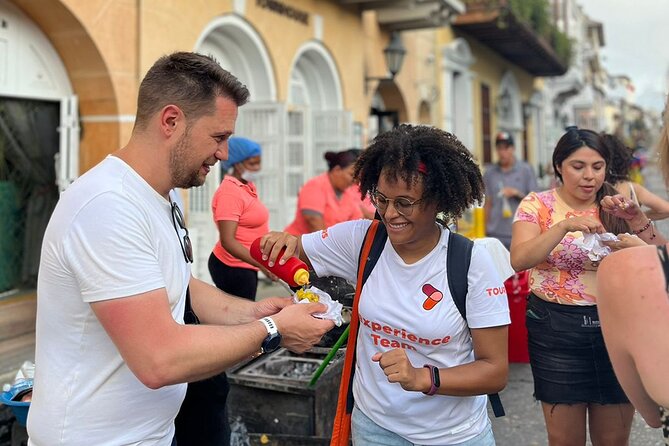
Food gives you a quick way to understand Cartagena. Corn, coconut, plantain, seafood, tropical fruit, and fried snacks all point to the city’s Caribbean setting and its links to African, Indigenous, and wider Colombian traditions.
I like the way this experience puts food in its setting. You are not simply handed a plate in a restaurant. You walk from place to place, pause at local businesses and food stalls, then hear how a dish fits into Cartagena’s culture.
The route also works well on your first day. It covers several parts of the central city, so you can get your bearings while trying foods that may otherwise look unfamiliar. One guide, Alvaro David, was praised for explaining both the city and the dishes while keeping the pace easy. Robert was also singled out for his humor and strong command of local food and history.
This is not a formal restaurant crawl. Some food is eaten while standing, and one stop takes place in a shopping center. That gives the tour a local, everyday feel, but it may disappoint you if you want leisurely meals at a table.
More Food Tours in Cartagena
- Cartagena: Guided Street Food Tour with Tastings
★ 4.9 · 833 reviews - Rum and Chocolate Tasting in Cartagena
★ 5.0 · 360 reviews - Boutique Rum and Chocolate Tasting at Lunático
★ 5.0 · 328 reviews
La Matuna begins with Caribbean seafood
The first listed stop is La Matuna, on Avenida Santander, where you taste Colombian-style ceviche and other seafood creations. This version of ceviche has a coastal character, with fresh, sharp flavors that suit Cartagena’s setting.
The seafood stop is valuable because it introduces the city’s relationship with the Caribbean right away. You get a small taste, not a full seafood lunch, although the portions across the tour can be surprisingly generous.
If the ceviche appeals to you, you may want to buy a whole plate. Extra meals are not included, so ask your guide where to return for more. This is one reason I would take the tour early in your stay. You can use the stops as a food map for later meals.
The stop lasts about 20 minutes. That is enough time to taste, ask questions, and watch the group gather, but not enough for a slow meal.
Portal de Los Dulces brings coconut and candy
Next comes Portal de Los Dulces, a well-known sweet spot in the Walled City. Here you try cocadas, a coconut-based Afro-Caribbean treat, along with traditional candies associated with Cartagena.
This short five-minute stop is easy to underestimate. Cocadas offer a different side of coastal cooking, where coconut and sugar are used to make compact sweets with plenty of flavor. You also hear the local saying that this is the place to taste happiness, a playful bit of Cartagena folklore that adds character to the stop.
The tour returns to Portal de Los Dulces near the end for more African-inspired candy. That gives the route a sweet thread running through the day, though one piece of practical advice is worth noting: if you prefer dessert at the end, the order may feel slightly out of place because sweets appear before the final stop.
San Diego pairs pandebono with tropical juice
In San Diego, the focus shifts to pandebono, a warm cheese bread from Colombia’s Valle del Cauca. It is paired with fresh juices and extracts made from tropical Caribbean fruits.
Pandebono is a useful introduction to Colombian baking. It is warm, savory, and filling, so it helps explain why several people advise arriving with a serious appetite. The fruit drinks keep the stop from feeling too heavy and may introduce you to flavors you have not tried before.
This is one of the tour’s better combinations: something warm and cheesy beside something fresh and fruity. You get contrast rather than a series of similar fried snacks.
The stop lasts about 10 minutes. You will have time to taste and listen, but the emphasis is on sampling rather than lingering.
A completely different kind of day:
- Cartagena Island Hopping: 5-Stop Rosario Islands Tour with Lunch
★ 4.5 · 4,903 reviews - Cartagena: Historic Center and Getsemaní Shared Walking Tour
★ 4.9 · 2,716 reviews - Cartagena: Rosario Islands Catamaran with Lunch and Snorkel
★ 4.5 · 2,479 reviews - Full-Day Rosario Islands Including Barú, Bocachica & Playa Blanca
★ 4.0 · 1,729 reviews
Plaza Fernandez Madrid is the fried-food center
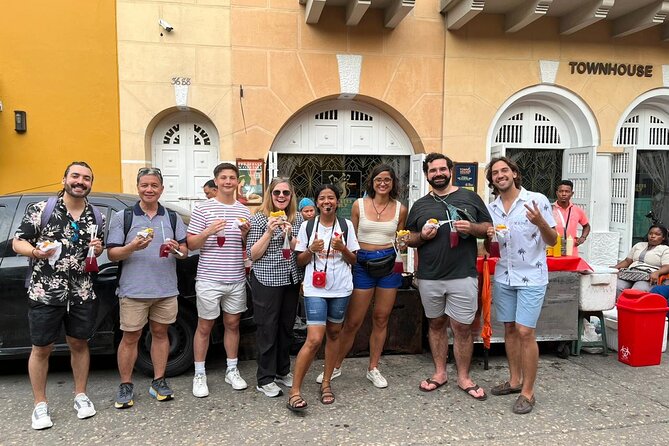
At Plaza Fernandez Madrid, you try Colombian fritos, the golden fried snacks that are part of everyday coastal eating. The spread can include arepa de huevo, carimañola, stuffed potato, and other local bites.
The arepa de huevo is especially important. It combines corn dough with egg and is one of the foods many people associate with Colombia’s Caribbean coast. Carimañola, made from yuca and filled with a savory center, gives you another texture and flavor.
This stop helps explain why the tour can be so filling. These are not delicate canapés. They are hearty snacks designed to satisfy you, and several samples in succession can easily replace a meal.
The 15-minute stop is short, but that is probably helpful. A longer pause with this much fried food might leave you needing a nap before the next stop.
Palito de Caucho serves plantain with suero
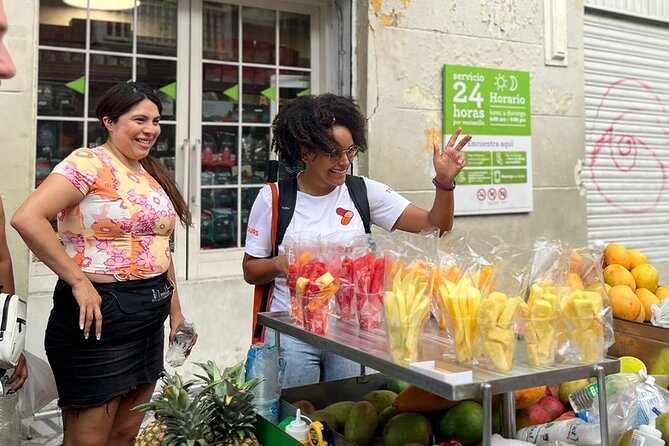
At Palito de Caucho, you taste patacón with suero and cheese. Patacón is flattened, fried green plantain, while suero is a tangy dairy topping common in Colombia’s Caribbean region.
This is one of the most useful dishes to understand because plantain appears often in coastal Colombian cooking. The crisp plantain, creamy suero, and cheese make a simple but satisfying combination.
One person specifically called fried smashed plantains with cheese a favorite. That makes sense: the dish has crunch, salt, creaminess, and a clear regional identity.
The stop lasts about 20 minutes and is listed as included. If you have only eaten plantain as a side dish before, this is a good chance to see how it can become the main event of a snack.
La Matuna fruit stop changes the pace
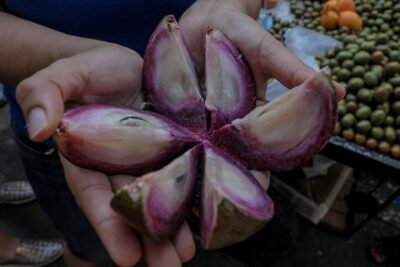
The stop at Centro Comercial La Matuna brings a welcome change: exotic Colombian and Caribbean fruit. The colors and flavors can be unfamiliar, and the guide can help explain what you are tasting.
This is one of the tour’s strongest ideas. Fried foods and bread are satisfying, but fruit gives your palate a break and shows how much variety comes from Colombia’s tropical climate.
The stop lasts 15 minutes. You may find yourself wishing for more time if a particular fruit catches your attention, but the short format keeps the tour moving through the city.
Because the fruit is sampled rather than served as a full bowl, you can try several kinds without committing to one large portion. That is useful when you have many more stops ahead.
A local Caribbean beer adds a drink stop
In the Cartagena district, you taste a beer made by farmers of the Colombian Caribbean. The brew is presented as a local expression of the region, with its own connection to agricultural life.
This stop adds variety to the food lineup. You are not simply moving from one snack to another. The beer gives you a chance to pause, talk, and consider how local ingredients and farming traditions shape what people drink.
The tasting lasts about 10 minutes. Since the tour includes several drinks, you should pace yourself. The goal is to sample the local character, not to turn a walking food tour into a bar crawl.
Coffee, crafts, and candy finish the Walled City route
The Walled City stop brings you to an artisanal café, where you sip Colombian coffee and look at handicrafts made by Indigenous artisans. Traditional candies from Portal de Los Dulces provide the sweet finish to this part of the route.
I like this stop because it connects food with local craft. Coffee is one of Colombia’s best-known products, but the tour also places it beside handmade objects and Indigenous artistry. You get a small cultural pause after the heavier food stops.
The stop lasts about 20 minutes and is included. It is also a useful moment to ask your guide about the products you are seeing, the local makers, or where to buy gifts. The tour does not promise shopping time, so keep your expectations modest.
Getsemaní ends with arepa and fruit juice
The final stop is in Barrio Getsemaní, where you taste an arepa with tropical fruit juice. Arepas are made from corn and are a basic part of Colombian food culture, but their preparation and fillings vary from region to region.
Ending with an arepa makes sense. It brings the tour back to one of Colombia’s most recognizable foods and sends you into Getsemaní with a final savory bite.
The tour ends on Calle de la Sierpe in Getsemaní, a central location after the walking route. That is useful if you want to continue exploring, find dinner, or return toward your hotel. The start point is at Camellón de los Mártires in El Centro, so the tour connects two important parts of central Cartagena without requiring a separate transfer.
The guides shape the experience
The food matters, but the guide can make or break this tour. The strongest feedback centers on guides who explain the city, remember names, manage the group, and answer questions without making the experience feel like a lecture.
Alvaro received repeated praise for his English, humor, and clear explanations. Robert was described as friendly, funny, and especially good at combining food with local stories. Fernando was praised for his energy and for remembering everyone’s names. Liz was appreciated for being warm, funny, and well informed about Cartagena.
Hernando was noted for keeping the group together from stop to stop. That is more important than it sounds. Cartagena’s streets can be busy, and food tours lose their rhythm if people are constantly falling behind.
Spanish-language tours are also available based on the experience described by one group. Divier was praised for asking about allergies, answering questions patiently, and helping with directions after the tour. If you prefer Spanish, confirm the language when booking.
The quality may vary slightly by guide, as it does with any walking tour. Still, the maximum of 12 people gives the guide a reasonable chance to speak with you directly.
Is $44 good value?
At $44 per person, this tour sits in a reasonable range for a guided food experience that includes about ten types of local food, drinks, and city commentary.
The main value is variety. Ordering ten separate dishes on your own would take time, planning, and a fair amount of food. Here, you get samples of seafood, sweets, bread, fried snacks, plantain, fruit, beer, coffee, candy, and arepas in one outing.
You also pay for access and confidence. A guide can point you toward local places you might pass without noticing and explain what to order. That reduces the guesswork, especially if you do not speak Spanish or are unfamiliar with Colombian food.
The value is weaker if you want a sit-down meal. Some food is eaten standing, and the experience includes local stops rather than polished dining rooms. You also pay extra if you decide to order whole plates.
I would compare the price with what you plan to eat that day. Since the portions can be generous, this tour may replace lunch or a large snack. Do not schedule a major meal immediately afterward.
Who should take this tour?
I would recommend it most strongly to first-time visitors, curious eaters, and anyone who wants a quick introduction to Cartagena’s central neighborhoods.
It also suits families, since the route offers many small tastes and lets each person choose favorites. Couples can use it as an easy shared activity, while solo visitors benefit from the small group and the guide’s local advice.
You should think twice if you dislike fried food, seafood, coconut sweets, bread, or eating while standing. The tour includes some fresh fruit and drinks, but several stops involve substantial, starchy, or fried foods.
You also need to be comfortable walking for two to three hours. The tour is near public transportation, and most people can participate, but comfortable shoes are still important. Watch your step along the way.
If you have allergies or dietary restrictions, tell the provider or guide in advance and ask what can be adjusted. Divier was specifically praised for asking about allergies, but the supplied information does not promise that every item can be replaced.
Timing, meeting points, and cancellation
The tour begins at Camellón de los Mártires, Cl. 31 #71-48, in El Centro. It finishes at Cl. de la Sierpe #9-8 in Getsemaní.
The experience lasts roughly two to three hours, although the listed tasting times add up to a little over two hours. Allow extra time for walking between stops, gathering the group, and hearing the guide.
Confirmation arrives when you book. The group can have up to 12 people, and public transportation is nearby. Booking around 24 days ahead is sensible if you are visiting during a busy period.
You can cancel for a full refund up to 24 hours before the start time. Changes or cancellations inside that 24-hour window are not accepted for a refund. The tour depends on good weather, and if poor weather forces cancellation, you will be offered another date or a full refund.
Should you book the Cartagena street food tour?
I would book this tour early in a Cartagena visit if you want food, orientation, and local context in one outing. Its strongest points are the range of samples, the small group, and guides such as Alvaro David, Robert, Liz, Fernando, and Divier, who have been praised for humor, warmth, and clear explanations.
Go hungry, wear comfortable shoes, and treat the food as a series of substantial samples rather than tiny bites. If you want refined dining or a single long meal, choose a restaurant instead. If you want to understand Cartagena through what people eat every day, $44 is a reasonable price for a useful and filling introduction.
FAQ
How long does the Cartagena street food tour last?
The tour lasts approximately two to three hours, including the food stops and walking between locations.
How much does the tour cost?
The price is $44 per person.
How many types of food are included?
The tour includes ten different types of local street food, along with the permanent accompaniment of a qualified guide.
Are drinks included?
Yes. The experience includes fresh juices, tropical fruit extracts, local Caribbean beer, Colombian coffee, and other drink tastings listed along the route.
Where does the tour start?
The meeting point is Camellón de los Mártires, Cl. 31 #71-48, El Centro, Cartagena de Indias.
Where does the tour finish?
The tour ends at Cl. de la Sierpe #9-8 in Getsemaní, in a central part of Cartagena.
How large is the group?
The tour has a maximum of 12 participants.
Can most people participate?
Most people can participate, and the tour is near public transportation. Comfortable walking shoes are recommended, and you should watch your step along the route.
Can I cancel for a full refund?
Yes. You must cancel at least 24 hours before the start time for a full refund. If poor weather cancels the experience, you will be offered another date or a full refund.
Just added in Cartagena
- Private History Photography Tour★ 5.0 · 17 reviews
- Self-Guided Audio Tour: Pirate Tales in Cartagena★ 3.0 · 2 reviews
- Paue Island Tour in the Rosary Islands★ 5.0 · 1 review
- Totumo Volcano★ 3.5 · 15 reviews
- Party without limits! Cartagena; VIP Party.★ 4.5 · 32 reviews
- Paragliding Experience in Cartagena★ 5.0 · 8 reviews
- Palmarito Beach★ 3.5 · 4 reviews
- Tour cultural to san Basilio de Palenque from cartagena★ 5.0 · 45 reviews
Street Food Tours, compared.

Comuna 13 Graffiti Tour, Cable Car & Street Food
Read our review →

Rumbero Gastrotour through Medellín and Street Food
Read our review →

Street Food and Poblado Rooftop Tour with a Local
Read our review →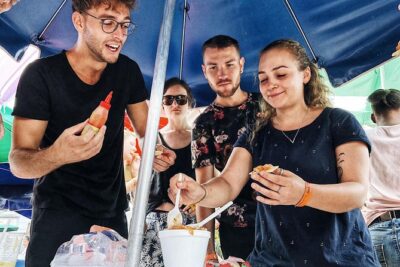
Street Food Tour with a local Foodie in Cartagena
Read our review →Browse the lists this tour appears in