
REVIEW · CACAO AND CHOCOLATE WORKSHOPS
Waterfalls, Animal Reserve and Chocolate: Mango Passage
Go beyond Santa Marta’s usual stops. Mango Passage takes you into Paso del Mango, a mountain area within Sierra Nevada de Santa Marta National Park, where jungle trails, waterfalls, cocoa, local food, and old indigenous traces share one long day. I especially like the mix of active trekking and hands-on chocolate making. I also like the small-group size, capped at 10 people, which should make it easier to ask questions and keep a steady pace.
The main consideration is physical comfort. You will walk through humid forest to reach three waterfalls, and the tour asks you to bring closed shoes, beachwear, and clothing that can get dirty. The $250 price is not a budget outing, but it includes transport, a guide, lunch, water, admission, and waterfall visits, giving the day solid value if you want several experiences in one trip.
In This Review
- Key points to know before booking
- Why Paso del Mango makes a strong day trip
- Trekking through four types of forest
- Three waterfalls, with a practical warning
- An animal reserve with a conservation purpose
- Cocoa becomes chocolate, then a facial mask
- Lunch in a jungle restaurant
- Masinga, petroglyphs, and local connection
- What the guide and group size mean
- Is $250 a fair price?
- What to bring and what not to bring
- Who should book Mango Passage?
- Should you book Waterfalls, Animal Reserve and Chocolate?
- FAQ
- Where does Mango Passage take place?
- How long does the tour last?
- What activities are included?
- Is lunch included?
- Is transportation included?
- What languages are available?
- How large is the group?
- What should I bring?
- Is the tour suitable for young children or older adults?
Key points to know before booking
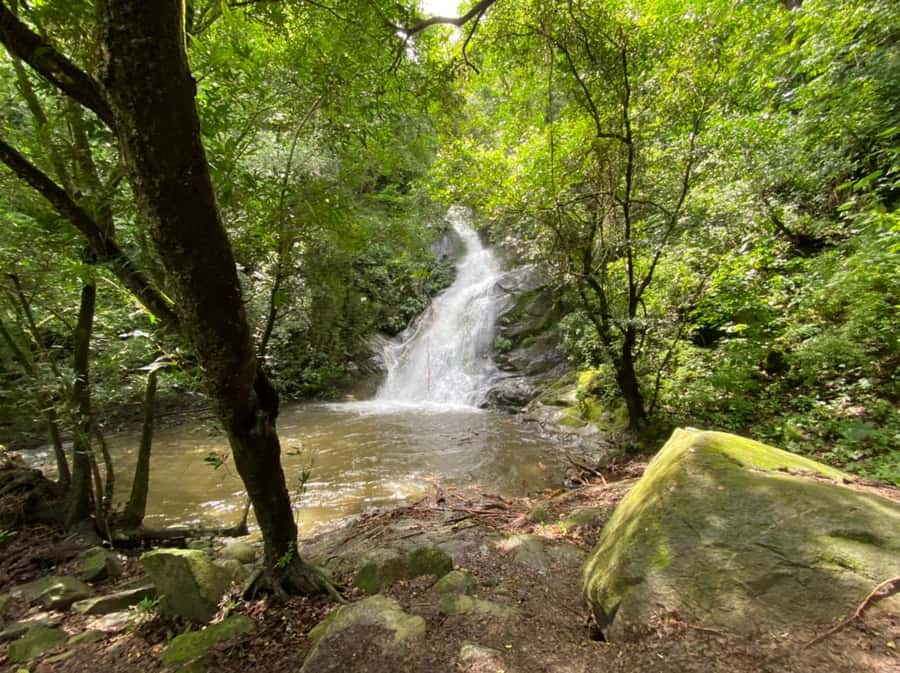
- Three waterfall stops bring swimming and jungle scenery into the same trek.
- Four forest types appear across the route: Tropical Dry Forest, Cloud Forest, Primary Forest, and Secondary Forest.
- A small endangered-animal reserve adds a conservation focus beyond simple sightseeing.
- Chocolate making and cocoa education turn a local crop into a hands-on activity.
- Masinga and petroglyphs add an indigenous and archaeological thread to the mountain setting.
- Marco is a key part of the experience, praised for his care, English, and ability to reach places many tourists miss.
Why Paso del Mango makes a strong day trip
Paso del Mango gives you a different side of the Santa Marta area. Instead of spending the day moving between polished attractions, you head into a small mountain paradise where nature, local life, farming, and conservation are tied together.
The route crosses the area of the ancient indigenous city of Masinga. You may see petroglyphs along the way, giving the forest a human story as well as a natural one. The setting is not presented as a quick photo stop. The value comes from connecting the trail, the people, the plants, the animals, and the food.
The tour lasts about eight hours. That is long enough to fit in three major activities, but it also means you should treat this as a full day rather than a casual half-day outing. The pace and comfort level will depend on the trek, weather, and time spent at each stop.
More Waterfall Tours in Santa Marta
- MINCA TOUR – Explore waterfalls and discover the origin of coffee and cocoa
★ 4.5 · 166 reviews - Eco-Hike in Minca: Coffee Tour, Waterfall & Chocolate Experience!
★ 5.0 · 140 reviews - Santa Marta: Minca Coffee, Cocoa, & Waterfall Full-Day Trip
★ 4.6 · 102 reviews
Trekking through four types of forest
The walk introduces four ecosystems: Tropical Dry Forest, Cloud Forest, Primary Forest, and Secondary Forest. That range gives the outing more variety than a simple waterfall hike. You are not only walking toward water. You are seeing how plant life changes across different forest environments.
The guide is important here. A good explanation can turn leaves, trees, and changes in humidity into something you notice rather than scenery that blurs together. Marco received particular praise for making the day educational and for taking people to places that many tourists do not reach.
The trail leads to three waterfalls in the jungle. Each stop gives you a reason to pause, cool off, and enjoy the setting. Beachwear is recommended, so swimming or getting wet is clearly part of the plan. Bring clothes that can become dirty, and do not count on staying crisp and dry all day.
You should wear comfortable closed-toe shoes with a secure grip. Bare feet are not allowed, and ordinary sandals are a poor choice for a forest trek. Biodegradable insect repellent is also requested, a practical rule for protecting the surrounding environment.
Three waterfalls, with a practical warning
The waterfalls are the most active part of the day. You will walk through jungle terrain rather than simply step out of a vehicle at a viewpoint. That makes the reward feel more earned, but it also means this is not ideal for anyone who wants a low-effort sightseeing day.
The supplied information does not give exact trail distances, elevation changes, or swimming conditions. I would not book this expecting a detailed hiking specification. Instead, plan for a real forest walk and ask the operator about current trail conditions if you have concerns about footing or stamina.
The age guidance excludes children under five and people over 70. That does not define every person’s fitness, but it signals that the combination of walking, heat, uneven ground, and water stops may be demanding. You should be comfortable walking outdoors for much of an eight-hour day.
An animal reserve with a conservation purpose
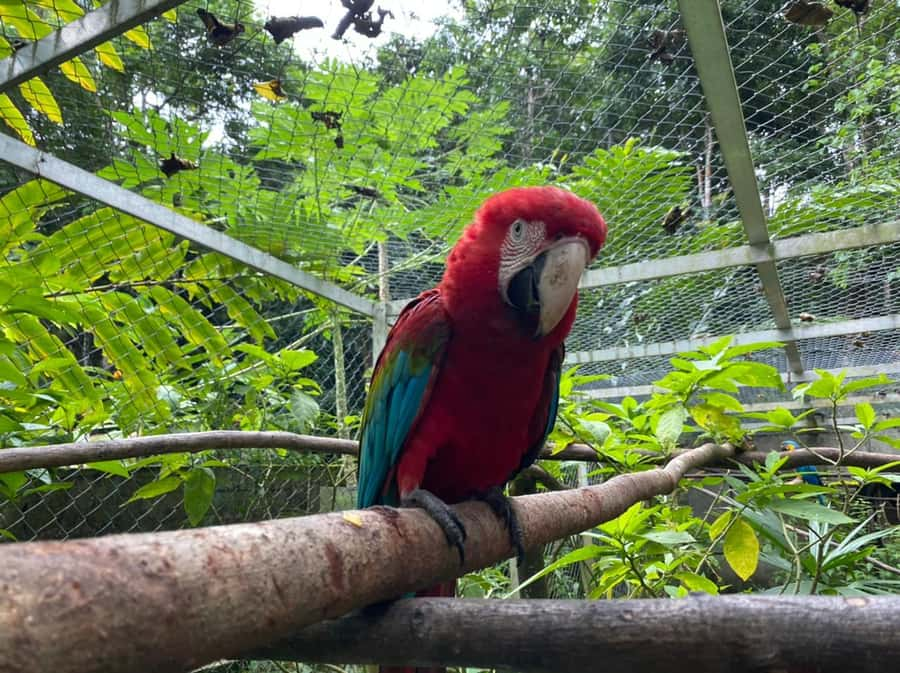
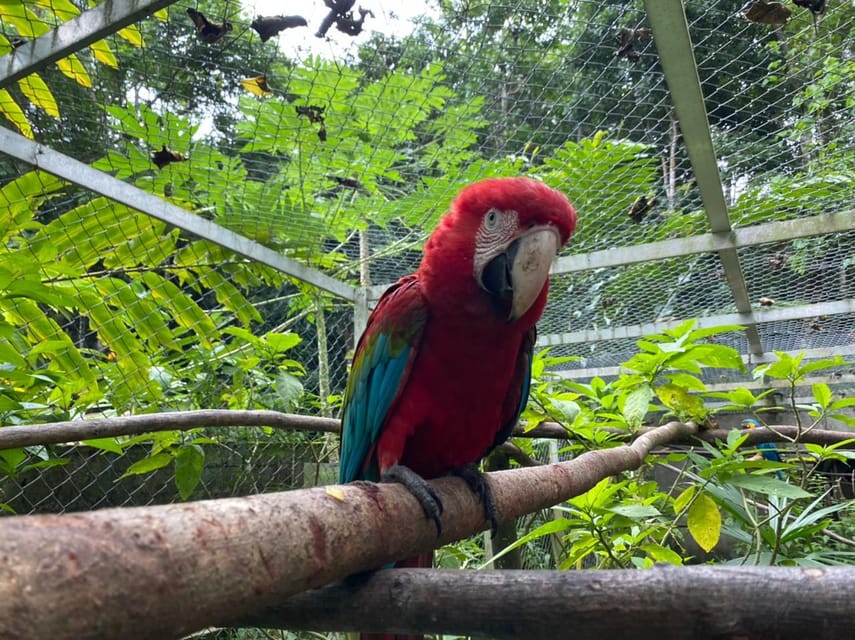
One of the tour’s strongest features is the visit to a reserve for endangered animals. This shifts the day beyond scenic enjoyment and gives you a look at local conservation work.
The reserve is paired with a successful reforestation program. That combination matters. Protecting animals is not only about caring for wildlife in one place. Reforestation helps restore the plant environment that native species need.
The information does not identify the animal species or explain the reserve’s exact programs, so I would avoid booking this with a fixed list of creatures in mind. The appeal is the chance to see a local effort to protect endangered wildlife and repair forest habitat.
For me, this is an especially useful part of the tour because it gives context to the ecosystems along the trail. You are not just passing through the forest. You are seeing why the forest matters and how local people are helping it recover.
A few more options to weigh up in Santa Marta
- Cacao Experience Tour
★ 4.8 · 66 reviews - Trekking History and Indigenous Heritage in Minca + Cacao & Coffee + Waterfall
★ 4.9 · 63 reviews - Cacao and Coffee Tour
★ 4.5 · 24 reviews - Private Cacao & Taironaka Tour on the Don Diego River
★ 5.0 · 9 reviews
Cocoa becomes chocolate, then a facial mask
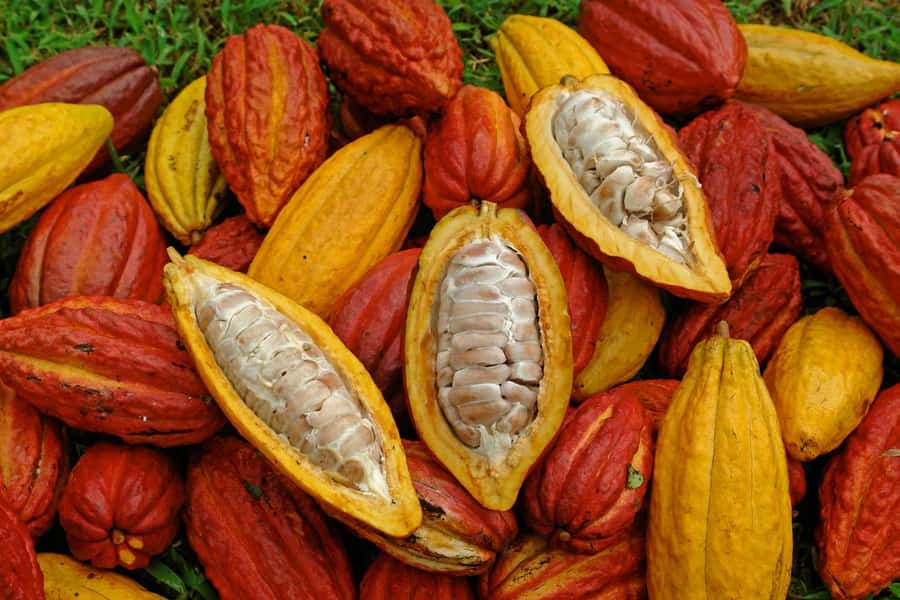
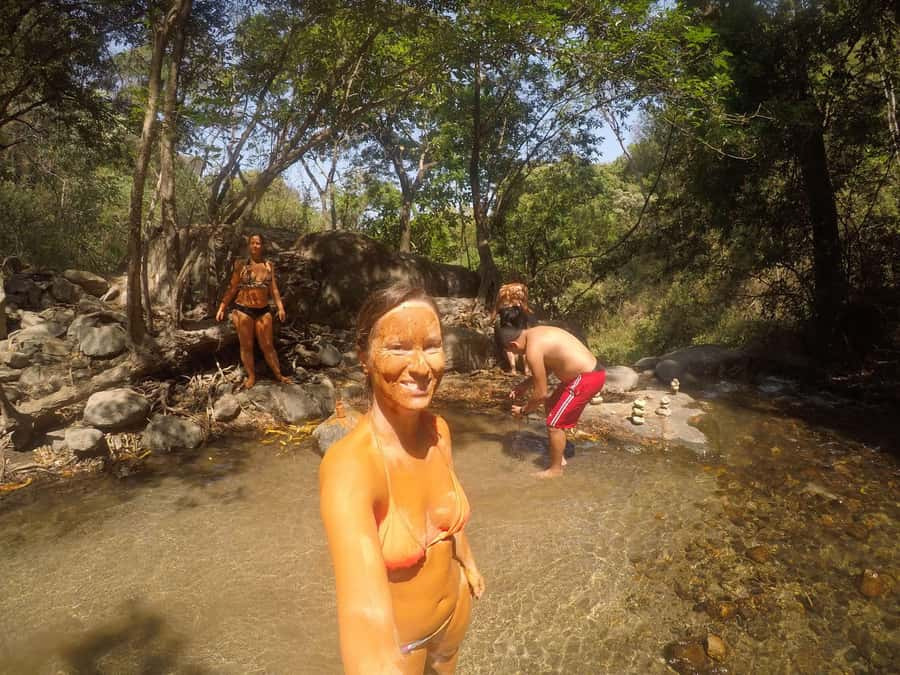
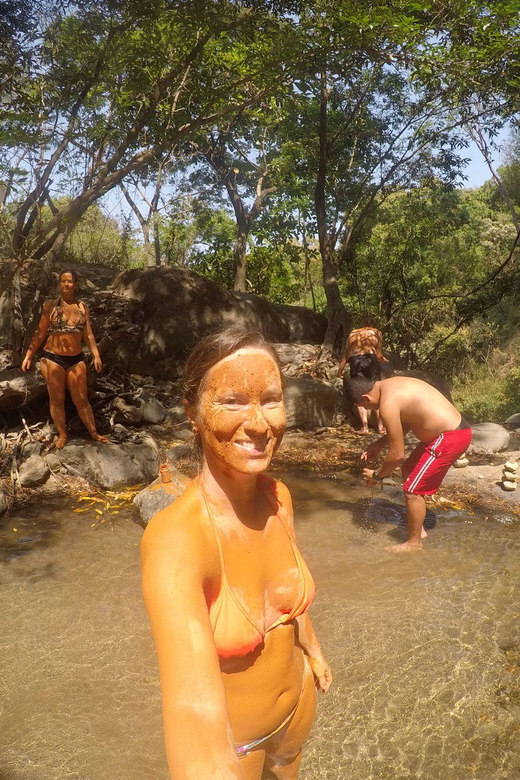
The chocolate activity is the most unusual part of the day. You learn about cocoa cultivation, make your own chocolate, and use the product for facial masks. It is a playful stop, but it also explains an important local crop in a way that a lecture alone cannot.
I like activities where you handle the product rather than merely buy a finished bar. The process makes cocoa easier to understand, from cultivation to something you can eat and apply. The facial mask adds a memorable twist, though you should bring clothes that can get messy.
The tour does not provide a detailed schedule for this activity or list every stage of chocolate production. What you can expect is a practical introduction to cocoa followed by hands-on making. If you have dietary restrictions or skin sensitivities, ask the operator before booking, since the supplied information does not cover ingredients or testing.
Lunch in a jungle restaurant
Lunch takes place at a jungle restaurant using local, organic, and sustainable ingredients. That setting supports the wider purpose of the experience. Food is not treated as a break from the tour. It is part of the connection between the mountain, local producers, and the people who live there.
The specific menu is not provided, so you should not expect a guaranteed dish. The important point is that lunch is included and designed around local sourcing. For an eight-hour outing, that removes one practical worry and keeps you from needing to arrange a separate meal during the day.
Water is also included. Still, the instructions only confirm water as part of the tour, not the amount or container arrangement. If you normally drink a lot in hot weather, ask what is supplied and consider whether you need to carry additional water.
Masinga, petroglyphs, and local connection
The reference to Masinga gives this trip a cultural layer. You cross the area of an ancient indigenous city and may see petroglyphs, linking the present-day route to older human activity in the Sierra Nevada.
The information does not provide dates, translations, or a full archaeological explanation. That is worth keeping in mind. This is not presented as a dedicated archaeology tour. The indigenous traces are one part of a wider nature and community experience.
Still, their presence changes how you see the trail. A waterfall is no longer just a natural attraction, and a forest path is not merely a route between activities. With a guide explaining what you are seeing, the day can connect ecology and human history without turning into a formal museum visit.
The stated highlights include immersion with locals and unique places. That promise fits the route’s character. The outing is aimed at people who want contact with less familiar parts of the region, not only the most photographed stops around Santa Marta.
What the guide and group size mean
The tour offers live guiding in Spanish and English. That is important because the day depends on explanations about forest types, cocoa, conservation, and local culture. English ability also received strong praise in the booking feedback, with Marco singled out as an excellent and considerate guide.
A maximum of 10 participants is another advantage. A small group should make it easier to hear the guide, pause for questions, and manage the waterfall and chocolate activities without a large crowd. It may also help the experience feel more personal when meeting local people.
Small groups are not always silent or private, of course. The exact atmosphere depends on the other participants. But a limit of 10 is a useful middle ground: more social than a private tour, without the feel of a large coach excursion.
Is $250 a fair price?
At $250 per person, Mango Passage is a premium day trip. You are paying more than you would for a simple waterfall visit, but the price covers a full eight hours and several separate components: transport, a guide, lunch, water, admission, the waterfall visits, the animal reserve, reforestation program, and chocolate activities.
The value improves if you want variety. Booking separate transport, a guide, conservation visit, meal, and cocoa activity could take more planning and might not produce the same local connection. The small group and bilingual guiding also add practical value.
The price is harder to justify if your only goal is swimming at waterfalls. In that case, you would be paying for several features you may not care about. I see this as a good fit for someone who wants a full, organized day with nature, food, culture, and conservation rather than the cheapest route to a waterfall.
Pickup is included within city areas in Santa Marta. Pickup outside Santa Marta costs extra, so confirm the charge before booking if you are staying beyond the city.
What to bring and what not to bring
Pack for heat, water, forest, and mess. The most useful items are:
- Comfortable closed-toe shoes
- Comfortable clothes
- Beachwear
- Clothing that can get dirty
- Biodegradable insect repellent
The rules prohibit alcohol and drugs, coolers, handcarts, baby carriages, electric wheelchairs, fireworks, explosives, and bare feet. These restrictions fit a remote natural setting, but the wheelchair and stroller limits are particularly important. The tour is not suitable for electric wheelchair users or anyone relying on a baby carriage.
Cancellation is flexible up to 24 hours before the start for a full refund, and you can reserve now and pay later. Starting times vary, so check availability for your date.
Who should book Mango Passage?
I would choose this tour if you want an active day with several kinds of experience packed together. It suits adults and older children above age five who can manage a jungle trek and who enjoy learning about local agriculture, wildlife, and forest protection.
It is also a strong choice if you have already seen the main Santa Marta sights and want a less familiar setting. The combination of Masinga, petroglyphs, endangered animals, reforestation, cocoa, and waterfalls gives the day a clear sense of place.
I would think twice if you dislike muddy clothes, humid conditions, uneven trails, or group activities. The tour is not a simple scenic drive, and the exact trail details are not provided. If mobility, medical needs, food allergies, or skin sensitivity are concerns, contact Tutour Colombia before paying.
Should you book Waterfalls, Animal Reserve and Chocolate?
Book it if you want more than a waterfall photograph. Mango Passage brings together three waterfall visits, four forest types, conservation work, indigenous traces, cocoa, and a local lunch in one eight-hour trip. Marco’s praised guiding and strong English add confidence for English-speaking visitors.
Skip it if you want a cheap, short, or highly predictable outing. At $250, the tour makes sense when you value the full mix and the small group. For an active visitor seeking places beyond the usual Santa Marta route, it offers a thoughtful and unusual day in the Sierra Nevada.
FAQ
Where does Mango Passage take place?
The experience takes place in Paso del Mango, in the Sierra Nevada de Santa Marta National Park area near Magdalena, Colombia.
How long does the tour last?
The tour lasts eight hours.
What activities are included?
The day includes trekking to three jungle waterfalls, a visit to an endangered-animal reserve and reforestation program, and a cocoa activity where you make chocolate and facial masks.
Is lunch included?
Yes. Lunch is included and takes place at a jungle restaurant using local, organic, and sustainable ingredients.
Is transportation included?
Yes. Transportation and pickup within areas of Santa Marta are included. Pickup outside Santa Marta requires an additional charge.
What languages are available?
The live guide is available in Spanish and English.
How large is the group?
The experience is offered as a small-group tour with a maximum of 10 participants.
What should I bring?
Bring comfortable closed-toe shoes, comfortable clothes, beachwear, clothing that can get dirty, and biodegradable insect repellent.
Is the tour suitable for young children or older adults?
The tour is not suitable for children under five or people over 70. It includes trekking through jungle terrain, so you should also consider your personal comfort with an active outdoor day.
Just added in Santa Marta
- Palomino: Palomino River Tubing and Hiking Tour★ 4.6 · 40 reviews
- Tubing Across Palomino River Including a Hiking Tour★ 5.0 · 14 reviews
- Roundtrip Private Transfer from Santa Marta Airport (SMR)★ 5.0 · 2 reviews
- Hiking To Minca★ 5.0 · 8 reviews
- Tunkeka Indigenous People Cultural Tour★ 5.0 · 2 reviews
- Santa Marta to or from Cartagena Private Transfer★ 5.0 · 5 reviews
- Santa Marta to or from Tayrona Park Private Transfer★ 5.0 · 7 reviews
- Bike Tour Taganga – Playa Grande★ 5.0 · 20 reviews
Cacao and Chocolate Workshops, compared.
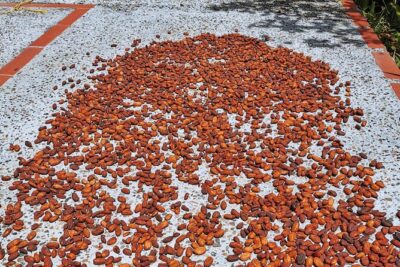
Chocolate Farm Private Tour in Medellin: Real Genuine Experience
Read our review →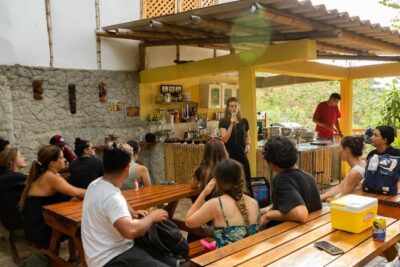
Eco-Hike in Minca: Coffee Tour, Waterfall & Chocolate Experience!
Read our review →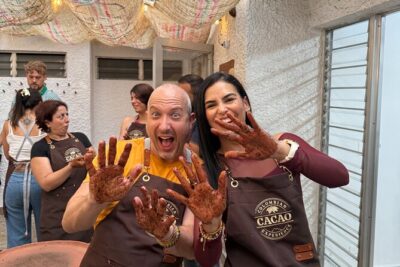
Colombian Cacao Experience | Chocolate Tour | BOOK NOW!
Read our review →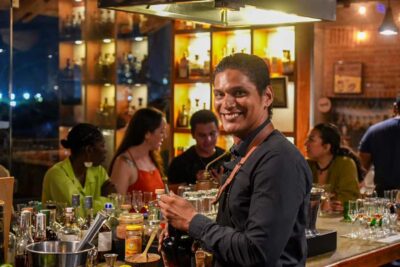
Boutique Rum and Chocolate Tasting at Lunático
Read our review →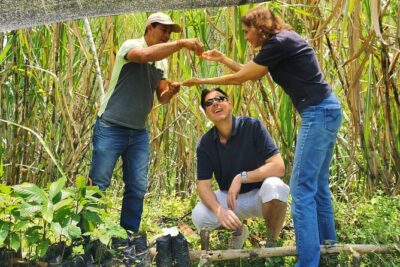
Coffee & Chocolate Private Tour in Medellin: Genuine Experience
Read our review →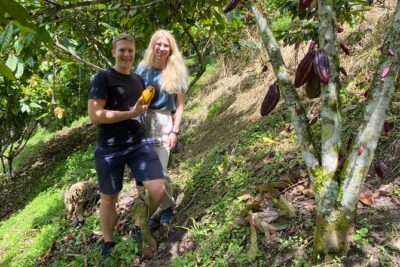
Browse the lists this tour appears in