
REVIEW · CACAO AND CHOCOLATE WORKSHOPS
Medellin: Colombian Cacao Experience | Chocolate Tour | BOOK NOW!
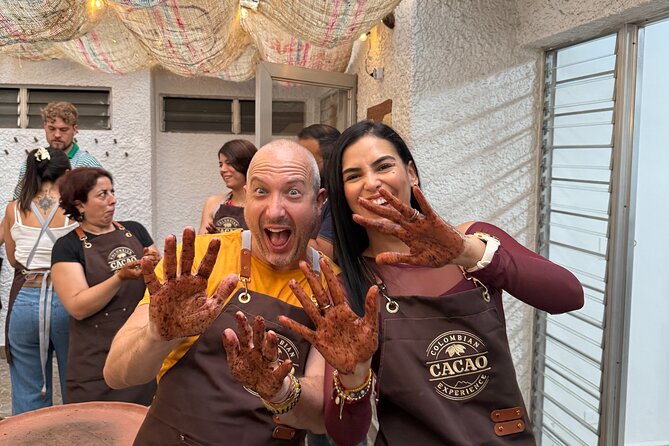
Chocolate starts as a fruit. That simple fact makes this hands-on Medellín workshop much more interesting than a quick tasting. You open a cacao pod, roast and peel beans, grind them, sample several drinks and bites, then make a bar to take home. I like the full process and the chance to work with both traditional and modern tools. My one reservation is that the included chocolate portion is modest, so big chocolate fans may want to pay for extra bars.
The class costs $48.95 per person and runs about three and a half hours. That is fair value if you want an indoor cultural activity rather than a factory walk-through, especially since the fee covers tastings, materials, an apron, help with photos, and one handmade bar. The group can reach 20 people, so ask about the day’s group size if a small class matters to you.
In This Review
- Key points at a glance
- Why this cacao class is different from a factory tour
- Opening the pod and tasting cacao in new forms
- Roasting, peeling, and grinding your own beans
- Four or five cacao tastings, plus a small sweet surprise
- Tempering and decorating your take-home bar
- The setting in Laureles and how to plan your arrival
- What the $48.95 price really covers
- Who will enjoy this experience most
- Timing, cancellation, and small planning tips
- Should you book the Colombian Cacao Experience?
- FAQ
- Where does the Colombian Cacao Experience take place?
- How long does the cacao workshop last?
- What is included in the price?
- Do I need to arrange my own transportation?
- Where does the activity finish?
- How many people can join the workshop?
- Will I make my own chocolate bar?
- Can I make additional chocolate bars?
- Is the workshop suitable for children?
- Can I cancel for a full refund?
Key points at a glance
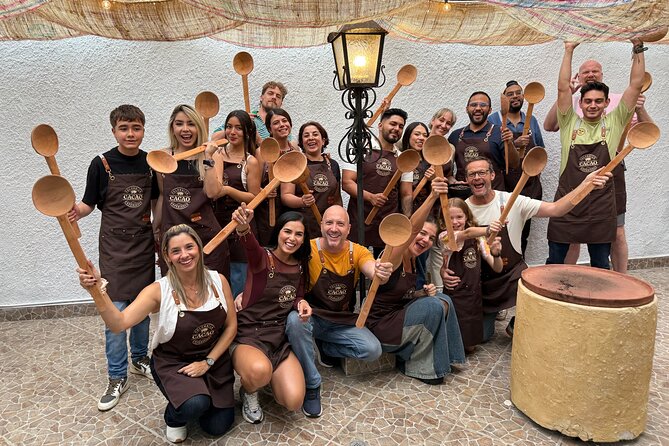
- You handle cacao at every major stage: Open the fruit, roast the beans, peel them, grind them, and turn them into chocolate.
- Four to five tastings are included: The drinks and small bites show cacao in forms beyond the usual sweet bar.
- Your final bar is personal: Choose molds and flavors, then take your handmade chocolate home.
- The class is indoors: It works well on a rainy afternoon or when you need a break from Medellín’s outdoor activities.
- Lina and David may lead the session: Their friendly teaching style and clear explanations have earned especially warm praise.
- The location is in Laureles: You arrange your own transport to Cra. 80B # 35A-28, then return to that same meeting point.
Why this cacao class is different from a factory tour
A factory tour usually asks you to watch. Here, you work.
The Colombian Cacao Experience is built around the physical steps that transform a cacao bean into chocolate. You learn where cacao comes from, how it has been grown and used in Colombia, and why the fruit matters to local food traditions. Then the lesson moves from talk to action.
That change is important. You do not just hear that cacao is roasted. You roast it. You do not simply see a grinder. You use one. By the time you shape your bar, you understand the work behind it.
I especially like that the class begins with cacao in its natural state. Opening a pod and seeing the beans before roasting gives you a useful point of comparison. The familiar chocolate flavor comes later, after several steps that are easy to overlook in a shop.
The experience also treats cacao as more than candy. You taste different cacao drinks and preparations, and one session included a discussion of cacao-based soap. That broader view helps explain how the ingredient appears in Colombian food and daily life.
A few more options to weigh up in Medellin
- Chocolate Farm Private Tour in Medellin: Real Genuine Experience
★ 5.0 · 162 reviews - Coffee & Chocolate Private Tour in Medellin: Genuine Experience
★ 5.0 · 100 reviews - Chocolate tour near Medellin
★ 5.0 · 90 reviews
Opening the pod and tasting cacao in new forms
The first part introduces cacao’s place in Colombia. You learn about cultivation, traditional use, and the path from fruit to finished chocolate. The lesson is designed for participation, so it should suit you if you prefer a story with something to do every few minutes.
Opening a cacao pod is a small but memorable moment. The beans do not look like the neat brown pieces sold in stores. Seeing their natural form helps you understand why chocolate production takes time and care.
The tasting portion adds another layer. You sample four or five cacao-based drinks and bites during the class. These are not simply repeated versions of hot chocolate. The different preparations let you compare taste, texture, and strength.
The tasting is one of the strongest parts for anyone who wants a wider view of cacao. It also gives the three-and-a-half-hour class a relaxed rhythm. You can listen, taste, ask questions, and then return to the practical work.
There is one useful expectation to set. The included food is described as snacks and tastings, not a full meal. Have lunch or a proper snack before you arrive if you tend to get hungry during a long class.
Roasting, peeling, and grinding your own beans
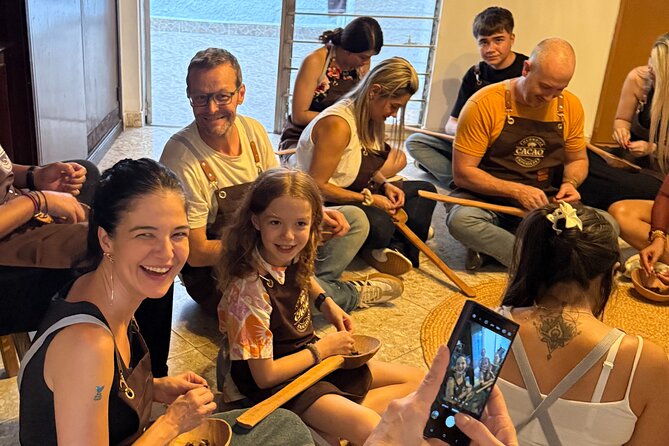
The middle of the workshop is the most hands-on section. You roast the cacao beans, remove their shells, and grind them using traditional and modern methods.
Roasting changes the beans dramatically, so this is where the process starts to make sense through your senses. You can notice the smell and texture shift as the beans become ready for the next stage. Peeling is more physical and slower than many people expect, which is useful: it shows how much work sits between a harvested pod and a chocolate bar.
The peeling activity may take place with people seated on mats on the floor. One person reported getting small bites after sitting in that area, although the provider said this was unusual and had not received the same complaint before. That concern does not define the class, but I would mention it to the staff at once if you notice anything uncomfortable. If floor seating is difficult for you, ask about the arrangement before booking.
Grinding brings the class back to the central idea: chocolate is made, not found. You take part in the process instead of watching a machine do everything. For children aged 12 and older, this balance of short explanations and practical tasks can work especially well.
The class also leaves room for questions. Lina has been praised for explaining the process clearly and answering questions, while Lina and David together have been described as warm hosts. The names may vary by session, but the teaching style is an important part of the experience.
Four or five cacao tastings, plus a small sweet surprise
Food is woven through the workshop rather than saved for the end. You taste four or five cacao preparations, including drinks and small bites.
This is valuable because cacao changes depending on how it is prepared. A bean used in a drink gives you a different experience from the chocolate mixture you later mold. The tasting also keeps the class from feeling like a technical lesson.
Some sessions include refreshing cacao drinks, and one description mentions soap made with chocolate. That does not mean you should expect a full soap-making activity. It does show that the class may introduce uses for cacao that go beyond eating it.
The quantity is the main point to watch. One person felt there was only a tiny chocolate sample, even though the class included many drinks and the handmade bar. The provider clarified that the experience includes the chocolate you make and take home, along with the bar itself. If your main goal is to eat a large amount of chocolate, this may not satisfy you. If your goal is to understand the ingredient and make something, the balance is better.
More things to do in Medellin:
- Medellin: Comuna 13 Graffiti Tour, Cable Car & Street Food
★ 4.8 · 9,046 reviews - Comuna 13 Graffiti Tour with Street Food
★ 5.0 · 7,503 reviews - Museo Pablo Escobar
★ 5.0 · 7,242 reviews - Guatapé Tour: Piedra del Peñol with Boat Tour, Breakfast, Lunch
★ 5.0 · 7,035 reviews
Tempering and decorating your take-home bar
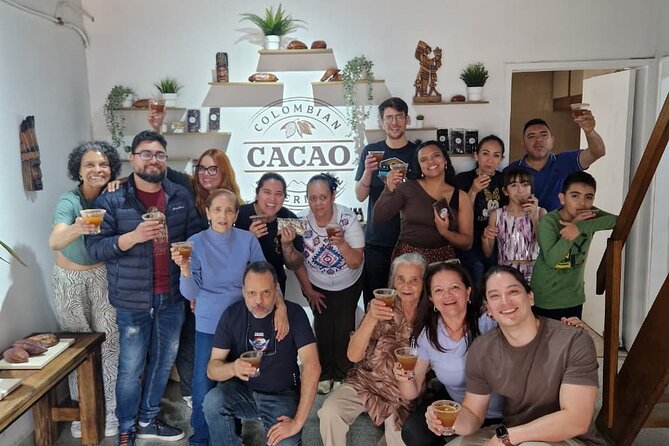
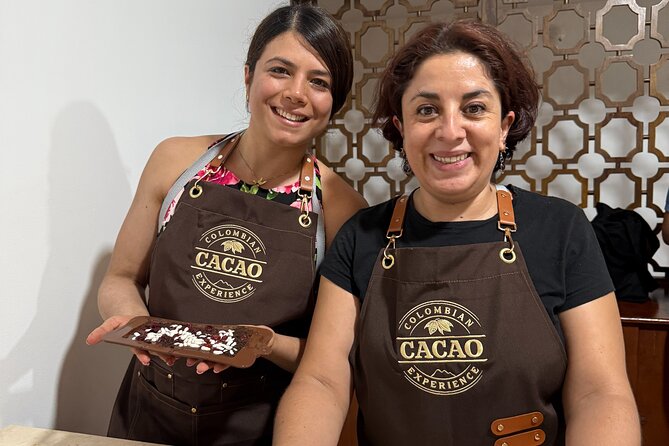
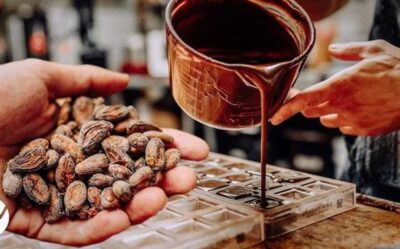
The final stage is where the workshop becomes personal. You temper the chocolate, choose from molds, add flavors, and create your own artisanal bar.
Tempering matters because it affects the bar’s finish and texture. You are not just pouring melted chocolate into a shape. You are learning one of the basic techniques that helps chocolate set properly.
The personalization makes this part work well for couples, friends, solo participants, and families with older children. You can make a bar that feels like your own project rather than a standard souvenir handed over at the door.
One bar is included in the price. You can make extra bars for an additional cost, which is useful if you want to give them as gifts or if several people in your group want more than one. Ask about the extra charge before making additional bars so there are no surprises.
Remember to take your bar with you at the end. The class finishes back at the meeting point, and the handmade chocolate is the clearest physical reminder of what you learned.
The setting in Laureles and how to plan your arrival
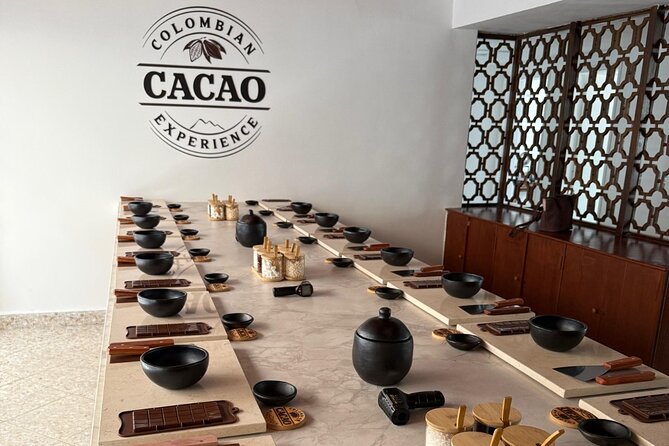
The meeting point is Cra. 80B # 35A-28 in Laureles, within the Laureles-Estadio area of Medellín. The activity starts and ends there.
You arrange your own transport. The location is near public transportation, but private transportation is not included. Allow enough time to find the address and arrive ready for the start, since the class moves through several timed stages.
Laureles is a convenient part of Medellín for combining this activity with a meal or another nearby stop. One family found it easy to walk to the class from brunch. That makes the workshop a practical choice for an afternoon plan rather than a distant day trip.
The indoor setting is a real advantage. You do not have to worry about rain, intense sun, or a change in weather spoiling the activity. It is also a good option when you want a slower afternoon after a busy morning.
The maximum group size is 20 people. That is not a private lesson, but it is still small enough for a structured class with shared participation. If your priority is one-on-one attention, a smaller group would be better. If you enjoy meeting other people while working at a table, the size should be comfortable.
What the $48.95 price really covers
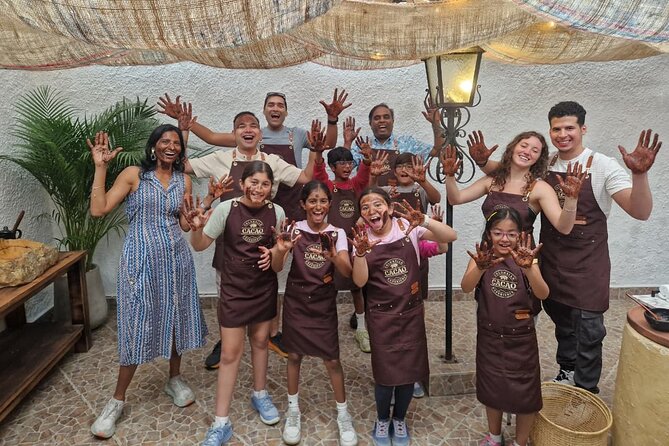
At $48.95, this is not the cheapest chocolate tasting in Medellín. The value comes from the amount of participation rather than from the quantity of chocolate served.
Your fee covers the workshop, apron, utensils, molds, ingredients, four or five cacao tastings, photo assistance, WiFi, and one chocolate bar. You also receive the time and instruction needed to move from raw cacao to a finished product.
That makes the price reasonable for someone who would otherwise pay separately for a food tasting and a craft activity. It is less compelling if you only want a quick sample or a box of ready-made chocolates.
The included photo help is a nice practical touch. The class gives you several moments worth recording, from opening the pod to grinding the beans and decorating the bar. You can ask the team to help capture those steps instead of trying to manage every photo yourself.
Plan for extra spending if you want more chocolate bars or cacao products. Personal purchases are not part of the listed price, and additional bars cost extra.
Who will enjoy this experience most
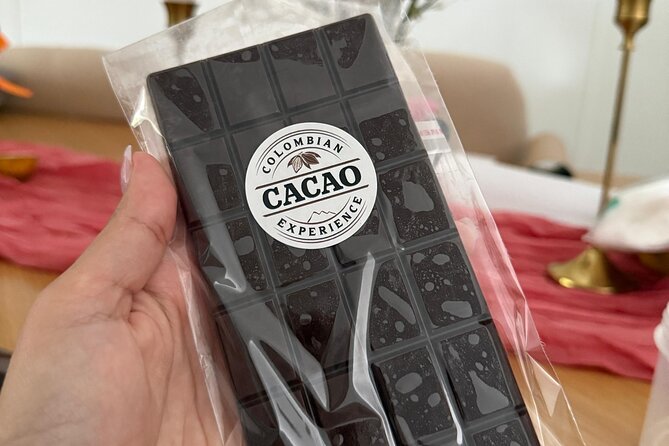
I would recommend this workshop to couples who want a shared activity, solo visitors seeking a social indoor class, and families with children aged 12 and older. The hands-on format gives young people a clear task, while the tasting and cultural background keep it from feeling like a simple candy-making session.
It also suits anyone who enjoys food traditions and wants to understand a local product from its source. You do not need to be a chocolate expert. Curiosity is enough.
The experience may be less suitable if you want a quiet tasting with little instruction, a large meal, or a factory-style look at industrial production. It is also worth considering the floor seating in the peeling area if you have mobility concerns.
The workshop is conducted in a group of up to 20, so people who want a private, highly customized class should ask about available arrangements before booking. That detail is not advertised as part of the standard experience.
Timing, cancellation, and small planning tips
The activity lasts about three hours and 30 minutes. Set aside the full block rather than trying to squeeze it between tightly timed reservations.
Confirmation arrives when you book. You can cancel for a full refund up to 24 hours before the start time. Changes or cancellations made within 24 hours are not accepted and are not refunded, with cut-off times based on Medellín’s local time.
A few simple tips will make the class easier:
- Eat beforehand, since the included food is described as tastings and snacks.
- Wear something you do not mind using around chocolate and cacao.
- Leave enough time to reach the Laureles meeting point using your own transport.
- Bring a way to carry your finished bar safely.
- Ask about extra bars if you want gifts.
- Tell the staff promptly if the floor seating or cushions cause discomfort.
Should you book the Colombian Cacao Experience?
Book it if you want to make chocolate, not just taste it. The strongest reason to choose this class is the complete chain of activities: opening the pod, roasting, peeling, grinding, tasting, tempering, and taking home a bar you shaped yourself.
I especially like the mix of Colombian food culture and practical work. The indoor setting, friendly teaching, and manageable length make it an easy addition to a Medellín itinerary. The high satisfaction level, with 99 percent of participants recommending it and a 5.0 rating from 137 reviews, supports its appeal.
Be more cautious if you expect generous chocolate portions, a full meal, or a private class. The tastings are varied, but the chocolate sample itself may feel small, and extra bars cost more. For most people who want a thoughtful, useful, and genuinely participatory food activity in Laureles, the $48.95 price is justified.
FAQ
Where does the Colombian Cacao Experience take place?
It takes place at Cra. 80B # 35A-28 in Laureles-Estadio, Medellín, Antioquia, Colombia.
How long does the cacao workshop last?
The experience lasts approximately three hours and 30 minutes.
What is included in the price?
The price includes the workshop, apron, utensils, molds, ingredients, four to five cacao-based drinks and bites, photo assistance, WiFi, and one handmade artisanal chocolate bar.
Do I need to arrange my own transportation?
Yes. Transportation is not included, so you must make your own way to The Cacao House.
Where does the activity finish?
The activity ends back at the meeting point in Laureles-Estadio.
How many people can join the workshop?
The maximum group size is 20 participants.
Will I make my own chocolate bar?
Yes. You roast, peel, and grind cacao beans, then temper and personalize a chocolate bar to take home.
Can I make additional chocolate bars?
Yes. Additional bars can be made for an extra cost.
Is the workshop suitable for children?
The experience has been enjoyed by families with children aged 12 and older. The provided information does not specify a younger minimum age.
Can I cancel for a full refund?
Yes. You can cancel at least 24 hours before the start time for a full refund. Cancellations or changes made less than 24 hours before the start are not accepted and are not refunded.
Just added in Medellin
- Tour Peñol-Guatape privado: con desayuno, almuerzo y bote★ 5.0 · 1 review
- Silletero Tour – From Medellín★ 5.0 · 1 review
- Tour Medellín: Commune13 and Pablo Escobar + Rooftop★ 5.0 · 2 reviews
- Tour Medellín: Pablo Escobar and Commune 13★ 5.0 · 3 reviews
- Medellin: Tour Pablo Escobar Privado Con Guia Local★ 5.0 · 1 review
- Tour Guatapé – Piedra del Peñol with departure from Medellín★ 5.0 · 24 reviews
- Tour Guatapé: luxury yacht to the stone of Peñol.★ 5.0 · 2 reviews
- Tour Guatapé con visita a Granja de las Llamas y las Alpacas★ 3.5 · 11 reviews
Cacao and Chocolate Workshops, compared.
Chocolate Farm Private Tour in Medellin: Real Genuine Experience
Read our review →
Eco-Hike in Minca: Coffee Tour, Waterfall & Chocolate Experience!
Read our review →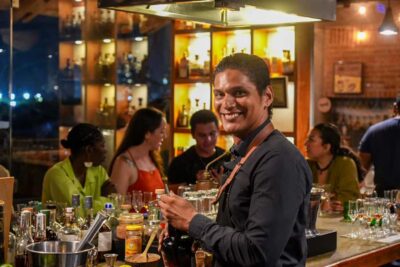
Boutique Rum and Chocolate Tasting at Lunático
Read our review →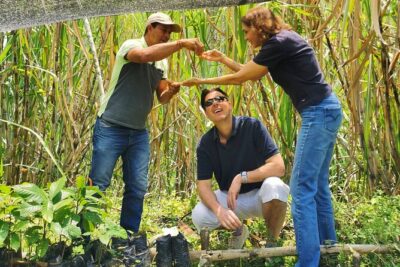
Coffee & Chocolate Private Tour in Medellin: Genuine Experience
Read our review →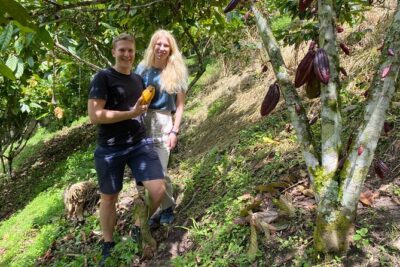
Browse the lists this tour appears in