REVIEW · COLOMBIAN COFFEE TOURS
Trekking History and Indigenous Heritage in Minca + Cacao & Coffee + Waterfall
Minca’s best walks connect nature with living culture. This 4.5-hour outing follows old trails linked to the Tayrona people, then reaches an Arhuaco family farm where coffee and cacao are explained through both farming and indigenous tradition. I like the mix of history and jungle walking, and I like that your visit helps support community projects. The main consideration is the medium difficulty: you should be in good physical condition, and the route is not suitable for children under 12 or wheelchair users.
You meet at Minca’s Central Park, beside the central chapel, and return there at the end. Guides speak English and Spanish, with Jorge, Andres, and Santiago earning especially warm praise for their friendly, informative approach. The farm visit is intended to feel personal rather than rushed, but food, drinks, and transport from Santa Marta are not included.
In This Review
- Key points to know before booking
- Starting in Minca’s Central Park
- Walking trails tied to Tayrona heritage
- At Cabanas Bosque Cacao, coffee and cacao become culture
- Time for conversation, not just a quick stop
- The waterfall offers a cool finish
- What the $41 price really covers
- Who will enjoy this Minca experience most
- What to bring for the four-hour outing
- Guides who add value to the route
- Should you book Trekking History and Indigenous Heritage in Minca?
- FAQ
- How long does the Minca tour last?
- Where does the tour begin?
- Where does the activity end?
- What languages are available?
- Is transportation from Santa Marta included?
- Is the waterfall guaranteed?
- What fitness level is needed?
Key points to know before booking
- The walk follows Tayrona heritage trails: The route links Minca’s natural setting with the history of indigenous communities descended from the Tayrona.
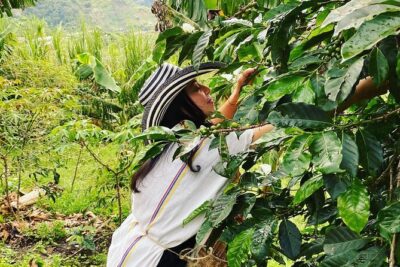
- An Arhuaco family runs the farm visit: You learn how coffee and cacao are grown, processed, and understood within the family’s connection to the land.
- The waterfall is a welcome finish: Bring swimwear because a waterfall may appear along the route, offering a chance to cool off after walking.
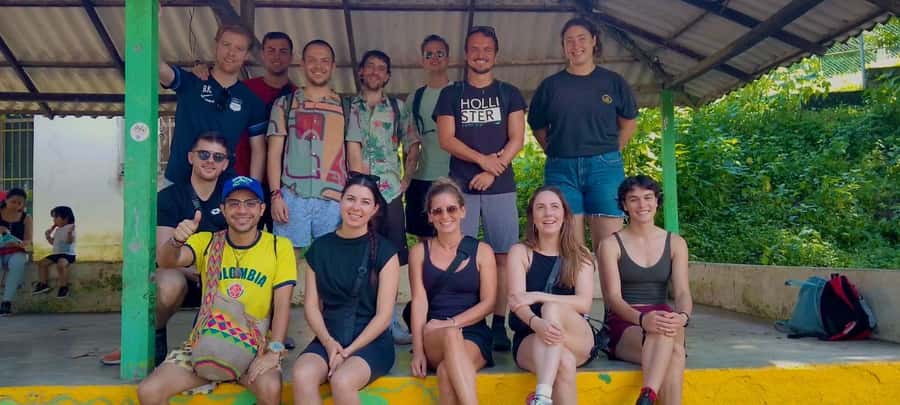
- The guide makes the difference: Jorge, Andres, and Santiago are praised for clear explanations, good conversation, and useful suggestions for exploring the Santa Marta area.
- The experience supports local projects: Part of the activity cost goes directly toward sustainable indigenous community projects.
- It is a half-day outing with real walking: Plan for about four to five hours, comfortable shoes, sun protection, insect repellent, and a reusable bottle.
Starting in Minca’s Central Park
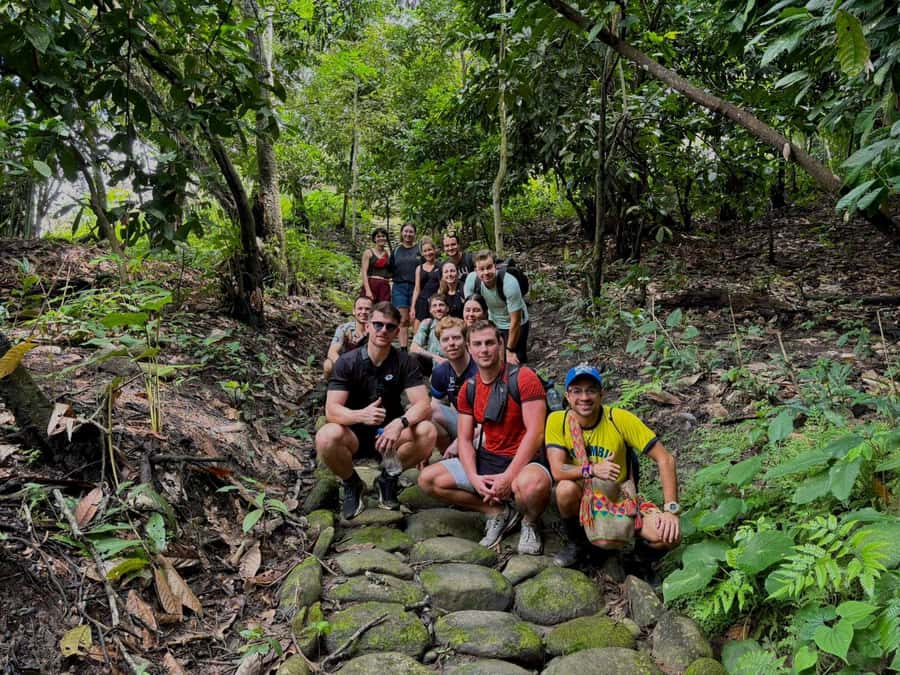
The tour begins in the easiest place to find in town: Minca’s Central Park, beside the central chapel. That simple meeting point matters because Minca is a small mountain settlement, and you do not want to be searching for an out-of-the-way office before a morning hike.
Your guide meets you there and sets the tone for the walk. English and Spanish are available, and the guide is meant to do more than lead from the front. The aim is to explain the people, plants, farming traditions, and social changes connected to the area.
Jorge is singled out for his ability to explain local communities while also offering practical ideas for the rest of a Santa Marta visit. Andres is described as informative and good-humored, which helps keep a history-focused walk from becoming a lecture. Santiago also receives strong praise. Since the experience depends heavily on conversation, having a guide who welcomes questions is a real part of its value.
The town is also where you should make your practical checks. Fill your reusable bottle before setting out if needed, apply sunscreen, and confirm that you have comfortable walking shoes. There is no included transportation, so you must arrange your own way to Minca and back to Santa Marta. The operator can provide contact information for a private driver if you need help.
More Hiking Tours in Santa Marta
- Full-Day Hiking Tour in Minca with coffee & Cocoa Workshop
★ 4.5 · 189 reviews - Eco-Hike in Minca: Coffee Tour, Waterfall & Chocolate Experience!
★ 5.0 · 140 reviews - Santa Marta: Trekking in Minca Complete Waterfall Circuit
★ 4.4 · 28 reviews
Walking trails tied to Tayrona heritage
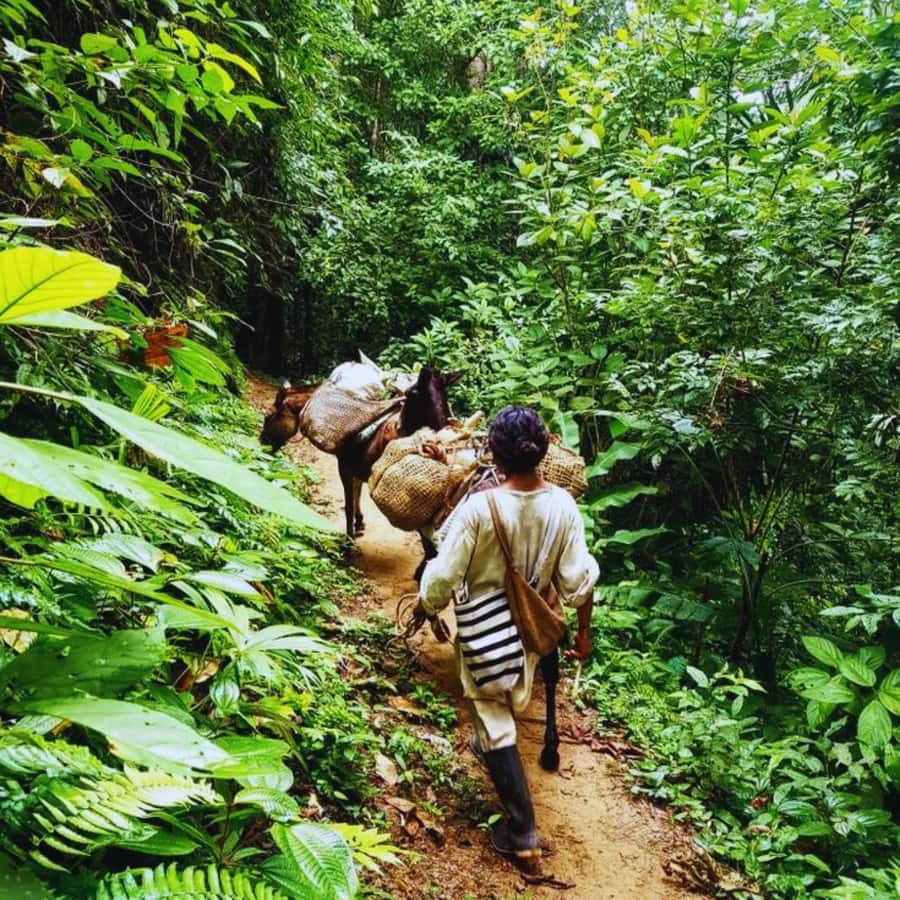
The first major part of the outing is a guided hike along nature trails associated with Tayrona heritage. This is not presented as a museum visit or a display of old ruins. Instead, the history is explained as you move through the territory where indigenous knowledge and daily life remain connected to the natural world.
The tour introduces the Kogui, Wiwa, Arhuaco, and Kankuamo peoples, all communities descended from or linked to the broader Tayrona cultural tradition. You hear about their continued relationship with nature, ancestral knowledge, and the ways they have faced social and cultural change.
That context gives the walk more purpose. Plants and wildlife are not treated as scenery alone. Your guide explains how the ecosystem relates to traditional practices and how people have lived with the area over many generations. The experience is strongest for someone who wants to understand Minca as a lived place, not just a pretty mountain stop.
Expect walking on natural trails rather than a paved path. The stated difficulty is medium, and good physical condition is recommended. The information does not specify exact distances, elevation gain, or trail conditions, so you should be ready for uneven ground and changes in weather without assuming the route will be easy.
Rain does not automatically cancel the activity. It runs in normal wet weather and changes only in extreme conditions. That makes sensible clothing important. Hiking pants, sturdy shoes, biodegradable sunscreen, and biodegradable insect repellent are all useful choices.
At Cabanas Bosque Cacao, coffee and cacao become culture
The farm stop at Cabanas Bosque Cacao is the heart of the outing. It is managed by an Arhuaco family, and the visit looks at coffee and cacao as more than products sold to visitors.
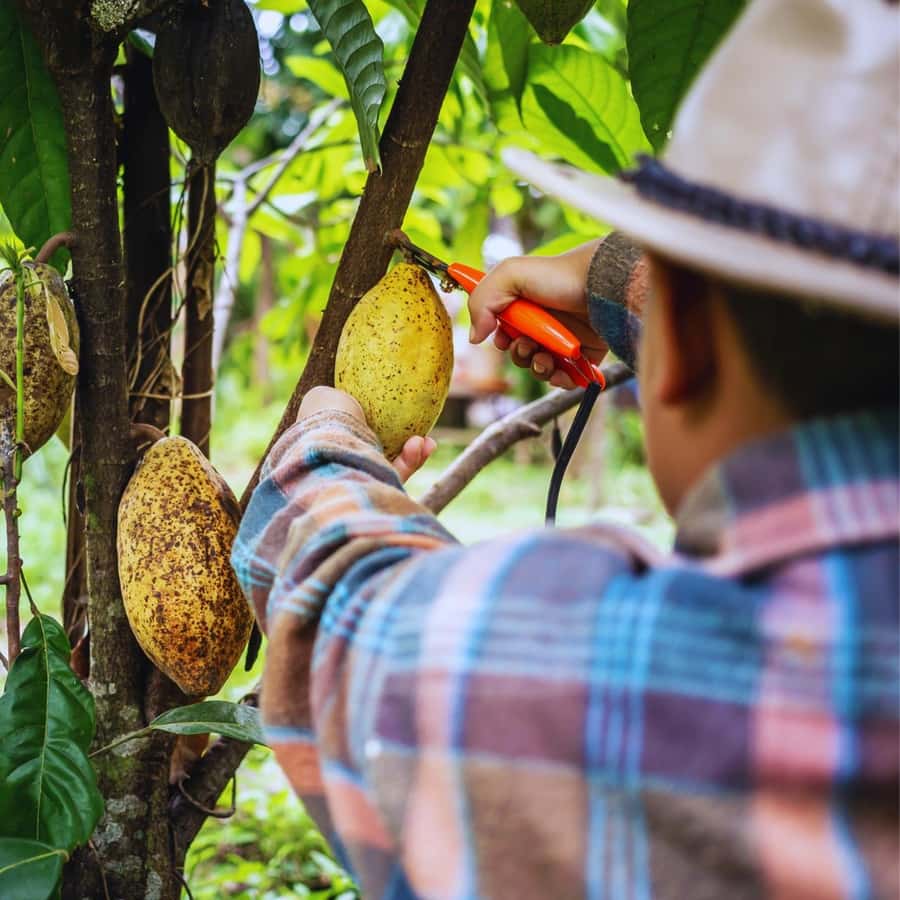
You learn about cultivation and the steps used to transform the harvest. You also hear how these crops fit within an indigenous view of land, community, and daily life. The family discusses its way of living, the persistence of its traditions, and the social changes affecting its territory.
That makes this stop more valuable than a standard tasting. You are not simply shown a bean, handed a cup, and sent on your way. The stated goal is to connect farming practices with the family’s identity and relationship to the land. For me, this is the part that gives the excursion its strongest sense of place.
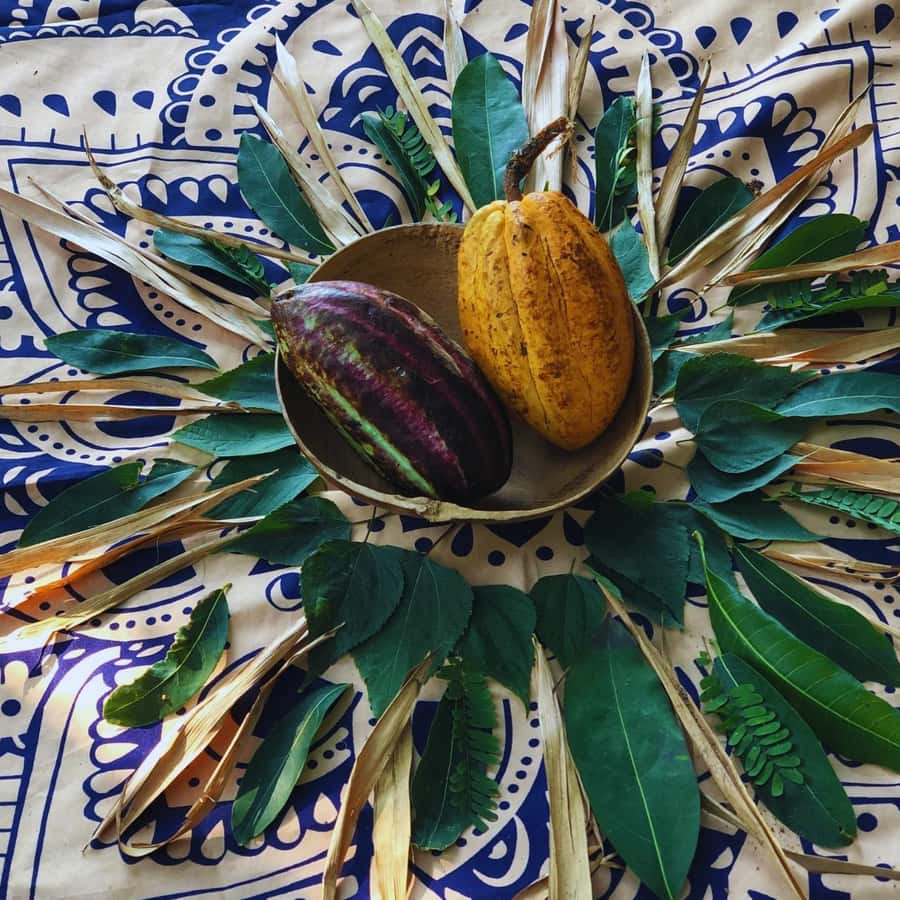
The visit includes traditional cacao and coffee tasting. Exact tasting portions and the specific preparations are not listed, so you should think of this as an educational farm visit with samples, not a full meal or café stop. Food and extra beverages are not included. If you need a substantial breakfast or lunch, plan to eat separately before or after the tour.
The farm visit can also be a good fit if you do not know much about indigenous agriculture. The guide provides the wider background, while the family offers a direct connection to how the products are grown and used. One especially useful detail from the experience is that a family member’s son explained the process in English during one visit. That suggests the farm portion can work well for English speakers, though the operator lists both English and Spanish as available languages.
Time for conversation, not just a quick stop
A strong cultural visit needs time for questions. Here, part of the farm experience is set aside to talk with members of the Arhuaco community. That is important because it gives you a chance to hear about daily life and changing circumstances rather than receiving only a prepared explanation from the guide.
You should approach this conversation with care. The activity specifically asks you to follow the indigenous community’s instructions and behave respectfully. Do not treat the farm as a stage set or assume every subject is open for casual photography or discussion. The rules also prohibit littering, intoxication, alcohol, drugs, weapons, and sharp objects.
The direct contribution to indigenous community projects adds another practical reason to choose this activity. You are paying for guiding, walking, tasting, and access to the farm, but part of the fee also supports sustainable projects. The information does not identify the exact projects or give a breakdown of the contribution, so you should not expect a detailed financial report. Still, the structure is more community-focused than a standard sightseeing stop.
More History Tours in Santa Marta
- Historic Center Bike Tour
★ 5.0 · 108 reviews - Santa Marta A Historical & Street food Experience
★ 4.7 · 41 reviews - Private Half Day Cultural Tour of Historic Mompox
★ 4.5 · 10 reviews - Private Santa Marta Historic Center Walking Tour
★ 5.0 · 1 review
The waterfall offers a cool finish

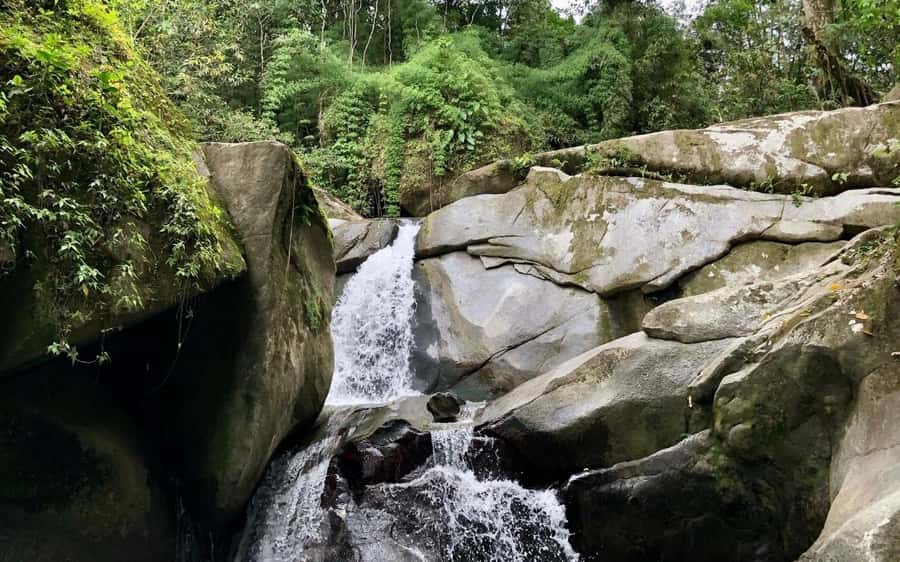
The final natural highlight is time at a waterfall. The route may encounter a waterfall along the way, so swimwear is recommended even though the exact water stop cannot be guaranteed in every outing.
After walking on forest trails, a waterfall is a sensible ending. You can pause, cool off, and enjoy the setting without needing another scheduled talk. One account describes the waterfall as a pleasant place for a cooling swim after the walk, which makes a swimsuit more than a theoretical packing suggestion.
Do not count on a long swimming session. The duration is about 4.5 hours, and the waterfall is one part of a route that also includes the cultural walk and farm visit. Conditions may vary with weather, too. Bring a towel or clothes that dry reasonably quickly, even though towels are not listed among the included items.
The water stop also suits the overall theme of the outing. The waterfall is presented as a place where the natural setting and local identity meet. You finish with a direct experience of the water and forest rather than ending indoors after the farm talk.
What the $41 price really covers
At $41 per person, this is reasonably priced for a half-day experience that includes a bilingual local guide, a guided heritage walk, an indigenous farm visit, tastings, conversation with the Arhuaco community, waterfall access, assistance insurance, and a contribution to community projects.
The value depends on what you want from Minca. If you only want an inexpensive walk and a swim, you may find the cultural explanation less useful than the scenery. If you want a guide to connect the forest, Tayrona heritage, indigenous communities, coffee, and cacao, the price makes more sense.
Transport is the main extra cost to remember. You must reach Minca on your own, and food and drinks are also excluded. If you are staying in Santa Marta, ask about the private-driver contact before booking rather than assuming a transfer is part of the package.
The flexible booking terms help reduce risk. You can cancel up to 24 hours before the activity for a full refund, and you can reserve now and pay later. Include your WhatsApp number when booking so the operator can send the meeting details and other instructions.
Who will enjoy this Minca experience most
I would choose this tour if you want a first introduction to Minca that includes more than forest views. It works particularly well for:
- People interested in indigenous history and present-day communities
- Coffee and cacao fans who want to see how crops are grown and processed
- Hikers comfortable with a medium-level route
- English or Spanish speakers who value a bilingual guide
- Visitors seeking a small-scale cultural experience with direct community involvement
- Anyone who wants a waterfall stop without giving up a history and farming focus
It is less suitable if you need a fully accessible route, dislike uneven walking, or want a relaxed café-style afternoon. It is not suitable for children under 12, wheelchair users, or people over 95. The tour lasts roughly four to five hours, so it also requires a half-day commitment rather than a quick town activity.
The experience takes place rain or shine except in extreme conditions. That is good news for planning, but you should not pack as if Minca guarantees dry weather. Wear practical clothing and protect your phone and other valuables if rain is possible.
What to bring for the four-hour outing
The operator’s packing advice is sensible. I would bring:
- Comfortable walking shoes or hiking shoes
- Lightweight hiking pants and comfortable clothing
- A sun hat and sunscreen
- Biodegradable insect repellent
- A reusable water bottle
- Swimwear for the possible waterfall stop
- Basic trekking gear suited to the weather
Use biodegradable sunscreen and insect repellent because the route passes through a natural setting and includes a community-run farm. Food and beverages are not included, so plan around that. The available information does not specify whether snacks or water are supplied, making your own reusable bottle the safe choice.
Avoid alcohol, drugs, weapons, sharp objects, and any behavior that could damage the setting or disrespect the community. Littering is prohibited, and cultural respect is not a minor footnote here. It is central to making the farm visit appropriate.
Guides who add value to the route
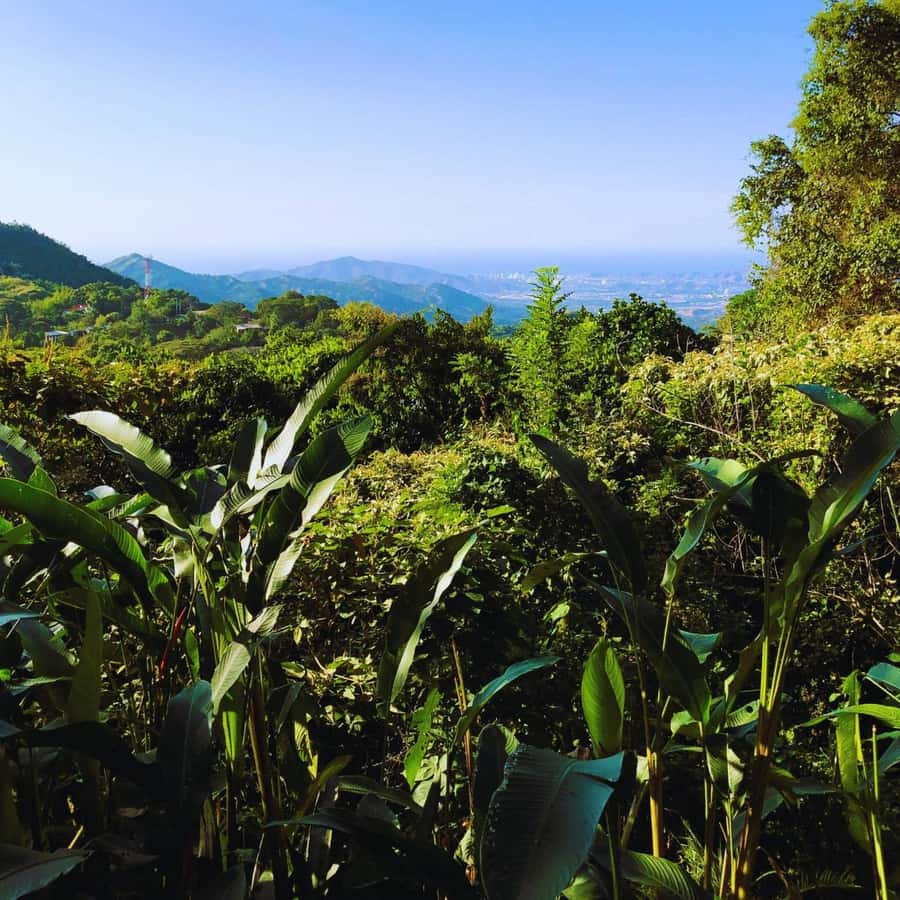
The most consistently praised part of this experience is the guiding. Jorge is described as social and ready to answer questions. Andres brings facts and humor together, and Santiago receives especially strong personal praise. Those details matter because a route covering indigenous history, farming, and ecology can feel dry if the explanation is stiff.
A good guide also helps you connect separate parts of the day. The forest is not just the walk before the farm. The farm is not just a tasting. The waterfall is not just a photo stop. The guide’s job is to show how these pieces relate to Minca and to the communities who live here.
You should still keep your expectations realistic. A 4.5-hour tour cannot provide a full study of four indigenous communities, coffee production, cacao processing, and Minca’s ecology. Think of it as a thoughtful introduction with room for questions, not a specialist research visit.
Should you book Trekking History and Indigenous Heritage in Minca?
Book it if you want your time in Minca to include people and ideas as well as scenery. The combination of Tayrona heritage trails, an Arhuaco-run cacao and coffee farm, tastings, bilingual guiding, and a possible waterfall swim gives you a useful half-day view of the area.
The best reasons to choose it are the strong guide feedback, the personal farm visit, and the direct contribution to community projects. The main reasons to pause are the medium physical difficulty, excluded transport and food, and the fact that the waterfall may depend on the route and conditions.
For a first day in Minca, I think this is a smart choice. You get local orientation, cultural context, nature, and practical advice for the wider Santa Marta area. Pack for heat, rain, insects, and a possible swim, then meet at the chapel in Central Park ready to walk.
FAQ
How long does the Minca tour last?
The activity lasts approximately 4.5 hours, with the total duration described as about four to five hours.
Where does the tour begin?
You meet the guide at Minca’s Central Park, beside the central chapel.
Where does the activity end?
The tour ends back at Minca’s Central Park, the same meeting point.
What languages are available?
The tour is available in English and Spanish with a live local guide.
Is transportation from Santa Marta included?
No. Transportation is not included. If you need help arranging transport between Santa Marta and Minca, the operator can provide contact information for a private driver.
Is the waterfall guaranteed?
No. The route may encounter a waterfall along the way, so you should bring swimwear, but the information does not guarantee a waterfall stop on every outing.
What fitness level is needed?
The trek has a medium difficulty level, and good physical condition is recommended. It is not suitable for wheelchair users or children under 12.
More Coffee Tours in Minca
- Minca: Full-Day Coffee and Cocoa Tour from Santa Marta
★ 4.5 · 61 reviews - Coffee, Cocoa and Trekking Tour in Minca: Nature, Crops and Production
★ 4.7 · 21 reviews - Coffee and Cocoa Tour in Minca!
★ 5.0 · 1 review - Half Day Bike Tour in Medellin – Local snack, Coffee or Beer
★ 5.0 · 2,509 reviews
More Waterfall Tours in Santa Marta
- MINCA TOUR – Explore waterfalls and discover the origin of coffee and cocoa
★ 4.5 · 166 reviews - Santa Marta: Minca Coffee, Cocoa, & Waterfall Full-Day Trip
★ 4.6 · 102 reviews - Minca: Hidden Waterfall + Coffee and Cocoa Workshop
★ 4.9 · 6 reviews - Minca, Marinka Waterfall & Hostel Sierra Minca
★ 4.7 · 3 reviews
Just added in Minca
- Sierra Minca Day Tour★ 5.0 · 10 reviews
- Santa Marta: Trekking in Minca Complete Waterfall Circuit★ 4.4 · 28 reviews
- Minca, Marinka Waterfall & Hostel Sierra Minca★ 4.7 · 3 reviews
- Minca: Hidden Waterfall + Coffee and Cocoa Workshop★ 4.9 · 6 reviews
- Coffee, Cocoa and Trekking Tour in Minca: Nature, Crops and Production★ 4.7 · 21 reviews
- Coffee and Cocoa Tour in Minca!★ 5.0 · 1 review
- Avistamiento de aves en Minca Sierra Nevada de Santa Marta★ 5.0 · 4 reviews
- Minca: Full-Day Coffee and Cocoa Tour from Santa Marta★ 4.5 · 61 reviews
Colombian Coffee Tours, compared.

Half Day Bike Tour in Medellin – Local snack, Coffee or Beer
Read our review →
Half-Day Coffee Tour: From the Seed to the Cup, Farm & roastery
Read our review →
Coffee Tour with Transport, Snacks and Tastings
Read our review →
Electric Bike City Tour Medellin With Colombian Coffee and Snack
Read our review →
Private Coffee Farm Tour in Medellin: Real Authentic Experience
Read our review →
Guatape & Coffee Farm & El Peñol Rock & Quaint Town: Best Combo
Read our review →