
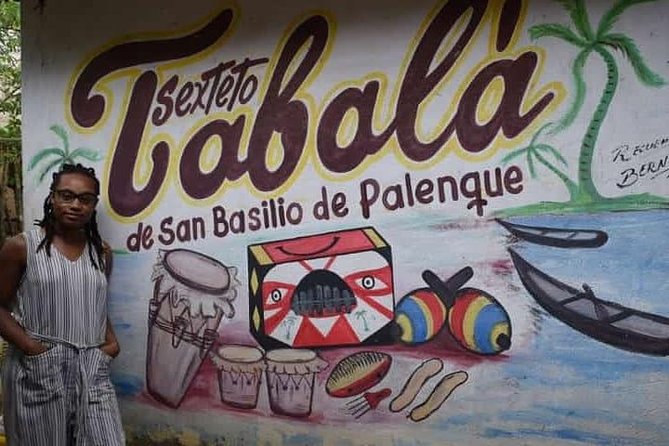
REVIEW · SAN BASILIO DE PALENQUE HERITAGE TOURS
Saint Basil of Palenque; Historical and cultural experience
A living story begins outside Cartagena. San Basilio de Palenque offers a rare chance to learn about Afro-Colombian freedom, language, music, and daily life with help from local guides. I especially like the small group limit of 10 people and the chance to meet residents rather than simply look at exhibits. The main trade-off is the long, warm day, with roughly seven hours in total and a drive of about 60 kilometers each way.
I also like that the price includes an air-conditioned vehicle and a typical local lunch. Guides such as Alberto, Roberto, Antonio, Alfonso, and Vanessa have helped make this outing personal and well organized, although the exact team may vary. You should expect heat, walking, and a moderate fitness requirement, so this is not the easiest choice if you want a slow morning near Cartagena’s old town.
In This Review
- Key Points at a Glance
- Why San Basilio de Palenque Matters
- The Morning Meeting in Cartagena
- Arriving in a Community Built on Freedom
- Music, Dance, and the Meaning of Participation
- Boxing, Local Medicine, and Everyday Knowledge
- Lunch with Coconut Fish and Rice
- Guide Quality and Language Support
- Is the $111 Price Good Value?
- Heat, Walking, and Other Practical Concerns
- Who Will Enjoy This Day Most?
- Should You Book San Basilio de Palenque?
- FAQ
- Where does the tour start?
- What time does the tour begin?
- How long does the experience last?
- How far is San Basilio de Palenque from Cartagena?
- Is transportation included?
- Is lunch included?
- Is the tour offered in English?
- How many people can join the tour?
- Can I cancel for a full refund?
- What happens if bad weather cancels the tour?
Key Points at a Glance
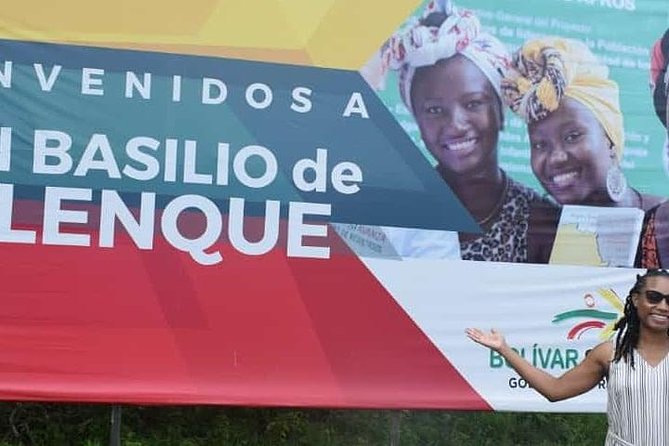
- San Basilio de Palenque is about 60 kilometers from Cartagena, making this a practical full-day cultural outing rather than a quick city activity.
- The community descends from African maroons, people who escaped enslavement and built independent settlements in the region.
- A local Palenquero guide leads much of the visit, adding direct knowledge of the town, its customs, and its people.
- Music, dance, boxing, local medicine, and language may all form part of the day, depending on the activities arranged.
- A typical lunch is included, with coconut fish and rice among the dishes served on one reported visit.
- The group is capped at 10 people, and transport, lunch, and return to the starting point are included.
Why San Basilio de Palenque Matters
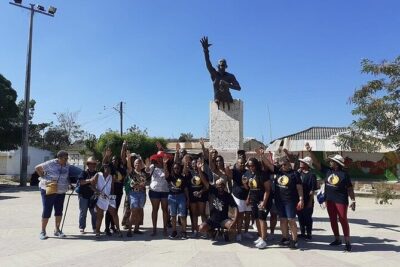
San Basilio de Palenque is not simply another village excursion from Cartagena. It is tied to one of the most important chapters in Colombia’s history: the resistance of enslaved Africans who escaped colonial control and formed their own settlements.
The town’s story reaches back to the 17th century. Domingo Biohó is remembered as the legendary leader of the maroon communities. Spanish authorities worried about fugitives leaving Cartagena and nearby areas, especially because these escapees carried tools and firearms and established settlements in hard-to-reach swamps.
From these fortified communities, people moved toward the Magdalena River valley and attacked boats carrying food, gold, and merchandise. Conflict continued for nearly a century. In 1691, the Spanish Crown chose negotiation and granted land to the people who had built these settlements.
That background gives the visit real weight. You are not only hearing about suffering under slavery. You are learning about organization, resistance, negotiation, and survival. The town represents a community that fought to preserve its freedom and identity.
The experience also connects the past with present-day life. You may hear local expressions, see cultural demonstrations, and meet people who continue traditions shaped by Africa and Colombia. That makes the visit more direct than a history lecture in a museum.
More History Tours in Cartagena
- Cartagena: Historic Center and Getsemaní Shared Walking Tour
★ 4.9 · 2,716 reviews - Historic Center & Getsemaní Shared Tour in Cartagena
★ 5.0 · 620 reviews - San Basilio de Palenque History Tour
★ 5.0 · 301 reviews
The Morning Meeting in Cartagena
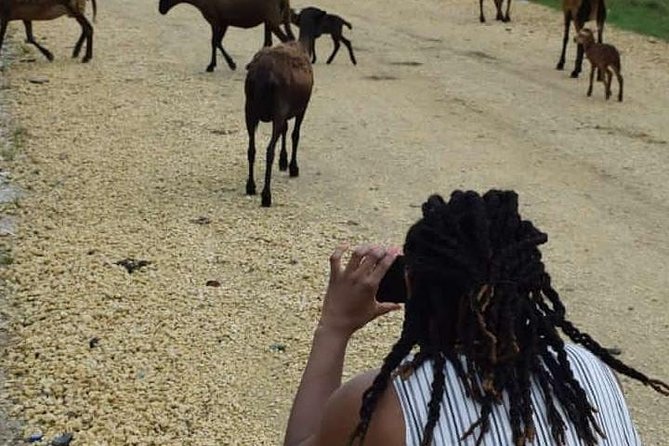
The tour begins at 8:00 am at Plaza de la Aduana in Cartagena’s El Centro, at Cl. 32 #130. The activity returns to this same meeting point at the end of the day.
An early start makes sense. The outing lasts about seven hours, and the trip beyond Cartagena takes time. If your accommodation is elsewhere, check how you will reach Plaza de la Aduana before departure. The provided meeting point is clear, but hotel pickup is not listed as a standard feature.
Some arrangements have included hotel pickup, with Roberto meeting the group alongside Alfonso, the driver. Since pickup details can differ, I would confirm this before assuming you can wait outside your hotel. The safest plan is to treat Plaza de la Aduana as the official starting point.
The drive takes place in an air-conditioned vehicle, a useful comfort in Cartagena’s heat. Along the way, a guide may explain parts of Colombia’s past and present. This road portion is not wasted time. It helps you move from the tourist center into areas where you can see more of everyday life.
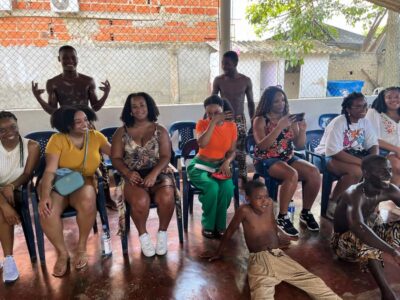
The group size matters here. With no more than 10 people, it should be easier to hear the guide, ask questions, and take part in activities. A small group also suits a community visit better than a large coach. You are less likely to feel like you are being moved through a set of stops.
Arriving in a Community Built on Freedom
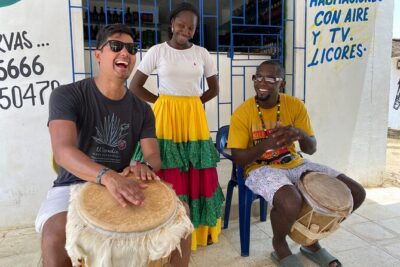
The arrival in San Basilio de Palenque can feel different from a standard sightseeing stop. One account describes a musical welcome, with visitors invited to play along. That detail gives you an idea of the tone: participation matters.
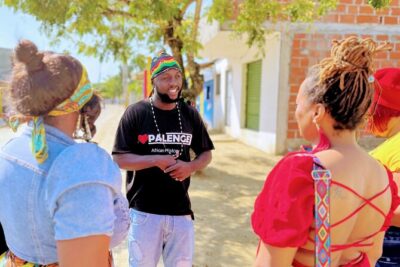
The visit is designed around contact with local people and places. Antonio, a local Palenquero guide on one occasion, led the group through the town and explained its history and customs. Roberto translated along the way when needed. This pairing is valuable because interpretation is not limited to a guide repeating general facts. It can connect local speech, personal stories, and cultural details for English-speaking visitors.
The tour is offered in English, but local language remains part of the experience. Antonio taught visitors phrases still used in Palenque. That is one of the most memorable ways to understand that this is a living culture, not a historical display frozen in time.
You may visit homes or community spaces where residents explain aspects of daily life. The information provided describes people opening their doors and sharing how they live. That can be rewarding, but it also calls for courtesy. Listen carefully, ask before taking photographs, and remember that you are entering a real community rather than a staged attraction.
Music, Dance, and the Meaning of Participation
Music appears to be one of the strongest parts of the day. A musical welcome and a dance presentation can make the history easier to feel, but the experience is not only for watching. You may be invited to join in.
That participation can be slightly outside your comfort zone, especially if you are shy or not used to performing in front of a group. I see that as part of the value. You are not being asked to master a traditional performance. You are being given a small way to respond to the welcome.
The dance show adds another layer to the visit. Music and movement carry family memory, social identity, and community pride. The tour does not present Palenque only through dates and political events. It shows how culture continues through sound, movement, food, and speech.
A camera may also be part of the day. Vanessa has accompanied groups during the journey and photographed activities, with pictures provided afterward on at least one visit. That is a useful extra, especially if you are traveling alone and want a record of the day. Confirm the current photo arrangement if this matters to you, since guide teams and inclusions can change.
More San Basilio de Palenque heritage visits:
- Tour De Palenque, Road to Emancipation.
★ 5.0 · 1,678 reviews - Freedom Tour of Palenque
★ 5.0 · 467 reviews - Cartagena: Palenque´s tour, dance show, lunch, pick-Up inclu
★ 4.7 · 182 reviews - Tour a san Basilio de Palenque desde cartagena
★ 5.0 · 123 reviews
Boxing, Local Medicine, and Everyday Knowledge
The activities can extend beyond music and dance. One reported program included boxing training, an explanation of local medicine, and a walk around town.
Boxing has a special place in the cultural picture presented during the tour. A short training session gives you something active to do while showing another side of community life. You do not need to treat it as a serious sports lesson, but you should be ready for movement if you plan to take part.
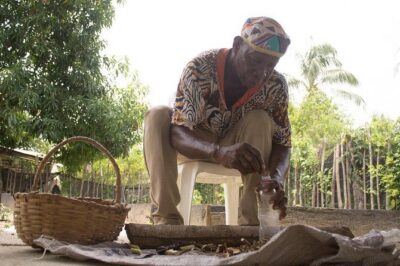
The local medicine presentation offers a chance to hear how plants and traditional practices are understood in the community. It is best approached as cultural knowledge rather than medical advice. The value is in learning how residents describe their own practices and relationship with the natural world.
The town walk brings these pieces together. Instead of limiting the visit to one performance, it shows how culture appears in ordinary spaces and conversations. I find that approach more useful than a tour built around a single photo stop.
At the same time, the exact combination of activities may vary. The supplied details refer to music, dance, boxing, local medicine, language, food, and a walk, but they do not promise a fixed schedule for every departure. If one particular activity matters most to you, ask the provider before booking.
Lunch with Coconut Fish and Rice
Lunch is included, and the meal can be an important part of the cultural experience. One menu described coconut fish and rice prepared by local women. That is a more meaningful meal than a generic restaurant stop because it connects food with the community you came to visit.
You should still keep your expectations practical. A typical lunch is not the same as a menu with several choices. The provided information does not specify options for dietary restrictions, drinks, or substitutions. If you have allergies or follow a special diet, contact Vivamos Colombia Travel before departure.
Drinks have also been included during at least one reported outing, but they are not listed separately among the official inclusions. I would treat the confirmed inclusion as the typical lunch, while checking about drinks or special requests in advance.
The lunch break also gives you time to slow down. The day includes a drive, walking, conversation, demonstrations, and possible physical activities. A seated meal in the community helps keep the pace manageable.
Guide Quality and Language Support
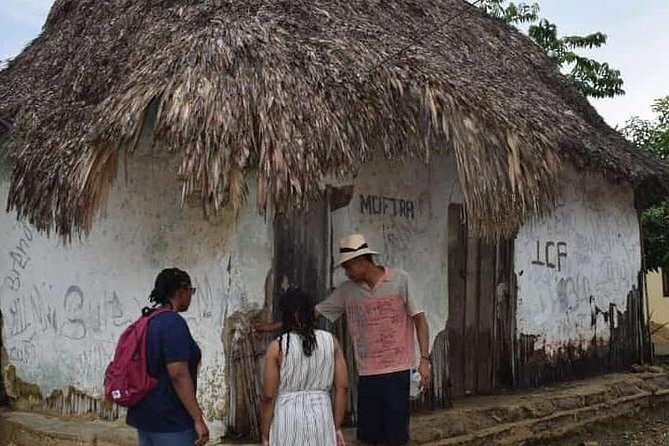
The people leading the day are central to its success. A local guide can explain details that an outside guide may miss, including the meaning of words, customs, and personal connections.
Antonio has been described as a Palenquero guide who explained the town’s past and people with care. Roberto has provided translation and historical context during the drive and the walk. Alberto has led the tour for other groups, while Vanessa has guided portions of the route and taken photographs. Alfonso has served as a driver.
These names show the range of roles involved, but you should not assume that every person will be present on your date. The provider is Vivamos Colombia Travel, and guide assignments may change.
The English-language option is important if you do not speak Spanish. Translation allows you to follow explanations and interact more comfortably with residents. Still, some local phrases may not translate neatly. That is part of the charm, not a flaw. Learning even a few expressions can make the visit feel more respectful and open.
The best approach is to ask questions and stay curious. This is a cultural exchange, not just a ride to a photo opportunity.
Is the $111 Price Good Value?
At $111 per person, the tour costs more than a simple independent bus ride to an outlying town. The comparison is not quite fair, though. The fee includes an air-conditioned vehicle, a typical lunch, English-language support, a local guide, and a planned set of cultural activities.
You are also paying for the coordination needed to reach a community 60 kilometers from Cartagena and return to the original meeting point within roughly seven hours. A small group limit of 10 adds value because the guide can give more attention than on a large coach tour.
The strongest value comes from the access and context. You could potentially reach the area on your own, but arranging transport, translation, local introductions, lunch, and cultural visits would be more difficult. The tour puts those pieces together.
I would not choose it because it is the cheapest day out. I would choose it because it offers something a beach trip or party boat cannot: a direct look at Afro-Colombian history and present-day community life. If cultural learning is a main reason you travel, $111 is a reasonable price for the package.
Heat, Walking, and Other Practical Concerns
The tour requires a moderate level of physical fitness. You should expect walking around town, time outdoors, and possible participation in boxing or dance activities. The exact walking distance is not provided, so anyone with mobility concerns should ask the provider for more detail.
Heat is another real factor. One guide brought umbrellas because the conditions were expected to be hot. That small detail is useful advice: carry water, wear light clothing, and bring sun protection. An umbrella may also help.
The air-conditioned vehicle provides relief during the drive, but it does not change the outdoor conditions in Palenque. Comfortable shoes are sensible because the day includes a town walk rather than only seated stops.
Weather can affect the departure. If poor weather causes cancellation, you are offered another date or a full refund. The activity also requires a minimum number of participants, so a cancellation is possible if that number is not reached. Free cancellation is available when you cancel at least 24 hours before the start time. Last-minute cancellations and changes are not accepted for a refund.
Service animals are allowed, and the activity is near public transportation, though the official meeting point remains Plaza de la Aduana.
Who Will Enjoy This Day Most?
I would recommend this experience to you if you want to understand Cartagena beyond its colonial center. It suits people who value local history, Afro-Colombian culture, music, food, and conversation more than a polished sightseeing circuit.
Solo visitors can fit in well, since the small group gives you a chance to meet other people while taking part in a shared activity. The reported experience of a solo participant included making new connections during the day.
It also suits families with older children or teenagers who can manage heat and walking. The boxing, music, and food may hold their attention better than a long lecture. The provider’s moderate fitness requirement still matters.
I would hesitate to recommend it if you have only one short morning in Cartagena, dislike heat, or want a quiet day with no group participation. I would also ask more questions first if you need firm dietary, mobility, or scheduling arrangements.
Should You Book San Basilio de Palenque?
Book it if you want a serious cultural day with room for music, food, local conversation, and history. The strongest features are the small group, the local guide, the included lunch, and the chance to learn about a community founded by people who fought for freedom.
Go with an open mind and practical preparation. Wear light clothing, bring sun protection, expect some walking, and be ready to join in rather than only observe. For a meaningful change of pace from Cartagena’s old town, this is one of the more worthwhile choices.
FAQ
Where does the tour start?
The tour starts at Plaza de la Aduana, Cl. 32 #130, in El Centro, Cartagena de Indias.
What time does the tour begin?
The scheduled start time is 8:00 am.
How long does the experience last?
The tour lasts approximately seven hours.
How far is San Basilio de Palenque from Cartagena?
San Basilio de Palenque is located about 60 kilometers from Cartagena.
Is transportation included?
Yes. An air-conditioned vehicle is included, and the activity ends back at the original meeting point.
Is lunch included?
Yes. A typical lunch is included. One meal served during the experience included coconut fish and rice.
Is the tour offered in English?
Yes. The experience is offered in English, with translation support available during the cultural visit.
How many people can join the tour?
The activity has a maximum group size of 10 people.
Can I cancel for a full refund?
Yes, if you cancel at least 24 hours before the scheduled start time. Cancellations or changes made less than 24 hours before departure are not refunded.
What happens if bad weather cancels the tour?
If poor weather causes cancellation, you can choose another date or receive a full refund. A different date, experience, or full refund may also be offered if the minimum number of participants is not reached.
Just added in Cartagena
- Exotic Yacht – Tour through the bay of Cartagena★ 3.7 · 4 reviews
- White Night Boat Party: Dinner Buffet, Dancing and Open Bar★ 4.6 · 3 reviews
- Volcan del Totumo + Playa + Piscina★ 4.7 · 4 reviews
- Enjoy the totumo volcano from cartagena + snack★ 4.0 · 11 reviews
- Private Tour to Tayrona National Park★ 4.0 · 2 reviews
- 18.Transfer (Rafael N-Hotel Decameron Baru Airport) or vice versa★ 5.0 · 1 review
- One-day tour to Playa Blanca by land Popular sector★ 3.0 · 2 reviews
- Full Day Private Activity Mangata Island Kayak and Lunch★ 5.0 · 15 reviews
San Basilio de Palenque Heritage Tours, compared.

Palenque´s tour, dance show, lunch, pick-Up inclu
Read our review →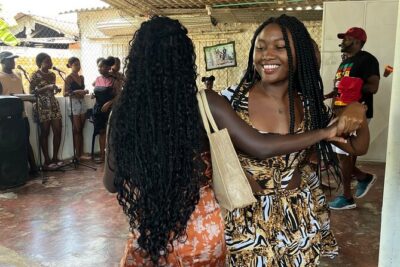
Tour a san Basilio de Palenque desde cartagena
Read our review →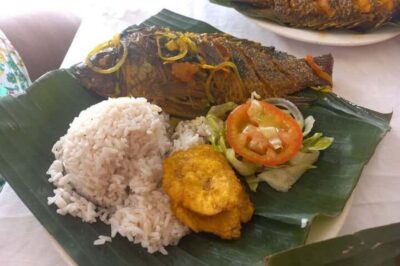
Visit Palenque with natives : history, culture and ancestral legacy
Read our review →Browse the lists this tour appears in