
REVIEW · SAN BASILIO DE PALENQUE HERITAGE TOURS
PALENQUE – Historical and Cultural Tour with African Natives
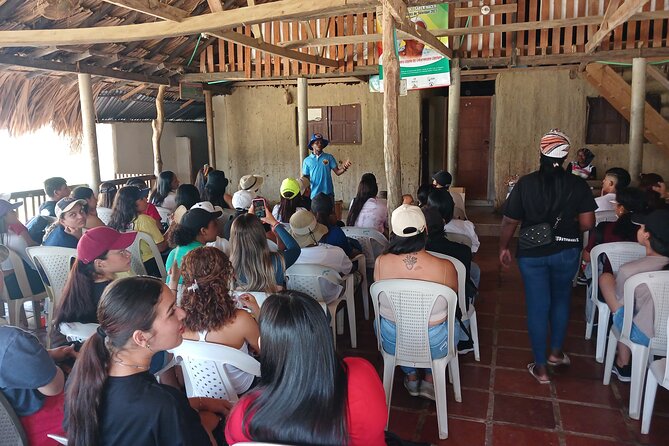
Palenque begins with music. This six-hour private trip from Cartagena takes you into San Basilio de Palenque, a community founded by formerly enslaved Africans and known for preserving its own traditions, language, songs, and customs. I like the opening welcome at the House of Palenquero Knowledge, where music and dance introduce both joyful songs and funeral music. I also like the local focus: guides such as Terry, AhKee, and Gabriel explain their home rather than simply pointing out monuments. The main consideration is the travel time and heat. The drive can take about one hour and 15 minutes, and the full pickup window begins two hours before the experience.
This is not a quick Cartagena sightseeing stop. It is a serious cultural visit with a slower pace, a private group, and time to ask questions. The morning departure can help you visit the traditional medicine space while it is open, but early traffic may make the journey longer. A later departure may avoid the worst morning traffic, yet the village can become busier after noon.
In This Review
- Key points before you book
- Why San Basilio de Palenque matters
- The drive from Cartagena to Palenque
- Music, dance, and the first welcome
- Benkos Bioho and the story of resistance
- Palenquero language on the village mural
- The Musical House Museum
- Traditional medicine and the local blessing
- Boxing and the strength of local identity
- The Palenquera House Museum
- Lunch and the pace of the afternoon
- Is $110 a fair price?
- Who will enjoy this trip most?
- Booking, cancellation, and practical planning
- FAQ
- Where does the Palenque tour take place?
- How long does the experience last?
- Is pickup available from Cartagena?
- Is the tour conducted in English?
- Is this a private tour?
- What places are visited in Palenque?
- Is lunch included?
- Can I cancel for a full refund?
- Should you book the Palenque tour?
Key points before you book
- Music opens the visit: Expect a welcome of Palenque music and dance at the House of Palenquero Knowledge, including happy and funeral songs.
- A living Afro-Colombian community: The route covers important local spaces rather than only a single monument or photo stop.
- Several voices guide the day: Terry, AhKee, Gabriel, and other English-speaking local guides are associated with the experience.
- Private group format: Only your group participates, which gives you more room to set the pace and ask questions.
- Lunch is part of the day: The meal has included fresh-caught fish, along with other dish choices.
- Plan around heat and timing: Bring a fan, expect a long day, and consider the tradeoff between morning access and morning traffic.
Why San Basilio de Palenque matters
San Basilio de Palenque is more than a day trip outside Cartagena. It represents the survival of maroon communities in the Americas, formed by Africans who resisted enslavement and created independent settlements. The visit connects that past with life in the community today.
The experience presents this story through places, people, music, and spoken explanation. That matters because a museum display alone can make the past feel sealed away. Here, the history is tied to language, medicine, boxing, family life, and local pride.
You will not be rushed from one major attraction to another. The route moves through several modest but meaningful spaces, and the value comes from the explanations. If you want an easy checklist of grand buildings, this may feel light on traditional sightseeing. If you want to understand how a community carries its identity forward, the format makes much more sense.
More History Tours in Cartagena
- Cartagena: Historic Center and Getsemaní Shared Walking Tour
★ 4.9 · 2,716 reviews - Historic Center & Getsemaní Shared Tour in Cartagena
★ 5.0 · 620 reviews - San Basilio de Palenque History Tour
★ 5.0 · 301 reviews
The drive from Cartagena to Palenque
Pickup is offered, and all pickups take place two hours before the experience begins. That early collection time is important when planning your Cartagena day, especially if you are staying near the port or have another appointment afterward.
The drive has been described as taking about one hour and 15 minutes, although traffic can make the 8 a.m. departure feel longer. One practical choice is to book the 11 a.m. shift if you prefer to avoid morning traffic. The tradeoff is simple: the early departure may give you a quieter visit before more people arrive after noon, while the later option may make the road journey easier.
Because the trip lasts about six hours, allow plenty of time beyond the advertised tour length for pickup and the return drive. This is not a short outing squeezed neatly between breakfast and an afternoon reservation.
The vehicle and route are not the main attraction, but the private format helps. Your group travels together, and the guide can explain the day at a pace that suits you. The experience is offered in English, which makes the historical and cultural details easier to follow for English-speaking visitors.
Music, dance, and the first welcome
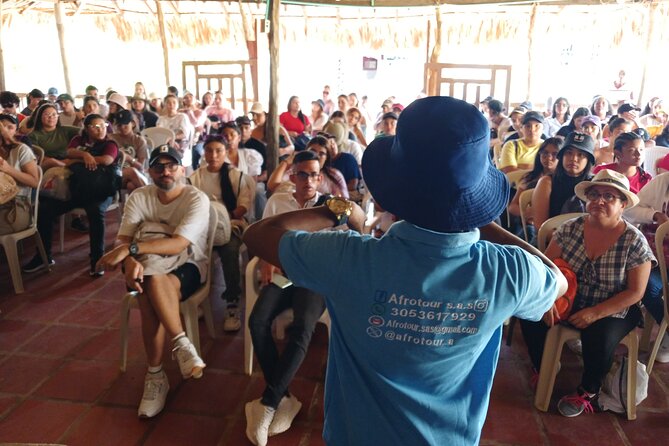
The visit begins at the House of Palenquero Knowledge with music and dance. This is a strong opening because it introduces Palenque through sound and movement before the walking tour begins.
The welcome includes happy songs and funeral songs, traditions connected to the community’s African ancestry and the arrival of maroon groups in the Americas during the 1500s. These are not treated as background entertainment. They help explain how music has carried memory, emotion, and social meaning across generations.
I would pay close attention here, even if you are usually tempted to take photos first. The opening gives context for later stops, particularly the musical house museum and the discussion of Palenquero language.
The atmosphere is described as warm and welcoming, but remember that this is a lived-in community rather than a staged theme park. Approach the music and dance with respect. Listen first, photograph second, and let the local guides set the tone.
Benkos Bioho and the story of resistance
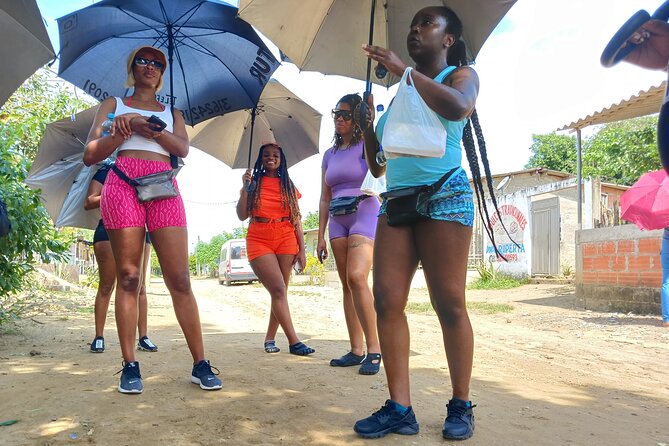
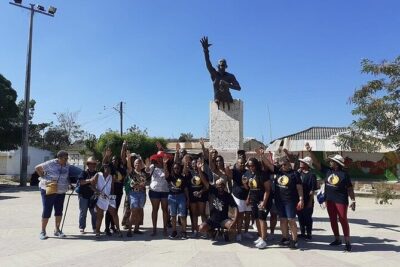
One of the first important stops is the statue of Benkos Bioho. The tour uses this figure to connect the community with its maroon past and its long tradition of resistance.
The statue is not likely to take much time on its own. Its value comes from the guide’s explanation. This is where a strong local guide can make a big difference, and the most praised guides have been described as patient, clear, passionate, and highly informative.
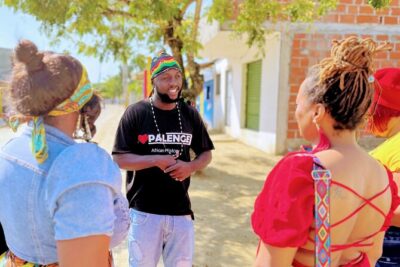
Terry has been singled out for a detailed walk through Palenque’s history, traditions, and culture. AhKee has also been praised for explaining the town’s past with real feeling. Gabriel is another guide whose warmth and clear teaching have helped make the experience memorable.
The names matter because this tour depends heavily on interpretation. You are not simply looking at a statue and reading a plaque. You are hearing how the community understands its origins and why those origins still matter.
More San Basilio de Palenque heritage visits:
- Tour De Palenque, Road to Emancipation.
★ 5.0 · 1,678 reviews - Freedom Tour of Palenque
★ 5.0 · 467 reviews - Cartagena: Palenque´s tour, dance show, lunch, pick-Up inclu
★ 4.7 · 182 reviews - Tour a san Basilio de Palenque desde cartagena
★ 5.0 · 123 reviews
Palenquero language on the village mural
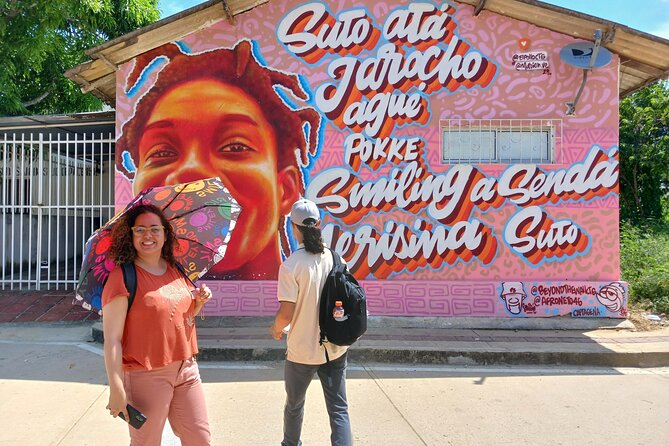
The mural with words in the Palenquero language offers a visual introduction to one of the community’s most distinctive features. Seeing the language in a public setting helps you understand that it is not merely an old historical subject. It remains part of the community’s identity.
This stop works best when you ask questions. The supplied information does not give a full language lesson, so you should not expect a long classroom session. Still, the mural creates a natural opening for your guide to explain what makes Palenquero important and how language connects the community to its African and American past.
For me, this is one of the more valuable stops because it challenges the idea that history lives only in monuments. A language on a wall, a song, or a local phrase can carry as much meaning as a formal museum object.
The Musical House Museum
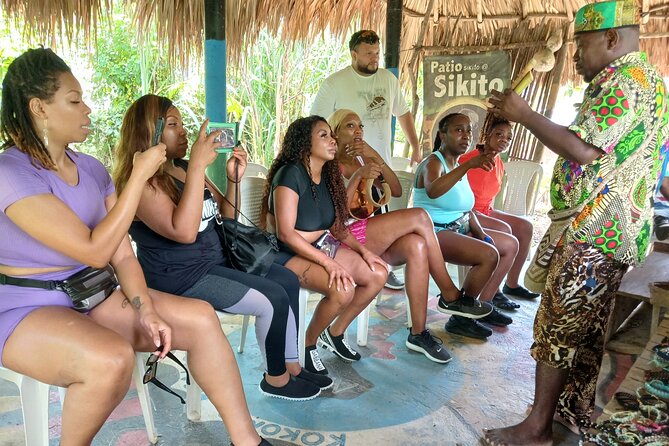
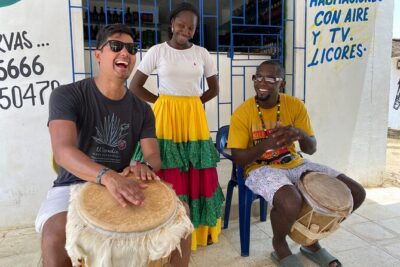
The Musical House Museum continues the opening presentation’s focus on sound. After hearing music and dance, you get a place where those traditions can be discussed in a more direct way.
Expect the visit to connect music with daily life, celebration, mourning, and community memory. The experience includes both joyful and funeral songs, so the musical tradition is presented as broad and emotional rather than as simple performance.
This part should appeal to you if you enjoy cultural experiences that explain how art functions within a community. It may be less satisfying if you want a large museum with extensive written displays. The emphasis here is on local interpretation and the people who explain it.
The tour’s private structure is useful in this setting. You can ask for clarification without worrying about holding up a large group. The pace can also be adjusted if your party wants more explanation at one stop and less at another.
Traditional medicine and the local blessing
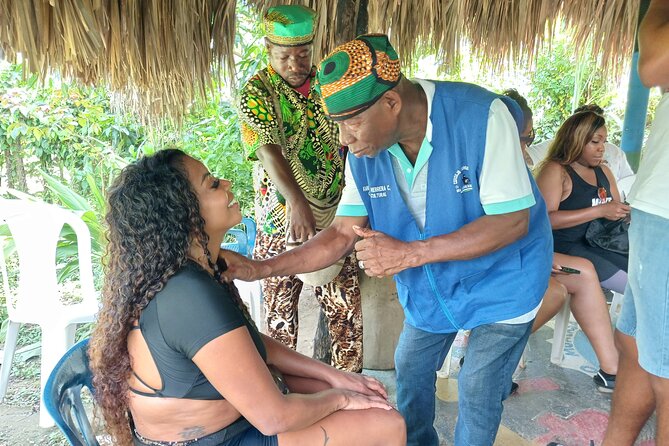
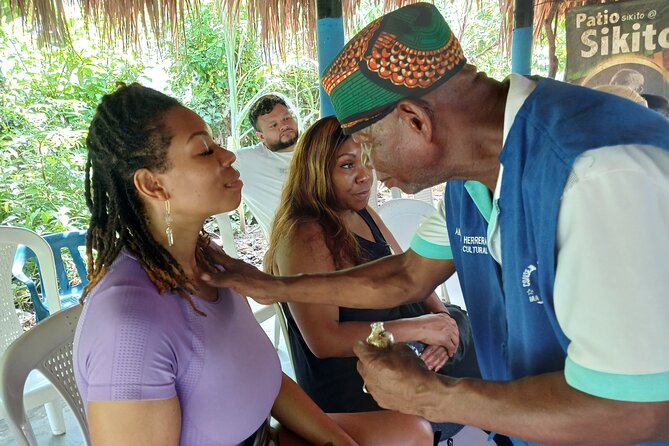
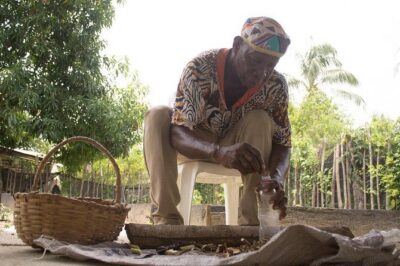
The traditional medicine space adds another layer to the visit. A native medicine doctor may bless you, pray, and present you with a bracelet. This is a personal cultural encounter, not simply a stop for looking at objects.
You should treat this part with an open mind and proper respect. The experience is presented as a local tradition, not as a substitute for modern medical care. Its value is in learning how healing, prayer, and community practice fit together in Palenque.
Timing matters here. Booking in the morning has been recommended because the medicine part of the tour may not be open later in the day. If this is one of the main reasons you want to visit, ask about the morning schedule when booking.
This stop may not suit everyone. Some visitors prefer cultural tours to avoid any spiritual or personal element. If that is you, simply make sure you understand what is included before you reserve. For others, the blessing and bracelet may be one of the most personal memories of the day.
Boxing and the strength of local identity
The boxing gym shows a different side of Palenque. Music, language, and medicine tell one part of the story. Boxing brings in discipline, physical training, and another source of community pride.
The information provided does not promise a boxing class or a chance to train. Treat it as a visit to an important local space, with your guide explaining its place in the community.
This variety is one of the tour’s strengths. You are not given only one narrow image of Palenque. The route presents a community shaped by resistance, artistic traditions, spiritual practices, family life, and athletic culture.
The Palenquera House Museum
The Palenquera House Museum brings the route back to domestic and community life. It offers a chance to see how the tour’s larger themes connect with a home setting.
The precise displays are not specified, so I would avoid expecting a formal museum with a fixed collection or extensive labels. Instead, listen to the guide’s explanation of the home and its place in Palenque culture.
This is another stop where a local guide matters more than a printed script. A clear explanation can help you understand why an ordinary-looking house deserves attention. It can also make the visit feel more grounded after the larger subjects of resistance, music, and language.
Lunch and the pace of the afternoon
Lunch is included in the experience according to the tour details shared by past participants. Fresh-caught fish has been available, and there are other dish choices if fish is not right for you.
That meal adds value to the $110 price, especially because it keeps the day connected to local life rather than sending you back to Cartagena for food. Still, the exact menu is not specified, so do not book this expecting a particular dish or restaurant setting.
The meal also gives the group a natural pause. Six hours of touring in a hot climate can become tiring, and sitting down helps break up the walking and explanations. Bring a fan and prepare for heat. Comfortable clothing and water are sensible choices, although the supplied details do not specify what refreshments are provided.
Is $110 a fair price?
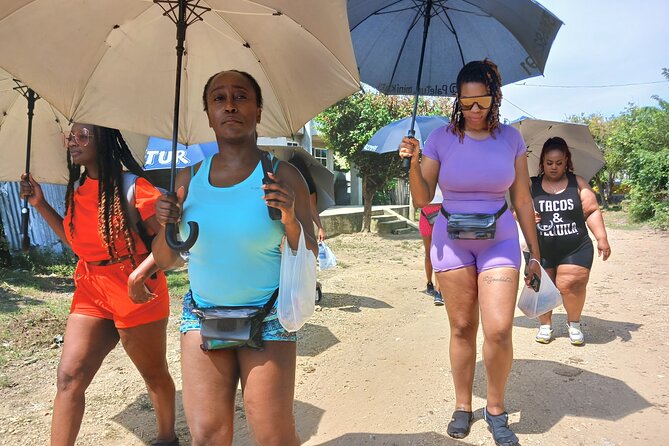
At $110 per person, this is not the cheapest way to leave Cartagena. The price needs to be judged against what is included: pickup, a private experience, English-speaking guides, roughly six hours in Palenque, several cultural stops, and lunch.
For a private group, the price can be reasonable if you value personal attention and local explanation. The tour is not just transportation to a village. It gives you a guided route through music, language, medicine, boxing, museums, and the community’s history.
The value is weaker if you mainly want a quick photo stop or a low-cost ride. The drive takes time, and the experience depends on your interest in listening and asking questions. You are paying for access, interpretation, and a structured introduction to Palenque, not for a long list of large attractions.
The strong praise has centered on organization, guide quality, the welcoming spirit of the community, and the meal. Those are exactly the areas that make the price easier to justify.
Who will enjoy this trip most?
I would recommend this tour to you if you care about Afro-Colombian culture, maroon history, music, language, and community traditions. It is also a good choice if you prefer a private outing where the guide can explain details and let your group set the pace.
It suits curious first-time visitors to Cartagena who want to see something beyond the historic center. It also works for people who value local voices over a large group tour with a memorized speech.
You may want to skip it if you have limited time in Cartagena, dislike long road transfers, or want a cool, air-conditioned museum day. The heat is a real consideration, and the route involves several cultural stops rather than one polished attraction.
Families and older visitors may find the private format helpful because the group can move at its own speed. Still, the supplied information says most visitors can participate, not that every mobility need is covered. If you have specific access concerns, ask the operator before booking.
Booking, cancellation, and practical planning
Confirmation is received at booking, and mobile tickets are accepted. Service animals are allowed, and the experience is near public transportation, though pickup is offered.
The tour requires good weather and a minimum number of participants. If poor weather or insufficient bookings cause cancellation, you can choose another date or experience, or receive a full refund.
You can cancel for a full refund up to 24 hours before the local start time. Cancellations and changes made less than 24 hours before the start are not accepted for a refund.
The experience is recommended by 91 percent of customers and has a 4.5 rating from 11 reviews. That is encouraging, though the small number means you should still weigh the one serious complaint. In that case, the operator said the customer did not attend and received a refund, so the criticism does not describe the actual tour experience.
FAQ
Where does the Palenque tour take place?
The tour visits San Basilio de Palenque from Cartagena, Colombia.
How long does the experience last?
The tour itself lasts approximately six hours.
Is pickup available from Cartagena?
Yes. Pickup is offered, and pickup takes place two hours before the start of the experience.
Is the tour conducted in English?
Yes. The experience is offered in English, and English-speaking local guides greet visitors in San Basilio de Palenque.
Is this a private tour?
Yes. Only your group participates in the activity.
What places are visited in Palenque?
The route includes the statue of Benkos Bioho, a mural with words in the Palenquero language, the Musical House Museum, a traditional medicine space, a boxing gym, and the Palenquera House Museum.
Is lunch included?
Lunch is included according to the tour information. Fresh-caught fish has been available, along with other dish choices.
Can I cancel for a full refund?
Yes. You can cancel at least 24 hours before the local start time for a full refund. Cancellations made less than 24 hours before the start are not refundable.
Should you book the Palenque tour?
Book it if you want a thoughtful introduction to Afro-Colombian culture and do not mind spending much of the day on the road and in the heat. The music welcome, local guides, traditional medicine visit, museums, boxing gym, and shared meal create a fuller picture than a quick village stop.
Choose a morning departure if the medicine space matters most and you want a quieter arrival. Choose the later shift if morning traffic concerns you more than the chance of increased activity after noon.
At $110, this is a worthwhile private day trip for you if the story and the people matter more than bargain pricing. Go ready to listen, ask questions, carry a fan, and give the community the respect it deserves.
Just added in Cartagena
- Exotic Yacht – Tour through the bay of Cartagena★ 3.7 · 4 reviews
- White Night Boat Party: Dinner Buffet, Dancing and Open Bar★ 4.6 · 3 reviews
- Volcan del Totumo + Playa + Piscina★ 4.7 · 4 reviews
- Enjoy the totumo volcano from cartagena + snack★ 4.0 · 11 reviews
- Private Tour to Tayrona National Park★ 4.0 · 2 reviews
- 18.Transfer (Rafael N-Hotel Decameron Baru Airport) or vice versa★ 5.0 · 1 review
- One-day tour to Playa Blanca by land Popular sector★ 3.0 · 2 reviews
- private tours cartagena de indias★ 4.5 · 4 reviews
San Basilio de Palenque Heritage Tours, compared.

Palenque´s tour, dance show, lunch, pick-Up inclu
Read our review →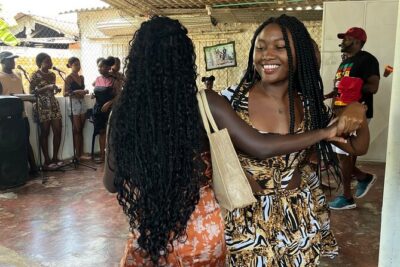
Tour a san Basilio de Palenque desde cartagena
Read our review →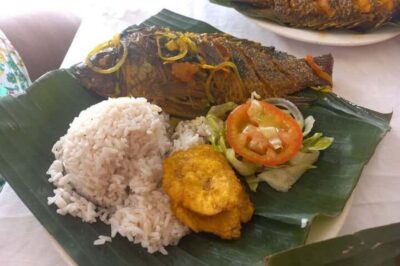
Visit Palenque with natives : history, culture and ancestral legacy
Read our review →Browse the lists this tour appears in