
REVIEW · SAN BASILIO DE PALENQUE HERITAGE TOURS
Palenque African Roots
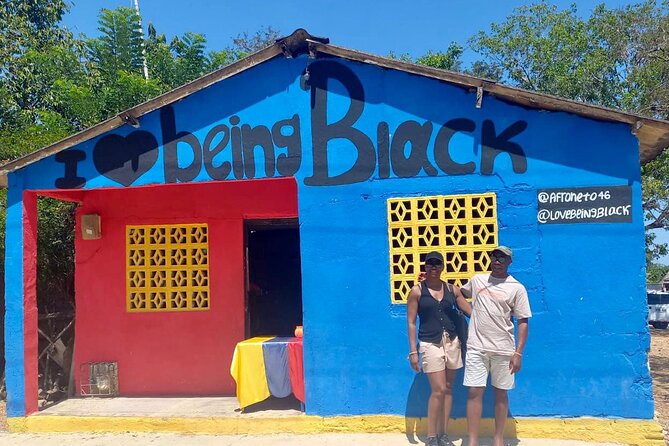
Go beyond Cartagena’s old walls. The Palenque African Roots tour takes you about 50 kilometers from Cartagena to San Basilio de Palenque, a community known for preserving African language, food, music, dance, and customs. I like that the visit centers on a living community rather than a museum display, and I also like the interactive approach, which helps the visit feel personal instead of lecture-heavy.
The excellent lunch is another clear plus, especially the fresh-caught fried fish seasoned with care. The main drawback is the long road journey, all packed into roughly six hours, so you should choose this outing for cultural value rather than a relaxed day with lots of free time.
In This Review
- Key points to know before booking
- Why San Basilio de Palenque matters
- The morning start in Bocagrande
- The road from Cartagena to Palenque
- Entering San Basilio de Palenque
- Language, food, dance, and daily identity
- A memorable lunch of fried fish
- Is $98 a fair price?
- Who will enjoy this experience most?
- Practical choices that can improve your day
- Should you book Palenque African Roots?
- FAQ
- Where does the Palenque African Roots tour start?
- Is hotel pickup available?
- How long does the experience last?
- Does the tour return to Cartagena?
- Is the tour offered in English?
- What is the cancellation policy?
Key points to know before booking
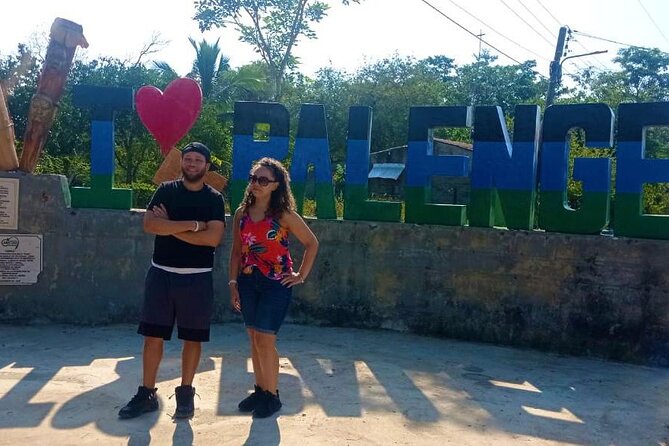
- San Basilio de Palenque was founded by escaped Africans seeking freedom, giving the visit a powerful place in the story of colonial America.
- African traditions remain part of daily life, including language, food, dance, and community customs.
- The experience includes an interactive visit, so you are not simply looking at buildings or listening to a brief talk.
- A fresh fried-fish lunch is included, with the meal praised as one of the strongest parts of the day.
- The tour begins at 8:00 a.m. in the Bocagrande area and returns to the same meeting point after about six hours.
- The price is $98 per person, with hotel pickup in areas where pickup is offered and group discounts available.
Why San Basilio de Palenque matters
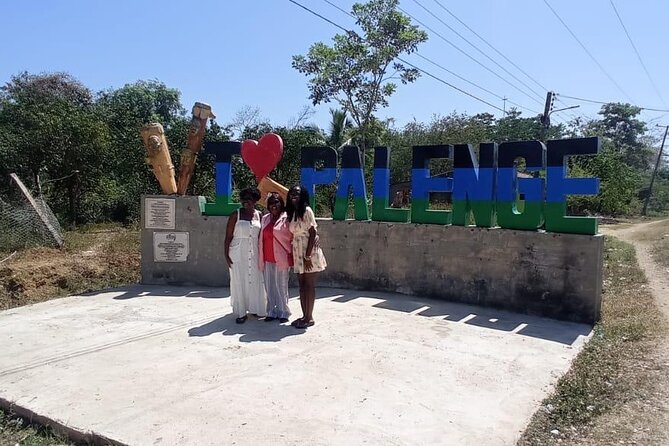
San Basilio de Palenque is not just another day trip from Cartagena. It is tied to one of the most important stories of resistance in the Americas.
During the colonial period, Africans who had been enslaved escaped from Spanish control and formed independent communities away from the main colonies. San Basilio became a place where people could live with their own systems of authority, customs, and identity. In 1691, it was formally recognized as a free settlement, a remarkable status during that period.
The community is also recognized as Cultural and Intangible Heritage of Humanity. That designation matters because much of Palenque’s importance is not found in a single monument. It lives in speech, recipes, music, movement, family traditions, and community memory.
I appreciate that this tour brings you to the place itself. Cartagena has many important reminders of African and colonial history, but San Basilio gives you a different view. You are not only hearing about forced migration and resistance. You are seeing how cultural identity survived and remains part of everyday life.
The town has roughly 4,200 residents. It sits near the Canal del Dique and is bordered by Malagana, San Pablo Norte, and Palenquito. Those details may sound administrative, but they help explain that this is a real community, not a staged historical attraction prepared only for day visitors.
More San Basilio de Palenque heritage visits:
- Tour De Palenque, Road to Emancipation.
★ 5.0 · 1,678 reviews - Freedom Tour of Palenque
★ 5.0 · 467 reviews - San Basilio de Palenque History Tour
★ 5.0 · 301 reviews
The morning start in Bocagrande
The day begins at 8:00 a.m. in Cartagena’s Bocagrande area. Hotel pickup is available when your accommodation falls within the included pickup zone, so you should confirm that detail before booking if convenience matters to you.
An early start is sensible. San Basilio de Palenque is about 50 kilometers from Cartagena, and the round trip takes a substantial part of the six-hour schedule. I would not book this tour immediately after a late-night arrival or on a morning when you need a slow start.
The pickup arrangement also makes this easier than arranging separate transport to an unfamiliar meeting point. If your hotel is outside the covered zone, you will need to use the stated meeting point or check what alternative arrangement is available.
The group can include up to 30 people. That is large enough to keep the price practical, but it may feel less intimate than a private visit. If you prefer personal conversation at every stop, ask about group size when booking. If you are comfortable sharing the experience with other people, the maximum is still moderate for a cultural excursion.
The road from Cartagena to Palenque
The drive is one of the practical tradeoffs. The trip is worthwhile for people who want to understand the region beyond Cartagena, but it is not a quick hop to a nearby attraction.
You should think of the road time as part of the day’s cost in energy and schedule. The entire experience lasts about six hours, including movement between locations, so the visit in Palenque itself cannot fill an entire day at a slow pace. This tour gives you an introduction and a focused cultural encounter rather than several hours to wander independently.
That structure can work well if you have limited time in Cartagena. You can leave in the morning, visit a place with major historical importance, eat lunch, and return to the city without committing to a full-day excursion.
It may suit you less if you dislike long drives or want a flexible schedule. The trip’s appeal comes from the destination, not from scenic stops along the way. No additional sightseeing stops are specified, so you should not book this expecting a string of attractions between Cartagena and Palenque.
Entering San Basilio de Palenque
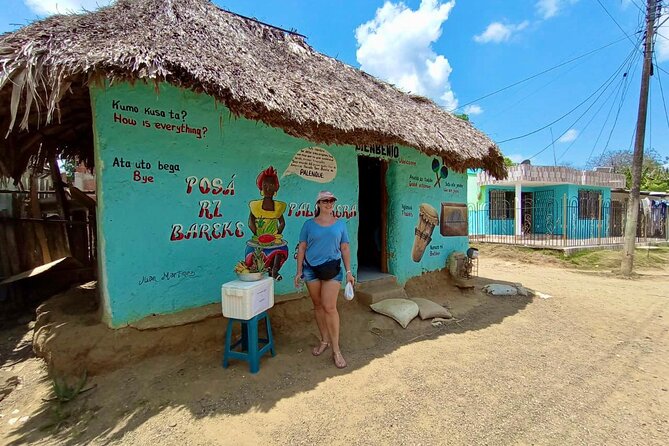
The most important part of the day is arriving in San Basilio and learning how its identity has been protected.
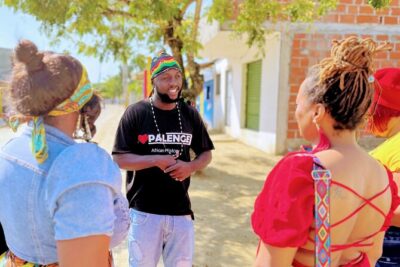
The community preserves traditions connected to African life in Colombia, including language, food, dance, and cultural practices. I like the fact that these subjects are presented together. Food tells part of a story. Language carries memory. Dance and music express community identity in ways that a standard historical talk cannot.
The experience is described as interactive, which is a useful detail. You should expect more than a quick explanation from a guide followed by a photograph. The exact activities are not specified, so I would keep your expectations open, but the interactive format suggests room for participation and direct engagement with the culture.
That format also calls for respect. You are visiting a living community, not walking through a preserved colonial set. Listen carefully, ask questions politely, and remember that people in Palenque are not there simply to perform a version of the past for outsiders.
The visit is strongest when you treat it as a chance to understand how culture continues. The town’s significance is not only that people once escaped there. It is that the community’s African identity has endured through generations.
More things to do in Cartagena:
- Cartagena Island Hopping: 5-Stop Rosario Islands Tour with Lunch
★ 4.5 · 4,903 reviews - Cartagena: Historic Center and Getsemaní Shared Walking Tour
★ 4.9 · 2,716 reviews - Cartagena: Rosario Islands Catamaran with Lunch and Snorkel
★ 4.5 · 2,479 reviews - Full-Day Rosario Islands Including Barú, Bocachica & Playa Blanca
★ 4.0 · 1,729 reviews
Language, food, dance, and daily identity
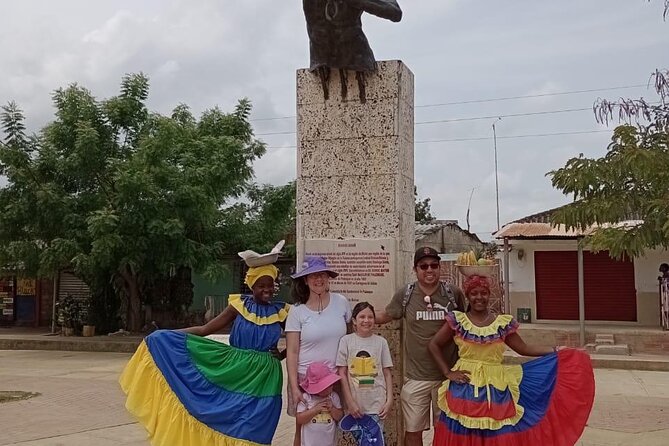
One of Palenque’s most distinctive features is the continued presence of traditions with African roots. The local language is especially important because language can preserve links to ancestry, place, and community in a way that official records often fail to do.
You may also hear about food as more than a meal. Recipes and cooking methods carry family knowledge, local ingredients, and memories of earlier generations. That makes the included lunch more meaningful than a simple break in the schedule.
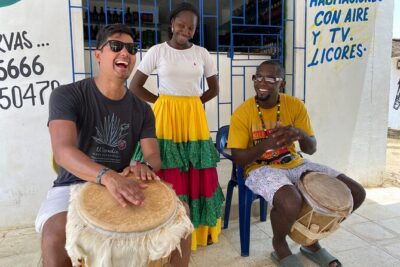
Dance and music are another part of the cultural picture. The information provided does not promise a particular performance, so I would not book this expecting a fixed show. Instead, think of dance and cultural expression as subjects that help explain how Palenque’s identity is communicated and maintained.
This is where the interactive nature of the visit matters most. A guide can explain dates and political events, but direct cultural exchange can help you connect those facts with ordinary life. The best approach is to remain curious without expecting the community to fit a tourist’s preferred timetable.
A memorable lunch of fried fish
Lunch is one of the strongest practical and sensory reasons to consider this tour. The meal includes fresh-caught fried fish, described as well seasoned and cooked with care.
That detail gives the outing a welcome local touch. Food can turn a historical visit into a full experience, and here it connects neatly with the wider discussion of Palenque’s traditions. You are not stopping for an anonymous fast-food meal on the way back to Cartagena.
The exact side dishes, drink options, and arrangements are not provided, so you should ask about dietary needs before departure. Do not assume that every preference can be accommodated unless the provider confirms it.
For many people, the lunch will be a highlight because it adds pleasure to a serious subject. The tour is not only about colonial history and resistance. It also gives you a chance to appreciate how local food remains part of cultural identity.
Is $98 a fair price?
At $98 per person, this is not the cheapest way to spend six hours near Cartagena. The value depends on what you want from a day trip.
The price includes the cultural visit, the guided experience, the journey from Cartagena, and lunch. Hotel pickup is offered in covered areas, which can save you the trouble and cost of arranging separate transport. Group discounts may also improve the price for families or friends booking together.
I think the fee makes sense if you value a focused cultural experience and want the logistics handled for you. Reaching San Basilio independently may require more planning, especially if you do not speak Spanish or know the area. The tour gives you a set departure, a guide, and a clear return to Cartagena.
The price is harder to justify if you mainly want entertainment, shopping, or a scenic outing. This is a history and culture trip first. It asks you to spend a good portion of the day on the road for a visit that carries meaning rather than a long list of attractions.
A group of up to 30 people helps keep the cost from rising to private-tour levels. The tradeoff is that conversation and movement may be less flexible than on a small-group visit. If you are comparing options, look closely at whether another tour actually reaches San Basilio or only discusses Palenque from Cartagena.
Who will enjoy this experience most?
I would recommend this outing to anyone who wants to understand Cartagena’s African heritage in a broader setting. It suits visitors who enjoy cultural exchange, local food, guided interpretation, and places connected to major historical events.
It is also a good choice if you have already seen Cartagena’s main historic sights and want to add a different kind of experience. San Basilio gives you context that a city walking tour may not provide.
Families can consider it too, since most people can participate and service animals are allowed. The length is manageable compared with a full-day trip, though younger children may find the drive tiring. The operator states that most visitors can take part, but you should still ask directly about any specific mobility or medical concerns.
I would be more cautious about booking it for someone who wants free time, a luxury setting, or a tightly packed sightseeing route. The schedule includes travel between locations, and the cultural value requires attention and patience.
English is offered, which is helpful if you do not speak Spanish. If you want detailed interpretation of language, food, or local customs, confirm exactly what the English guiding includes before you pay.
Practical choices that can improve your day
Book ahead if your Cartagena schedule is fixed. This outing is booked on average 17 days in advance, so leaving it until the last minute may reduce your choice of dates.
Wear clothing suited to a warm day and choose comfortable footwear. The specific clothing requirements are not stated, but a community visit with walking and movement between places is easier when you are not dressed for a formal dinner.
Keep the morning open. The stated duration is approximately six hours, and road conditions or the pace of the group can affect your return time. I would avoid scheduling a separate activity immediately after the tour.
Bring a curious attitude. The most rewarding part is learning how Palenque’s people preserved identity and independence under very difficult conditions. You will get more from the visit if you listen to explanations about community life instead of treating the stop as a quick photo opportunity.
The provider offers mobile tickets and confirmation at booking. Free cancellation is available when you cancel at least 24 hours before the start time. Changes or cancellations inside that 24-hour period are not accepted for a refund, so keep the local cutoff time in mind.
Should you book Palenque African Roots?
Book it if you want a serious, personal look at African Colombian culture outside Cartagena. The strongest parts are the visit to San Basilio de Palenque, the interactive approach, and the excellent fried-fish lunch.
I would skip it only if the long drive, fixed schedule, or $98 price does not fit your plans. This is not a general sightseeing sampler. It is a focused trip to a community with a major place in the history of freedom in the Americas.
For the right visitor, the journey is worth the time. You return to Cartagena with more than another set of photographs. You gain a clearer sense of how language, food, dance, and community life can preserve identity across centuries.
FAQ
Where does the Palenque African Roots tour start?
It starts in the Bocagrande area of Cartagena, Bolívar, Colombia, at 8:00 a.m.
Is hotel pickup available?
Yes. Pickup is offered from hotels located in areas where pickup is included. Confirm your hotel’s eligibility before booking.
How long does the experience last?
The tour lasts approximately six hours, including the time needed to travel between locations.
Does the tour return to Cartagena?
Yes. The experience ends back at the meeting point in Cartagena.
Is the tour offered in English?
Yes. English is one of the offered languages.
What is the cancellation policy?
You can cancel at least 24 hours before the start time for a full refund. Cancellations or changes made less than 24 hours before the start time are not accepted for a refund.
Just added in Cartagena
- Exotic Yacht – Tour through the bay of Cartagena★ 3.7 · 4 reviews
- White Night Boat Party: Dinner Buffet, Dancing and Open Bar★ 4.6 · 3 reviews
- Volcan del Totumo + Playa + Piscina★ 4.7 · 4 reviews
- Enjoy the totumo volcano from cartagena + snack★ 4.0 · 11 reviews
- Private Tour to Tayrona National Park★ 4.0 · 2 reviews
- 18.Transfer (Rafael N-Hotel Decameron Baru Airport) or vice versa★ 5.0 · 1 review
- One-day tour to Playa Blanca by land Popular sector★ 3.0 · 2 reviews
- private tours cartagena de indias★ 4.5 · 4 reviews
San Basilio de Palenque Heritage Tours, compared.

Palenque´s tour, dance show, lunch, pick-Up inclu
Read our review →
Tour a san Basilio de Palenque desde cartagena
Read our review →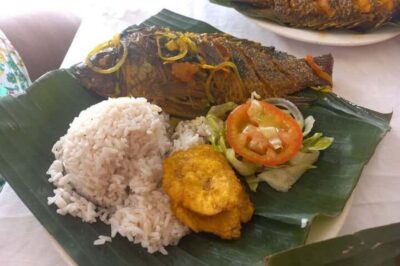
Visit Palenque with natives : history, culture and ancestral legacy
Read our review →Browse the lists this tour appears in