
REVIEW · SAN BASILIO DE PALENQUE HERITAGE TOURS
Experience at the First Free Slave Village of Palenque
Freedom has a hometown in Colombia. This full-day trip from Cartagena takes you to San Basilio de Palenque, presented as the first free town in Latin America, where you’ll learn about Benkos Biohó, Afro-Colombian resistance, local music, healing traditions, and Palenquero culture. I like the strong focus on community stories and the included lunch, and I also like that transportation, bottled water, and a guide are covered. The main tradeoff is the long day, with roughly two hours on the road and several short sightseeing stops.
The tour costs $120 per person and lasts about 8 hours and 20 minutes. That is a fair price if you want organized transport from Cartagena and a broad introduction to Palenque in one day. I would keep expectations practical, though: the group may reach as many as 100 people, and the schedule gives limited time at some monuments.
In This Review
- Key Details Before You Go
- Why San Basilio de Palenque Matters
- Leaving Cartagena Early in the Morning
- First Impressions of San Basilio de Palenque
- Meeting Benkos Biohó at His Monument
- The Kid Pambelé Square and a Different Kind of Pride
- Ancestral Medicines and Local Healing Traditions
- Music at the SIMANKONGO Instrument House
- Murals, Graffiti, and the Famous Palenque Letters
- Lunch at Restaurante El Sazón de la Negra
- How the $120 Price Measures Up
- Timing, Comfort, and Practical Limits
- Who Will Get the Most From This Tour
- Should You Book the Palenque Day Trip?
- FAQ
- Where does the tour start?
- What time does the tour begin?
- Is hotel pickup available?
- How long does the experience last?
- Is lunch included?
- Are ancestral medicines included in the price?
- How large can the group be?
Key Details Before You Go
- Benkos Biohó anchors the story: Hear about the leader and anti-slavery activist at his monument in Palenque.
- Music is part of the visit: The SIMANKONGO instrument house connects local instruments with the customs and life of the community.
- The tour covers more than monuments: You visit murals, public art, healing traditions, a boxing memorial, and a local restaurant.
- Lunch is included: A typical meal at Restaurante El Sazón de la Negra is part of the day.
- Transport is arranged from Cartagena: Pickup may be available at your hotel, or you can meet at the Clock Tower monument.
- Plan for a full day: The listed start time is 8:00 a.m., with pickups beginning around 7:00 a.m.
Why San Basilio de Palenque Matters
San Basilio de Palenque is not simply a day-trip stop with a few plaques and photo points. The town is presented through the story of people who fought for freedom and protected their customs over generations.
The focus here is Afro-Colombian history, resistance, and cultural pride. You’ll hear about the Palenquero people and the way their community has kept its traditions alive. The experience also brings in music, language, local food, murals, and ancestral practices, giving you more than a standard historical tour.
I especially like that the day does not reduce Palenque to one famous figure. Benkos Biohó is important, but the route also points you toward musicians, healers, artists, athletes, cooks, and community institutions. That broader view helps you understand Palenque as a living town rather than a museum exhibit.
The tour is also a useful choice if you want to learn about the African roots of Colombian culture outside Cartagena’s old center. Cartagena has plenty of colonial history, but Palenque gives you another part of the country’s story, one centered on Black freedom, survival, and cultural expression.
More San Basilio de Palenque heritage visits:
- Tour De Palenque, Road to Emancipation.
★ 5.0 · 1,678 reviews - Freedom Tour of Palenque
★ 5.0 · 467 reviews - San Basilio de Palenque History Tour
★ 5.0 · 301 reviews
Leaving Cartagena Early in the Morning
Pickup begins around 7:00 a.m., while the stated meeting time at the Clock Tower monument is 8:00 a.m. The listed meeting point is Monumento Torre del Reloj, also known as Boca del Puente, in Cartagena’s El Centro district.
If you are staying at a hotel, pickup may be offered there. Otherwise, you can meet at the monument. I would confirm your exact pickup time and location before the morning of the tour, since the information gives both hotel pickup and a central meeting point.
The drive from Cartagena to Palenque takes about one hour, though the overall schedule allows more time for the first travel section. An air-conditioned vehicle is included, which matters in a hot climate and makes the journey easier than arranging separate transport yourself.
Bottled water is also provided. That is a small detail, but a welcome one on a long day with outdoor stops. Wear comfortable shoes and clothing suitable for walking around town, since the experience includes monuments, murals, public letters, and several cultural visits.
First Impressions of San Basilio de Palenque
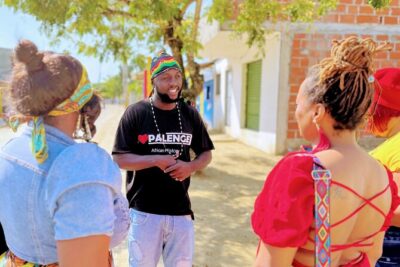
The first town visit lasts about an hour and introduces you to several of Palenque’s most important places. The guide is the key to making this section worthwhile. Without explanation, a square, mural, or monument can look like a quick photo stop. With context, each place connects to the wider story of Palenque.
The experience is offered in English. The guide also introduces Palenquero words, according to the tour feedback, which adds a welcome personal touch. You may not learn much vocabulary in one day, but even a few words can help you notice that the community has its own cultural voice.
The guide’s role is especially important because much of the value here comes from spoken history and local interpretation. The written schedule tells you where you are going, but the guide helps explain why those places matter.
Meeting Benkos Biohó at His Monument
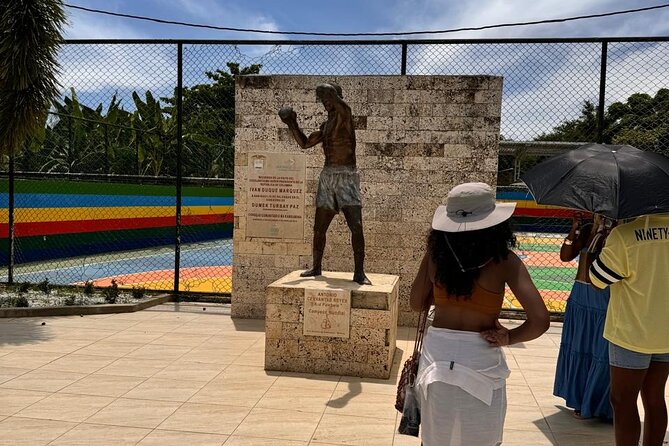
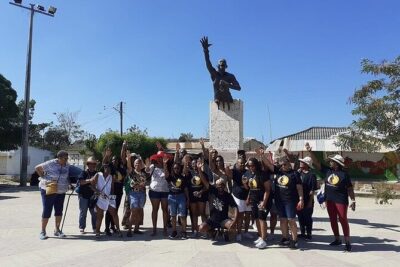
One of the strongest stops is the Monumento a Benkos Bioho. You spend about 20 minutes there, hearing a historical account of his life and legacy before taking photographs.
Benkos Biohó is presented as a major leader in the struggle against slavery and an anti-slavery activist. His story gives the day a clear starting point: Palenque is connected to organized resistance, not only to later cultural preservation.
Twenty minutes is enough for a focused introduction and a few photographs, but not enough for a long lecture. If this subject matters to you, listen closely and use the time to ask questions when the schedule allows. The stop works best as a doorway into the larger story rather than a complete history lesson.
I like the decision to place this monument early in the visit. It gives meaning to the later stops. The music, language, food, and healing practices are not separate attractions. They are parts of a culture that has been protected through struggle.
More things to do in Cartagena:
- Cartagena Island Hopping: 5-Stop Rosario Islands Tour with Lunch
★ 4.5 · 4,903 reviews - Cartagena: Historic Center and Getsemaní Shared Walking Tour
★ 4.9 · 2,716 reviews - Cartagena: Rosario Islands Catamaran with Lunch and Snorkel
★ 4.5 · 2,479 reviews - Full-Day Rosario Islands Including Barú, Bocachica & Playa Blanca
★ 4.0 · 1,729 reviews
The Kid Pambelé Square and a Different Kind of Pride
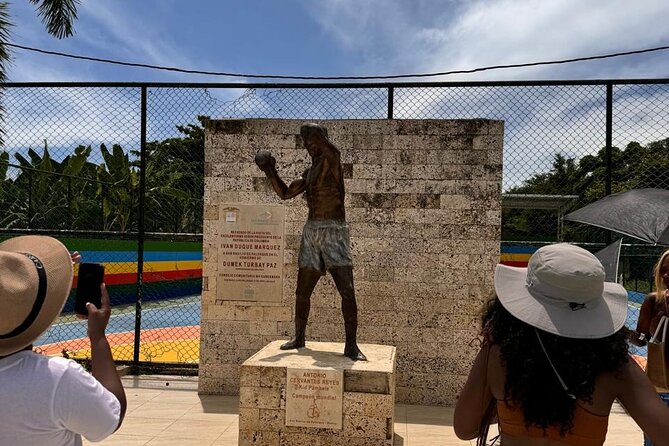
The tour then visits the square honoring Antonio Cervantes, better known as Kid Pambelé. You’ll hear about the boxer’s career and have time for photographs.
He was recognized worldwide as the best junior welterweight of all time, according to the tour description. This stop adds a modern public figure to the day’s story. After hearing about a historical freedom leader, you see how Palenque also celebrates achievement in sport and public life.
The visit lasts about 20 minutes. That is enough to hear the basic account and take pictures, but again, it is a short stop. If you prefer slow sightseeing, the rapid sequence of monuments may feel brisk. If you like a day with many subjects, the variety keeps the route moving.
This is also a good reminder that cultural identity is not frozen in the past. Palenque’s story includes resistance, tradition, music, local medicine, art, food, and achievement.
Ancestral Medicines and Local Healing Traditions
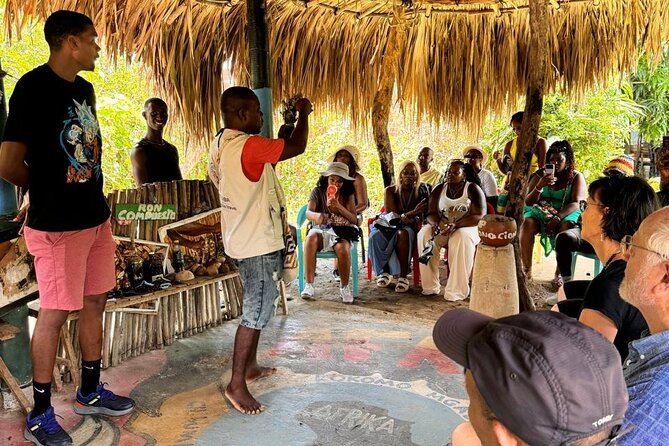
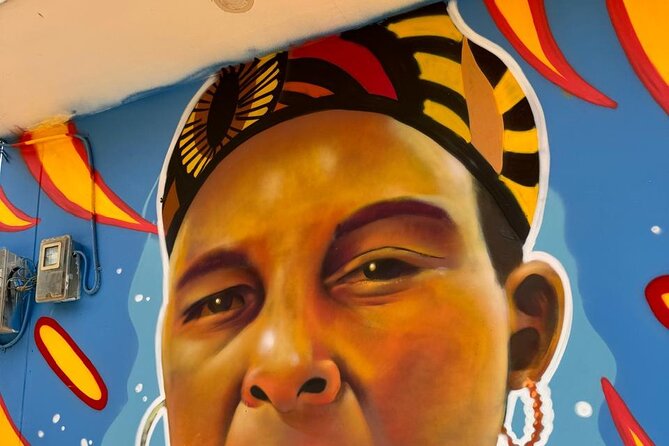
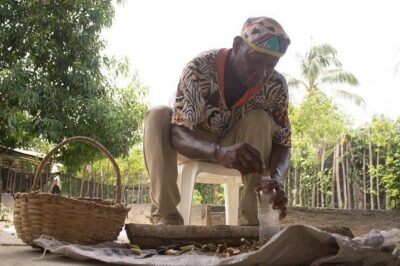
One of the more unusual visits takes you to a place associated with ancestral and healing medicines. The scheduled time is about one hour, and the stop explores the mystical history connected with these practices.
This is a part of the tour where respectful curiosity matters. You are being introduced to local knowledge and tradition, not simply shopping for souvenirs. The tour specifically notes that ancestral medicines are not included in the price, so any purchase would be an additional expense.
I would treat this stop as an opportunity to listen and learn. Ask what is being shown, how it is used, and what belongs to tradition rather than modern medical treatment. The information provided does not promise medical services or health results, so you should not treat the visit as a substitute for professional care.
The hour gives this subject more room than the monuments receive. That makes sense. Healing traditions require explanation, and a quick photograph would miss the point.
Music at the SIMANKONGO Instrument House
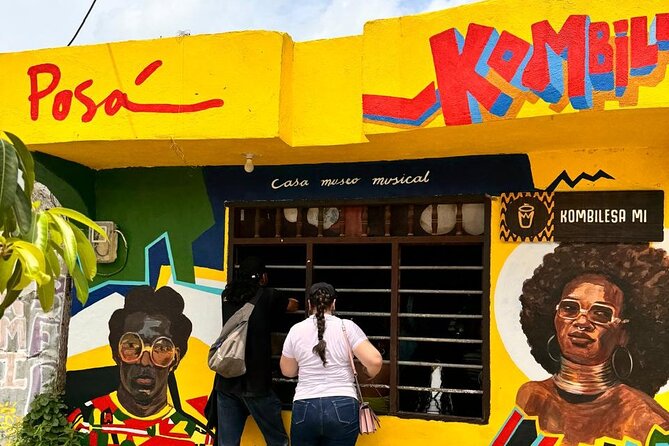
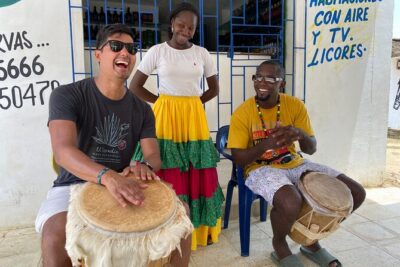
At Tienda Depósito SIMANKONGO, also described as the House of Instruments, you spend about an hour learning how music connects with community life.
This cultural institution promotes and preserves the customs and cultural values of Palenque. The stop is one of the day’s most appealing parts because music can explain a place in a way that dates and names cannot. You’ll get a sense of how instruments, performance, and shared memory fit together.
The experience also includes cultural traditions such as music and dance in the wider presentation of Palenque. The guide may teach you words in the Palenquero language as part of the visit, adding another layer to the sound of the town.
I would give this stop your full attention rather than treating it as a break between monuments. It is where the tour shifts from explaining what happened in Palenque to showing how the community expresses itself now.
The institution’s stated purpose is to rescue and promote local customs. That makes the visit useful for visitors who want to support cultural work rather than only pass through a town for photographs.
Murals, Graffiti, and the Famous Palenque Letters
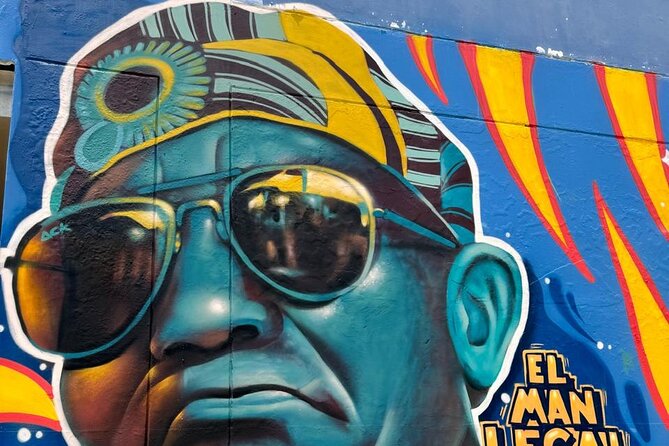
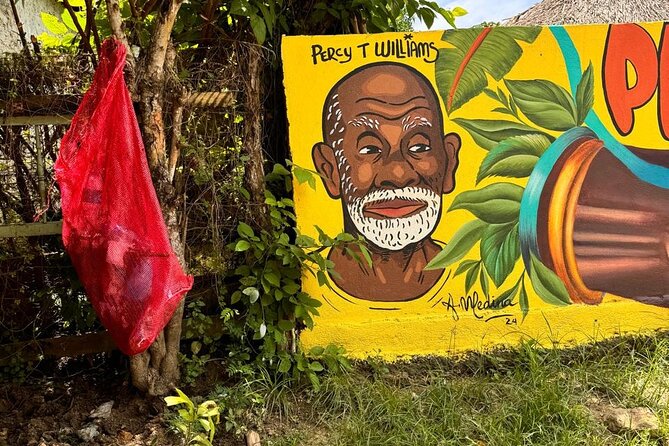
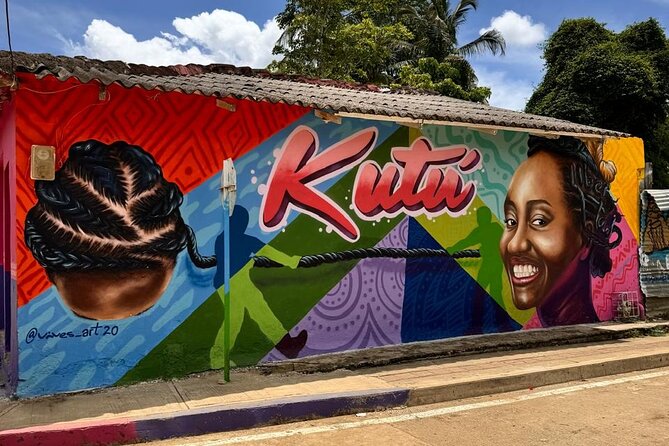
After the indoor cultural stops, the route returns to the streets for murals and graffiti. You have about 20 minutes to walk through town and take pictures.
Public art helps connect history with daily life. The images may give you another way to think about identity, memory, and pride, though the supplied details do not identify specific murals or artists. I would listen to the guide’s explanation rather than rushing from one wall to the next.
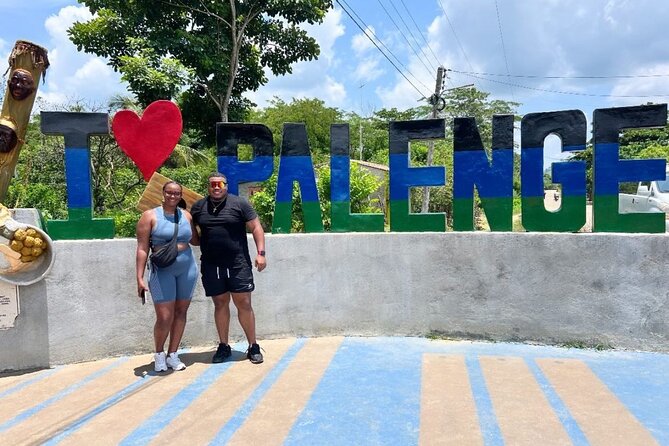
The tour then stops at Palenque’s emblematic letters for another 20 minutes. This is the classic photo opportunity of the day. It is a simple stop, but it gives you a clear souvenir of the visit and a chance to take a group or individual picture.
These two stops are short and photo-focused. That is useful if you want a varied itinerary, but less satisfying if you hoped to spend a long time walking around and finding street art at your own pace.
Lunch at Restaurante El Sazón de la Negra
Lunch is served at Restaurante El Sazón de la Negra, also called La Negra in the tour details. You have about one hour to enjoy a typical meal with local flavors.
Because lunch is included, you do not need to plan a separate restaurant stop or carry enough money for a full meal. The information does not specify the menu, dietary choices, or drink arrangements, so you should ask ahead if you have allergies, food restrictions, or strong preferences.
A local meal is an important part of this day. Food gives you a direct connection to the town, and it rounds out the visit after the historical and cultural stops. The experience is designed to show Palenque through more than speeches and monuments.
The one-hour lunch period should give you time to eat without turning the meal into a rushed snack. Still, it is a group tour, so the pace may not match a long, leisurely restaurant visit.
How the $120 Price Measures Up
At $120 per person, this is not the cheapest way to visit a Colombian town. The price makes more sense when you count the included air-conditioned transport, bottled water, guide, and lunch. You are also paying for a full-day route that combines transportation with several local visits.
If you arrange transport yourself, you would still need to organize a return journey, find a guide, choose stops, and arrange lunch. This tour removes that planning burden. For a first visit to Palenque, that structure can be worth the extra cost.
The value depends heavily on what you want. If you only want a quick photograph at the town letters, $120 is too much. If you want a guided introduction to Benkos Biohó, local history, music, ancestral practices, murals, food, and community identity, the price is easier to justify.
The possible group size is important. The tour may accept up to 100 people, though the actual group could be smaller. A large group can make it harder to hear, ask questions, or move comfortably through a small community. I would ask about the expected group size before booking if personal attention is a major priority.
Timing, Comfort, and Practical Limits
The advertised total duration is approximately 8 hours and 20 minutes. The schedule begins with pickup around 7:00 a.m. for some passengers, uses an 8:00 a.m. meeting time, and returns to Cartagena at the end of the day.
The listed stops add up to a full day, with several 20-minute visits and longer one-hour cultural stops. The timing is broad rather than exact, so delays can happen. I would avoid booking a tight evening reservation or an onward transfer immediately after the tour.
The air-conditioned vehicle is a real comfort advantage. You also receive bottled water, and the activity ends back at the original meeting point in Cartagena. Most people can participate, according to the supplied information, but the tour still involves moving between sites and spending time outdoors.
The schedule is not designed for total independence. You follow the group, visit the chosen sites, and return at the planned time. That is a good fit if you want a clear route. It is less suitable if you prefer to linger at one place or explore side streets on your own.
Who Will Get the Most From This Tour
I would recommend this experience to you if you want to understand a major part of Afro-Colombian culture while based in Cartagena. It suits visitors who value history, music, local customs, food, and guided interpretation more than a relaxed beach day.
It is also a strong choice for first-time visitors who want transport and lunch handled in one booking. The guide-led format helps you get more from places that might otherwise be difficult to understand during a quick independent visit.
You may want to think twice if you dislike early starts, long vehicle rides, or group schedules. The day includes many stops, but several last only 20 minutes. That creates variety, not depth at every location.
I would also be cautious about booking if you need detailed accessibility information. The supplied details say most people can participate, but they do not describe vehicle access, walking distances, or facilities at each stop. Ask the provider before paying if you have mobility concerns.
Free cancellation is available if you cancel at least 24 hours before the start time. Cancellations made within 24 hours are not refunded, and late changes are not accepted.
Should You Book the Palenque Day Trip?
Book this tour if you want a structured, meaningful introduction to San Basilio de Palenque and prefer not to arrange transport, food, and guiding yourself. The best parts are the story of Benkos Biohó, the music and instrument house, the local healing traditions, and the chance to connect Palenque’s past with its present.
I would not book it for a quick sightseeing outing or a quiet private day. The possible 100-person maximum and the short monument stops may limit personal attention. Still, the combination of history, music, language, food, public art, and local interpretation gives the $120 price a reasonable basis.
For many people staying in Cartagena, this is a worthwhile day beyond the city walls. Go ready to listen, keep your schedule flexible, and treat Palenque as a living community rather than a collection of photo stops.
FAQ
Where does the tour start?
The meeting point is Monumento Torre del Reloj, also called Boca del Puente, in El Centro, Cartagena de Indias.
What time does the tour begin?
The stated start time is 8:00 a.m., but hotel pickups begin around 7:00 a.m. for some participants.
Is hotel pickup available?
Yes. Passengers may be picked up at their hotels or meet at the central meeting point.
How long does the experience last?
The tour lasts approximately 8 hours and 20 minutes.
Is lunch included?
Yes. Lunch at Restaurante El Sazón de la Negra is included.
Are ancestral medicines included in the price?
No. Ancestral medicines are not included.
How large can the group be?
The activity may have a maximum of 100 travelers.
Just added in Cartagena
- Private History Photography Tour★ 5.0 · 17 reviews
- Self-Guided Audio Tour: Pirate Tales in Cartagena★ 3.0 · 2 reviews
- Paue Island Tour in the Rosary Islands★ 5.0 · 1 review
- Totumo Volcano★ 3.5 · 15 reviews
- Palmarito Beach★ 3.5 · 4 reviews
- Party without limits! Cartagena; VIP Party.★ 4.5 · 32 reviews
- Paragliding Experience in Cartagena★ 5.0 · 8 reviews
- Tour cultural to san Basilio de Palenque from cartagena★ 5.0 · 45 reviews
San Basilio de Palenque Heritage Tours, compared.

Palenque´s tour, dance show, lunch, pick-Up inclu
Read our review →
Tour a san Basilio de Palenque desde cartagena
Read our review →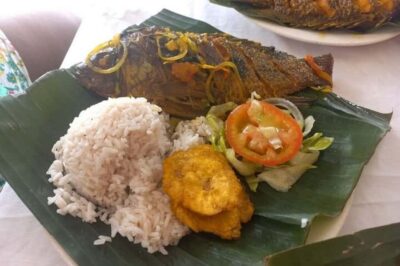
Visit Palenque with natives : history, culture and ancestral legacy
Read our review →Browse the lists this tour appears in