
REVIEW · HISTORICAL TOURS
Discover the coffe history while you get to know the city
Coffee gives Cartagena a fresh angle. This two-hour walk links the Historic Center and Getsemaní with three specialty coffee shops, three Colombian coffees, and a practical lesson on cultivation, roasting, aroma, and cupping. I like the mix of street life and serious coffee education, and I especially like that each sample uses a different brewing method. The main consideration is pace: two hours is enough for an introduction, but not enough for a full coffee course.
I also like the personal touch of a local guide, with English and Spanish available. Shay has earned praise for being friendly and informative, and the walk from café to café sounds easygoing rather than rushed. Still, this experience suits coffee fans best. If you prefer a broad city tour with many monuments, coffee will remain the main subject.
In This Review
- Key points at a glance
- Why coffee is a smart way to see Cartagena
- Starting at Selina Cartagena
- Walking through the Historic Center and Getsemaní
- Three cafés, three ways to taste Colombian coffee
- Learning to taste with cupping techniques
- The Colombian story behind the cup
- Is $38 a fair price?
- Who will enjoy this experience most?
- Practical advice before you book
- Should you book the Cartagena coffee walk?
- FAQ
- Where does the coffee tour meet?
- How long does the experience last?
- Which areas of Cartagena does the tour visit?
- How many coffees are included?
- Is the tour offered in English?
- Can I cancel the booking for a refund?
Key points at a glance
- Three Colombian coffees: Taste three distinct varieties made with different brewing methods, from espresso to filtered coffee.
- A walk through two Cartagena districts: The route connects the Historic Center and Getsemaní while using coffee as the theme.
- A hands-on coffee class: Learn basic cupping methods and how experts assess aroma and flavor.
- From bean to cup: Hear about plantations, varieties, harvesting, cultivation, roasting, and Colombia’s coffee trade.
- A small time commitment: The experience lasts two hours, making it easy to fit into a Cartagena itinerary.
- Flexible booking: You can cancel up to 24 hours ahead for a full refund and reserve now without paying immediately.
Why coffee is a smart way to see Cartagena
Cartagena is famous for its colonial walls, colorful streets, and Caribbean setting. This walk looks at the city through a different lens: the drink that has shaped Colombia’s economy, identity, and daily habits.
That approach gives the tour a clear purpose. You are not simply stopping for three cups. You are learning why coffee tastes different from one preparation to another, how beans move from plantation to café, and how Colombian coffee became known around the world.
I like tours that connect food and drink to place. Coffee gives this one a useful thread. As you walk between cafés, the streets are not just scenery between stops. They provide the setting for a conversation about Colombian culture and the way local businesses present the country’s coffee today.
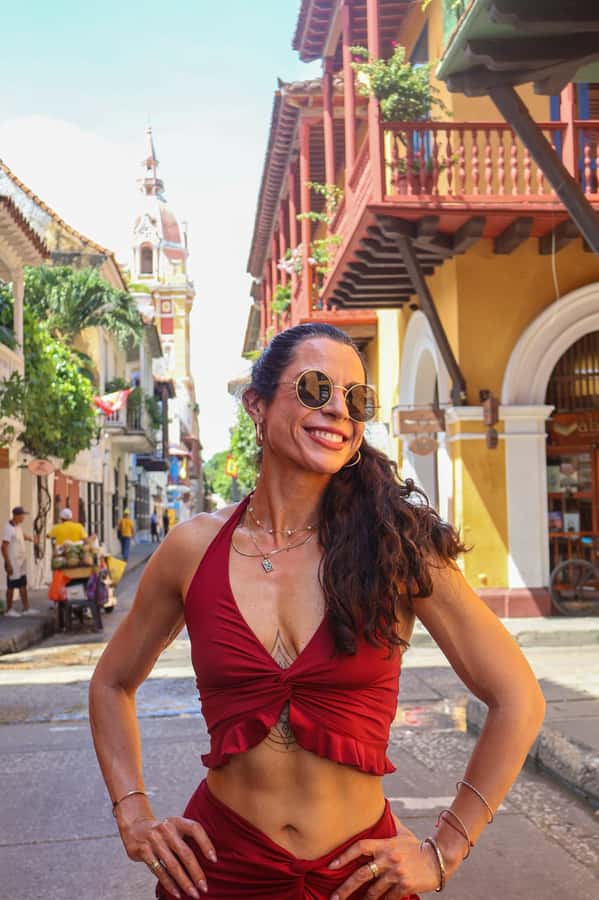
The route covers the Historic Center and Getsemaní, two central parts of Cartagena. That makes the experience practical for anyone staying inside or near the walled city. You meet at Selina Cartagena, a hotel and social space in the heart of the walled city, then continue on foot.
The walk also helps you get your bearings. You will not receive a full architectural tour, but you will see two well-known districts while following a focused subject. For a first day in Cartagena, this can be a pleasant way to combine orientation with breakfast or an afternoon coffee break.
More History Tours in Cartagena
- Cartagena: Historic Center and Getsemaní Shared Walking Tour
★ 4.9 · 2,716 reviews - Historic Center & Getsemaní Shared Tour in Cartagena
★ 5.0 · 620 reviews - San Basilio de Palenque History Tour
★ 5.0 · 301 reviews
Starting at Selina Cartagena
Selina Cartagena is an easy meeting point to identify. It is a modern hotel in the walled city with coworking areas, a café, restaurant, and spaces for cultural activities. Its colorful, contemporary style fits the social side of Cartagena, and its central location keeps the start convenient.
The meeting point matters because this is a walking experience, not a bus excursion. There is no transfer time and no need to arrange transport between tastings. You should arrive ready to walk through city streets and spend time standing at café counters or tables.
The exact starting time depends on availability, so check the schedule when you book. The stated duration is two hours. That is long enough for several stops and a proper introduction, while short enough to fit around a museum visit, lunch, or an evening reservation.
Your guide leads in English or Spanish. Shay is one guide associated with the experience, and the available feedback describes Shay as friendly and informative. A guide’s personality matters here because the tour depends on conversation. Coffee tasting can feel stiff if the explanation is too technical, but a warm guide can make the details easier to follow.
Walking through the Historic Center and Getsemaní
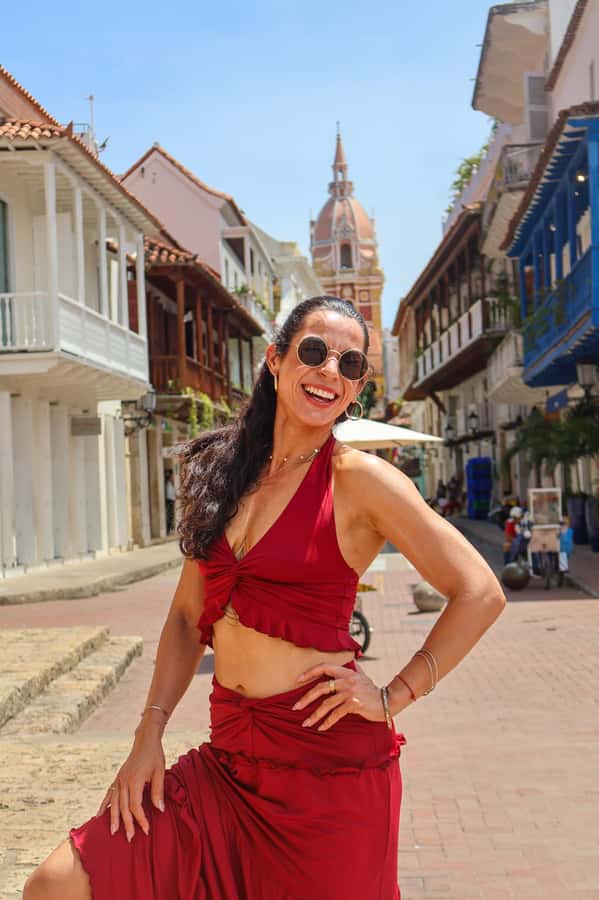
The first major feature is the route itself. You move through Cartagena’s Historic Center and Getsemaní, walking from one coffee shop to the next. That format feels more connected to the city than sitting in one classroom for two hours.
The Historic Center gives the tour a traditional setting, while Getsemaní brings a different local atmosphere. The supplied information does not promise specific monuments, streets, or photo stops, so I would not book this as a landmark-by-landmark sightseeing tour. Its purpose is coffee, with the neighborhoods providing the backdrop.
That distinction helps set expectations. You will learn about Colombian coffee while moving through central Cartagena, but the guide’s attention stays on beans, preparation, and tasting. If you want detailed commentary on churches, fortifications, or colonial architecture, you will need a separate city tour.
I like the walk because it breaks up the tasting lesson. Coffee information can become a lot to absorb when delivered all at once. A change of café gives each part of the discussion a natural pause and lets you compare how different places prepare the same broad product.
The route also creates a sense of progression. You start with the city, enter a café, taste and learn, then walk onward with a better idea of what to notice in the next cup. It is a simple structure, but it works well for a two-hour activity.
Three cafés, three ways to taste Colombian coffee
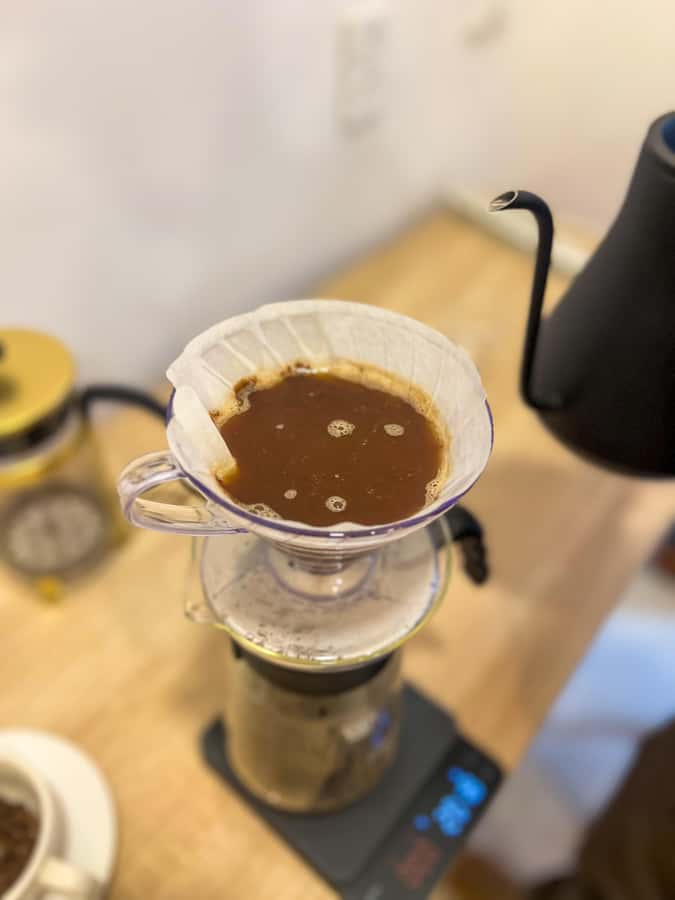
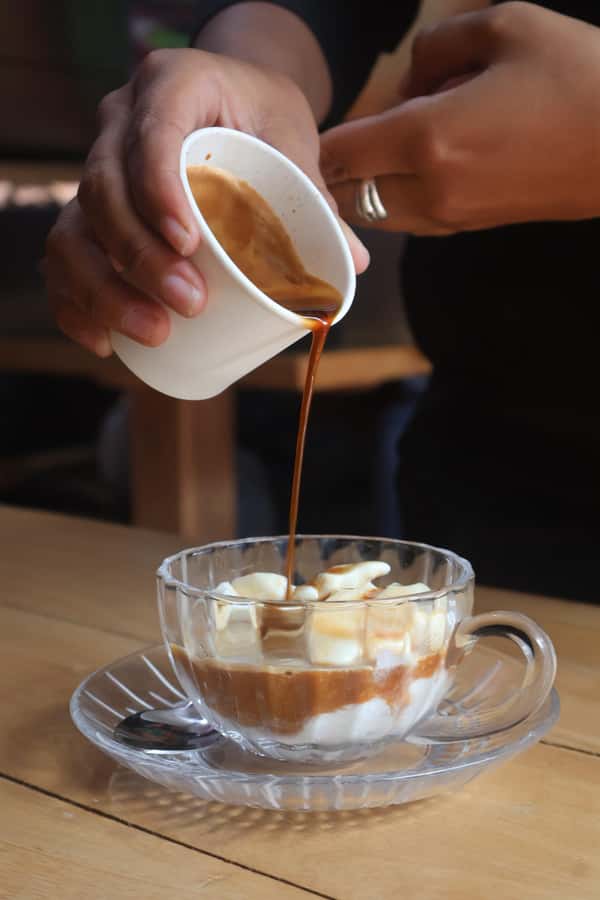
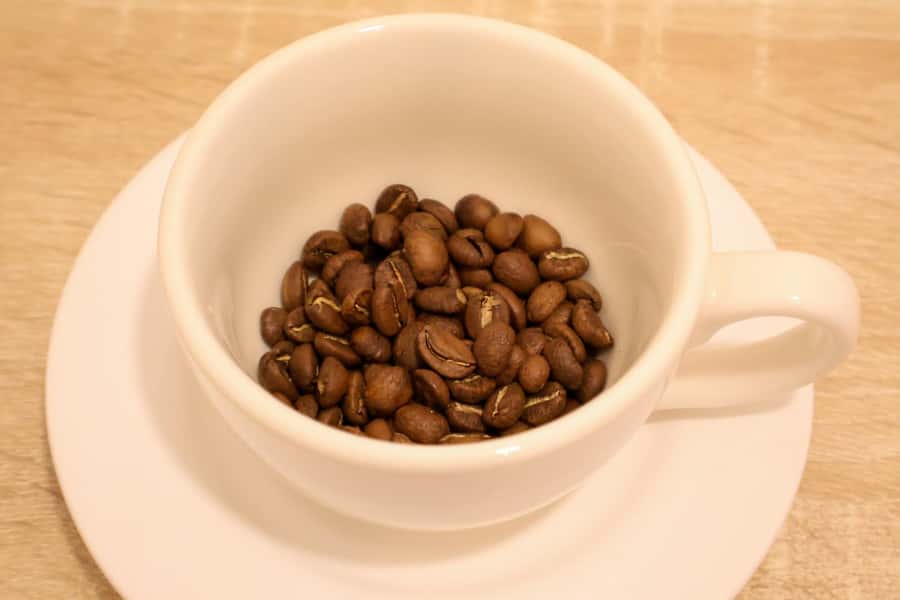
The core of the experience is the visit to three specialty coffee shops. At each stop, you taste a different variety of 100 percent Colombian coffee prepared with a different brewing method.
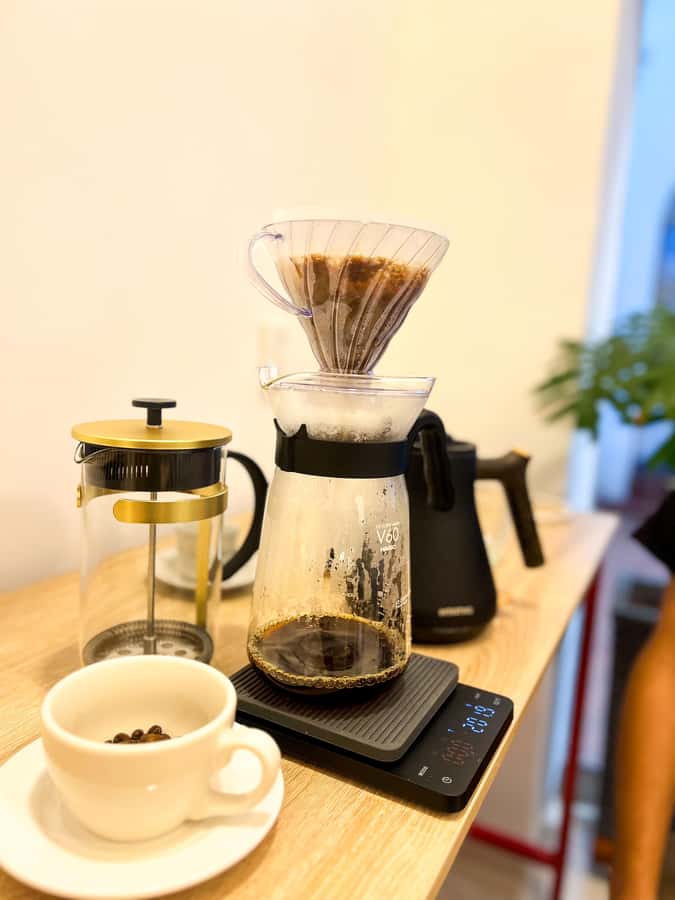
The important point is comparison. One cup on its own can taste pleasant, but three cups made in different ways help you notice how brewing changes aroma, body, strength, and finish. The experience refers to preparations ranging from bold espresso to smooth filtered coffee.
An espresso gives you a concentrated sample. It can make roast character and intensity easier to notice. A filtered brew usually presents the coffee in a lighter, clearer way, allowing more of the bean’s individual qualities to come through. The third method adds another point of comparison, though the specific method is not stated in the available information.
You should not expect three large café drinks. This is a tasting, so the purpose is to compare rather than fill up on coffee. That can be a benefit if you want to keep walking in Cartagena’s heat, though anyone hoping for a full meal or a large morning beverage should plan to eat separately.
The three-stop format is also useful for people who normally order coffee without thinking about it. You may begin with a simple preference for strong or mild coffee. By the end, you should have a clearer sense of how grind, roast, bean variety, and brewing style affect the cup.
The experience does not identify the individual cafés in advance. That gives the operator some flexibility, but it also means you should not book expecting a particular famous shop. The reliable promise is the format: three specialty coffee stops and three Colombian tastings.
A completely different kind of day:
- Cartagena Island Hopping: 5-Stop Rosario Islands Tour with Lunch
★ 4.5 · 4,903 reviews - Cartagena: Rosario Islands Catamaran with Lunch and Snorkel
★ 4.5 · 2,479 reviews - Full-Day Rosario Islands Including Barú, Bocachica & Playa Blanca
★ 4.0 · 1,729 reviews - Tour De Palenque, Road to Emancipation.
★ 5.0 · 1,678 reviews
Learning to taste with cupping techniques
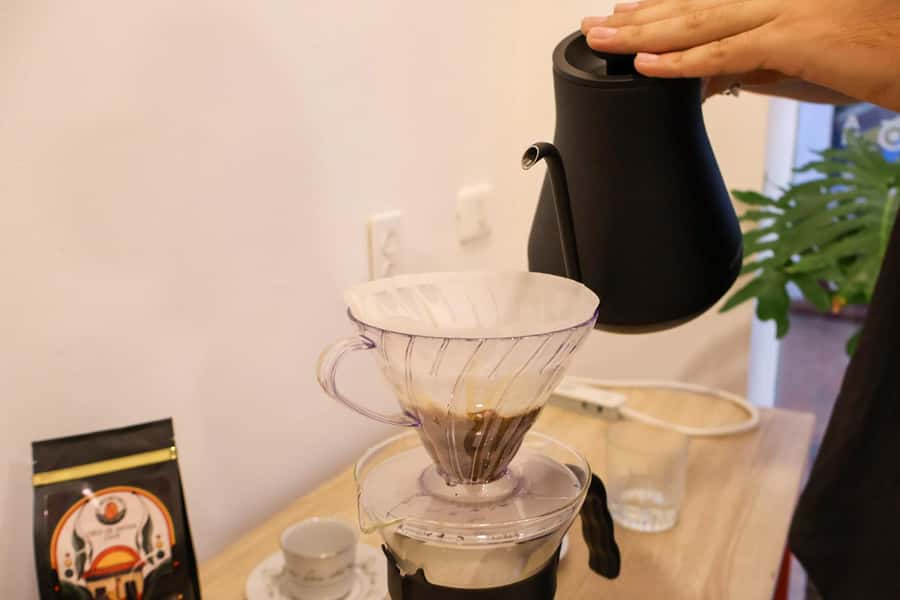
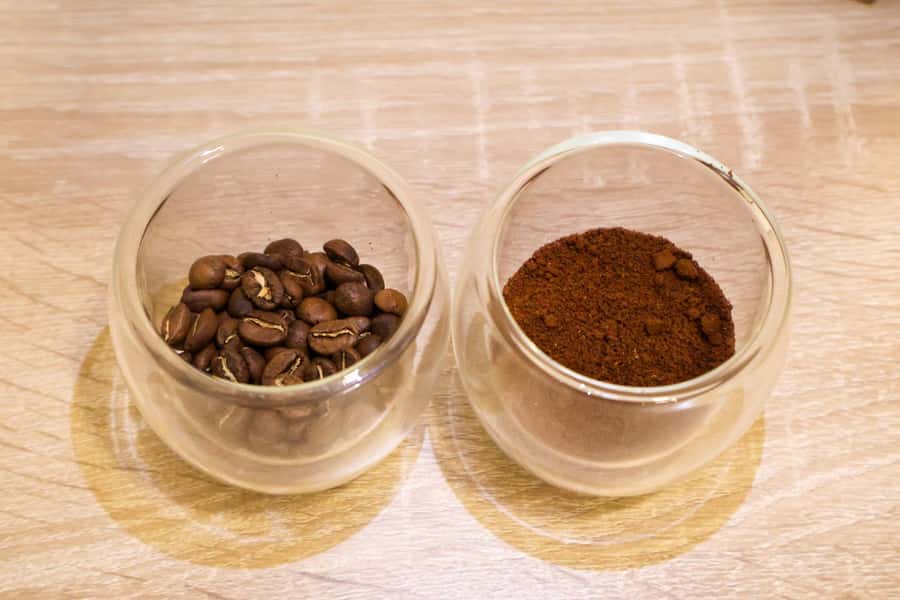
The coffee class adds the most value for people who want more than a pleasant drink. You learn the basics of cupping, the method coffee professionals use to assess beans through smell and taste.
You will be guided to pay attention to aroma, flavor, and the way the coffee feels as you taste it. The focus is not on memorizing complicated terms. It is on slowing down and noticing what is in the cup.
Aroma is especially important. The experience includes exercises to help you distinguish between coffee scents. That can change the way you drink coffee later. Instead of saying only that a cup tastes good, you may start noticing whether it seems fruity, nutty, floral, roasted, or earthy. The exact aromas available will depend on the coffees served, so I would treat this as practice rather than a formal certification.
The phrase awaken your senses fits the activity, but the useful part is practical. You are learning a method you can use at home, in another café, or when buying Colombian beans as a souvenir.
The lesson also covers the coffee-making process from cultivation to roasting. You hear about the bean’s path through planting, harvesting, processing, and preparation. Different plantation types and harvesting methods are part of the discussion, giving you a better idea of why coffee from one region or farm may taste different from another.
This is where the experience becomes more than a café crawl. You get a basic framework for understanding coffee production. You will not become a professional taster in two hours, but you can leave with better questions and a sharper palate.
The Colombian story behind the cup
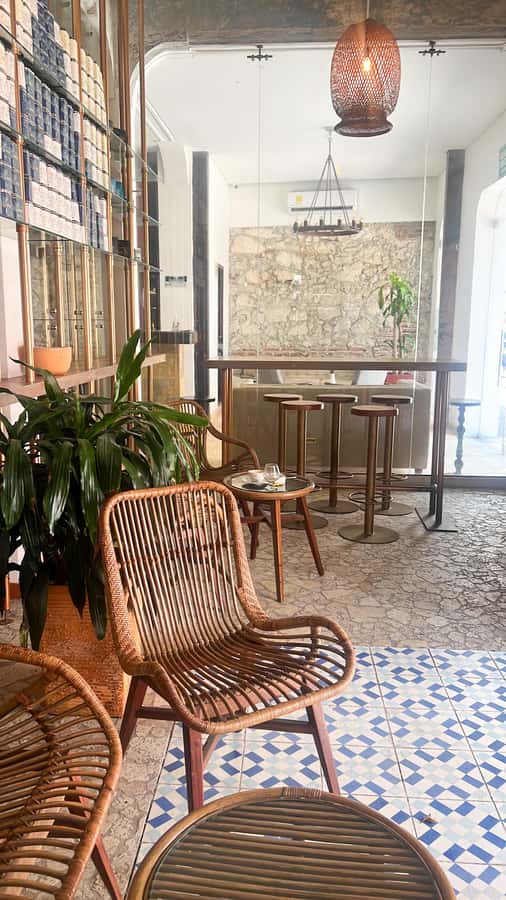
Coffee has a major place in Colombian history and culture, and this tour gives that subject room without turning into a long academic lecture. You learn about the impact of coffee on the country and how production connects rural plantations with urban cafés.
That context is valuable in Cartagena, even though the city itself is not Colombia’s main coffee-growing region. The tour links what you see in a city coffee shop with the farms and workers behind the beans. It reminds you that a polished espresso or filtered cup represents a much longer process.
You will also hear about different varieties of coffee. The experience promises 100 percent Colombian coffee, but it does not list the exact bean varieties or growing regions served. That is worth keeping in mind if you want a highly technical tasting with precise farm details.
Still, the broad lesson should be useful. The terms plantation, harvesting method, variety, roast, and brewing method all affect how you understand the finished drink. A guide can explain these ideas in plain language while you have the cup in front of you.
I appreciate that the cultural part is tied to a physical activity. You hear about coffee, smell coffee, and taste coffee as the lesson develops. That makes the information easier to remember than a talk delivered without samples.
Is $38 a fair price?
The price is $38 per person. I see reasonable value in that amount if you would otherwise pay for several specialty drinks and a separate coffee class.
You receive a local guide, a special coffee class, a history lesson, and three tastings. You also get a guided walk through the Historic Center and Getsemaní. The price is not simply covering three cups, since the teaching and comparison are central to the experience.
The value depends on your interests. A dedicated coffee fan may find the combination well priced, especially if the tasting techniques help you buy or brew better coffee later. Someone who mainly wants a cheap caffeine stop may find it expensive compared with ordering one drink at a café.
The two-hour length helps the value. It does not consume half a day, and it can fit neatly into a morning or afternoon plan. You are paying for a focused activity rather than a long general tour with a few passing coffee references.
I would also compare the cost with your plans in Cartagena. If you already intend to visit several specialty cafés, this tour gives those stops a purpose and adds a guide. If you prefer exploring cafés alone, you may spend less by ordering independently, but you will miss the structured tasting and explanation.
Who will enjoy this experience most?
I would recommend this tour to coffee drinkers who want to understand what they are tasting. It is also a good choice for couples, friends, and solo visitors who enjoy a relaxed walking activity with a clear subject.
It suits people who are curious about Colombian culture but do not want a long museum visit. The route lets you see central Cartagena while learning about a product closely tied to the country.
The tour can also work for mixed-interest groups. A person who knows little about coffee can follow the class, while a more experienced coffee drinker can compare brewing methods and aromas. The guide’s English and Spanish options make it accessible to a broader range of participants.
I would hesitate to recommend it to anyone seeking a full history of Cartagena, a food tour with several dishes, or a plantation visit. None of those are promised. The focus is urban coffee tasting, and the time is limited.
The activity is listed as wheelchair accessible, which is important for planning. Since the tour takes place on foot through the Historic Center and Getsemaní, you should still confirm that the available route and café entrances meet your specific needs when booking.
Practical advice before you book
Plan to arrive at Selina Cartagena a little early so you can find the meeting point without cutting into the two-hour session. The hotel is in the walled city and is designed as a social hub, so it should be a straightforward place to locate.
Wear comfortable shoes. The route connects three cafés on foot, and the value of the experience depends partly on enjoying the movement between stops. Cartagena can be warm, so a walk-friendly outfit and water outside the tastings make sense, although the tour details do not specify the amount of walking.
Do not fill up on coffee just before you arrive. Three tastings can be enough, particularly if one is espresso. You may also want to eat beforehand or afterward, since the activity includes coffee rather than a full meal.
Ask questions. This is the kind of tour where your curiosity improves the experience. Ask the guide how the brewing methods differ, what aromas to look for, and how harvesting changes the beans. If you are served a coffee you especially enjoy, ask what made it taste different.
The cancellation policy is useful for uncertain schedules. You can cancel up to 24 hours before the activity for a full refund, and you can reserve now and pay later. Those options are helpful when your Cartagena plans depend on weather, cruise timing, or other reservations.
Should you book the Cartagena coffee walk?
Book it if you want a focused, social introduction to Colombian coffee with a little city walking included. The combination of three cafés, three brewing methods, cupping practice, and local context gives the $38 price a solid case.
I would choose it early in a Cartagena stay, when the walk can help you get familiar with the Historic Center and Getsemaní. You may also find yourself using the tasting tips for the rest of your trip.
Skip it if coffee is only an occasional drink for you or if your main goal is a traditional sightseeing tour. For coffee lovers, though, this is a friendly, compact way to connect the cup in front of you with Colombia’s farms, history, and café culture.
FAQ
Where does the coffee tour meet?
The meeting point is Selina Cartagena, a modern hotel and social space in the heart of Cartagena’s walled city.
How long does the experience last?
The tour lasts two hours. Starting times depend on availability.
Which areas of Cartagena does the tour visit?
The walking route covers the Historic Center and Getsemaní.
How many coffees are included?
You taste three different types of 100 percent Colombian coffee, each prepared with a different brewing method.
Is the tour offered in English?
Yes. Live guiding is available in English and Spanish.
Can I cancel the booking for a refund?
Yes. You can cancel up to 24 hours in advance for a full refund. You can also reserve now and pay later.
Just added in Cartagena
- Private History Photography Tour★ 5.0 · 17 reviews
- Self-Guided Audio Tour: Pirate Tales in Cartagena★ 3.0 · 2 reviews
- Paue Island Tour in the Rosary Islands★ 5.0 · 1 review
- Totumo Volcano★ 3.5 · 15 reviews
- Palmarito Beach★ 3.5 · 4 reviews
- Party without limits! Cartagena; VIP Party.★ 4.5 · 32 reviews
- Paragliding Experience in Cartagena★ 5.0 · 8 reviews
- Palmarito Tour with Private Beach, Pools and Full Food★ 3.5 · 3 reviews
Historical Tours, compared.
Historic Center and Getsemaní Shared Walking Tour
Read our review →
Shared Tour of the Historic Candelaria in Bogotá
Read our review →
Historic Center & Getsemaní Shared Tour in Cartagena
Read our review →
Shared Tour Historic Center of Medellin with Audio System
Read our review →
Medellín Essential: history & local life on E-bike
Read our review →
Medellin Historic Walking Tour with Expert Guide
Read our review →
Bogota Shared Gastronomy Tour in the Historic Center
Read our review →Browse the lists this tour appears in