
REVIEW · SALSA DANCING CLASSES
Cali Salsa Tour: Learn the history, dance and play instruments
Feel Cali through its rhythm. This three-hour walk and workshop makes salsa more than a nightclub soundtrack, with time to handle instruments, learn basic Cali-style steps, and connect the music to local places. I especially like the visit to the original salsa collection and the chance to play instruments, two details that turn a sightseeing tour into an active cultural lesson. The main consideration is pace: you will cover several stops in three hours, so some visits are brief.
I also like the small group limit of 15 people and the central finish near the Merced church, where you can continue to San Antonio or take a taxi. Guide Alejandro receives especially warm praise for his clear English, good humor, local tips, and care with solo visitors. If you want a quiet museum tour or a full evening of club dancing, this is not quite that. It is a daytime introduction that mixes walking, stories, music, and movement.
In This Review
- Key points to know before booking
- Why this Cali salsa tour works
- Starting beneath Cali’s musical trumpets
- The museum where records become living lessons
- Learning the basics of Cali-style salsa
- Tobacco, vinyl, and the smell of working Cali
- Sin Street and Cali after dark
- A meaningful final stop near the Merced church
- What $70.67 buys you
- Group size, language, and physical demands
- Who should book this experience
- Should you book the Cali Salsa Tour?
- FAQ
- Where does the Cali Salsa Tour start?
- Where does the tour end?
- How long does the experience last?
- How much does the tour cost?
- What will I do at the salsa museum?
- Do I need previous salsa experience?
- How many people can join the tour?
- Can I cancel for a refund?
Key points to know before booking
- Play instruments at the Museo Raizales De La Salsa, not just look at old records and memorabilia.
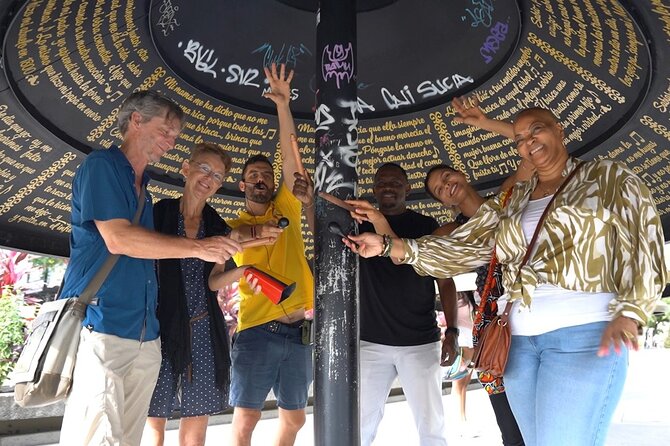
- Stand beneath giant trumpets at Plazoleta Jairo Varela, a striking tribute to Cali’s salsa identity.
- Learn basic Cali-style steps with patient instructors and a guide who keeps the session friendly.
- Connect salsa with tobacco, cane, and city life at Edificio Coltabaco.
- Finish at a women-run craft foundation near the Merced church, useful for souvenirs and onward plans.
- Expect three hours for $70.67, with free cancellation up to 24 hours before the start time.
Why this Cali salsa tour works
Cali is often called the salsa capital of the world, but that label means more when you understand how music lives in the city. This experience gives you several ways in: historical objects, public monuments, live movement, instruments, and neighborhood stories.
I like that the tour does not treat salsa as something reserved for expert dancers. You do not need to arrive with polished footwork. The emphasis is on joining in, trying a few steps, and understanding why the dance matters in Cali.
The cultural mix is the real value. You see the first salsa orchestra’s collection, hear about major Colombian groups, stand in a plaza built around music, and finish at a foundation that supports women heads of family. The result is broader than a standard dance class.
At the same time, you should keep your expectations realistic. The listed stops include 30 minutes at the museum, 45 minutes at the plaza, and shorter visits of 15 or 20 minutes elsewhere. That means this is a lively introduction, not a long museum study or an in-depth neighborhood walk.
More History Tours in Cali
- Shared Tour of the Historical and Cultural Center of Cali
★ 5.0 · 211 reviews - Shared Tour Cali’s Historical Downtown
★ 4.8 · 143 reviews - Historical Shared Tour Salsa, Graffiti & Resistance in Cali
★ 5.0 · 107 reviews
Starting beneath Cali’s musical trumpets
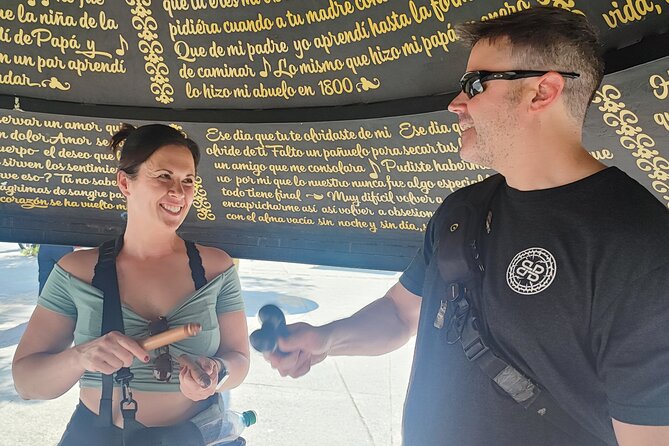
The tour starts at 2:00 p.m. at Plazoleta Jairo Varela, also known as Plazoleta de La Caleñidad, in the Granada area. This is a practical meeting place near public transportation and a fitting start, since the plaza’s centerpiece is Colombia’s only musical monument of its kind.
The giant trumpets give the first meeting point a clear sense of purpose. Here, you learn about Grupo Niche and Guayacán, two important names in Colombian salsa, and begin connecting public art with the sounds you will hear later.
This opening stop lasts about 45 minutes and costs nothing beyond the tour price. It is a good place to get your bearings and hear the broad story before moving to smaller, more personal objects at the museum.
You may also appreciate the setting if you are not a serious dancer. The plaza gives you a visual introduction to Cali’s musical character without asking you to perform right away.
The museum where records become living lessons
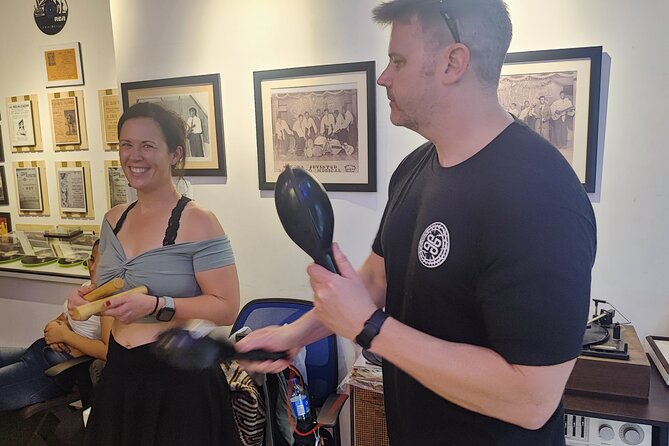
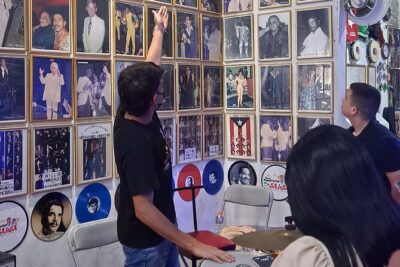
Museo Raizales De La Salsa is the tour’s strongest stop for context. Its collection comes from the first salsa orchestra in Cali and includes vinyl records, early city instruments, and other musical pieces tied to the city’s salsa story.
The important feature is that this is not only a look-and-listen visit. The program includes musical instrument and dance classes, so you can move from hearing about the music to trying it yourself.
You have about 30 minutes here. That is enough time for a focused introduction, but not enough for a slow examination of every item. I would pay close attention to the guide’s explanations and ask questions while the group is together. The objects matter most when someone explains how they connect to Cali’s musical life.
This is also where the tour’s hands-on design pays off. Several people who took the experience enjoyed learning to play different instruments as much as learning dance steps. If you are shy about dancing, the instruments give you another way to take part.
Alejandro is the guide most often named in the supplied feedback. His approach is described as professional, friendly, and passionate, with strong English. That matters here because the museum material could otherwise feel like a quick display of old records. A good guide gives those records a place in the city’s story.
Learning the basics of Cali-style salsa
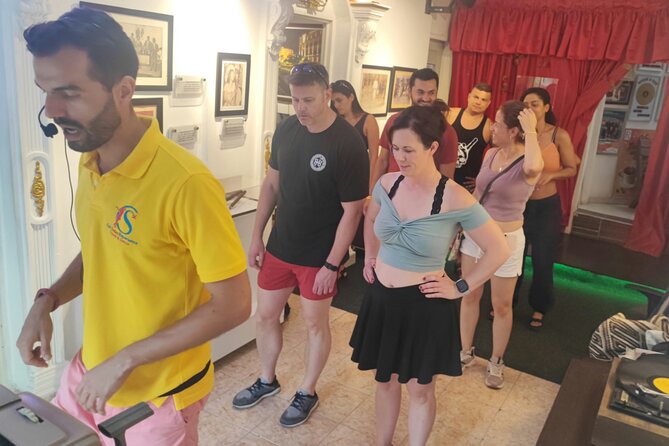
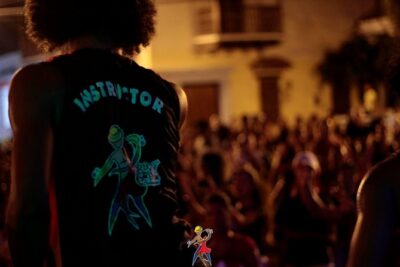
The dance portion is aimed at beginners and curious intermediates, not only people who already know salsa. You learn basic Cali-style steps, with instructors described as patient and enthusiastic.
Cali-style salsa has a reputation for quick footwork, but you should not feel pressure to master a full routine in one afternoon. The useful goal is to understand the rhythm, try the foot patterns, and leave with a few moves you can use later.
Several details make this part especially appealing. You can learn by doing, the instructors keep the mood light, and the class forms part of a larger story about the city. Instead of treating dance as an isolated lesson, the tour places it alongside instruments, records, and public monuments.
The three-hour length seems well suited to this format. A shorter activity might feel rushed, while a much longer class could tire people who are also walking between stops. Still, moderate physical fitness is recommended. You should be comfortable standing, walking through central Cali, and taking part in basic movement.
If you are traveling alone, the tone may be reassuring. One solo woman specifically valued feeling safe and cared for with Alejandro, along with the practical food and evening suggestions he shared after the tour. That does not replace your own judgment, but it points to a guide who stays engaged beyond the formal script.
More Salsa Dancing Classes in Cali
- Shared Tour Cali’s Salsa, Graffiti & Resistance Experience
★ 4.8 · 53 reviews - Salsa Bar Hopping in Cali
★ 4.5 · 43 reviews - Salsa & Music Tour of Cali
★ 5.0 · 42 reviews - Friday Night Street Salsa and Bar Crawl in Cali, Colombia
★ 4.5 · 24 reviews
Tobacco, vinyl, and the smell of working Cali
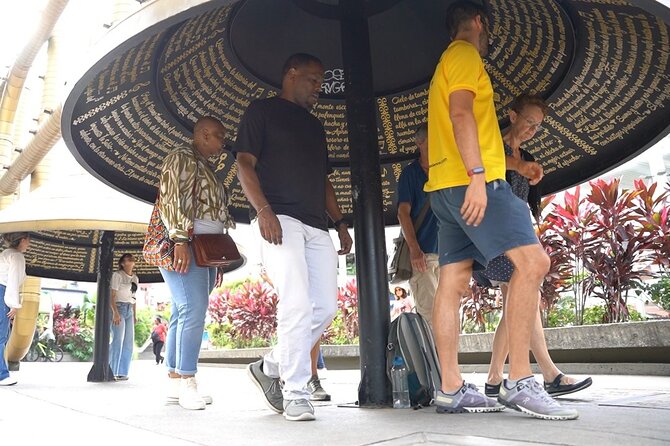
Edificio Coltabaco receives about 15 minutes, so think of it as a compact story stop rather than a full visit. The focus is the link between tobacco and vinyl, with the sensory image of cane, tobacco, and tar used to evoke Cali’s working and musical world.
This brief pause adds texture to the tour. Salsa did not grow in a vacuum, and the city’s sound is connected to ordinary materials, labor, streets, and gathering places. A stop like this helps you see the culture as part of daily life rather than a show arranged only for visitors.
The drawback is simple: 15 minutes leaves little room for a long explanation. If this subject interests you, listen closely and ask the guide to clarify the connection. The stop works best as a short bridge between the larger museum experience and the more public parts of the route.
Sin Street and Cali after dark
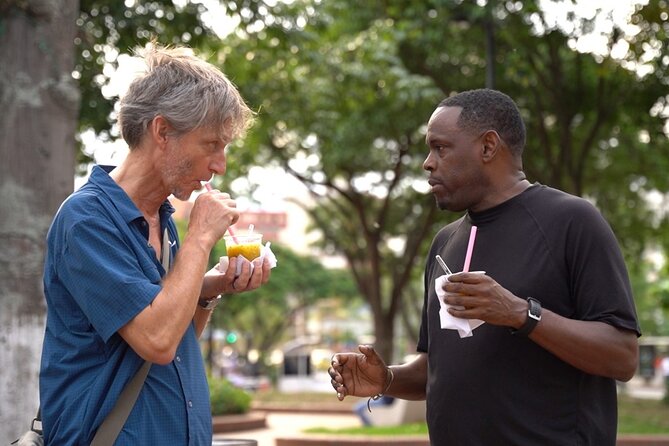
The tour then reaches Kumis Kasimiro, identified with Sin Street. On Friday and Saturday nights, hundreds of locals gather here for an open-air carnival with live music and dancing.
Because this daytime tour begins at 2:00 p.m., you should not assume you will see that full nighttime scene during the scheduled visit. The stop lasts about 15 minutes, but the location helps explain how salsa spills into public space and becomes a shared social activity.
This is one reason the experience pairs well with a separate evening salsa outing. One person who enjoyed the daytime tour also took a nighttime dance experience through the same company, visiting different clubs and dancing in the streets with a guide. The daytime tour gives you background and basic skills; an evening activity would provide the longer night out.
You should also ask Alejandro for current suggestions if you plan to go dancing afterward. His practical advice about snacks, dinner, and nightlife was singled out as a useful part of the overall experience.
A meaningful final stop near the Merced church
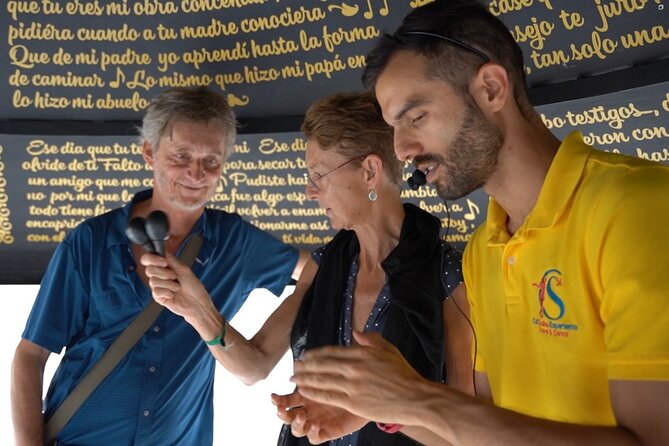
The final stop is ASOMUCAF, an association supporting women heads of family. You can buy crafts and souvenirs here, helping 60 women through your purchases.
The foundation occupies an 18th-century house where Spanish settlers kept treasure. That detail gives the stop a second layer, linking the building’s old walls with a present-day effort to support local families.
You spend about 20 minutes here. It is enough time to browse, choose a small keepsake, and learn why the foundation matters. I prefer this kind of ending to a generic souvenir shop because your purchase has a stated social purpose.
The tour ends near the Merced church in central Cali. This is one of the most useful logistical details. You can continue toward San Antonio, arrange a taxi, or pause at the nearby cafe that sells crafts and souvenirs. The endpoint gives you options instead of leaving you in an unfamiliar part of the city.
What $70.67 buys you
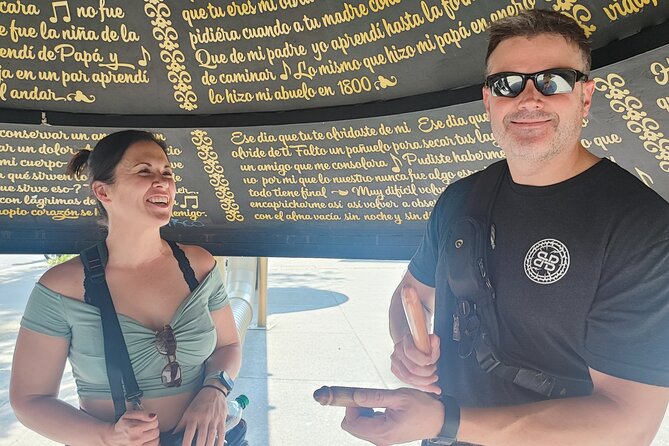
At $70.67 per person, this is not the cheapest way to hear salsa music or take a basic dance lesson. Its value depends on whether you want several connected activities in one booking.
Your price covers roughly three hours, a small-group format capped at 15 people, museum admission, guided history, instrument practice, dance instruction, and a route through several central music-related places. The plaza, Edificio Coltabaco, Sin Street, and ASOMUCAF do not charge separate admission, but the guide and the structure of the experience are what you are paying for.
I think the price makes the most sense for first-time visitors who want an organized introduction to Cali’s salsa culture. You save yourself the trouble of finding the museum, understanding the musical references, and locating a suitable beginner dance class on your own.
The value is weaker if you only want nightlife. This tour finishes during the day and does not replace a full evening of dancing. It is best seen as the foundation for later nights out, not the whole salsa experience.
The tour is booked, on average, 64 days ahead. That suggests you should reserve early if your dates are fixed, especially if you want the smaller group format. Confirmation is provided at booking, and free cancellation is available until 24 hours before the start time. Changes or cancellations inside that window are not accepted for a refund.
Group size, language, and physical demands
A maximum of 15 participants is a useful middle ground. The group is small enough for questions and hands-on practice, but large enough to create a social feel during dancing.
The available feedback gives Alejandro particular credit for his English, professionalism, and warm manner. Staff members are also described as organized, friendly, and helpful. Since the tour covers music history and dance instruction, clear communication matters as much as enthusiasm.
You should have a moderate level of physical fitness. The route involves walking and standing, and the dance portion requires movement. Service animals are allowed, and the tour is near public transportation.
No separate accessibility details are provided beyond those points, so contact the operator if you need specific assistance. Do not assume that every street, building, or dance area will suit every mobility need.
Who should book this experience
I would choose this tour if you fit one or more of these descriptions:
- You want a first introduction to Cali salsa before going to clubs.
- You enjoy learning through music, objects, and local places.
- You are willing to try basic dance steps without needing to be an expert.
- You like small-group activities with room to ask questions.
- You are traveling alone and value an organized daytime plan.
- You want to support a local women’s foundation through souvenir shopping.
It also suits couples and friends who want an activity with more substance than a dance class alone. The museum and public monuments give non-dancers something to enjoy, while the instrument and movement sessions keep the experience active.
I would hesitate if you dislike participation, have difficulty standing and walking, or want a long, advanced dance lesson. The short stops mean the tour keeps moving, and the lesson is part of a larger cultural route rather than a technical workshop.
Should you book the Cali Salsa Tour?
Book it if you want to understand Cali salsa before you try the city’s nightlife. The combination of the first orchestra’s collection, giant trumpet monument, instrument practice, basic caleño steps, and socially minded final stop gives you a useful three-hour introduction.
I especially like the way the experience links music to real places instead of keeping you in a classroom. Alejandro’s friendly guidance, strong English, practical local advice, and attention to solo participants add to the appeal.
Just remember what you are buying. This is a daytime cultural and dance experience, not an all-night club tour. At $70.67, it offers good value for a first visit if you want history, participation, and orientation in one package. If you have time, pair it with an evening salsa outing and use what you learned on the dance floor.
FAQ
Where does the Cali Salsa Tour start?
It starts at 2:00 p.m. at Plazoleta Jairo Varela, also called Plazoleta de La Caleñidad, at Av. 2 Nte. in the Granada area of Cali.
Where does the tour end?
It ends at ASOMUCAF Asociación Mujeres Cabeza de Familia, near the Merced church in central Cali. The endpoint is convenient for continuing to San Antonio or taking a taxi.
How long does the experience last?
The tour lasts approximately three hours.
How much does the tour cost?
The listed price is $70.67 per person.
What will I do at the salsa museum?
At Museo Raizales De La Salsa, you can see the original collection of Cali’s first salsa orchestra, including vinyl records and early instruments. The visit also includes musical instrument and dance classes.
Do I need previous salsa experience?
Previous experience is not stated as a requirement. The experience includes basic Cali-style salsa steps and is suitable for people who want to learn and participate.
How many people can join the tour?
The tour has a maximum of 15 participants.
Can I cancel for a refund?
Yes. You can cancel at least 24 hours before the local start time for a full refund. Cancellations or changes made less than 24 hours before the start time are not accepted for a refund.
Just added in Cali
- Trekking to Pico de Loro★ 4.5 · 14 reviews
- Private Transfer from Cali Airport (CLO)★ 5.0 · 4 reviews
- Trekking & Rivering Reserve Pericos★ 5.0 · 5 reviews
- Transportes y Traslados desde Cali★ 5.0 · 1 review
- Sugar Cane Hacienda El Paraiso & Nature Day Tour★ 4.0 · 6 reviews
- CITY TOUR OF CALI | Discover with local experts Cali★ 5.0 · 2 reviews
- Friday Night Street Salsa and Bar Crawl in Cali, Colombia★ 4.5 · 24 reviews
- Saturday Night Bar Crawl in Cali, Colombia★ 5.0 · 20 reviews
Salsa Dancing Classes, compared.

Salsa & Bachata Nightlife Tour in Medellín with a Local Dancer
Read our review →
Historical Shared Tour Salsa, Graffiti & Resistance in Cali
Read our review →
Salsa Tour in Cartagena with admission Ticket to Café Havana
Read our review →
Shared Tour Cali’s Salsa, Graffiti & Resistance Experience
Read our review →
Browse the lists this tour appears in