
REVIEW · CITY TOURS
Bogota Walking Tour Teusaquillo a different part of the city
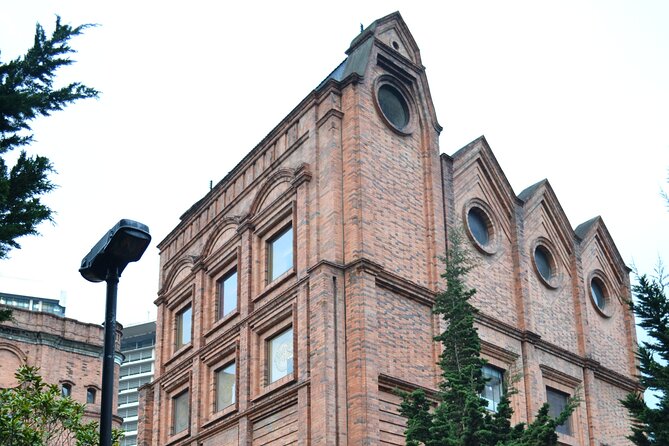
Teusaquillo rewards the curious walker. This three-hour tour takes you beyond Bogotá’s usual sightseeing circuit, with historic streets and architecture that trace Colombia’s political story from independence to the 2016 peace agreement. I like the mix of galleries, cafés, street art, and local food, and I especially like that coffee, chocolate, craft beer, arepas, and chicha give the walk a tasty local rhythm.
I also like the personal scale of a private group tour, plus the chance to hear the neighborhood explained by a local guide rather than simply photographed. The main consideration is reliability: one recent booking reported that no guide arrived, although most available feedback is strongly positive and praises the guides’ warmth and command of Bogotá’s story. Confirm your meeting details before setting out.
In This Review
- Key points to know before you go
- Why Teusaquillo makes a better second Bogotá walk
- Starting at the National Museum
- Bavaria Central Park and Bogotá’s changing city
- Casa Celo and the Apostolic Nunciature
- Public space and the Jorge Eliécer Gaitán Museum
- From Betty la Fea to independent local culture
- Visaje Graffiti and the creative side of Teusaquillo
- Prosa del Mundo and ParkWay
- Lubianka Pub and the final half hour
- What the guide adds to the experience
- Practical details that affect your choice
- Who should book the Teusaquillo walk?
- FAQ
- Where does the Bogotá Teusaquillo walking tour begin?
- Where does the tour finish?
- How long does the walking tour last?
- What languages are available?
- Is the tour wheelchair accessible?
- What tastings are included?
- Can I cancel and receive a full refund?
- Should you book it?
Key points to know before you go
- Teusaquillo beyond the usual route: Walk through a district known for varied architecture, culture, independent projects, and local life rather than only major monuments.
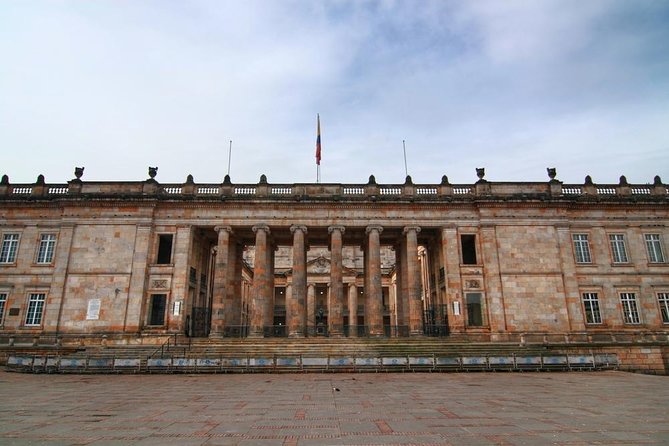
- A history lesson written into the streets: Buildings and public spaces help explain Colombia’s political development from 1819 through 2016.
- Food and drink are part of the walk: Expect a coffee or craft beer tasting, chocolate, and references to arepas and chicha.
- Street art with a creative stop: Visaje Graffiti includes time for art, a guided explanation, and a workshop-style visit.
- A strong finish at ParkWay: The route ends near ParkWay after a 30-minute beer stop at Lubianka Pub.
- Flexible, accessible format: The experience lasts three hours, is wheelchair accessible, is offered in English, Portuguese, and Spanish, and allows cancellation up to 24 hours before departure.
Why Teusaquillo makes a better second Bogotá walk
Bogotá can feel enormous when you first arrive. The main sights are spread across districts with different moods, and it is easy to spend your entire visit moving between famous plazas and museums. This walk gives you another piece of the city: Teusaquillo, a district where architecture, politics, art, food, and ordinary street life overlap.
I see this as a good choice after you have visited the most obvious central sights, or for anyone who prefers neighborhoods to a checklist of monuments. The route does not depend on one grand attraction. Instead, it builds a picture from houses, parks, cultural spaces, independent shops, a bookshop, graffiti, and a pub.
That approach matters in Bogotá. You get a sense of how the city changed over time, not just what it looked like at one important moment. The buildings help connect Colombia’s independence in 1819 with later political events, including the peace agreement of 2016.
The tour costs $19 per person for three hours. That is reasonable if you value interpretation and the included tastings, especially since entrance to galleries and cultural houses is included. It is less compelling if you mainly want a fast introduction to famous sights, because much of the appeal lies in the guide’s stories and the slower walk between stops.
More Walking Tours in Bogota
- Bogotá: Guided La Candelaria Walking Tour
★ 4.8 · 1,229 reviews - Graffiti Tour: a fascinating walk through a street art City
★ 5.0 · 1,074 reviews - Walking Tour in La Candelaria Bogotá
★ 5.0 · 859 reviews
Starting at the National Museum
You meet in front of the entrance to the National Museum of Colombia. Look for a guide wearing a red hat and carrying a red umbrella with the company logo. That clear visual signal should make the starting point easier to find, though I would still allow a few minutes to locate the entrance and get settled.
The museum is a sensible starting point because it places the walk in a national setting before the route turns toward neighborhood life. You are not beginning with a random café or street corner. You are starting near an institution connected to Colombia’s wider story, then following that story into Teusaquillo’s streets.
The tour is offered in English, Portuguese, or Spanish. Since the route depends on explanation, choose the language in which you can best follow political details, architectural clues, and local expressions.
Bavaria Central Park and Bogotá’s changing city
The first stop is Bavaria Central Park, where the guide spends about 10 minutes explaining the area. There is also time for photographs and sightseeing. This opening section gives you a gentle start, with enough room to look around instead of rushing from one point to the next.
A park stop is useful early in a walking tour. It gives you a feel for the scale and pace of the district, and it lets the guide establish the connection between public spaces and Bogotá’s development. I would expect the conversation here to focus more on the setting and its place in the city than on a long formal lecture.
The two Bavaria stops appear close together in the schedule, but they serve different purposes. One is guided sightseeing, while the next gives you time to pause and take pictures. Keep your camera ready, but do not treat the stop as only a photo opportunity. The point is to see how the district’s open spaces fit into its built surroundings.
Casa Celo and the Apostolic Nunciature
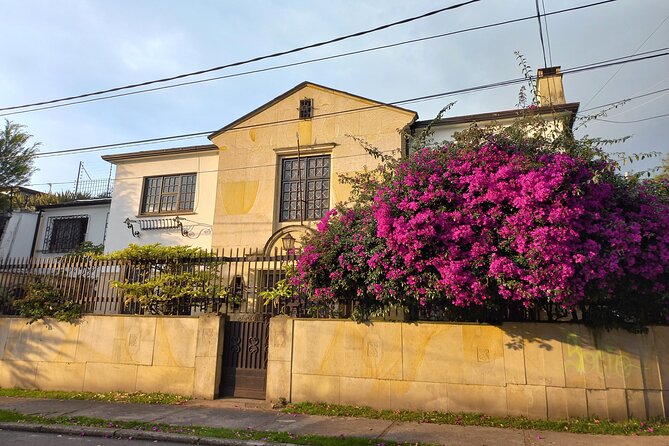
From Bavaria Central Park, the walk continues to Casa Celo. You spend about 10 minutes there with guided sightseeing and time to walk around. The value of a stop like this is its scale. A house can reveal more about a district’s identity than a large civic building because you notice design, use, and the way the structure relates to the street.
The route then passes the Nunciatura Apostólica. This is another short guided stop, with sightseeing and walking. The building adds a diplomatic and religious layer to the tour’s political story, showing how different institutions have occupied space in Bogotá.
Do not expect every stop to be a long interior visit. Several places receive roughly 10 minutes, and some are viewed from outside or passed on foot. That is part of the route’s design. You are collecting connections rather than spending an hour at a single site.
A completely different kind of day:
- Bogotá Bike Tour
★ 5.0 · 3,329 reviews - Bogota: Bicycle City Tour
★ 4.9 · 2,156 reviews - Zipaquirá: Salt Cathedral Group Tour with Pickup
★ 4.8 · 1,606 reviews - La Candelaria, Monserrate and Museums Bogotá Private City Tour
★ 5.0 · 1,567 reviews
Public space and the Jorge Eliécer Gaitán Museum
The next public stop is listed as público Park, where you have about 10 minutes for a visit and photographs. Parks can seem modest beside museums, but they are useful on a walking route. They break up the architecture and give you a place to observe how the neighborhood works at street level.
The Jorge Eliécer Gaitán Museum adds a more direct political focus. Here the guide provides sightseeing and a guided explanation, with the route passing through or by the museum area. Gaitán remains an important figure in Colombia’s political story, so this stop helps the earlier discussion of national events become more specific.
This is one of the points where a good guide matters most. The tour promises a look at Colombia’s modern political formation, and the Gaitán stop is central to that goal. The available feedback repeatedly praises the guides’ command of Bogotá’s story. One guide named in the feedback is Luis Bonilla, who was praised for giving a clear account of the area and its past.
From Betty la Fea to independent local culture
The Casa de Betty La Fea offers a lighter cultural turn. You visit and see the place connected with the well-known Colombian television character. It is a small but useful reminder that Bogotá’s identity is not only political or architectural. Popular culture also gives a neighborhood recognition far beyond its own streets.
Next comes El Parche Ropa y Accesorios, where you have time for shopping and an arts-and-crafts market visit. This is the sort of stop I appreciate because it gives independent work a place on the route. You can browse rather than simply watch, though the visit is scheduled for only about 10 minutes.
That short timing means you may need to choose between looking carefully and buying something. I would treat it as an introduction to the project, not a full shopping session. If something catches your eye, ask the guide how much time remains before wandering too far from the group.
Visaje Graffiti and the creative side of Teusaquillo
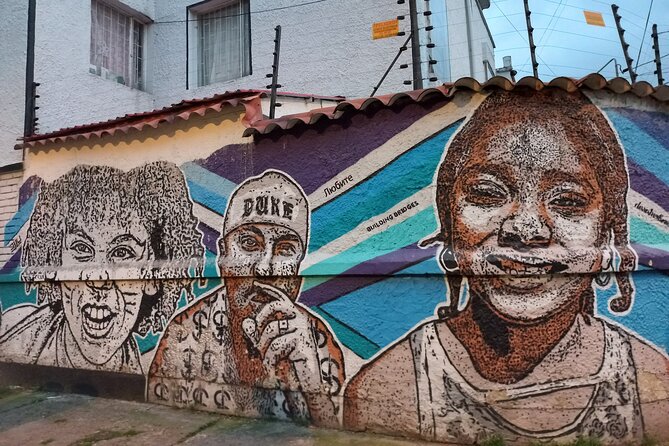
Visaje Graffiti receives about 20 minutes, making it one of the longer cultural stops. The schedule includes a photo stop, guided explanation, an arts-and-crafts market visit, and a workshop element.
Street art works especially well on a neighborhood walk because it changes your attention. Instead of looking only at old façades or official buildings, you begin to read walls, color, lettering, and public space as part of the district’s culture. I like that the route does not treat graffiti as background decoration. It gives the art its own stop and some guided context.
The workshop mention is appealing, but the available information does not specify exactly what you will make or how hands-on the activity will be. Keep expectations practical: you should have time to learn about the work and may take part in a workshop-style activity, but this is not presented as a long art class.
Prosa del Mundo and ParkWay
Prosa del Mundo Librería brings the route indoors again, with a visit, guided explanation, shopping, and a possible arts-and-crafts element. A bookshop is a fitting stop on a tour built around stories. It offers another view of local culture, this time through reading, independent commerce, and the kinds of projects that make a neighborhood feel lived in.
The schedule allows roughly 10 minutes, so this is more of a short cultural visit than time to browse every shelf. If you enjoy independent bookshops, you may wish you had longer. Still, its inclusion keeps the tour from becoming only a march through monuments and bars.
The route then reaches ParkWay for photographs, sightseeing, and a guided walk. ParkWay is important to the shape of the tour because it combines public space, architecture, and movement. You can pause, take pictures, and see how a broader pedestrian setting changes the feel of the district.
ParkWay is also the finishing area, which makes the route easy to understand. You begin at the National Museum, move through parks and cultural spaces, and end in a place suited to lingering.
Lubianka Pub and the final half hour
The last scheduled stop is Lubianka Pub, where you spend about 30 minutes with a beer tasting. This is the longest single stop and gives the tour a relaxed close after several short visits.
The included tasting is either coffee or craft beer, while chocolate tasting is also included. The information does not make clear whether every participant receives both coffee and beer, so I would confirm the exact tasting arrangement when booking. The itinerary specifically places beer at Lubianka Pub, making that stop the clearest opportunity for a drink.
I like the decision to finish with a pub rather than squeeze in another landmark. A drink gives you time to ask questions, compare impressions, and let the neighborhood settle in. The inclusion of arepas, coffee, chicha, beer, and chocolate also gives the walk a food-and-drink thread without turning it into a full food tour.
If you do not drink beer, this is worth checking in advance. The experience includes coffee or craft beer tasting, but the listed final stop is a pub. The tour’s value is strongest for people who enjoy social stops along with history and sightseeing.
What the guide adds to the experience
This is a story-led walk, not a route you would get the same way from a map app. The guide is expected to explain how the buildings connect to major national changes, then point out smaller details in galleries, houses, public spaces, and street art.
The strongest available feedback praises the guides’ friendliness and command of Bogotá’s past. Luis Bonilla is specifically named, and another particularly warm account notes that the group was accompanied by Appa, a friendly dog. That kind of small personal touch can make a private neighborhood walk feel less formal.
At the same time, the one serious negative report cannot be ignored. A January 2026 booking stated that no guide appeared and the tour was not canceled. That is a service failure, not a minor complaint. Most of the other supplied feedback is positive, including high praise for the guide and the neighborhood introduction, but I would confirm the appointment shortly before the meeting time.
Practical details that affect your choice
The experience lasts three hours and is listed as wheelchair accessible. Since the route is a walking tour with parks, streets, shops, and cultural spaces, you should still confirm any specific mobility needs with the provider before booking. The supplied information does not describe pavement, slopes, restroom access, or the exact accessibility of every stop.
The group type is private, which is a real advantage if you want to ask questions or move at a comfortable pace. It also makes the $19 price more attractive, though the final value depends on the number of people in your booking and the level of attention you receive.
The tour allows free cancellation up to 24 hours before departure and offers reserve-now, pay-later booking. Those terms are useful when your Bogotá plans are still shifting. Starting times depend on availability, so check the schedule before building another activity around it.
Wear comfortable shoes and bring water, even though the route includes refreshments. The schedule contains many 10-minute stops, so you will spend much of the three hours moving between places. I would also leave your afternoon open after ParkWay, since the final pub stop can be a pleasant point for continuing your own exploration.
Who should book the Teusaquillo walk?
I would choose this tour if you want a less standard view of Bogotá, enjoy local creative projects, and like hearing how architecture connects with politics. It suits people who prefer a guided neighborhood walk to a large museum visit or a bus ride between major sights.
It is also a good fit for repeat visitors who have already seen Bogotá’s headline attractions. The mix of the Gaitán Museum, Betty La Fea connection, graffiti, bookshop, parks, tastings, and pub gives the afternoon a varied pace.
I would think twice if you want long visits inside museums or a tightly focused food tour. Most stops are short, and the route covers many themes. You get breadth, local context, and a few tastes rather than extended time at one attraction.
FAQ
Where does the Bogotá Teusaquillo walking tour begin?
It begins in front of the entrance to the National Museum of Colombia. The guide can be identified by a red hat and a red umbrella with the company logo.
Where does the tour finish?
The tour finishes at ParkWay.
How long does the walking tour last?
The experience lasts three hours.
What languages are available?
The live tour guide is available in English, Portuguese, and Spanish.
Is the tour wheelchair accessible?
Yes, the activity is listed as wheelchair accessible.
What tastings are included?
The experience includes a coffee or craft beer tasting, chocolate tasting, and a sticker. The route also includes a beer stop at Lubianka Pub.
Can I cancel and receive a full refund?
Yes. You can cancel up to 24 hours in advance for a full refund. Reserve-now, pay-later booking is also available.
Should you book it?
Book this Teusaquillo walk if you want Bogotá told through neighborhoods, independent culture, political stories, and small everyday details. At $19, it offers good value when the guide is engaged and the tastings and cultural entrances are used well.
The best reason to go is the combination of places: Bavaria Central Park, the Gaitán Museum, Betty La Fea’s house, Visaje Graffiti, Prosa del Mundo, ParkWay, and Lubianka Pub. You get a broad look at a district in three hours, with enough variety to keep the walk lively.
Before paying, confirm the meeting time and guide details. That simple step matters because one booking reported a no-show. If the logistics are confirmed, this is a smart choice for seeing a less familiar side of Bogotá without giving up history, local flavor, or a comfortable private format.
Just added in Bogota
- Tour of Zipaquirá: Visit the Salt Cathedral and the main squares★ 4.5 · 55 reviews
- Catedral de Sal desde Bogotá en Tren★ 5.0 · 5 reviews
- Zipaquirá and Salt Cathedral Muisca Heritage with Guide – Private★ 4.5 · 23 reviews
- Botanical Garden Bogotá Private Tour (4 Hrs.)★ 5.0 · 13 reviews
- Zipaquira Salt Cathedral★ 4.5 · 12 reviews
- LOCAL GUIDE Zipaquirá PRIVATE TOUR – Salt Cathedral and Salt Oven★ 5.0 · 24 reviews
- Zipaquirá Salt Cathedral: An architectural wonder.★ 4.5 · 24 reviews
- Private Zipaquira Salt Cathedral and Guatavita Lagoon Tour from Bogota★ 4.5 · 44 reviews
City Tours, compared.
Hike for 4 days to the Lost City, Santa Marta
Read our review →
City tour Medellin + Comuna 13 + Graffititour Paisa for a day
Read our review →
La Candelaria, Monserrate and Museums Bogotá Private City Tour
Read our review →
Private Walking Tour in Cartagena Walled City & Getsemaní
Read our review →
Electric Bike City Tour Medellin With Colombian Coffee and Snack
Read our review →
Graffiti Tour: a fascinating walk through a street art City
Read our review →Browse the lists this tour appears in