
REVIEW · CIUDAD PERDIDA TREKS
Lost City – Ciudad Perdida Colombia
The Lost City is earned one step at a time. This four-day trek from Santa Marta combines a demanding jungle route, simple camp stays, Indigenous and peasant community support, and a close look at one of Colombia’s most important archaeological sites. I like the way the trip gives you time to understand the region, not just snap a photo at the ruins. I also like that meals, lodging, local guides, and an English translator are included.
The main catch is the effort required. The final day includes about seven hours of walking, and the tour is rated high in trekking difficulty. You should expect heat, rain, slippery sections, basic sleeping arrangements, and no easy way to shorten the route. At about $600 per person, this is not a cheap outing, but the four days of transport, food, guiding, accommodation, and community contributions make the price easier to justify.
In This Review
- Five things to know before you go
- What you are really signing up for
- Santa Marta to Mamey, then four hours on foot
- Day 2 brings Indigenous culture and the longest walking rhythm
- The climb to Ciudad Perdida on Day 3
- The seven-hour return to Mamey
- Camps, food, and daily comfort
- Guides, translation, and the human side of the route
- What the $600 price includes
- Packing and pacing advice
- Who should book this trek?
- Should you book the Lost City trek?
- FAQ
- Where does the Lost City trek begin?
- How long is the tour?
- How much does the trek cost?
- How difficult is the trek?
- How many people can join the group?
- Is an English translator included?
- Are meals included?
- What type of accommodation is provided?
- Are baggage-carrying mules included?
Five things to know before you go
- The trek begins with a three-hour 4×4 ride from Santa Marta to Mamey, followed by a four-hour walk to the first camp.
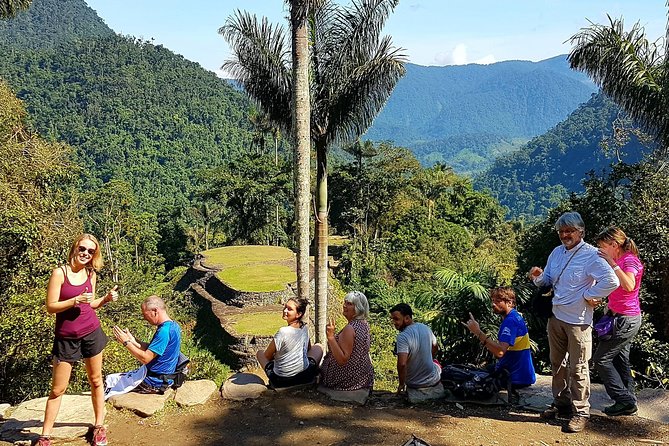
- The archaeological site is reached on Day 3, after a one-hour climb from Camp 3 and a two-hour visit among the terraces and ruins.
- Sleeping is simple but covered, with hammocks, beds, or tents and mosquito nets depending on the camp.
- Food is part of the package, with three breakfasts, four lunches, and three dinners included.
- The hardest stretch comes on Day 4, when you walk about seven hours from Camp 2 back to Mamey.
- The group is capped at 15 people, and an English translator is included.
What you are really signing up for
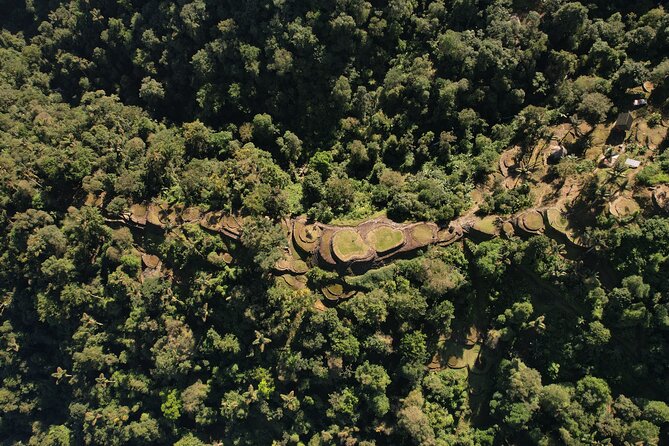
This is not a sightseeing bus ride with a short walk at the end. It is a four-day backcountry trek through the Sierra Nevada de Santa Marta, with long walking days and very basic camps. The reward is a slower, more meaningful arrival at Ciudad Perdida, also called the Lost City.
You will spend much of the trip moving through forest, crossing streams or wet ground where conditions require care, and climbing or descending uneven paths. The information provided does not give exact elevation figures, so I would judge the route by its hours and difficulty rating rather than by a number on a map.
The tour suits you if you have moderate fitness and feel comfortable walking for several hours in warm, wet conditions. The official trekking level is high, even though the general fitness recommendation is moderate. That combination matters. You do not need to be an athlete, but you do need patience, steady legs, and a willingness to keep going when the trail feels slow.
More Ciudad Perdida treks:
- Hike for 4 days to the Lost City, Santa Marta
★ 5.0 · 3,308 reviews - 4-Day Lost City Small-Group Tour in Santa Marta
★ 5.0 · 254 reviews - 4-Day Walking Tour to Lost City of Sierra Nevada
★ 5.0 · 136 reviews
Santa Marta to Mamey, then four hours on foot
The first morning begins around 8:00 a.m. with pickup from your hotel or accommodation if that option is selected. From Santa Marta, a 4×4 vehicle takes you roughly three hours to Mamey. This road transfer is part of the adventure, but it also means you should not expect a gentle first morning.
In Mamey, you stop for lunch before starting the first walk. The opening hike lasts about four hours and leads to Camp 1. That makes Day 1 a real walking day, not a warm-up stroll.
Your first night is in a hammock or a bed with a mosquito net. Accommodation is practical rather than private or polished. I would pack light, keep valuables protected from moisture, and bring clothing that dries fairly quickly. The tour runs in all weather, so rain is not a reason for the schedule to stop.
The first camp has an important psychological role. You have left Santa Marta, finished the long vehicle ride, and committed to the route. A hot dinner at camp gives you a chance to eat, recover, and settle into the group rhythm.
Day 2 brings Indigenous culture and the longest walking rhythm
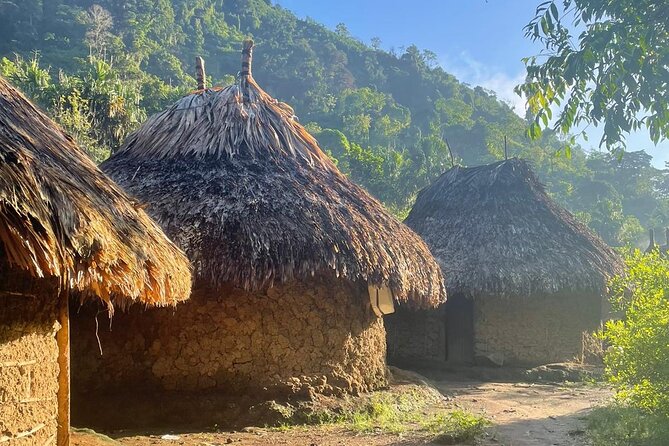
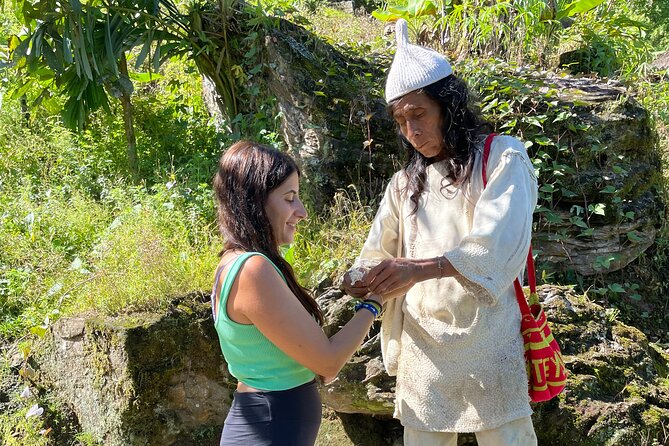
After breakfast, you leave Camp 1 early and walk for about two hours toward the Indigenous village of Mutanzi. This is one of the most meaningful parts of the route because the trek is not only about reaching ancient stone terraces. It also takes you through a region where Indigenous communities remain part of daily life.
From Mutanzi, you walk another 40 minutes to Camp 2, where you receive a hot lunch. That meal break is well placed. The morning has already taken several hours, and you still have about four more hours to reach the camp of Mamo Romualdo, known as Camp 3.
Day 2 totals roughly seven hours of walking. You might sleep in a hammock, bed, or tent, depending on the camp setup. Dinner is provided, and evening talks are an important part of the experience. The guides discuss the history of the area as well as its political and cultural meaning. An English translator helps make those conversations useful even if your Spanish is limited.
I especially like this structure because it gives the site a human setting. The Lost City is not presented as an isolated pile of stones. The route connects archaeology, Indigenous life, and the modern story of the region.
The climb to Ciudad Perdida on Day 3
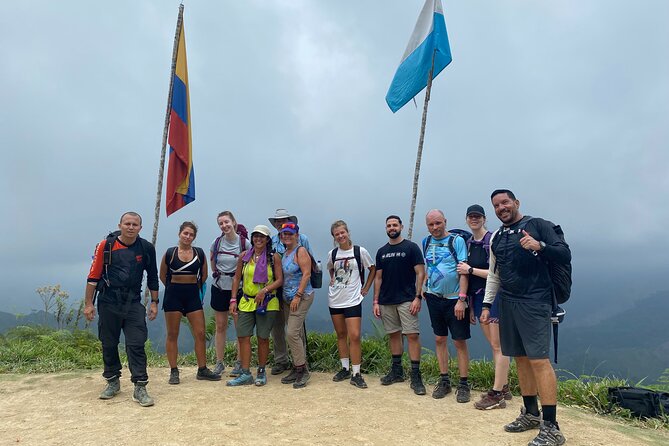
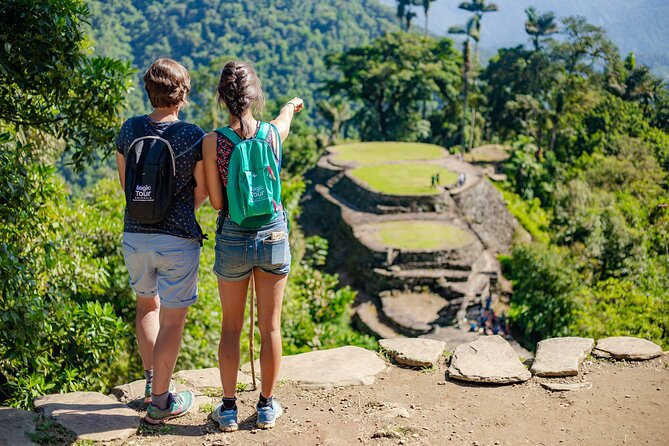
Day 3 is the emotional center of the trip. You leave Camp 3 early and climb for about an hour to reach Ciudad Perdida. The approach is part of the experience. You do not simply arrive beside the ruins after a vehicle drops you at a gate.
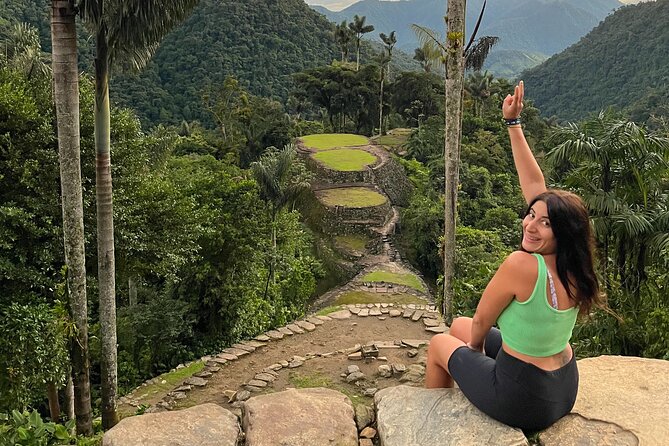
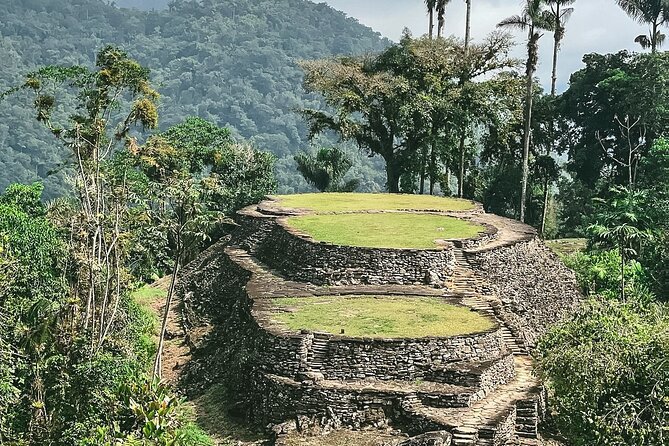
At the site, you spend about two hours learning about the archaeological, ethnological, and historical importance of the area. You also receive free time to enjoy the mountain setting and absorb the place at your own pace. The wording of the experience highlights the mountain’s healing energy, but you can interpret that as you like. The practical point is that the schedule allows more than a quick photograph.
The ruins deserve attention. Take time to look at the terraces, the stonework, and the way the site fits into the surrounding slopes. Your guide can help connect what you see with the people who lived here and with the Indigenous communities connected to the wider region.
After the visit, you return to Camp 3 for lunch. Then comes another four-hour walk to Camp 2, followed by dinner and another night in a hammock or bed. The day combines the most rewarding stop with a demanding return, so do not treat the morning climb as the whole challenge.
More things to do in Santa Marta:
- Sailing to Tayrona with Luis and his team: Unique!
★ 4.5 · 448 reviews - Santa Marta: Sailboat day tour to Tayrona Park
★ 4.5 · 352 reviews - Full-Day Hiking Tour in Minca with coffee & Cocoa Workshop
★ 4.5 · 189 reviews - MINCA TOUR – Explore waterfalls and discover the origin of coffee and cocoa
★ 4.5 · 166 reviews
The seven-hour return to Mamey
Day 4 is simple on paper and tough in practice. After breakfast at Camp 2, you walk for about seven hours back to Mamey. You stop for lunch there, then take the 4×4 for roughly three hours back to your hotel.
This is the day when good pacing matters most. You have already walked for three days, and your body may be tired before the longest single stretch begins. Use the breaks, drink regularly, and keep your expectations realistic. The goal is not to race.
The return drive is useful because it closes the same rough access route that brought you in. You should arrive back in Santa Marta after a full day, not after a relaxed afternoon. If you have a flight or another fixed appointment, leave plenty of margin.
Camps, food, and daily comfort
Accommodation is included for all three nights. The options listed are hammocks, beds with mosquito nets, and tents. These are camp accommodations, so you should think of them as clean, functional places to sleep after a long day rather than as hotel rooms.
All listed meals are included: three breakfasts, four lunches, and three dinners. Breakfast is not included on the first day, so eat before departure or plan for food in Santa Marta before pickup. Alcoholic drinks are also excluded.
The food deserves attention because a warm meal can change your whole evening after four to seven hours on foot. One especially useful detail is the care given to dietary restrictions. If you have a special diet, tell the operator when you book and confirm it again before departure. The experience can accommodate restrictions, but clear communication is still the smart move.
You will need to carry your own baggage unless you arrange a mule. Mules for carrying baggage are not included in the $600 price. That can affect your packing plan. Bring only what you can manage comfortably, or budget for the extra service if available.
Guides, translation, and the human side of the route
A local guide and an English translator are included. This is more than a language convenience. The best parts of the trip involve context about the area’s political and cultural meaning, and you will get more from those conversations if you understand them clearly.
The guide team also has personal connections with people encountered along the trail. That can make brief meetings feel more natural and less like a staged stop. The supplied account gives particular praise to the guides’ ability to explain the region and to the tour manager’s care for the group, but no guide names are provided, so I cannot identify them here.
The maximum group size is 15. That is large enough to create a social atmosphere and small enough for the guide team to keep track of the group. You may spend evenings talking with people from different countries, comparing sore muscles, and listening to the day’s explanations. If you prefer complete solitude, a group trek may feel busy.
What the $600 price includes
At about $600 per person, the cost covers a lot of moving parts:
- Hotel pickup and drop-off if you select that option
- The 4×4 transfers between Santa Marta and Mamey
- Local guiding
- An English translator
- Three nights of camp accommodation
- Three breakfasts
- Four lunches
- Three dinners
- Contributions to Indigenous and peasant communities
That last point matters. Your money is not only paying for transport and meals. It also supports communities connected to the route. The value is strongest if you want a guided experience that brings local people and regional culture into the story.
Still, you should understand what the price does not cover. Alcoholic drinks, breakfast on Day 1, and mules for baggage are extra. The tour is non-refundable and cannot be changed after booking, so confirm your dates, fitness, and travel plans before paying.
The rating is 4.9 from 1,204 ratings, and 99 percent of customers recommend the experience. Those numbers suggest very strong satisfaction, especially with the guides, meals, cultural explanations, and overall care. They do not remove the physical challenge, though. A great guide cannot turn a seven-hour hike into a short walk.
Packing and pacing advice
Dress for changing weather. The trip operates in all weather conditions, and the trail can become slick when it rains. Bring sturdy walking shoes, light clothing, rain protection, insect protection, a refillable water container, and a small bag you can carry for four days.
Keep your electronics protected from moisture. A waterproof bag or dry sack is sensible for clothing, documents, and phone equipment. Pack a headlamp if you have one, although the supplied information does not specify camp lighting.
Do not overpack. You will carry your own baggage unless you pay for a mule, and every unnecessary item becomes part of the climb. A light layer for evenings, spare socks, basic toiletries, and quick-drying clothes will serve you better than a large suitcase.
Most of all, pace yourself from the first morning. Day 1 already includes four hours of hiking after the vehicle ride. Save energy for Day 4, when the return to Mamey takes about seven hours.
Who should book this trek?
I would recommend it to you if you want a physical challenge tied to archaeology and living culture. It is a good match for people who enjoy simple camps, group meals, outdoor conditions, and guided interpretation. It also works well if you want an organized route with food and transport handled for you.
I would hesitate to recommend it if you dislike humidity, shared camp conditions, long walks, or uncertain weather. Families can book, but children must be accompanied by an adult, and the high trekking level deserves serious thought before bringing a child.
The trip is also a good choice if you want language support. The English translator can repeat and clarify information, which is useful during evening talks and site explanations.
Should you book the Lost City trek?
Book this tour if you want the full four-day route, not just a quick visit to an archaeological site. The strongest reasons are the local guides, the cultural discussions, the included meals and camps, and the support directed toward Indigenous and peasant communities.
Skip it if your fitness is below moderate or if you need flexible cancellation. The non-refundable policy is strict, and the trek continues in all weather. For the right person, though, the effort is the point. Ciudad Perdida feels more significant because you reach it on foot, after several days of shared meals, mountain trails, and stories about the people who call this region home.
FAQ
Where does the Lost City trek begin?
The experience begins in Santa Marta, Colombia, with a start time of 8:00 a.m. Hotel pickup is available if that option is selected.
How long is the tour?
The tour lasts approximately four days.
How much does the trek cost?
The listed price is $600 per person.
How difficult is the trek?
The trekking level is listed as high, and participants should have a moderate level of physical fitness.
How many people can join the group?
The maximum group size is 15 people.
Is an English translator included?
Yes. The experience includes an English translator as well as a local guide.
Are meals included?
Yes. The package includes three breakfasts, four lunches, and three dinners. Breakfast on the first day is not included.
What type of accommodation is provided?
Accommodation may be in hammocks, beds with mosquito nets, or tents, depending on the camp.
Are baggage-carrying mules included?
No. Mules for carrying baggage are not included in the price.
Just added in Santa Marta
- 4 Rosario Islands Adventure with entrance to the oceanarium included★ 3.5 · 3 reviews
- Full Day At the best Vip Beach Club in Tierra Bomba★ 5.0 · 4 reviews
- Monkey Volunteer Work in Wildlife Reserve Near Cartagena★ 5.0 · 3 reviews
- The Native Expedition – Sierra Nevada (2 days Discovering Chorrerón waterfall)★ 5.0 · 7 reviews
- UTV Safari in a Wildlife-Filled Nature Reserve Near Cartagena★ 5.0 · 36 reviews
- Playa Blanca Barú Tour with Lunch and hotel pick up★ 3.0 · 8 reviews
- Surf Lessons For All Levels★ 5.0 · 1 review
- Palomino Tour from Santa Marta with Tubing, Breakfast and Lunch★ 3.5 · 4 reviews
Ciudad Perdida Treks, compared.
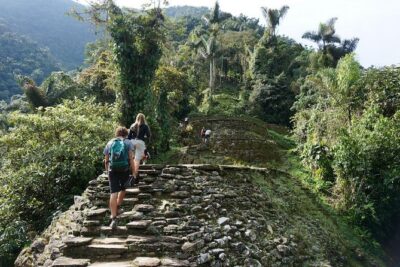
Hike for 4 days to the Lost City, Santa Marta
Read our review →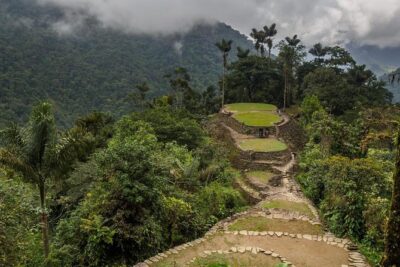
4-Day Lost City Small-Group Tour in Santa Marta
Read our review →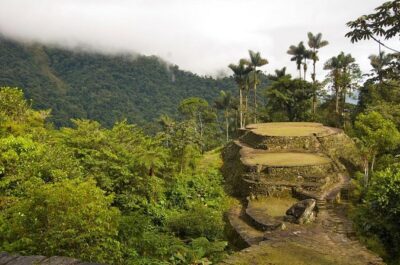
4-Day Walking Tour to Lost City of Sierra Nevada
Read our review →
Browse the lists this tour appears in