
REVIEW · CIUDAD PERDIDA TREKS
4-Day Walking Tour to Lost City of Sierra Nevada
The jungle keeps its secrets well. This four-day trek from Santa Marta leads you through the Sierra Nevada to Ciudad Perdida, the ancient Tayrona site reached by climbing 1,200 stone steps. I like the small group of up to 12 because it should make the long walks more personal, and I like that most meals, camp stays, transport, and guiding are built into the $545 price.
I also like the chance to pass through the Buritaca River valley and near Mutanshi, a Kogui indigenous community, rather than simply marching toward a ruin and turning around. The main drawback is clear: this is a demanding four-day hike, with days of roughly seven to eight hours, early starts, jungle conditions, and basic overnight accommodation.
In This Review
- Key details before you commit
- Why the Lost City trek feels different
- Day one: Santa Marta to Mamey, then Camp 1
- Day two: the Buritaca valley and Mutanshi
- Day three: 1,200 steps to Ciudad Perdida
- Day four: waterfalls, Mamey, and Santa Marta
- What the $545 price really covers
- Food, guides, and the small-group advantage
- How hard is this four-day walk?
- Who should book this trek?
- Booking, weather, and cancellation details
- FAQ
- Where does the tour start?
- How long is the tour?
- How much does the tour cost?
- How many people can join the tour?
- How fit should I be?
- How do I reach the trail area?
- Where do I sleep?
- Are meals included?
- When do I reach Santa Marta on the final day?
- What happens if bad weather cancels the tour?
- Should you book the Lost City trek?
Key details before you commit
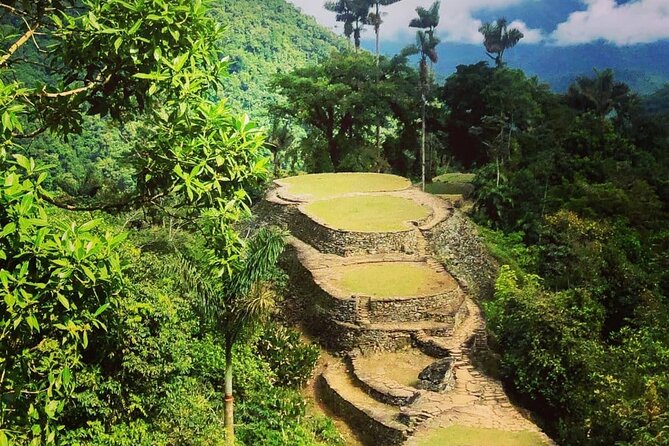
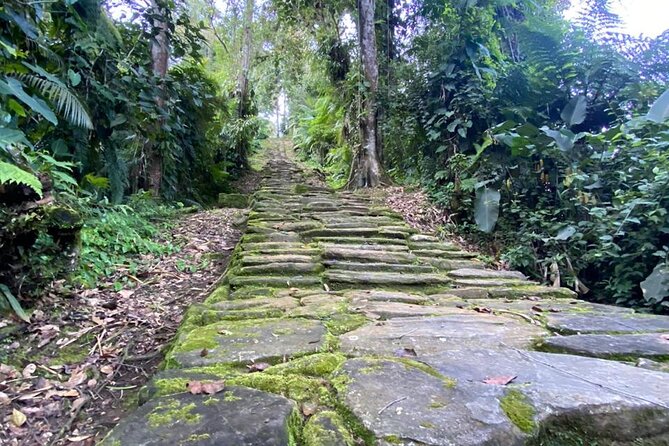
- The 1,200-step climb is the signature challenge: The final approach to Ciudad Perdida uses a path built by the Tayrona people.
- Day two is the longest-feeling stretch: You walk for about seven hours through the Sierra Nevada jungle before reaching Camp 3.
- Camp 1 includes hammocks: Rivers, waterfalls, and natural pools offer a chance to cool down after the first day.
- The tour begins and ends in Santa Marta: A 4-by-4 transfer takes you to the Mamey region and brings you back on the final afternoon.
- The group is capped at 12 people: That is small enough for more contact with your guide without making the cost wildly high.
- The rating is unusually strong: The tour carries a 4.9 rating from 136 reviews, with 99 percent of customers recommending it.
Why the Lost City trek feels different
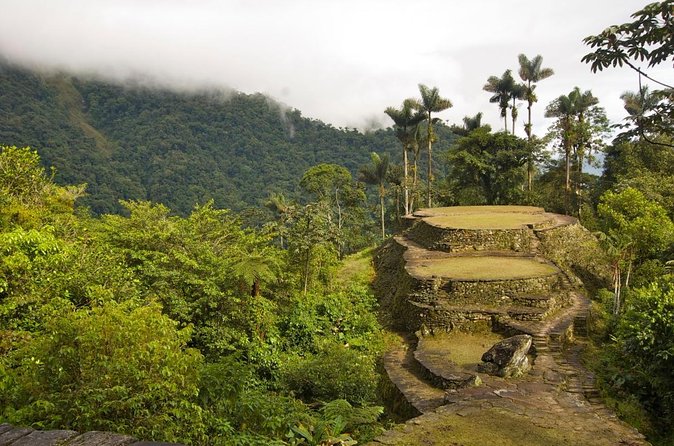
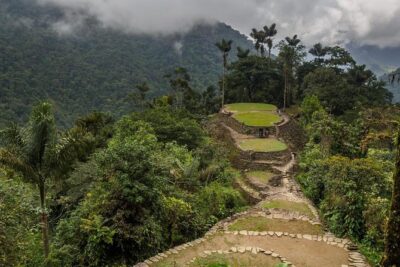
Ciudad Perdida is not a quick sightseeing stop. You earn the visit on foot, walking through the Sierra Nevada mountains and following the Buritaca River valley. The ancient terraces and stone paths appear only after several days of effort, which gives the destination a stronger sense of place than a ruin reached by road.
The Tayrona people built the route to the site, including the final staircase. Your guide will explain the relics and ancestral stories once you reach the ruins, so the visit is not just a photo stop. The setting also matters: the ruins sit within a mountain and jungle environment where rivers, waterfalls, and forest are part of the day.
You should go in with the right expectations. This is not a polished resort-style outing. It is a guided trek with camp accommodation, long walking days, and a simple rhythm: walk, eat, cool off when possible, sleep, then walk again.
The small-group format helps here. A maximum of 12 people leaves room for questions and conversation, while still giving the tour enough scale to operate the transport, meals, camps, and guiding. For a four-day route, that balance is valuable.
More Ciudad Perdida treks:
- Hike for 4 days to the Lost City, Santa Marta
★ 5.0 · 3,308 reviews - Lost City – Ciudad Perdida Colombia
★ 5.0 · 1,203 reviews - 4-Day Lost City Small-Group Tour in Santa Marta
★ 5.0 · 254 reviews
Day one: Santa Marta to Mamey, then Camp 1
The day starts around 7:30 am at Edificio Sierra Nevada in Santa Marta. You first ride in a 4-by-4 truck for about two and a half hours to the Mamey region. That transfer is not a minor detail. It takes you from the city into the trail area before the walking begins, and the rougher road journey forms part of the transition into the mountains.
Lunch comes in the Mamey region before you start walking. This is a sensible arrangement because you begin the trail with food already in you rather than trying to cover the first stretch hungry. The first walking day lasts about eight hours in total, including the arrival at camp and the various stops along the way.
By late afternoon, you reach Camp 1. Around the camp are rivers, natural pools, and waterfalls, giving you a welcome chance to relax after the road transfer and first hike. If the heat has taken the edge off your energy, these water spots may be the most appreciated feature of the day.
Dinner is provided, and the overnight accommodation is prepared in hammocks. You should treat this as simple mountain camping, not a hotel room. A hammock can be part of the charm, but it also signals that comfort is limited and that you need to be comfortable with basic sleeping arrangements.
The first day sets the tone for the whole trip. You get an early start, a long transfer, a substantial walk, dinner, and a basic camp. I would not choose this tour for a soft introduction to Colombia. I would choose it if the effort is part of the appeal.
Day two: the Buritaca valley and Mutanshi
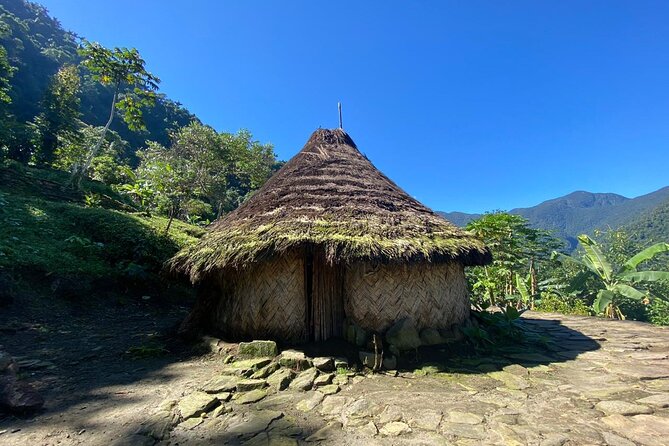
Breakfast comes early on day two. You then walk through the Buritaca River valley, an important part of the route because it connects the natural setting with living culture. Along the way, you see houses belonging to Mutanshi, a Kogui indigenous community.
That encounter gives the trek more meaning than a simple mountain hike. The route passes through a place that is still inhabited, rather than treating the Sierra Nevada as an empty backdrop for ancient ruins. Your guide can help explain what you are seeing, though the supplied details do not promise a formal community visit or a specific cultural presentation. Keep your expectations respectful and modest.
The day lasts about seven hours and passes through the Sierra Nevada jungle. That means the walk itself is the main event. You will be surrounded by natural scenery, moving through a route that gradually carries you farther from the starting point and closer to Ciudad Perdida.
Camp 3 is your destination for the night. Dinner and a place to rest are included. The information does not specify the exact sleeping setup at Camp 3, so you should expect camp-style accommodation rather than a private room.
This is the day to judge your own pacing. You do not need to race. A small group helps because the guide can keep the outing together and offer a more personal approach. Still, seven hours on foot is a serious commitment, especially after day one. Moderate physical fitness is listed as a requirement for good reason.
Day three: 1,200 steps to Ciudad Perdida
Day three is the emotional center of the trip. After an early breakfast, you start the climb to Ciudad Perdida, using 1,200 steps built by the Tayrona people. The number sounds manageable until you picture climbing stone steps in a jungle setting after two days of hiking.
The climb is the part you should prepare for most carefully. It is not described as a technical ascent, but it is strenuous. Your reward is the Lost City itself, where the guide explains the site, its relics, and its ancestral stories.
You spend the morning at Ciudad Perdida, with time to enjoy the scenery, rest, and take photographs. That time matters. After a difficult climb, you do not want a rushed ten-minute stop before being pushed onward. The schedule allows the ruins to be the focus of the day.
The site is especially appealing if you value context. The Tayrona connection, the stone route, and the stories supplied by the guide turn the ruins into more than a set of old terraces. The tour is designed to show you the place through both its physical remains and its cultural meaning.
Lunch follows the morning visit. Then you retrace the route to Camp 2 for dinner and the night. The return walk means day three is not simply a climb followed by an easy rest. You still have to get back down and cover the trail to camp.
I would plan for this to be your hardest day, even though the schedule does not label it that way. The combination of early breakfast, the staircase, time at the ruins, lunch, and the return to Camp 2 creates a full day. You will want practical hiking clothes, sturdy footwear, water, and a willingness to move at a steady pace.
More Walking Tours in Santa Marta:
- A Pearl In The Caribbean-walking tour in English
★ 5.0 · 71 reviews - Walking tour of the magical city of Cartagena.
★ 5.0 · 46 reviews - Santa Marta: Guided Walking Food Experience
★ 4.8 · 33 reviews - Private Santa Marta Historic Center Walking Tour
★ 5.0 · 1 review
Day four: waterfalls, Mamey, and Santa Marta
The final morning starts with breakfast and the walk back toward Mamey. The return route includes rivers and waterfalls, so you have more chances to cool off before leaving the mountains.
Lunch is served at Mamey, where the 4-by-4 truck waits to take you back to Santa Marta. The drive brings you into the city at about 5:00 pm. That timing gives you a clear end point, but I would avoid arranging anything important immediately afterward. Mountain roads, weather, and the pace of a group can affect the day.
The final day is listed as about eight hours, though much of that includes the walk and return transport. It is a satisfying finish because you leave by retracing the route rather than ending abruptly at the ruins.
By this point, you have walked through the jungle, visited Ciudad Perdida, passed through the Buritaca valley, and slept in camps. The route back to Mamey may feel less novel, but the rivers and waterfalls help break up the return.
What the $545 price really covers
At $545 per person, this is not a cheap day trip. It is also not just a guided walk. You are paying for four days of guiding, transport from Santa Marta to Mamey and back, accommodation, and most meals.
The value depends on how you would otherwise arrange the route. A four-day mountain trek requires transport into the trail area, camp coordination, food, and someone who knows the route and the site. Having these pieces organized is worth something, especially when the group is limited to 12 people.
The tour does not say that every meal is included, so I would confirm what you need to bring for snacks or any personal food. The description specifically confirms lunch on day one, dinner at Camp 1, breakfast and dinner on day two, breakfast and lunch on day three, and breakfast and lunch on day four. It also says accommodation and most meals are provided.
For the right person, the price is reasonable because the cost covers the basic framework of a demanding multi-day trip. For someone who dislikes shared or simple accommodation, the same price may feel less attractive. You are paying for access, organization, and guiding, not luxury.
Food, guides, and the small-group advantage
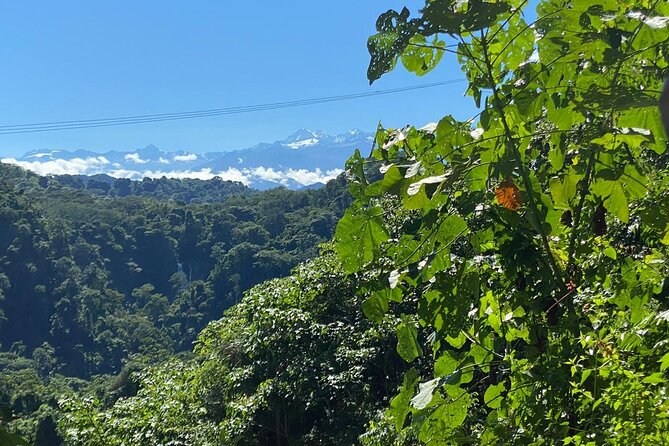
The strongest praise given to the company focuses on organization, food, the guides, and the overall atmosphere. One five-star comment specifically praised the great organization, good food, and guides who knew the route and subject well. I would give those points real weight because they matter more on a four-day trek than they do on a short city tour.
A good guide can make a difficult walk feel manageable. The guide also connects the physical route with the Tayrona site, the ancestral stories, and the Kogui presence near Mutanshi. The supplied information does not provide guide names, so you cannot choose a particular guide in advance.
The small group should help with communication and pacing. A group of 12 is not private, but it is far more workable than a large coach group once the trail narrows or the day becomes tiring. It also gives you a better chance to ask questions without shouting across a crowd.
The 4.9 rating from 136 reviews and 99 percent recommendation figure suggest strong satisfaction. I would still read those numbers in context. High marks for organization and food are encouraging, but they do not cancel out the physical demands or basic camp conditions.
How hard is this four-day walk?
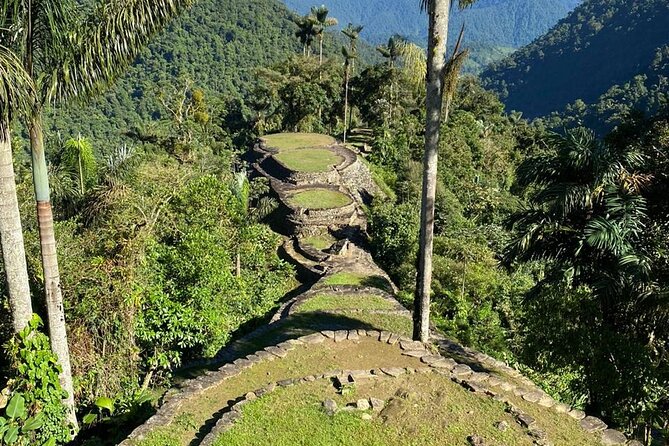
The tour calls for moderate physical fitness. That phrase should not be brushed aside. The trip includes roughly seven to eight hours of activity on each day, a jungle route, repeated uphill and downhill walking, and a 1,200-step climb to Ciudad Perdida.
You do not need to be a competitive hiker based on the information provided, but you should be comfortable walking for long periods. If you find extended walking difficult, the route may not be a good fit.
The heat and humidity of a jungle setting can make a moderate trail feel harder. The rivers, pools, and waterfalls are useful places to cool down, but they do not remove the need for stamina. Since the tour requires good weather, rain can also affect the outing and the trail conditions.
I would prepare for four active days rather than one hard morning. The first day already includes the truck transfer and a long hike. Day two is another long walk. Day three combines the steps and the return to Camp 2. Day four finishes with a substantial walk before the vehicle transfer.
Who should book this trek?
I would recommend it to you if you want to reach Ciudad Perdida on foot, value a guide’s explanation of the Tayrona site, and accept simple camp accommodation. It also suits people who like a small group and want transport, food, and overnight arrangements handled in one package.
It is a good match for hikers who enjoy a physical challenge with a clear cultural purpose. The visit to Mutanshi and the Kogui setting adds a human element that a purely scenic route would not provide.
I would hesitate to recommend it if you need private rooms, short walking days, or a flexible schedule. The tour is not designed around comfort or leisure. It follows a fixed four-day pattern and requires you to keep moving with the group.
The best preparation is mental as much as physical. Expect early breakfasts, long days, a basic bed or hammock, jungle walking, and a rewarding ruin at the end of the climb. If that sounds appealing rather than alarming, you are probably looking at the right kind of trip.
Booking, weather, and cancellation details
Confirmation is provided at the time of booking. The tour requires good weather, and if poor weather forces cancellation, you receive the choice of another date or a full refund.
You can cancel for a full refund up to 24 hours before the experience starts. Changes or cancellations made less than 24 hours before the start are not accepted for a refund, with cut-off times based on local time.
The tour is often booked about 24 days in advance. That is useful planning advice, especially if your Santa Marta schedule is tight. The stated maximum is 12 people, so booking ahead may help if you want a particular date.
FAQ
Where does the tour start?
The tour starts around 7:30 am at Edificio Sierra Nevada in Santa Marta.
How long is the tour?
The tour lasts approximately four days.
How much does the tour cost?
The listed price is $545 per person.
How many people can join the tour?
The maximum group size is 12 people.
How fit should I be?
You should have a moderate level of physical fitness. The tour includes walking days of about seven to eight hours and a climb of 1,200 steps.
How do I reach the trail area?
You travel by 4-by-4 truck from Santa Marta to the Mamey region. The drive takes about two and a half hours.
Where do I sleep?
The tour includes camp accommodation. At Camp 1, hammocks are prepared for the overnight stay.
Are meals included?
Accommodation and most meals are provided. The schedule specifically includes several breakfasts, lunches, and dinners, but it does not state that every meal is covered.
When do I reach Santa Marta on the final day?
The planned arrival in Santa Marta is around 5:00 pm on day four.
What happens if bad weather cancels the tour?
You are offered a different date or a full refund if poor weather causes the tour to be canceled.
Should you book the Lost City trek?
Book this tour if you want the full effort of reaching Ciudad Perdida, not a quick look at an archaeological site. The combination of jungle walking, Tayrona remains, Kogui cultural context, waterfalls, camp nights, and a small group gives the trip real substance.
The $545 price makes sense if you value having the route, meals, transport, camps, and guide organized for you. Just do not mistake the high rating for an easy ride. This is a demanding mountain journey with simple accommodation.
If you have moderate fitness, four available days, and genuine interest in the Sierra Nevada, Ecosierra Perdida Tours looks like a strong choice. If you want comfort first, choose a different Santa Marta activity.
Just added in Santa Marta
- 4 Rosario Islands Adventure with entrance to the oceanarium included★ 3.5 · 3 reviews
- Full Day At the best Vip Beach Club in Tierra Bomba★ 5.0 · 4 reviews
- Monkey Volunteer Work in Wildlife Reserve Near Cartagena★ 5.0 · 3 reviews
- The Native Expedition – Sierra Nevada (2 days Discovering Chorrerón waterfall)★ 5.0 · 7 reviews
- UTV Safari in a Wildlife-Filled Nature Reserve Near Cartagena★ 5.0 · 36 reviews
- Playa Blanca Barú Tour with Lunch and hotel pick up★ 3.0 · 8 reviews
- Surf Lessons For All Levels★ 5.0 · 1 review
- Tour Isla del Encanto Cartagena★ 3.5 · 4 reviews
Ciudad Perdida Treks, compared.
Hike for 4 days to the Lost City, Santa Marta
Read our review →
4-Day Lost City Small-Group Tour in Santa Marta
Read our review →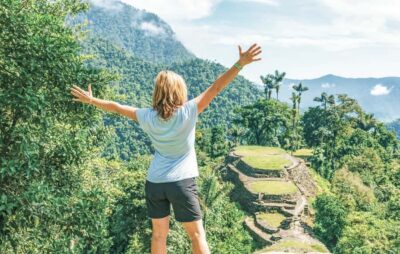
Browse the lists this tour appears in