
REVIEW · CIUDAD PERDIDA TREKS
Santa Marta: Multi-Day Trek to The Lost City
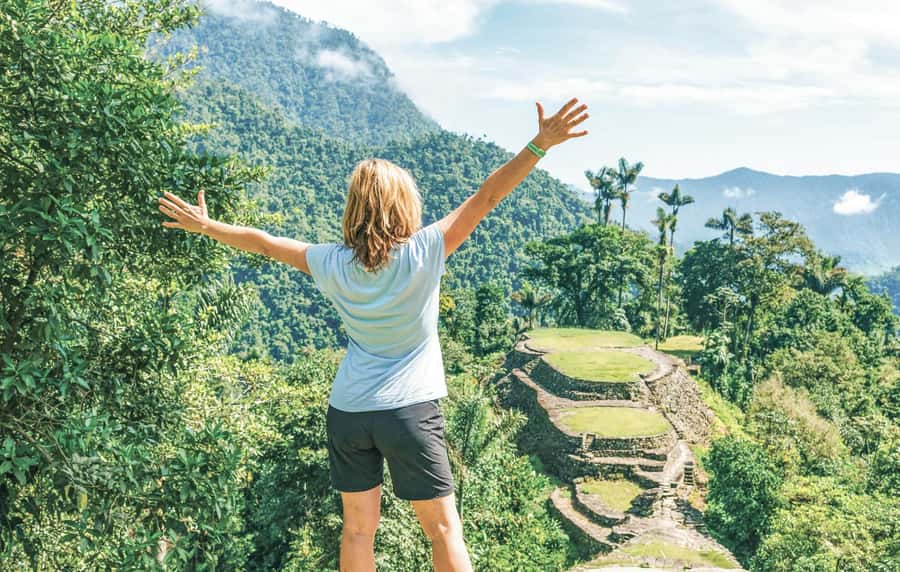
The Lost City rewards patience. This four to six-day jungle trek trades easy access for stone terraces, river swims, indigenous culture, and a rare sense of reaching somewhere by effort rather than by road. I especially like the chance to learn from local guides and the way the route includes natural pools, waterfalls, and lookout points instead of treating the archaeological site as the only attraction.
I also like that the tour supports indigenous communities and uses small groups of up to 15 people. The main caution is simple: this is not an ordinary walk. The heat, mud, steep hills, river crossings, and 1,200 stone steps can push even a reasonably active person hard.
- The 1,200-step arrival: Reach the Lost City by climbing the Tayrona-built stone stairway through thick jungle.
- Three trek lengths: Choose four days for the fastest route, five days for a slower return, or six days for more time with Wiwa and Kogui communities.
- Jungle camps: Sleep in hammocks or beds protected by mosquito nets, with electricity, toilets, and showers.
- Cultural contact: Pass the Kogui community of Mutanyi and learn about Wiwa and Kogui traditions.
- Small-group guiding: Groups are limited to 15, with Spanish and English guide service.
- Full-board pricing: The $713 price includes meals, water, snacks, transport, the entrance ticket, insurance, and storage for your larger luggage.
In This Review
- Why the Lost City Takes Four Days or More
- Day One: Santa Marta to El Mamey and Las Tres Cruces
- Day Two: Rivers, Mutanyi, and the Harder Climb
- Day Three: The 1,200 Steps to Ciudad Perdida
- Day Four: Choosing Speed or a Slower Return
- The Six-Day Option: More Culture, Less Daily Pressure
- Food, Water, and Camp Life
- How Tough Is the Trek?
- Is $713 a Fair Price?
- Guides and Group Size Matter
- Who Should Book This Trek?
- Practical Booking Advice
- Should You Book the Lost City Trek?
- FAQ
- How long is the Lost City trek?
- What is included in the price?
- Where does pickup take place?
- How difficult is the trek?
- Where do you sleep?
- What should I bring?
- Are drinks included?
- Is the trek suitable for everyone?
Why the Lost City Takes Four Days or More
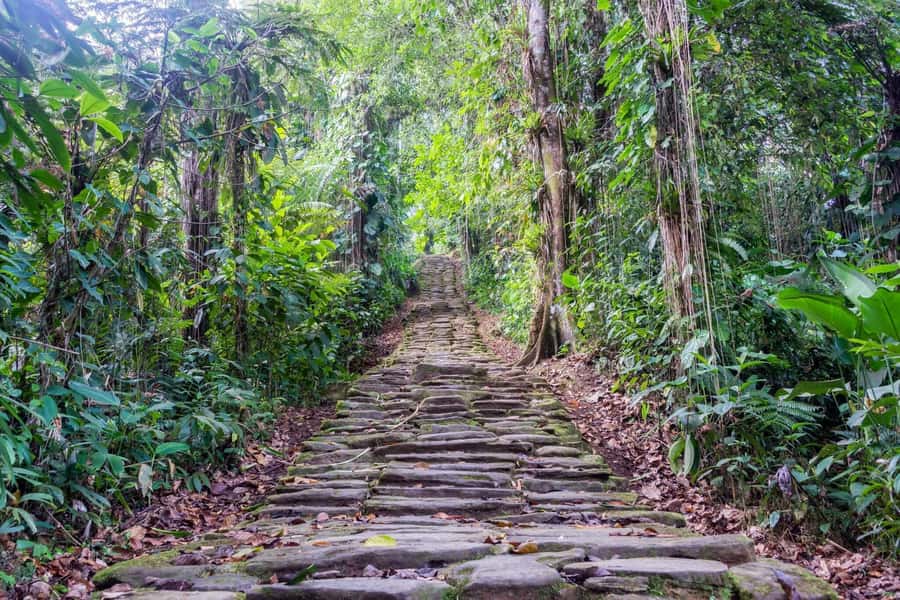
The Lost City, known locally as Ciudad Perdida, sits in the Sierra Nevada of Santa Marta, in Colombia’s Magdalena region. It is believed to have been founded around 800 CE, making it roughly 650 years older than Machu Picchu.
That age matters, but the setting matters just as much. You do not simply arrive at an archaeological site, take a few photos, and leave. You walk through jungle, cross streams, pass homes connected with indigenous communities, and gradually gain a sense of how isolated the ancient settlement was.
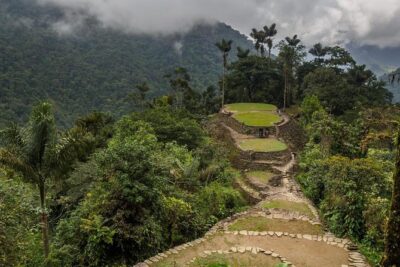
The site contains 169 stone terraces, tiled roads, and small circular plazas. The final approach is the physical and visual climax: 1,200 stone steps lead upward through dense vegetation before the terraces appear.
I would choose the length based on your attitude toward hiking. The four-day trip is the most efficient and demanding. The five-day version gives you a quieter extra night. The six-day route spreads the walking more gently and adds a full day focused on cultural exchange.
Day One: Santa Marta to El Mamey and Las Tres Cruces
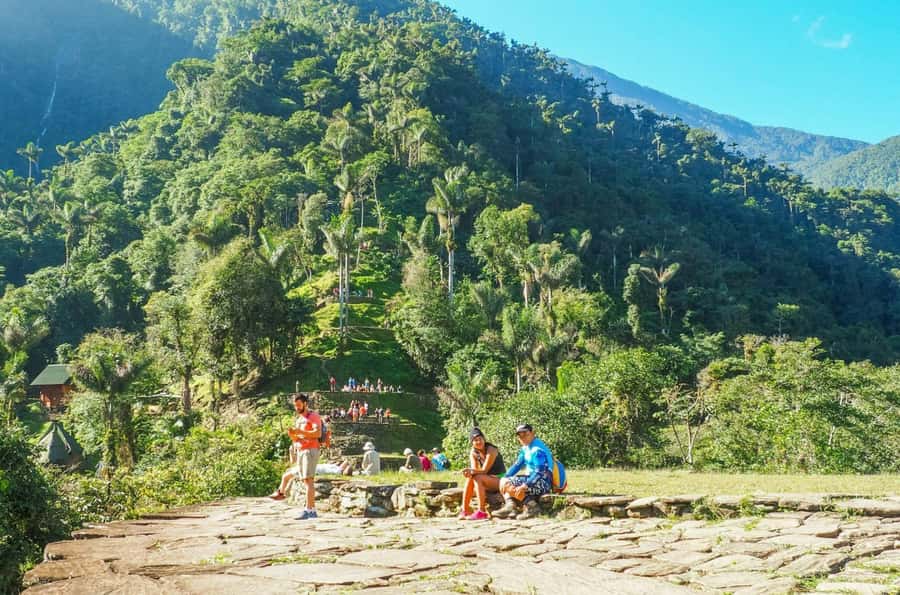
Pickup begins around 9:30 in the morning. A four-wheel-drive jeep takes roughly three hours from Santa Marta to El Mamey, the trailhead village where you eat lunch before setting off.
The drive is functional rather than scenic luxury. You are going to a remote trailhead, and the rougher vehicle makes sense for the route. Pickup is available within Santa Marta’s urban area, Rodadero, and Taganga, but not from Bonda, Minca, Palomino, or places outside the urban perimeter.
After lunch, the first walk covers about 7.6 kilometers in four hours. This is described as the gentler opening day, which is welcome because your body is still adjusting to heat, humidity, and a loaded daypack.
Las Tres Cruces lookout provides a useful early pause. You can have fruit and take in the views before continuing toward pools and waterfalls. These swimming stops are not just decoration. A cool bath can make a real difference after walking in temperatures usually ranging from 26 to 32 degrees Celsius.
You reach the first camp late in the afternoon for dinner and sleep. Expect simple accommodation in a hammock or bed with a mosquito net. Camps have electricity, toilets, and showers, but this remains jungle lodging, not a hotel with polished facilities.
More Hiking Tours in Santa Marta
- Hike for 4 days to the Lost City, Santa Marta
★ 5.0 · 3,308 reviews - Full-Day Hiking Tour in Minca with coffee & Cocoa Workshop
★ 4.5 · 189 reviews - Eco-Hike in Minca: Coffee Tour, Waterfall & Chocolate Experience!
★ 5.0 · 140 reviews
Day Two: Rivers, Mutanyi, and the Harder Climb
The second day begins early, as most days do. On the four and five-day routes, you walk toward Wiwa Camp beside the Buritaca River, where you can bathe, rest, and eat lunch.
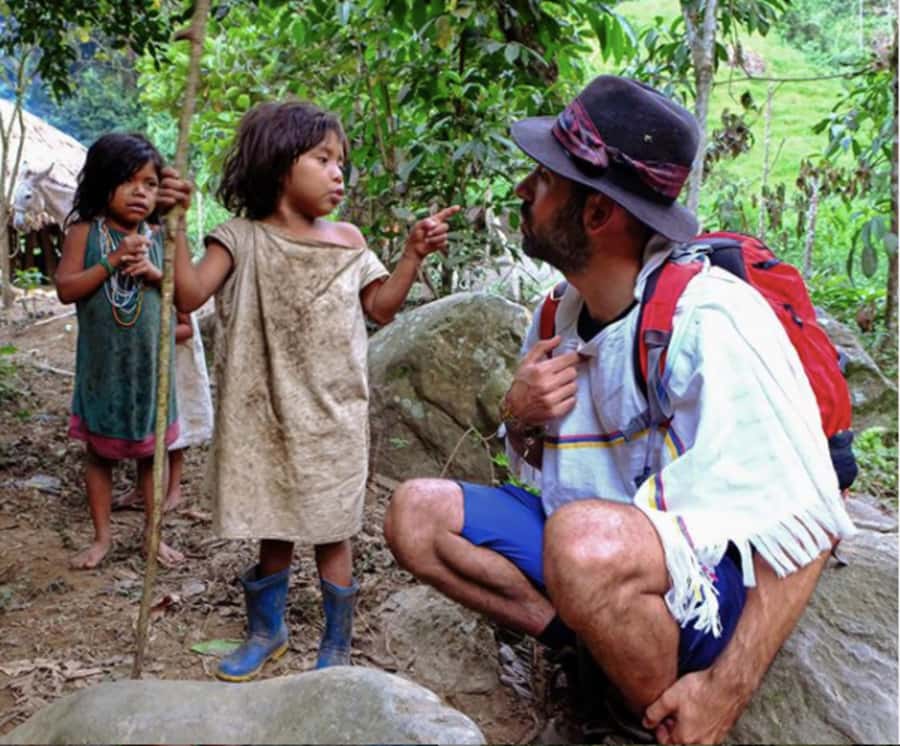
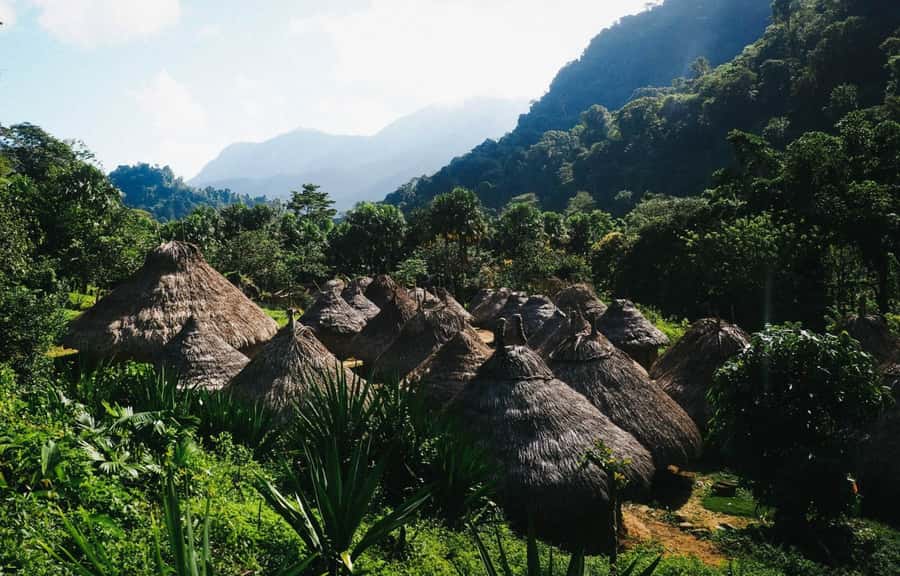
From there, the trail continues toward Mutanyi, a Kogui indigenous village made up of several homes. This is one of the most meaningful parts of the route because the trek becomes more than an archaeological outing. Your guide can explain elements of local culture, the communities connected with the area, and the role of the Sierra Nevada in indigenous life.
The day covers about 14.7 kilometers in seven hours. Much of it is uphill, with some downhill stretches. That distance may look modest on paper, but humidity, mud, uneven stone, and heat change the calculation. I would treat this as a serious hiking day, not a long stroll with frequent sightseeing breaks.
The six-day plan handles this section differently. On its second day, you walk only about three hours over relatively smooth ground and spend the rest of the day at an indigenous reserve. This creates more room for cultural exchange and river time.
That slower rhythm is the strongest practical reason to choose six days. You pay with extra time, but you gain breathing space before the steepest part of the trek.
Day Three: The 1,200 Steps to Ciudad Perdida
On the four and five-day tours, the third day is the big one. You start very early, eat breakfast, and climb toward the Lost City.
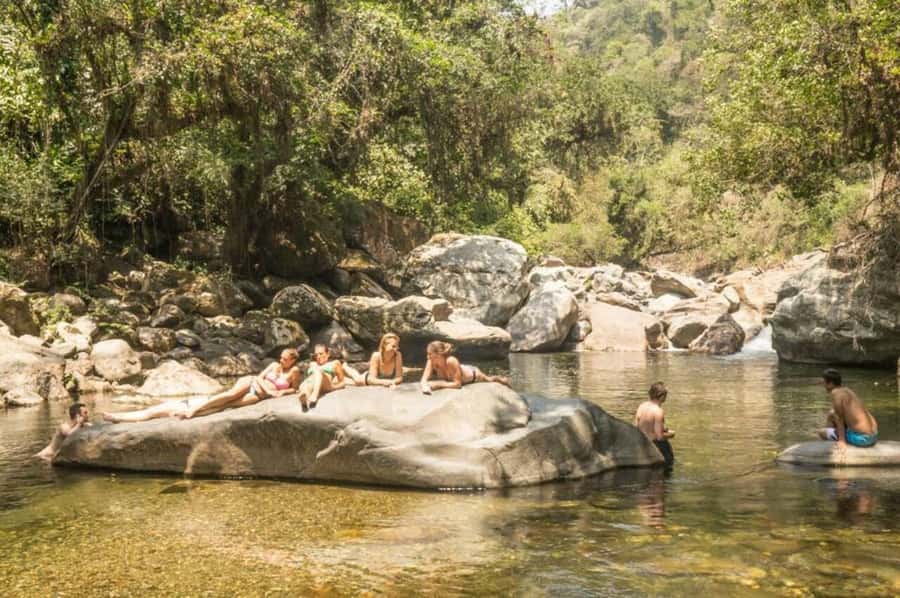
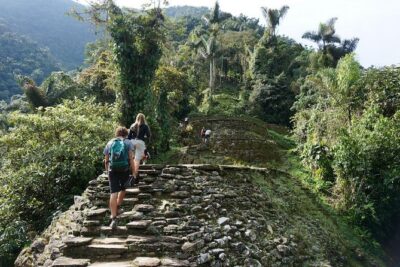
The stone stairway includes about 1,200 steps built by the Tayrona people. It is not a smooth modern staircase. Rain can make sections slippery and muddy, and the surrounding jungle keeps the route warm and humid. Use both hands when needed, watch your footing, and keep your pace steady rather than trying to match the fastest person in the group.
At the top, the effort pays off. The terraces, circular plazas, tiled paths, and surrounding jungle give the site its force. Your guide explains the relics and ancestral stories, then leaves time for views and photographs.
This is where the quality of the guide matters most. An informed explanation can help you see the site as a former settlement with engineering, organization, and ceremony, rather than as a collection of green-covered stones. The tour includes Spanish and English guide service, and several guide teams have received particularly warm praise, including Arghenith, Victor, Bridgette, Francisco, Miguel, and Coco. Emilie, who served as a translator on one departure, was also singled out for encouragement and support on the difficult sections.
After the visit, you retrace the route to camp for lunch, then continue toward Wiwa Camp. The full day lasts around seven hours, with roughly six kilometers of uphill and downhill walking. You sleep at camp again after dinner.
On the six-day itinerary, this major visit comes on Day Four. The preceding days are shorter, which can make the climb feel more manageable. You still face the same steps, but you reach them with less accumulated fatigue.
Day Four: Choosing Speed or a Slower Return
The four-day trek turns back toward the first camp after breakfast. The initial walk takes about two hours, followed by a short rest with fruit and water.
Then comes another four-hour stretch to El Mamey. Lunch waits at the trailhead before you board the four-wheel-drive jeep back to Santa Marta. This is an efficient finish, but it is also a long final day after the mountain climb. If you are tired, sore, or dealing with wet clothing, the ride may feel like the last test of the trip.
The five-day itinerary splits the return into a more relaxed schedule. After reaching the first camp, you eat lunch and spend the afternoon resting, looking at the views, and talking with the group. You sleep there and walk to El Mamey on Day Five.
I prefer this longer return for most people. The extra night costs time, but it removes some pressure from the final day. It is especially sensible if you want the trek to feel like a journey rather than a race back to Santa Marta.
More Ciudad Perdida treks:
- Lost City – Ciudad Perdida Colombia
★ 5.0 · 1,203 reviews - 4-Day Lost City Small-Group Tour in Santa Marta
★ 5.0 · 254 reviews - 4-Day Walking Tour to Lost City of Sierra Nevada
★ 5.0 · 136 reviews
The Six-Day Option: More Culture, Less Daily Pressure
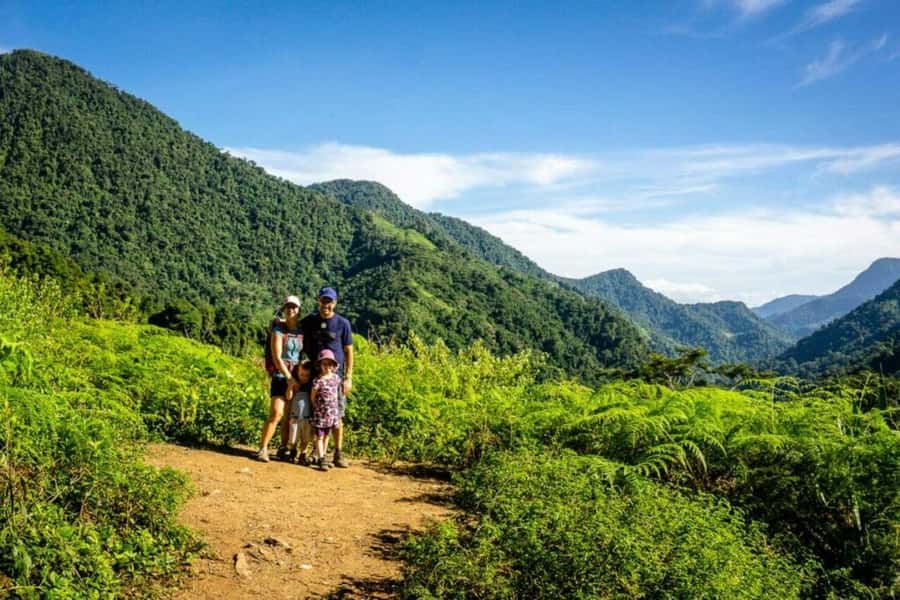
The six-day itinerary is the best fit if you value cultural contact and a gentler pace. Day Two includes a relatively short walk to an indigenous reserve, followed by time with Wiwa and Kogui communities.
Day Three takes you down toward the Buritaca River valley. Along the way, you pass the small Mutanyi community, swim in a river, and learn about local plants and animals from the guide. The five-hour walk includes both climbs and descents, but the schedule gives you time for rest stops.
Day Four brings you to the Lost City. After exploring the terraces and hearing ancestral stories, you return to camp for lunch and continue to the next overnight stop. Day Five includes a two-hour walk to the camp where you eat lunch and relax for the afternoon. Day Six completes the walk to El Mamey, followed by lunch and the jeep ride to Santa Marta.
The six-day version does not make the trek easy. It still includes heat, mud, insects, wet crossings, and steep stone steps. It simply distributes the work more kindly and gives the cultural element more room.
Food, Water, and Camp Life
Breakfast, lunch, and dinner are included every day. Purified water, fruit, and snacks are provided during the walks, which reduces the amount you need to carry.
Meals are an important part of this trip because you burn a great deal of energy. Some departures have received strong praise for filling, tasty food. Still, expectations should remain practical. This is remote camp cooking, and food portions and service can vary because the camps and food operations belong to the communities in the area and function independently.
Drinks beyond water are not included. Bring cash if you want to buy items such as soft drinks or sports beverages along the route. One useful lesson from the feedback is not to assume that extras, including drinks or transport by mule or motorbike, are covered in the quoted price.
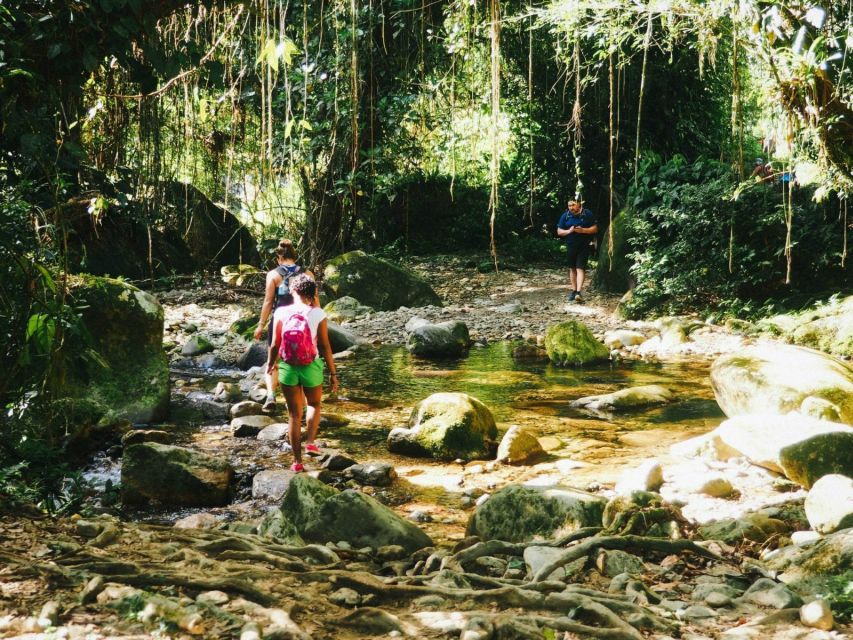
You sleep in hammocks or beds with mosquito nets. Camps have electricity, toilets, and showers, but you should pack toiletries, a towel, flip-flops, and a flashlight. Bring a dry bag or another way to protect electronics and clothing from rain.
How Tough Is the Trek?
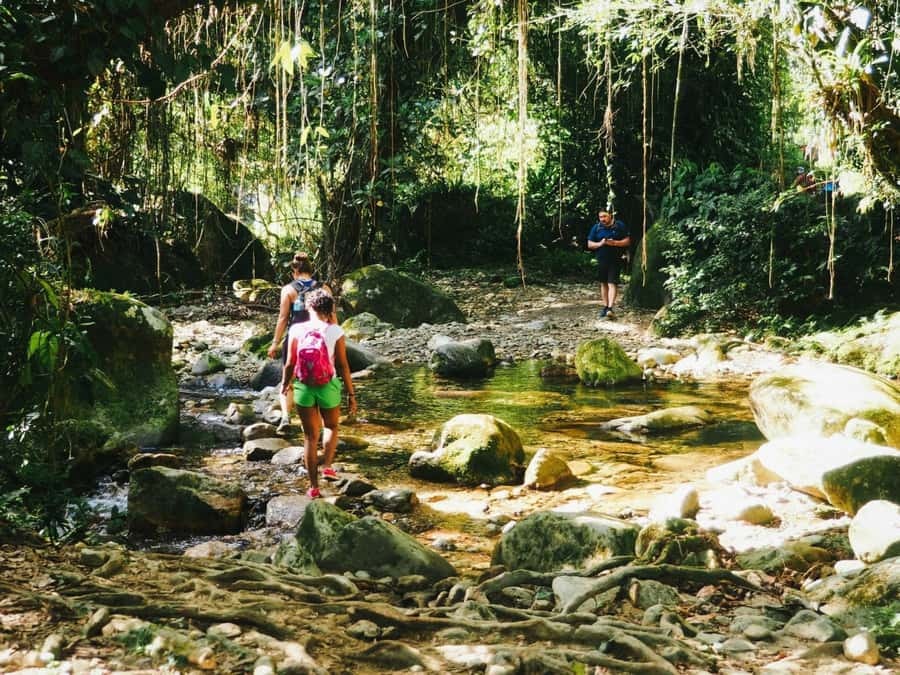
The honest answer is: very tough for many people. One direct assessment described it as physically and mentally demanding every day, and that is a better guide than treating the route as a standard hike.
You will deal with:
- Seven-hour walking days on some itineraries
- Long uphill sections and steep descents
- About 1,200 stone steps to the site
- Mud and slippery trail sections after rain
- River and stream crossings
- Heat and humidity during the day
- Cooler nights, sometimes around 18 degrees Celsius
- Mosquitoes and other jungle insects
Good hiking shoes are essential. Quick-dry clothing is more useful than heavy cotton, and rain gear belongs in your daypack even if the morning is clear. Bring sunscreen, insect repellent, swimwear, socks, personal medicine, and enough water for your immediate needs.
You do not need to be an elite athlete, but you should be comfortable walking for several hours on uneven ground. Pregnant people and wheelchair users should not book this activity.
Is $713 a Fair Price?
At $713 per person, this is an expensive Colombian excursion. The price includes four-wheel-drive transport between Santa Marta and El Mamey, all three meals, purified water, fruit, snacks, the archaeological entrance fee, camp accommodation, accident insurance, guide service, indigenous community contributions, and storage for your suitcase during the trek.
That package covers the core costs well. You are not paying only for a guide and an entrance ticket. You are paying for food, remote transport, multiple nights in camp, logistics in a difficult setting, and access to a route that cannot be reached independently by ordinary road travel.
Still, the value depends on your expectations. The camps are basic, meals can vary, and drinks or certain optional transport services may cost extra. One critical assessment also pointed to an uncomfortable, overcrowded transfer vehicle and questioned the value at more than $500. That concern is worth taking seriously, especially since another booking reported a much lower price of about 407 euros.
I would compare prices for the same trek length, dates, inclusions, and operator before paying. A low headline price may not include the same transport, guide language, food, insurance, or community contribution. At this price, you should expect clear information about every included cost.
Guides and Group Size Matter
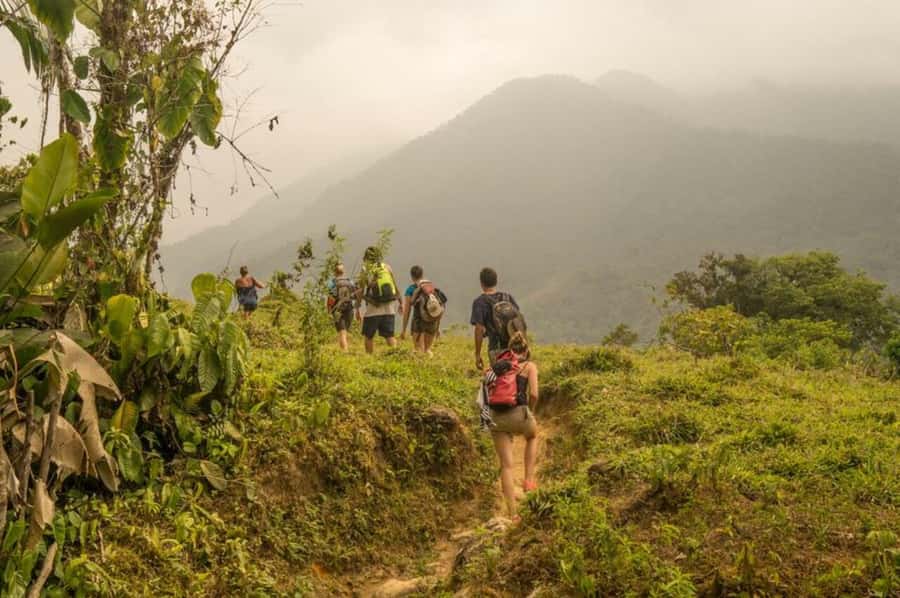
A group limit of 15 is reasonable for a narrow jungle trail. It gives you company and safety without creating the feel of a large procession.
The guides are central to the experience. The strongest departures have combined route management, cultural interpretation, translation, and simple encouragement when people tire. Spanish and English service is available, but confirm how translation will work for your departure if cultural explanation is a major reason for booking.
I like that the trip includes a professional guide throughout and makes contributions to indigenous communities. You should also remember that the camp and food services are run by local communities independently, so service will not be identical at every stop.
Who Should Book This Trek?
I would recommend it to you if you want an active, demanding trip with archaeological interest and direct contact with the Sierra Nevada’s indigenous culture. It suits people who value a hard-earned destination, simple camp life, river swims, and long days outdoors.
The six-day version is best if you have the time and want less pressure. The five-day route offers a useful middle ground. Choose four days only if you are comfortable with a faster schedule and a demanding return on the final day.
I would not choose this for a relaxed holiday, a luxury-minded escape, or a trip built around easy access. It is also a poor fit if mud, insects, shared camp facilities, or basic sleeping arrangements will ruin your mood.
Practical Booking Advice
Pickup covers Santa Marta’s urban perimeter, Rodadero, and Taganga. If you are staying in Minca, Palomino, Bonda, or another outlying area, arrange your own connection to the pickup zone.
Free cancellation is available up to 24 hours before departure, and you can reserve now and pay later. Starting times should be checked for your chosen date.
No drones are allowed. Store your larger suitcase with the operator and carry a small daypack with clothing, rain protection, medicine, water, sunscreen, and a charged phone.
Should You Book the Lost City Trek?
Yes, if you understand that the archaeological site is only one part of the challenge. The real experience is the combination of jungle walking, river crossings, camp nights, indigenous culture, and the gradual approach to the terraces.
I would book the six-day trek if cultural time and a kinder pace matter most. Choose five days for a balanced schedule, or four days if you need the shortest version and are ready for harder daily mileage.
The $713 cost is reasonable only if the full package and guide service meet your expectations. Confirm the inclusions, ask how English translation will be handled, and budget cash for drinks or optional services. If you prepare properly and accept basic conditions, this can be one of Colombia’s most memorable active trips.
FAQ
How long is the Lost City trek?
You can choose a four, five, or six-day trek. The four-day option is the fastest, while the longer versions allow a slower return or more time for cultural exchange.
What is included in the price?
The price includes breakfast, lunch, dinner, purified water, fruit, snacks, jungle accommodation, the archaeological entrance ticket, four-wheel-drive transport between Santa Marta and El Mamey, guide service in Spanish and English, accident insurance, indigenous community contributions, and suitcase storage.
Where does pickup take place?
Pickup is included within Santa Marta’s urban perimeter, Rodadero, and Taganga. Pickup is not included from Bonda, Minca, Palomino, or areas outside the urban perimeter.
How difficult is the trek?
It is a physically demanding trek with long walking days, uphill and downhill sections, mud, slippery areas, river crossings, heat, humidity, and 1,200 stone steps to the Lost City.
Where do you sleep?
You sleep in jungle camps in hammocks or beds with mosquito nets. The camps have electricity, toilets, and showers.
What should I bring?
Bring warm clothing for cooler nights, swimwear, a towel, hiking shoes, sunscreen, water, rain gear, flip-flops, insect repellent, toiletries, socks, cash, a flashlight, a charged smartphone, personal medication, quick-dry clothing, and a daypack.
Are drinks included?
Purified water is included, along with fruit and snacks during the walks. Other drinks are not included.
Is the trek suitable for everyone?
The trek is not suitable for pregnant women or wheelchair users. It is also best suited to people who can manage several hours of walking on uneven, sometimes muddy ground.
Just added in Santa Marta
- 4 Rosario Islands Adventure with entrance to the oceanarium included★ 3.5 · 3 reviews
- Full Day At the best Vip Beach Club in Tierra Bomba★ 5.0 · 4 reviews
- Monkey Volunteer Work in Wildlife Reserve Near Cartagena★ 5.0 · 3 reviews
- The Native Expedition – Sierra Nevada (2 days Discovering Chorrerón waterfall)★ 5.0 · 7 reviews
- UTV Safari in a Wildlife-Filled Nature Reserve Near Cartagena★ 5.0 · 36 reviews
- Playa Blanca Barú Tour with Lunch and hotel pick up★ 3.0 · 8 reviews
- Surf Lessons For All Levels★ 5.0 · 1 review
- Tour Isla del Encanto Cartagena★ 3.5 · 4 reviews
Ciudad Perdida Treks, compared.
Hike for 4 days to the Lost City, Santa Marta
Read our review →
4-Day Lost City Small-Group Tour in Santa Marta
Read our review →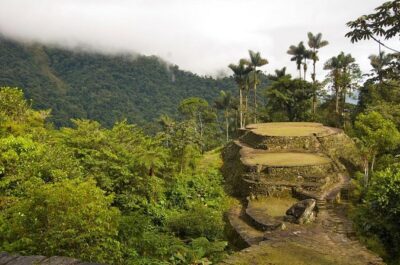
4-Day Walking Tour to Lost City of Sierra Nevada
Read our review →Browse the lists this tour appears in