
REVIEW · SALSA DANCING CLASSES
The Cali Salsa Tour
Cali has a beat before you even dance. This six-hour experience connects Cali’s salsa history with real movement, local food, and the city’s famous music venues. I like the mix of museums and hands-on lessons, and I especially like the chance to meet locals at La Topa Tolondra. The main drawback is the long, two-hour museum visit, which may feel lecture-heavy if you do not speak Spanish.
The schedule is full, but it is not just a string of photo stops. You learn about Grupo Niche, taste fritanga and cold fruit drinks, then dance with instructors at one of Cali’s best-known salsa clubs. Guides Juan Camilo and Vivi receive especially warm praise for their friendly, personal approach, though you should wear shoes and clothes you can dance in.
In This Review
- Key points to know before you book
- Why this Cali salsa tour is more than a dance class
- Starting beneath the golden trumpets at Plazoleta Jairo Varela
- Meeting Grupo Niche at Museo Jairo Varela
- Trying Cali’s food between music stops
- Two hours inside the world’s oldest salsa museum
- Finishing with footwork at La Topa Tolondra
- The guides make the difference
- Is $77 a fair price for one person?
- Who should book this experience?
- My recommendation
- FAQ
- Where does the tour begin?
- How long does the experience last?
- What languages are available?
- Is the tour suitable for beginners?
- Is transportation included?
- What food is included?
- Are drinks included?
- Can I take photographs inside Museo de la Salsa?
- What should I wear?
- Is the tour wheelchair accessible?
- Can I cancel for a full refund?
Key points to know before you book
- The tour begins at a giant golden trumpet: Meet at Plazoleta Jairo Varela, an easy landmark in central Cali.
- The opening lesson is short but useful: A 15-minute introduction gets beginners moving before the museums and longer class.
- Grupo Niche gets special attention: Museo Jairo Varela holds original equipment, awards, and memorabilia from the famous Cali group.
- Food is part of the culture lesson: Expect tastings such as empanadas, marranitas, aborrajado, lulada, champús, and cholado.
- Museo de la Salsa takes two hours: This is the richest history stop, but the pace may feel slow for English speakers.
- The finale is a two-hour class at La Topa Tolondra: It is a good place to dance with both local people and other visitors.
Why this Cali salsa tour is more than a dance class
Cali salsa is not simply a nightclub activity. It is tied to neighborhoods, musicians, Cuban influence, family traditions, and the particular footwork that developed in the city. This tour gives you several ways to understand that story: you see monuments, hear music history, handle the rhythm in class, and taste local snacks along the way.
The experience lasts 330 minutes, or five and a half hours. That is long enough to create a full afternoon and evening around salsa, rather than giving you one isolated lesson. You should still expect an energetic day. There are several stops, a substantial museum visit, and two separate periods of dancing.
I think the format suits you best if you want context before stepping onto a dance floor. If you only want a quick beginner lesson, this will feel too packed. If you enjoy music, local food, and personal guiding, the range of activities gives the $77 price more weight, especially since it is listed per group of up to one person and includes admissions, tastings, water, and beer. Check the booking details carefully so you understand how the group pricing applies to your reservation.
More Salsa Dancing Classes in Cali
- Historical Shared Tour Salsa, Graffiti & Resistance in Cali
★ 5.0 · 107 reviews - Shared Tour Cali’s Salsa, Graffiti & Resistance Experience
★ 4.8 · 53 reviews - Salsa Bar Hopping in Cali
★ 4.5 · 43 reviews
Starting beneath the golden trumpets at Plazoleta Jairo Varela
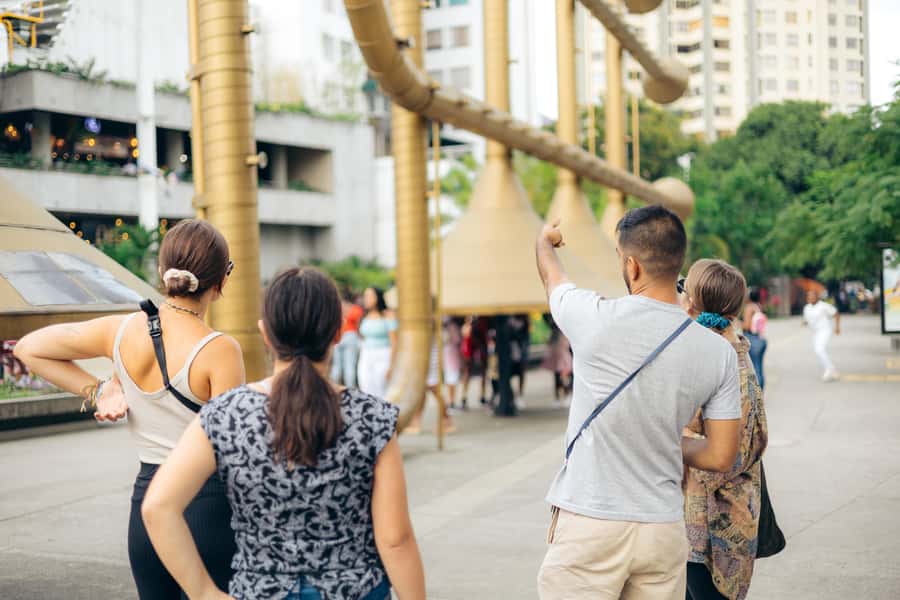
The meeting point is Plazoleta Jairo Varela, also called the Salsa Plaza or Trumpet Plaza. Look for the large golden trumpet monument. It is a clear landmark, and the opening setting tells you immediately that this is a music-centered tour, not a general city walk.
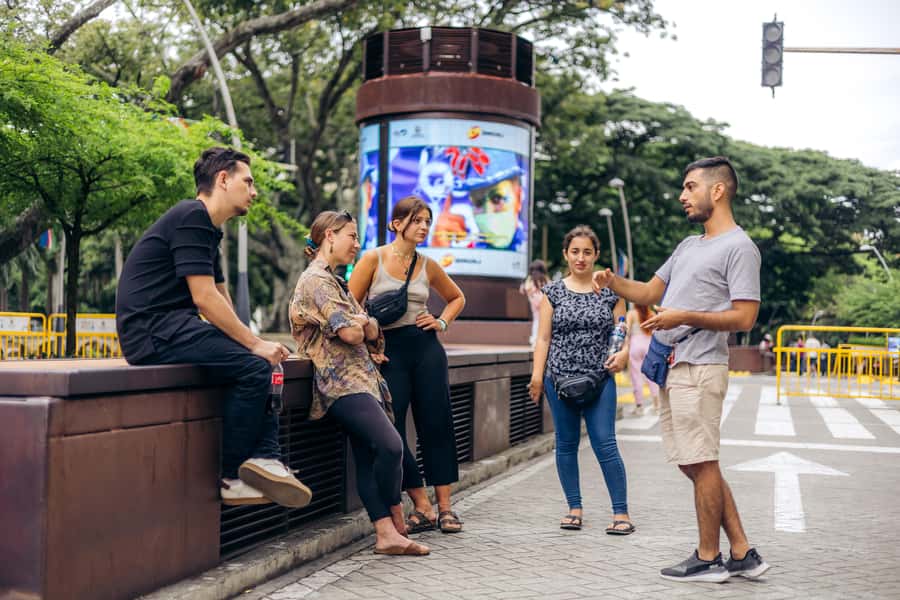
The first activity is a 15-minute class and workshop. That may sound brief, but it is a smart introduction. You get basic rhythm and movement before the more demanding session later at La Topa Tolondra. Beginners can use it to loosen up, while experienced dancers can treat it as a warm-up.
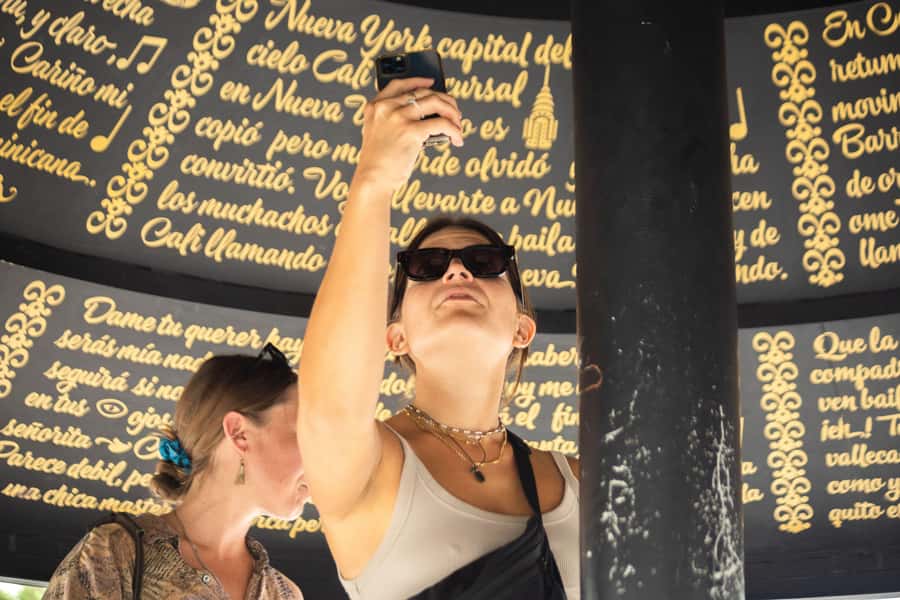
The guide also explains the monument’s unusual details. You learn about the famous Niche trumpets and the second instrument painted across the street. This is the sort of small local detail that gives the square more meaning than a quick photograph would provide.
The tour is offered in English and Spanish, so state your language preference when booking or meeting your guide. One four-star assessment specifically found the museum talk long for a non-Spanish speaker, which is useful to keep in mind. A bilingual tour can work well, but the amount of spoken explanation may vary depending on the group and guide.
Meeting Grupo Niche at Museo Jairo Varela
From the square, the tour continues to Museo Jairo Varela for a guided visit of about 30 minutes. The museum focuses on Grupo Niche, one of the key names in Colombian salsa and a major part of Cali’s musical identity.
You can expect memorabilia, original recording equipment, and awards connected with the group. These objects help turn a broad story about salsa into something concrete. Instead of hearing only about famous songs and musicians, you see the tools and honors linked to the band’s career.
I like this stop because it gives you a direct route into Colombian music. The tour does not treat salsa as background noise for a night out. It shows how Grupo Niche affected the music scene and why Cali claims such a strong connection to the genre.
The visit lasts only half an hour, so it should not overwhelm you. It also makes a good contrast with Museo de la Salsa later. Here, the focus is a specific band and its contribution. At the next museum, the story widens to the growth of salsa in Cali and the neighborhood where its local style took shape.
Transportation is included from Museo Jairo Varela to Museo de la Salsa. That detail matters because the tour does not promise full transport between every stop. Hotel pickup and drop-off are not included, and the tour begins and ends at the Jairo Varela square.
Trying Cali’s food between music stops
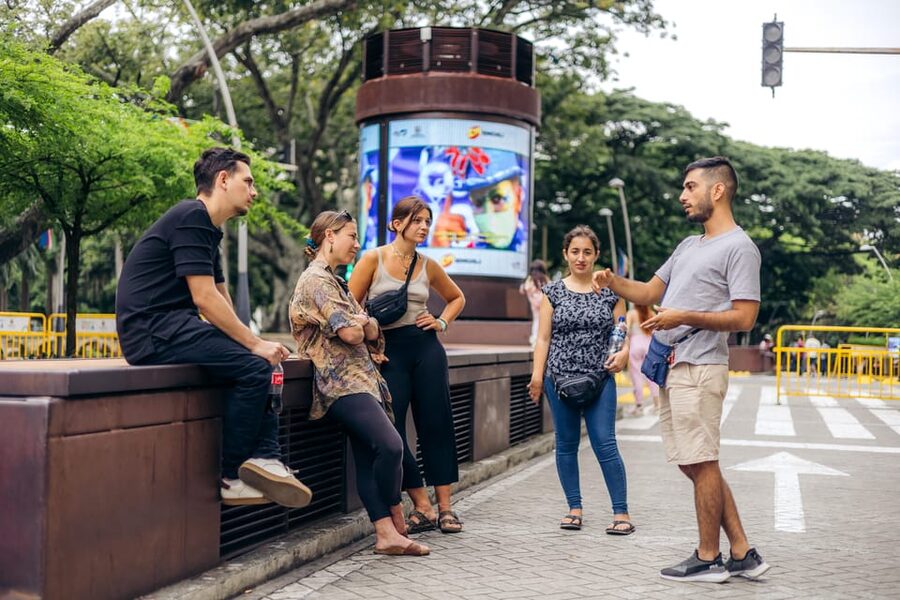
The food break adds welcome variety to a schedule built around music and talking. Tastings can include fritanga items such as empanadas, marranitas, and aborrajado. These are filling local snacks, so this is more than a token bite if you arrive hungry.
You may also try lulada, champús, and cholado. Lulada is a refreshing drink made with lulo, while champús is a traditional cold drink with a thicker, more distinctive character. Cholado is a colorful shaved-ice treat. The choices give you a chance to sample both savory food and ways Cali residents cool down in the afternoon heat.
Exact portions and selections may depend on the day, so do not treat the tasting as a formal full meal. Still, it is a strong part of the experience because food gives you a break from the museums and a more physical sense of the region.
Water is included, along with beer. Personal expenses are not included, so bring money if you want anything beyond the planned tasting or included drink. I would avoid arriving in formal clothes. You still have a dance class ahead, and sauce, shaved ice, and salsa footwork are a poor match for delicate outfits.
A completely different kind of day:
- A day to enjoy nature and have an adventure in the Jordan river
★ 5.0 · 469 reviews - Cali: City Tour | Guided tour around the city
★ 5.0 · 287 reviews - Shared Tour of the Historical and Cultural Center of Cali
★ 5.0 · 211 reviews - Street Food Tour
★ 5.0 · 157 reviews
Two hours inside the world’s oldest salsa museum
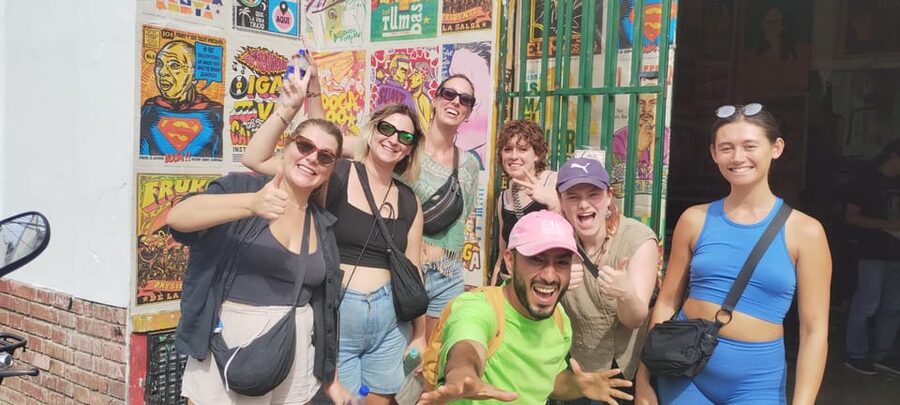
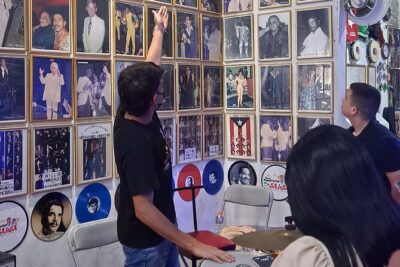
Museo de la Salsa in Barrio Obrero is the longest stop, with a guided visit lasting about two hours. It is described as the oldest salsa museum in the world and sits in the neighborhood where Cuban music first reached Cali and helped shape the city’s own salsa dance style.
This is the tour’s main history lesson. The museum traces how salsa developed in Cali, with photographs, stories, music, and dance. The experience is family-friendly and includes souvenirs. It is also not a silent museum visit. Dancing is part of the atmosphere, and one especially positive account noted that there was plenty of dancing here before the final class.
The museum is now led by younger people from the neighborhood, which gives the visit a community connection. You are not simply looking at a collection behind glass. The presentation links the displays with local memory and the continuing life of salsa in Barrio Obrero.
There is one firm rule: photography inside is forbidden, including photographs of the photos. You can take pictures at the first museum and at the monuments, but put your phone away once you enter Museo de la Salsa. This restriction may frustrate anyone who likes to document every stop, yet it is simple to follow and helps keep the museum focused on the presentation.
The two-hour length deserves serious thought. If you speak Spanish or enjoy detailed music history, you may appreciate the time. If you do not speak Spanish, a long explanation can become tiring. One assessment specifically described the lecture as too long for a non-Spanish speaker, even while praising the friendliness throughout the day. Ask your guide for clarification when needed, and treat the dancing and personal stories as part of the visit, not as interruptions to it.
Finishing with footwork at La Topa Tolondra
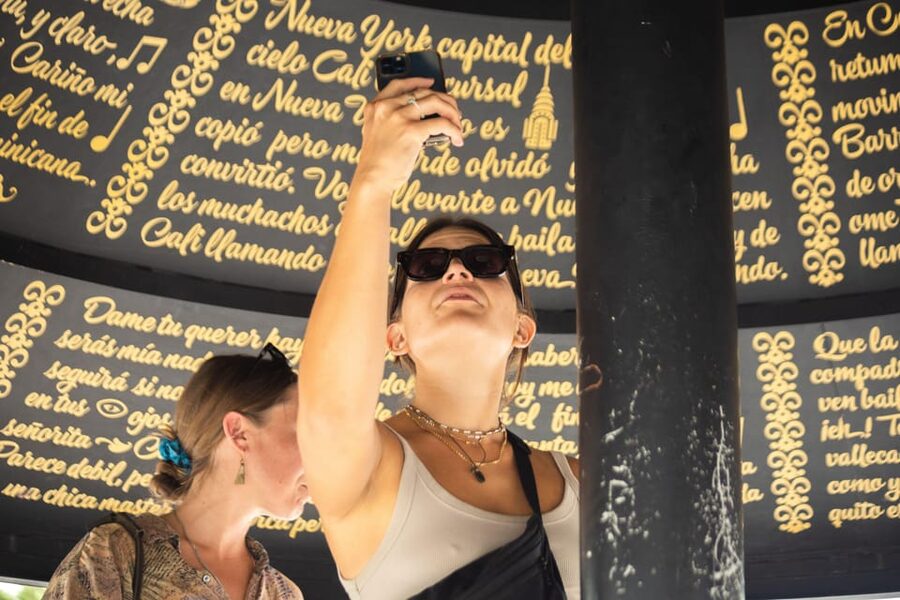
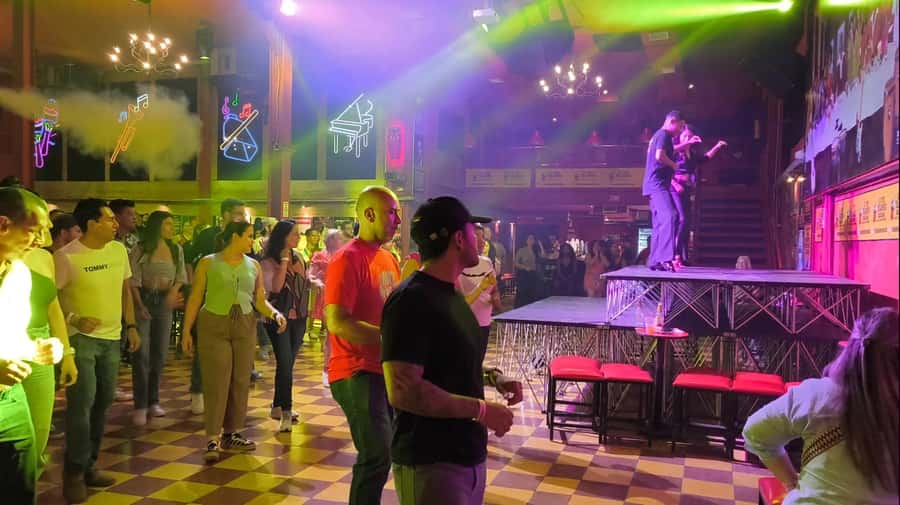
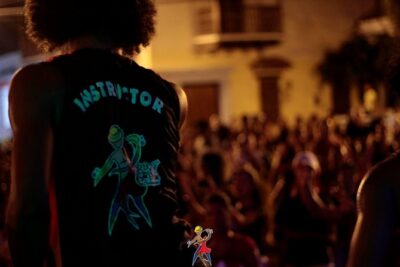
The final major stop is La Topa Tolondra Nightclub, where you get a two-hour salsa class with experienced local teachers. This is the point where the earlier history becomes practical. You do not need advanced skills. The class is designed for all levels, from beginners through experienced dancers.
A short opening class at the square helps you get started, but this is the serious lesson. Wear comfortable clothing and shoes, preferably ones that allow you to turn and move easily. You should expect to work, not just watch a demonstration.
The club also gives the tour a social finish. It is described as a place to meet both local people and other visitors, which makes it more useful than taking a private lesson in an isolated studio. You get a feel for how salsa functions as a social activity in Cali.
The final class may be the highlight if you want participation over explanation. It can also be the most demanding part of the day. After several hours of walking, tasting, listening, and museum time, your energy may be lower. That is another reason to eat during the break, drink the included water, and keep your footwear practical.
The tour returns to Plazoleta Jairo Varela after the class. Since the schedule is full, avoid planning a tight appointment immediately afterward. The stated duration is five and a half hours, but a dance class and group movement can make a precise finish harder to predict.
The guides make the difference
The strongest personal praise is directed at the guides, especially Juan Camilo and Vivi. Juan Camilo is described as exceptional, attentive, and able to personalize the day. One account valued the chance to connect with local people and felt that he made the outing feel like time spent with a friend rather than a fixed script.
That does not mean every departure will be identical. The experience is offered with live guides in English or Spanish, and the balance between history, conversation, and dancing can depend on who leads your group. Still, the reported pattern is clear: the human side of the tour is a major part of its appeal.
If you want the best possible experience, tell the guide your level of salsa knowledge early. A complete beginner needs different help from someone who already knows basic steps. Also say if you prefer more music and movement or more historical explanation. The tour has room for both, but the day will feel better when the guide understands what you want.
Is $77 a fair price for one person?
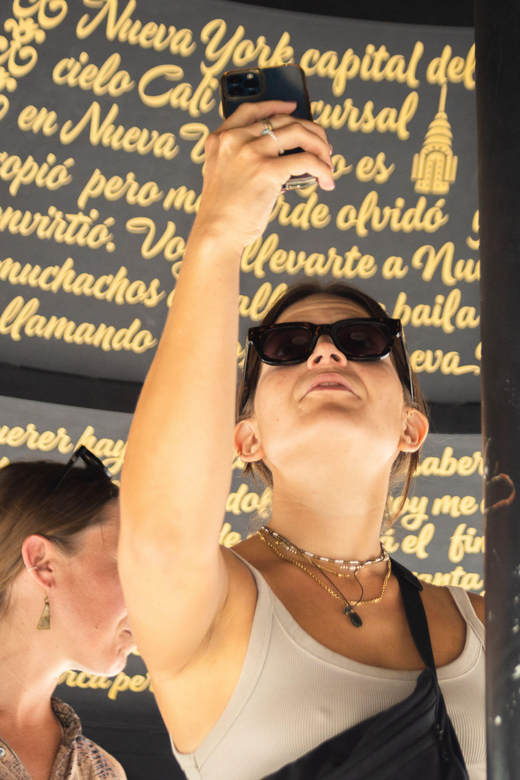
At $77 per group of up to one person, the price is not a bargain-basement dance lesson. It combines two museums, a monument visit, an introductory class, a longer class, food tastings, drinks, and limited transportation. Museum admission and the salsa club experience are built into the day, which improves the value compared with paying separately for several activities.
The value is strongest if you would otherwise need to arrange the museums and a dance class yourself. You also receive bilingual guiding and a structured route through several parts of Cali’s salsa culture. The personal attention praised in connection with Juan Camilo is another factor that can justify the cost.
The value is weaker if you want only nightlife or already know Cali’s salsa history. Two hours in Museo de la Salsa is a serious commitment, and the price includes activities you may not care about. Since the published rate refers to a group of up to one person, confirm the exact price for your booking before paying.
Free cancellation up to 24 hours before the start and reserve-now, pay-later booking make it easier to keep plans flexible. These policies are useful in a city itinerary where weather, energy, or a changing schedule may affect your plans.
Who should book this experience?
I would choose this tour if you are visiting Cali for the first time and want a clear introduction to its salsa culture. It suits solo visitors especially well because the club class offers a natural way to meet people, and the experience is listed as accessible for wheelchair users.
It also works for couples, families, and mixed-level groups. The class welcomes beginners, while experienced dancers can still enjoy the music history, museum visits, and local food. The family-friendly museum setting makes the cultural portion suitable for more than nightlife-focused adults.
I would hesitate if you dislike long guided talks, cannot dance for extended periods, or want a relaxed half-day. The itinerary is active and information-heavy. Non-Spanish speakers should be ready for the possibility that the two-hour museum explanation feels longer than expected, even with an English-speaking guide.
My recommendation
Book this Cali salsa tour if you want to understand the music before you dance to it. The best features are the personal guiding, the Grupo Niche collection, the Barrio Obrero museum, and the final class at La Topa Tolondra. The food tasting keeps the day grounded in local life rather than turning it into a museum-only outing.
Skip it if you want a short lesson and a quick night out. For everyone else, bring comfortable shoes, protect your phone from the temptation to photograph inside the salsa museum, and leave enough time for the day to run at its own musical pace.
FAQ
Where does the tour begin?
It begins at Plazoleta Jairo Varela, also called Salsa Plaza or Trumpet Plaza. Meet near the large golden trumpet monument.
How long does the experience last?
The stated duration is 330 minutes, or five and a half hours.
What languages are available?
The tour is offered with a live guide in English or Spanish.
Is the tour suitable for beginners?
Yes. The introductory class and the longer class at La Topa Tolondra are described as suitable for all levels, including beginners.
Is transportation included?
Transportation is included only from Museo Jairo Varela to Museo de la Salsa. Hotel pickup and drop-off are not included.
What food is included?
The tasting can include fritanga such as empanadas, marranitas, and aborrajado, plus lulada, champús, and cholado.
Are drinks included?
Hydration includes a bottle of water and beer.
Can I take photographs inside Museo de la Salsa?
No. Photography inside is not allowed, including photographs of the photos in the museum.
What should I wear?
Wear comfortable clothing and shoes suitable for dancing. Practical footwear is especially important for the two-hour class at La Topa Tolondra.
Is the tour wheelchair accessible?
Yes, the activity is listed as wheelchair accessible.
Can I cancel for a full refund?
You can cancel up to 24 hours in advance for a full refund. Reserve-now, pay-later booking is also available.
Just added in Cali
- Trekking to Pico de Loro★ 4.5 · 14 reviews
- Private Transfer from Cali Airport (CLO)★ 5.0 · 4 reviews
- Trekking & Rivering Reserve Pericos★ 5.0 · 5 reviews
- Transportes y Traslados desde Cali★ 5.0 · 1 review
- Sugar Cane Hacienda El Paraiso & Nature Day Tour★ 4.0 · 6 reviews
- CITY TOUR OF CALI | Discover with local experts Cali★ 5.0 · 2 reviews
- Friday Night Street Salsa and Bar Crawl in Cali, Colombia★ 4.5 · 24 reviews
- Saturday Night Bar Crawl in Cali, Colombia★ 5.0 · 20 reviews
Salsa Dancing Classes, compared.

Salsa & Bachata Nightlife Tour in Medellín with a Local Dancer
Read our review →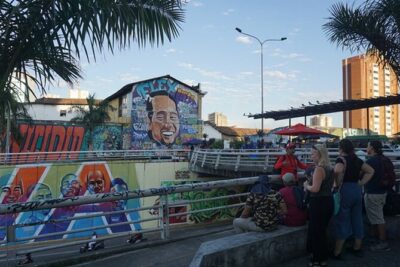
Historical Shared Tour Salsa, Graffiti & Resistance in Cali
Read our review →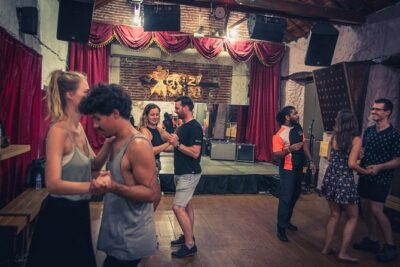
Salsa Tour in Cartagena with admission Ticket to Café Havana
Read our review →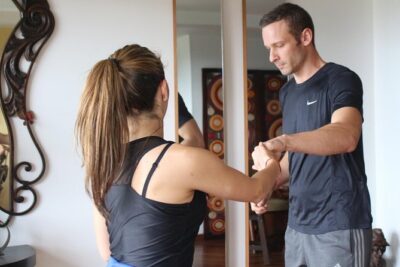
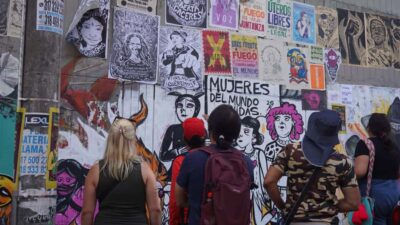
Shared Tour Cali’s Salsa, Graffiti & Resistance Experience
Read our review →
Browse the lists this tour appears in