
REVIEW · COLOMBIAN COFFEE TOURS
Private Guided Walking Tour and Coffee Workshop in Bogota
Taste Bogotá one careful cup at a time. I like the way this private coffee tour turns tasting into a hands-on lesson, and I especially like the three different café stops, each using another brewing method. The guide also connects coffee to Ethiopia, Yemen, Colombia, and the wider world, so this is more than a café crawl.
The main consideration is the pace. You walk 2 to 3 kilometers, stand or sit through several lessons, and taste coffee rather than simply ordering your favorite sweet drink. Arrive early, dress warmly, skip perfume, and bring an umbrella. Bogotá weather enjoys changing its mind.
In This Review
- Key points about this Bogotá coffee workshop
- Why this coffee tour feels different
- La Parla Workcafé starts with the senses
- Café 18 Rosales brings plants into the picture
- Libertario Coffee Roasters closes the tasting loop
- The walking route adds context, but watch the weather
- What you actually get for $60
- The teaching is the strongest feature
- Who should book this experience?
- Practical tips before you go
- Should you book the Bogotá coffee tour?
- FAQ
- How long does the private coffee tour last?
- Where does the tour begin?
- Where does the tour end?
- Is the tour offered in English?
- How far do you walk?
- What is included in the price?
- Can I cancel for a full refund?
Key points about this Bogotá coffee workshop
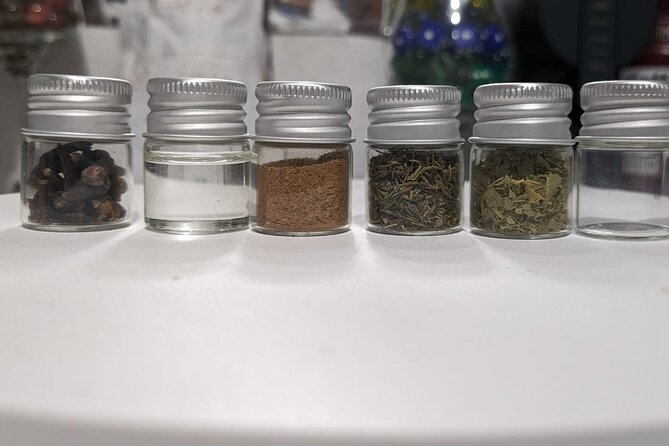
- Three cafés, three brewing methods: You compare specialty coffees at La Parla Workcafé, Café 18 Rosales, and Libertario Coffee Roasters.
- A real tasting lesson: You use a cupping sheet, a pen, and learned flavor descriptors to assess aroma, taste, texture, and other qualities.
- Private and personal: Only your group takes part, making it easier to ask questions or request a focus that suits your interests.
- Coffee from seed to cup: You see baby coffee plants, discuss production processes, and explore how coffee reaches the cup.
- Strong guide-led teaching: Luis is described as an experienced barista with cultivation experience, while Reese is also named as a guide connected with the experience.
- A useful neighborhood walk: The route links coffee shops around Chapinero and Rosales, ending at Libertario on Calle 70a.
Why this coffee tour feels different
Bogotá has no shortage of cafés. You can order a flat white, take a photograph, and move on. This experience asks you to slow down and figure out why one coffee tastes fruity, another feels heavier, and a third seems cleaner or brighter.
That change in approach is the tour’s real value. You are not expected to be a barista or a professional taster. Instead, you learn a small working vocabulary and use it immediately. The cupping sheet gives you a place to record what you notice, while the guide helps turn vague impressions into useful descriptions.
The private format matters, too. If you are traveling with friends or family, your group can ask basic questions without worrying about holding up a large crowd. The guide can also adjust the experience if you contact him ahead of time. One participant used the same guide for both this walking tour and a separate home-coffee workshop, with the content adapted to that group’s needs.
I would ask for Luis when booking if his availability matters to you. He has experience as a barista and in coffee cultivation, which gives him a practical view of the full process. Reese is also named in connection with the experience, so the exact guide may depend on the date.
More Walking Tours in Bogota
- Bogotá: Guided La Candelaria Walking Tour
★ 4.8 · 1,229 reviews - Graffiti Tour: a fascinating walk through a street art City
★ 5.0 · 1,074 reviews - Walking Tour in La Candelaria Bogotá
★ 5.0 · 859 reviews
La Parla Workcafé starts with the senses
The tour begins outside La Parla Workcafé at Cra. 3 #74-00 in Chapinero. The group waits outside before going in, so arriving early is sensible. You do not want to begin by rushing through Bogotá streets while trying to locate the starting point.
Inside, the first hour lays down the basic tools. You learn about coffee variables and brewing methods, then taste specialty coffee and assess it with a cupping sheet. This first stop is important because it gives the rest of the tour a structure. You are not just sampling three unrelated drinks. You are learning a method for comparing them.
The guide encourages you to use more than taste. Aroma, appearance, touch, sound, and personal associations all help shape your description. That may sound technical at first, but the lesson aims to make complicated ideas simple. You may begin with a plain thought such as this coffee smells sweet, then work toward a more precise description.
Do not wear perfume or strongly scented lotion. Coffee tasting depends heavily on your nose, and extra fragrance can interfere with the process. A warm layer is also wise. Bogotá can feel cool, especially when you are moving between indoor stops, and an umbrella belongs in your day bag.
This first stop is not about drinking the largest amount of coffee. It is about learning how to pay attention. If you usually add sugar or milk, you may find the tasting style unfamiliar, but that is part of the point.
Café 18 Rosales brings plants into the picture
The walk then continues to Café 18 Rosales. Here, the focus shifts from tasting skills to production. You explore how coffee is made and learn about its different processes. The particularly useful detail is the chance to meet baby coffee plants.
Those small plants help connect the polished drink in your cup with farming and cultivation. Coffee can seem like a finished retail product when you see it only in a modern café. Seeing young plants puts the early stage back into the story.
You then taste specialty coffee prepared through another brewing method. Using the descriptors from La Parla, you evaluate what is in the cup. This side-by-side approach is one of the strongest parts of the experience. A brewing method can affect how you notice aroma, body, acidity, and flavor, even when the subject is still coffee.
The guide also discusses the work between plant and cup. That matters in Colombia, where coffee is part of national identity and daily life, but also part of a long international story. The teaching reaches beyond Colombia to coffee’s origins and spread through Ethiopia, Yemen, France, the East and West Indies, India, Guatemala, and Brazil.
There is useful balance in that history. Coffee’s global expansion brought benefits as well as harm. A good lesson should not reduce coffee to a pretty origin story, and this one makes room for both sides.
You will eat something salty during the experience. Still, this is not a meal, and snacks beyond what is provided are not included. If you need regular food with your coffee, plan accordingly.
Libertario Coffee Roasters closes the tasting loop
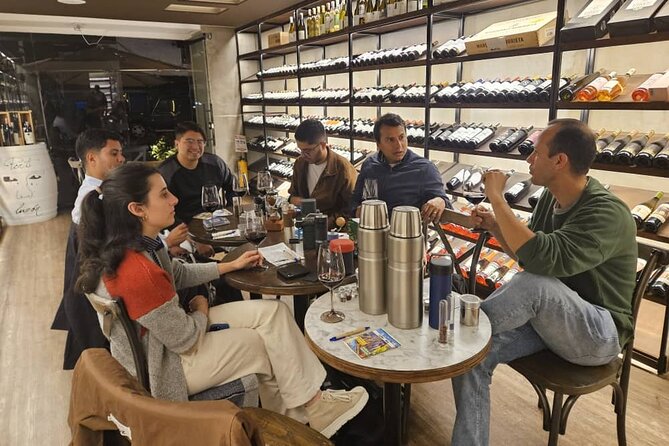
The final hour takes place at Libertario Coffee Roasters on Calle 70a, at Cl. 70a #5-37. This is where the tour ends, so the final stop is useful if you want to continue exploring the neighborhood afterward or buy coffee nearby.
At Libertario, you hear more about coffee history and taste another set of cups made with a different brewing method. You then return to the same descriptors and assess the coffee again. By this stage, you have enough comparison to notice patterns rather than isolated impressions.
The repeated format is deliberate:
- Learn a concept.
- Taste a coffee.
- Describe what you notice.
- Apply the same method to another cup.
That repetition makes the workshop practical. You are not expected to remember a long lecture. You build a small skill through use.
The tour does not include whole-bean coffee, ground coffee, or other drinks for later purchase. If you want to take Colombian coffee home, you will need to buy it separately. That is not a serious flaw, but it is worth knowing before you arrive with the expectation of a coffee-shopping stop.
More coffee tours in Bogota:
- Coffee Farm Tour from Bogotá – Be a Farmer for a Day
★ 5.0 · 213 reviews - Specialty Coffee Workshops in Bogota
★ 5.0 · 145 reviews - From Bogotá: Coffee Farm and Tequendama Falls Tour
★ 4.5 · 130 reviews - VIP Bogota City Tour: Monserrate, Candelaria, Coffee Tasting, 6hr
★ 5.0 · 95 reviews
The walking route adds context, but watch the weather
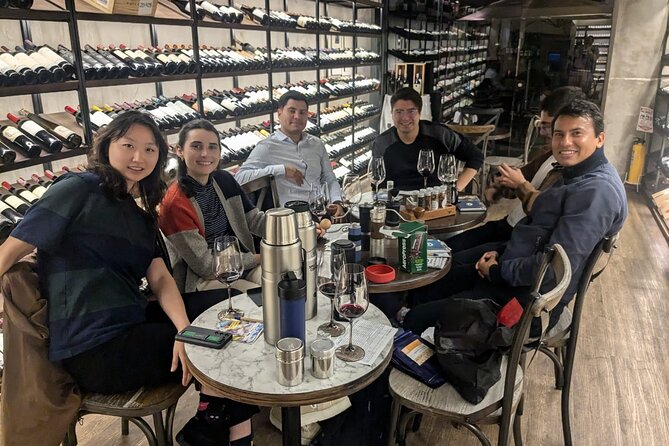
The distance between the cafés totals about 2 to 3 kilometers. That is a manageable walk for most people, and it gives the experience a sense of place that a single café workshop would lack.
You move through Chapinero and Rosales rather than sitting in one room for three hours. The walk links the coffee lessons to Bogotá’s urban setting, though the main attraction remains the instruction and tasting. This is not a sightseeing tour of major monuments.
Comfort matters more than fashion. Wear shoes you can walk in and bring a warm layer. An umbrella is specifically recommended, and it is good advice in Bogotá. The tour is offered in English, and most people can participate, but the combination of walking, standing, coffee tasting, and lessons may not suit anyone looking for a completely relaxed seated activity.
Public transportation is nearby. The start and finish are different, so note both locations before setting out. You begin at La Parla Workcafé and finish at Libertario Coffee Roasters. A mobile ticket is provided, and confirmation arrives at booking.
What you actually get for $60
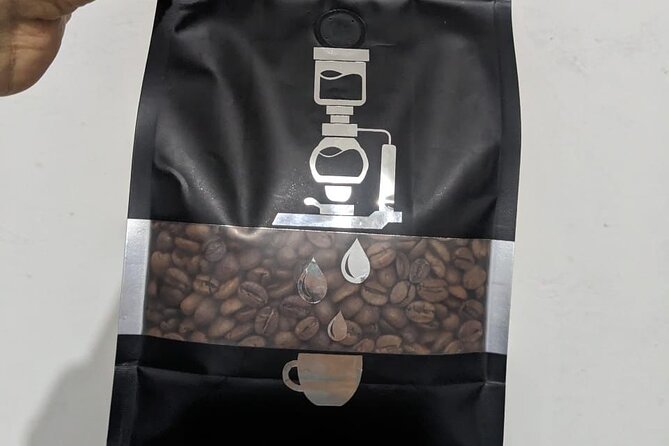
At $60 per person, this is not the cheapest way to drink coffee in Bogotá. It is also not priced like a simple café visit. Your fee pays for a private three-hour lesson, several specialty coffee tastings, a cupping sheet, a pen, bottled water, and the guide’s preparation.
The value depends on how much you want to learn. If you simply want a strong Colombian coffee and a pleasant walk, you can spend less by visiting cafés independently. If you want to understand brewing methods, compare cups, learn tasting language, and ask questions privately, the price is easier to justify.
The three-stop design also gives you more than one setting and more than one brewing approach. You are not judging coffee based on a single café’s style. You see how the same broad subject can be presented through tasting, cultivation, processing, and history.
I would consider the tour especially worthwhile for someone who already likes coffee but cannot explain what they like about it. You may leave with a better sense of what acidity, aroma, body, and flavor descriptors mean in practice. That can help you choose beans and drinks more confidently later.
The value is less convincing if you dislike unsweetened coffee, want a full meal, or expect a standard sightseeing tour. You should also remember that tips are not included.
The teaching is the strongest feature
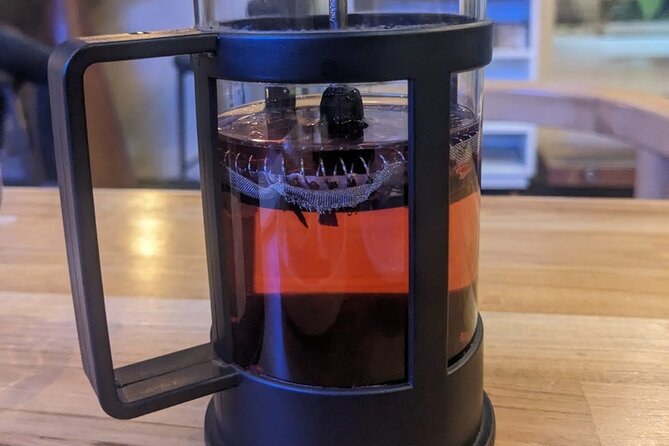
The most praised part of this experience is the guide’s ability to teach. The material is based on SCA standards, reference books, and information from Colombia’s National Coffee Federation, according to the guide’s own description of the course.
That does not mean you need to study before arriving. The aim is to make technical ideas usable for ordinary coffee drinkers. The guide uses the senses and personal associations so you can form your own conclusions instead of memorizing tasting notes.
This approach is helpful because coffee language can feel intimidating. A menu may describe a cup as having citrus, chocolate, stone fruit, or floral notes, but those labels are not always obvious. Here, you get a chance to compare and discuss what you actually detect.
The historical material also adds depth. You learn about coffee’s movement from Ethiopia and Yemen into Europe, Asia, the Caribbean, and the Americas, along with Colombia’s place in that story. That broad view makes the cup in front of you feel less simple, but the lesson keeps returning to direct tasting rather than turning into a long lecture.
If you have special interests, contact Beantage Specialty Coffee Roasters before the tour. The experience can be tailored in some cases, and that may be useful if you want to focus on brewing at home, cultivation, Colombian coffee, or tasting technique.
Who should book this experience?
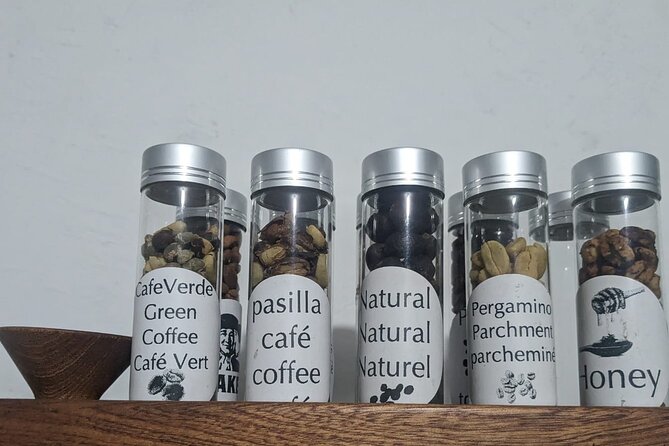
I would choose this tour if you fit one or more of these descriptions:
- You want a private activity in Bogotá that is more local and focused than a major attraction.
- You enjoy coffee and want to understand it beyond roast strength or caffeine.
- You are curious about Colombian cultivation and the path from plant to cup.
- You learn best by tasting and comparing rather than listening to a long talk.
- You are traveling with friends who enjoy asking questions and discussing flavors.
- You want an English-language experience with a small, personal feel.
I would think twice if you want a fast-moving city tour, a coffee farm visit outside Bogotá, or a large meal paired with drinks. The experience teaches coffee in cafés, and the walking distance is urban. It does not replace a trip to a rural coffee-growing region.
It is also a poor match if you are sensitive to caffeine and cannot comfortably sample several coffees. The information does not specify a decaffeinated option, so ask ahead if that is important to you.
Practical tips before you go
Arrive early at the first meeting point. The group gathers outside La Parla Workcafé, so allow time to find Cra. 3 #74-00.
Wear warm, comfortable clothing and walking shoes. Bring an umbrella, avoid perfume, and carry only what you need.
The experience includes bottled water, a pen, a cupping sheet, coffee at the specialty cafés, and something salty to eat. It does not include extra snacks, tips, whole beans, ground coffee, or other food and drinks.
You can cancel for a full refund if you do so at least 24 hours before the local start time. Changes or cancellations made inside that window are not accepted for a refund.
Because the tour is private, only your group participates. That makes the $60 price easier to defend for couples, families, or friends who want an interactive lesson rather than a fixed group presentation.
Should you book the Bogotá coffee tour?
Book it if coffee is part of how you understand a place. The strongest reasons are the hands-on cupping practice, the three brewing methods, the look at baby coffee plants, and the guide’s focus on history and cultivation. You should finish with more confidence describing what you taste, not just a pleasant caffeine buzz.
Skip it if you want a conventional Bogotá walking tour, a coffee farm excursion, or a long café stop with plenty of food. For curious coffee drinkers who can manage 2 to 3 kilometers and several tastings, this is a thoughtful use of three hours and a good way to meet the city through one of Colombia’s most important products.
FAQ
How long does the private coffee tour last?
The experience lasts approximately three hours, with about one hour at each of the three coffee stops.
Where does the tour begin?
It begins outside La Parla Workcafé at Cra. 3 #74-00 in Chapinero, Bogotá.
Where does the tour end?
The tour ends at Libertario Coffee Roasters on Calle 70a, at Cl. 70a #5-37 in Bogotá.
Is the tour offered in English?
Yes. The experience is offered in English.
How far do you walk?
You walk approximately 2 to 3 kilometers between the coffee shops.
What is included in the price?
The price includes bottled water, a pen, a coffee cupping sheet, specialty coffee served during the experience, and something salty to eat.
Can I cancel for a full refund?
Yes. You can cancel at least 24 hours before the local start time for a full refund. Cancellations or changes made less than 24 hours before the start are not accepted for a refund.
Just added in Bogota
- Catedral de Sal desde Bogotá en Tren★ 5.0 · 5 reviews
- Tour of Zipaquirá: Visit the Salt Cathedral and the main squares★ 4.5 · 55 reviews
- Zipaquirá and Salt Cathedral Muisca Heritage with Guide – Private★ 4.5 · 23 reviews
- Botanical Garden Bogotá Private Tour (4 Hrs.)★ 5.0 · 13 reviews
- Zipaquira Salt Cathedral★ 4.5 · 12 reviews
- LOCAL GUIDE Zipaquirá PRIVATE TOUR – Salt Cathedral and Salt Oven★ 5.0 · 24 reviews
- Zipaquirá Salt Cathedral: An architectural wonder.★ 4.5 · 24 reviews
- Private Zipaquira Salt Cathedral and Guatavita Lagoon Tour from Bogota★ 4.5 · 44 reviews
Colombian Coffee Tours, compared.
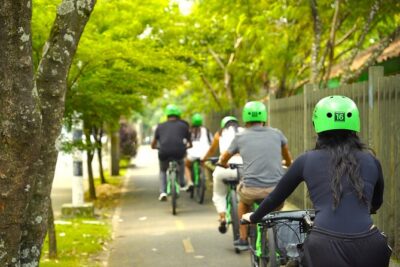
Half Day Bike Tour in Medellin – Local snack, Coffee or Beer
Read our review →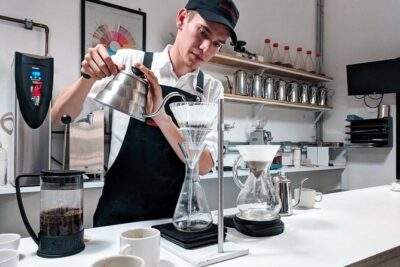
Half-Day Coffee Tour: From the Seed to the Cup, Farm & roastery
Read our review →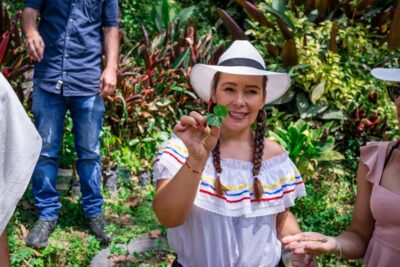
Coffee Tour with Transport, Snacks and Tastings
Read our review →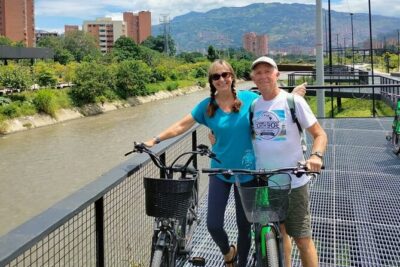
Electric Bike City Tour Medellin With Colombian Coffee and Snack
Read our review →
Private Coffee Farm Tour in Medellin: Real Authentic Experience
Read our review →
Guatape & Coffee Farm & El Peñol Rock & Quaint Town: Best Combo
Read our review →
Coffee tour in Medellín with tastings and transportation
Read our review →Browse the lists this tour appears in