
REVIEW · FOOD & DRINK
Food tour in Cali with exotic fruits, breads and drinks
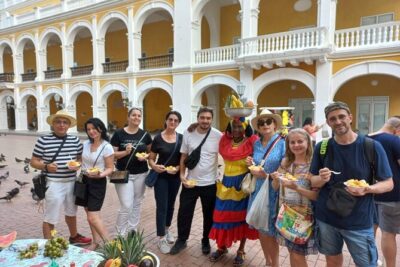
Cali tastes better one fruit at a time. This small-group food walk brings you into Galería Alameda, where you sample unusual Colombian fruits, traditional breads, and sweet local drinks while learning about Pacific Coast foodways. I like the generous tasting list and the chance to practice Spanish in a real market. I also like that the group is capped at eight, so this should feel more like a guided introduction than a march through a food hall. The main drawback is simple: there is no private transportation, and the tour ends at the market, not back at your hotel.
At $19.22 per person for about two hours, the experience offers good value if you want an easy introduction to Cali’s food culture. It is not a full restaurant meal or a broad city tour. Think of it as a focused market visit with brunch, fruit samples, drinks, and conversation. If your booking is handled by Marlon, expect a warm, informal guide who may explain local customs, city life, and food in clear Spanish.
In This Review
- Key points to know before you go
- Why Galería Alameda makes a good first stop in Cali
- The fruit tasting: 10 tropical surprises in one sitting
- Coffee, pandebono, almojábana, and empanada
- Lulada and champús: the drinks worth trying
- Spanish practice with a local guide
- What the two-hour schedule really gives you
- Value at $19.22 per person
- Who will enjoy this market tasting most?
- A note about dependability and booking
- Should you book the Alameda food tour?
- FAQ
- Where does the food tour begin?
- Where does the tour finish?
- How long does the experience last?
- How much does the tour cost?
- What fruit is included?
- What food and drinks are included?
- Is transportation included?
- How many people can join the tour?
- Can I cancel for a full refund?
Key points to know before you go
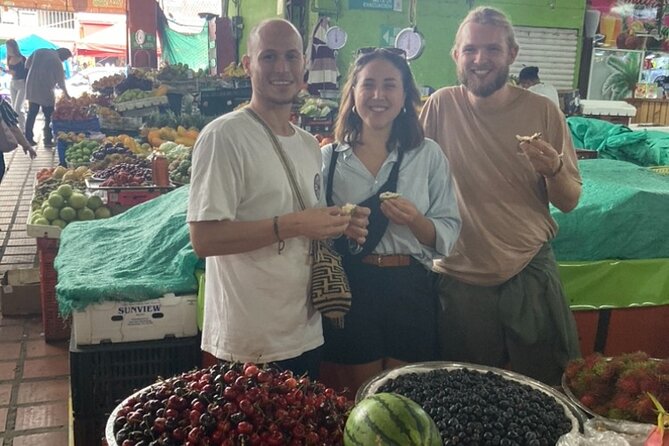
- Galería Alameda is the entire setting: This famous market square gives the tour a genuine local feel rather than a staged tasting room.
- The fruit list is unusually broad: You may try mangostino, chirimoya, pomegranate, zapote, guama, mamoncillo, yellow pitaya, and other tropical produce.
- Two classic drinks are included: Lulada and champús offer a sweet, distinctly Caleño taste of fruit and corn-based refreshment.
- The food works as a light brunch: Coffee, pandebono, almojábana, and an empanada make the tasting more substantial.
- Spanish is part of the experience: The tour is designed to help you practice the language while learning about plants, crafts, food, and myths.
- The small group matters: A maximum of eight people should make it easier to ask questions and keep track of the guide in the market.
Why Galería Alameda makes a good first stop in Cali
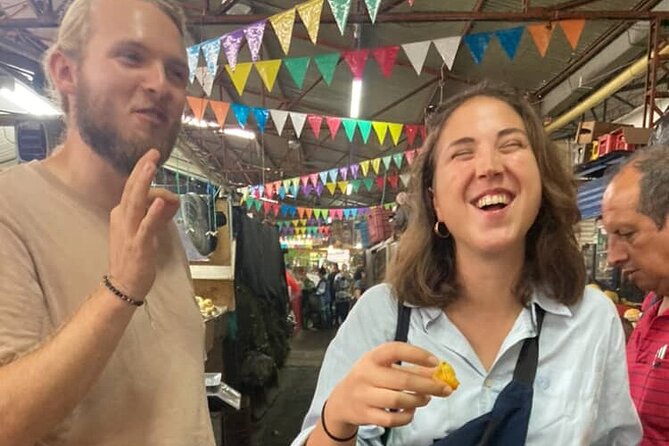
The tour begins at Alameda Park, at Calle 7A with Calle 7, and finishes inside Galería Alameda. That short route keeps the focus on food. You do not spend half the time sitting in a van or crossing town.
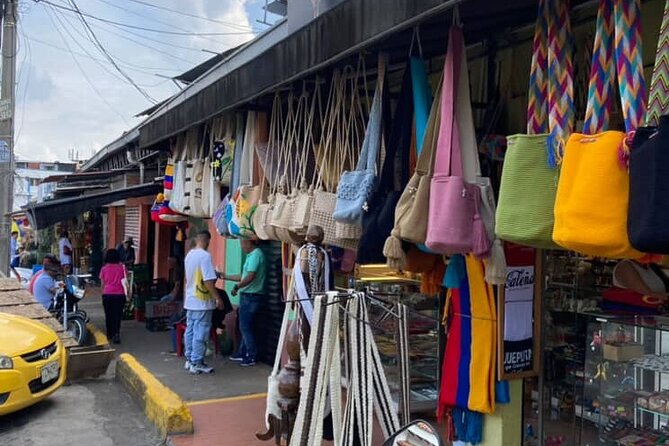
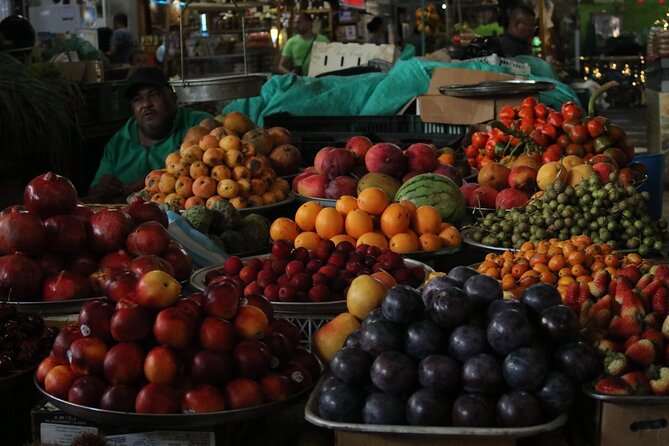
Galería Alameda is described as a gastronomic icon of the Colombian Pacific. That matters because the market connects Cali with the wider Pacific region, where fruits, drinks, breads, and everyday ingredients carry strong local identity. You are not simply checking off samples. You are seeing where food is sold and discussed in ordinary city life.
I like this format for a first morning or afternoon in Cali. The market gives you a quick sense of the city’s social rhythm, and a guide can explain what you are looking at before you taste it. Without that help, names such as guama, mamoncillo, zapote, and chirimoya can blur together. With guidance, each fruit becomes a small lesson in Colombian food culture.
The setting also adds a little unpredictability, in a good way. A market is not a polished museum. Sounds, people, stalls, and changing produce are part of the experience. If you prefer quiet tables, fixed portions, and a carefully controlled menu, this may feel less comfortable.
More Food Tours in Cali
- Street Food Tour
★ 5.0 · 157 reviews - The Cali Street Food Walking Tour
★ 5.0 · 81 reviews - Cali: Street Food Tour
★ 4.8 · 71 reviews
The fruit tasting: 10 tropical surprises in one sitting
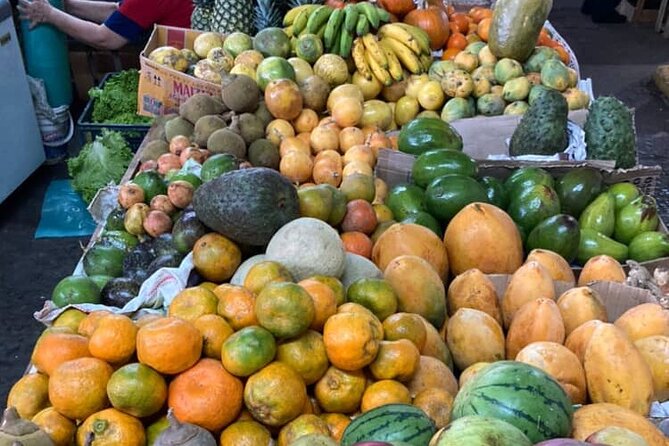
The fruit portion is the tour’s strongest feature. You can expect about 10 types of tropical fruit, including mangostino, chirimoya, pomegranate, zapote, guama, mamoncillo, yellow pitaya, and more.
Several of these may be unfamiliar if you normally shop in North American or European supermarkets. Chirimoya is known for its soft, custard-like flesh. Mamoncillo is small and often eaten by working the fruit from its seed. Guama has a long pod and a sweet interior. Zapote is another fruit with a rich, soft texture. The point is not just to taste something strange, but to learn how people identify, eat, and talk about it.
Yellow pitaya is especially useful as a comparison point. Many people know the more common pink-skinned dragon fruit, but the yellow variety has its own look and flavor. Mangostino, pomegranate, and the other samples add contrast in color, texture, and sweetness.
I would approach this part with curiosity rather than a firm expectation of loving every item. Tropical fruit can be very soft, tart, creamy, sticky, or strongly flavored. That is part of the fun. You will also have a chance to ask about plants and local beliefs, since the tour includes information about myths as well as food.
The fruit list may vary with availability. The description promises many samples, but markets naturally change from day to day. That is worth remembering if you have your heart set on one specific item. The broad selection is more important than any single fruit.
Coffee, pandebono, almojábana, and empanada
The tasting includes a small brunch of coffee, pandebono, almojábana, and an empanada. This is a smart addition. Fruit alone can leave you hungry, especially if you are starting the day with a long walk or have skipped breakfast.
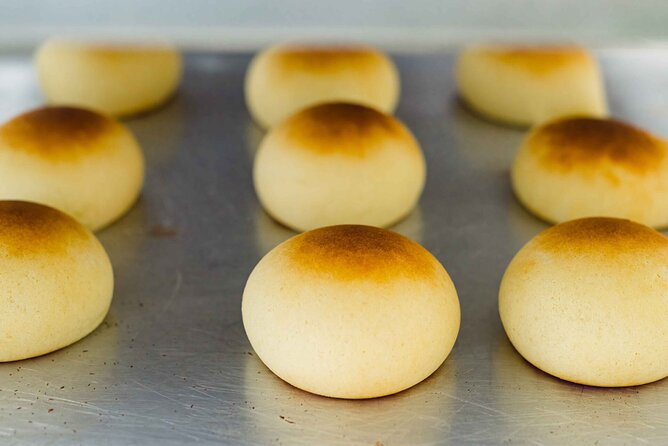
Pandebono is a familiar Colombian bakery staple, often associated with a chewy, cheesy texture. Almojábana is another traditional baked item, also connected with cheese and a soft interior. Having both lets you compare two local breads rather than treating all Colombian baked goods as one thing.
The empanada brings a savory note to a tasting that could otherwise lean heavily toward sweet fruit and drinks. Coffee gives the meal a familiar anchor. I would think of this as a light brunch, not a replacement for lunch. The portion details are not specified, so you should not book this expecting a large, sit-down meal.
Food tours often work best when the meal is broken into small bites. You have time to ask questions, watch how food is handled, and notice the difference between a bread eaten fresh and a packaged snack. That slower pace is useful for language practice too.
Lulada and champús: the drinks worth trying
The two included drinks are lulada and champús, traditional refreshments that may be less familiar than coffee or fruit juice.
Lulada is associated with lulo, a tart Colombian fruit, and is generally served as a refreshing fruit drink. Champús is a thicker traditional drink made with ingredients that can include corn, fruit, and spices. The exact preparation can vary, but both are strongly linked to the food culture of southwest Colombia.
These drinks help explain why a market tour is more than a list of edible items. A fruit can be eaten whole, turned into juice, mixed into a drink, or used in a recipe with several other ingredients. You get to taste those different forms in one short outing.
If you are sensitive to sweetness, ask the guide what to expect before taking a full sip. The tour description calls both drinks traditional, but it does not give serving sizes or preparation details. This is one place where your guide’s explanation will add real value.
A completely different kind of day:
- A day to enjoy nature and have an adventure in the Jordan river
★ 5.0 · 469 reviews - Cali: City Tour | Guided tour around the city
★ 5.0 · 287 reviews - Shared Tour of the Historical and Cultural Center of Cali
★ 5.0 · 211 reviews - Shared Tour Cali’s Historical Downtown
★ 4.8 · 143 reviews
Spanish practice with a local guide
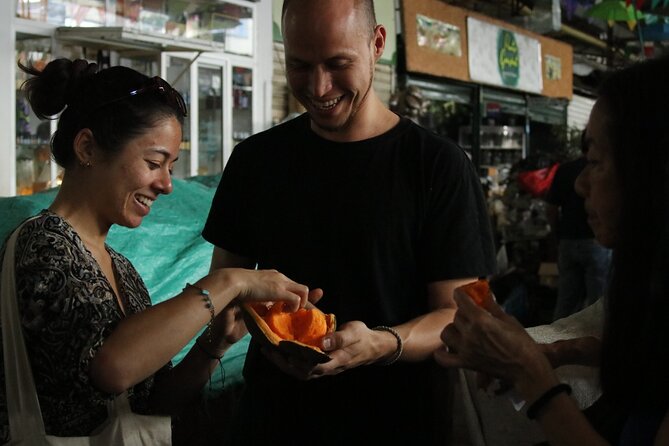
Spanish is not just an optional extra here. The tour is presented as a chance to improve your Spanish while tasting food and learning about plants, crafts, myths, and market life.
Marlon is the guide name connected with this experience. Feedback about his broader Cali activities describes him as patient, friendly, and clear in Spanish. One useful detail is that he is willing to repeat explanations when something is not understood the first time. That can make a major difference if your Spanish is basic or rusty.
You should still confirm the language before booking if you need English. The available information says Marlon conducts guided tours in Spanish, though he speaks clearly and can repeat points. That makes the tour a good fit for someone who wants gentle practice, but less suitable for someone who needs a fully English-language food lesson.
I like the way food gives you an easy reason to speak. You can ask the name of a fruit, how to eat it, where it grows, or whether it is used in a drink. Those practical questions are easier to remember than vocabulary from a classroom list.
The stories about plants, crafts, foods, and myths also give the outing more shape. You are not only tasting. You are learning how local people connect ingredients with tradition and belief.
What the two-hour schedule really gives you
Two hours is enough for a focused introduction, but not enough for a complete look at Cali’s food scene. You will visit one main market area, sample the listed foods and drinks, and finish at the market square.
That limited scope is a strength if you have a busy schedule. You can fit the tour into a morning before another activity, or use it near the beginning of your stay to learn what foods to seek out later. It is less suitable if you want several restaurant stops, a cooking lesson, or a full-day food program.
Because the tour begins at Alameda Park and ends at Galería Alameda, plan your onward route before you arrive. There is no private transportation included. The meeting and finishing points are close in name but should still be entered carefully into your map, especially if you are unfamiliar with Cali.
The small group limit of eight is welcome in a market. A large party can block stalls and make it hard to hear. With fewer people, you should have more room to ask about an unfamiliar ingredient and more time to interact with the guide.
Value at $19.22 per person
At $19.22, this is an appealing price for a two-hour guided experience that includes food and drinks. You are paying for several fruit samples, two traditional breads, an empanada, coffee, two local drinks, and a guide who provides cultural context.
The value is strongest for first-time visitors who might otherwise pass through Alameda without knowing what to order. A few fruit purchases and drinks can add up, and the guide helps you avoid spending your limited time guessing at names and flavors.
Still, keep the price in perspective. This is a modest tasting, not a lavish meal. The number of samples is given, but exact portion sizes are not. You should book it for access, explanation, and variety rather than for quantity.
The cost also makes it a low-risk way to test your interest in Cali’s food culture. If you love the market, you can return on your own and buy more of the fruits or drinks you liked best.
Who will enjoy this market tasting most?
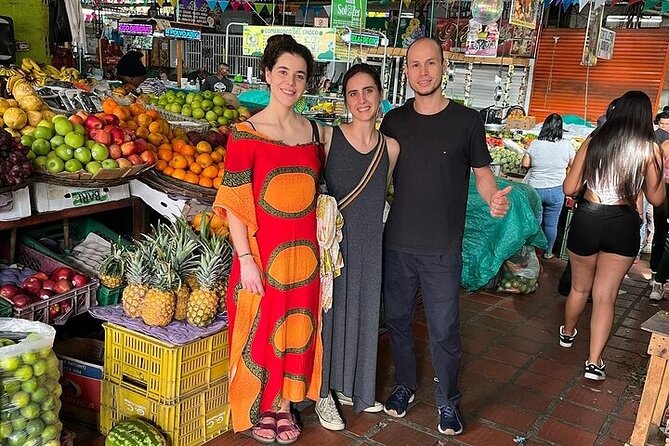
I would recommend the tour to people who enjoy trying foods they cannot easily find at home. It also suits anyone who wants a soft introduction to Cali before tackling a larger market or restaurant scene.
It is especially useful for:
- First-time visitors who want local context quickly
- Spanish learners who enjoy practical conversation
- Couples and small groups who prefer personal attention
- Curious eaters who like unusual fruit and regional drinks
- People looking for a light brunch rather than a long formal meal
You may want to skip it if you dislike markets, have strict food restrictions that make fruit and baked goods difficult, or need private transport. The available details do not provide a full allergy or dietary menu, so ask before booking if ingredients matter to you.
Service animals are allowed, and most people can participate. No special fitness requirement is stated, but you should be comfortable spending the experience in a public market setting.
A note about dependability and booking
The experience has a listed rating of 4.8 from 16 ratings, with 94 percent of customers recommending it. The overall picture is strongly positive, with repeated praise for Marlon’s warmth, patience, local advice, and ability to make visitors feel comfortable.
There is one important caution. A booking problem was reported in which the guide did not receive the reservation information and the scheduled meeting failed. The operator apologized and said the money was refunded. This appears to have been treated as an isolated communication error, but I would still confirm the meeting details after booking and keep the guide’s contact information available.
Free cancellation is offered if you cancel at least 24 hours before the start time. Cancellations inside that window are not refunded, and changes made within 24 hours are not accepted. The cut-off follows Cali local time.
Should you book the Alameda food tour?
Book it if you want a friendly, inexpensive way to meet Cali through its food. The combination of 10 tropical fruits, pandebono, almojábana, empanada, coffee, lulada, and champús gives you plenty to taste in two hours. The market setting and Spanish practice make it more useful than a simple snack stop.
I would be most likely to choose it early in a Cali visit, especially if Marlon is available. You can learn fruit names, ask about local customs, and finish with a better idea of what to order elsewhere.
Skip it if you want a large meal, private transportation, or a fully English-language tour. For everyone else, $19.22 buys a compact, local introduction with real flavor and a few surprises.
FAQ
Where does the food tour begin?
The tour begins at Alameda Park, at Calle 7A with Calle 7 in La Alameda, Cali, Valle del Cauca, Colombia.
Where does the tour finish?
It finishes at Galería Alameda, in Alameda, Cali. The tour ends in the market square.
How long does the experience last?
The tour lasts approximately two hours.
How much does the tour cost?
The listed price is $19.22 per person.
What fruit is included?
The fruit tasting includes mangostino, chirimoya, pomegranate, zapote, guama, mamoncillo, yellow pitaya, and other tropical fruits. The experience includes about 10 types in total.
What food and drinks are included?
The included brunch has coffee, pandebono, almojábana, and an empanada. You also receive the traditional drinks lulada and champús.
Is transportation included?
No. Private transportation is not included. You meet at Alameda Park and finish at Galería Alameda.
How many people can join the tour?
The maximum group size is eight people.
Can I cancel for a full refund?
Yes, if you cancel at least 24 hours before the experience begins. Cancellations made less than 24 hours before the start time are not refunded.
Just added in Cali
- Trekking to Pico de Loro★ 4.5 · 14 reviews
- Private Transfer from Cali Airport (CLO)★ 5.0 · 4 reviews
- Trekking & Rivering Reserve Pericos★ 5.0 · 5 reviews
- Transportes y Traslados desde Cali★ 5.0 · 1 review
- Sugar Cane Hacienda El Paraiso & Nature Day Tour★ 4.0 · 6 reviews
- CITY TOUR OF CALI | Discover with local experts Cali★ 5.0 · 2 reviews
- Friday Night Street Salsa and Bar Crawl in Cali, Colombia★ 4.5 · 24 reviews
- Saturday Night Bar Crawl in Cali, Colombia★ 5.0 · 20 reviews
Food & Drink, compared.

Comuna 13 Graffiti Tour, Cable Car & Street Food
Read our review →

Half Day Bike Tour in Medellin – Local snack, Coffee or Beer
Read our review →

Rumbero Gastrotour through Medellín and Street Food
Read our review →
Browse the lists this tour appears in