
REVIEW · SAN BASILIO DE PALENQUE HERITAGE TOURS
Cartagena: San Basilio de Palenque Guided Day Trip
San Basilio tells a freedom story. This six-hour outing from Cartagena takes you to America’s first free town, where a local guide introduces Palenque language, music, dance, medicine, boxing, and the legacy of Benkos Biohó. I like the hotel pickup and small-group format, and I especially like that the day includes a local meal rather than just a quick photo stop. The main caution is guide quality: some visitors received thoughtful explanations from Moises or Abraham, while others found the history too vague.
I also like the chance to meet Palenque culture through several living traditions, not only through a museum display. The house museum, music session, natural medicine visit, and boxing stop give the outing real range. Still, you should expect a community experience with some waiting and occasional requests to buy small items or leave tips, which can feel awkward after paying $92.
In This Review
- Key points to know before booking
- Why San Basilio de Palenque matters
- The 80-minute ride from Cartagena
- Walking through the town
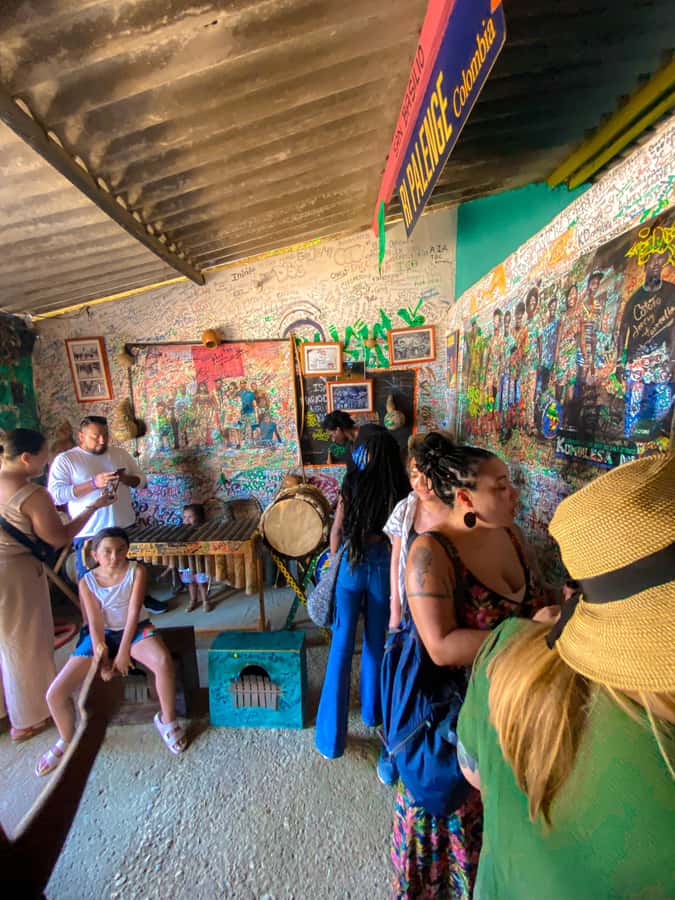
- The house museum and local traditions
- Music, dance, and the Palenque language
- Natural medicine and the boxing tradition
- Lunch, raspado, and the practical comforts
- Is $92 a fair price?
- Who should book this experience?
- What to bring and how to get more from the day
- Should you book San Basilio de Palenque?
- FAQ
- Where does the San Basilio de Palenque experience pick up?
- Where does the experience drop you off?
- How long does the experience last?
- Is transportation included?
- Is lunch included?
- What languages are available?
- Is the activity wheelchair accessible?
- Can I cancel the booking?
Key points to know before booking
- Palenque is more than a nearby village stop: The visit centers on the community’s African heritage, freedom story, language, music, and daily traditions.
- Benkos Biohó is a central figure: The town’s connection to this leader of a slave rebellion is one of the most important subjects to ask about.
- The guide makes or breaks the day: Moises and Abraham received warm praise for their friendly, personal approach, but guide performance can vary.
- Food is one of the safest highlights: The included local meal earned repeated praise, and a tropical raspado or ice cream adds a welcome cool-down.
- Expect a long road day: The drive takes about 80 minutes each way, leaving roughly four hours in San Basilio.
- Bring serious sun protection: Comfortable shoes, a hat, sunscreen, a camera, and water are all useful, though bottled water is supplied.
Why San Basilio de Palenque matters
San Basilio de Palenque carries a place in Colombian and American history that is easy to miss if you stay within Cartagena’s old walls. It is recognized as America’s first free town, founded by people who escaped slavery and preserved their own community, customs, and language.
That background gives this outing its purpose. You are not simply looking at colorful streets or sampling food. You are hearing how a community protected its identity for more than 310 years. The story connects directly to Benkos Biohó, the leader of a slave rebellion who became the king of San Basilio and fought for freedom in the New Kingdom of Granada.
I would make this subject a priority during the tour. Ask your guide to explain Biohó’s role, how the town gained its freedom, and how that past still shapes life today. One weakness reported about the experience is that the liberation story was sometimes only briefly covered. If this is the reason you are coming, do not be shy about asking for more detail.
More Day Trips in Cartagena
- Private Boat Tour Full day trip to Rosario Islands, Cholon, Baru
★ 4.5 · 112 reviews - The Jaguar´s Footprint: Hike and Music Day Trip from Cartagena
★ 5.0 · 112 reviews - Rosario Islands Day Trip: Snorkel & Sunbathe at Isla del Sol
★ 3.5 · 98 reviews
The 80-minute ride from Cartagena
Pickup is available in Castillo Grande, the Historic Center, Marbella, or Bocagrande. That is practical if your hotel is in one of Cartagena’s main visitor areas, and hotel pickup saves you from arranging a taxi before an early start.
The air-conditioned vehicle matters here. Cartagena is hot, and the road trip gives you time to cool down before walking through the town. The drive is listed as about 80 minutes each way, or roughly 1 hour and 20 minutes. That means a substantial part of the day is spent in transit, so you should view this as a focused cultural excursion rather than a quick add-on.
The group is limited to 15 people. That is small enough for questions and a more personal exchange than a large coach tour, but it is not a private tour. The exact feel will depend on the guide and on how smoothly the group moves between stops.
The stated duration is six hours, while the transport segments total about 160 minutes and the town visit is scheduled for around four hours. In practice, departure times, traffic, and time spent at each stop can affect the final length. Keep a little flexibility in your Cartagena plans.
Walking through the town
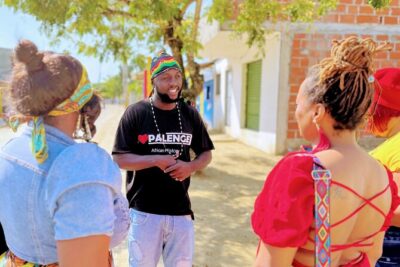
On arrival, you will walk through the streets of San Basilio de Palenque with a local guide. The value here comes from context. A guide can point out how language, music, food, and social customs connect to the town’s African roots and its long effort to remain culturally independent.
The visit is described as an immersive experience, but that should not be confused with a staged theme park program. The available information points to a combination of walking, conversation, demonstrations, and visits to local places. You may spend time waiting between activities, and one account found there was too much standing around before moving on.
That pace can be frustrating if you want a tightly timed sightseeing program. It can also be part of visiting a working community, where the day does not run like a museum schedule. I would arrive with patience and treat the pauses as part of the experience, while still expecting the guide to keep the group informed.
Bring comfortable shoes. The town portion lasts about four hours and includes walking, standing, and several stops. An umbrella is provided, which is useful under the Caribbean sun, but you should still carry a hat and sunscreen.
The house museum and local traditions
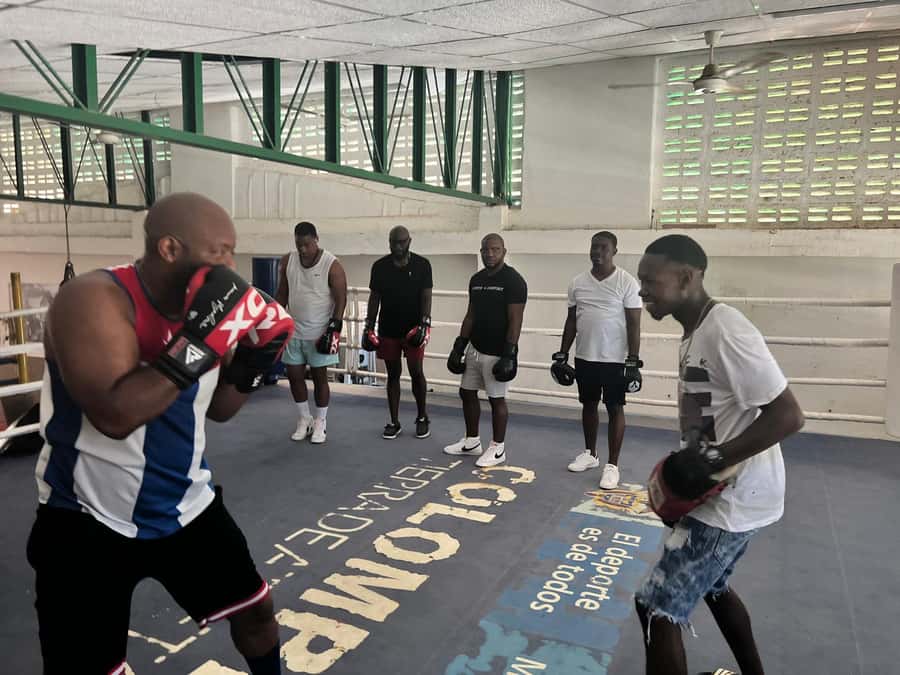
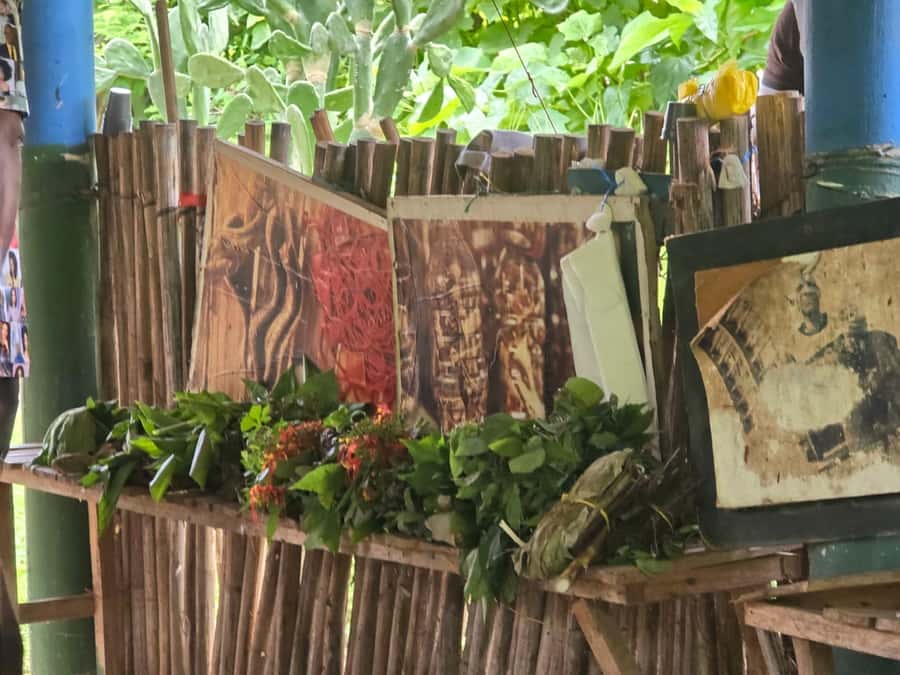
The house museum provides a more fixed setting for learning about Palenque’s past and customs. This is likely to be one of the clearest places to connect the town’s freedom story with family life, traditions, and objects tied to local culture.
I like having a museum stop in the program because it gives the day an anchor. Street walks and demonstrations can be engaging, but a museum helps organize what you are seeing. It is also a good moment to ask direct questions about how traditions have been passed down through generations.
The quality of this stop will depend heavily on the explanation. Some feedback described the cultural information as vague, with questions brushed aside. That is not a small issue on a tour whose main purpose is understanding the community. If the guide moves quickly, ask about the meaning of the objects, the town’s language, and the role of family and music in preserving identity.
English and Spanish guides are available. The guide names connected with especially warm experiences include Moises, Abraham, and Thierry, although you should not assume one of them will lead your departure. Abraham was praised for his enthusiasm about his home village, while Moises was described as friendly and helpful by several people.
More San Basilio de Palenque heritage visits:
- Tour De Palenque, Road to Emancipation.
★ 5.0 · 1,678 reviews - Freedom Tour of Palenque
★ 5.0 · 467 reviews - San Basilio de Palenque History Tour
★ 5.0 · 301 reviews - Cartagena: Palenque´s tour, dance show, lunch, pick-Up inclu
★ 4.7 · 182 reviews
Music, dance, and the Palenque language
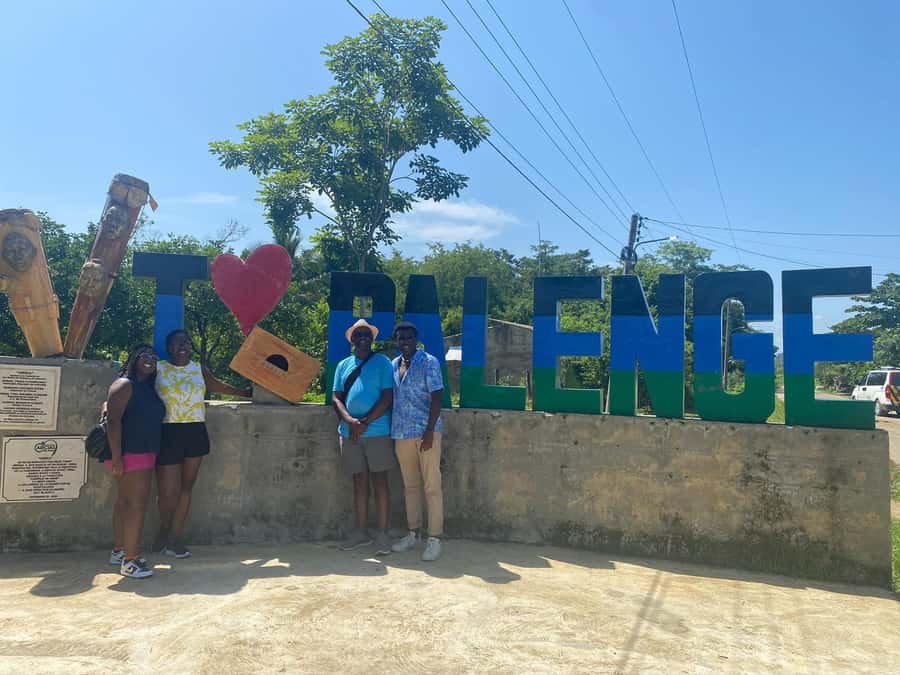
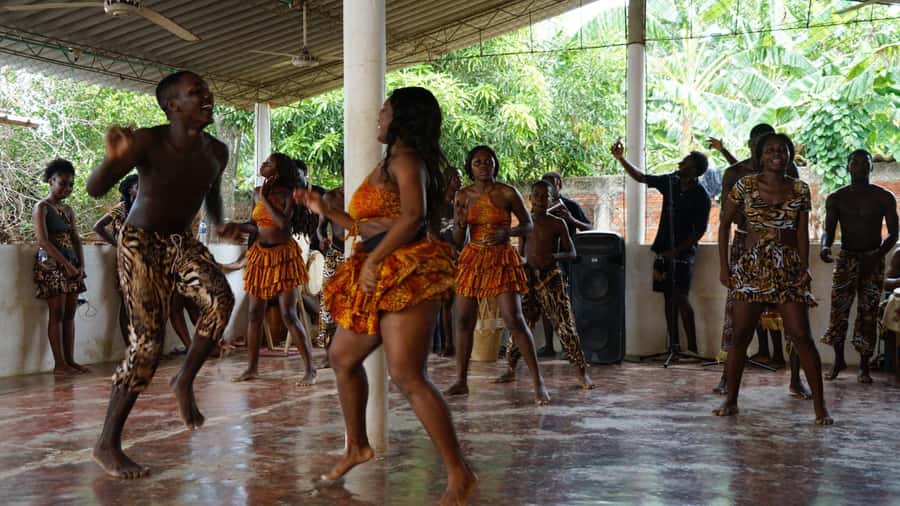
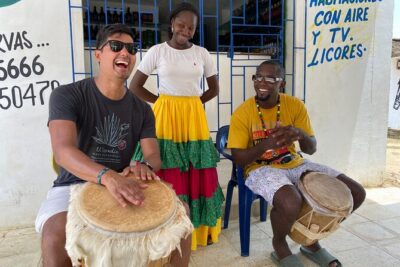
Music is one of the strongest parts of the program. You will learn about rhythms and melodies that are central to San Basilio’s identity, and the experience may include participation in dance. One particularly enjoyable detail is learning a phrase in the Palenque language, sometimes called the local patois in visitor accounts.
This is where the outing can feel personal rather than academic. You are not just reading about cultural survival. You are hearing how language and music remain part of ordinary life. A visitor described the connection among people of West African descent as especially moving, and that sense of shared heritage is a major reason to choose this trip.
The tone can vary by guide. One account recalled a guide becoming impatient when the group did not remember a phrase. That may have been playful instruction, but it also shows why expectations matter. You will probably get more from the session if you join in, accept a little good-natured correction, and avoid treating it as a performance made only for cameras.
Bring your camera if you want photos, but ask before photographing people or cultural activities. The supplied information does not promise a formal music show, so think of this as an introduction to local musical life rather than a concert.
Natural medicine and the boxing tradition
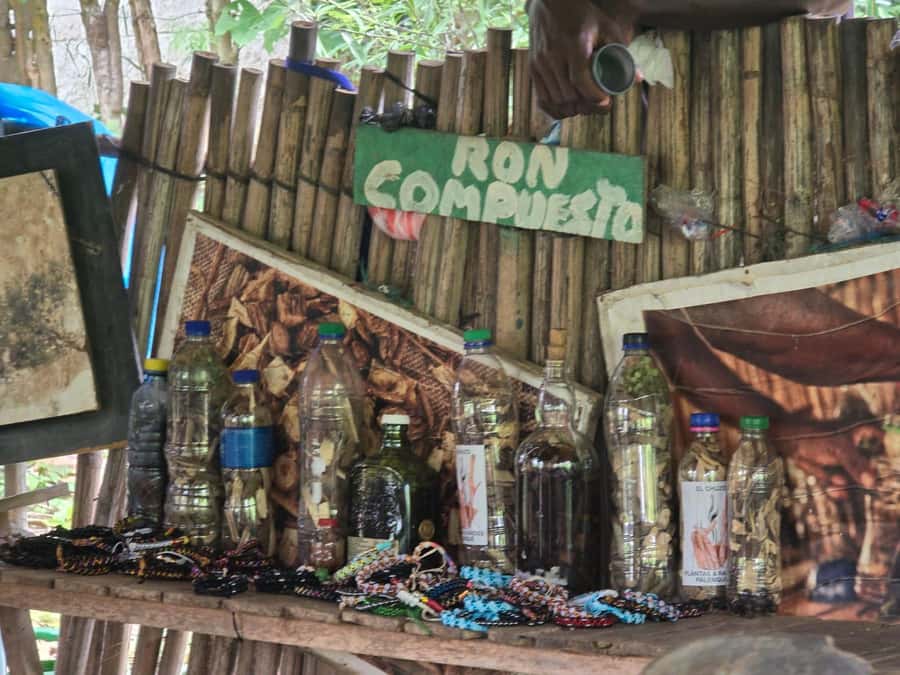
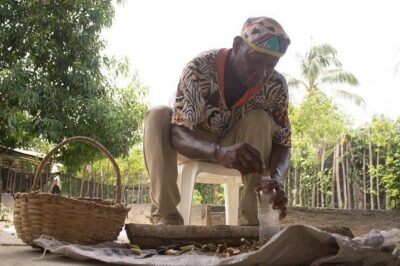
The program also introduces ancestral medicinal practices through a local natural medicine practitioner. This gives you a different view of cultural knowledge, one based on plants, remedies, and practices passed from one generation to the next.
Listen with curiosity, but do not treat the stop as medical advice. The activity is educational and cultural. The information provided does not state that you receive treatments or products, so avoid assuming that anything will be prescribed or included.
Boxing is another distinctive stop. You will visit a place where the sport is practiced and learn why it remains important in the community. This detail helps show that Palenque culture is not only about the past. It includes active traditions and skills that residents continue to maintain.
These two visits make the itinerary broader than a standard heritage walk. At the same time, they require good guiding. If explanations are brief, the stops may feel like quick glances rather than meaningful encounters. Ask what the practice means to local residents and how it fits into the town’s history.
Lunch, raspado, and the practical comforts
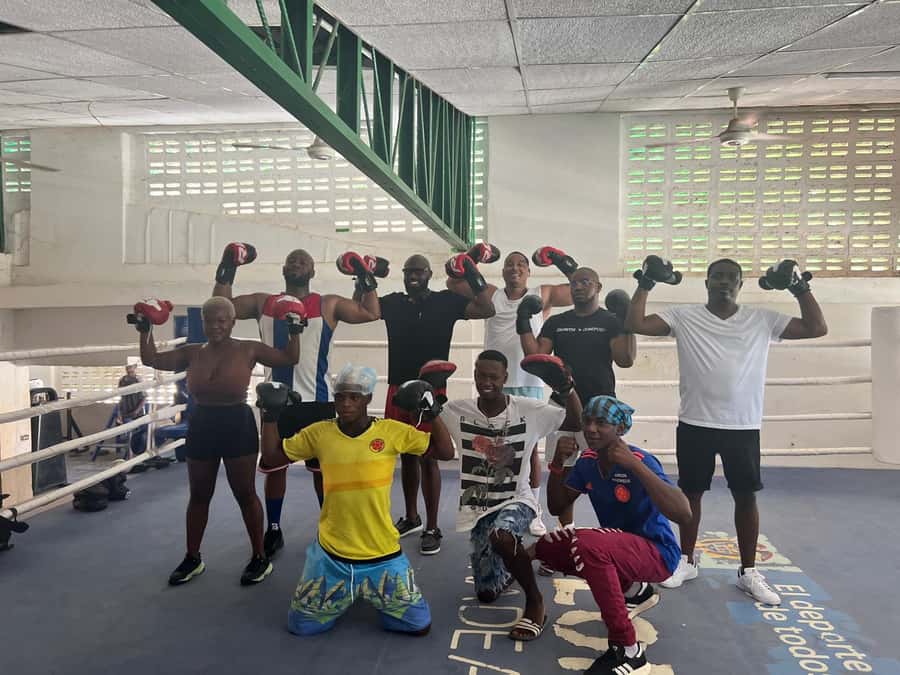
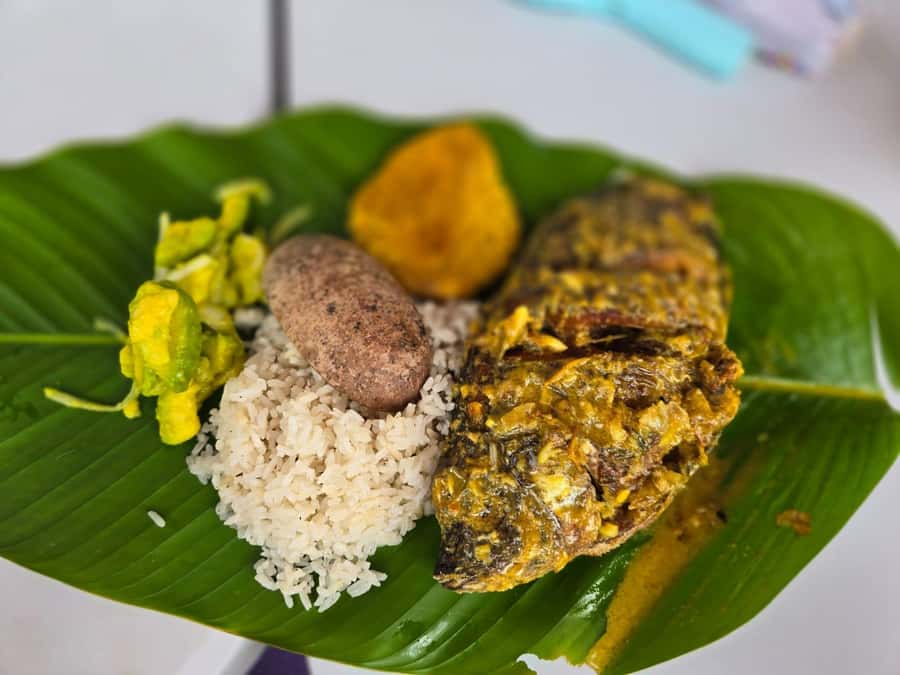
Lunch is included, and food appears to be one of the most dependable strengths of the day. Several comments singled out the meal as delicious, even when the cultural explanations received mixed marks.
That matters because a local meal can tie together the rest of the visit. You get a taste of the area rather than returning to Cartagena having only seen and heard things. The exact dishes are not specified, so you should not book expecting a particular menu.
A tropical-flavored raspado or ice cream is also included. In Cartagena’s heat, this is more than a cute extra. It is a welcome pause during the walking portion, especially after time in the sun. Bottled water is supplied throughout the experience, and an umbrella is provided for shade.
Personal expenses are not included. Some people felt uncomfortable with requests for tips or small purchases during the day, particularly given the $92 price. Tipping may be customary in Colombia, but you should decide in advance what you are comfortable giving and keep small spending separate from the tour cost.
Is $92 a fair price?
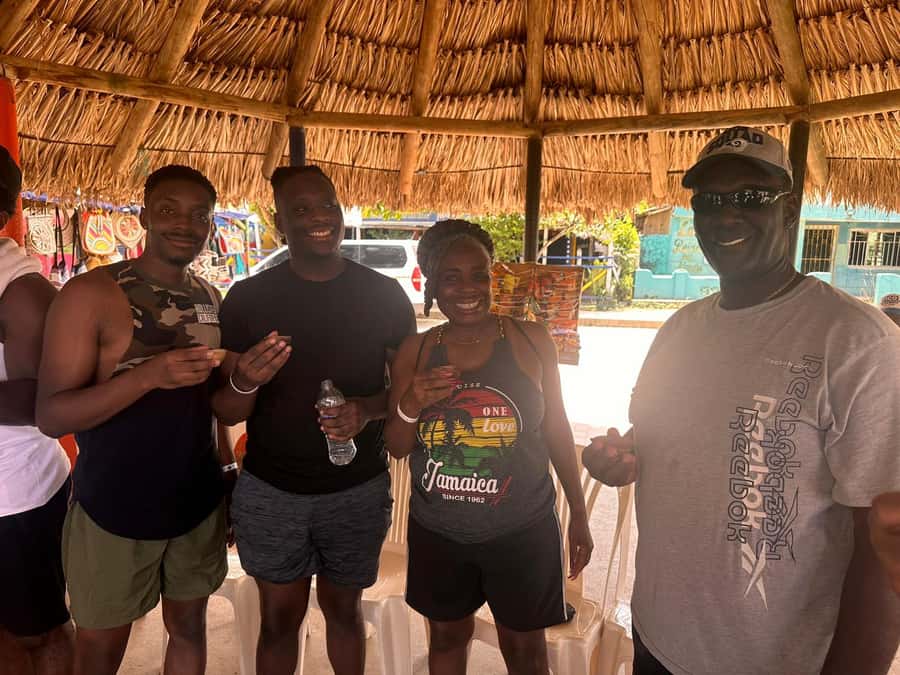
At $92 per person, this is not the cheapest way to get outside Cartagena. The price covers hotel pickup and drop-off, air-conditioned transportation, a guide in English or Spanish, lunch, bottled water, a raspado or ice cream, and an umbrella.
I think the value is reasonable if you want a structured cultural visit and do not want to arrange transport to San Basilio yourself. The included meal and door-to-door ride remove several practical chores. A group capped at 15 also gives the day more personal potential than a large bus outing.
The price feels less convincing if the guiding is weak or if the schedule includes long periods of waiting. Since the heart of the experience is interpretation, not simply transport, the guide needs to explain the freedom story and local customs clearly. The mixed score of 3.8 from 11 ratings reflects that unevenness.
I would choose this trip for its access and subject, not because it promises luxury. You are paying for a local introduction to a community that can be difficult to visit independently, plus the convenience of getting there and back from your hotel.
Who should book this experience?
This outing suits you if you want to understand Cartagena’s wider African and Colombian story. It is a good match for visitors interested in music, language, food, local traditions, slavery and freedom history, and community life.
It is also a strong choice if you prefer a small group and want transportation handled for you. The English and Spanish guide options make the program accessible to more visitors, and the wheelchair-accessible designation is useful for planning. Still, ask the provider for current details about the walking route and vehicle setup if you have specific mobility needs.
The experience is not suitable for children under 10 or people over 95 according to the stated conditions. It may also frustrate you if you want polished historical lectures, strict timing, or a high-end sightseeing format.
Recent outings have had both excellent and disappointing guide experiences. Moises and Abraham were warmly praised for their friendliness and personal connection to Palenque, while other people found the explanations too general. I would book with realistic expectations and prepare a few questions of my own.
What to bring and how to get more from the day
Wear comfortable shoes, a hat, and sunscreen. Take a camera, but remember that this is a living community, so show the same courtesy you would anywhere else and ask before taking close-up photographs.
Use the provided water and umbrella, especially during the walking stops. You may also bring extra water if you prefer, though bottled water is included. Smoking is not allowed.
Before you leave Cartagena, think about the questions you want answered. Ask about Benkos Biohó, the story of liberation, the Palenque language, local music, natural medicine, and boxing. A curious guest is more likely to get a rewarding conversation, especially if the guide is moving through several topics quickly.
The provider offers free cancellation up to 24 hours before departure, and you can reserve now and pay later. Those policies give you some flexibility, but the more important decision is whether the subject matches your interests.
Should you book San Basilio de Palenque?
Book it if you want a direct introduction to one of Colombia’s most important Afro-Colombian communities and you value local food, music, language, and personal contact over polished sightseeing. The hotel transport, four-hour town visit, small group, and included lunch make the $92 price defensible.
Skip it if you need consistently detailed historical interpretation or a perfectly timed schedule. The experience can be excellent with a strong guide, yet uneven explanations and waiting have reduced its value for some people.
My advice is to book this as a meaningful cultural day, not as a checklist tour. If you go prepared for heat, a long drive, a flexible pace, and an experience shaped by the assigned guide, San Basilio de Palenque can add an important and memorable side to your Cartagena visit.
FAQ
Where does the San Basilio de Palenque experience pick up?
Pickup is available in Castillo Grande, Cartagena’s Historic Center, Marbella, and Bocagrande.
Where does the experience drop you off?
Drop-off is available in Marbella, Castillo Grande, Cartagena’s Historic Center, and Bocagrande.
How long does the experience last?
The stated duration is six hours. The drive is about 80 minutes each way, and the visit in San Basilio de Palenque is scheduled for about four hours.
Is transportation included?
Yes. Hotel pickup and drop-off are included in an air-conditioned vehicle.
Is lunch included?
Yes. A local meal is included, along with bottled water and a tropical-flavored raspado or ice cream.
What languages are available?
The live guide is available in English and Spanish.
Is the activity wheelchair accessible?
Yes, the activity is listed as wheelchair accessible.
Can I cancel the booking?
You can cancel up to 24 hours in advance for a full refund. The activity also offers a reserve-now, pay-later option.
Just added in Cartagena
- Private History Photography Tour★ 5.0 · 17 reviews
- Self-Guided Audio Tour: Pirate Tales in Cartagena★ 3.0 · 2 reviews
- Paue Island Tour in the Rosary Islands★ 5.0 · 1 review
- Totumo Volcano★ 3.5 · 15 reviews
- Paragliding Experience in Cartagena★ 5.0 · 8 reviews
- Palmarito Beach★ 3.5 · 4 reviews
- Party without limits! Cartagena; VIP Party.★ 4.5 · 32 reviews
- Tour cultural to san Basilio de Palenque from cartagena★ 5.0 · 45 reviews
San Basilio de Palenque Heritage Tours, compared.

Palenque´s tour, dance show, lunch, pick-Up inclu
Read our review →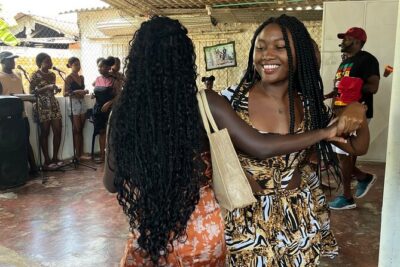
Tour a san Basilio de Palenque desde cartagena
Read our review →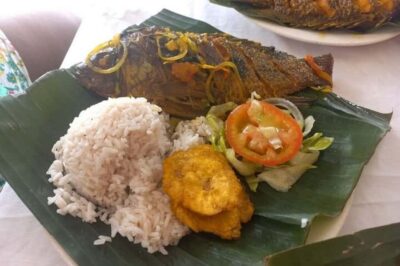
Visit Palenque with natives : history, culture and ancestral legacy
Read our review →Browse the lists this tour appears in