
REVIEW · SANTA MARTA TOURS
TOUR DE 2 DIAS AL CABO DE LA VELA, LA GUAJIRA
The desert meets the sea here. This 36-hour trip from Santa Marta takes you deep into La Guajira for Wayuu culture, salt flats, beach stops, and a night in a coastal ranchería. I like the wild setting and the chance to spend time in an Indigenous community rather than simply passing through Cabo de la Vela.
I also like that transport, meals, lodging, insurance, and a Spanish-speaking guide are included. The main concern is road safety and tour-operator reliability: one verified booking account described unsafe driving, a private vehicle, and pressure to pay for an extra stop. I would confirm the vehicle, driver, and operator details before paying.
In This Review
- Key points to know before you go
- Why Cabo de la Vela feels different from Santa Marta
- The early start through Palomino and Riohacha
- Uribia and the final sandy road
- Lunch at a Wayuu ranchería
- Sugar Pylon and Virgin’s Beach
- Sunset at the lighthouse and dinner by the sea
- A night in a Wayuu ranchería
- Manaure salt flats on the second day
- Food, transport, and the real meaning of all-inclusive
- Who will enjoy this 36-hour trip
- Booking details that matter
- Should you book the Cabo de la Vela tour?
- FAQ
- How long does the Cabo de la Vela tour last?
- What language is the tour conducted in?
- Is the tour private?
- Is hotel pickup included?
- Where should I wait for pickup?
- Where do I stay overnight?
- What meals are included?
- What should I bring?
- Can I cancel for a full refund?
Key points to know before you go
- A long road journey: Expect roughly 36 hours away from Santa Marta, with many kilometers on sandy tracks before reaching Cabo de la Vela.
- A genuine Wayuu setting: You spend one night at a Wayuu ranchería facing the sea, with meals and cultural contact included.
- A desert and Caribbean combination: The route brings together dry desert scenery, beaches, a lighthouse sunset, and the Manaure salt flats.
- Spanish only: The live guide operates in Spanish, so basic Spanish will make the trip much easier.
- Private group format: Pickup is available from hotels in Santa Marta, Rodadero, and Bello Horizonte, with the group kept private.
- Check the transport first: Ask who will drive, what kind of vehicle will be used, and whether the operator is properly licensed.
Why Cabo de la Vela feels different from Santa Marta
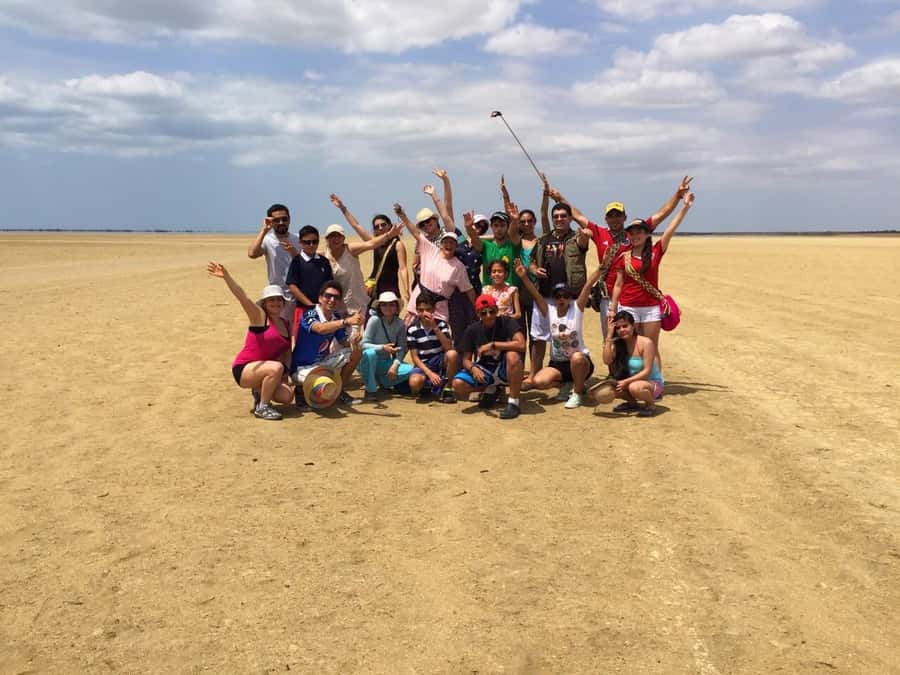
Santa Marta gives you an easy base for beaches, restaurants, and mountain excursions. Cabo de la Vela is another world. The journey moves away from the familiar coastal towns and toward broad, dry terrain where the Caribbean sits beside scrub, sand, and simple Indigenous settlements.
That contrast is the main reason to take this tour. You are not signing up for a polished resort outing. You are going to a remote part of Colombia where the appeal comes from open space, local culture, and a rougher road experience.
The tour is based in Magdalena for pickup, but its main destination is Cabo de la Vela in La Guajira. The price is $279 per person, and the trip lasts 36 hours. That is a significant amount of money for a short visit, but the cost includes transport, one night at a ranchería, two days of food, travel insurance, and a professional guide.
I would judge the price by what you would otherwise need to arrange yourself. Reaching Cabo de la Vela requires long-distance transport and local driving on sandy tracks. You also need a place to sleep, meals, and someone to organize the stops. If all those services are delivered as promised, the package can offer fair value. If you expect a polished vehicle, fluent English, or hotel-style comfort, the price may feel high.
More things to do in Santa Marta:
- Hike for 4 days to the Lost City, Santa Marta
★ 5.0 · 3,308 reviews - Lost City – Ciudad Perdida Colombia
★ 5.0 · 1,203 reviews - Sailing to Tayrona with Luis and his team: Unique!
★ 4.5 · 448 reviews
The early start through Palomino and Riohacha
The adventure begins with pickup at your hotel in Santa Marta, Rodadero, or Bello Horizonte. You need to wait in the lobby 10 minutes before the agreed time. The guide is expected to call you or ask for you at reception, so keep your phone available and make sure the hotel address is correct.
The first named stop is Palomino. If the sky is clear, you may see the Colón and Bolívar peaks of the Sierra Nevada de Santa Marta. This is a useful reminder of how quickly the scenery changes in northern Colombia. The mountain peaks rise far inland while the road continues toward the dry country of La Guajira.
A typical coastal breakfast is served during the route. The supplied information does not specify the exact dishes, so do not arrive expecting a particular menu. The practical point is that breakfast is included, which matters on a long day in the vehicle.
The route continues toward Riohacha, the capital of La Guajira, before heading to Uribia. Uribia is described as the Indigenous capital of Colombia and serves as a supply stop. That stop is useful because it breaks up the long drive and gives you a chance to buy anything you may have forgotten, though you should carry cash from the start.
Uribia and the final sandy road
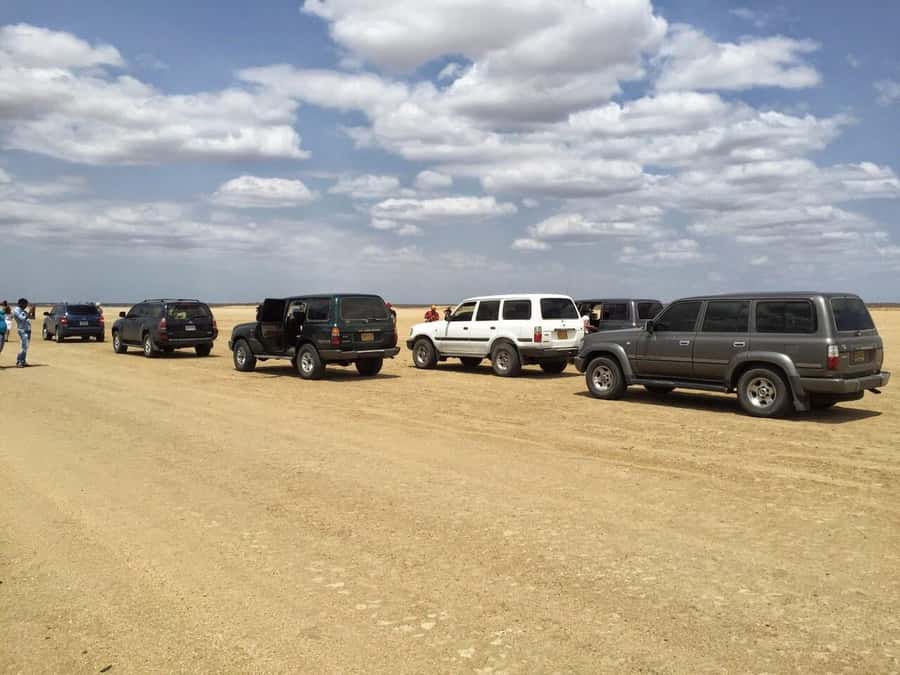
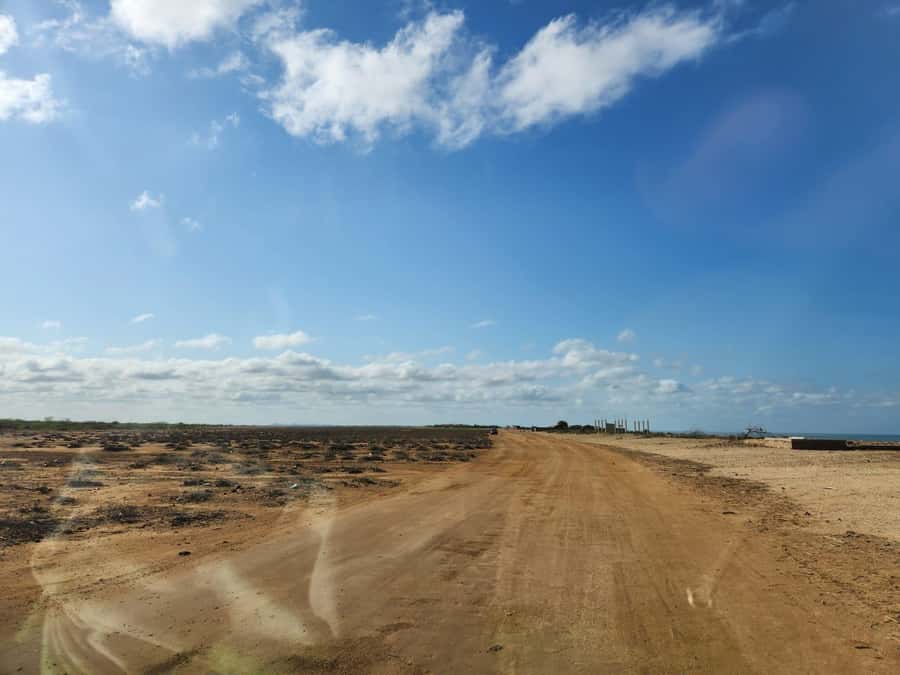
After Uribia, the trip becomes more rugged. Reaching Cabo de la Vela involves many kilometers on a sandy track, not a smooth highway. This is one of the tour’s defining features, and it also explains why transport quality matters so much.
A private car was used on at least one booking, and a serious account described unsafe driving and uncomfortable interactions at police checkpoints. That does not prove every departure operates the same way, but it is enough reason for me to ask direct questions before booking. You should request the vehicle type, driver information, and confirmation that the company is authorized to provide tourism services.
The road itself may be part of the adventure for you. It takes you away from mass tourism and into a more remote setting. At the same time, long hours on sandy tracks can be tiring, dusty, and bumpy. Wear clothes that can get dirty, bring a change of clothes, and use closed-toe shoes as requested.
This is not the time for delicate luggage. Pack light, protect electronics from dust, and keep cash and identification where you can reach them. The tour requires your full name, age, nationality, identification number, and hotel address, so have those details ready when you reserve.
Lunch at a Wayuu ranchería
The plan is to arrive around midday for lunch at a selected Wayuu ranchería. A ranchería is a local Wayuu settlement, and staying there gives the cultural part of the tour more weight than a quick roadside photo stop.
The Wayuu are the largest Indigenous group in Colombia. Their communities are spread across the La Guajira Peninsula, a region divided between Colombia and Venezuela. The tour presents the ranchería as a place to observe Wayuu culture up close, but your approach matters. You are entering a living community, not a staged museum.
Listen to your guide and follow local instructions. Ask before photographing people, homes, or personal belongings. A good visit should leave room for local dignity and conversation, not just a checklist of sights.
The tour includes two days of feeding, but the exact meals are not listed. If you have allergies, dietary restrictions, or strong food preferences, ask the provider before departure. Spanish is the only stated tour language, so use simple Spanish or prepare a translation tool if you need to explain medical or food requirements.
A completely different kind of day:
- Santa Marta: Sailboat day tour to Tayrona Park
★ 4.5 · 352 reviews - 4-Day Lost City Small-Group Tour in Santa Marta
★ 5.0 · 254 reviews - Full-Day Hiking Tour in Minca with coffee & Cocoa Workshop
★ 4.5 · 189 reviews - MINCA TOUR – Explore waterfalls and discover the origin of coffee and cocoa
★ 4.5 · 166 reviews
Sugar Pylon and Virgin’s Beach
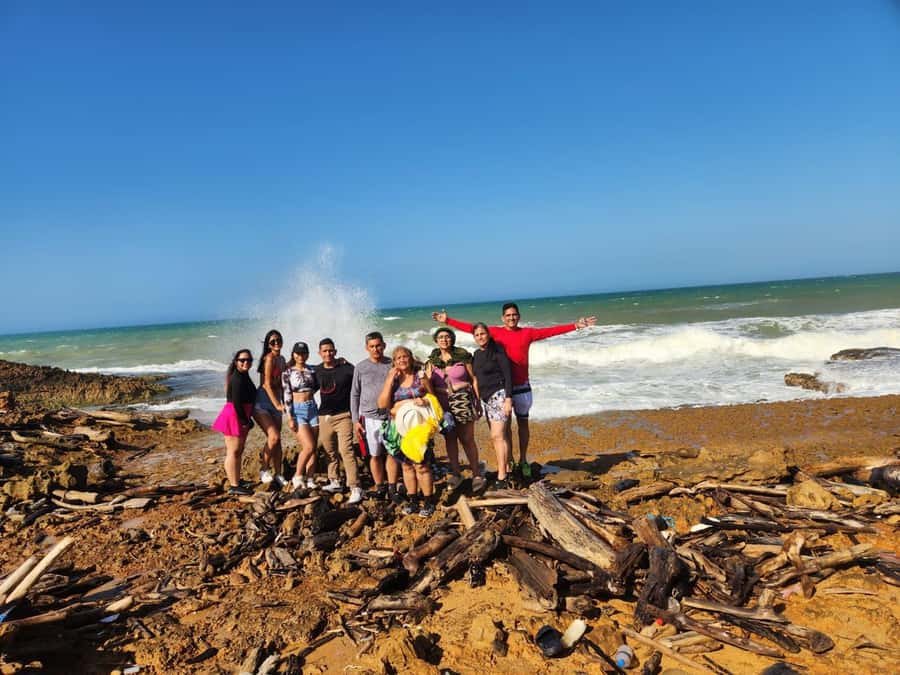
The afternoon is set aside for Cabo de la Vela’s main attractions, including the Sugar Pylon and Virgin’s Beach. These names point to the region’s mix of desert and coast.
The Sugar Pylon is known for its high viewpoint over the water and dry coastal country. The appeal is visual rather than built or museum-based. You come for the open view, the contrast between sand and sea, and the sense that the town is far from Colombia’s usual sightseeing circuit.
Virgin’s Beach offers a different mood. The tour places it among the area’s coastal stops, giving you time to see Cabo de la Vela from the shore. Exact swimming time is not stated, so do not assume the schedule includes a long beach break. The main purpose appears to be sightseeing within a packed two-day route.
You should also remember that the trip is not designed around luxury beach facilities. The supplied details do not promise changing rooms, beach equipment, or a particular level of comfort. Bring practical clothing, a towel only if you have room, and cash for any personal purchases not covered by the package.
Sunset at the lighthouse and dinner by the sea
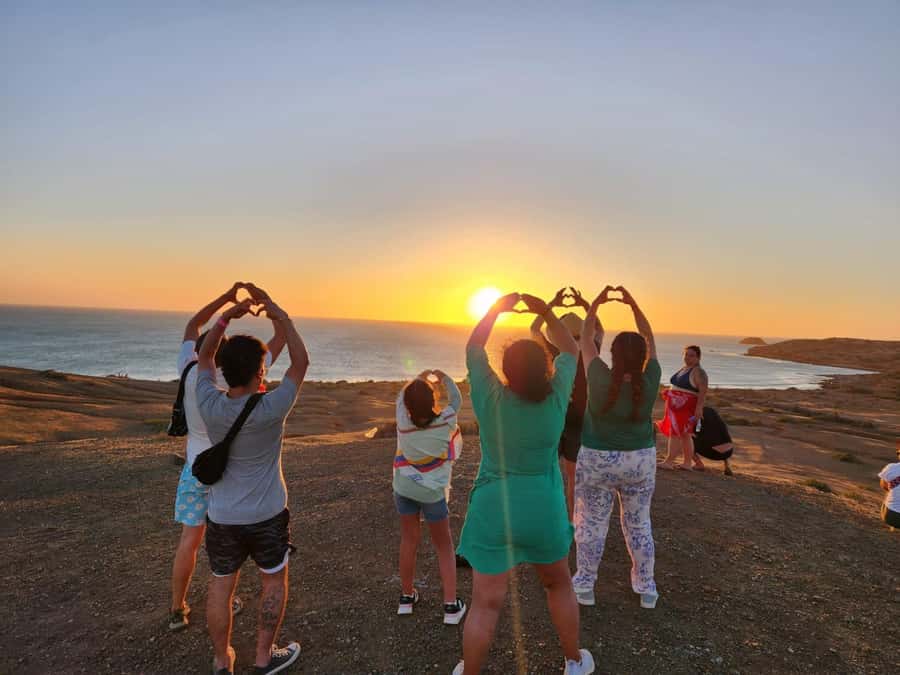
The lighthouse is scheduled for the Guajiro sunset. This is likely to be one of the most memorable parts of the trip because the setting combines an open horizon, dry terrain, and the Caribbean light at the end of the day.
Sunset timing depends on the road, weather, and the pace of the group. You cannot control all of those factors on a remote route, so keep your expectations flexible. If the vehicle leaves late or the sandy road takes longer than planned, the schedule may shift.
Dinner is served at the ranchería, where you stay overnight facing the sea. This is the heart of the experience for me. A night there gives you more time to understand the place than a day trip would allow, even though the accommodation is not described in detail.
The word all-inclusive should be read carefully. Transport, lodging, two days of meals, insurance, and a guide are included. Unspecified services are not. Bring cash for anything outside those categories, and ask before accepting an optional stop or added activity.
One booking account described a guide offering an additional stop for extra payment and becoming bossy after the offer was declined. You should never feel pushed into buying an unplanned service. Agree on the included itinerary at the start, and keep a record of what the price covers.
A night in a Wayuu ranchería
Sleeping in a ranchería is a cultural choice as much as a practical one. You are trading conventional hotel features for a closer connection to the local setting. The information does not state whether the accommodation uses beds, hammocks, private rooms, or shared spaces, so ask before you go.
That question is especially important if you need a certain sleeping arrangement. The tour promises one night at a Wayuu Indigenous ranchería facing the sea, but it does not promise air conditioning, private bathrooms, hot water, or hotel-style service.
For some people, this is exactly the point. You get a night in a community rather than another standard room in a city. For others, the lack of detail may be a dealbreaker. I would contact the provider and ask for current photos and a clear description of the sleeping setup.
Manaure salt flats on the second day
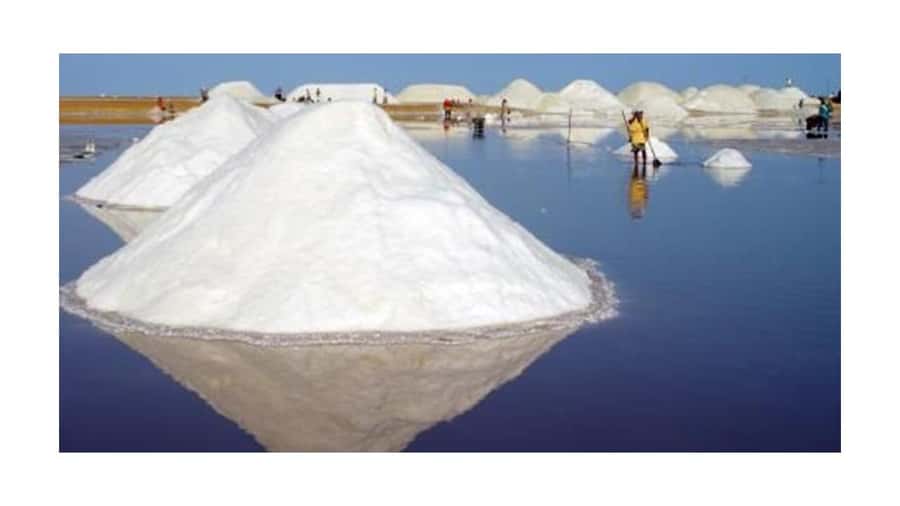
The next morning continues with a visit to the Manaure salt flats. These salt works are among La Guajira’s best-known sights, where salt production shapes the appearance of the ground and water.
The stop adds an important human element to the scenery. This is not only a place for photographs. It shows how people work with the region’s heat, water, and mineral resources. The tour does not state how long you remain at the flats or whether a local salt worker provides an explanation, so ask the guide about the timing.
From Manaure, the route returns to Riohacha for lunch. After lunch, you continue to Santa Marta. The return is part of the 36-hour calculation, so plan for another substantial period in the vehicle rather than imagining that the second day ends at midday.
This schedule is compact. You see several important places, but you do not get unlimited time at any one of them. I would choose this package for broad exposure to Cabo de la Vela and La Guajira, not for a slow beach holiday.
Food, transport, and the real meaning of all-inclusive
The all-inclusive label makes the tour easier to budget. You do not need to arrange separate meals, local transport, or a room for the night. Travel insurance and a professional guide are also listed as included.
Still, included does not mean luxurious. The food is described as two days of meals, with a coastal breakfast and lunch at the ranchería specifically noted. The exact menus and portion sizes are not provided. If you have dietary needs, ask before confirming.
Transport is the biggest practical variable. A reliable vehicle and careful driver can make the long route manageable. A poor vehicle or reckless driving can ruin the whole experience. The serious complaint about unsafe driving means I would treat transport as a booking question, not a minor detail.
Ask these questions in writing:
- What vehicle will be used?
- Who is the driver?
- Is the operator licensed for tourism services?
- Are all listed stops included in the price?
- What sleeping arrangement is provided?
- Are meals suitable for your dietary needs?
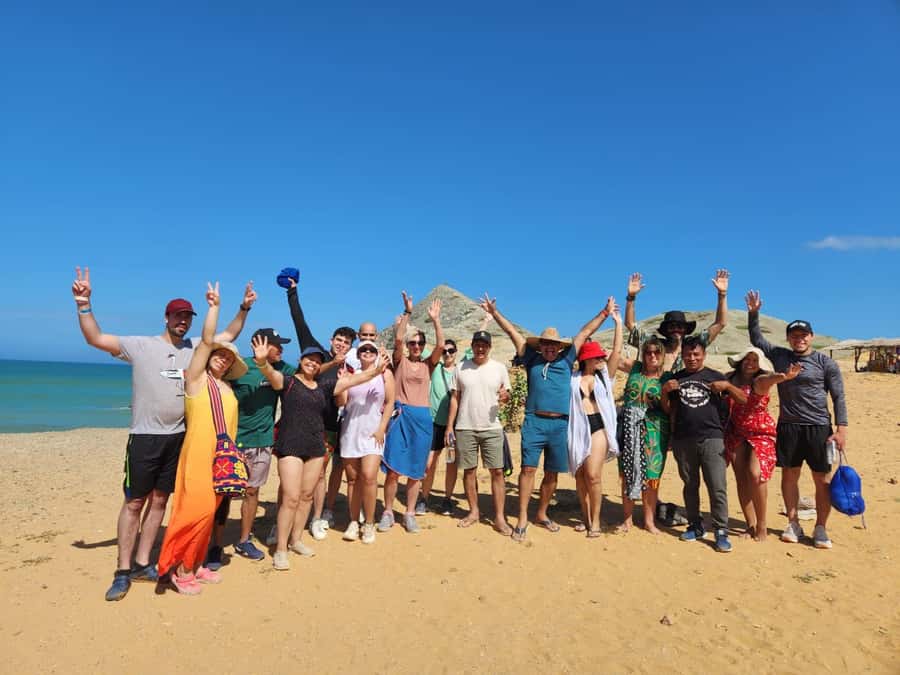
The tour is a private group, which normally gives you more control than a large shared departure. However, private does not automatically mean better organized. You still need clear answers before the trip begins.
Who will enjoy this 36-hour trip
I would recommend this experience to you if you want a remote setting, Indigenous cultural contact, and a tightly organized route from Santa Marta. It suits people who are comfortable with long drives, basic accommodation, dusty roads, and a Spanish-speaking guide.
It is also a good match if you want to see several parts of La Guajira without arranging every transfer yourself. The included meals and one-night stay remove some of the usual planning work.
I would be cautious if you want English guiding, smooth roads, upscale accommodation, or a relaxed schedule. The only stated language is Spanish, and the route involves sandy tracks and a substantial return journey.
I would also avoid booking without clarification if you are concerned about safety. The account describing unsafe driving and questionable tour credentials is specific enough to take seriously. It is reasonable to cancel or refuse the trip if the provider cannot clearly explain the vehicle and licensing arrangements.
Booking details that matter
The tour allows free cancellation up to 24 hours before departure for a full refund. You can also reserve now and pay later, which helps if your Santa Marta plans may change.
Pickup is included from hotels in Santa Marta, Rodadero, and Bello Horizonte. Be in the lobby 10 minutes early, and make sure the hotel has your correct name and contact details.
The tour is conducted in Spanish and operates as a private group. The rating shown for the experience is 4.4 from 14 reviews, which suggests generally positive interest but is not enough to erase the specific transport concern. I would use the flexible cancellation policy to ask questions first, then keep the booking only if the answers are clear.
Should you book the Cabo de la Vela tour?
Book it if your priority is remote scenery, Wayuu culture, and convenience rather than comfort. The ranchería stay, lighthouse sunset, Sugar Pylon, Virgin’s Beach, and Manaure salt flats give you a strong introduction to this unusual corner of Colombia.
Before committing, confirm the vehicle, driver, licensing, accommodation, meals, and any possible extra charges. If the operator answers clearly and you are happy with basic conditions and a long road journey, the package can be a practical way to reach Cabo de la Vela.
If the transport answers are vague, or if anyone pressures you to buy added stops, do not brush that aside. For this trip, a careful safety check is as important as the destination itself.
FAQ
How long does the Cabo de la Vela tour last?
The tour lasts 36 hours over two days.
What language is the tour conducted in?
The live tour guide speaks Spanish.
Is the tour private?
Yes. The activity is listed as a private group tour.
Is hotel pickup included?
Yes. Pickup is included from hotels in Santa Marta, Rodadero, and Bello Horizonte.
Where should I wait for pickup?
You should be in your hotel lobby 10 minutes before pickup. The guide will call you or ask for you at the reception desk.
Where do I stay overnight?
You stay one night at a Wayuu Indigenous ranchería facing the sea.
What meals are included?
Two days of food are included. The route specifically includes a typical coastal breakfast, lunch at a Wayuu ranchería, and dinner at the ranchería. Exact menus are not specified.
What should I bring?
Bring a change of clothes, cash, clothes that can get dirty, and closed-toe shoes.
Can I cancel for a full refund?
Yes. You can cancel up to 24 hours in advance for a full refund.
Just added in Santa Marta
- 4 Rosario Islands Adventure with entrance to the oceanarium included★ 3.5 · 3 reviews
- Full Day At the best Vip Beach Club in Tierra Bomba★ 5.0 · 4 reviews
- Monkey Volunteer Work in Wildlife Reserve Near Cartagena★ 5.0 · 3 reviews
- The Native Expedition – Sierra Nevada (2 days Discovering Chorrerón waterfall)★ 5.0 · 7 reviews
- UTV Safari in a Wildlife-Filled Nature Reserve Near Cartagena★ 5.0 · 36 reviews
- Playa Blanca Barú Tour with Lunch and hotel pick up★ 3.0 · 8 reviews
- Surf Lessons For All Levels★ 5.0 · 1 review
- Tour Isla del Encanto Cartagena★ 3.5 · 4 reviews
Santa Marta Tours, compared.
Hike for 4 days to the Lost City, Santa Marta
Read our review →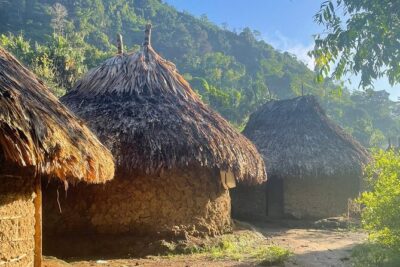
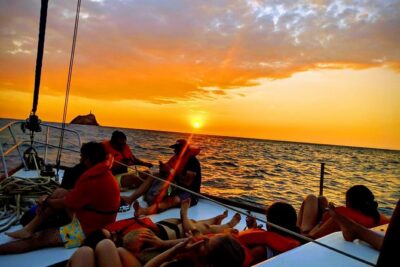
Sailing to Tayrona with Luis and his team: Unique!
Read our review →
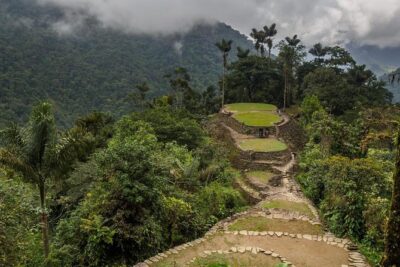
4-Day Lost City Small-Group Tour in Santa Marta
Read our review →
Full-Day Hiking Tour in Minca with coffee & Cocoa Workshop
Read our review →
MINCA TOUR – Explore waterfalls and discover the origin of coffee and cocoa
Read our review →
Eco-Hike in Minca: Coffee Tour, Waterfall & Chocolate Experience!
Read our review →Browse the lists this tour appears in