
REVIEW · WATERFALL TOURS
The Native Expedition – Sierra Nevada (4 days path Of Waterfalls)
Waterfalls reward those willing to work for them. Native Expeditions’ four-day Path of Waterfalls leads you through the remote Sierra Nevada de Santa Marta by motorcycle, mountain trail, forest, and muddy creek, with overnight stays in local farmhouses rather than standard hotels. I especially like the small-scale contact with farming families and the chance to walk through Wiwa territory with a local guide. The route feels far removed from the usual Santa Marta circuit.
I also like that your meals, farmhouse lodging, luggage support, and private guide are included in the $826 price. Guide Leo receives repeated praise for his calm manner, English skills, organization, and interest in birds and plants. The catch is plain: this is an expert-level trek. Long days, steep ground, altitude changes, heat, rain, and slippery downhills will punish anyone who arrives underprepared.
The trip lasts about three days and 13 hours, but the schedule uses four calendar days. You leave Santa Marta at 6:00 a.m. on the first morning and usually return around 5:30 p.m. on Day 4. This is not a casual nature walk with a waterfall at the end. It is a demanding mountain journey, best suited to people who enjoy effort, simple comforts, and genuine contact with rural Colombia.
In This Review
- Key points before you commit
- What the $826 price really buys
- Day 1: From Santa Marta to La Esperanza
- Day 2: Twelve kilometers through the forest
- Day 3: Sunrise, a steep descent, and El Salto
- Day 4: Twenty kilometers through Wiwa territory
- The guide makes a major difference
- How hard is this trek?
- What to pack for wet mountain days
- Farm stays and local connection
- Is it a good alternative to the Lost City trek?
- Who should book the Path of Waterfalls?
- Should you book this tour?
- FAQ
- Where does the tour begin?
- How long does the experience last?
- How much does the tour cost?
- Is this a private tour?
- What fitness level is required?
- How far do you hike each day?
- Where do you sleep?
- Are meals included?
- Will a mule carry my luggage?
- What happens if bad weather cancels the tour?
Key points before you commit
- Motorcycle access begins the adventure: You ride about 29 kilometers from Santa Marta before reaching the trailhead.
- Farmhouse nights replace hotels: You sleep in spare rooms inside local homes, with warm hospitality, meals, and basic but more comfortable beds than some hikers expect.
- El Salto is the main natural prize: The route reaches a spectacular waterfall after a five-kilometer descent from roughly 1,600 meters to 800 meters.
- The physical standard is genuinely high: Hiking days range from 3 kilometers to 20 kilometers, with steep, uneven, wet, and muddy sections.
- Luggage help has limits: A mule carries larger bags for much of the route, but you must carry your belongings at times, especially on the final day.
- This is a private outing: Only your own group participates, giving the guide room to adjust breaks and pacing.
What the $826 price really buys
At $826 per person, this is not a cheap excursion. It is also not priced like a simple guided day hike. The fee covers a private four-day experience with transportation at the start and end, three nights of lodging, breakfast, lunch, dinner, guide service, and help moving baggage by mule.
That package matters in a remote mountain area. You are not simply paying for access to a trail. You are paying for route planning, local connections, drivers, farm stays, food, and support on a route that would be difficult to arrange independently. The private format also means you are not tied to a large group’s speed.
The value depends heavily on what you want from Colombia. If your priority is comfort, polished accommodation, or an easy waterfall visit, the price will feel steep. If you want a demanding route with very few other visitors, family-run overnight stops, and a guide who can explain the natural and cultural setting, the cost makes more sense.
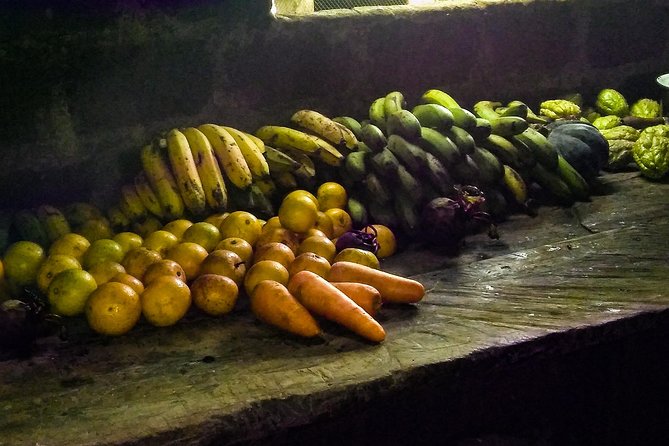
The inclusion of meals is useful, since food options are limited once you leave Santa Marta. Vegetarian meals are available, and the farm cooking is described as good and welcoming. The lodging is basic, but beds may be more comfortable than you expect. Do not confuse basic with rough camping. You sleep indoors, inside the homes of local farming families.
More Waterfall Tours in Santa Marta
- MINCA TOUR – Explore waterfalls and discover the origin of coffee and cocoa
★ 4.5 · 166 reviews - Eco-Hike in Minca: Coffee Tour, Waterfall & Chocolate Experience!
★ 5.0 · 140 reviews - Santa Marta: Minca Coffee, Cocoa, & Waterfall Full-Day Trip
★ 4.6 · 102 reviews
Day 1: From Santa Marta to La Esperanza
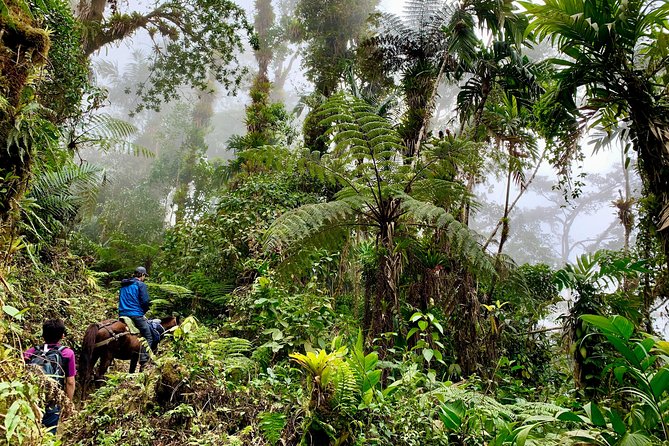
The first morning begins at 6:00 a.m. at your chosen location in Santa Marta. You then travel about 29 kilometers by motorcycle toward the mountains. That ride is not just a transfer. It gets you quickly from the city into a more remote setting, though you should be comfortable with motorcycle transport before booking.
The walking begins with a three-kilometer warm-up to the peasant house at La Esperanza. Compared with the following days, this is a gentle introduction, but it still gives you a first taste of the heat, uneven paths, and rural setting. You spend the afternoon preparing for the next day rather than rushing through another long walk.
La Esperanza is your first chance to settle into the rhythm of the trip. You eat, rest, and get used to staying in a working family home. The social side is important here. The hosts are described as warm and interested in conversation, and the simple setting creates a more personal experience than a lodge designed for tour groups.
The first day is short on foot, but the early start and motorcycle ride make it a full day. Use the afternoon wisely. Organize your day pack, dry clothing if needed, and ask your guide what you should carry for the longer sections ahead.
Day 2: Twelve kilometers through the forest
Day 2 begins around 5:30 a.m. This early start is practical, not decorative. You want to make progress before the day becomes hotter, and the route ahead is the first major test of your legs.
You hike about 12 kilometers through the thickest forest of the Sierra Nevada route. Expect a wooded mountain path rather than a smooth marked trail. The exact feel of the day will depend on weather and trail conditions, but the route includes rocky, steep, and uneven sections. Rain can turn downhill footing into the hardest part of the walk.
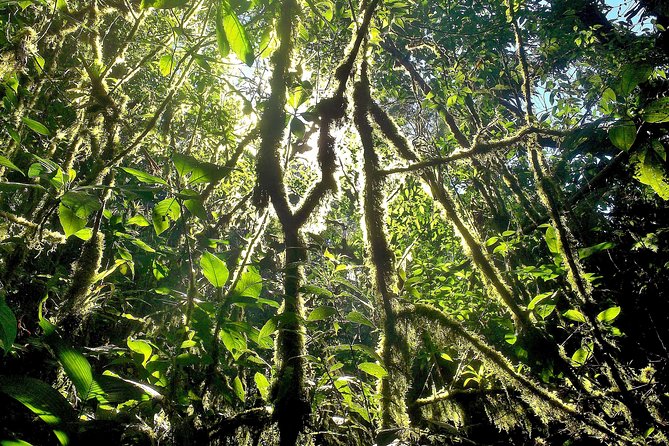
The forest is one of the trip’s strongest features. You may see butterflies, birds, spiders, and hear howler monkeys. The appeal is not a checklist of guaranteed sightings. It is the feeling of moving through a remote ecosystem with a guide who can point out plants and wildlife that you would otherwise miss.
You finish at Palacio de las Nubes, the second farm stay. The name suggests the setting, and the following morning gives you a chance to enjoy it properly. After a demanding walk, the farm provides food, rest, and a quiet evening instead of another transfer or crowded accommodation.
This is also the day when sensible packing pays off. Larger packs are carried by mule for much of the trek, but you cannot assume they will be beside you every minute. A small day pack is essential for water, rain protection, snacks, sunscreen, spare socks, and anything you need while walking.
Day 3: Sunrise, a steep descent, and El Salto
Wake-up is around 5:40 a.m. at Palacio de las Nubes. The farm is valued for its sunrise, so this is one of the rare moments when the early alarm is part of the attraction. You begin the main hike at 9:00 a.m., giving you time to see the morning light and eat before setting off.
The walking covers about five kilometers, mostly downhill. You descend from roughly 1,600 meters to 800 meters, a change that sounds manageable until you add wet rock, mud, and uneven ground. Downhill hiking can be harder on knees and confidence than climbing, so trekking poles could be useful, although the tour information does not confirm that they are supplied.
The reward is El Salto, one of the most spectacular waterfalls in the mountain range. The route gives you the chance to stand beneath a waterfall and enjoy a natural setting that is far less crowded than the better-known Lost City route. You should expect wet conditions near the water and along parts of the approach.
The afternoon and night are spent at La Estrella Farm. By this point, the farmhouse stays become more than a place to sleep. They are part of the cultural value of the trip. You meet people living in a remote mountain area, eat their food, and get a small, respectful glimpse of daily life beyond Colombia’s cities and major sights.
The accommodation remains simple. Rooms are spare, and the setting is rural. Yet the combination of a bed, home-cooked food, and a friendly welcome can feel luxurious after a long walk. If you need private hotel bathrooms, climate control, or predictable facilities, adjust your expectations before you go.
A completely different kind of day:
- Hike for 4 days to the Lost City, Santa Marta
★ 5.0 · 3,308 reviews - Lost City – Ciudad Perdida Colombia
★ 5.0 · 1,203 reviews - Sailing to Tayrona with Luis and his team: Unique!
★ 4.5 · 448 reviews - Santa Marta: Sailboat day tour to Tayrona Park
★ 4.5 · 352 reviews
Day 4: Twenty kilometers through Wiwa territory
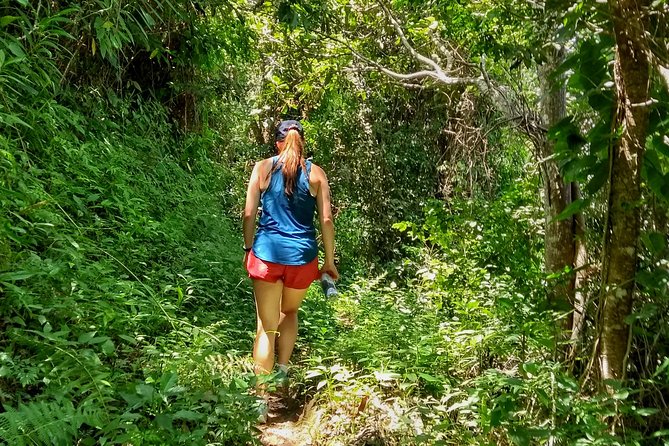
The final day begins around 5:30 a.m. and covers about 20 kilometers. This is the longest walking day by a wide margin, so do not treat the waterfall as the end of the challenge. You still have a serious mountain crossing ahead.
The route passes through the territory of the Wiwa Indigenous community. This adds cultural weight to the journey, but it also calls for care. Follow your guide’s direction, show respect for local homes and customs, and remember that this is a lived-in territory, not a stage built for sightseeing.
The final destination is La Tagua, at about 1,600 meters. You are due to eat lunch around 2:30 p.m., then begin the return trip to Santa Marta. The average arrival time is 5:30 p.m., making this a long day from first alarm to final drop-off.
A key practical detail is that you may need to carry all your belongings on the last day. Pack accordingly. Leave unnecessary items in Santa Marta if storage is available to you, and keep your main bag as light as possible. Even if a mule handles luggage during earlier sections, you should prepare for carrying your own things when the route requires it.
The guide makes a major difference
Guide Leo is repeatedly praised for being calm, supportive, organized, and fluent in English. He explains plants and birds, manages breaks, and checks how people are coping on difficult sections. That combination matters more than theatrical guiding on a route this demanding.
Another guide, Lenin, is also praised for his understanding of nature, animals, and Indigenous communities. The available experiences show that Native Expeditions works with more than one guide, so the name assigned to your group may vary. If having a particular guide matters to you, ask before booking.
The private format gives the guide more room to adapt. A strong group can keep moving, while someone struggling with a climb can receive more encouragement and better-timed breaks. That does not make the route easy. It simply gives you support within a demanding plan.
The presence of drivers, mule handlers, and farmhouse hosts also shapes the trip. You are not dealing with a single guide doing every job. The support network helps make a remote route possible while keeping much of the benefit within local communities.
How hard is this trek?
The operator rates the experience for experts, and that rating should be taken literally. You need to handle four to eight hours of walking on uneven ground, steep climbs, descents, wet paths, and changing elevation.
The most common difficulty is not one dramatic technical obstacle. It is the repeated strain of distance, heat, humidity, mud, and footing. During the rainy season, clothing may stay damp for days. One strong hiker described not drying out for three days, which gives you a better idea of the conditions than a generic weather forecast.
You should be comfortable with:
- Long days on rocky mountain paths
- Steep uphill and downhill sections
- Mud and slippery footing
- Heat and high humidity
- Carrying a day pack, and possibly all your belongings on Day 4
- Sleeping in simple rural homes
- Early wake-up times
This is not the right choice if you are not fit or if muddy downhills make you anxious. The route has been described as strenuous but not dangerous or risky when handled properly, yet your own fitness and footwear remain important safety factors.
What to pack for wet mountain days
Footwear deserves special attention. Non-waterproof trail runners may work, but your feet can become wet during stream crossings, rain, and muddy sections. Waterproof hiking shoes or boots are the safer choice, provided they are already broken in.
Bring several pairs of wool socks, plus quick-drying shirts and trousers. One spare outfit is not enough if the weather turns wet. A water filter attached to your bottle can be useful because the route passes streams, though you should confirm safe water practices with your guide.
Useful items include:
- Small day pack
- Waterproof layer or pack cover
- Sunscreen and a cap
- Mosquito protection, including picaridin
- Quick-drying clothing
- Extra socks
- Reusable water bottle
- Comfortable sleeping clothes
- A way to separate wet clothes from dry items
Pack light, but not carelessly. Your large bag may travel by mule for part of the route, but you will not always have immediate access to it. Keep essential clothing, water, medication, and rain gear with you.
Farm stays and local connection
The farmhouses are central to the experience. You stay in spare rooms inside local homes, eat with the families, and spend the evening in places that are still working farms rather than purpose-built tourist camps.
This arrangement offers something a standard lodge cannot. You get a closer look at rural life and a natural chance to practice Spanish. Leo can speak excellent English, but conversation with the hosts may encourage you to use the Spanish you know without the pressure of a formal lesson.
The hospitality is often described as one of the best parts of the trip. The hosts welcome visitors with warmth, and the food is satisfying. Vegetarian meals can be arranged, according to the experience details provided.
Still, farmhouse lodging requires flexibility. Facilities are basic, and you should not expect hotel-style privacy or a wide menu. If you see the overnight stops as part of the cultural exchange rather than a service weakness, they add real value.
Is it a good alternative to the Lost City trek?
The Path of Waterfalls is often chosen by people comparing it with the Lost City trek. Its strongest advantage is the sense of isolation. You may walk for much of the route without seeing other tourists, with the exception of the final stretch near the end of the trip.
The routes are not interchangeable. The Path of Waterfalls focuses on forest, waterfalls, mountain scenery, farm stays, and time in Wiwa territory. It also demands serious hiking, including a 20-kilometer final day.
Choose this route if you want a quieter, more personal mountain experience and you are willing to trade polished infrastructure for local homes and harder walking. If you mainly want the best-known archaeological destination, this route will not provide that specific focus.
Who should book the Path of Waterfalls?
I would recommend it to fit hikers who want a demanding challenge and care about local contact. Solo visitors can take part, and the private format may make the experience feel especially personal.
It is also a good match for people who enjoy wildlife, remote scenery, and early starts. You should be happy spending several days without standard tourist comforts, getting muddy, drying clothes slowly, and accepting that the weather may shape the schedule.
I would not recommend it to anyone looking for a relaxed Santa Marta day trip. The distance, altitude change, wet conditions, and final 20-kilometer walk require preparation. You should also be ready for the possibility that poor weather changes or cancels the experience. Free cancellation is available up to 24 hours before departure, and weather cancellations offer a different date or full refund.
Should you book this tour?
Book Native Expeditions’ Path of Waterfalls if you want a hard, quiet, locally connected mountain trek rather than a simple waterfall outing. The best reasons to go are the remote forest route, El Salto, the farm families, the Wiwa territory, and the strong support provided by guides such as Leo and Lenin.
Skip it if you dislike mud, steep descents, early mornings, or basic accommodation. At $826, the experience earns its price through the private guiding, meals, transport, farmhouse stays, and mule support, but only if those are the things you value.
For the right person, this is the kind of trip where the hard parts are not obstacles to the experience. They are the reason the waterfalls, conversations, and mountain views feel earned.
FAQ
Where does the tour begin?
The tour begins in Santa Marta, with pickup at your location at approximately 6:00 a.m. on Day 1.
How long does the experience last?
The experience lasts approximately three days and 13 hours, using a four-day itinerary.
How much does the tour cost?
The listed price is $826 per person.
Is this a private tour?
Yes. Only your group participates in the activity.
What fitness level is required?
The experience is rated for experts. You should have strong physical fitness and be able to manage long hikes on steep, uneven, muddy, and wet mountain paths.
How far do you hike each day?
The itinerary includes a three-kilometer walk on Day 1, about 12 kilometers on Day 2, roughly five kilometers downhill on Day 3, and about 20 kilometers on Day 4.
Where do you sleep?
You spend three nights in unique farmhouses, staying in spare rooms inside local farm families’ homes.
Are meals included?
Yes. Breakfast, lunch, and dinner are included throughout the tour.
Will a mule carry my luggage?
A mule carries larger packs for part of the route, but you may need to carry your belongings for some sections, including the final day. A small day pack is recommended.
What happens if bad weather cancels the tour?
If poor weather causes cancellation, you will be offered another date or a full refund. You can also cancel for a full refund up to 24 hours before the experience begins.
Just added in Santa Marta
- Waterfalls, Animal Reserve and Chocolate: Mango Passage★ 5.0 · 2 reviews
- Palomino: Palomino River Tubing and Hiking Tour★ 4.6 · 40 reviews
- Tubing Across Palomino River Including a Hiking Tour★ 5.0 · 14 reviews
- Roundtrip Private Transfer from Santa Marta Airport (SMR)★ 5.0 · 2 reviews
- Hiking To Minca★ 5.0 · 8 reviews
- Tunkeka Indigenous People Cultural Tour★ 5.0 · 2 reviews
- Santa Marta to or from Tayrona Park Private Transfer★ 5.0 · 7 reviews
- Santa Marta to or from Cartagena Private Transfer★ 5.0 · 5 reviews
Waterfall Tours, compared.
PARAGLIDING over giant waterfalls private tour (optional Guatape) from Medellin
Read our review →
Dream Hammocks Plus Epic Zipline and Giant Waterfall Private Tour from Medellin
Read our review →
Colombia’s Tallest Waterfalls: La Chorrera Hike
Read our review →
Visit Guatapé, El Peñol, El Retiro & Tekendamita Waterfall
Read our review →
Highest Zipline and Giant Waterfall Private Tour from Medellin
Read our review →
MINCA TOUR – Explore waterfalls and discover the origin of coffee and cocoa
Read our review →
Eco-Hike in Minca: Coffee Tour, Waterfall & Chocolate Experience!
Read our review →Browse the lists this tour appears in