
REVIEW · LA CANDELARIA TOURS
Shared Tour of Bogota’s Historic Downtown (La Candelaria)
History gets personal in Bogotá. This walking tour makes La Candelaria meaningful by linking grand squares, political tragedy, street art, local food, and the city’s Spanish foundations. I especially like the focus on El Bogotazo and the chance to taste chicha at the Concordia market. I also like that guides such as Lorenzo, Juliana, Byron, Leo, and Santiago are praised for clear explanations and warm help.
The main caution is physical. You may walk about 7 kilometers, including uphill streets at Bogotá’s high altitude of roughly 8,600 feet. A group can also be large, with one departure reaching 36 people, so this is better for walkers who can keep pace than for anyone wanting a quiet, slow outing.
In This Review
- Key points at a glance
- Starting beside the Museo del Oro
- How Bogotá became Colombia’s capital
- Bolivar Square and the center of power
- El Bogotazo and Jorge Eliécer Gaitán
- Chicha at the Concordia market
- Street art in El Embudo alleyway
- Chorro de Quevedo and the False Door
- Botero’s museum and the cultural square
- The pace, altitude, and group size
- The guides and the value of local explanation
- Is $13 a fair price?
- Who should book this La Candelaria walk?
- Final verdict: book it for context, not comfort
- FAQ
- How long does the tour last?
- Where does the tour meet?
- Is the tour offered in English?
- Is transportation included?
- How far will I walk?
- Is the tour suitable for wheelchair users?
- Is chicha included?
- Are museum entrance tickets included?
- What should I bring?
- Can I cancel for a refund?
Key points at a glance
- El Bogotazo explained on the streets where it changed Bogotá: The 1948 riot is treated as a major turning point, not a footnote.
- Bolivar Square connects several eras: You see the capital’s political, religious, and civic center while learning why its buildings matter.
- Chicha adds a real local taste: The ancestral corn drink links the modern city with older Colombian traditions, though availability and flavor can vary.
- El Embudo alleyway shows Bogotá’s street voice: Murals and graffiti are used to discuss technique, influence, and resistance.
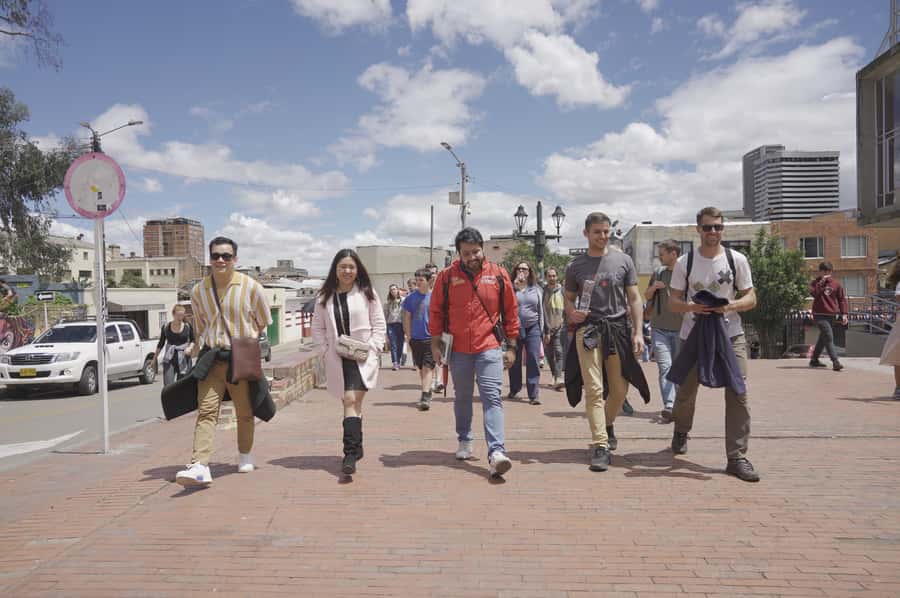
- The walk covers about 7 kilometers: Comfortable shoes, water, sunscreen, and rain protection are essential.
- The $13 price is strong value: You receive an English or Spanish-speaking guide, a broad introduction to central Bogotá, and practical local recommendations without extra sightseeing fees.
Starting beside the Museo del Oro
The meeting point is easy to identify: look for the Beyond Colombia team with red umbrellas in front of the Museo del Oro. That location puts you near one of Bogotá’s best-known cultural institutions, though this shared walk focuses on the historic center rather than museum entry.
I like beginning here because the tour starts in a central part of Bogotá and quickly moves into the story of how the city formed. You are not being collected from your hotel, so plan your own way to the meeting point. Hotel transportation is not included, and the tour itself uses no vehicle.
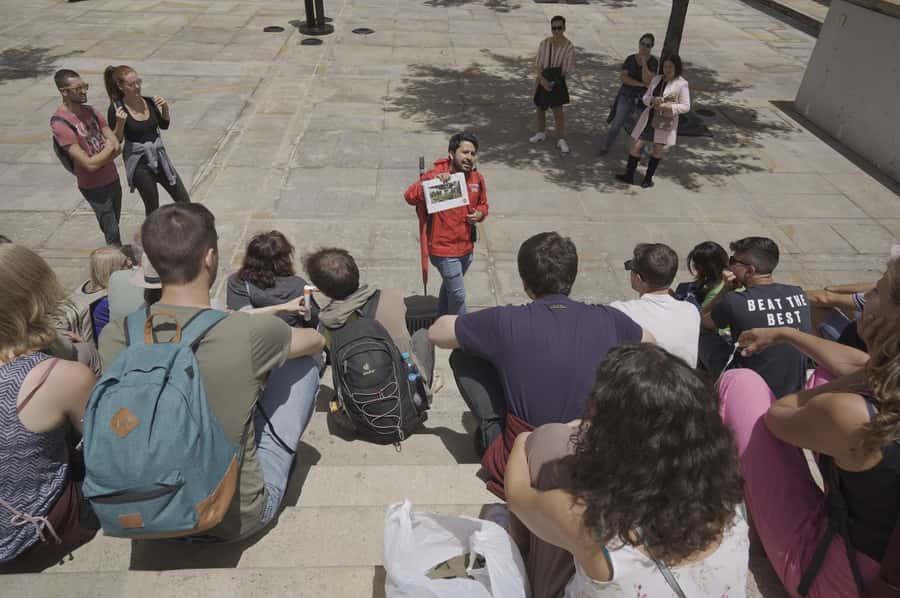
The group walks through the city, stopping often for explanations. The published duration is 150 minutes, while the tour description also calls it approximately three hours. I would set aside three hours so you are not rushing at the end. The route covers a lot of ground, and a guide may need to adjust the pace based on the group, weather, and street conditions.
More History Tours in Bogota
- Shared Tour of the Historic Candelaria in Bogotá
★ 5.0 · 1,551 reviews - Bogota Shared Gastronomy Tour in the Historic Center
★ 5.0 · 264 reviews - Bike Tour in Bogota Historical Sites and Fruit Market
★ 5.0 · 171 reviews
How Bogotá became Colombia’s capital
The first part of the walk places Bogotá in its national setting. You move through the period when the Spanish arrived and began building a new colonial city, then follow the changes that shaped the modern capital.
That broad time span is one of the tour’s strengths. You are not simply shown old façades and asked to admire them. The guide connects the city’s layout and institutions with Colombia’s political development, giving you a useful base for the rest of your stay.
The tour also introduces the myth of El Dorado, one of the stories that helped draw Spanish attention toward the region. This topic matters because it connects legend, colonial ambition, Indigenous traditions, and the outside fascination with Colombia’s wealth.
The guides aim to present Colombian history without taking sides. That does not mean avoiding difficult subjects. It means you should hear context around conquest, politics, violence, and national identity rather than receiving a simple heroes-and-villains version.
Bolivar Square and the center of power
Plaza de Bolívar is the tour’s grand civic stop. The square brings together major buildings and institutions, and the guide explains their roles and architectural importance.
This is where Bogotá’s history becomes easy to read. Instead of viewing each building as an isolated sight, you see how government, law, religion, and public life meet in one place. The stories include the Justice Palace Siege, a painful episode in Colombia’s recent history that gives the square a much heavier meaning.
You will also hear about Bolívar and the role of the square in the country’s national story. The exact amount of time spent at each building can vary, especially if the group is large, but the stop gives you a useful framework for exploring the area later on your own.
I would pay close attention here even if architecture is not your main interest. Political history in Bogotá often happened in public spaces, and the square helps explain why the city remains so closely tied to national events.
El Bogotazo and Jorge Eliécer Gaitán
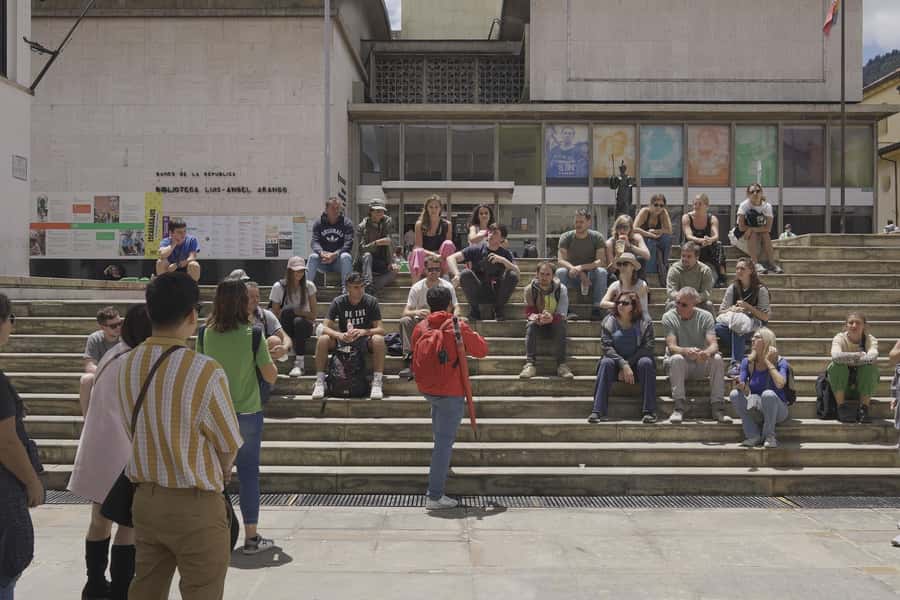
The 1948 Bogota Riot, known as El Bogotazo, is one of the most important subjects on the route. The guide discusses the killing of political leader Jorge Eliécer Gaitán and the violence that followed.
This part may be emotionally heavier than the colorful streets and food stops. That is exactly why it belongs on a downtown walk. The event changed Bogotá’s political life and physical appearance, and it remains central to how many Colombians understand the country’s twentieth century.
A good guide does more than recite dates. The highly rated guides on this route, including Juliana, Juan, and Santiago, are praised for making complicated history clear and answering questions directly. That matters at a stop like this, where you may want to understand not only what happened but also why it still matters.
Give this subject your full attention. It is easy to focus on taking pictures in La Candelaria, but El Bogotazo helps you see the city as a place shaped by conflict as well as beauty.
More La Candelaria walks:
- La Candelaria, Monserrate and Museums Bogotá Private City Tour
★ 5.0 · 1,567 reviews - Bogotá: Guided La Candelaria Walking Tour
★ 4.8 · 1,229 reviews - Bogota + Monserrate Private City Tour, Museums, Candelaria.
★ 5.0 · 1,015 reviews - Walking Tour in La Candelaria Bogotá
★ 5.0 · 859 reviews
Chicha at the Concordia market
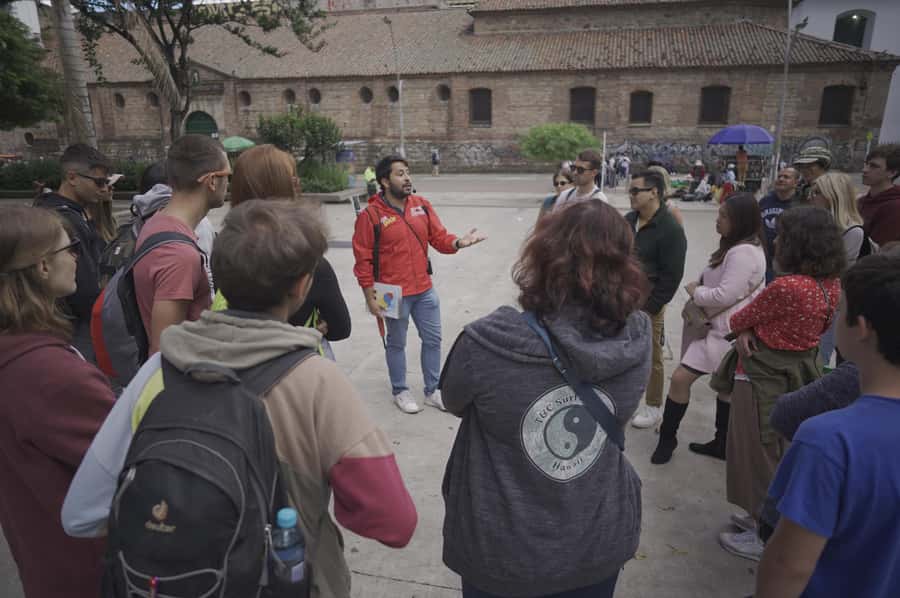
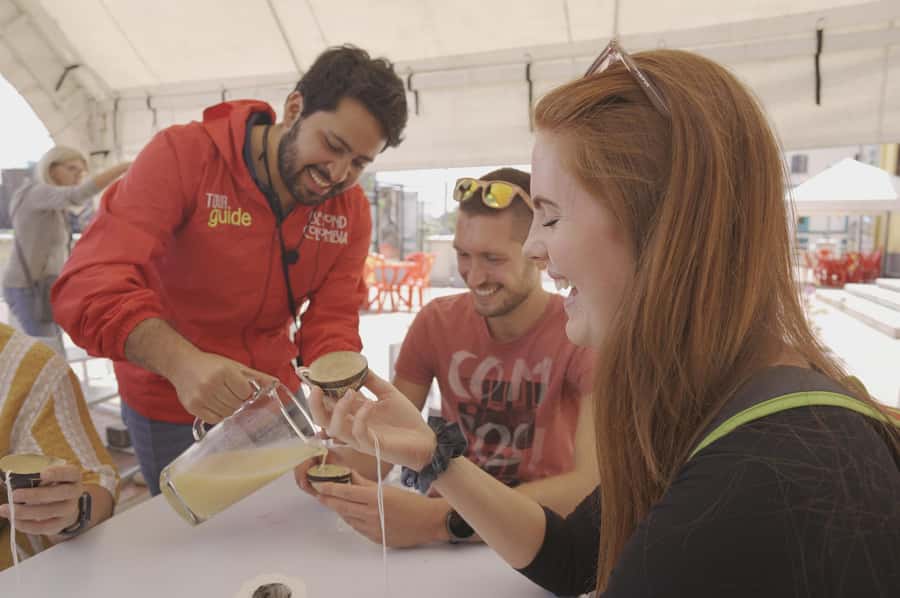
The route brings you to the Concordia market and introduces chicha, an ancestral corn-based drink with cultural importance. When available, you receive a tasting as part of the tour.
Chicha is more than a quick sample. It gives the walk a direct connection to older Colombian traditions and to the way food and drink carry identity through generations. The guides also discuss its status as heritage, which helps you understand why the drink matters beyond its taste.
Keep your expectations flexible. Availability is not guaranteed, and one person found the chicha disappointing. That is not necessarily a flaw in the tour. Traditional drinks can be unfamiliar, and personal taste varies. I would treat the sample as a cultural introduction, not as a promised highlight for your palate.
The market setting also adds a welcome change from formal plazas and monuments. You get a look at a more everyday side of the historic center, though the tour does not include a full meal. Food, drinks, and souvenirs beyond the included chicha tasting are your responsibility.
Street art in El Embudo alleyway
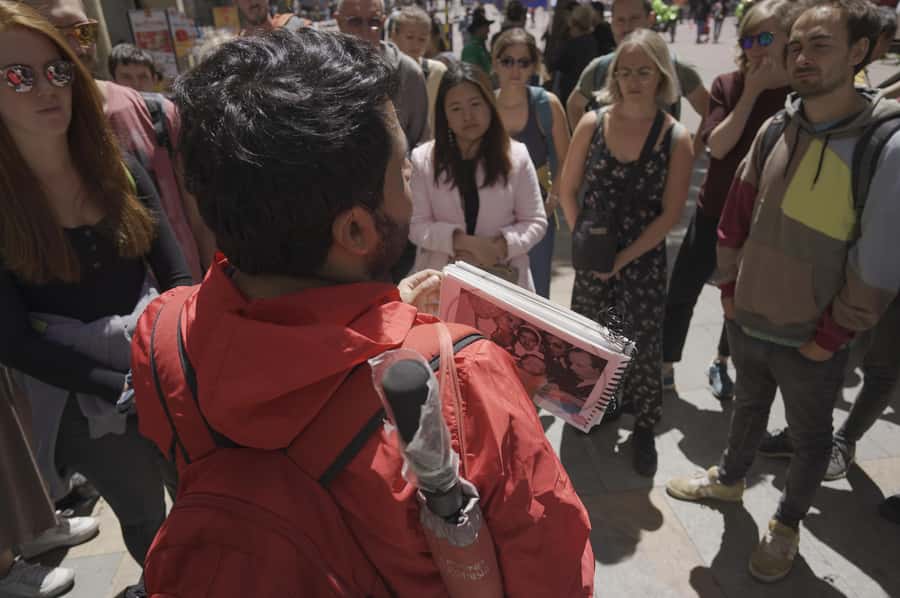
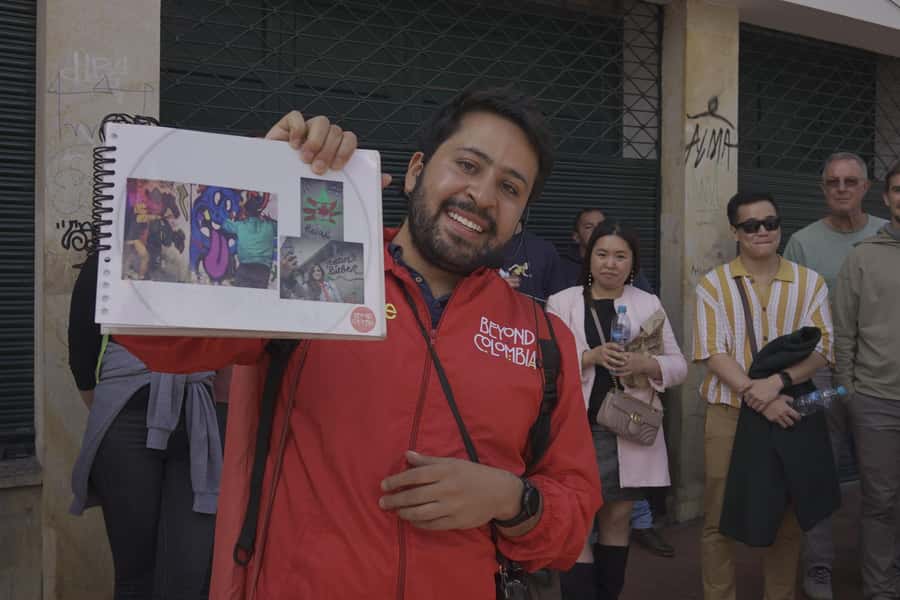
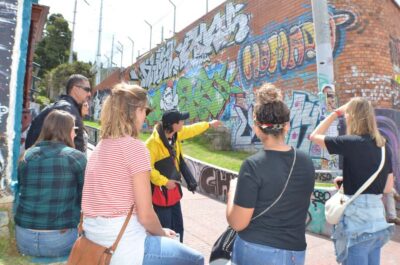
El Embudo alleyway is one of the tour’s more visual stops. Here, the guide discusses local graffiti and murals, including their influence, technique, and role in resistance.
This is a smart part of the route because La Candelaria is not only about colonial buildings. Its walls carry newer stories, opinions, and artistic styles. A guide can help you notice how a mural is made and why public art matters, rather than reducing the stop to a photo opportunity.
The alleyway also gives the tour a change of pace. After learning about national politics and colonial development, you see how local artists use the city itself as a public forum. Bring a camera, but do not use flash photography. The tour instructions also ask you not to smoke.
The graffiti discussion should appeal to you if you enjoy seeing how old districts change without losing every trace of their past. The route presents street art as part of Bogotá’s cultural life, not as decoration added for visitors.
Chorro de Quevedo and the False Door
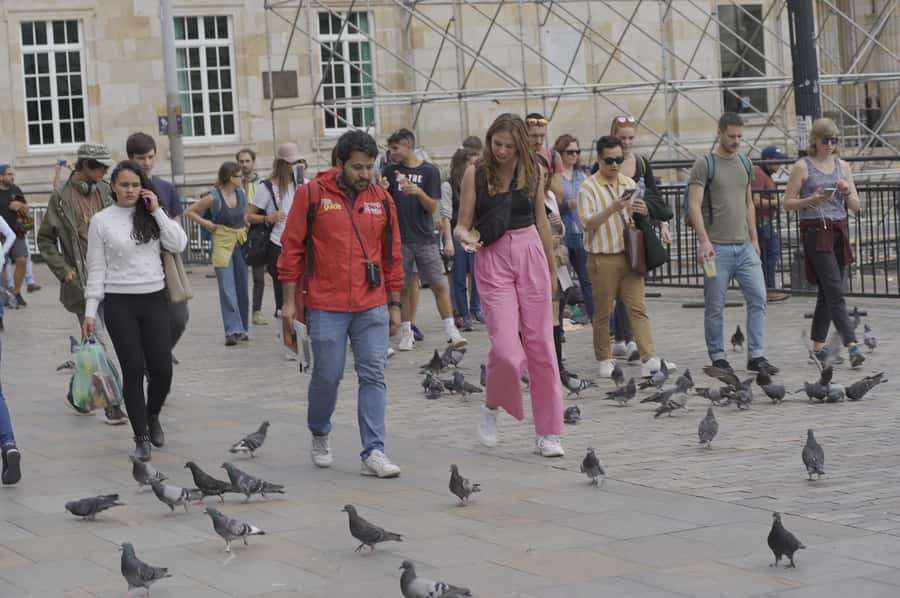
Chorro de Quevedo foundation square is another key stop. The tour uses it to discuss the early formation of Bogotá and the city’s changing identity.
The square helps connect the older origin story with the present-day character of La Candelaria. You may notice a more informal, social atmosphere here than at Bolivar Square, although the exact feel depends on the time and day of your visit.
The False Door is included as another local landmark. Details are best learned from the guide on site, since its meaning fits into the larger story of the neighborhood and its traditions. This kind of stop is part of the route’s appeal: you are not only ticking off famous monuments, but also hearing about places that require explanation to make sense.
The tour may also point out an informal emerald market. That topic gives you a glimpse into one of Colombia’s most famous trades, but use care in crowded areas. The tour specifically advises you to keep belongings close and follow the local warning don’t give papaya, meaning do not make it easy for someone to take advantage of you.
Botero’s museum and the cultural square
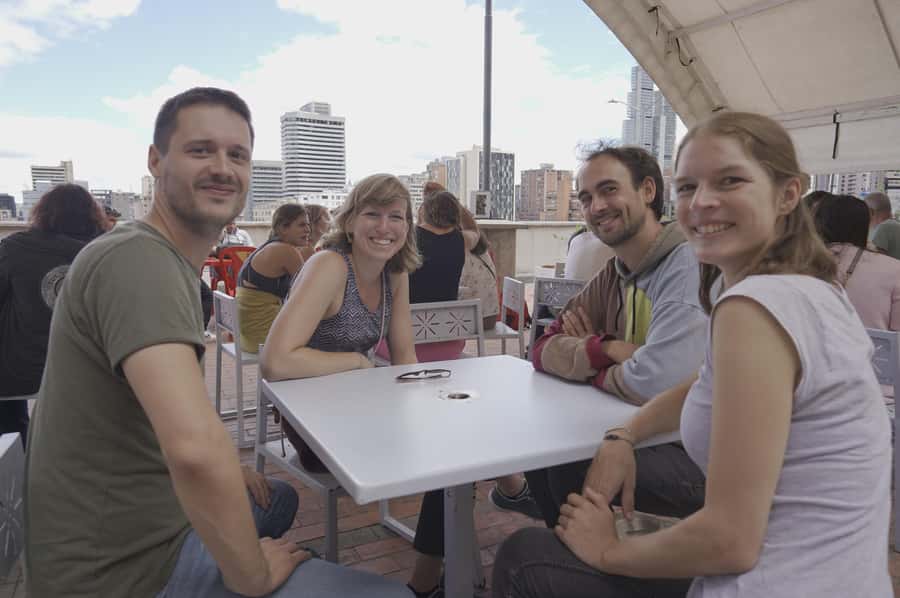
The itinerary includes Botero’s Museum and a nearby cultural square. You should not assume that museum admission is included, since entrance tickets are not part of the tour.
Even without entering, the stop helps place Fernando Botero within Bogotá’s cultural story. A guide can add useful background about the artist and explain why his work matters in Colombia. Vincent specifically praised Leo’s explanation of Botero’s history, making this a promising portion for anyone interested in art.
If you want a long museum visit, plan to return separately. A walking tour has limited time, and the group must keep moving. The value here is orientation: you learn what the museum offers and where it fits among the city’s cultural institutions.
That is a common pattern throughout the experience. The tour gives you context and a route, then leaves room for you to revisit the places that catch your interest.
The pace, altitude, and group size
The biggest practical issue is the walking. You may cover roughly 7 kilometers, and some of the route is uphill. At Bogotá’s altitude, that can feel tiring even if you are normally comfortable with city walking.
One person found the climb to La Candelaria tiring and wished for more stops to buy water or drinks. The itinerary does include resting stops, but you should bring your own water rather than count on a shop break at the exact moment you need one.
Wear shoes built for walking on city streets, use sunscreen, and carry a hat. Bogotá’s weather can change, so bring a rainproof coat, cape, or umbrella. The tour continues in rain, and one guide, Rafa, was praised for managing a large group despite wet weather.
Group size can affect the experience. A group of 36 is possible, and a large crowd makes it harder to hear, ask questions, or stay close to the guide. On the other hand, the shared format keeps the cost low and gives you the chance to meet other people. Guides such as Lorenzo have been praised for making a long walk feel quick through lively storytelling.
This is not a suitable choice for wheelchair users or people with mobility impairments. The distance, hills, uneven urban route, and standing time make that limitation important.
The guides and the value of local explanation
The strongest feature is the guide. Praise is especially high for clear storytelling, practical answers, friendly service, and a balanced approach to Colombian history.
Lorenzo is described as exceptionally engaging and able to make the long walk pass quickly. Juliana receives praise for bringing Bogotá’s past to life and offering useful ideas for the rest of a stay. Leo is noted for history, architecture, and Botero. Santiago is praised for placing Bogotá within the wider story of Colombia and Latin America.
Byron, Lucho, Sergio, Daniel, and Juan are also singled out for friendly presentations and detailed explanations. Guide quality can vary from departure to departure, but the range of positive names suggests a strong guide team rather than one lucky match.
The local advice at the end is useful. You receive recommendations for lunch, coffee, souvenirs, and other activities, plus discounts with recommended partners when you show the wristband given after the walk. Those benefits may add value if you plan to use them, but I would not book the tour solely for the discounts.
Is $13 a fair price?
At $13 per person, this is a very good value for a 2.5 to 3-hour introduction to central Bogotá. You get a live guide in English or Spanish, sightseeing at major historic sites, explanations of difficult national events, a chicha tasting when available, and local recommendations.
The price is especially strong because the tour does not add surprise entrance fees along the route. You are not paying for hotel pickup or transport, but you would be walking through the center anyway, and the low cost leaves money for a museum visit, lunch, or coffee afterward.
The value drops if you dislike shared groups or want a private pace. You may also find the walk tiring, and food or drink costs beyond the chicha sample are not included. Still, for a first look at La Candelaria, the amount of history and local context packed into the price is hard to beat.
You can cancel up to 24 hours before the tour for a full refund, and you can reserve without paying immediately. Those policies make it easier to fit the walk into a changing Bogotá schedule.
Who should book this La Candelaria walk?
I would book this tour on my first or second day in Bogotá. It gives you a map of the historic center, explains the names and events you will keep hearing, and provides practical ideas for the rest of your visit.
It suits you best if you enjoy history, street art, local food traditions, and walking through a city rather than viewing it from a bus. It is also a good match if you want an affordable shared activity with a live guide who can answer questions.
Think twice if you need frequent seated breaks, dislike uphill walking, or want a small and quiet group. If the weather looks poor, pack proper rain gear rather than hoping Bogotá will cooperate. It often has other plans.
Final verdict: book it for context, not comfort
Book this tour if you want La Candelaria to make sense. The combination of Bolivar Square, El Bogotazo, chicha, El Embudo’s murals, Chorro de Quevedo, Botero, and local history gives you far more than a quick photo walk.
Skip it if 7 kilometers at high altitude sounds excessive or if a group of up to 36 would frustrate you. For most fit visitors, though, the $13 cost, strong guide team, and serious treatment of Bogotá’s past make this one of the better low-cost ways to begin exploring the capital.
FAQ
How long does the tour last?
The stated duration is 150 minutes. The tour description also says it lasts approximately three hours, so allow about 2.5 to 3 hours.
Where does the tour meet?
Meet in front of the Museo del Oro. Look for the Beyond Colombia team carrying red umbrellas.
Is the tour offered in English?
Yes. Live guiding is available in English and Spanish.
Is transportation included?
No. You must arrange your own transportation to and from the meeting point. The walking route does not use transportation.
How far will I walk?
You should expect to walk about 7 kilometers, with stops to hear the guide.
Is the tour suitable for wheelchair users?
No. The tour is not suitable for wheelchair users or people with mobility impairments.
Is chicha included?
A chicha tasting is included when available. Other drinks, food, and souvenirs are not included.
Are museum entrance tickets included?
No. Tickets and entrances are not included.
What should I bring?
Bring comfortable shoes, water or another preferred drink, sunscreen, a hat, a camera, and rain protection such as an umbrella or rainproof coat.
Can I cancel for a refund?
Yes. You can cancel up to 24 hours in advance for a full refund. You can also reserve now and pay later.
Just added in Bogota
- Tour of Zipaquirá: Visit the Salt Cathedral and the main squares★ 4.5 · 55 reviews
- Catedral de Sal desde Bogotá en Tren★ 5.0 · 5 reviews
- Zipaquirá and Salt Cathedral Muisca Heritage with Guide – Private★ 4.5 · 23 reviews
- Botanical Garden Bogotá Private Tour (4 Hrs.)★ 5.0 · 13 reviews
- Zipaquira Salt Cathedral★ 4.5 · 12 reviews
- LOCAL GUIDE Zipaquirá PRIVATE TOUR – Salt Cathedral and Salt Oven★ 5.0 · 24 reviews
- Zipaquirá Salt Cathedral: An architectural wonder.★ 4.5 · 24 reviews
- Private Zipaquira Salt Cathedral and Guatavita Lagoon Tour from Bogota★ 4.5 · 44 reviews
La Candelaria Tours, compared.
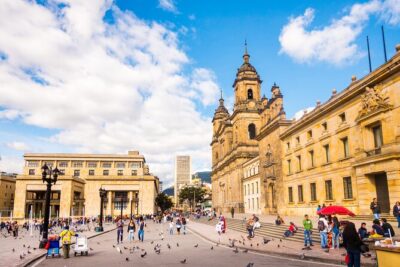
La Candelaria, Monserrate and Museums Bogotá Private City Tour
Read our review →
Shared Tour of the Historic Candelaria in Bogotá
Read our review →
Bogota + Monserrate Private City Tour, Museums, Candelaria.
Read our review →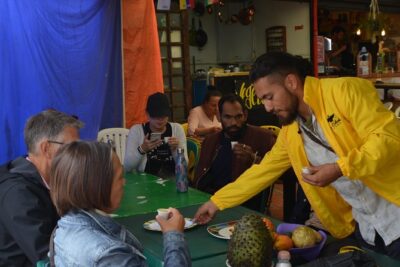
Private Tour in Bogota : Monserrate, Museums and Candelaria
Read our review →Browse the lists this tour appears in