
REVIEW · FOOD & DRINK
Shared Tour Bogota’s Street Local Food
Bogotá tastes better one small bite at a time. This 150-minute walking tour links local food stops in Candelaria with stories about indigenous traditions, European influence, coffee, and Colombian drinking culture. I like the mix of food and cultural explanation, and I especially like that you choose what to eat rather than paying for a fixed meal. Guides such as Leo have earned praise for clear, lively explanations.
The main caution is simple: the advertised price is only the tour fee. Food and drinks cost extra, usually around $9 to $10, and one stop may feel too sweet if you prefer savory food. You will also walk about 7 kilometers, so this is not a gentle café crawl.
In This Review
- Key things to know before you book
- Starting beside the Museo del Oro
- Empanadas and the first taste of Colombia
- Obleas, toppings, and the sweeter side of Bogotá
- Coffee, chocolate, and Colombian food culture
- Ajiaco, Bogotá’s bowl of comfort
- Aguardiente and the social side of eating
- How the 150 minutes feel on foot
- What the $13 price really covers
- Who will enjoy this food walk most?
- Should you book Bogotá’s local food tour?
- FAQ
- How much does the Bogotá street food tour cost?
- How long does the tour last?
- Where does the tour meet?
- What language is the tour conducted in?
- Is food included in the price?
- Which Colombian foods are discussed?
- Are vegetarian options available?
- How far will I walk?
- What should I bring?
- Can children join the tour?
- Can I cancel the booking?
Key things to know before you book
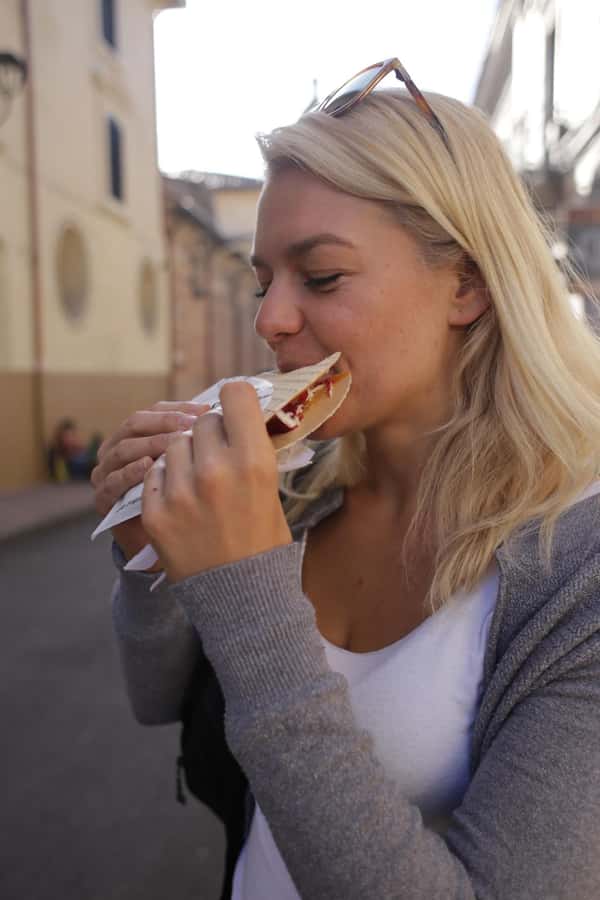
- Empanadas and obleas have a story: You learn where these familiar Colombian snacks come from and how locals dress them up with toppings.
- Ajiaco is more than soup: The guide explains the best way to eat Bogotá’s famous dish, not just what goes into it.
- Chocolate and cheese is a real pairing: Hot chocolate served with cheese offers one of Colombia’s most surprising food customs.
- Aguardiente gets a playful explanation: The tour covers the local nickname that makes this spirit easier to order at any hour.
- You pay for only the food you choose: The tour costs $13 per person, while tastings and drinks are separate.
- The route stays in central Candelaria: You meet by the Museo del Oro and visit local food spots rather than relying on a restaurant meal.
Starting beside the Museo del Oro
The meeting point is easy to identify: look for the Beyond Colombia guides and their red umbrellas directly in front of the Museo del Oro. That matters in central Bogotá, where a clear landmark can save you from wandering around with an empty stomach and a phone in your hand.
The tour begins with a walk through the historic center of Candelaria. You are not simply sent from one food counter to another. The guide uses the streets and shops as a classroom, explaining how Colombian cooking developed from indigenous ingredients, later European influence, and local habits that survived and changed over time.
The English-speaking guide is a key part of the value. Leo received especially strong praise for being informative, friendly, and easy to talk to. Patricia was also singled out as a good guide. The best guides on this kind of walk keep the pace moving while giving you enough background to understand what is on your plate.
Expect a social walking tour rather than a formal tasting seminar. You will stop to listen, order what appeals to you, eat, and continue on foot. The route covers about 7 kilometers, so wear shoes that can handle uneven city streets and a few hours of walking.
More Food Tours in Bogota
- Bogotá Food Experience: Cultural & Culinary Tour
★ 5.0 · 591 reviews - Viejo Bogota Food Tour with 12+ Tastings
★ 5.0 · 544 reviews - Bogota Food Tour with over 12 Tastings & Tejo
★ 4.9 · 454 reviews
Empanadas and the first taste of Colombia
Empanadas are one of the most useful introductions to Colombian street food. They are familiar enough for cautious eaters, but local versions can taste quite different from the larger baked pastries found elsewhere in Latin America.
The guide explains the origin of empanadas and how they fit into Colombian food culture. You also learn about the toppings and accompaniments that locals consider essential. That detail is valuable because the right sauce or topping can change the whole bite.
This stop works well early in a food walk. An empanada gives you something filling without asking you to commit to a large plate. If you are vegetarian, the tour says about 70 percent of the food options are suitable, though you should still tell the guide what you eat before ordering.
I would treat each stop as a tasting, not a full meal. The point is variety. If you arrive very hungry, you may want to eat something small beforehand, especially since the route includes explanations and walking between stops.
Obleas, toppings, and the sweeter side of Bogotá
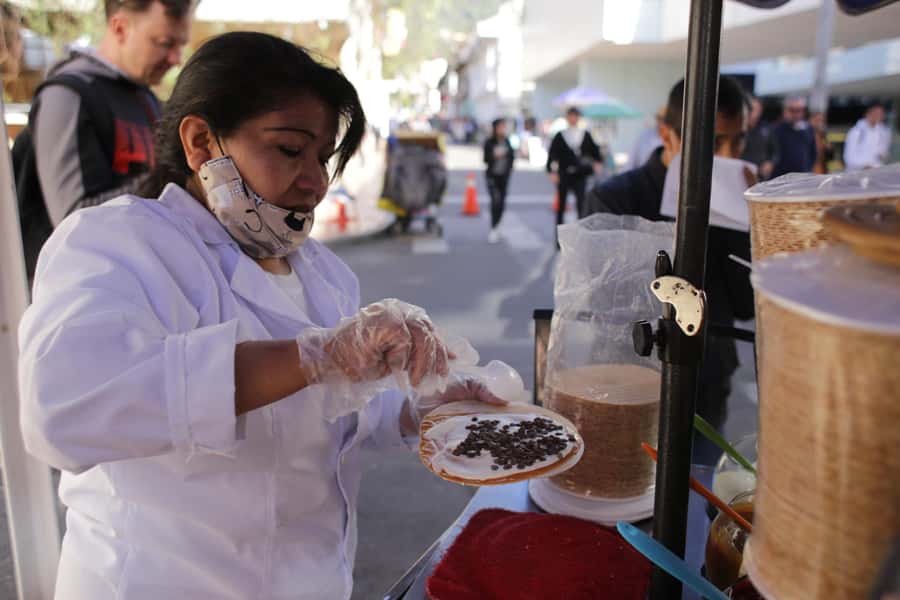
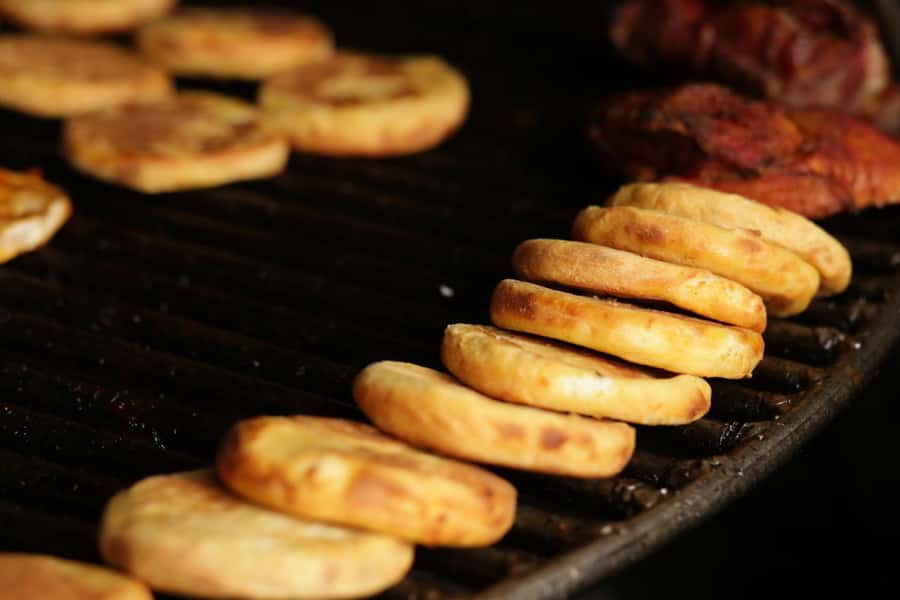
Obleas show another side of Colombian snacking. These thin wafers are usually built with sweet fillings and toppings, and the fun lies in choosing how much goes inside. The tour covers their background and points out combinations you should not miss.
This is where the food route may divide people. One person can enjoy the dessert-like stop, while another may feel that the balance tilts too far toward sugar. One participant specifically found there was too much sweet food, so I would keep that in mind if you prefer salty snacks, meat, or soup.
The practical advantage is choice. You do not have to eat every item, and you pay for what you select. That makes the tour easier to adapt than a fixed tasting menu, though it also means the final bill depends on your appetite and choices.
Coffee, chocolate, and Colombian food culture
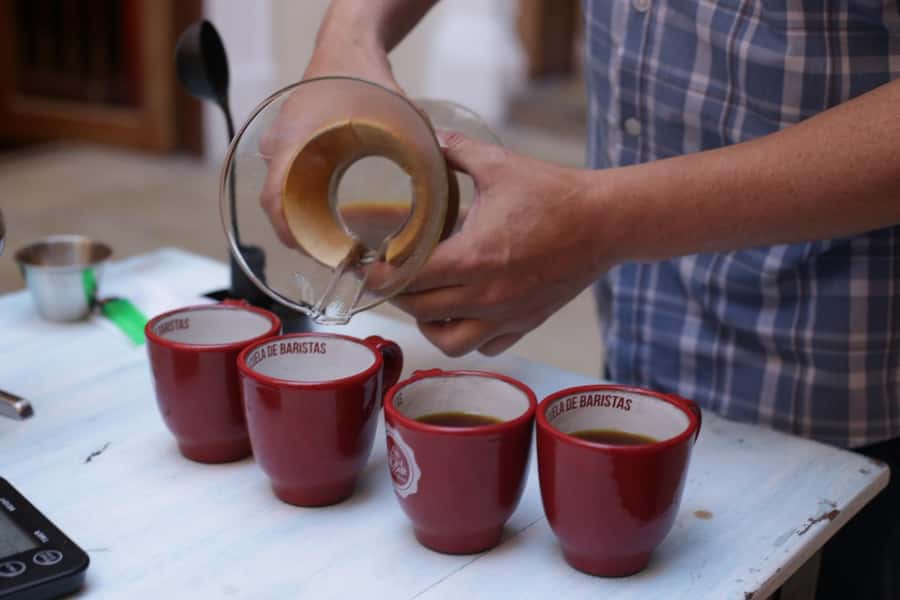
Coffee is part of the tour’s appeal, but the focus is broader than simply drinking a cup. You hear about the place of coffee in Colombian culture and get recommendations for local places where you can continue exploring after the walk.
The most unusual tasting is hot chocolate with cheese. If that sounds like a mistake, keep an open mind. It is presented as a Colombian food custom, and the guide explains how to approach it rather than dropping the combination in front of you without context.
This kind of pairing is exactly why a guided food walk can be useful. You may pass over cheese in hot chocolate if you are ordering alone, but with an explanation of the custom, the tasting becomes a small lesson in local habits. You may love it, tolerate it, or decide that your own hot chocolate needs no dairy surprise. All three reactions are fair.
The tour also discusses European influence on Colombian gastronomy. That context helps connect familiar ingredients and cooking methods with the older traditions of the region. You are not getting a full food-history course, but you do get enough background to understand that Colombian cuisine is not one single tradition.
A completely different kind of day:
- Bogotá Bike Tour
★ 5.0 · 3,329 reviews - Bogota: Bicycle City Tour
★ 4.9 · 2,156 reviews - Zipaquirá: Salt Cathedral Group Tour with Pickup
★ 4.8 · 1,606 reviews - La Candelaria, Monserrate and Museums Bogotá Private City Tour
★ 5.0 · 1,567 reviews
Ajiaco, Bogotá’s bowl of comfort
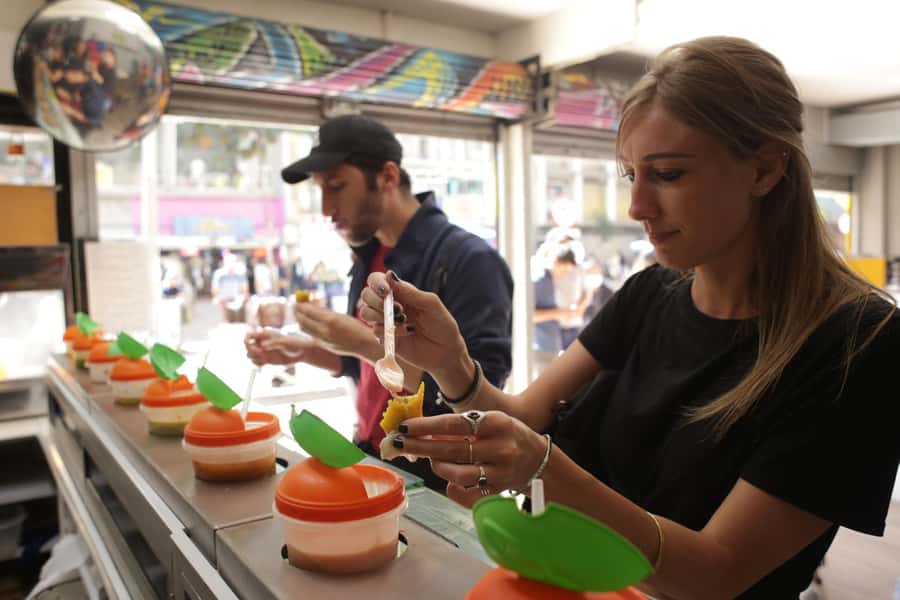
Ajiaco is one of the most important foods on this route. Bogotá’s cool highland weather makes a hearty soup feel especially fitting, and the tour explains both the dish and the best way to eat it.
The useful part is not only learning the ingredients. A guide can show you how the accompaniments work together and how locals approach the bowl. For someone new to Colombian food, that small piece of instruction prevents you from treating a carefully assembled dish like an ordinary soup.
Ajiaco also gives the tasting some needed balance after the sweeter stops. If you are choosing only a few foods, I would put this near the top of the list, along with an empanada and coffee. The exact food available can depend on the local stops and your own choices, so the tour is better viewed as a guided introduction than a guaranteed restaurant menu.
Aguardiente and the social side of eating
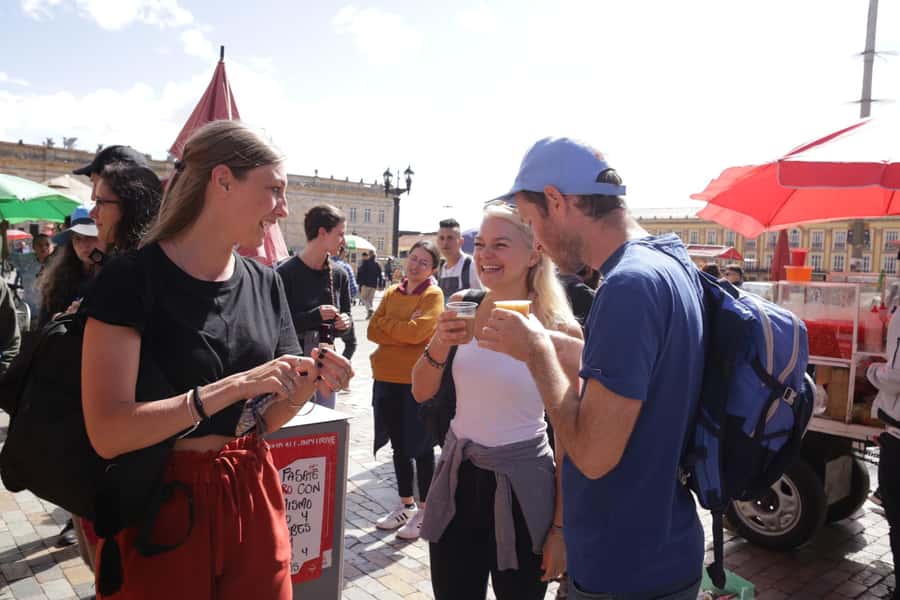
Food in Colombia does not sit apart from drink, and the tour includes the local spirit aguardiente. You learn the secret name used when people want to order it at any time of day, an amusing detail that gives the drink a social setting rather than presenting it as a museum object.
Aguardiente is not a mild beverage, so you should order carefully and only if you want to try it. Alcohol is not included in the $13 tour fee, and the supplied information does not promise a fixed drink tasting. Ask the guide what is available and what it costs before ordering.
This stop adds personality to the tour. You learn not just what Colombians eat, but how language, humor, and daily routines shape food culture. It is a small detail, yet those are often the facts you remember when you are choosing a drink later in your trip.
How the 150 minutes feel on foot
The listed duration is about 150 minutes, while the tour description also refers to approximately three hours. Either way, plan for a substantial afternoon rather than a quick one-hour snack break. You will walk, stop for explanations, visit food places, and spend time deciding what you want to taste.
The 7-kilometer walking distance is the most important practical detail. Comfortable shoes are not a suggestion here. Bring water, wear clothes that suit the weather, and carry a rainproof coat or umbrella. Bogotá weather can change, and the tour operates outdoors between stops.
You should also keep your belongings close. The route passes through crowded areas, and the tour’s own advice is direct: do not give papaya, a Colombian expression meaning do not make it easy for someone to take advantage of you. Use a secure bag and keep your phone put away when you are not using it.
The activity is not designed for children under 12 or people over 65. That restriction likely reflects the walking distance and the pace rather than the food itself. If mobility is a concern, ask before booking because the route involves several kilometers on foot.
What the $13 price really covers
At $13 per person, the tour fee is reasonable for a guided walk in central Bogotá. You are paying for an English-speaking guide, local food stops, historical and cultural background, and advice on places to eat, buy coffee, and shop for souvenirs afterward.
Food and drinks are not included. Plan on roughly $9 to $10 extra if you want to sample the suggested foods, but your actual spending depends on what you choose. This pay-as-you-go system is useful for light eaters, vegetarians, and anyone who wants to skip a dish. It is less convenient if you prefer to know the complete cost in advance.
The tour also gives participants a wristband with discounts and benefits at recommended partner businesses. Those offers may be useful if you plan to eat or shop in Bogotá after the walk, though I would not book the experience solely for the discounts. The main value is the guide’s local context and the chance to try several foods without having to research every stop yourself.
Free cancellation up to 24 hours before the start and a reserve-now, pay-later option make the booking flexible. Still, once you reserve, contact the operator if your plans change. A guide has been assigned for the walk, and failing to show up affects that person’s time.
Who will enjoy this food walk most?
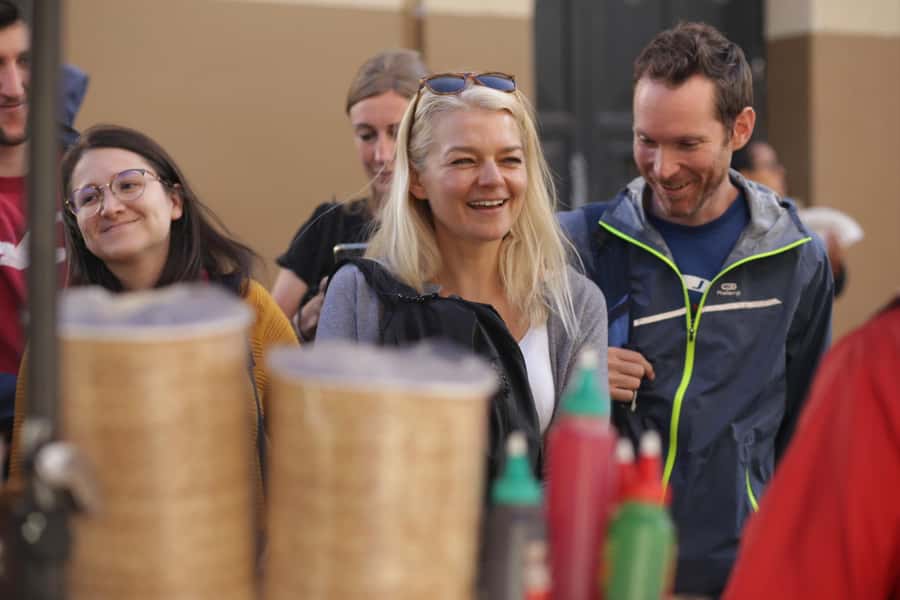
I would recommend it to first-time visitors who want a practical introduction to Colombian food and do not want to spend an entire evening in one restaurant. It also suits solo visitors. One solo participant found the group easy to join, even when everyone else seemed to be traveling with someone.
The tour is a good fit if you enjoy stories as much as samples. Guides explain indigenous roots, European influence, coffee, sweets, soup, and drinking customs. If you only want to eat with no pauses, the talking may feel slow.
Vegetarians have a reasonable chance of finding suitable options because about 70 percent of the food choices are described as vegetarian-friendly. You should still state your needs clearly at the beginning. The tour does not promise that every stop will suit every diet.
I would be less keen on it for anyone who dislikes sweet food, has limited walking ability, or wants a fixed all-inclusive meal. The route is active, the food bill is separate, and the selection is flexible rather than locked in.
Should you book Bogotá’s local food tour?
Book it if you want to understand Bogotá through small, affordable tastings and local explanation. The strongest parts are the knowledgeable guidance from people such as Leo, the chance to learn how to eat dishes such as ajiaco, and the unusual cultural details around hot chocolate with cheese and aguardiente.
Skip it if you need a short route, a guaranteed menu, or an all-inclusive price. Also think twice if a 7-kilometer walk sounds tiring or if sweet foods are not your thing.
For most curious eaters, the $13 guide fee offers good value, provided you budget another $9 to $10 for food and drinks. Meet under the red umbrellas by the Museo del Oro, bring rain protection and water, and arrive ready to try something that may seem odd at first. That is often where Bogotá gets interesting.
FAQ
How much does the Bogotá street food tour cost?
The tour costs $13 per person. Food and drinks are not included and usually cost around $9 to $10, depending on what you choose.
How long does the tour last?
The listed duration is 150 minutes. The description also refers to approximately three hours, so you should allow an afternoon rather than planning another tight activity immediately afterward.
Where does the tour meet?
Meet directly in front of the Museo del Oro in Bogotá. Look for the red umbrellas marked Beyond Colombia.
What language is the tour conducted in?
The tour is conducted in English with a live English-speaking guide.
Is food included in the price?
No. You pay only for the foods and drinks you decide to try during the route.
Which Colombian foods are discussed?
The tour includes empanadas, obleas, ajiaco, coffee, hot chocolate with cheese, aguardiente, and additional local foods.
Are vegetarian options available?
Yes. About 70 percent of the food options are described as vegetarian-friendly. Tell the guide about your dietary needs before choosing food.
How far will I walk?
You will walk about 7 kilometers, including time between food stops and time listening to the guide.
What should I bring?
Bring comfortable shoes, comfortable clothes, water or another preferred drink, and an umbrella or rainproof coat.
Can children join the tour?
The activity is not suitable for children under 12. It is also not listed as suitable for people over 65.
Can I cancel the booking?
Yes. You can cancel up to 24 hours in advance for a full refund. A reserve-now, pay-later option is also available.
Just added in Bogota
- Catedral de Sal desde Bogotá en Tren★ 5.0 · 5 reviews
- Tour of Zipaquirá: Visit the Salt Cathedral and the main squares★ 4.5 · 55 reviews
- Zipaquirá and Salt Cathedral Muisca Heritage with Guide – Private★ 4.5 · 23 reviews
- Botanical Garden Bogotá Private Tour (4 Hrs.)★ 5.0 · 13 reviews
- Zipaquira Salt Cathedral★ 4.5 · 12 reviews
- LOCAL GUIDE Zipaquirá PRIVATE TOUR – Salt Cathedral and Salt Oven★ 5.0 · 24 reviews
- Zipaquirá Salt Cathedral: An architectural wonder.★ 4.5 · 24 reviews
- Private Zipaquira Salt Cathedral and Guatavita Lagoon Tour from Bogota★ 4.5 · 44 reviews
Food & Drink, compared.

Comuna 13 Graffiti Tour, Cable Car & Street Food
Read our review →
Half Day Bike Tour in Medellin – Local snack, Coffee or Beer
Read our review →

Rumbero Gastrotour through Medellín and Street Food
Read our review →
Browse the lists this tour appears in