
REVIEW · WILDLIFE
Parrot & Macaw Volunteering in a Wildlife Reserve Near Cartagena
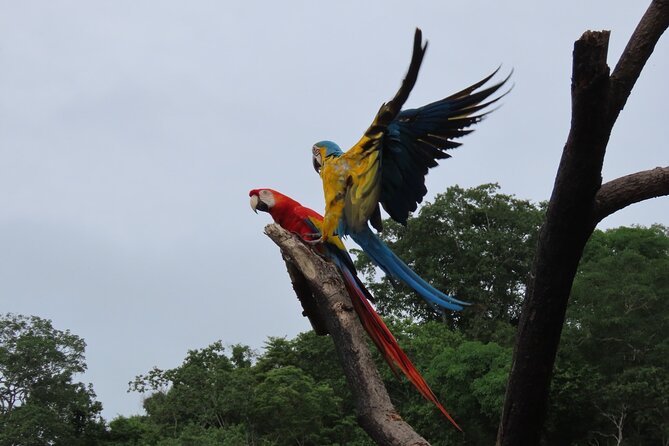
Parrots need more than a pretty cage. At Fundación Loros, you can see three macaw species and many parrots in rehabilitation while helping with practical conservation work. I like the direct connection to the birds and the chance to learn how rescued animals prepare for life in the wild. I also like that the visit includes local farming and tree planting, not just an aviary stop. The main drawback is that transport and lunch cost extra.
This is a private four-hour activity near Villanueva, roughly outside Cartagena, with your own group and trained staff guiding the work. You will prepare food, explore dry forest trails, harvest cassava and papaya with local farmers, and plant a native tree. You cannot touch or feed the animals directly, which may disappoint anyone expecting a hands-on animal encounter, but that rule protects the rehabilitation process.
In This Review
- Key points to know before you go
- Arriving at the Fundación Loros reserve
- Meeting parrots and macaws in rehabilitation
- Preparing food for rescued birds
- Walking the dry forest and watching wild birds
- Harvesting cassava and papaya with local farmers
- Planting a native tree near release habitat
- Reaching the mountain release point
- What the $132 price really covers
- Rules that protect the animals
- Who will enjoy this four-hour visit most
- Booking, timing, and practical planning
- Should you book Fundación Loros?
- FAQ
- Where is the Parrot and Macaw Volunteering experience located?
- How long does the activity last?
- Is transportation from my Cartagena hotel included?
- Is lunch included?
- Can I touch or feed the parrots and macaws?
- What animals might I see?
- What activities are included?
- Is this a private tour?
- Can I cancel for a full refund?
Key points to know before you go
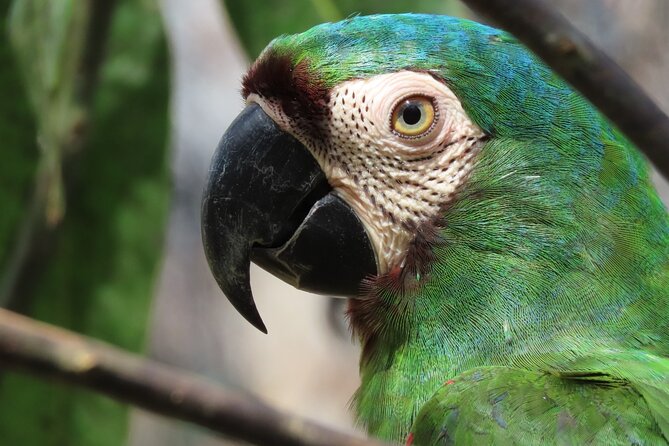
- Three macaw species and many parrots: See birds being prepared for possible release into the wild, along with other wildlife habitat.
- Food preparation, not animal handling: You help prepare food, but staff do all direct feeding and animal care.
- A 1,300-acre reserve: The property includes dry forest, bird habitat, a pond, mountain views, and release areas.
- Local farming is part of conservation: Harvest cassava and papaya while learning how the foundation works with nearby farmers.
- Tree planting has a clear purpose: Your native tree can provide food and shelter for parrots after forest regeneration takes hold.
- Plan your own ride and meal: Hotel transport and lunch are not included, while snacks are provided.
Arriving at the Fundación Loros reserve
The activity begins at Fundación Loros, also called Loros Wildlife Sanctuary, on Carretera Villanueva-Arenal, Kilometer 1, in Villanueva, Bolívar. The sanctuary is near public transportation, and you can arrange private transport or use Uber. Since the price does not include a hotel pickup, sort out the ride before the day begins.
That transport detail matters. A four-hour visit can easily become a longer outing once you add the journey from Cartagena, so leave enough time around the scheduled start. You will return to the same meeting point when the activity ends.
This is a private tour, which gives the day a more personal feel. You will not be folded into a large group, and the staff can focus on your party’s questions and pace. The reserve is large, so expect walking and uneven outdoor conditions. A moderate level of fitness is recommended.
More national park trips in Caribbean Coast:
- UTV Thrills & Horseback Ride at Wildlife Paradise Near Cartagena
★ 5.0 · 44 reviews - UTV Safari in a Wildlife-Filled Nature Reserve Near Cartagena
★ 5.0 · 36 reviews - Horseback Ride Near Cartagena With Mountains, Wildlife and Forest
★ 5.0 · 9 reviews
Meeting parrots and macaws in rehabilitation
The main draw is the chance to see parrots and macaws at different stages of rehabilitation. Fundación Loros works to return birds to the wild, so this is not a traditional zoo visit where animals perform for visitors or wait for handouts.
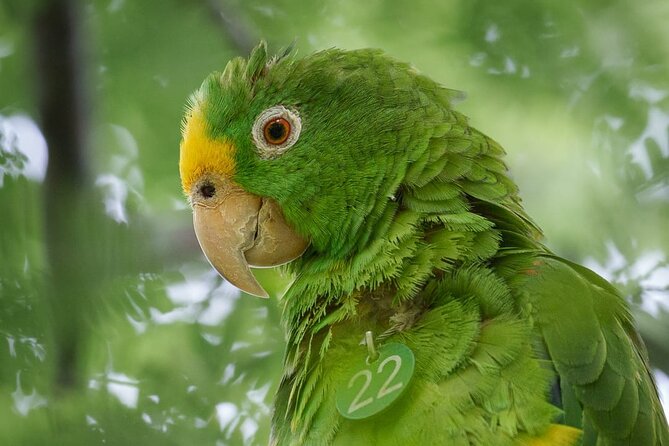
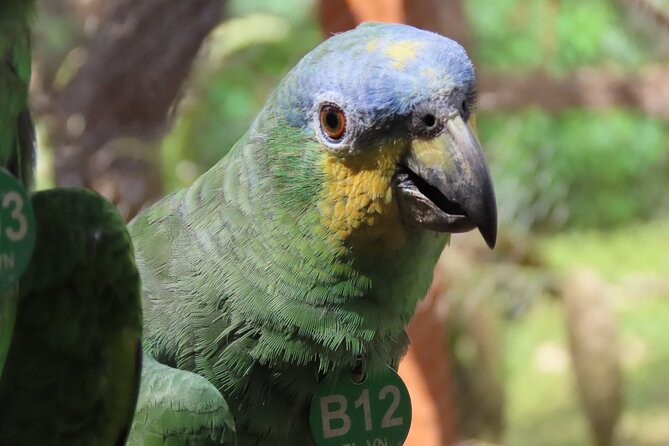
You may see three species of macaws and numerous parrot species. Some birds are in aviaries as they regain strength and adjust to natural conditions. Other birds may be closer to release areas, where they can become familiar with wild birds and the surrounding habitat.
That pre-release stage is one of the most interesting parts of the program. Birds are placed closer to the mountains before release so they can encounter wild members of their own kind. The goal is to give them a better chance of joining a natural community instead of being released into complete isolation.
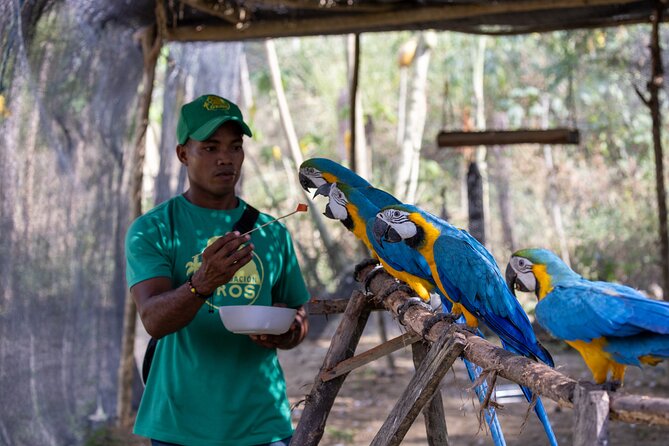
You will not feed the birds directly or touch them. Staff supervise all activities, and that boundary is important. Direct contact can make wild animals dependent on people, alter their behavior, or complicate a future release. You still take part by preparing food, which gives you a useful view of the work without turning the animals into a photo prop.
Preparing food for rescued birds
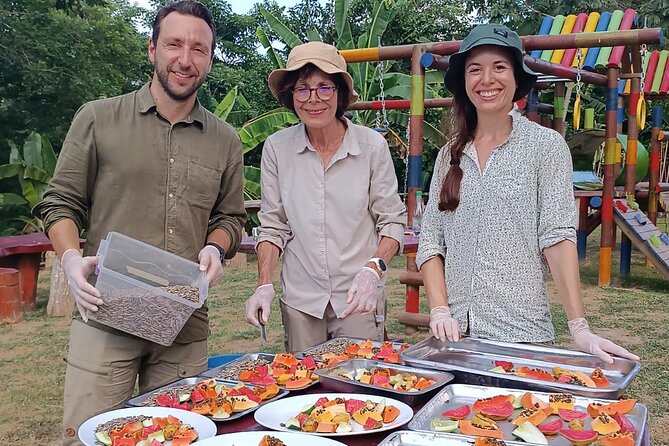
Food preparation is simple but meaningful. You will help organize food for parrots and macaws under staff direction. The task shows that rehabilitation depends on steady, ordinary work, not only dramatic rescues or release-day photographs.
The food program also connects to local farming. Fundación Loros has built an alliance with farmers and uses feeding practices that help birds adjust to life outside the sanctuary. One clever goal is to avoid training released parrots to depend on the crops that farmers grow. That can reduce the chance of birds damaging local fields after release.
I find this part especially valuable because it explains conservation as a shared local effort. Protecting parrots is not only about caring for birds inside the reserve. It also means working with the people who live beside their habitat.
Walking the dry forest and watching wild birds
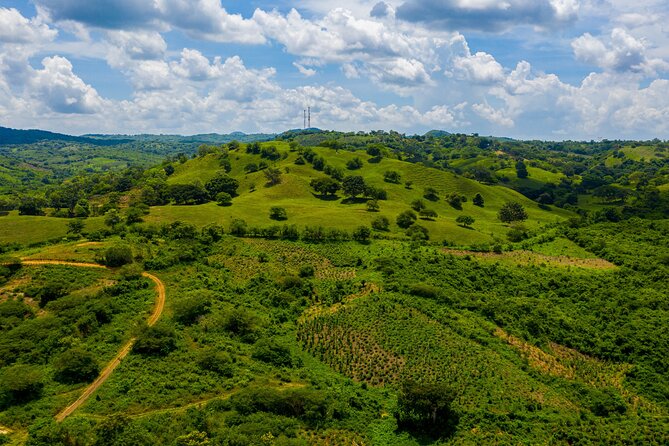
The sanctuary covers about 1,300 acres, so the setting is part of the lesson. You will explore trails through dry forest, looking at the plants and habitat that support parrots, macaws, and other wildlife.
The terrain also gives the visit a proper outdoor feel. This is not an indoor collection of cages followed by a quick gift-shop stop. You should be ready for walking in warm conditions and for spending time outside. Wear practical clothing and shoes suited to trails, though the available information does not specify a required dress code.
Birdwatchers have another reason to pay attention. The property contains other birdlife beyond the rescued parrots and macaws, including water birds around a small pond. Bring your patience rather than expecting constant action. Wildlife viewing depends on what is active during your visit.
The dry forest also helps explain why tree planting matters. A native tree is not merely a symbolic souvenir from the day. It can provide future food and shelter for released parrots while helping restore habitat over time.
More things to do in Santa Marta:
- Tour 5 islands of the rosary with drinks included
★ 4.5 · 54 reviews - Walking tour of the magical city of Cartagena.
★ 5.0 · 46 reviews - Private Half Day Cultural Tour of Historic Mompox
★ 4.5 · 10 reviews - Playa Blanca Barú Tour with Lunch and hotel pick up
★ 3.0 · 8 reviews
Harvesting cassava and papaya with local farmers
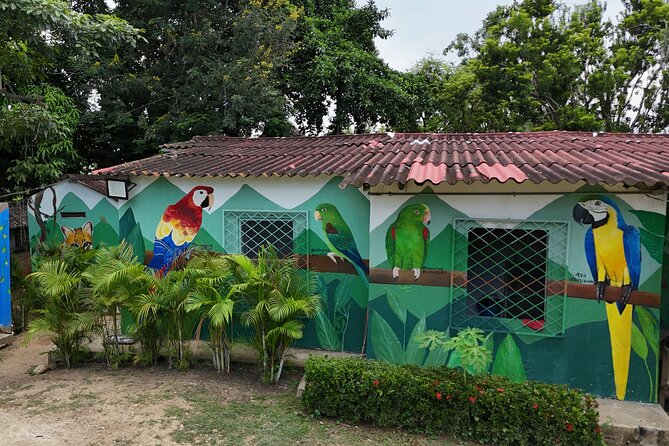
The farming portion adds a distinctly local element. You will harvest cassava and papaya with area farmers, learning about rural traditions and sustainable practices along the way.
Cassava and papaya are familiar food crops in the region, but the value here is seeing how cultivation fits into daily life. You are not just passing through the countryside in a vehicle. You are taking part in a small piece of agricultural work and hearing how farming communities relate to the reserve.
This section may appeal most to people who want more than animal viewing. It also gives families and curious adults a practical way to understand the link between habitat protection and livelihoods. The birds need food and forest, while farmers need healthy crops and protection from crop damage. Fundación Loros works within that tension rather than pretending it does not exist.
The timing of the harvest is not specified, so do not assume you will collect a particular quantity or take produce home. Think of it as a guided introduction to rural work, not a farm tour built around shopping.
Planting a native tree near release habitat
Before the visit ends, you will plant a native tree. This is one of the clearest ways to leave a useful mark on the reserve.
Native trees can supply future food and shelter for parrots, especially in areas connected to release sites. Forest regeneration is slow, so one planting will not transform the reserve overnight. Still, it makes the conservation message concrete. You can see how small actions fit into a much longer effort to rebuild habitat.
The planting also ties together the rest of the visit. You have seen birds preparing for release, learned how food choices affect their behavior, walked through dry forest, and worked alongside local farmers. The tree provides a simple final reminder that successful release depends on habitat, not just the survival of individual animals.
Reaching the mountain release point
The reserve includes a release point with panoramic views from higher ground near the mountains. Reaching it adds some physical effort, but it gives you a wider view of the place where birds may eventually live.
This is likely to be one of the most memorable visual moments of the day. From above, the work of rehabilitation makes more sense. The goal is not to keep parrots in attractive enclosures. It is to help them return to a functioning natural setting.
The exact walking time and trail difficulty are not provided, so you should not treat the mountain stop as a guaranteed easy stroll. The moderate fitness requirement is worth taking seriously. If you have mobility concerns, ask Fundación Loros about the route before booking.
You might also see other rehabilitated animals, including monkeys, though sightings are not guaranteed. The reserve supports more than parrots and macaws, but birds remain the central focus.
What the $132 price really covers
At $132 per person, this is not a bargain-priced sightseeing stop. The value comes from the private format, trained conservation staff, access to a large reserve, and the chance to take part in food preparation, farming, trail exploration, and tree planting during one short visit.
The price makes more sense if you value responsible wildlife programs and personal instruction. You are supporting a working rehabilitation center rather than paying only for a viewing platform. The experience also combines several activities that would be difficult to arrange independently.
Still, budget carefully. Hotel transportation is not included, and lunch is not included either. Snacks are provided, but you should plan your meal around the outing. Ask about transport costs when arranging a private car, or check the Uber fare before setting off.
Because the activity is private, the per-person cost may feel easier to justify for a small group than for a solo visitor. It is also commonly booked about 10 days ahead, so do not leave it until the last minute if your Cartagena dates are fixed.
Rules that protect the animals
The no-touch, no-direct-feeding rule is not a minor footnote. It is central to the purpose of the sanctuary.
Rehabilitation centers need animals to retain natural behavior. Too much contact with people can make release harder, and direct feeding can create dependence. Staff prepare and manage the animal food, while you contribute in a controlled way.
You should also approach the day with the right expectations. You may see birds clearly, but you are not guaranteed a close encounter with every species. You may see monkeys, or you may not. Wildlife remains unpredictable, and a responsible center will put animal welfare ahead of visitor access.
That approach is a strength, even if it means fewer dramatic photographs. You will get a more honest look at conservation work, including the patience and limits that come with it.
Who will enjoy this four-hour visit most
I would recommend this activity to you if you care about birds, conservation, rural life, or responsible tourism. It suits visitors who enjoy learning while doing a small amount of practical work rather than simply observing from a bus.
It is also a good choice for birders. The macaws and parrots are the headline species, but the property’s wider birdlife and pond make the visit more rewarding for anyone willing to watch quietly.
Families can find plenty to discuss here, especially around animal care, farming, and forest restoration. The private format may help children ask questions without feeling lost in a large group, though the moderate fitness requirement and outdoor setting may not suit every child.
You should think twice if you want guaranteed animal contact, a luxury outing, or a fully inclusive day with hotel pickup and lunch. This is an active conservation visit, not a polished theme-park attraction.
Booking, timing, and practical planning
Confirmation is provided when you book. The activity lasts about four hours and ends back at the sanctuary meeting point.
Wear footwear suitable for walking and come prepared for an outdoor setting. The available details do not specify water, clothing, or equipment, so ask the provider what you should bring before departure. Since lunch is not included, arrange food plans in advance rather than relying on the provided snacks.
The cancellation policy is generous if your plans change. You can cancel at least 24 hours before the local start time for a full refund. Changes or cancellations made within 24 hours are not accepted for a refund.
Should you book Fundación Loros?
Book it if you want your time near Cartagena to support a real conservation effort and you like the idea of contributing through food preparation, farm work, and tree planting. The strongest parts are the access to three macaw species, the explanation of pre-release training, the mountain release point, and the partnership with local farmers.
Skip it if you need included transport, lunch, or direct animal contact. For the right visitor, the $132 price buys more than a few bird sightings. It gives you a focused look at how parrots move from rescue toward freedom, and how that work depends on farmers, habitat, and careful staff supervision.
FAQ
Where is the Parrot and Macaw Volunteering experience located?
It begins at Fundación Loros, Loros Wildlife Sanctuary, on Carretera Villanueva-Arenal, Kilometer 1, in Villanueva, Bolívar, on Colombia’s Caribbean Coast.
How long does the activity last?
The experience lasts approximately four hours and ends back at the same meeting point.
Is transportation from my Cartagena hotel included?
No. Hotel-to-sanctuary transportation is not included. Private transport can be arranged, or you can use Uber.
Is lunch included?
No. Lunch is not included, but snacks are provided.
Can I touch or feed the parrots and macaws?
No. Direct feeding and touching are not permitted. All animal-related activities are supervised by trained staff because the sanctuary is a rehabilitation center, not a zoo.
What animals might I see?
The sanctuary houses parrots and macaws, including three macaw species and numerous parrot species. You might also see rehabilitated monkeys, along with other wild birds near a small pond.
What activities are included?
You will help prepare food for rescued parrots and macaws, explore dry forest trails, harvest cassava and papaya with local farmers, and plant a native tree.
Is this a private tour?
Yes. Only your group participates in the activity.
Can I cancel for a full refund?
Yes, if you cancel at least 24 hours before the local start time. Cancellations or changes made less than 24 hours before the activity are not eligible for a refund.
Just added in Caribbean Coast
- 4 Rosario Islands Adventure with entrance to the oceanarium included★ 3.5 · 3 reviews
- Full Day At the best Vip Beach Club in Tierra Bomba★ 5.0 · 4 reviews
- Monkey Volunteer Work in Wildlife Reserve Near Cartagena★ 5.0 · 3 reviews
- The Native Expedition – Sierra Nevada (2 days Discovering Chorrerón waterfall)★ 5.0 · 7 reviews
- UTV Safari in a Wildlife-Filled Nature Reserve Near Cartagena★ 5.0 · 36 reviews
- Playa Blanca Barú Tour with Lunch and hotel pick up★ 3.0 · 8 reviews
- Surf Lessons For All Levels★ 5.0 · 1 review
- Tour Isla del Encanto Cartagena★ 3.5 · 4 reviews
Wildlife, compared.
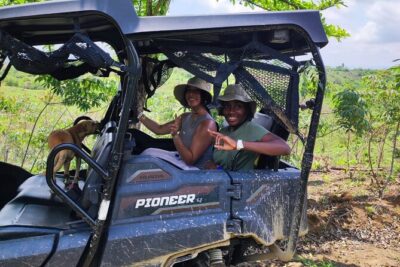
UTV Thrills & Horseback Ride at Wildlife Paradise Near Cartagena
Read our review →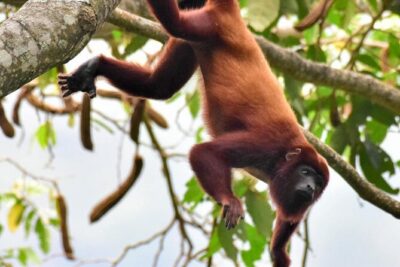
UTV Safari in a Wildlife-Filled Nature Reserve Near Cartagena
Read our review →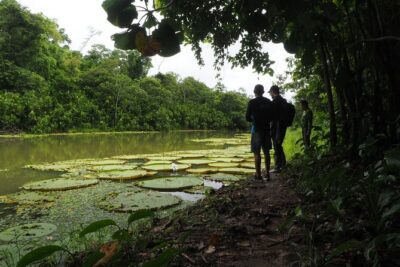
Amazon Conscious Adventure: 5-Day Trek, Kayak & Wildlife
Read our review →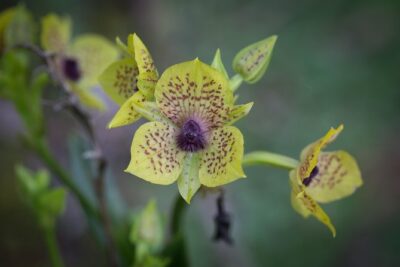
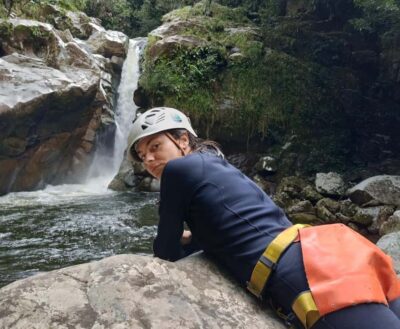
Guatapé Canyoning Adventure: Crystal Waters and Wildlife
Read our review →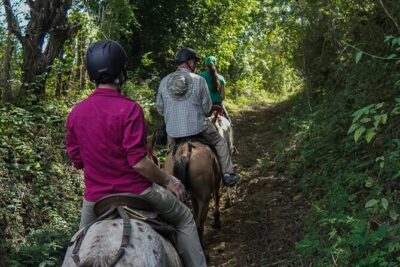
Horseback Ride Near Cartagena With Mountains, Wildlife and Forest
Read our review →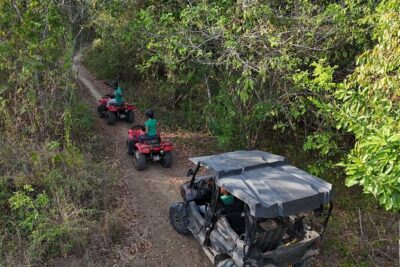
ATV Thrill Ride Near Cartagena Through Wildlife Trails and Nature
Read our review →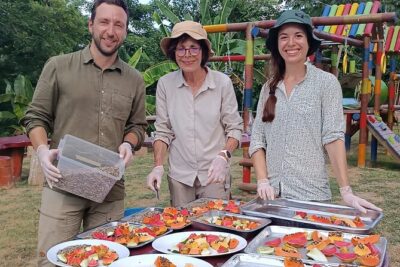
Monkey Volunteer Work in Wildlife Reserve Near Cartagena
Read our review →Browse the lists this tour appears in