
REVIEW · WILDLIFE
Monkey Volunteer Work in Wildlife Reserve Near Cartagena
Wildlife care beats another beach morning. This private four-hour experience at Fundación Loros gives you a close look at monkey and bird rehabilitation, plus useful work such as preparing food, planting a native tree, and helping with sustainable farming. I especially like the chance to learn about Red Howlers, Capuchins, and endangered Titi monkeys, and the warm, active role you can play rather than simply watching through a fence. The lakefront breakfast and trip through the tropical dry forest add welcome variety.
The main drawback is practical: the $149 price does not include transportation from Cartagena, and the sanctuary sits about an hour from downtown. You also need moderate physical fitness, an early start at 7:00 am, and enough self-control to remember that this is a rehabilitation center, not a petting zoo. You may prepare food for the animals, but you may not feed or touch them directly.
In This Review
- Key points to know before you book
- Why Fundación Loros makes a worthwhile morning from Cartagena
- A 7:00 am start beside the lake
- Meeting the monkeys without turning them into pets
- Food preparation and the rules that protect wildlife
- Riding a 4×4 through the tropical dry forest
- Meeting farmers and harvesting cassava and papaya
- Planting a native tree for the long term
- What the $149 price really covers
- Who will get the most from this experience
- Practical planning for the morning
- Should you book the Fundación Loros morning?
- FAQ
- Where does the experience begin?
- What time does the activity start?
- How long does the experience last?
- Is transportation from Cartagena included?
- What animals can I see?
- Can I feed or touch the animals?
- Is the activity private?
- What is the cancellation policy?
Key points to know before you book
- Morning conservation work: Prepare and deliver food for monkeys and birds, plant a native tree, and learn how rehabilitation leads toward release.
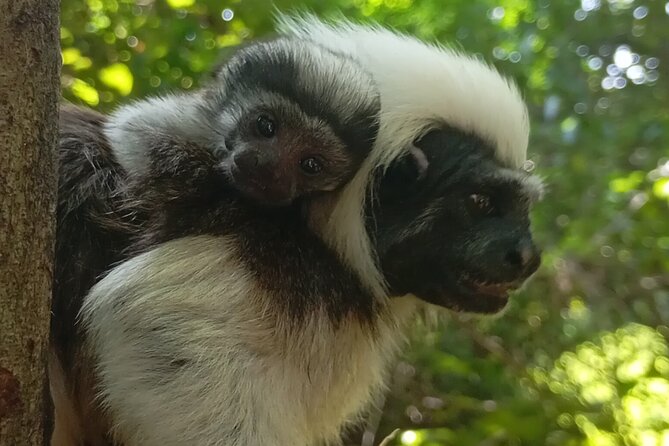
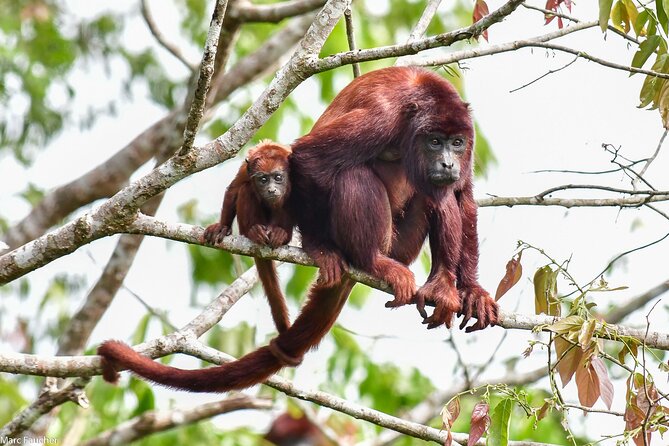
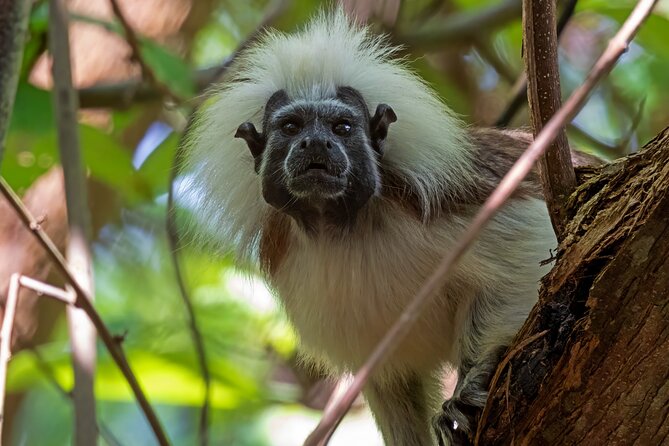
- Three monkey species: The sanctuary cares for Red Howlers, Capuchins, and the endangered Titi monkey.
- Breakfast beside a lake: Begin at Fundación Loros with a hearty breakfast and a conservation talk.
- 4×4 forest outing: Ride through the tropical dry forest to Cerro de los Loros and meet farmers involved in protecting the area.
- Private experience: Only your own group takes part, making it easier to ask questions and work at a comfortable pace.
- Plan the ride carefully: Transport is not included. Optional private transportation is available, or you can arrive independently by Uber or InDriver.
Why Fundación Loros makes a worthwhile morning from Cartagena
Cartagena offers plenty of old streets, Caribbean views, and lazy afternoons. Fundación Loros gives you a different way to understand the region, by looking at the animals and people working to protect its dry forest.
The focus here is not a standard animal encounter. You are visiting a rehabilitation center that supports monkey reintroduction and bird care. That difference matters. The goal is not to make wildlife perform for you or act tame. The goal is to help animals recover and, when possible, return to suitable natural surroundings.
I like that the experience explains both the successes and the hard parts of conservation. A guide talk at the start sets the tone before you begin the practical activities. You get context for why food preparation, habitat protection, and careful human behavior all matter.
The visit also connects wildlife protection with local livelihoods. Instead of treating the forest as a place separate from daily life, the experience introduces you to local farmers and shows how sustainable traditions can support the ecosystem. That broader view makes the morning more useful than a simple animal visit.
The private format is another plus. Your group participates on its own, so you can ask questions without trying to compete with a large crowd. The advertised rating is five stars from three published reviews, with the strongest praise focused on the friendly staff, clear lessons about rehabilitation, and the chance to take part in feeding work under proper rules.
More national park trips in Caribbean Coast:
- UTV Thrills & Horseback Ride at Wildlife Paradise Near Cartagena
★ 5.0 · 44 reviews - UTV Safari in a Wildlife-Filled Nature Reserve Near Cartagena
★ 5.0 · 36 reviews - Parrot & Macaw Volunteering in a Wildlife Reserve Near Cartagena
★ 5.0 · 12 reviews
A 7:00 am start beside the lake
Your visit begins at Fundación Loros Wildlife Sanctuary, at Carretera Villanueva-Arenal, Kilómetro 1, in Villanueva, Bolívar. The stated start time is 7:00 am, so you should treat this as a proper morning outing rather than a late breakfast activity.
The day opens with a hearty breakfast by the lake at Fundación Loros. This gives you a calm start before the forest work begins, and it is a sensible time for the conservation talk that follows. You can settle in, eat, and hear from the guides about the sanctuary’s work with monkeys and birds.
The talk covers the triumphs and challenges of wildlife conservation. That wording is important. You should not expect a simple feel-good story where every animal is quickly released. Rehabilitation can be slow, and reintroduction requires care. The experience promises an honest look at that process.
The available information does not name the guides, so you should not book expecting a particular person. It does indicate that the staff are friendly and informed, with the ability to explain animal rehabilitation and reintroduction in a way that connects to the activities later in the morning.
Meeting the monkeys without turning them into pets
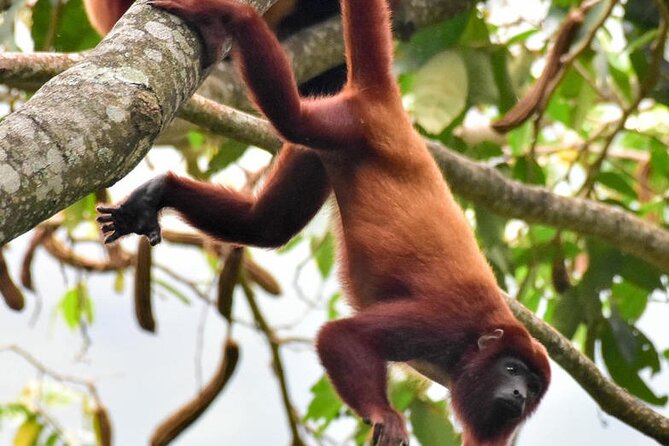
Fundación Loros is home to Red Howlers, Capuchins, and the endangered Titi monkey, along with colorful parrots and macaws. That mix gives the visit a wider focus than the title suggests. You are not seeing only monkeys, but a group of animals connected to the same conservation work.
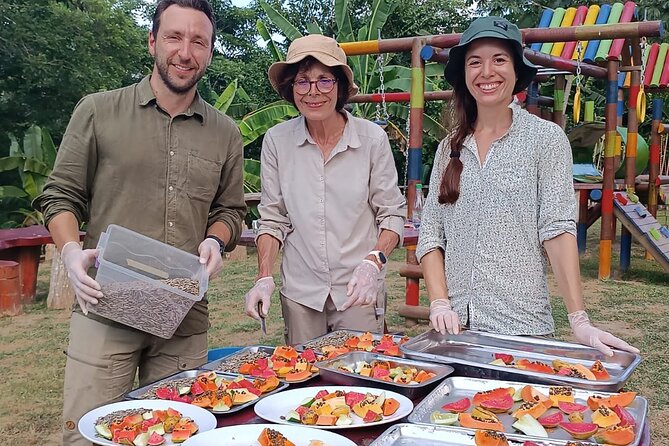
The most important rule is simple: you are not allowed to feed or touch the animals directly. At first, that may sound at odds with a hands-on volunteer experience. In practice, it tells you what kind of participation to expect. You help prepare and deliver food to the animals in their enclosures, while staff control the interaction and protect the animals’ routines.
This is exactly the right approach for a rehabilitation center. Animals being prepared for recovery should not learn to depend on human attention or treats from visitors. The less you treat them like tame pets, the better your visit supports their welfare.
You should also keep your expectations realistic. The experience does not promise that a monkey will sit on your shoulder, accept a cuddle, or perform for a photograph. That is a good thing. You are there to support care, watch natural behavior from an appropriate distance, and learn why boundaries matter.
The strongest part of the morning is likely the combination of explanation and action. You hear about rehabilitation, then prepare food and help deliver it. That connection lets you see how everyday tasks fit into a much larger conservation plan.
Food preparation and the rules that protect wildlife
Food work is one of the clearest ways for you to take part. You will help prepare and deliver food for monkeys and birds, following the sanctuary’s instructions. The exact food or preparation method is not specified, so you should listen closely rather than assume you know what is safe.
Do not bring snacks to offer the animals, and do not try to touch them. Even well-meant contact can create stress, spread illness, or encourage behavior that makes later release harder. The sanctuary’s rule protects both the animals and the quality of the rehabilitation process.
A published account of the experience praised the chance to participate in caring for birds and monkeys inside their enclosures, but the official instruction remains clear: you prepare and deliver food, you do not freely feed or handle the animals. That distinction should guide your expectations.
This is also where the private format helps. With only your group taking part, you can ask why certain food is used, how the animals are monitored, and what happens after rehabilitation. The available information does not promise a full veterinary briefing or a guaranteed release sighting, so keep your questions focused on the work actually offered.
More things to do in Santa Marta:
- Tour 5 islands of the rosary with drinks included
★ 4.5 · 54 reviews - Walking tour of the magical city of Cartagena.
★ 5.0 · 46 reviews - Private Half Day Cultural Tour of Historic Mompox
★ 4.5 · 10 reviews - Horseback Ride Near Cartagena With Mountains, Wildlife and Forest
★ 5.0 · 9 reviews
Riding a 4×4 through the tropical dry forest
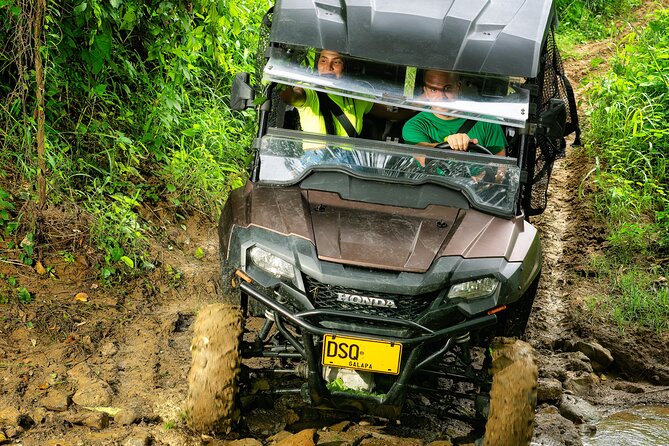
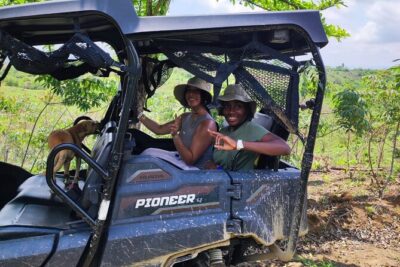
The forest portion uses a rugged 4×4 vehicle. That is more than a change of scenery. It lets the experience reach places around Cerro de los Loros and gives you a look at the wider setting that supports the sanctuary’s work.
You will travel through tropical dry forest rather than staying beside the animal enclosures all morning. The ride adds a sense of place and helps explain why habitat matters. Animals cannot be protected only inside a center. Reintroduction depends on suitable forest and on the people living near it.
The name Cerro de los Loros suggests one of the outing’s visual highlights, but the provided details do not promise a formal hike, a summit walk, or a particular viewpoint. You should think of this as a 4×4 forest exploration, not a strenuous trekking tour.
Moderate physical fitness is recommended. That may relate to moving around the reserve, taking part in planting and farm work, or getting in and out of the vehicle. The exact level of exertion is not described, so wear practical clothing and shoes suited to an outdoor morning.
Because the experience lasts about four hours and begins early, the 4×4 trip helps keep the itinerary varied. You move from breakfast and discussion to practical work, then out into the forest. It is a good rhythm for anyone who would rather learn by doing than sit through a long lecture.
Meeting farmers and harvesting cassava and papaya
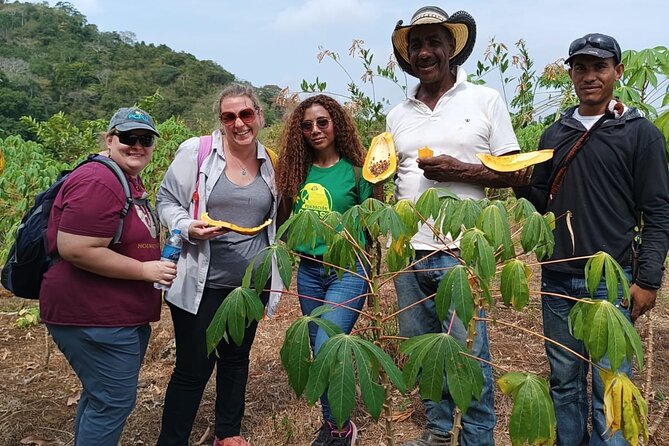
One of the more unusual features is the visit with local farmers. You learn about their role in preserving the ecosystem, then help harvest cassava and papaya while hearing about sustainable farming traditions.
This section gives the conservation story a human side. Forest protection is not only about setting aside land. It also involves how people grow food, use natural resources, and live near wildlife habitat. Meeting farmers can help you understand those links without reducing the local community to background scenery.
Cassava and papaya also make the activity feel grounded in daily life. You are not being shown an abstract environmental project. You are taking part in work tied to food and farming, then connecting it to the health of the forest.
The information does not say how much harvesting you will do or whether you take any produce with you. Expect a short participatory activity, not a full farm labor session. The point is to learn about sustainable traditions and their connection to conservation.
I consider this a strong part of the experience for families, couples, and curious adults who want more than animal photographs. It also adds value to the price because the morning covers wildlife care, farming, local community life, and forest protection rather than one narrow activity.
Planting a native tree for the long term
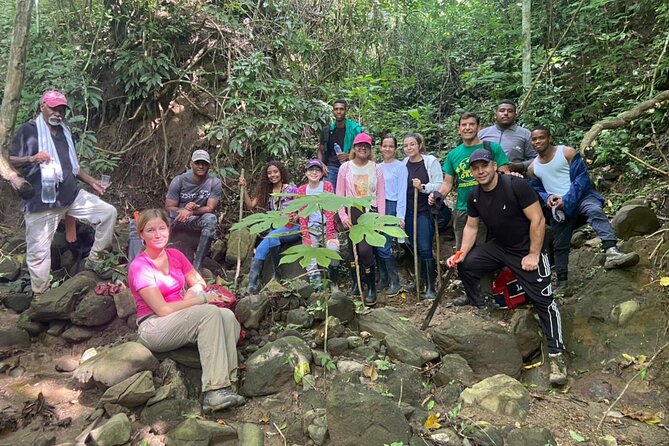
You will also plant a native tree. It is a small task, but it gives the conservation message a physical form. Instead of only hearing that habitat matters, you take part in adding a plant suited to the local forest.
You should not expect one tree to transform the reserve. The value is symbolic and practical at the same time. Native planting supports the idea that reintroduction depends on healthy habitat, not just on moving animals from an enclosure into the open.
The experience description does not identify the tree species or explain whether you can return to see its growth. Do not book this expecting a personalized tree-monitoring program. Treat it as a short conservation activity that reinforces the wider lesson.
This is also a good moment to remember that successful wildlife protection takes time. Food preparation helps an animal today. Tree planting may support habitat over years. The morning gives you both kinds of work, immediate care and longer-term protection.
What the $149 price really covers
At $149 per person, this is not a cheap add-on to a Cartagena holiday. You also need to account for transportation, since the price excludes the ride to the sanctuary. The journey from downtown Cartagena takes about one hour, and optional private transportation is available for an additional cost. You can also arrange your own arrival using Uber or InDriver.
That extra planning is the biggest value concern. If you are comparing this with a simple city tour, the cost will look high. If you value private access, conservation education, breakfast, forest travel, farm activities, and supervised wildlife care, the price becomes easier to understand.
The private format matters here. You are not paying only for admission to a sanctuary. You are paying for a planned morning with your own group, guides, practical activities, and transport within the reserve by 4×4. The package still requires you to solve the Cartagena-to-sanctuary connection, so calculate the full cost before booking.
The four-hour duration is also worth reading carefully. It refers to the activity itself, while the journey from downtown Cartagena takes roughly one hour each way. In real terms, you should reserve much of the morning and part of the travel day. The early start may make the schedule worthwhile, since outdoor conditions are often more comfortable early, but no temperature or weather guarantee is provided.
The experience is booked an average of 18 days ahead. I would not leave it until the last minute if your Cartagena schedule is tight. Confirmation arrives at booking, and free cancellation is available until 24 hours before the start time. Inside that window, cancellations and changes are not accepted and the payment is not refunded.
Who will get the most from this experience
I would choose this for you if you care about animal welfare and want an active conservation visit rather than a standard sightseeing stop. It suits people who enjoy asking questions, following rules, working outdoors, and accepting that responsible wildlife encounters can feel less dramatic than close contact.
It is also a good match for anyone who wants to see another side of the Caribbean Coast of Colombia. The morning links Cartagena with Villanueva, tropical dry forest, Cerro de los Loros, local farmers, and a sanctuary working with species that need protection.
Families may appreciate the range of activities, though the moderate fitness requirement and 7:00 am start should be considered. Couples and small private groups will benefit from the quieter format. English-speaking visitors can take part in English.
I would hesitate if your main goal is touching animals, holding parrots, or getting guaranteed close-up photographs. The no-touch rule is central, not a minor condition. I would also hesitate if you dislike early departures, outdoor work, or arranging your own transportation.
Practical planning for the morning
Wear clothing that lets you move comfortably and shoes suitable for the forest, farm work, and tree planting. The supplied information does not list a dress code or gear list, so keep your packing simple and practical.
Plan your route before the morning of the visit. The sanctuary is at Carretera Villanueva-Arenal, Kilómetro 1, Villanueva, Bolívar. Pickup is mentioned as an option, but transportation is not included in the experience price. Confirm the optional private transfer cost, or arrange Uber or InDriver independently.
Leave room in your schedule for the one-hour journey from downtown Cartagena. The activity ends back at the Fundación Loros meeting point, so return transportation is part of your planning too.
The tour is private, and confirmation is received at the time of booking. It is also near public transportation, though the information provided does not specify the exact public route. If you rely on public transport, verify the final connection before committing to the 7:00 am start.
Should you book the Fundación Loros morning?
Book it if you want a purposeful half-day with real conservation tasks, clear animal welfare rules, and a look at how wildlife protection connects with farming and forest care. The best reasons are the variety of the program and the chance to support rehabilitation without treating animals like entertainers.
The strongest praise centers on the friendly staff, useful explanations, and active participation in caring for monkeys and birds. I also like that the itinerary reaches beyond the enclosures, with a 4×4 ride, Cerro de los Loros, local farmers, cassava and papaya harvesting, and native tree planting.
Skip it if you want an inexpensive Cartagena excursion, an afternoon start, or direct contact with animals. At $149, plus transportation, it asks you to value conservation work rather than measure the day by the number of animals you can touch.
For the right person, this is a meaningful choice. You leave with a clearer idea of what responsible rehabilitation looks like, and your morning supports a project working toward a future where rescued wildlife can return to the forest.
FAQ
Where does the experience begin?
It begins at Fundación Loros Wildlife Sanctuary, located at Carretera Villanueva-Arenal, Kilómetro 1, Villanueva, Bolívar, Colombia.
What time does the activity start?
The start time is 7:00 am.
How long does the experience last?
The activity lasts approximately four hours. The journey from downtown Cartagena to the sanctuary takes about one hour, so you should allow additional time for transportation.
Is transportation from Cartagena included?
No. Transportation to Loros Wildlife Sanctuary is not included in the $149 experience price. Optional private transportation is available, or you may arrive independently using Uber or InDriver.
What animals can I see?
The sanctuary is home to Red Howlers, Capuchins, endangered Titi monkeys, parrots, and macaws.
Can I feed or touch the animals?
You may help prepare and deliver food, but you are not permitted to feed or touch the animals directly. The center is a rehabilitation facility, not a zoo.
Is the activity private?
Yes. Only your group participates in the private tour or activity.
What is the cancellation policy?
You can cancel up to 24 hours before the experience start time for a full refund. Cancellations or changes made less than 24 hours before the start are not accepted and are not refunded.
Just added in Caribbean Coast
- 4 Rosario Islands Adventure with entrance to the oceanarium included★ 3.5 · 3 reviews
- Full Day At the best Vip Beach Club in Tierra Bomba★ 5.0 · 4 reviews
- The Native Expedition – Sierra Nevada (2 days Discovering Chorrerón waterfall)★ 5.0 · 7 reviews
- UTV Safari in a Wildlife-Filled Nature Reserve Near Cartagena★ 5.0 · 36 reviews
- Playa Blanca Barú Tour with Lunch and hotel pick up★ 3.0 · 8 reviews
- Surf Lessons For All Levels★ 5.0 · 1 review
- Tour 5 islands of the rosary with drinks included★ 4.5 · 54 reviews
- Tour Isla del Encanto Cartagena★ 3.5 · 4 reviews
Wildlife, compared.
UTV Thrills & Horseback Ride at Wildlife Paradise Near Cartagena
Read our review →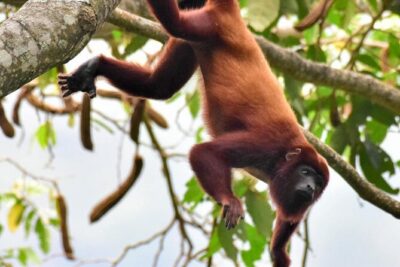
UTV Safari in a Wildlife-Filled Nature Reserve Near Cartagena
Read our review →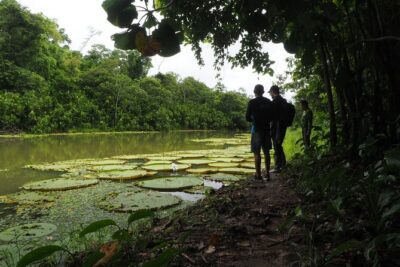
Amazon Conscious Adventure: 5-Day Trek, Kayak & Wildlife
Read our review →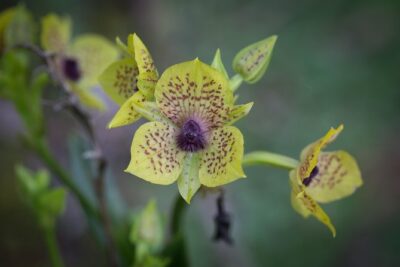
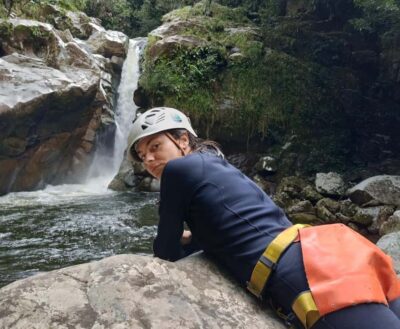
Guatapé Canyoning Adventure: Crystal Waters and Wildlife
Read our review →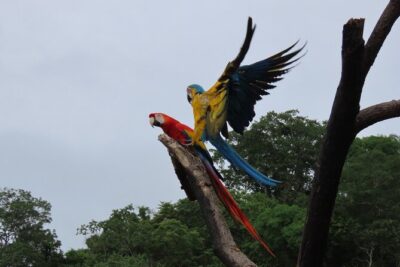
Parrot & Macaw Volunteering in a Wildlife Reserve Near Cartagena
Read our review →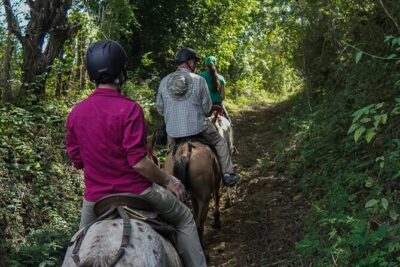
Horseback Ride Near Cartagena With Mountains, Wildlife and Forest
Read our review →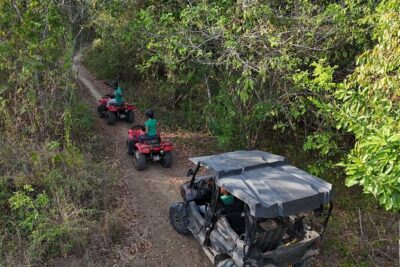
ATV Thrill Ride Near Cartagena Through Wildlife Trails and Nature
Read our review →Browse the lists this tour appears in