
REVIEW · GRAFFITI AND STREET ART TOURS
Graffiti Tour: a fascinating walk through a street art City
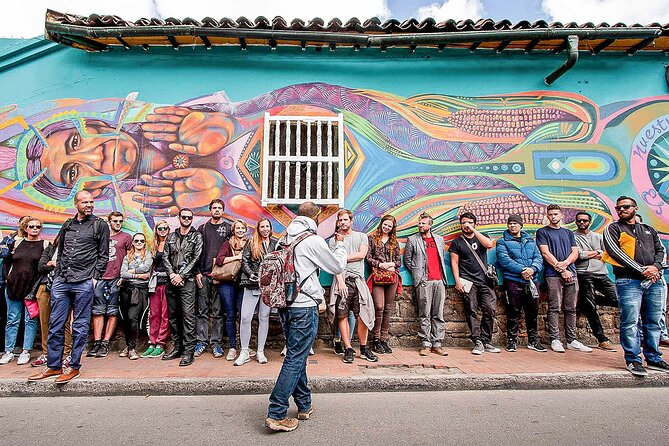
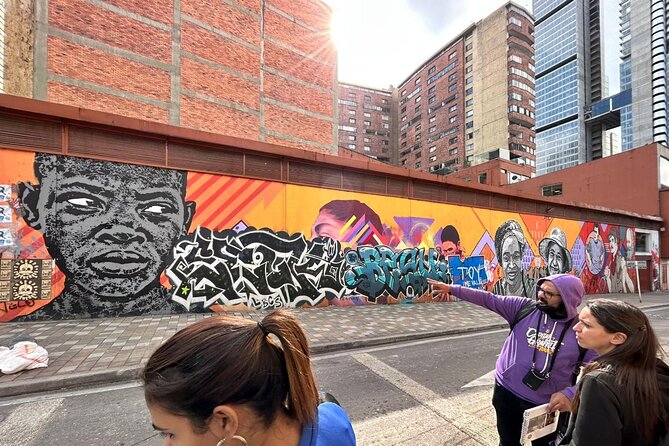
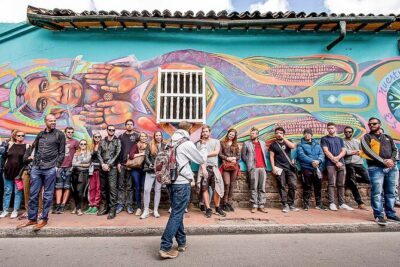
Street art tells Bogotá’s story. This 150-minute walk brings you into the city’s open-air gallery, where murals, graffiti, and political posters speak about Colombia’s past, present peace process, and hopes for the future. I especially like the focus on local artists and the way the tour connects art to real social questions. I also like that your $15 helps support the guides’ work and future mural projects.
The main consideration is that this is not simply a colorful photo walk. Some subjects are serious, including political conflict, social inequality, and false positives. If you want only pretty walls and quick snapshots, the discussion may feel heavier than expected. If you want art with a clear connection to Bogotá’s people and public life, this tour offers far more substance.
In This Review
- Key Points Before You Book
- Why Bogotá Works So Well as a Street Art City
- Starting Beside the Gold Museum
- Reading Bogotá Through Murals and Graffiti
- The Country’s Tallest Illegal Graffiti
- Political Posters and Current Social Issues
- Community Resilience and the Meaning of False Positives
- Guides Who Work as Artists
- A Tour Built Around Social Impact
- Timing, Comfort, and Accessibility
- Who Should Book This Bogotá Walk?
- Should You Book Capital Graffiti Tours?
- FAQ
- Where does the graffiti tour meet?
- How long does the tour last?
- How much does the shared tour cost?
- What languages are available?
- Is the tour wheelchair accessible?
- Can I cancel the booking?
Key Points Before You Book
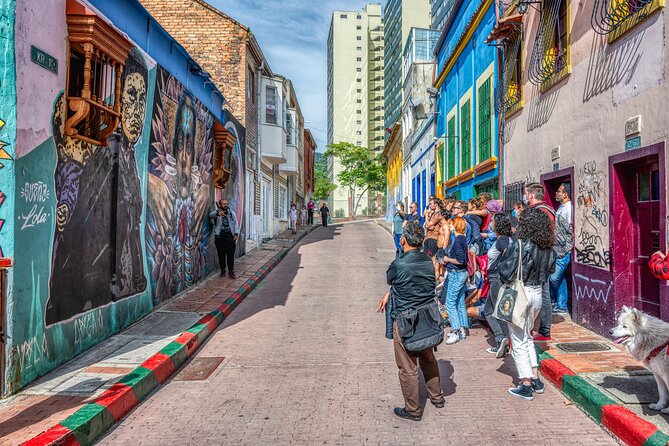
- See Colombia’s tallest illegal graffiti: One major highlight is a piece described as the tallest illegal graffiti in the country, a striking example of how far street art can reach beyond a gallery wall.
- Read the city’s political posters: The route includes posters and public art addressing current social issues, so you get more than a lesson in colors and spray-paint technique.
- Learn from artist-guides: Guides who work as artists explain techniques, influences, and the political, cultural, historical, and geographical setting behind the work.
- Support ongoing mural projects: The company works with artists and community leaders, putting money back into the creation and management of new murals.
- Choose the right group style: You can book a shared walk, a private tour, or a small group. Shared departures offer a low-cost introduction, while private arrangements allow more room for questions.
- Meet by the Gold Museum: Find the guide near Carrera 6 # 15-88. Look for the purple hoodie, cap, or umbrella.
Why Bogotá Works So Well as a Street Art City
Bogotá is a city where public art is not tucked away behind museum doors. It appears on walls, signs, building fronts, and temporary poster boards. That makes a guided walk especially useful. You are not just looking at a large image. You are learning why it was placed there, what it says, and how it fits into the city around it.
I like the way this tour treats graffiti as a form of communication rather than decoration alone. The guides introduce different artists and techniques, then connect those choices to wider questions. A color, symbol, figure, or slogan can carry political meaning that is easy to miss if you are walking alone with a camera.
The tour also gives you a way to think about Bogotá’s past and future at the same time. Colombia’s peace process, current social concerns, and the community’s hopes for change all appear in the public art. That combination makes the experience more thoughtful than a standard sightseeing route.
You should expect a walk that asks you to pay attention. The city itself is part of the lesson, and the art changes as you move through different streets.
More Graffiti and Street Art Tours in Bogota
- Graffiti Tour: a fascinating walk through a street art City
★ 5.0 · 1,074 reviews - Graffiti Tour in La Candelaria Bogotá
★ 5.0 · 315 reviews - Bogotá: La Candelaria Graffiti & Urban Art Guided Tour
★ 4.7 · 250 reviews
Starting Beside the Gold Museum
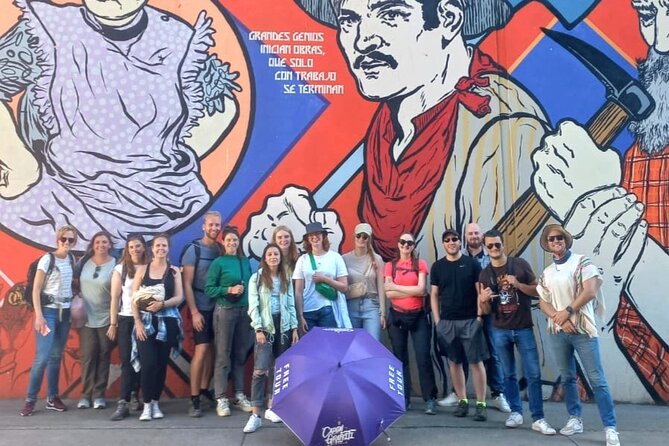
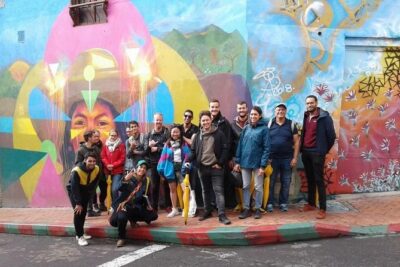
The meeting point is next to the Gold Museum at Carrera 6 # 15-88. This is a practical location in central Bogotá, and it gives you a clear landmark for the beginning of the walk. Look for the guide wearing a purple hoodie or cap, or carrying a purple umbrella.
That identifying detail matters in a busy central area. Arrive with enough time to find the meeting point without rushing. Since the tour lasts 150 minutes, you should also consider comfort before setting off. Wear shoes suitable for an extended city walk and keep your belongings simple.
The provider specifically says not to bring valuables. Take that advice seriously. A street art walk is more enjoyable when you are watching the walls and listening to the guide instead of worrying about expensive items. Carry only what you need for the tour.
The Gold Museum meeting point also gives you a useful chance to combine activities. You could visit the museum before or after the walk, but do not try to squeeze both into the same short window. The street art tour needs its full two and a half hours if you want time for explanations and questions.
Reading Bogotá Through Murals and Graffiti
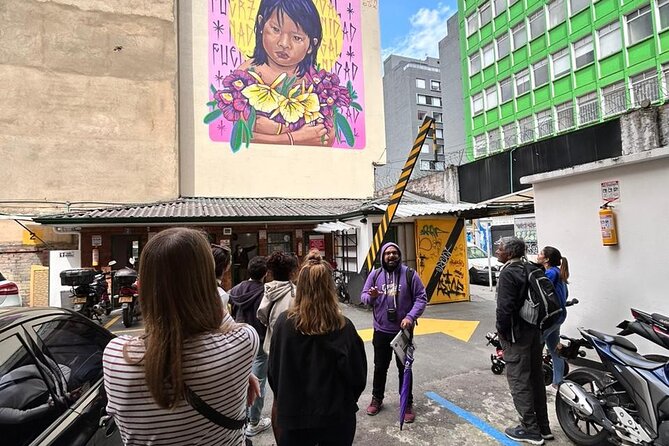
The first part of the experience introduces you to the city’s street art scene and the range of methods artists use. Your guide explains how artists work, where their ideas come from, and how different styles communicate different messages.
You may see large murals designed to dominate a wall, smaller pieces intended for close viewing, and political posters that work more like public statements. Each format changes the way you read the art. A huge mural can transform a building, while a poster may deliver a sharper and more immediate message.
I like that the guides bring attention to technique. Spray paint, lettering, stencils, pasted paper, and painted figures are not interchangeable. Their methods affect how quickly a piece can be made, how long it may last, and how visible its message becomes.
The best way to approach this section is to look first, then listen. Take in the shapes and colors before the explanation gives you more context. You may notice that the meaning changes once you understand the artist’s purpose or the local issue being addressed.
Do not expect every stop to be a polished work made for easy appreciation. Some pieces may be rough, urgent, or openly political. That is part of the point. Public art often reflects the pressure of the moment in a way that a formal exhibition does not.
The Country’s Tallest Illegal Graffiti
One of the tour’s most unusual claims is that you will see the tallest illegal graffiti in Colombia. This is a memorable feature because it raises questions about size, visibility, permission, and public space.
A work of this scale is not just an image on a wall. It changes how people see the building and the street around it. It also shows the ambition of artists who want their message to reach far beyond a small neighborhood audience.
The word illegal is important here. It points to the tension at the center of graffiti culture. Artists may create powerful work without official approval, while property owners and city authorities may view the same act as damage. A guide can help you understand that conflict without reducing it to a simple argument.
This stop should appeal to you if you enjoy the practical side of urban art. You are not only asking what the piece depicts. You are also thinking about how it was made, why it was placed there, and what its size says about the artist’s purpose.
The exact visual impact will depend on your position in the street and the conditions of the day. Still, it is one of the tour’s clearest signature moments, and it gives the route a strong sense of scale.
More Walking Tours in Bogota
- Bogotá: Guided La Candelaria Walking Tour
★ 4.8 · 1,229 reviews - Walking Tour in La Candelaria Bogotá
★ 5.0 · 859 reviews - Bogotá Tour: Monserrate, Food, City Walk & Botero Museum
★ 5.0 · 328 reviews - Bogotá: True Colombian Walking Tour + Local Snacks
★ 5.0 · 291 reviews
Political Posters and Current Social Issues
The political side of Bogotá’s street art is one of the most important reasons to choose this walk. The route includes an area with posters addressing current social issues. These works may be less permanent than a mural, but their temporary nature can make them feel immediate.
Posters are made to communicate quickly. You may see bold lettering, short statements, recognizable symbols, or images designed to catch the eye of someone passing by. They turn a wall into a public noticeboard where people can express disagreement, concern, or hope.
I appreciate that the tour does not separate art from the city’s difficult subjects. The guides provide political and historical context, including the country’s complicated past and its peace process. That context helps you understand why public walls have become such an important place for discussion.
This portion may not suit everyone. Some visitors want street art to remain light and decorative, and political content can feel demanding. I would not choose this tour expecting to avoid serious themes. I would choose it if you want to understand how artists respond to the society around them.
Keep an open mind, and allow the guide to explain rather than rushing to judge a poster from one glance. The value is often in the connection between the image, the issue, and the place where you see it.
Community Resilience and the Meaning of False Positives
The tour also focuses on community resilience in the face of false positives. This is a painful subject connected to Colombia’s conflict and social memory. The phrase refers to cases in which civilians were falsely presented as combatants killed in action.
The provided tour description does not give details about a single memorial or specific case, so you should not expect a narrowly focused museum-style presentation. Instead, the subject appears as part of the wider discussion about how public art can remember injustice and support a community’s demand for truth.
This is where the social purpose of the walk becomes clearest. Murals and posters can preserve stories, challenge official narratives, and make difficult subjects visible to people passing through the neighborhood. They can also help communities claim space and express resilience.
I find this aspect valuable because it explains why street art matters beyond its visual appeal. A wall can become a place of memory, protest, and public education. You may leave with less interest in simply photographing a mural and more interest in asking who made it, who it represents, and why it appears in that location.
The tone may be serious, so plan your expectations accordingly. This is a cultural experience with emotional weight, not just a colorful break between major sights.
Guides Who Work as Artists
The tour is led by English-speaking guides, with live tours also available in Spanish, Italian, French, and German. The company describes its guides as artists, which is useful because they can discuss both the finished image and the process behind it.
A guide with an artist’s perspective can point out details you might otherwise miss. You may learn how a piece uses layering, scale, line, lettering, or contrast. You may also hear about the sources of inspiration behind different artists’ work.
The guides also provide political, cultural, historical, and geographical context. That range is important. Street art can be misunderstood if you know only the visual style but not the place, local issue, or historical reference.
I would make a point of asking questions. Ask which techniques are hardest to use outdoors, how artists respond to one another, or how communities react to new murals. The tour is designed as a cultural and educational experience, so questions should add real value.
Language choice can shape the experience. English is available, as are four other languages, making this a flexible option for international visitors. If you need a language other than English, confirm the available starting time when you check the schedule.
A Tour Built Around Social Impact
Capital Graffiti Tours presents itself as more than a sightseeing company. It works with local artists and community leaders and reinvests in the financing and management of new murals.
That promise matters because public art needs support after the paint dries. New projects require planning, supplies, artist payments, coordination, and local cooperation. A tour that helps fund this work gives your payment a purpose beyond the two and a half hours you spend walking.
The shared option is priced at $15 per person. The company explains that this amount equals its suggested tip for the guides and covers their work, minus commission, so you do not need to pay extra at the end even if other people in the group choose to tip.
That makes the cost easy to understand. You are paying a modest amount for a live guide, access to several street art locations, and a contribution to the people doing the work. Compared with wandering alone, the value comes from interpretation and local connection rather than transportation or admission tickets.
A private or small-group booking may cost more, but the supplied information does not state a separate price. If personal attention matters to you, ask about the available option before booking. A smaller group can make it easier to discuss sensitive subjects and ask questions without holding up a large crowd.
Timing, Comfort, and Accessibility
The walk lasts 150 minutes, or two and a half hours. That is long enough to cover multiple locations without turning the experience into an all-day commitment.
Because this is a city walk, your comfort affects how much you take in. Wear practical shoes, bring only necessary items, and prepare to spend the full period on foot. The provider says the tour is wheelchair accessible, which is an important advantage, though you may still want to confirm the route details if you have specific mobility needs.
Starting times vary, so check availability before booking. The reserve-now-and-pay-later option lets you hold a place without paying immediately, which can help if your Bogotá schedule is still changing.
Free cancellation is available up to 24 hours in advance for a full refund. Keep that deadline in mind if your plans are uncertain.
Who Should Book This Bogotá Walk?
I would recommend this tour to you if you want street art explained in its political and social setting. It suits first-time visitors who want an introduction to Bogotá’s public art, as well as returning visitors who want to see how local artists address current issues.
It is also a good choice if you value cultural projects that support local creators and community work. The social-impact element gives the $15 price more meaning than a simple sightseeing fee.
You may want to choose another activity if your main goal is a relaxed photo stop with no serious discussion. The subjects include Colombia’s conflict, the peace process, social problems, and false positives. Those themes deserve attention and may make the walk feel more like a civic lesson than a casual outing.
The shared option should work well if you want the lowest stated price and do not mind walking with other people. A private or small group is better if you want a quieter pace or more time with the guide.
Should You Book Capital Graffiti Tours?
Book this tour if you want to understand why Bogotá’s street art matters, not just where to find it. The tallest illegal graffiti, political posters, artist-led explanations, and discussion of community resilience give the walk a strong sense of purpose.
At $15 for 150 minutes, the value is good, especially because the fee helps cover the guides’ work and supports new mural projects. You get several public art locations, multiple language options, and a route that connects visual style with Colombia’s recent past and hopes for the future.
I would skip it only if you want a purely decorative art outing or dislike political subjects. For everyone else, meet the guide by the Gold Museum, look for the purple clothing or umbrella, leave valuables behind, and give the walls your full attention.
FAQ
Where does the graffiti tour meet?
The meeting point is next to the Gold Museum at Carrera 6 # 15-88 in Bogotá. Look for a guide wearing a purple hoodie or cap, or carrying a purple umbrella.
How long does the tour last?
The tour lasts 150 minutes, which is two and a half hours.
How much does the shared tour cost?
The shared option costs $15 per person. This amount covers the suggested guide tip and the guide’s work, minus commission, so you do not need to pay anything extra at the end.
What languages are available?
Live guides are available in English, Spanish, Italian, French, and German.
Is the tour wheelchair accessible?
Yes. The activity is listed as wheelchair accessible.
Can I cancel the booking?
Yes. You can cancel up to 24 hours in advance for a full refund. You can also reserve now and pay later, keeping your plans flexible.
Just added in Bogota
- Tour of Zipaquirá: Visit the Salt Cathedral and the main squares★ 4.5 · 55 reviews
- Catedral de Sal desde Bogotá en Tren★ 5.0 · 5 reviews
- Zipaquirá and Salt Cathedral Muisca Heritage with Guide – Private★ 4.5 · 23 reviews
- Botanical Garden Bogotá Private Tour (4 Hrs.)★ 5.0 · 13 reviews
- Zipaquira Salt Cathedral★ 4.5 · 12 reviews
- LOCAL GUIDE Zipaquirá PRIVATE TOUR – Salt Cathedral and Salt Oven★ 5.0 · 24 reviews
- Zipaquirá Salt Cathedral: An architectural wonder.★ 4.5 · 24 reviews
- Private Zipaquira Salt Cathedral and Guatavita Lagoon Tour from Bogota★ 4.5 · 44 reviews
Graffiti and Street Art Tours, compared.
Comuna 13 Graffiti Tour, Cable Car & Street Food
Read our review →
Graffiti Tour: a fascinating walk through a street art City
Read our review →
Comuna 13 Tour with Snacks And Your Own Graffiti
Read our review →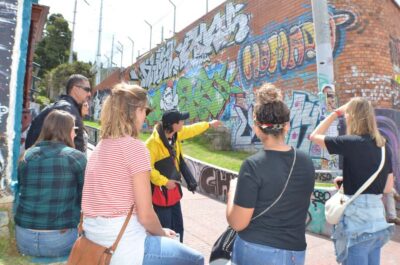
Comuna 13 and Graffiti Guided Tour with a Local
Read our review →Browse the lists this tour appears in