
REVIEW · CACAO AND CHOCOLATE WORKSHOPS
Colombian Chocolate Workshop Experience
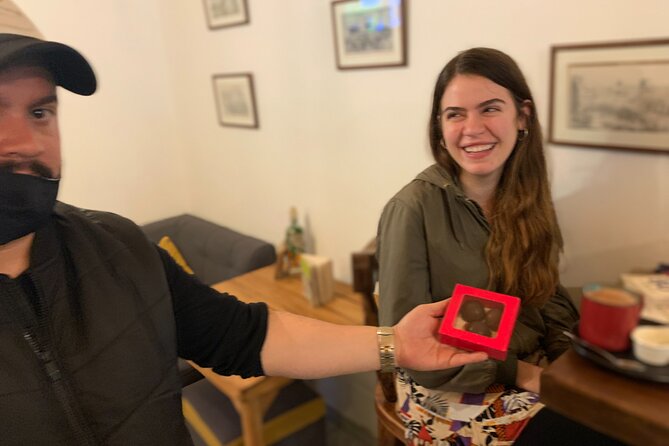
Chocolate tells Colombia’s story one bite at a time. This small-group workshop combines tastings from five Colombian regions with a clear look at cocoa production, tropical fruit pairings, and hands-on truffle making. I like the regional focus, which gives you more than a generic chocolate tasting, and I like the chance to make treats you can take home. The main drawback is the short running time: at about 90 minutes, the session moves quickly if you want a long lesson or a relaxed tasting.
The meeting point is easy to identify inside The Cranky Croc Hostel in La Candelaria. You simply go to reception and say you are there for the tour. Guides Juan Davide and Melissa have been praised for being warm, generous, and helpful with Bogotá tips, which adds a useful local touch to an already food-focused experience.
In This Review
- Key points to know before booking
- Why Colombian chocolate makes a good Bogotá activity
- Meeting at The Cranky Croc Hostel in La Candelaria
- Five regions, several cocoa percentages, and plenty to taste
- Learning how cocoa becomes chocolate
- Making your own chocolate truffles
- The guides are a large part of the value
- Is $44.50 a fair price?
- Who will enjoy this workshop most?
- Timing, cancellations, and other practical details
- Should you book the Colombian Chocolate Workshop?
- FAQ
- Where does the Colombian Chocolate Workshop begin?
- What should I do when I arrive at The Cranky Croc Hostel?
- Where does the workshop end?
- How long does the experience last?
- What time does the workshop run?
- How much does the experience cost?
- How many Colombian regions are represented in the tasting?
- Do I get to make chocolate?
- What is the maximum group size?
- Can I cancel for a full refund?
Key points to know before booking
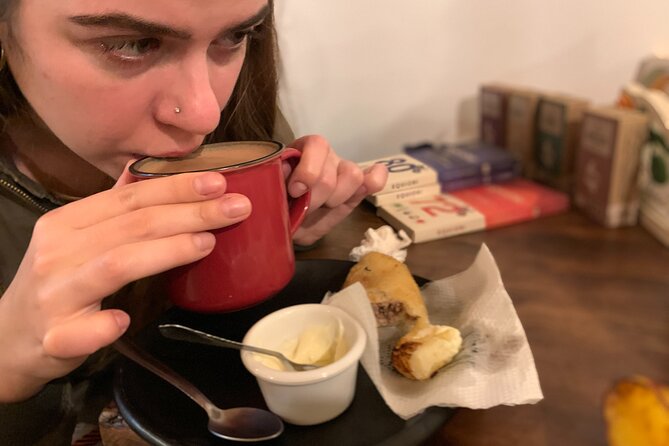
- Five Colombian cocoa regions: Taste how cocoa changes from one part of the country to another, with explanations of flavor and cocoa percentage.
- Truffle making at the end: You create your own chocolate truffles rather than only watching a demonstration.
- Juan Davide and Melissa lead the experience: Their friendly approach is a major part of the workshop’s appeal.
- Small maximum group of 10: The limited size should make questions and hands-on work easier.
- One hour and 30 minutes for $44.50: The price includes the tasting and workshop, so the value depends on how much you enjoy guided food education.
- Central La Candelaria meeting point: The activity begins and ends at The Cranky Croc Hostel, near public transportation.
Why Colombian chocolate makes a good Bogotá activity
Many Bogotá food activities focus on eating, but this one asks you to pay attention to where the flavor comes from. Colombia has cocoa-producing areas with different growing conditions and local traditions, and the workshop uses chocolate from five regions to show those differences in a practical way.
You will taste chocolates at different cocoa percentages, then compare their flavor and feel. That matters because a higher percentage does not automatically mean better chocolate. It usually means more cocoa and less sugar, but the quality and character of the beans still shape what you taste.
The workshop also includes Colombian tropical fruits and other snacks. These pairings help explain why chocolate can taste fruity, earthy, bitter, sweet, or creamy depending on what you eat alongside it. If your usual chocolate habit is simply choosing between milk and dark, this gives you a more useful way to think about cocoa.
I especially like the cultural side of the experience. The guides connect chocolate production with Colombia’s regions, history, and food traditions. You are not just sampling sweets at a table. You are getting a compact introduction to an important Colombian crop through something easy to enjoy.
A few more options to weigh up in Bogota
- Chocolate & Coffee Farm Experience
★ 4.5 · 21 reviews - Bogota Kickstart Tour: Candelaria + Cacao & Coffee Experience •4h
★ 5.0 · 19 reviews - VIP Bogota Food Tour: Farmers Market, Arepas, Cacao, Lunch, Beer
★ 5.0 · 16 reviews
Meeting at The Cranky Croc Hostel in La Candelaria
The tour starts at The Cranky Croc Hostel, at Cl. 12d #3-56 in Bogotá’s La Candelaria district. Once inside, go to the reception desk and say you are there for the tour. This is a simple meeting arrangement, but it is worth arriving with enough time to find the entrance and reception without rushing.
The activity is scheduled daily from 4:00 PM to 5:30 PM. An afternoon start works well if you have spent earlier hours exploring La Candelaria or nearby sights. It also gives you a food-centered plan at the end of the day, when a small chocolate tasting can feel like a pleasant change from museum visits and walking.
The itinerary lists about 10 minutes at the hostel, followed by roughly one hour at Di Amato, with the entire experience lasting approximately 90 minutes. The extra time likely allows for gathering the group, introductions, and moving into the workshop, but the precise breakdown is not given. I would treat the 90-minute figure as an estimate rather than a promise that every minute will be spent tasting.
The central meeting point is useful because the tour does not require a separate transfer to a distant cocoa farm or factory. You begin and finish at the same location, which keeps the plan straightforward. The activity is also near public transportation, according to the tour details, so you do not need to arrange a private vehicle simply to reach the start.
Five regions, several cocoa percentages, and plenty to taste
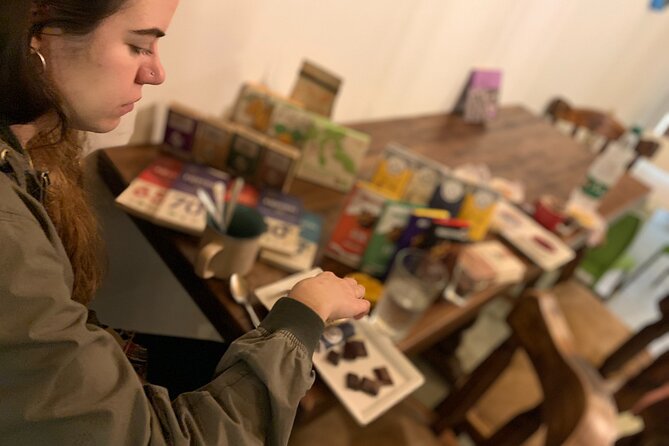
The heart of the experience is the tasting. You sample chocolate from five Colombian regions and compare products with different cocoa percentages. The guide explains the brands being presented, the production process, and the qualities associated with each area.
This format gives you a better chance to notice small changes in flavor. One sample may taste sweeter or softer, while another may have a stronger cocoa character. A fruit pairing can make one chocolate taste brighter, while a snack may bring out its darker or more rounded side.
The value here comes from the explanation between bites. Without context, a tasting can become a series of pleasant but forgettable samples. Juan Davide and Melissa are praised for making the information easy to follow and for sharing details about Colombian culture alongside the chocolate. That combination should appeal to you if you enjoy learning through food rather than listening to a long formal lecture.
The selection of five regions is also a sensible middle ground. It is enough variety to show that Colombian cocoa is not one single flavor, but not so many samples that the session becomes tiring. Still, you should not expect a technical professional tasting course. The experience is designed for visitors who want an enjoyable introduction, not for pastry chefs or cocoa buyers.
The amount of chocolate and snacks may also surprise you in a good way. The tasting includes tropical fruit and other Colombian foods, and the workshop has been praised for leaving participants well fed on chocolate, fruit, and snacks. If you have a strong sweet tooth, this is part of the fun. If you prefer very small tasting portions, the amount may feel generous.
Learning how cocoa becomes chocolate
The guides explain the chocolate production process during the tasting. The information is intended to show how cocoa changes from its original form into the chocolate you eat, along with the role played by the producers and brands being presented.
The details supplied do not specify every production stage, so you should not book this expecting a factory tour or a farm visit. Instead, think of it as a guided explanation paired with samples. That is a useful distinction when you are comparing this activity with a longer chocolate course.
I like this approach for a first introduction to Colombian cocoa. The process becomes easier to understand when you can taste examples at the same time. You can connect the words about cocoa percentages and regional differences with something on your tongue, rather than trying to remember a list of facts.
The guides also bring Colombia itself into the discussion. Their cultural and historical comments were praised as a meaningful part of the experience, and Melissa has been singled out for offering useful tips for spending time in Bogotá. That can make the workshop feel less sealed off from the city around it.
You should still allow for differences in how much detail you receive. A small group can make the session more conversational, but the exact balance between tasting, history, production, and questions may depend on the group. The maximum is 10 people, which is a reasonable size for a workshop and far better suited to hands-on work than a large bus group.
More things to do in Bogota:
- Bogotá Bike Tour
★ 5.0 · 3,329 reviews - Bogota: Bicycle City Tour
★ 4.9 · 2,156 reviews - Zipaquirá: Salt Cathedral Group Tour with Pickup
★ 4.8 · 1,606 reviews - La Candelaria, Monserrate and Museums Bogotá Private City Tour
★ 5.0 · 1,567 reviews
Making your own chocolate truffles
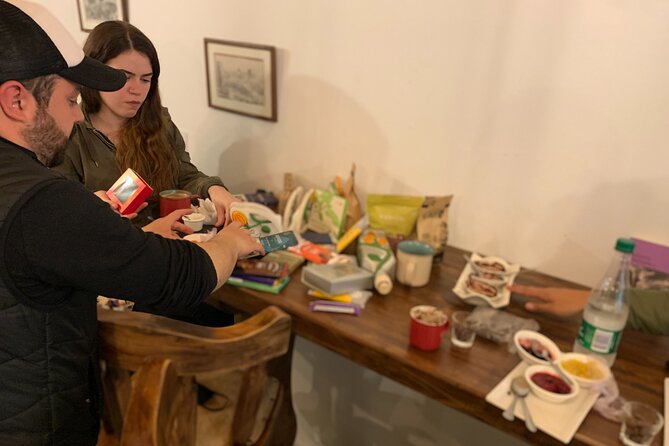
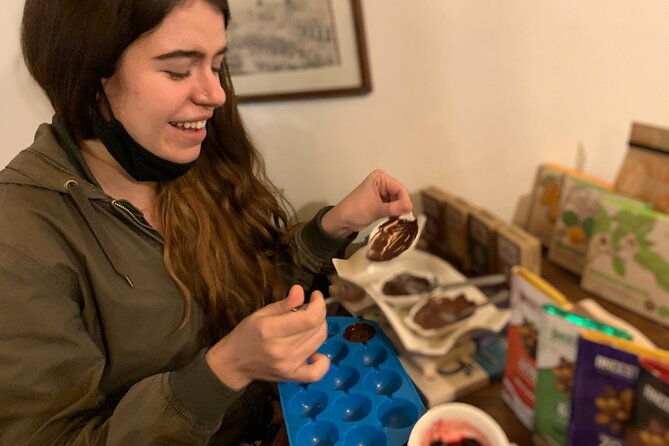
The final part gives you a chance to make your own chocolate truffle creations. This is the feature that turns the experience from a tasting into a workshop.
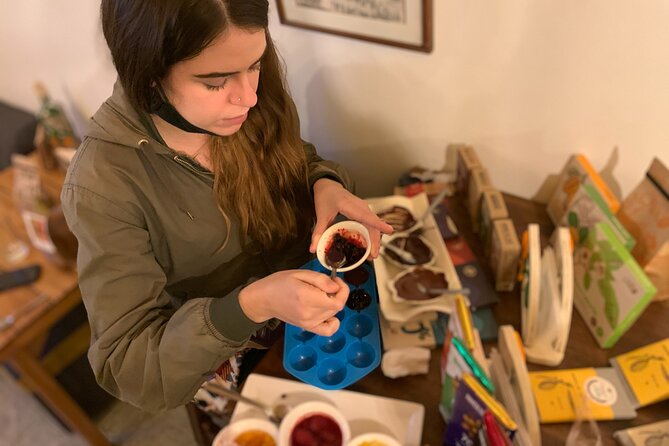
You are not only hearing about chocolate production. You are handling the finished chocolate and creating something of your own. The truffles can be taken home, giving you a small edible reminder of the afternoon and a more personal connection to the activity.
The truffle segment is particularly well suited to birthdays, couples, families with older children, and friends looking for a shared activity. One person can taste quietly at a formal tasting, but making something together creates a more social rhythm. A birthday booking was described as especially memorable, and that makes sense: the hands-on ending gives the occasion a small sense of ceremony without turning it into a full-day event.
Do not expect a full pastry-making class. The available information does not promise advanced instruction, a broad choice of fillings, or professional kitchen techniques. The appeal is the simple pleasure of creating chocolate yourself after learning how Colombian cocoa differs from region to region.
If you want to bring the truffles home, plan your day with that in mind. The activity information confirms that the creations can be taken home, but it does not give storage instructions or packaging details. You may want to ask the guides about this during the session, especially if you have a long evening of sightseeing afterward.
The guides are a large part of the value
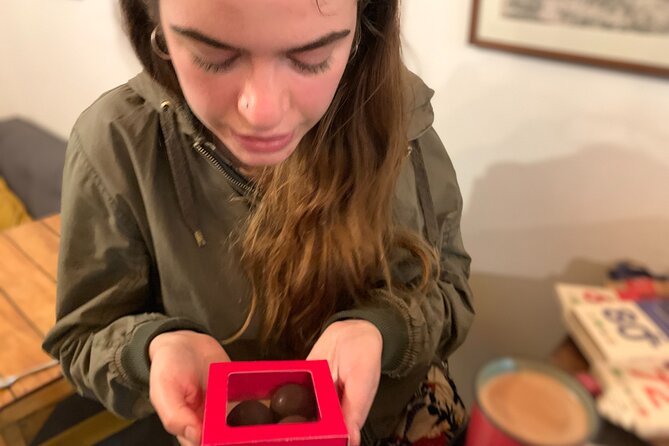
Juan Davide and Melissa receive strong praise for their kindness, enthusiasm, and generosity. That matters in a small food workshop because the tone can shape the whole experience. A dry explanation of cocoa percentages would be easy to forget. A warm guide who connects the subject to Colombian culture can make the same information feel personal.
Melissa has also been praised for sharing practical Bogotá advice. This is a useful bonus, especially if the workshop comes early in your stay. You can ask about ideas for the rest of your visit, though the tour’s stated purpose remains chocolate rather than a city orientation.
The guides’ enthusiasm appears to suit both curious beginners and people who already enjoy chocolate. Beginners get a clear starting point, while experienced chocolate fans have regional samples and cocoa percentages to compare. The workshop is not presented as a formal expert seminar, so you can enjoy it without knowing tasting vocabulary in advance.
The small group limit of 10 helps here. You should have a better chance to hear the explanations and ask questions than you would in a large food tour. It also makes the truffle activity more manageable, although the exact group size on your date can be smaller or anywhere up to the stated maximum.
Is $44.50 a fair price?
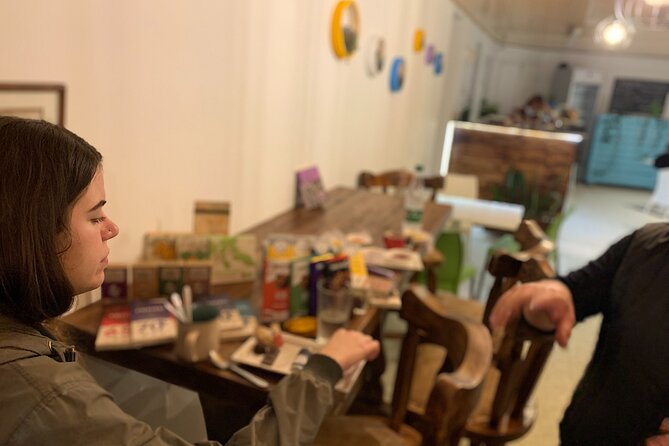
At $44.50 per person, this is not the cheapest way to eat chocolate in Bogotá. You are paying for more than the food itself: the guided tasting, regional comparisons, production explanation, cultural context, and truffle-making activity are all part of the package.
The price looks reasonable if you want a structured experience and would otherwise spend money sampling several Colombian chocolate products on your own without knowing what you are tasting. The five-region format gives the session a clear purpose, and the included truffle activity adds value beyond a plate of samples.
I would be less enthusiastic about the price if you only want a quick chocolate snack. You can certainly find sweets for less money elsewhere, and the workshop lasts only about 90 minutes. Its value depends on your interest in the story and process behind the food.
The positive feedback is unusually consistent, with a five out of five rating from 12 published ratings and a 100 percent recommendation figure. That is a small sample, so I would not treat it as proof that every session will be perfect. Still, the repeated praise for the information, generous tastings, friendly guides, and truffle-making gives you a clear idea of where the experience succeeds.
Who will enjoy this workshop most?
I would recommend this to you if you enjoy food with a sense of place. The regional cocoa focus gives the activity more substance than a basic confectionery stop, while the tropical fruit and Colombian snacks keep it relaxed and tasty.
It also suits:
- First-time visitors who want a short cultural activity in La Candelaria
- Couples or friends looking for something hands-on
- Birthday celebrants seeking a modest but personal treat
- Chocolate fans curious about cocoa percentages and regional flavor
- Visitors who appreciate small groups and direct contact with guides
Families may also find it suitable because most people can participate, and service animals are allowed. The available details do not state a minimum age or give specific child pricing, so you should confirm those points before booking for young children.
The activity may not suit you if you want a full-day visit to a cocoa farm, a factory tour, or advanced chocolate training. None of those are promised. It is a compact tasting and making session in Bogotá, not a rural agricultural excursion.
Timing, cancellations, and other practical details
The tour runs Monday through Sunday from 4:00 PM to 5:30 PM during the listed operating period, which runs through February 28, 2027. Confirmation is provided when you book, and the activity ends back at The Cranky Croc Hostel.
Most people can participate, and the tour is near public transportation. The stated maximum is 10 participants. Service animals are allowed, which is an important detail for eligible visitors planning their Bogotá activities.
Free cancellation is available if you cancel at least 24 hours before the start time. A cancellation made less than 24 hours before the experience begins is not refunded, and changes inside that window are not accepted. The cut-off follows Bogotá local time.
The activity requires a minimum number of participants. If that minimum is not met and the experience is canceled, you are offered another date or experience, or a full refund. Since the session is booked on average 10 days ahead, reserving early is sensible if your Bogotá schedule is tight.
Should you book the Colombian Chocolate Workshop?
I would book this if you want a friendly, short, food-based activity that teaches you something about Colombia while giving you plenty to taste. The five-region comparison, tropical fruit pairings, and hands-on truffles create a satisfying package, and Juan Davide and Melissa appear to add real warmth to the hour and a half.
I would skip it only if your main goal is a cocoa farm visit or serious chocolate training. For everyone else, especially chocolate fans, birthday visitors, and people staying near La Candelaria, $44.50 is a fair price for a small-group experience with both education and something edible to take home.
FAQ
Where does the Colombian Chocolate Workshop begin?
It begins at The Cranky Croc Hostel, Cl. 12d #3-56, in La Candelaria, Bogotá.
What should I do when I arrive at The Cranky Croc Hostel?
Go to the reception desk inside the hostel and say that you are there for the tour.
Where does the workshop end?
The activity ends back at the meeting point at The Cranky Croc Hostel.
How long does the experience last?
The total experience lasts approximately 1 hour and 30 minutes. The listed workshop portion at Di Amato takes about 1 hour.
What time does the workshop run?
It runs from 4:00 PM to 5:30 PM, Monday through Sunday, during the listed operating period.
How much does the experience cost?
The price is $44.50 per person.
How many Colombian regions are represented in the tasting?
You sample chocolate from five different Colombian regions.
Do I get to make chocolate?
Yes. The experience ends with an opportunity to make your own chocolate truffle creations.
What is the maximum group size?
The activity has a maximum of 10 participants.
Can I cancel for a full refund?
Yes, if you cancel at least 24 hours before the experience start time. Cancellations made less than 24 hours in advance are not refunded.
Just added in Bogota
- Tour of Zipaquirá: Visit the Salt Cathedral and the main squares★ 4.5 · 55 reviews
- Catedral de Sal desde Bogotá en Tren★ 5.0 · 5 reviews
- Zipaquirá and Salt Cathedral Muisca Heritage with Guide – Private★ 4.5 · 23 reviews
- Botanical Garden Bogotá Private Tour (4 Hrs.)★ 5.0 · 13 reviews
- Zipaquira Salt Cathedral★ 4.5 · 12 reviews
- LOCAL GUIDE Zipaquirá PRIVATE TOUR – Salt Cathedral and Salt Oven★ 5.0 · 24 reviews
- Zipaquira Salt Cathedral★ 5.0 · 4 reviews
- Zipaquirá Salt Cathedral: An architectural wonder.★ 4.5 · 24 reviews
Cacao and Chocolate Workshops, compared.
Chocolate Farm Private Tour in Medellin: Real Genuine Experience
Read our review →
Eco-Hike in Minca: Coffee Tour, Waterfall & Chocolate Experience!
Read our review →
Colombian Cacao Experience | Chocolate Tour | BOOK NOW!
Read our review →
Boutique Rum and Chocolate Tasting at Lunático
Read our review →
Coffee & Chocolate Private Tour in Medellin: Genuine Experience
Read our review →
Browse the lists this tour appears in