
REVIEW · COLOMBIAN COFFEE TOURS
Chocolate & Coffee Farm Experience
Coffee tastes better when you pick it yourself. This Bogotá day trip connects hands-on coffee work in Silvania with cacao processing in Nilo, giving you a close look at farming rather than a polished tasting-room show. I especially like the chance to use old manual tools and the personal welcome at small family-run farms.
I also like the simple vegetarian lunch near Cerro de Quinini, where nature provides the setting and a community member cooks at home. The main drawback is the length: this is a 12 to 14 hour outing, and traffic can make the return to Bogotá feel very long. Guide Diego has been praised for taking good care of the group and interpreting clearly.
In This Review
- Key points to know before booking
- Why this farm day is different from a Bogotá tasting tour
- Silvania: picking coffee and making your own tinto
- Cerro de Quinini: lunch in a campesino home
- Nilo: opening cacao pods and following the bean
- The long drive is part of the calculation
- What to bring and what to buy
- How the guide and group size affect the experience
- The strongest reasons to book
- The reasons to think twice
- Who will get the most from this day
- Should you book the Chocolate and Coffee Farm Experience?
- FAQ
- Where does the experience start?
- Where does the experience end?
- How long does the tour take?
- How much does it cost?
- What is the maximum group size?
- Is transportation included?
- What happens at the coffee farm?
- What happens at the cacao farm?
- Is lunch included?
- Is bottled water included?
- Can I cancel for a refund?
Key points to know before booking
- Pick and process coffee in Silvania: You collect beans, peel and grind them with traditional tools, then drink a freshly prepared Colombian tinto.
- Eat a simple campesino lunch: The meal is vegetarian and served in a community member’s clean, modest home near Cerro de Quinini.
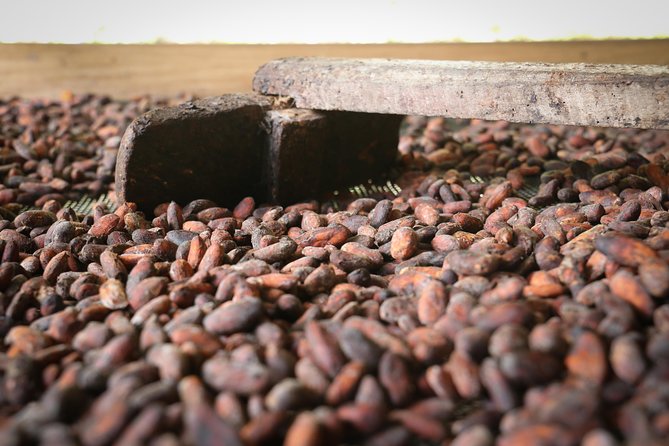
- See cacao from tree to raw chocolate: In Nilo, you taste the fruit around the cacao bean and visit the fermentation and drying rooms.
- Expect a very full day: The drive, three rural stops, and return to Bogotá take about 12 to 14 hours.
- Small private group: Transportation is private, and the maximum group size is nine people.
- Pack water and repellent: No bottled water is included, and one past account specifically warned about insects.
Why this farm day is different from a Bogotá tasting tour
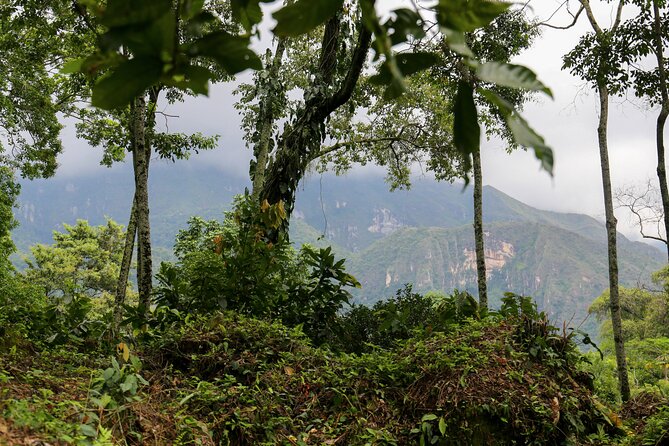
Bogotá has plenty of places to drink Colombian coffee, but a cup in the city tells you little about how the bean got there. This experience takes you south of the capital into rural communities, where coffee and cacao are handled with basic tools, family knowledge, and plenty of manual work.
That distinction matters. You are not simply sampling finished products. You are picking coffee beans, handling cacao fruit, and seeing the stages that turn an agricultural crop into something you recognize from a café or chocolate shop.
The experience costs $144 per person. That is not a low-cost day trip, but the price covers private transportation, farm entrances, use of the equipment, coffee and cacao tastings, and lunch. For a small group spending most of the day on the road, the value is strongest if you care about personal contact and practical demonstrations rather than checking off several major sights.
The trade-off is time. You should think of this as a full countryside day, not a quick excursion with a few tastings added on. The schedule may run from early morning into the evening, and traffic remains an important factor on any long trip from Bogotá. The provider says road construction that caused serious delays in 2024 was completed in 2025, which should help, but the total duration is still substantial.
More coffee tours in Bogota:
- Coffee Farm Tour from Bogotá – Be a Farmer for a Day
★ 5.0 · 213 reviews - Specialty Coffee Workshops in Bogota
★ 5.0 · 145 reviews - From Bogotá: Coffee Farm and Tequendama Falls Tour
★ 4.5 · 130 reviews
Silvania: picking coffee and making your own tinto
The first farm visit takes about an hour and a half in Silvania. This is the most hands-on part of the coffee portion, since you collect beans from the field instead of only watching someone else work.
You then use traditional manual equipment to peel and grind the beans. The tools are old-fashioned, so the process is slower and more physical than anything used in a modern commercial plant. That is precisely why the stop has value. You get a sense of the effort hidden inside an ordinary morning coffee.
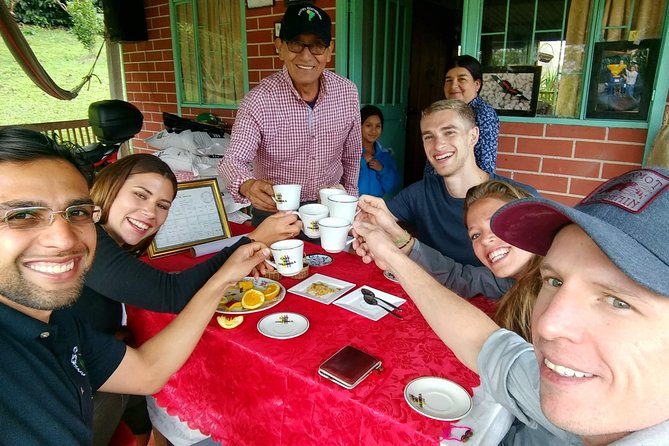
At the end, the local host prepares a traditional tinto, the Colombian term for black coffee. The tasting is not presented as a formal café flight with technical notes. It is closer to sharing the result of the work you have just seen and helped perform.
I would give this stop your full attention. The coffee farm lasts only around 90 minutes, so there is not much spare time for a relaxed wander. Wear shoes that can handle a working farm, and be ready to participate rather than simply photograph the process.
Coffee-bean picking is available year-round, according to the tour details. That makes the visit possible outside a narrow harvest window, although the exact appearance of the fields can change with the season.
Cerro de Quinini: lunch in a campesino home
After the coffee farm, the outing includes a 45-minute lunch stop near Cerro de Quinini. A local community member serves a traditional campesino meal in a private home.
The meal is vegetarian, and that is worth noting before you book. This is not a restaurant with a broad menu or luxury service. The home is described as clean and simple, with no special restaurant facilities. The setting is part of the point: you eat in a rural household surrounded by natural sounds rather than in a commercial dining room.
I like this kind of stop because it puts the food in a community setting. It also keeps expectations clear. You are getting a local home-cooked meal, not a long restaurant lunch with multiple choices, polished décor, or time to linger over several courses.
The 45-minute schedule is fairly tight. If you enjoy slow meals, this may feel brief, especially after the morning activity and drive. Still, the short stop helps fit both farms into one day.
Since bottled water is not included, bring your own hydration. Snacks are also not supplied, though coffee bags and cacao bars can be purchased at the farms. A small snack in your day bag may be sensible during such a long outing.
Nilo: opening cacao pods and following the bean
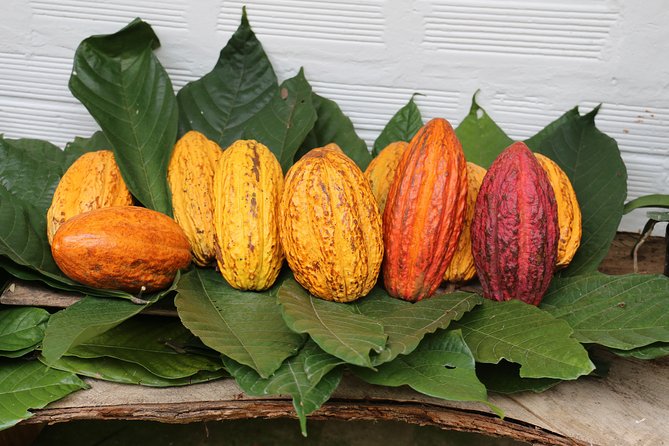
The second farm visit takes place in Nilo and lasts about an hour and a half. Here, you see cacao beans hanging from the trees and learn that chocolate begins as a fruit, not as a brown bar in a shop.
Your host opens the cacao bean so you can taste the fruit surrounding it. This is a useful part of the visit because the fresh fruit and the finished chocolate are very different experiences. The bean itself is only one stage in a longer process.
You also visit the fermentation room and the drying room. These are important steps in developing the qualities later associated with chocolate. The visit gives you a clear view of the production chain instead of reducing cacao to a quick tasting.
If time allows, you may grind cacao from its hard shell into a liquid form. This liquid is the raw material used for chocolate production around the world. The phrase if time allows matters here. Because the day can be affected by driving conditions and the length of earlier stops, the grinding demonstration should not be treated as guaranteed.
The cacao farm is likely to interest anyone who enjoys seeing how common foods are made. It is less suited to someone expecting a polished chocolate-making class with a finished bar to take home. Cacao bars are available for purchase at the farms, but they are not included.
A few more options to weigh up in Bogota
- Bogota Kickstart Tour: Candelaria + Cacao & Coffee Experience •4h
★ 5.0 · 19 reviews - VIP Bogota Food Tour: Farmers Market, Arepas, Cacao, Lunch, Beer
★ 5.0 · 16 reviews - Colombian Chocolate Workshop Experience
★ 5.0 · 12 reviews - Chocolate Tasting Private Express Tour. (4 Hrs.)
★ 4.5 · 7 reviews
The long drive is part of the calculation
This experience starts at Ac. 26 #69B-53 in Bogotá and returns to the same meeting point. Private transportation is included, which is a major practical advantage on a route linking several rural locations.
The group size is capped at nine people. That is small enough to make questions and interpretation easier than on a large coach tour. It also suits the personal nature of the farm visits, where the setting is a family or community home rather than a purpose-built visitor center.
Still, private transport does not make the roads short. The estimated duration is 12 to 14 hours, and one person chose to skip the cacao farm because the day already felt too long and traffic made the return to Bogotá difficult. That is useful advice, even though the full experience is designed to include both farms.
The provider says earlier roadwork was completed in 2025 after causing problems during 2024. Conditions may now be better, but I would still keep your evening free. Do not schedule a flight, important dinner, or another timed activity soon after the stated return.
The tour is generally suitable for most people, but the information does not promise a short walking route or special mobility arrangements. If you need specific assistance, ask Andes EcoTours before paying.
What to bring and what to buy
This is an outdoor farm experience, so practical packing matters more than stylish clothing. Bring:
- A refillable water bottle, since no bottled water is included
- Comfortable shoes suitable for a working farm
- Sun protection and light layers
- Insect repellent, since one past account specifically said it should have been provided as a tip
- A small snack for the long day
You can buy coffee bags and cacao bars at the farms. These purchases are optional and are not part of the $144 price.
The food plan is straightforward: coffee and cacao tasting, plus a local vegetarian lunch. If you have dietary restrictions beyond vegetarian eating, the supplied details do not confirm how the meal can be adjusted, so contact the provider ahead of time.
How the guide and group size affect the experience
A good interpreter matters here. Much of the value comes from understanding what you are seeing, especially when the work involves unfamiliar tools, fermentation, drying, and grinding.
Diego has been praised for taking good care of the group and serving as an excellent interpreter. That is particularly useful if you do not speak much Spanish or want help asking questions at the farms. The experience depends on communication with local hosts, so a clear guide can make the difference between watching a process and understanding it.
A maximum of nine people also keeps the visit from feeling like a factory tour. You can expect a more personal format, though the farms themselves are not described as full-time visitor attractions. Their simple, working character is part of the appeal, but it may also mean fewer amenities and less control over timing.
The strongest reasons to book
I would book this trip if you want a rural counterpoint to Bogotá and enjoy food experiences that show the work behind the final product. The coffee stop is especially appealing if you want to pick, peel, grind, and taste rather than simply receive a prepared drink.
The cacao visit adds variety. You see the fruit on the tree, taste the fresh interior, and visit the rooms where fermentation and drying take place. Together, the two farms give you a useful comparison between two crops that are central to Colombian food culture.
The personal scale is another plus. You travel privately, eat in a community member’s home, and meet local hosts rather than moving through a large commercial attraction.
The reasons to think twice
I would hesitate if you dislike long drives or want an easy half-day from Bogotá. Twelve to 14 hours is a serious commitment, and the return journey may be tiring even when traffic is manageable.
I would also think twice if you expect luxury. The lunch home is clean but simple, the farms are traditional working places, and no bottled water is supplied. The experience earns its value through access and participation, not comfort.
The cacao grinding portion may depend on available time. If that specific demonstration is the main reason you want to go, ask Andes EcoTours how often it is included under current conditions.
You can cancel for a full refund if you do so at least 24 hours before the start time. Cancellations or changes made inside that window are not accepted for a refund.
Who will get the most from this day
This is a good match for you if you:
- Enjoy coffee, chocolate, farming, or food production
- Prefer small groups and private transportation
- Want contact with rural communities
- Can handle a very long day outside Bogotá
- Are comfortable with a simple vegetarian meal
- Like participating in demonstrations instead of only taking photos
It is less suitable if you need a short itinerary, restaurant-style dining, or a predictable return time. Families and most able participants can take part, but the long day deserves careful thought.
Should you book the Chocolate and Coffee Farm Experience?
Book it if you see the journey as part of the experience. The best parts are the manual coffee work in Silvania, the fresh cacao fruit in Nilo, the community lunch, and the chance to learn from hosts in working rural settings.
Skip it if Bogotá is your only base for a packed schedule or if a 12 to 14 hour day sounds exhausting. At $144, the trip makes sense for people who value private transport, small-group attention, both farm entrances, tastings, and lunch. It is not the right buy for anyone seeking a quick, polished tasting tour.
FAQ
Where does the experience start?
It starts at Ac. 26 #69B-53 in Bogotá, Colombia.
Where does the experience end?
The activity ends back at the Bogotá meeting point.
How long does the tour take?
The experience lasts approximately 12 to 14 hours.
How much does it cost?
The price is $144 per person.
What is the maximum group size?
The maximum group size is nine participants.
Is transportation included?
Yes. Private transportation is included.
What happens at the coffee farm?
In Silvania, you collect coffee beans, peel and grind them with traditional manual tools, and taste a locally prepared black coffee called tinto.
What happens at the cacao farm?
In Nilo, you see cacao beans on the trees, taste the fruit around the bean, visit the fermentation and drying rooms, and may grind cacao into liquid form if time allows.
Is lunch included?
Yes. A local vegetarian campesino lunch is included and served at a community member’s home near Cerro de Quinini.
Is bottled water included?
No. You need to bring your own water. Coffee bags and cacao bars are available for purchase at the farms.
Can I cancel for a refund?
Yes. You can receive a full refund if you cancel at least 24 hours before the experience starts. Changes or cancellations made less than 24 hours before the start time are not refunded.
Just added in Bogota
- Tour of Zipaquirá: Visit the Salt Cathedral and the main squares★ 4.5 · 55 reviews
- Catedral de Sal desde Bogotá en Tren★ 5.0 · 5 reviews
- Zipaquirá and Salt Cathedral Muisca Heritage with Guide – Private★ 4.5 · 23 reviews
- Botanical Garden Bogotá Private Tour (4 Hrs.)★ 5.0 · 13 reviews
- Zipaquira Salt Cathedral★ 4.5 · 12 reviews
- LOCAL GUIDE Zipaquirá PRIVATE TOUR – Salt Cathedral and Salt Oven★ 5.0 · 24 reviews
- Zipaquirá Salt Cathedral: An architectural wonder.★ 4.5 · 24 reviews
- Private Zipaquira Salt Cathedral and Guatavita Lagoon Tour from Bogota★ 4.5 · 44 reviews
Colombian Coffee Tours, compared.
Half Day Bike Tour in Medellin – Local snack, Coffee or Beer
Read our review →
Half-Day Coffee Tour: From the Seed to the Cup, Farm & roastery
Read our review →
Coffee Tour with Transport, Snacks and Tastings
Read our review →
Electric Bike City Tour Medellin With Colombian Coffee and Snack
Read our review →
Private Coffee Farm Tour in Medellin: Real Authentic Experience
Read our review →
Guatape & Coffee Farm & El Peñol Rock & Quaint Town: Best Combo
Read our review →
Coffee tour in Medellín with tastings and transportation
Read our review →Browse the lists this tour appears in