
REVIEW · COLOMBIAN COFFEE TOURS
Coffee Tour Salento-Ocaso Farm- English Tour
Coffee tells its story one cherry at a time. This 1.5-hour visit to Finca El Ocaso takes you from coffee plants and harvesting through pulping, drying, roasting, and brewing, all on a traditional farm about 4 kilometers from Salento. It is a practical look at Colombian coffee, not just a quick cup and a photo stop.
I especially like the hands-on harvest and sowing and the clear tour of the working processing plant. Guides Nicolas and Johnathan receive repeated praise for their English, humor, and ability to answer questions. The main consideration is getting there: the road is tertiary and partly unpaved, and transportation from Salento is not included.
In This Review
- Key things to know before you book
- Reaching Finca El Ocaso from Salento
- A traditional farm, not a staged coffee showroom
- Picking coffee cherries and learning how plants grow
- Composting, fertilization, and sustainable production
- Inside the processing plant
- Storage, threshing, and the route to market
- Roasting is more than making beans dark
- Finishing with traditional coffee preparation
- The English guides make the short tour work
- Is $14 good value for 1.5 hours?
- Who will enjoy this coffee tour?
- Should you book the Finca El Ocaso tour?
- FAQ
- Where does the coffee tour start?
- How can I reach the farm from Salento?
- How long does the tour last?
- Is the tour conducted in English?
- What is included in the ticket?
- What should I bring?
Key things to know before you book
- You can take a Willys Jeep from Salento’s main square: This is the usual way to reach the farm, but you pay for the ride separately.
- The tour follows coffee from plant to cup: You visit gardens, plantations, composting areas, processing equipment, storage, roasting areas, and the coffee house.
- Harvesting is part of the experience: You get to pick coffee cherries and learn about sowing rather than simply watching a guide talk.
- The English guiding is a real strength: Nicolas and Johnathan are praised for clear English, humor, and useful answers, though Nicolas may speak quickly at times.
- The $14 price is strong value: For a short guided visit with a farm walk, production lesson, and coffee preparation, it offers more substance than a basic tasting.
- Bring insect repellent: The farm setting calls for it, especially as you move among the coffee plants and gardens.
Reaching Finca El Ocaso from Salento
The farm sits about 4 kilometers from Salento. That distance sounds easy on a map, but the road matters more than the mileage. It is considered a tertiary road and is not completely paved, so this is not a simple urban walk or smooth highway transfer.
You can take a Willys Jeep from the square in Salento. The ride is not part of the $14 activity price, so keep some Colombian pesos ready. A normal taxi can also reach the farm, but the Willys Jeep is reported to be cheaper for the return trip, at about 4,000 pesos per person at the time of the experience described.
I would allow extra time for the ride and for finding the correct departure point in the square. Your tour starts at the farm, not in central Salento. Since starting times vary, check the available time when booking and plan your transport around it.
The return is back to the same meeting point at the farm. This makes the transportation plan simple, but you need to arrange both directions yourself. If you use a taxi one way and a Jeep the other, confirm the arrangement before the tour begins so you are not left guessing at the end.
More coffee tours in Salento Colombia:
- Salento: Private Cocora Valley, Salento & Coffee Farm Tour
★ 4.9 · 202 reviews - Coffee Tour at Finca El Ocaso Salento: Traditional Spanish Farm
★ 4.8 · 89 reviews - Salento: Coffee Farm Tour with Tasting
★ 4.9 · 41 reviews
A traditional farm, not a staged coffee showroom
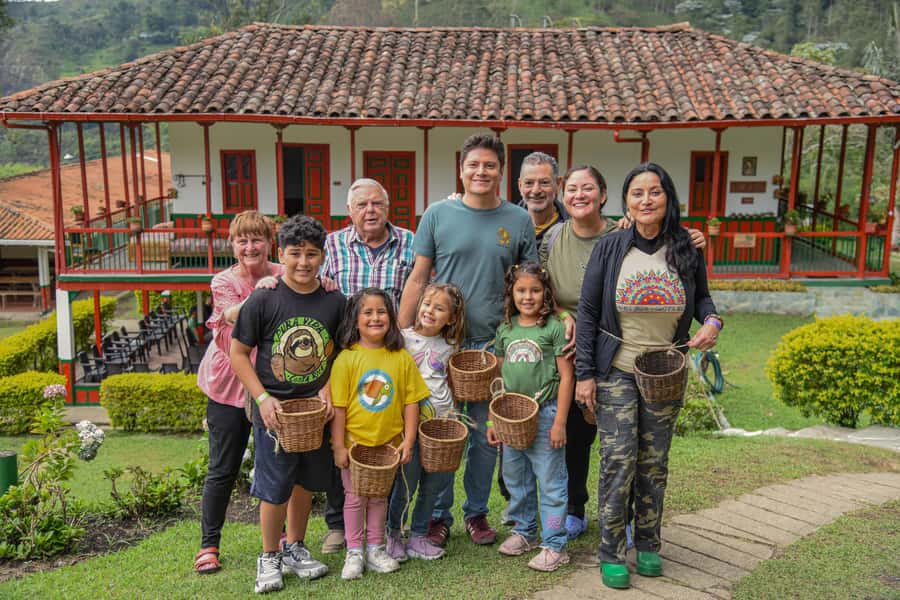
Finca El Ocaso presents itself as a traditional farm, and that shapes the visit. You are not only shown finished coffee products. You walk through the gardens and plantations, see where the plants grow, and take part in basic farm tasks.
That distinction matters. Coffee can seem like a finished product in a bag or café cup. Here, you see the work behind it. The tour explains the history of coffee, the main coffee species, and how a coffee tree is planted and grows.
The farm also has certifications connected with sustainable production. The visit explains sustainability along with the local fauna and flora. I like this part because it puts coffee production in a wider setting. A good cup depends on more than roasting. It also depends on how the crop is grown, fed, processed, and managed.
The setting is one of the farm’s pleasant features. You should expect an outdoor walk through coffee gardens and plantations, so sensible shoes and insect repellent are useful. The supplied information only specifically requires insect repellent, but the terrain and partly unpaved access road make practical clothing a wise choice.
Picking coffee cherries and learning how plants grow
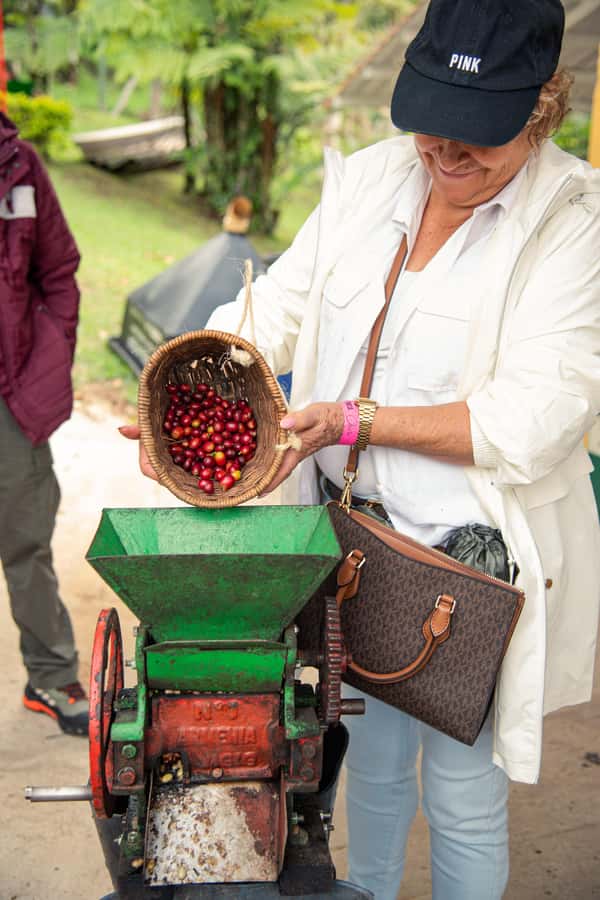
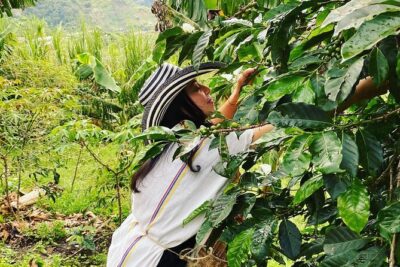
The plantation section gives the tour its most direct, hands-on quality. You can harvest coffee like a Colombian farm worker and take part in sowing. This turns the early part of the coffee process into something you can see and handle.
The guide explains the growth of the coffee tree before moving into production. That order helps. You first understand the plant, then the fruit, and only after that the machines and drying methods. Without that context, a pulper or drying station can feel like a collection of equipment. With it, each step has a clear purpose.
The harvesting activity is not a full day of farm labor, of course. The tour lasts only 1.5 hours. Still, even a short period of picking and cultivating helps you understand the care involved in producing the beans used for coffee.
I would pay close attention to the explanations about the coffee cherry. The tour connects the cherry on the plant with the final roasted bean, which is the basic lesson many casual coffee tastings skip.
Composting, fertilization, and sustainable production
After the plantation walk, you visit the composting and crop fertilization station. This is a useful stop because it shows the less glamorous side of farming. Coffee quality begins long before roasting, and soil care is part of that story.
The discussion of sustainability includes the farm’s production methods and its surrounding fauna and flora. The farm has certifications in sustainable production, but the value of the stop is not just the certification itself. You get a better sense of what responsible crop management involves.
I appreciate that the tour includes this station instead of treating coffee as a simple chain from plant to machine. Composting and fertilization can sound technical, but the guide’s job is to connect those ideas to the health of the coffee trees and the farm.
The information provided does not spell out every sustainable practice used on the property, so do not expect a technical audit of the farm. Think of this as an accessible introduction to how environmental care fits into coffee production.
More trips in the Coffee Region:
- From Salento: Cocora Valley Shared Tour
★ 4.8 · 246 reviews - Salento/Pereira: Cocora Valley & Salento Hiking Private Tour
★ 4.8 · 78 reviews - Salento and Cócora Tour + Coffee Farm from Pereira/Armenia
★ 5.0 · 33 reviews - Filandia, Salento and Cocora Valley Private Tour
★ 4.7 · 23 reviews
Inside the processing plant
The processing plant is where the coffee begins to look less like fruit and more like the bean you recognize. The tour explains the hopper, pulper, mechanical dryer, and traditional drying methods.
The hopper receives the harvested coffee. The pulper then removes the outer fruit from the coffee bean. Seeing these steps in sequence makes the production process easier to follow than a simple verbal explanation.
You also learn about two drying approaches: mechanical drying and traditional drying. This comparison is valuable because drying affects the condition and quality of the coffee before storage and roasting. It also shows that the farm uses both modern equipment and older methods.
The short tour cannot cover every technical detail of coffee processing. Still, it gives you the basic chain clearly, from harvested fruit to dried coffee ready for the next stage. That is enough to make later conversations about specialty coffee, processing, or roast quality much easier to understand.
Storage, threshing, and the route to market
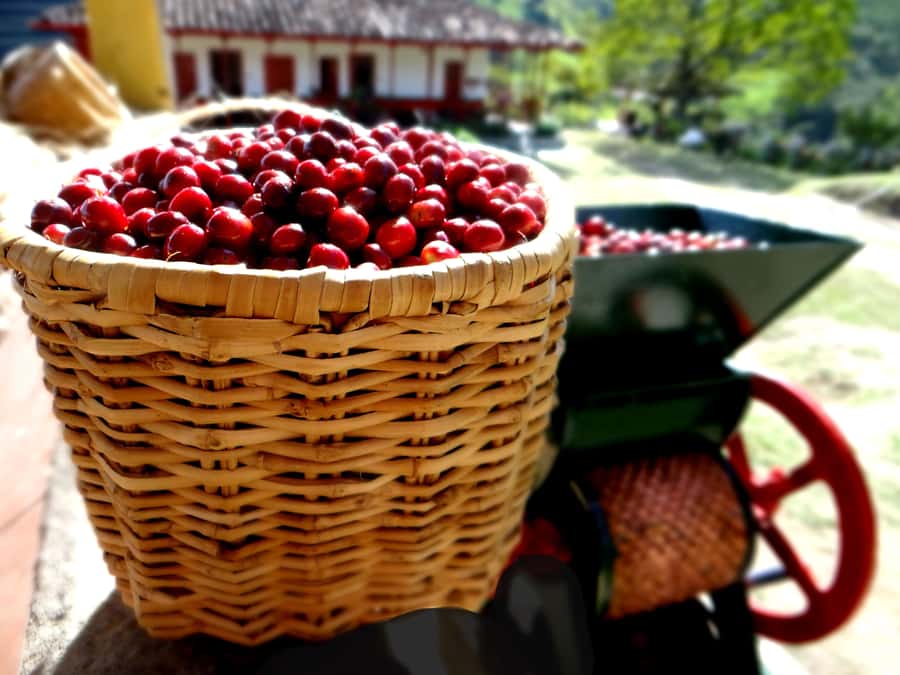
The next part covers the storage warehouse, threshing, and coffee marketing. These steps are easy to overlook, but they explain what happens after drying.
Storage is part of protecting the coffee before it moves onward. Threshing removes the remaining outer layer from the dried coffee, preparing the beans for later use. Marketing then answers a practical question: how does farm-grown coffee reach the people who roast, sell, and drink it?
I like that the tour does not stop once the coffee has been dried. You get a fuller picture of the supply chain. The farm is not presented as a magical place where coffee simply appears in a cup. You see that production includes handling, storage, preparation, and sale.
Because this is a short visit, the marketing discussion is best treated as an introduction. If you want detailed information about coffee prices, export systems, or the economics of Colombian farming, you may need to ask direct questions during the tour.
Roasting is more than making beans dark
The roasting section explains different types of roasting and why roast level matters to coffee quality. This is one of the most useful parts for anyone who buys coffee but has never connected roast style with flavor.
Roasting changes the character of the beans. The guide explains the importance of the process rather than treating dark beans as automatically stronger or better. That can help you make more informed choices when buying coffee later.
The information supplied does not list particular roast names or provide a detailed tasting chart. Still, the subject has real value because it links farm production to the coffee you eventually drink. You begin to understand that growing, drying, storage, and roasting all affect the final result.
If you enjoy coffee, this is a good moment to ask questions. The guides are praised for answering questions well, and the tour is more useful when you take part in the conversation rather than simply moving from stop to stop.
Finishing with traditional coffee preparation
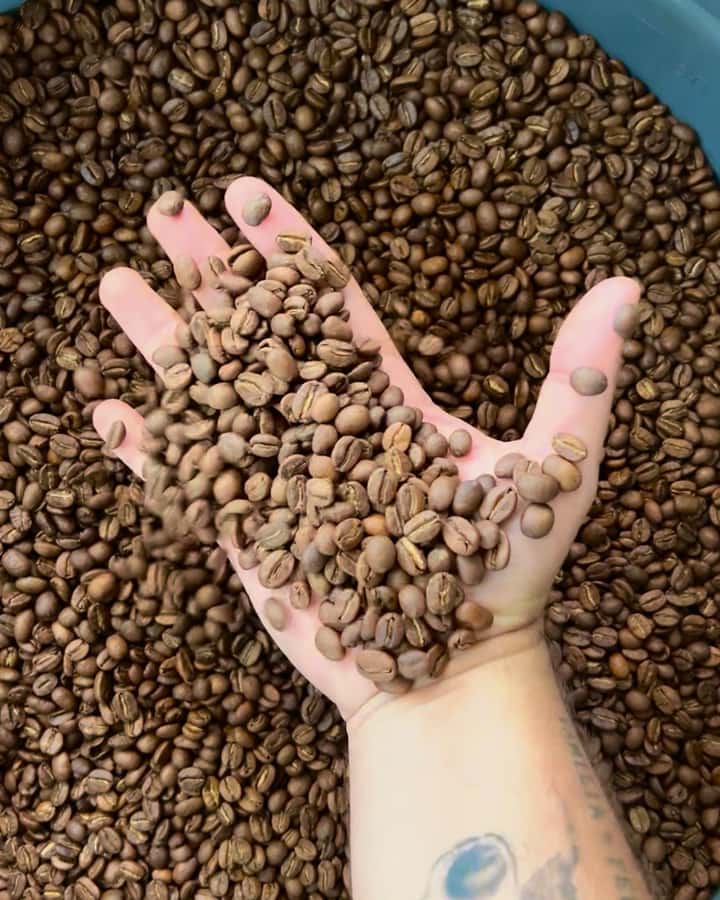
The tour ends with the basics of correct coffee extraction and a traditional preparation using a cloth strainer and pot. This gives the visit a fitting finish. You have followed the coffee from plant to cup, then seen one of the simplest ways to prepare it.
The cloth strainer and pot are not a modern café setup. That is part of their appeal. The method connects the final tasting to everyday Colombian coffee traditions and shows that good preparation does not require a complicated machine.
You learn the foundation for extracting coffee correctly, though the tour is not described as a full barista course. The emphasis is on understanding the basic process and tasting the result after seeing how the coffee was produced.
The coffee house is open to the public, giving you a place to continue the experience after the guided portion. Food and drinks are not included in the ticket, so budget separately if you want anything beyond what is provided during the tour.
The English guides make the short tour work
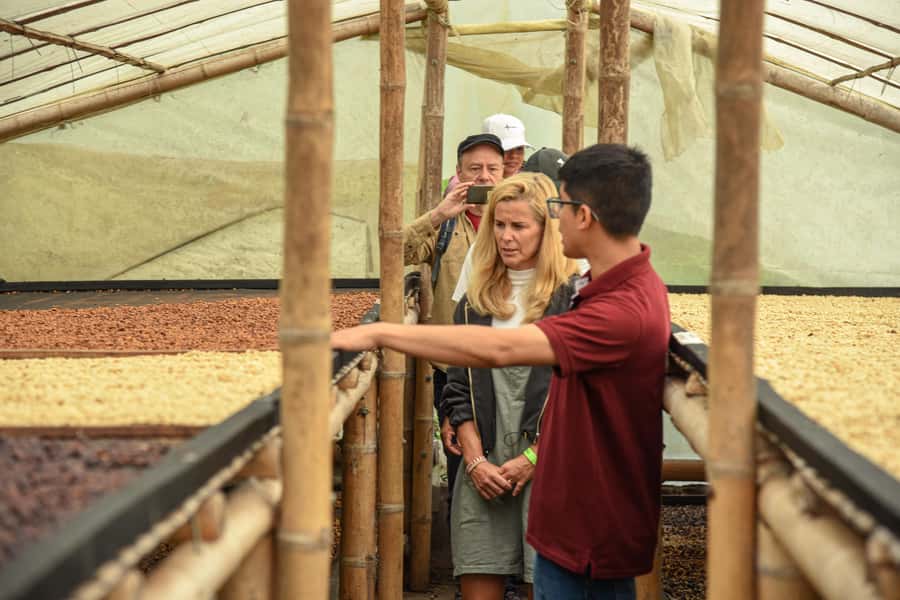
A short coffee tour depends heavily on its guide. Nicolas is repeatedly praised for strong English, humor, and clear explanations. One useful caution is that he can speak a little fast at times, so ask him to slow down if you miss a point.
Johnathan is also praised for excellent English, a funny style, and thoughtful answers. Those details matter because coffee production involves unfamiliar terms and several technical stages. A guide who can explain the process plainly makes the tour far more rewarding.
The experience has a rating of 4.6 from 88 reviews, which fits the strongest parts of the tour: guide quality, the clear start-to-finish structure, and the chance to take part in harvesting and cultivation.
The tour is in English, with a live guide. If you want a quiet walk without much explanation, this may feel information-heavy. If you enjoy asking questions and learning how a product is made, the guiding is a major reason to book.
Is $14 good value for 1.5 hours?
At $14 per person, I consider this good value. You receive a guided English tour through a working traditional farm, plantation and garden visits, harvesting and sowing, sustainability information, a processing plant visit, storage and threshing explanations, roasting basics, and traditional coffee preparation.
The cost looks even better because the tour covers the full production chain rather than only offering a tasting. You are paying for access, instruction, and a structured farm experience.
There are two limits to keep in mind. The duration is only 1.5 hours, so the tour cannot provide an extended farm stay or a very technical coffee course. Also, transportation, food, and drinks are not included. Add the cost of getting to and from the farm when working out your total budget.
For many people, the transport will be the only extra expense. If you are already staying in Salento, the Willys Jeep provides a practical way to reach the farm without paying for a private transfer.
Who will enjoy this coffee tour?
I would recommend it to you if you want a clear introduction to Colombian coffee and prefer seeing production in a real farm setting. It works well for coffee drinkers, curious families, and anyone looking for an activity beyond Salento’s streets and shops.
The hands-on elements also make it a better choice than a lecture-style tasting. Picking coffee cherries, learning about sowing, and walking through the plantations give the subject a physical connection.
You should think twice if you dislike uneven outdoor settings, do not want to arrange your own transportation, or expect a long, detailed agricultural workshop. The road is partly unpaved, the visit is short, and the farm is not presented as an all-day activity.
Bring insect repellent and wear practical shoes. Alcohol and drugs are not allowed. Since the meeting point is the farm, confirm the route before leaving Salento and allow time for the Willys Jeep or taxi.
Should you book the Finca El Ocaso tour?
I would book this tour if you have 1.5 hours available near Salento and want a useful, fairly priced look at Colombian coffee. The best reasons are the full plant-to-cup explanation, the hands-on harvest, the processing equipment, and the strong English guiding from people such as Nicolas and Johnathan.
I would skip it only if transportation arrangements or a partly unpaved road are deal-breakers. For everyone else, $14 buys a focused and authentic farm visit, with enough tasting and practical instruction to make your next cup of Colombian coffee more interesting.
Cancellation is free up to 24 hours before the activity, and you can reserve now and pay later. Check the available starting time before booking, then arrange your ride to the farm separately.
FAQ
Where does the coffee tour start?
The tour starts at Finca El Ocaso, about 4 kilometers from Salento. Transportation from Salento is not included in the activity price.
How can I reach the farm from Salento?
You can take a Willys Jeep from the square in Salento. A taxi can also reach the farm, and the road is considered tertiary and partly unpaved.
How long does the tour last?
The guided coffee tour lasts 1.5 hours. Check availability for the current starting times.
Is the tour conducted in English?
Yes. The activity includes a live English-speaking guide. Nicolas and Johnathan are specifically praised for their English and clear explanations.
What is included in the ticket?
The ticket includes the guided English tour. Transportation, food, and drinks are not included.
What should I bring?
Bring insect repellent. Alcohol and drugs are not allowed at the activity.
Just added in Salento Colombia
- Tour to Salento and Cocora Valley from Pereira or Armenia★ 5.0 · 2 reviews
- Salento: hike to learn about Birds★ 4.9 · 6 reviews
- Salento: Salento & Cocora Valley Tour★ 5.0 · 11 reviews
- Salento, Cócora + Horseback Riding from Pereira or Armenia★ 5.0 · 1 review
- Salento: Coffee Farm Tour with Tasting★ 4.9 · 41 reviews
- Salento, Cocora Valley & Cocoa Tour from Pereira or Armenia★ 5.0 · 1 review
- Salento: Coffee Master Roasting, Brewing and Tasting Tour★ 4.8 · 6 reviews
- Salento, Cocora and Filandia Full Plan from Pereira/Armenia★ 5.0 · 11 reviews
Colombian Coffee Tours, compared.

Half Day Bike Tour in Medellin – Local snack, Coffee or Beer
Read our review →
Half-Day Coffee Tour: From the Seed to the Cup, Farm & roastery
Read our review →
Coffee Tour with Transport, Snacks and Tastings
Read our review →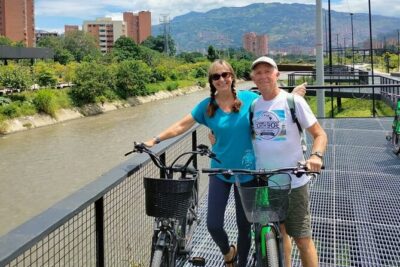
Electric Bike City Tour Medellin With Colombian Coffee and Snack
Read our review →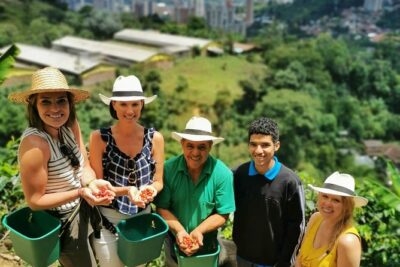
Private Coffee Farm Tour in Medellin: Real Authentic Experience
Read our review →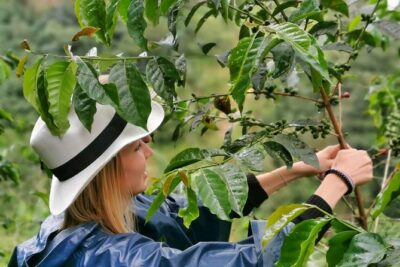
Guatape & Coffee Farm & El Peñol Rock & Quaint Town: Best Combo
Read our review →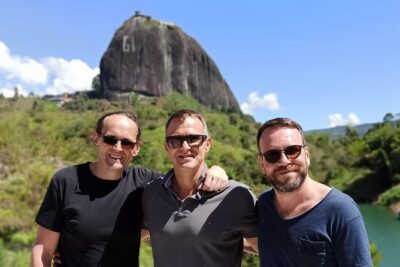
Coffee tour in Medellín with tastings and transportation
Read our review →Browse the lists this tour appears in