
REVIEW · COLOMBIAN COFFEE TOURS
Coffee Tour at Finca El Ocaso Salento: Traditional Spanish Farm
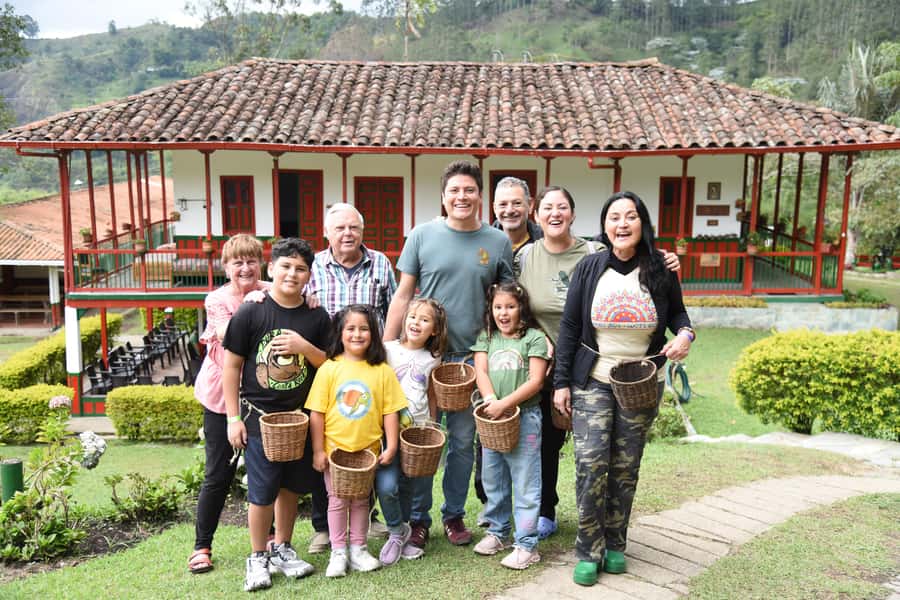
Coffee is best understood at the farm. At Finca El Ocaso Salento, you follow coffee from seed and soil to roasting and a final cup, with a Spanish-speaking guide leading the way. I like the farm-to-cup focus and the chance to see both modern and traditional processing. I also like that sustainability is part of the visit, not a decorative side note.
The main drawback is practical: you must reach the farm yourself, and the rural road is partly unpaved. The tour is also conducted in Spanish, so visitors who do not understand Spanish will miss much of the explanation. Still, at $19 per person for 90 minutes, this is a strong value for anyone who wants more than a quick coffee tasting.
In This Review
- Key points to know before visiting
- Why Finca El Ocaso works for coffee lovers
- Reaching the farm from Salento
- Starting with coffee plants, gardens, and farm history
- Composting and sustainability in practical terms
- Inside the mill: from fruit to green coffee
- Roasting explains why the final cup changes
- The cloth strainer and pot tasting
- Language, pace, and guide quality
- What to bring and what to expect in the weather
- Is $19 a fair price?
- Who should book this farm visit?
- Should you book the Finca El Ocaso coffee tour?
- FAQ
- Where is Finca El Ocaso Salento located?
- How long does the coffee tour last?
- How much does the experience cost?
- Is transportation to the farm included?
- Is the tour offered in English?
- What will I learn during the tour?
- Is a coffee tasting included?
- What should I bring?
- What happens if it rains?
Key points to know before visiting
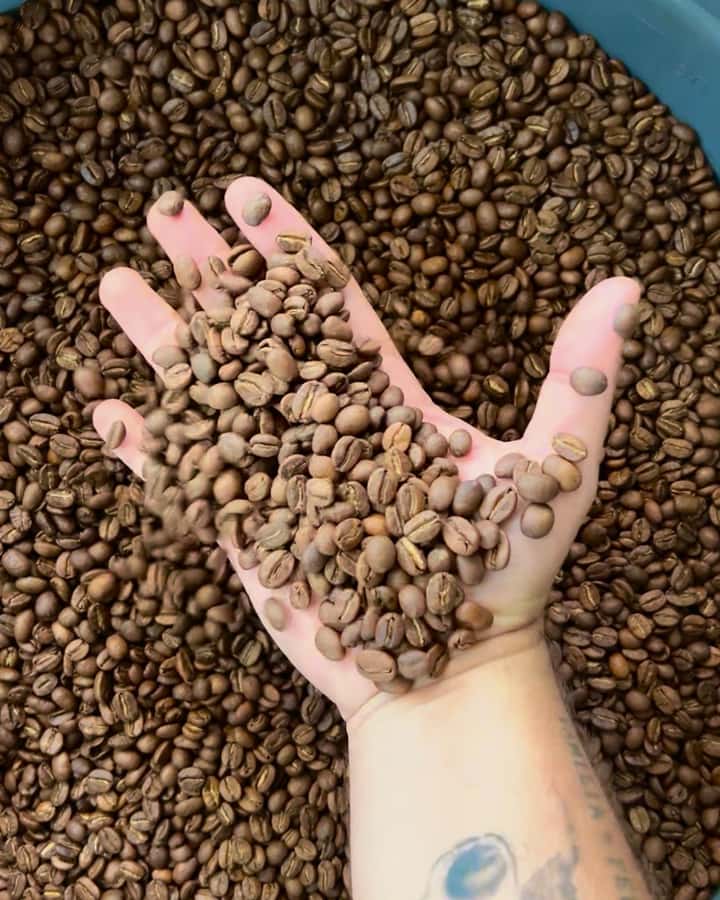
- The full coffee process fits into 90 minutes: You move from planting and harvesting to milling, drying, storage, roasting, and brewing.
- Sustainability is part of the lesson: You visit the composting station and learn how the farm handles fertilization, local plants, and wildlife.
- You see two drying methods: The mill includes mechanical drying and a more traditional drying process.
- The final cup uses a cloth strainer and pot: This is a simple preparation method that connects the tasting to local coffee customs.
- The farm is reached independently: Willys Jeeps leave Salento every hour from 8:30 a.m. to 4:30 p.m., but transportation costs extra.
- Spanish is the tour language: This matters because much of the value comes from the guide’s explanations.
Why Finca El Ocaso works for coffee lovers
Many coffee stops in Colombia focus on the scenic setting and a sample cup. Finca El Ocaso takes a more useful approach. You are shown how coffee is planted, grown, harvested, processed, stored, roasted, and prepared. That gives you a clearer idea of why two coffees can taste so different even when they come from the same country.
The farm is described as a specialty coffee producer with certification in sustainable production. That does not mean the tour is a technical course, but it does give the visit a practical purpose. You are not simply looking at coffee plants. You are learning how farming decisions affect the final quality in your cup.
I especially like the way the activity joins production with ecology. The visit includes the gardens and coffee plantations, along with an explanation of fauna and flora. You also see the composting station and hear how compost supports crop fertilization. For me, this makes the farm feel like a working agricultural place rather than a staged tasting room.
The rating is 4.8 out of 5 from 89 ratings, and the praise centers on the guides, the clear teaching, and the relaxed mood. One guide named Nicolás has been singled out for making an afternoon visit entertaining. That fits the best description of this tour: educational, but not stiff.
More coffee tours in Salento Colombia:
- Salento: Private Cocora Valley, Salento & Coffee Farm Tour
★ 4.9 · 202 reviews - Coffee Tour Salento-Ocaso Farm- English Tour
★ 4.6 · 88 reviews - Salento: Coffee Farm Tour with Tasting
★ 4.9 · 41 reviews
Reaching the farm from Salento
The farm is in the rural area of Salento, and you need to arrive directly at Finca El Ocaso. No hotel pickup or transfer is included. This is important because the tour price looks simple at first, but you should add the cost of getting there and returning to town.
Public transportation is available by Willys Jeep. These vehicles leave every hour from Salento between 8:30 a.m. and 4:30 p.m. You can also take a Willys back to Salento from the farm. The transportation fare is separate from the tour ticket.
The road is not completely paved, and the farm advises against arriving in a low car. If you are driving, a vehicle with suitable clearance is the sensible choice. If you are not driving, the Willys option keeps the visit fairly straightforward, though you should allow enough time around the scheduled tour.
Rain does not cancel the activity. That is useful in this part of Colombia, where weather can change quickly, but it also means you should prepare for a damp visit. Rain ponchos are sold at the farm if needed. You can also buy mosquito repellent there, although bringing your own is better.
Starting with coffee plants, gardens, and farm history
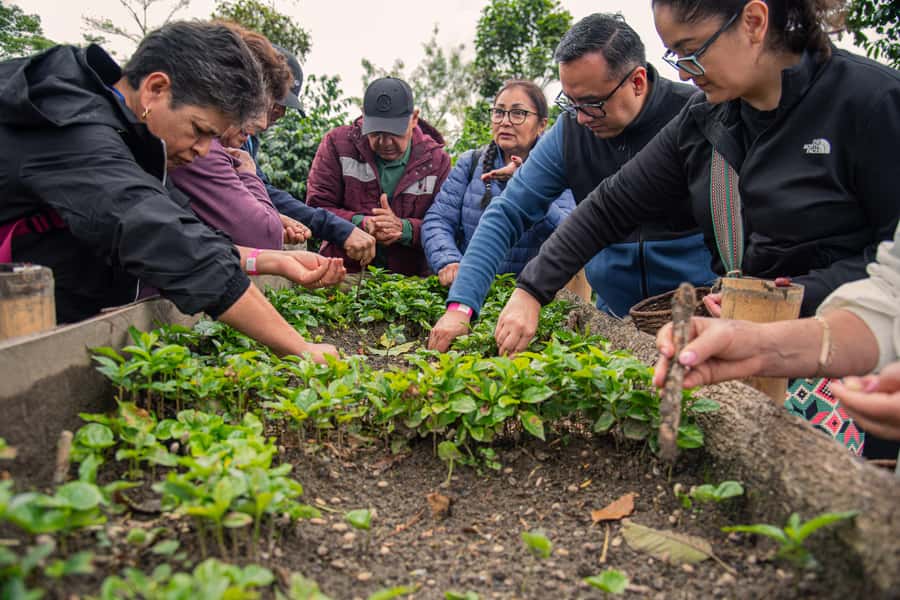
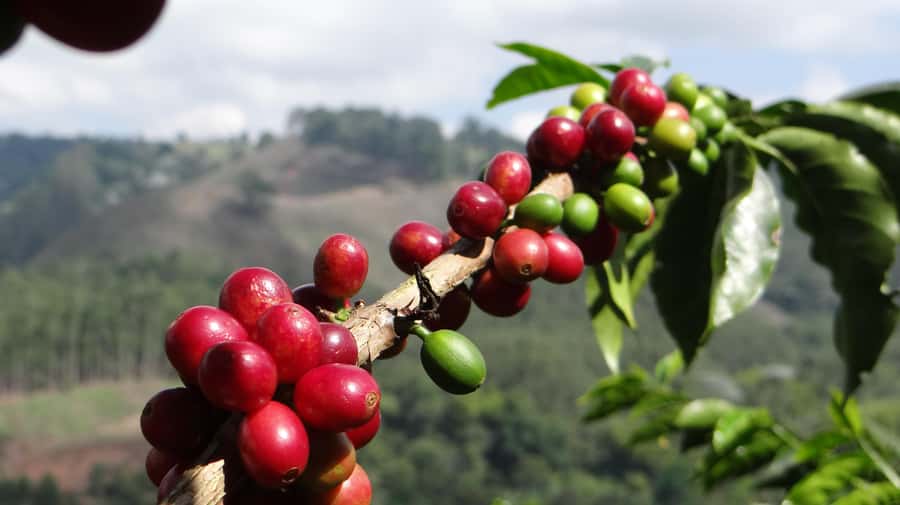
The tour begins with the story of coffee and the species most common in the area. You learn how coffee trees are planted and how they grow before walking through the gardens and coffee plantations.
This part matters because it gives context to the later stages. Coffee is not produced in a single dramatic step. It depends on planting, steady care, harvesting at the right time, and careful handling after the fruit leaves the tree. Seeing the plants first helps you understand why the farm pays attention to cultivation and fertilization.
The tour also covers sowing and harvesting. The supplied information does not promise that you will personally pick coffee or plant a tree, so I would treat this as an explanation and farm walk rather than a hands-on agricultural workshop. Depending on the season, you might see different stages of the crop, but the activity itself is built around learning how the work is done.
The gardens add another layer to the visit. The explanation of fauna and flora helps show how coffee farming sits within a wider living environment. This is a good point to listen closely if you care about responsible farming, since the farm connects its production methods with sustainability.
Composting and sustainability in practical terms
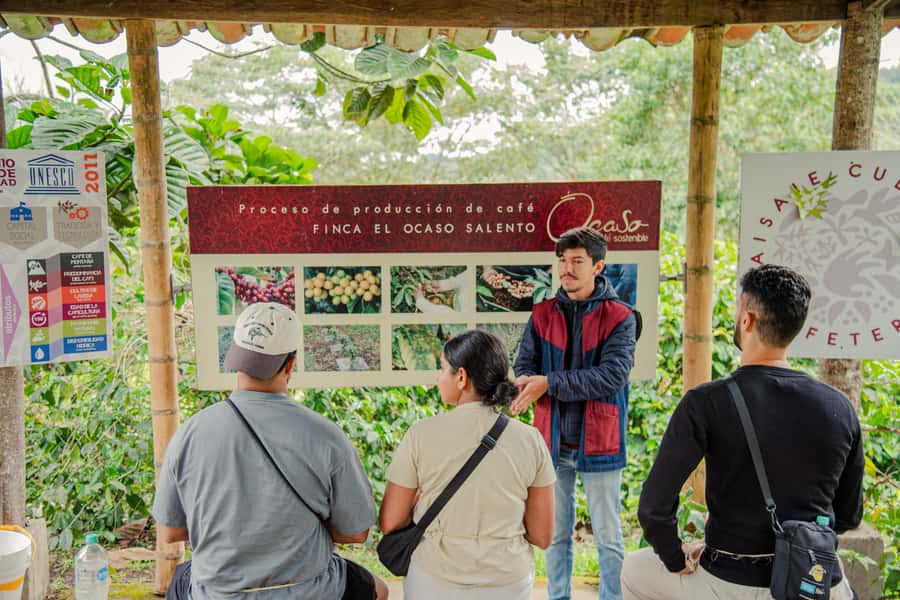
The composting station is one of the most useful stops because it turns the word sustainability into something visible. You can see where organic material is handled and learn how compost relates to fertilizing the coffee crop.
The experience also explains the farm’s sustainability certification. A certificate alone does not tell you everything about a farm, but it gives you a clear subject to ask about. Listen for how the farm links soil care, crop fertilization, and the surrounding plants and wildlife.
I prefer this kind of explanation to a vague promise that coffee is eco-friendly. The tour shows at least one working part of the system, then places it beside the plantation and the local ecology. That helps you think about coffee as an agricultural product with costs and responsibilities, not just a beverage.
There is no claim that this is a long conservation walk, and the activity lasts only 90 minutes. You should expect a focused introduction rather than a full study of the farm’s environmental practices. For most visitors, that is enough to make a morning or afternoon coffee stop more meaningful.
More trips in the Coffee Region:
- From Salento: Cocora Valley Shared Tour
★ 4.8 · 246 reviews - Salento/Pereira: Cocora Valley & Salento Hiking Private Tour
★ 4.8 · 78 reviews - Salento and Cócora Tour + Coffee Farm from Pereira/Armenia
★ 5.0 · 33 reviews - Filandia, Salento and Cocora Valley Private Tour
★ 4.7 · 23 reviews
Inside the mill: from fruit to green coffee
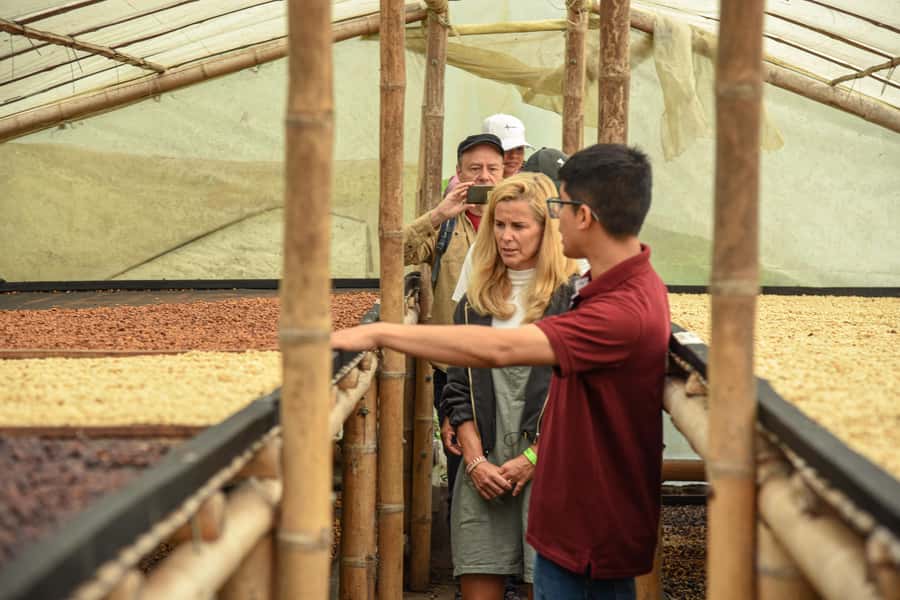
The mill is where the tour becomes especially concrete. You visit the hopper, pulper, and drying areas, then learn about storage, threshing, and commercialization.
The hopper receives the harvested coffee fruit. The pulper removes the outer fruit from the beans. These machines help you see how much work takes place before coffee is ready for roasting. A bag of roasted beans may look finished and tidy, but at the farm level the process is more physical and more involved.
The visit includes both mechanical drying and traditional drying. That comparison is valuable because drying has a direct effect on quality. You do not need specialist training to understand the basic point: moisture must be managed carefully before coffee can be stored and prepared for later stages.
Storage and threshing follow the drying discussion. Threshing removes the remaining husk from the dried coffee, leaving beans that can move toward sale and roasting. The tour also covers commercialization, which helps connect the farm’s work to the coffee market.
The mill visit may be the strongest part for anyone who wants to understand production. It gives you machines, materials, and sequence. Instead of hearing only that coffee is processed, you see the stages that carry it from harvested fruit toward a usable bean.
Roasting explains why the final cup changes
After the agricultural and mill work, the focus moves to roasting. You learn about different types of roasting and why roast level matters for coffee quality.
This is a helpful bridge between farming and tasting. A coffee’s flavor does not depend only on where it was grown. Roasting changes the character of the beans, and the tour explains that relationship before you drink the coffee.
The activity does not promise a formal professional tasting session or a long lesson in flavor scoring. I would expect a clear introduction suited to coffee lovers who want to understand the basics. If you already work in coffee, you may find the treatment brief. If you usually buy coffee without thinking about roast style, you will likely find it useful.
The order of the tour makes sense. First you see the plant and the farm. Then you follow the bean through the mill. Finally, you learn how roasting prepares it for the cup. That sequence gives the 90 minutes a good rhythm and prevents the tasting from feeling disconnected from the farm.
The cloth strainer and pot tasting
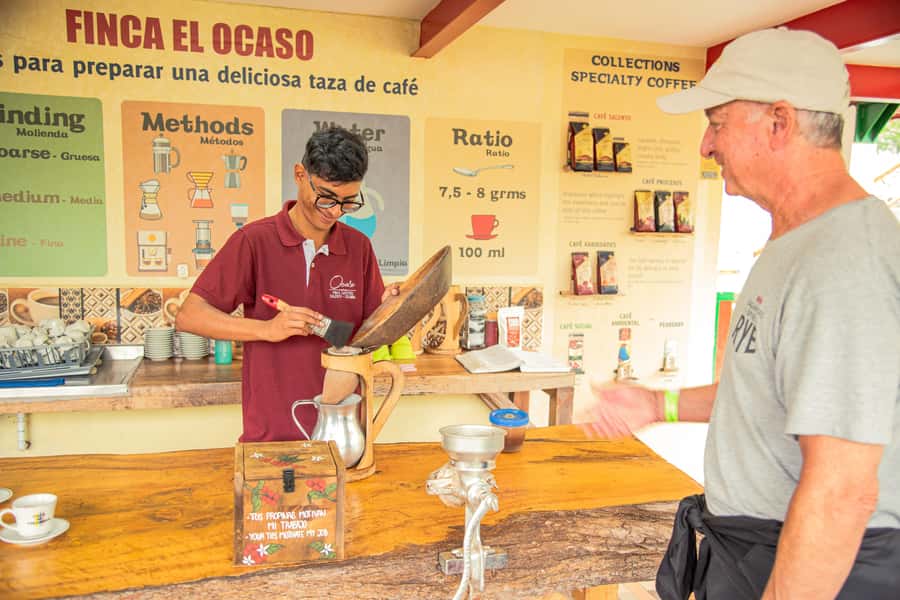
The final preparation uses a traditional cloth strainer and pot. This is a modest method, and that is part of its appeal. You are shown a familiar, low-tech way to prepare coffee rather than being given a complicated café-style presentation.
The tasting lets you connect the earlier explanations with something you can actually drink. You have heard about species, cultivation, drying, storage, and roasting. Now you can consider how those steps affect the aroma and flavor in the finished coffee.
I would not expect a large food service here. Food is not included, and the activity is built around coffee rather than a meal. If you need lunch or a substantial snack, plan that separately in Salento or before arriving.
The tasting is included in the $19 price. That makes the cost easier to justify, especially when you consider that the visit includes a farm walk, the sustainability explanation, and access to the mill. The value is strongest if you want to understand the process. If you only want a cup of coffee in a scenic setting, a shorter café stop may suit you better.
Language, pace, and guide quality
The live guide speaks Spanish, and some content is presented in its original language. You should be comfortable following a Spanish-language explanation or arrange another way to understand the material before booking.
The guide quality appears to be a major strength. The experience has earned praise for being friendly, clear, professional, and relaxed at the same time. Those qualities matter on a farm tour because the subject can become technical quickly. A good guide keeps the information moving and explains why each step matters.
Nicolás has been named as a particularly entertaining guide for an afternoon visit. Guide assignments can change, so I would not book on the assumption that he will lead your group. Still, his mention gives you a sense of the tone the farm aims for: serious about coffee, but easy to enjoy.
The 90-minute length is another advantage. It is long enough to cover the process without taking over your whole day in Salento. At the same time, the schedule leaves little room for a slow, extended plantation walk. If you prefer a very detailed agricultural visit, you may want to ask the farm whether a longer option exists.
What to bring and what to expect in the weather
Wear comfortable clothing and bring mosquito repellent. The farm specifically recommends repellent, and the rural setting makes that advice worth following. Repellent is also available for purchase at the farm if you forget.
Sun block is not included, so bring your own. The same applies to food and transportation. These exclusions are not surprising, but they affect how you should plan the outing.
Rain ponchos can be purchased at the farm, and rain does not cancel the tour. A wet-weather visit may change how comfortable the plantation walk feels, so light clothing and sensible footwear are wise choices. The supplied information does not specify footwear requirements, but the partly unpaved road and farm setting are good reasons to avoid delicate shoes.
Alcohol and drugs are not allowed. The tour is designed as a working farm visit, not a party activity.
Is $19 a fair price?
At $19 per person, I consider this a good-value introduction to Colombian coffee. The price includes the guide, the farm and plantation visit, the composting and sustainability section, the mill, the roasting lesson, the traditional preparation, and a tasting.
The cost becomes less attractive only when you add transportation and perhaps food. Since you must reach the farm independently, the total outing costs more than the advertised ticket. Even so, the core activity covers much more than a simple tasting.
I would compare it with what you want from the day. For a coffee enthusiast, the chance to see the full production chain makes the price reasonable. For someone with only a passing interest in coffee, the mill and roasting sections may feel more detailed than necessary.
The free cancellation policy also reduces the risk of booking. You can cancel up to 24 hours before the activity for a full refund, and the reserve-now, pay-later option keeps your plans flexible. These terms are helpful when weather and rural transportation could affect your schedule.
Who should book this farm visit?
I would recommend Finca El Ocaso to coffee drinkers who want to understand what is behind a Colombian cup. It suits people interested in farming, sustainable production, food systems, and traditional preparation.
It is also a good fit for visitors who have a free 90-minute window in Salento and are willing to arrange their own transport. Families and casual sightseers may enjoy the clear progression from plants to tasting, though the Spanish-only guiding should be considered carefully.
I would hesitate to recommend it if you need hotel pickup, want a fully paved approach, or expect an English-language tour. I would also choose another activity if your main goal is a full meal, a long nature walk, or a professional coffee certification class.
Before you go, check the available starting time and coordinate the Willys Jeep schedule. That small bit of planning will make the visit much easier.
Should you book the Finca El Ocaso coffee tour?
Book it if you want the story behind the drink, not just the drink itself. The strongest parts are the complete farm-to-cup route, the view of the mill, the comparison between mechanical and traditional drying, and the practical look at composting and sustainability.
Skip it if Spanish will prevent you from following the guide or if arranging rural transportation sounds frustrating. For everyone else, the 4.8 out of 5 rating, friendly guide style, included tasting, and $19 price make this one of the more useful coffee experiences around Salento.
FAQ
Where is Finca El Ocaso Salento located?
The farm is in the rural area of Salento, Colombia. You must travel directly to the farm because transfers are not included.
How long does the coffee tour last?
The tour lasts 90 minutes. Starting times depend on availability.
How much does the experience cost?
The listed price is $19 per person. Transportation and food are not included.
Is transportation to the farm included?
No. You arrange your own transportation. Willys Jeeps leave Salento every hour from 8:30 a.m. to 4:30 p.m., and you can also return to Salento by Willys from the farm.
Is the tour offered in English?
The live tour guide speaks Spanish. Some content is shown in its original language.
What will I learn during the tour?
You learn about coffee history, common coffee species, planting, growth, harvesting, sowing, composting, fertilization, sustainability, fauna, flora, milling, drying, storage, threshing, commercialization, roasting, and traditional preparation.
Is a coffee tasting included?
Yes. The tour includes a tasting and a traditional preparation using a cloth strainer and pot.
What should I bring?
Bring comfortable clothing, insect repellent, and sun block. Rain ponchos and mosquito repellent can be purchased at the farm.
What happens if it rains?
The activity is not cancelled because of rain. Rain ponchos are available for purchase at the farm. The road is partly unpaved, so plan your transport with wet conditions in mind.
Just added in Salento Colombia
- Tour to Salento and Cocora Valley from Pereira or Armenia★ 5.0 · 2 reviews
- Salento: hike to learn about Birds★ 4.9 · 6 reviews
- Salento: Salento & Cocora Valley Tour★ 5.0 · 11 reviews
- Salento, Cócora + Horseback Riding from Pereira or Armenia★ 5.0 · 1 review
- Salento: Coffee Farm Tour with Tasting★ 4.9 · 41 reviews
- Salento, Cocora Valley & Cocoa Tour from Pereira or Armenia★ 5.0 · 1 review
- Salento: Coffee Master Roasting, Brewing and Tasting Tour★ 4.8 · 6 reviews
- Salento, Cocora and Filandia Full Plan from Pereira/Armenia★ 5.0 · 11 reviews
Colombian Coffee Tours, compared.

Half Day Bike Tour in Medellin – Local snack, Coffee or Beer
Read our review →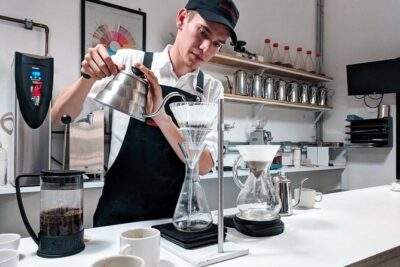
Half-Day Coffee Tour: From the Seed to the Cup, Farm & roastery
Read our review →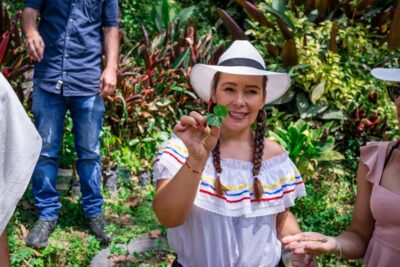
Coffee Tour with Transport, Snacks and Tastings
Read our review →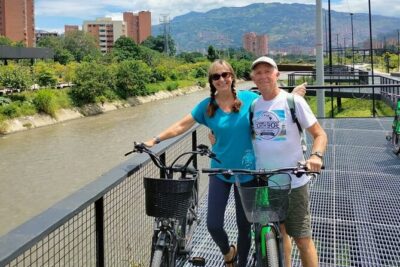
Electric Bike City Tour Medellin With Colombian Coffee and Snack
Read our review →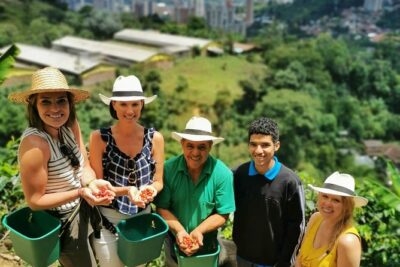
Private Coffee Farm Tour in Medellin: Real Authentic Experience
Read our review →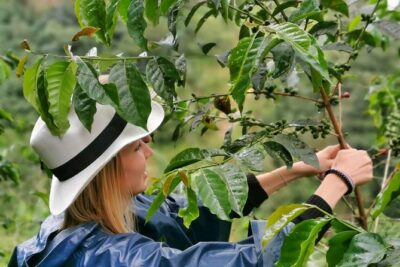
Guatape & Coffee Farm & El Peñol Rock & Quaint Town: Best Combo
Read our review →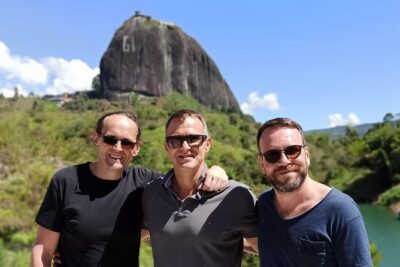
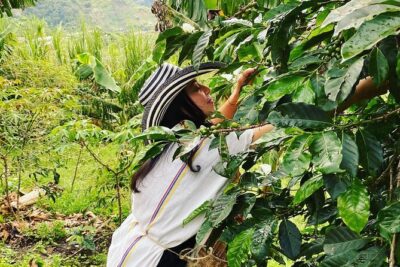
Coffee tour in Medellín with tastings and transportation
Read our review →Browse the lists this tour appears in