

REVIEW · COLOMBIAN COFFEE TOURS
Coffee Class & Tour: prepare, test and know my culture.
Coffee can tell you a lot about Cartagena.
This two-hour coffee walk and class combines colonial streets, local cafés, and a hands-on brewing lesson in Getsemani. I like the chance to compare Arabica, Robusta, and Liberian coffee, and I like that you prepare your own Colombian cup with guidance from a barista. The one drawback is that the experience may leave you with a serious caffeine buzz, especially if you sample at several cafés.
I also like the small-group limit of 15 people, which should make questions easier and the class less crowded. Alexis has earned special praise for his passion and clear explanations, while the staff at Senior Titis adds a local connection. Still, the tour is best for people who enjoy walking and tasting coffee, not for anyone seeking a full meal or a long sit-down café visit.
In This Review
- Key points to know before booking
- Getsemani is the right starting point
- Three cafés make the tasting more useful
- Arabica, Robusta, and Liberian coffee
- From coffee plant to finished cup
- Why the class works for non-coffee drinkers
- What Alexis and the baristas add
- Is $35 a fair price?
- Timing, group size, and practical details
- Who should book this coffee experience?
- Should you book it?
- FAQ
- Where does the coffee tour begin?
- Where does the experience end?
- How long does the experience last?
- What types of coffee are included?
- Is the coffee class offered in English?
- What is included in the price?
- How many people can join the activity?
Key points to know before booking
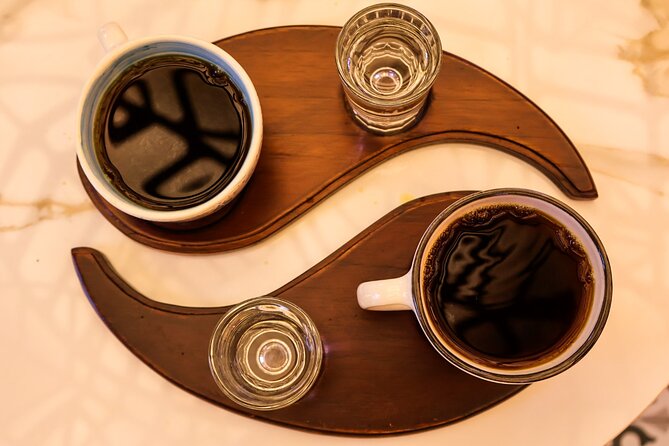
- Three coffee styles in one class: Compare Arabica, Robusta, and Liberian coffee, each with different aromas, strength, and caffeine levels.
- Getsemani sets the scene: The tour begins in Cartagena’s colorful colonial district, with walking, photographs, and local stories along the way.
- You prepare your own cup: Baristas explain brewing methods and guide you through the process from plant to finished drink.
- Small group, English narration: The maximum group size is 15, and the activity is offered in English.
- A good choice for non-coffee drinkers: Alexis has impressed even people who normally avoid coffee because the class explains flavor and preparation so clearly.
- Plan for caffeine: Sampling at three cafés can add up quickly, so pace yourself if you are sensitive to coffee.
Getsemani is the right starting point
You meet at Centro Comercial y Empresarial Getsemani, at Cra. 8b #8B-74 in the Getsemani district of Cartagena. From there, the experience takes you through one of the city’s most photogenic areas, with colonial streets providing a natural setting for stories about local culture and daily life.
Getsemani is a useful place to begin because it feels more personal than a formal museum visit. As you walk, you are not only moving between coffee stops. You are seeing the streets where the city’s colors, architecture, food, music, and neighborhood life come together.
The walking portion is part of the lesson. Coffee does not exist separately from Colombian culture, and the tour uses Cartagena itself as the classroom. You should expect short walks between cafés rather than a single location from start to finish.
The exact length of each walk is not specified, so comfortable shoes are sensible. The streets are also useful for photographs, but you will want to stay focused on the guide while moving through the district.
More coffee tours in Cartagena:
- Cartagena: Colombian Specialty Coffee Tasting
★ 4.4 · 130 reviews - Cartagena Coffee Masters
★ 4.5 · 40 reviews - Cartagena Highlights: San Felipe, Popa & Coffee Experience
★ 4.5 · 39 reviews
Three cafés make the tasting more useful
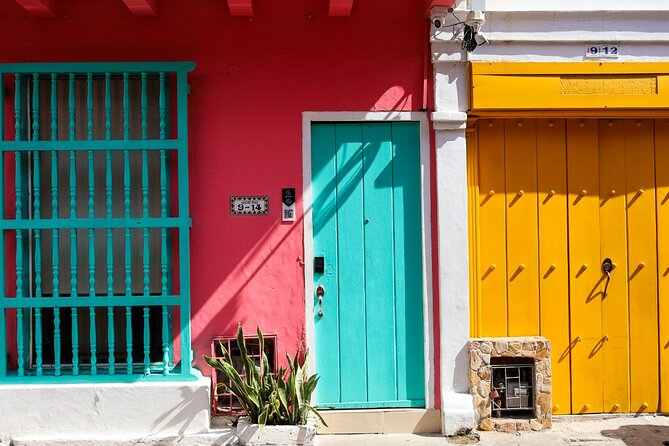
One of the strongest features is the chance to visit local coffee shops and taste different preparations along the way. A single cup can be pleasant, but several stops help you notice how beans, roasting, brewing, and serving style affect the final drink.
One account describes visiting three cafés and leaving with a strong caffeine buzz. That detail is worth taking seriously. The samples may be enjoyable, but you do not need to rush through every cup. If coffee affects your sleep or makes you jittery, ask the guide how much you are tasting at each stop.
Senior Titis is one of the cafés connected with the experience. The café’s name refers to an endangered Colombian monkey, and it also supports a local cause. The barista there has been praised for being welcoming, which adds more value than simply receiving a drink and moving on.
The café visits also give you a look at the social side of coffee. You get to see how coffee is presented in local businesses, not just hear a technical explanation in a classroom. The activity ends back at the original meeting point, so you do not need to arrange a separate pickup from the final café.
Arabica, Robusta, and Liberian coffee
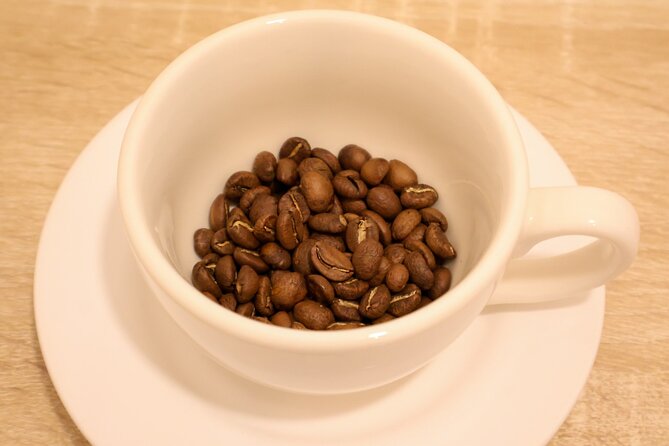
The tasting introduces three coffee variations. The most familiar is Arabica, or Coffea Arabica, which is described as soft and aromatic, with fruity and floral notes. It is the most widely cultivated coffee type in Colombia.
Arabica is often the easiest place to begin because its gentler profile lets you focus on aroma. If you normally add milk or sugar, try it plain first. You may notice the floral or fruity character more clearly before adding anything.
Robusta gives you a sharper contrast. It is stronger, more bitter, and higher in caffeine, and it is often used in espresso. If Arabica feels light and fragrant, Robusta should taste more forceful. This comparison is useful because it shows that coffee strength is not only about how dark the drink looks.
The third sample is the Liberian variation. It has a floral and fruity aroma, with a larger and less common bean. You may not encounter it often in an ordinary café, so this is one of the more unusual parts of the tasting.
The class does not treat coffee as one single flavor. You learn to look for aroma, bitterness, fruit, flowers, strength, and texture. That makes the session useful even if you are still learning what you like.
From coffee plant to finished cup

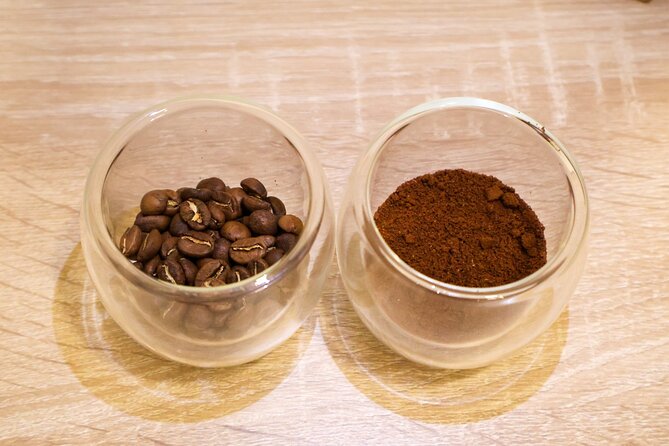
The class covers the full process, beginning with the plant and harvest. You then move through roasting and preparation methods before tasting the results.
That order matters. Many coffee tastings begin with a finished drink and ask you to guess what you notice. Here, you first gain a basic sense of how the bean changes before it reaches your cup. It gives you a clearer reason for differences in taste.
The roasting section should help explain why one coffee smells sweeter or tastes more bitter than another. The available details do not specify the exact roasting demonstrations or equipment, so you should think of this as an instructional overview rather than a full roasting workshop.
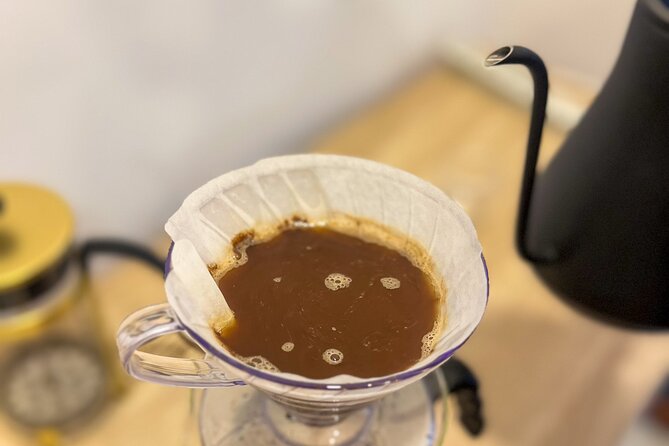
The preparation section is the practical heart of the experience. Baristas share techniques and guide you as you make your own Colombian coffee method. You are not simply watching someone else brew. You get to take part and test what you have learned.
One especially strong point is the focus on brewing methods. A useful coffee class should leave you with something you can repeat at home, and this one aims to do that. The title’s promise to help you make coffee properly is supported by the hands-on format.
More things to do in Cartagena:
- Cartagena Island Hopping: 5-Stop Rosario Islands Tour with Lunch
★ 4.5 · 4,903 reviews - Cartagena: Historic Center and Getsemaní Shared Walking Tour
★ 4.9 · 2,716 reviews - Cartagena: Rosario Islands Catamaran with Lunch and Snorkel
★ 4.5 · 2,479 reviews - Full-Day Rosario Islands Including Barú, Bocachica & Playa Blanca
★ 4.0 · 1,729 reviews
Why the class works for non-coffee drinkers
You do not need to be a devoted coffee drinker to get something from this experience. One person who does not drink coffee regularly still found the class worthwhile because Alexis explained the subject with energy and care.
That is important. A coffee tour can easily become a parade of tasting notes that makes beginners feel lost. Here, the class appears designed to explain the basics in a friendly way, with the tasting used to make the lessons concrete.
If you dislike bitter drinks, you can still compare the softer Arabica with the stronger Robusta and notice which one suits you better. You might also enjoy the cultural side, the walk through Getsemani, and the chance to ask how local cafés serve coffee.
The experience is less suitable if you want to avoid caffeine completely. Coffee and tea are included, but no alternative tasting menu is specified. If you have dietary or caffeine concerns, ask the host before the class begins.
What Alexis and the baristas add
Alexis has received particular praise for his passion and clear command of the subject. That matters in a class built around taste, because a good guide must explain what you are sensing without making the process feel like an exam.
The other baristas also play an important role. You are introduced to more than one café, and the staff help connect the technical lesson with the everyday experience of drinking coffee in Cartagena.
Senior Titis adds a different layer. Its connection to an endangered Colombian monkey gives the café a memorable identity, and the local cause makes the stop feel more meaningful than a simple commercial break.
The available details also note that Alexis offers salsa dancing classes. That is not part of this coffee experience, but it suggests you may be meeting a guide with broader interests in Cartagena’s culture. Do not book this tour expecting a dance lesson, though. The stated focus is coffee, cafés, walking, and local narration.
Is $35 a fair price?
The cost is $35 per person for about two hours. That price includes coffee and/or tea, a host or guide, and narration about the area’s history and culture.
I consider the price reasonable if you value instruction as much as tasting. You are paying for more than several drinks. The fee covers a guided walk, multiple café visits, an explanation of coffee production, comparisons between bean types, and a hands-on preparation session.
The value is strongest for couples, families, and small groups who would otherwise spend the afternoon moving from café to café without much context. Here, the guide gives structure to the stops and helps you understand what is in the cup.
The value is weaker if you only want a cheap coffee. You could spend less by visiting one café on your own, but you would not receive the same organized lesson or guided comparison.
Food is not included, and no meal is specified. Have breakfast or lunch separately, especially because coffee can feel stronger on an empty stomach. The experience focuses on drinks and instruction rather than a full culinary tour.
Timing, group size, and practical details
The activity lasts approximately two hours. That makes it easy to fit into a morning or afternoon without giving up half a day of sightseeing.
The maximum group size is 15 people. This is not a private class, but it is small enough that you should have a fair chance to hear the guide and ask questions. The actual group may be smaller, though no average group size is provided.
The tour is offered in English and uses a mobile ticket. Confirmation is received when you book. It begins and ends at the same Getsemani meeting point, which simplifies the rest of your day.
Public transportation is nearby, and service animals are allowed. Specific information about wheelchair access, restrooms, or the amount of walking is not provided, so ask the provider if any of those details matter to you.
Demand appears steady, with bookings made about 11 days ahead on average. You do not necessarily need to reserve far in advance, but booking early is sensible if you have only a short stay in Cartagena or want a particular date.
Free cancellation is available if you cancel at least 24 hours before the local start time. Changes or cancellations made less than 24 hours ahead are not accepted for a refund.
Who should book this coffee experience?
I would point coffee fans toward this class first. You get several varieties, brewing instruction, café visits, and enough explanation to sharpen your taste.
It also suits curious beginners. You do not need to know the difference between a pour-over and an espresso before arriving. The class begins with the basic coffee journey and works toward your own preparation.
Families can enjoy it as a shared activity, although very young children may not care about tasting notes or brewing methods. The small group and flexible teaching style may help, but the supplied information does not specify a minimum age.
This is also a good choice for people who want culture without a formal museum setting. You walk through Getsemani, hear local stories, meet café staff, and connect Colombian coffee with the city around you.
I would hesitate to recommend it to anyone who dislikes walking, cannot consume caffeine, or expects a substantial meal. The experience is built around tasting and preparation, not lunch.
Should you book it?
Book this experience if you want to understand Colombian coffee while seeing part of Cartagena’s Getsemani district. The best reasons are the comparison of Arabica, Robusta, and Liberian coffee, the chance to brew your own cup, and the warm teaching style associated with Alexis and the café staff.
At $35, it offers solid value when you want both a cultural walk and a practical class. Just plan for coffee samples rather than food, wear comfortable shoes, and pace your caffeine. If that sounds like a pleasant way to spend two hours, this is an easy addition to your Cartagena plans.
FAQ
Where does the coffee tour begin?
It begins at Centro Comercial y Empresarial Getsemani, Cra. 8b #8B-74, Getsemani, Cartagena de Indias, Bolívar, Colombia.
Where does the experience end?
The activity ends back at the meeting point in Getsemani.
How long does the experience last?
It lasts approximately two hours.
What types of coffee are included?
The tasting includes Arabica, Robusta, and Liberian variations of Colombian coffee.
Is the coffee class offered in English?
Yes. The activity is offered in English.
What is included in the price?
Coffee and/or tea, a host or guide, and narration about local history and culture are included. Meals are not included.
How many people can join the activity?
The maximum group size is 15 people.
Just added in Cartagena
- Private History Photography Tour★ 5.0 · 17 reviews
- Self-Guided Audio Tour: Pirate Tales in Cartagena★ 3.0 · 2 reviews
- Paue Island Tour in the Rosary Islands★ 5.0 · 1 review
- Totumo Volcano★ 3.5 · 15 reviews
- Party without limits! Cartagena; VIP Party.★ 4.5 · 32 reviews
- Paragliding Experience in Cartagena★ 5.0 · 8 reviews
- Palmarito Beach★ 3.5 · 4 reviews
- Tour cultural to san Basilio de Palenque from cartagena★ 5.0 · 45 reviews
Colombian Coffee Tours, compared.
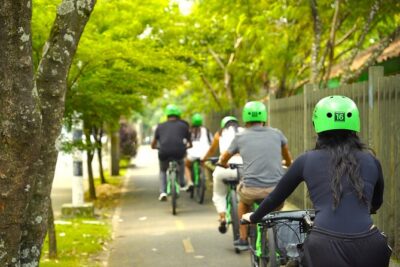
Half Day Bike Tour in Medellin – Local snack, Coffee or Beer
Read our review →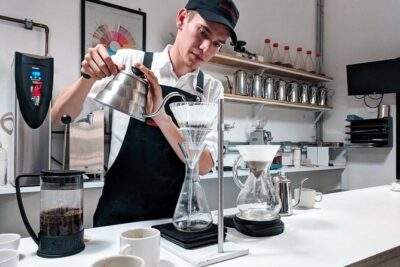
Half-Day Coffee Tour: From the Seed to the Cup, Farm & roastery
Read our review →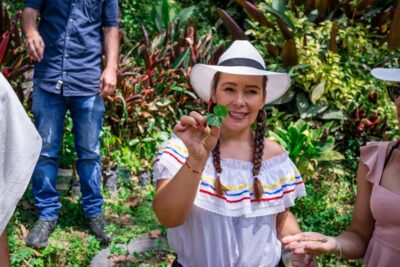
Coffee Tour with Transport, Snacks and Tastings
Read our review →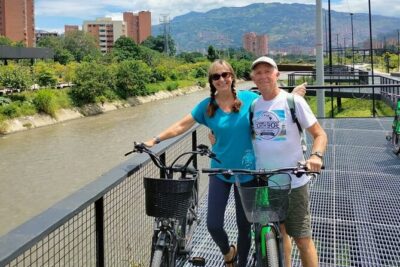
Electric Bike City Tour Medellin With Colombian Coffee and Snack
Read our review →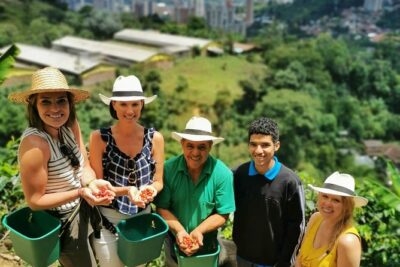
Private Coffee Farm Tour in Medellin: Real Authentic Experience
Read our review →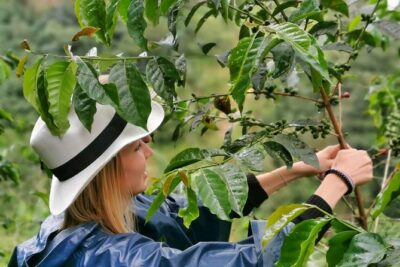
Guatape & Coffee Farm & El Peñol Rock & Quaint Town: Best Combo
Read our review →
Coffee tour in Medellín with tastings and transportation
Read our review →Browse the lists this tour appears in