
REVIEW · COLOMBIAN COFFEE TOURS
Cartagena: Colombian Specialty Coffee Tasting
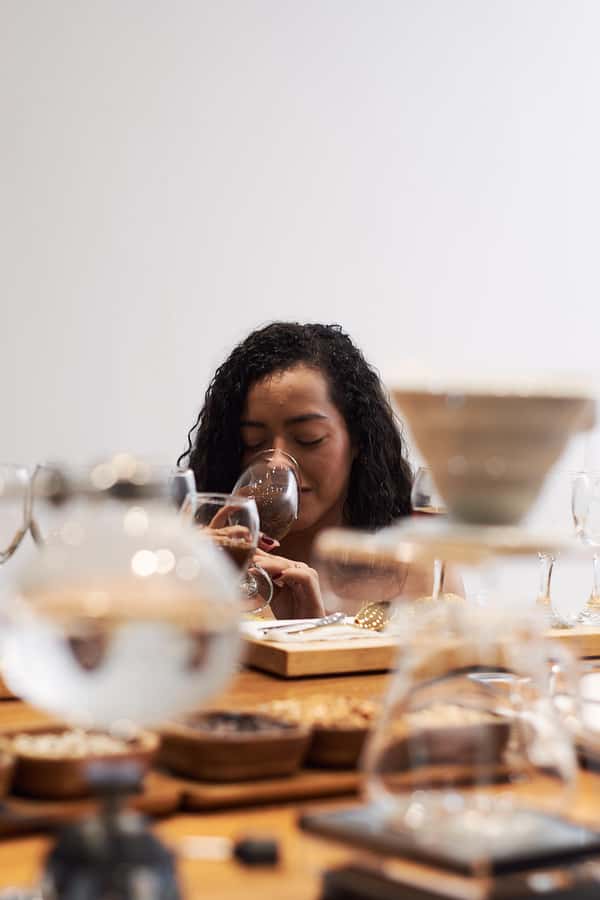
Coffee can change how you see Colombia. This two-hour workshop explains the drink from seed to cup, then lets you taste three specialty coffees prepared in different ways. I like the clear, hands-on look at growing, processing, aromas, and brewing, and I also like the range of sensory work with fresh fruit, dried fruit, and chocolate. The main thing to consider is that the session can feel more like a focused coffee class than a relaxed café stop.
The setting is a dedicated coffee experience center connected with Café-472, rather than a plantation. That makes it a useful choice if you want solid coffee education without leaving Cartagena. Guides such as Tomas, Thomas, Santiago, Arturo, Pedro, Sebastián, and Miguel have led sessions, and the repeated praise centers on their passion, humor, and ability to explain complicated coffee ideas in plain English or Spanish.
In This Review
- Key points at a glance
- What happens when you arrive at Café-472
- The Colombian coffee story, from seed to parchment bean
- Your nose gets the first assignment
- Three cups, three different personalities
- Building a vocabulary you can use at home
- How interactive is the class?
- Is $15 a fair price?
- Who should book this Cartagena experience?
- Pair it with Manga and Getsemaní
- Booking details worth knowing
- FAQ
- Where does the Colombian coffee tasting take place?
- How long does the coffee workshop last?
- How much does the experience cost?
- Which languages are available?
- Which coffee brewing methods are included?
- What will I taste besides coffee?
- Is strong perfume allowed?
- Can I cancel the booking?
- Should you book it?
Key points at a glance
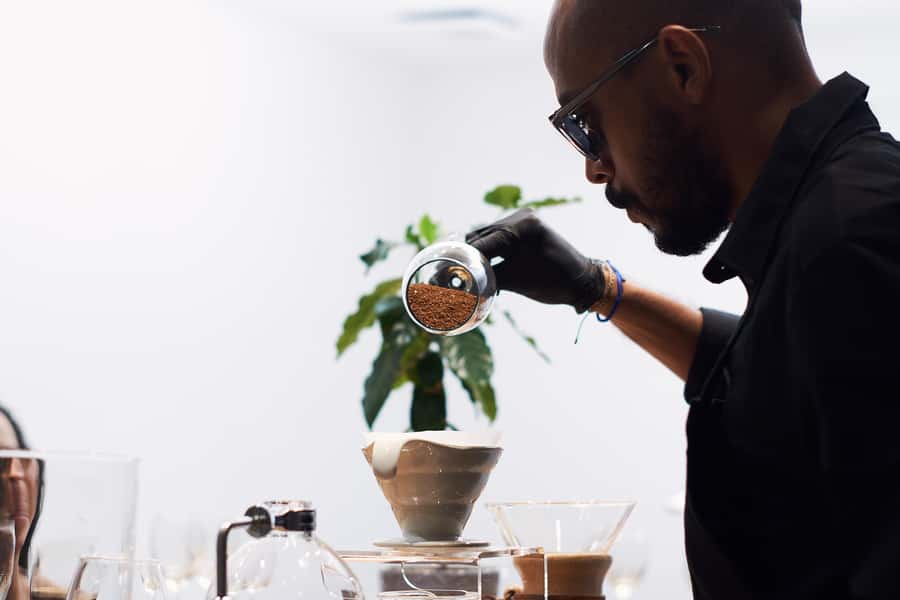
- Three brewing methods: Compare Chemex, V60, and Hario TCA-5 siphon coffee, each chosen to show a different style.
- From plantation to cup: Learn about Colombian coffee growing, harvesting, processing, roasting, and preparation in a classroom setting.
- A sensory workout: Use a coffee aroma set, fresh fruits, dehydrated fruits, and chocolate to build your tasting vocabulary.
- Excellent guides: Tomas and Thomas are praised for their deep coffee knowledge, while Santiago, Arturo, Pedro, Sebastián, and Miguel bring humor and warmth.
- Good Cartagena value: At $15 per person, the workshop offers two hours of instruction and several tastings at a modest price.
- One practical warning: Check the meeting point carefully, since one booking address has led people to the wrong place.
What happens when you arrive at Café-472
You meet at a coffee experience center designed for this kind of session. The supplied directions say you only need to tell the staff you are there for the activity, but getting there deserves a little care.
One visitor had trouble because the address led to the wrong location. The useful fix is to search for Consultorio Dra. Bleidys Mendoza Sotomonte in your ride app. The café is across from that dentist office and is called Café-472. If you use Uber, entering the dentist office name reportedly works better than relying on the activity address alone.
That small navigation problem is worth knowing before you set out. Cartagena’s heat and humidity can make a wrong turn unpleasant, so give yourself time and save the café name and the nearby landmark. The venue itself has air conditioning, which is welcome after a walk through the city.
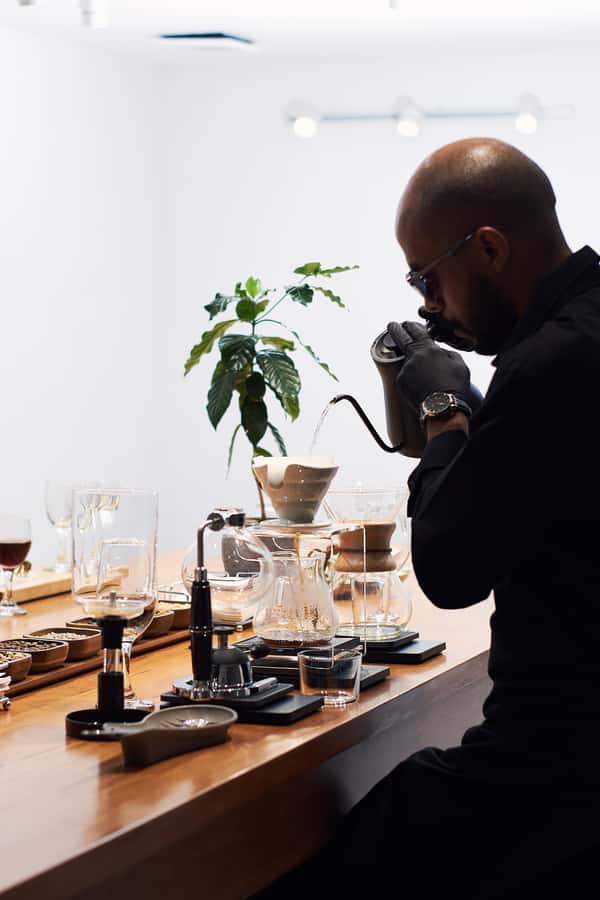
Inside, the setting is clean, polished, and purpose-built. One visitor described it as luxurious and unusually refined for a coffee class. I would not book this expecting a rustic farm visit, though. You are learning about plantation work in a classroom and laboratory-style space, not walking among coffee plants.
More Food Tours in Cartagena
- Street Food Tour in Cartagena
★ 5.0 · 1,143 reviews - Cartagena: Guided Street Food Tour with Tastings
★ 4.9 · 833 reviews - Rum and Chocolate Tasting in Cartagena
★ 5.0 · 360 reviews
The Colombian coffee story, from seed to parchment bean
The opening lesson sets up the rest of the tasting. You learn about the origins of coffee, Colombian coffee-growing regions in broad terms, and the stages that carry a coffee bean from the plant toward the final drink.
The class covers planting, harvesting, and coffee processing. You also get an introduction to the parchment bean, the stage before the coffee is fully prepared for roasting and brewing. This matters because specialty coffee is not defined only by the final brewing trick. Conditions at the farm and the way the bean is processed shape the aromas and flavors you later notice in the cup.
I like this part because it gives the tasting a useful framework. Instead of hearing that one coffee is fruity and another is smooth, you begin to understand why processing and preparation can create such different results from the same broad product.
The guides explain the subject with different personalities. Tomas and Thomas receive especially strong praise for their expertise and passion. Santiago is described as lively and easy to follow, while Pedro is praised for explaining the purpose of different filter methods in detail. Arturo is noted for his ability to explain coffee quality, history, and harvesting in a welcoming way.
The exact guide may vary, so expect the same general format but not an identical performance. That variation can be a plus. Some sessions sound more lecture-based, while others involve more questions and participation.
Your nose gets the first assignment
Before drinking much coffee, you work with scent. The olfactory section uses a coffee nose, a set of aroma references that helps you connect smell with what later appears in the cup.
This is not just a fancy extra. Much of what people call coffee flavor comes through aroma, and many newcomers struggle to describe what they notice. The coffee nose gives you a starting point. You might begin with simple impressions, then move toward fruit, flowers, chocolate, sweetness, or other familiar references.
The activity also uses fresh fruit, dehydrated fruit, and chocolate to wake up your sense of taste. These ingredients offer clear comparisons. Fresh and dried fruit can help you think about brightness and sweetness, while chocolate can give you a reference for deeper, rounder notes.
You do not need a trained palate. The class is designed to build basic sensory skills, not test you. Santiago, in particular, is praised for making the process accessible to people who had never tasted coffee in this formal way.
One useful outcome is that you begin to identify your own preferences. You may find that you prefer bright, fruit-forward coffee, or you may lean toward a smoother cup with honey-like sweetness. The point is not to choose the most sophisticated option. It is to understand what you actually enjoy.
Three cups, three different personalities
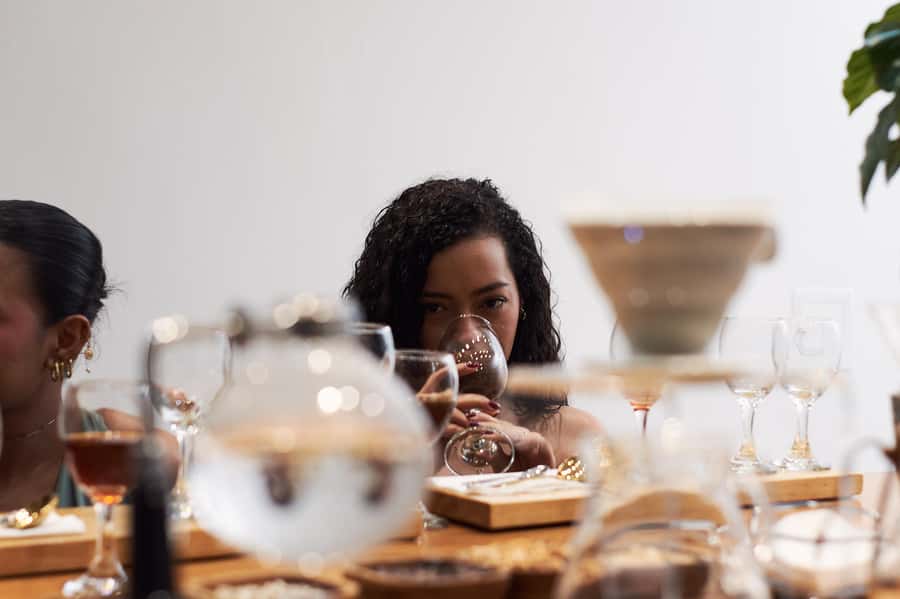
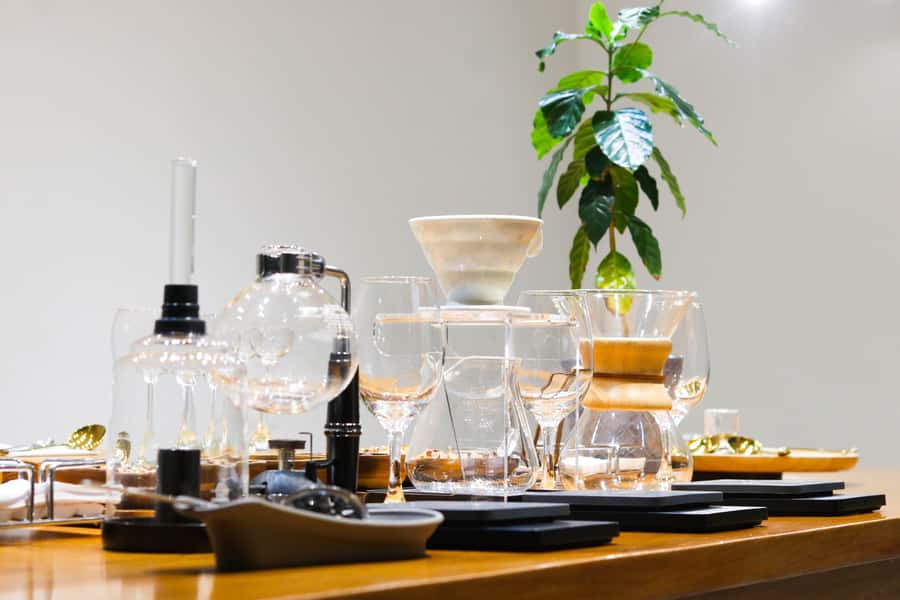
The central tasting compares three Colombian specialty coffees prepared with three brewing methods. The methods named in the program are Chemex, V60, and the Hario TCA-5 siphon.
The Chemex is used to highlight fruity and complex notes. Its presentation also makes it easy to see that brewing equipment is not decoration alone. The method affects how the coffee feels and what flavors come forward.
The V60 brings out brightness and body. This gives you a useful comparison with the Chemex. One cup may seem more lifted and fruit-led, while the other gives you a different balance of weight and structure.
The Hario TCA-5 siphon produces a rounder, smoother cup, with honey aromas noted during one session. The siphon is also the most visually distinctive method of the three. You may find this part especially enjoyable if you like watching coffee being prepared as much as drinking it.
Together, the three methods show why coffee preparation matters. A bean is not simply good or bad in isolation. Water, timing, grind, and brewing style can bring out different traits. The guide explains what each method is doing and helps you compare the results rather than treating tasting notes as fixed rules.
The coffees are generally presented as smooth and high-quality, with flavors ranging from fresh fruit to chocolate and floral sweetness. One participant described the coffee as the smoothest they had tasted, while another said the session changed how they viewed coffee.
You should expect several cups, but this is still a guided tasting rather than an unlimited coffee bar. The focus is comparison and learning. If you are sensitive to caffeine, keep that in mind before booking.
More coffee tours in Cartagena:
- Cartagena Coffee Masters
★ 4.5 · 40 reviews - Cartagena Highlights: San Felipe, Popa & Coffee Experience
★ 4.5 · 39 reviews - Colombian Coffee Sensory Immersion: From the Seed to the Cup.
★ 5.0 · 17 reviews - Coffee beyond the drink: master’s degree in Colombian coffee
★ 5.0 · 14 reviews
Building a vocabulary you can use at home
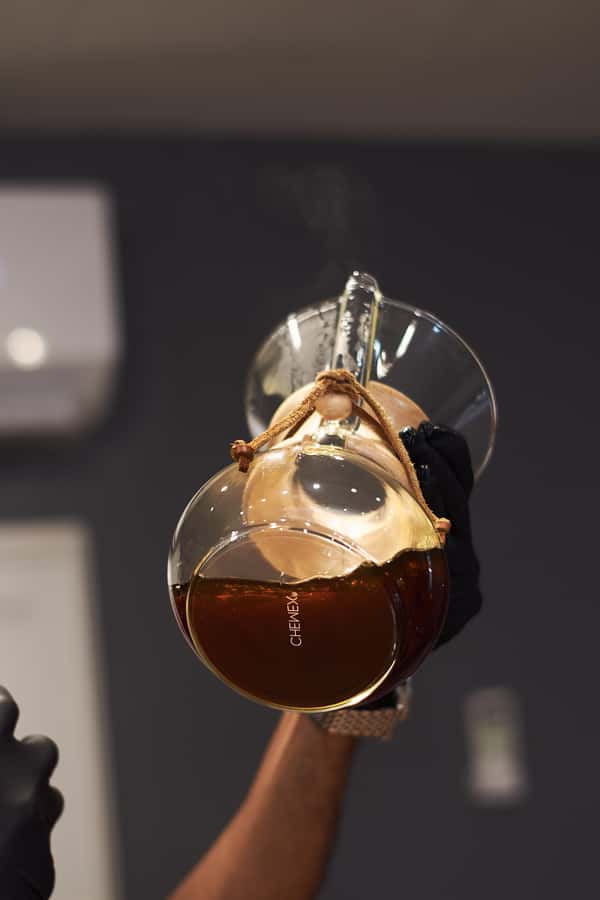
A strong feature of this experience is that it does not stop with tasting. You learn words for body, aroma, sweetness, brightness, and flavor profile. These terms help you explain why you like one coffee more than another.
Body refers to the weight or texture of coffee in your mouth. A cup can feel light and clean, or fuller and rounder. Brightness describes a lively quality often associated with fruit-like acidity, while sweetness may bring to mind honey, chocolate, or ripe fruit.
The guide encourages you to smell and taste rather than simply accept a description. That is important. Coffee language can sound precious when it is presented as a list of correct answers, but this class appears more useful when the instructor connects those terms to familiar foods.
The fruit and chocolate exercises make the lesson less abstract. You can compare a real ingredient with what you sense in the coffee. That gives you a better chance of using the vocabulary later, when you buy beans or order a pour-over at home.
Several people who attended with little coffee experience found the material easy to follow. At the same time, dedicated coffee fans appreciated the explanation of processing and third-generation brewing equipment. That range is one of the workshop’s strengths.
How interactive is the class?
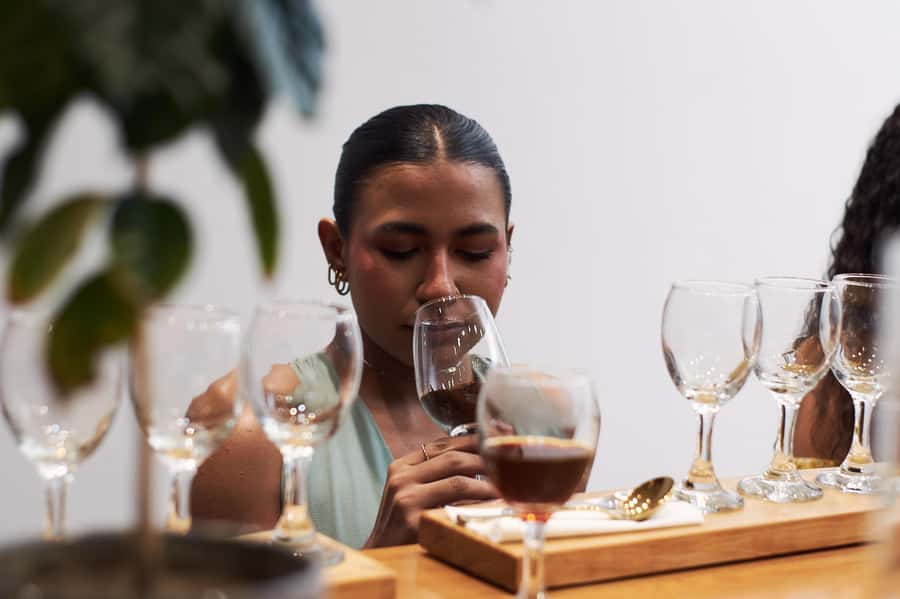
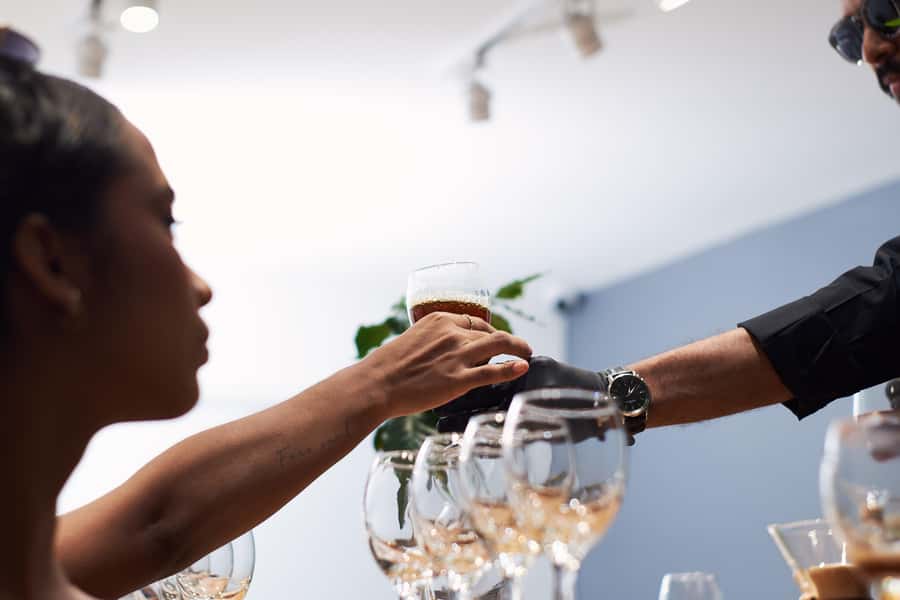
The answer depends partly on your guide and group size. Some sessions are lively and hands-on, with questions, sensory exercises, and a chance to try a brewing technique. Santiago let participants try the Hario siphon method, and other guides are praised for inviting questions and keeping the mood fun.
Other sessions feel more like a polished lecture. One participant enjoyed the luxurious setting and expert instruction but noted that the activity was not especially social or interactive. If you want to meet a group of new friends over casual drinks, this may not be the right fit.
Small groups can make the session more personal. Several people booked into quiet time slots and found themselves alone or nearly alone, yet still received the full program. That can be a pleasant surprise if you prefer direct access to the instructor.
A private or very small session may also mean more time for questions about brewing at home. Larger groups may offer more conversation among participants, but the exact group size is not stated, so you should not book on the assumption of either format.
Is $15 a fair price?

At $15 per person, this is an easy experience to justify for coffee drinkers. You receive a two-hour educational session, sensory exercises, three prepared specialty coffees, and a participation diploma titled Awakening of the Coffee Senses, From the Seed to the Cup.
The value is strongest if you would otherwise spend money on several separate café drinks and still have questions about Colombian coffee. Here, your payment covers the teaching as much as the coffee itself. You are learning how to compare methods, identify aromas, and understand processing.
It is less compelling if you only want one quick cup before sightseeing. The class takes time and attention, and you may find the presentation too formal if your ideal coffee stop is a stool, a pastry, and ten quiet minutes.
Some people also wished the session were shorter or that signature beans were offered at the end. The advertised duration is two hours, though one attendee described a longer session of about three hours. Plan for the scheduled two hours and allow extra time if the discussion runs on.
The café may also sell other drinks and pastries. One visitor praised the croissants and recommended the Bailey’s frappé, but these are additional café items rather than the core tasting. Treat them as optional extras.
Who should book this Cartagena experience?
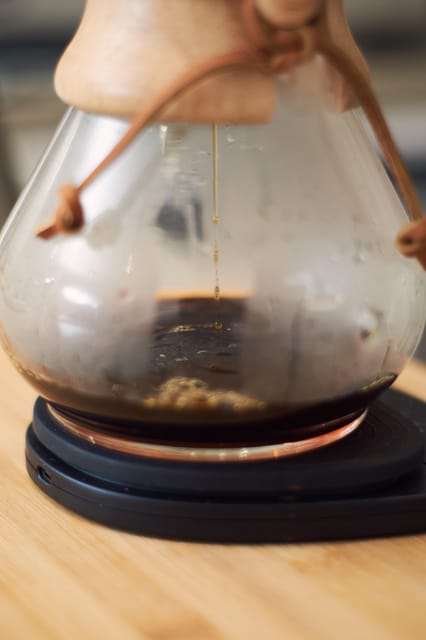
I would recommend it first to people who already like coffee and want to understand what they are drinking. It suits curious beginners too, especially if you want a calm, air-conditioned activity during a hot day in Cartagena.
It is also a good choice for couples with different levels of coffee enthusiasm. One person can enjoy the flavor and brewing demonstration while the other learns why the cup tastes different. A participant who did not usually drink coffee still enjoyed the aromas, fruit, chocolate, and preparation techniques.
The workshop can work well for friends, since the sensory exercises give you something to compare and discuss. Spanish and English are offered, and one bilingual session successfully included a participant’s mother-in-law who did not speak English.
I would hesitate to recommend it to someone seeking a plantation excursion. You will learn about Colombian farming and processing, but the activity takes place in a coffee center in Cartagena. It is also not the best match for anyone who dislikes classroom-style instruction or several servings of coffee.
Do not wear strong fragrance. Perfume or cologne can interfere with the aroma exercises, and strong fragrances are specifically not allowed.
Pair it with Manga and Getsemaní
The workshop makes a good part of a larger day. One useful plan is to visit Manga, attend the coffee class, and then continue toward Getsemaní. That gives you a change of pace from the historic center while keeping the coffee session connected to a wider look at Cartagena.
The exact order depends on your schedule, but the idea is sound: treat the tasting as a focused two-hour stop, not your only activity. The café’s location and the address confusion mean you should plan your route before leaving your hotel.
You may also want to avoid scheduling the class immediately before an important appointment. Cartagena heat, a wrong turn, or a session that runs long could make the timing tight.
Booking details worth knowing
The experience costs $15 per person and lasts two hours, with starting times subject to availability. English and Spanish instruction is available.
You can cancel up to 24 hours ahead for a full refund, and the reserve-now, pay-later option lets you hold a place without paying on the day you book. A separate entrance is available for the activity, so you do not need to wait in the ordinary café line.
The meeting point is the coffee experience center. Save Café-472 and the dentist office landmark before you go, and tell the staff you are there for the coffee activity when you arrive.
FAQ
Where does the Colombian coffee tasting take place?
It takes place at a coffee experience center in Cartagena, connected with Café-472. The activity listing identifies the location as Bolívar, Colombia.
How long does the coffee workshop last?
The scheduled duration is two hours. One participant described a session lasting closer to three hours, so allow a little flexibility if the discussion continues.
How much does the experience cost?
The price is $15 per person.
Which languages are available?
The instructors speak English and Spanish.
Which coffee brewing methods are included?
The tasting includes Chemex, V60, and Hario TCA-5 siphon preparation.
What will I taste besides coffee?
The sensory exercises include fresh fruits, dehydrated fruits, and chocolate. A coffee nose is also used for aroma training.
Is strong perfume allowed?
No. Strong fragrances are not allowed because they can interfere with the smell-based tasting activities.
Can I cancel the booking?
Yes. You can cancel up to 24 hours in advance for a full refund. A reserve-now, pay-later option is also available.
Should you book it?
Book this workshop if you want more than a good Colombian coffee. For $15, you get a clear lesson on growing and processing, three distinct brewing methods, guided aroma work, and a chance to figure out your own coffee preferences.
I especially like the combination of expert instruction and practical tasting. The best guides, including Tomas, Thomas, Santiago, Arturo, and Pedro, make the subject approachable without stripping away its detail. Just confirm the location, skip strong fragrance, and expect a class rather than a casual café visit.
If that sounds like your kind of afternoon, this is one of Cartagena’s better small activities for understanding the country through something you can drink.
Just added in Cartagena
- Private History Photography Tour★ 5.0 · 17 reviews
- Self-Guided Audio Tour: Pirate Tales in Cartagena★ 3.0 · 2 reviews
- Paue Island Tour in the Rosary Islands★ 5.0 · 1 review
- Totumo Volcano★ 3.5 · 15 reviews
- Palmarito Beach★ 3.5 · 4 reviews
- Party without limits! Cartagena; VIP Party.★ 4.5 · 32 reviews
- Paragliding Experience in Cartagena★ 5.0 · 8 reviews
- Palmarito Tour with Private Beach, Pools and Full Food★ 3.5 · 3 reviews
Colombian Coffee Tours, compared.

Half Day Bike Tour in Medellin – Local snack, Coffee or Beer
Read our review →
Half-Day Coffee Tour: From the Seed to the Cup, Farm & roastery
Read our review →
Coffee Tour with Transport, Snacks and Tastings
Read our review →
Electric Bike City Tour Medellin With Colombian Coffee and Snack
Read our review →
Private Coffee Farm Tour in Medellin: Real Authentic Experience
Read our review →
Guatape & Coffee Farm & El Peñol Rock & Quaint Town: Best Combo
Read our review →
Coffee tour in Medellín with tastings and transportation
Read our review →Browse the lists this tour appears in