
REVIEW · MUSEUMS
Cartagena: Guided Walking Tour with Museum and Churches
Cartagena’s old city rewards a good guide. This two-hour walk links the Zenú Gold Museum, colonial plazas, churches, bastions, and the Clock Tower into one compact introduction to the city. I like that the route begins with Indigenous history rather than jumping straight to Spanish colonial buildings. I also like the way it connects architecture with harder subjects, including slavery, trade, conquest, and independence.
The main drawback is the pace. Two hours is enough for an overview, but not enough for long visits at every stop. You will do moderate walking in Cartagena’s heat, and the tour is not suitable for wheelchair users or people with mobility impairments. Still, at $27 per person, this is a useful first look at the walled city, especially if you want context before exploring on your own.
In This Review
- Key Points To Know Before You Go
- Why This Two-Hour Route Works
- Beginning With Zenú Gold and Indigenous Cartagena
- Plaza de Bolívar and the Center of Colonial Power
- Santo Domingo Church and La Gorda Gertrudis
- Santo Domingo Bastion and Cartagena’s Pirate Coast
- Santa Teresa, India Catalina, and the Road to Independence
- San Ignacio Bastion and the Life of San Pedro Claver
- Plaza de la Aduana and the Business of Empire
- Ending at Plaza de los Coches and the Clock Tower
- Is $27 a Fair Price?
- Who Should Book This Walk?
- Should You Book It?
- FAQ
- Where does the Cartagena walking tour begin?
- Where does the tour end?
- How long does the tour last?
- Is admission to the Zenú Gold Museum included?
- What languages are available?
- Is the tour suitable for wheelchair users?
Key Points To Know Before You Go
- Start with 300 years of Zenú culture: The tour opens at the Zenú Gold Museum, where you learn about an amphibious society, advanced farming, and fine gold work.
- Connect famous plazas to real events: Plaza de Bolívar, Santo Domingo, Aduana, and Los Coches each reveal a different part of Cartagena’s story.
- See the city from two bastions: Santo Domingo Bastion and San Ignacio Bastion offer historic viewpoints toward the Caribbean and Bahía de las Ánimas.
- Tackle difficult history directly: The route addresses the slave trade, the end of slavery, Spanish reconquest, and independence.
- Hear the city’s stranger stories: Legends around Santo Domingo Church, India Catalina, and La Gorda Gertrudis add a lighter touch.
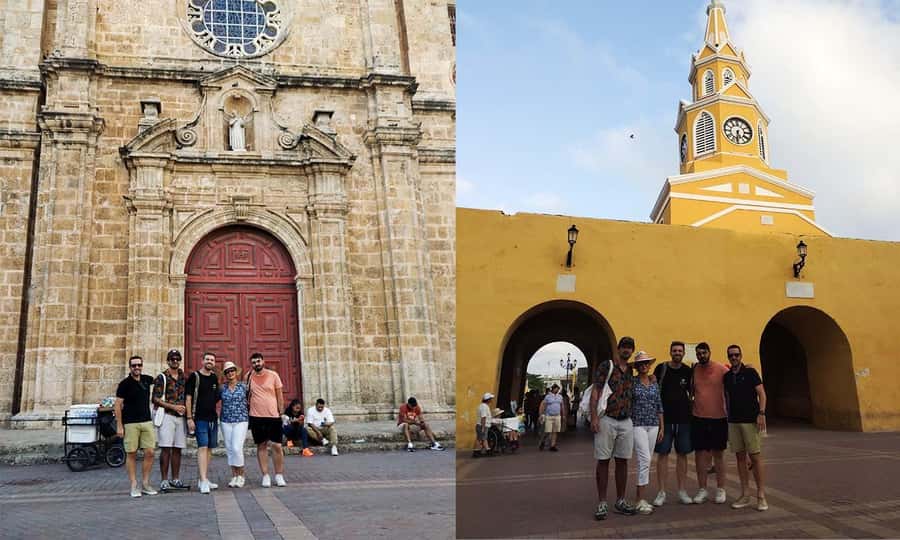
- Finish at the Clock Tower: Plaza de los Coches is the natural ending point, close to Cartagena’s central action and the Passage of the Sweets.
Why This Two-Hour Route Works
Cartagena can feel like a pretty maze at first. Colorful streets, thick walls, church towers, and small squares appear one after another, but it is not always clear how they fit together. This tour gives you a basic map of the old city and explains why the major places matter.
The route moves through the historic center on foot, with no hotel pickup or drop-off. You meet in front of the Zenú Gold Museum door, then finish at Plaza de los Coches. That point-to-point design is useful because you do not spend time retracing your steps.
The guide speaks Spanish or English. A live guide matters here because many of the stops are more interesting for their stories than for their appearance. A bastion is an impressive wall, but the tale of pirates, corsairs, and Cartagena’s defense strategy gives it meaning.
You should expect moderate walking over two hours. Wear light clothing and comfortable shoes. A hat, sunscreen, and water are not optional luxuries in Cartagena’s sun. Bring a camera, but remember that flash photography is not permitted in certain areas.
More Walking Tours in Cartagena
- Cartagena: Historic Center and Getsemaní Shared Walking Tour
★ 4.9 · 2,716 reviews - Private Walking Tour in Cartagena Walled City & Getsemaní
★ 5.0 · 1,357 reviews - Cartagena: Walled City and Getsemani Shared Walking Tour
★ 4.5 · 352 reviews
Beginning With Zenú Gold and Indigenous Cartagena
Starting at the Museo del Oro Zenú is one of the strongest choices on this walk. It places Cartagena’s story before Spanish rule and gives you a better frame for everything that follows.
The museum presents about 300 years of Karib history and introduces the Zenú people as an amphibious culture. They lived between land and water, adapting their agriculture to wet conditions. Their farming methods were impressive, and their gold work was equally skilled.
The museum visit is included in the price, which improves the tour’s value. You are not simply viewing a building from the outside. You receive an introduction to the people and techniques that shaped the region long before colonial Cartagena was built.
The museum is also a good place to begin because the gold objects can be admired quickly while the guide explains their place in Zenú society. With only two hours, you should not expect a slow museum study. Think of this as a focused introduction, not a full museum visit.
Plaza de Bolívar and the Center of Colonial Power
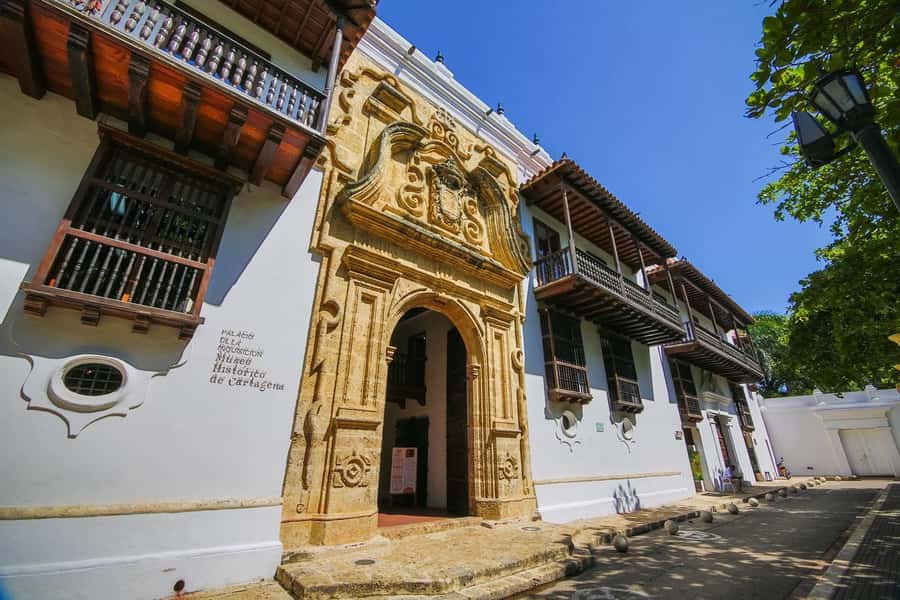
From the museum, the route continues to Plaza de Bolívar. This square brings together several of Cartagena’s most important buildings and public spaces.
You can see the Passage of the Queens, the Historical Museum of Cartagena and Inquisition, the Cathedral of St. Catherine of Alexandria, City Hall, the monument to the Liberator, and Proclamation Square. Fifteen minutes is listed for this part of the walk, so the guide will likely explain the main landmarks rather than take you inside every building.
That limitation is worth keeping in mind. The Historical Museum of Cartagena, especially its connection with the Inquisition, deserves more time than a short stop can provide. If that subject interests you, note the museum and return later.
The value here is the connection between the buildings. The cathedral represents religious power, City Hall represents civic authority, and the Inquisition museum points to the control exercised by colonial institutions. A guide can turn a quick look at a square into a clearer picture of how Cartagena operated.
Santo Domingo Church and La Gorda Gertrudis
The next major stop is Plaza de Santo Domingo, a popular square with a very different mood. The Santo Domingo Church gives the guide a chance to share two local legends, adding humor to a route that otherwise deals with conquest, trade, and slavery.
The former Dominican monastery now houses the Spanish Cooperation Library. It also offers cultural activities, giving the area a continuing public role rather than leaving it as a purely historical site.
You will also see La Gorda Gertrudis, the famous sculpture by Colombian artist Fernando Botero. Her rounded form makes her easy to recognize, and her presence gives the square a playful focal point. The sculpture is a reminder that Cartagena is not only a colonial museum. It is also a living city with modern art and local traditions.
The scheduled stop is about 20 minutes. That is enough to hear the legends, understand the church and monastery, and see the sculpture. It is not enough for a detailed church visit or a serious look at the library’s cultural program.
More Museum Tours in Cartagena:
- Emerald Museum & Jewelry Workshop: Behind the Scenes Tour
★ 5.0 · 291 reviews - Walking Tour Cartagena Old City with Gold Museum and Plaza de Bolivar
★ 4.5 · 28 reviews - La Candelaria, Monserrate and Museums Bogotá Private City Tour
★ 5.0 · 1,567 reviews - Bogota + Monserrate Private City Tour, Museums, Candelaria.
★ 5.0 · 1,015 reviews
Santo Domingo Bastion and Cartagena’s Pirate Coast
The walk then reaches Santo Domingo Bastion, described as the first bastion built as part of Cartagena’s defensive plan. This is one of the better places to connect the city’s walls with its military past.
Cartagena’s position made it valuable. Commerce linked two continents, and valuable cargo made the port a target. The guide discusses Drake and other pirates and corsairs, helping you understand why the city invested so heavily in walls and bastions.
The bastion also offers a view of the city and is associated with historic sunsets from the Corralito de Piedra. The setting is attractive, but the main benefit is not simply a nice viewpoint. You begin to see the old city as a fortified port, not just a collection of photogenic streets.
The route moves at a brisk pace, with about 20 minutes assigned to this section. You will have time to look, take photos without flash where restricted, and hear the main stories. If you want to linger for a sunset, you may need to return after the tour ends.
Santa Teresa, India Catalina, and the Road to Independence
Plaza de Santa Teresa adds another layer to the walk. Here, the guide explains the legend of India Catalina and the origin of the Cartagena Film Festival.
The stop also leads to Calle de la Ronda, where you hear about Admiral Padilla, betrayal, the Spanish Reconquest, and the final push for independence. These subjects give the tour a useful political arc. Cartagena was not only defended against foreign pirates. It also became a place of conflict between colonial rule and independence movements.
This section may feel dense because several stories are packed into a short walk. That is not necessarily a flaw, but you will need to listen closely. The tour is best for people who want a broad understanding of the city rather than a single subject explored at length.
The stories of India Catalina and Admiral Padilla also show how Cartagena’s past is carried through names, monuments, and public memory. You are not just passing another street. You are seeing how the city remembers people who shaped its story, along with the arguments and legends attached to them.
San Ignacio Bastion and the Life of San Pedro Claver
At Plaza San Pedro Claver, the tour turns toward the life and work of the Jesuit priest remembered as the Slave of the Slaves. You visit the Sanctuary Museum of San Pedro Claver and see his monument.
This is one of the most important stops for understanding Cartagena’s connection to slavery. The city’s colonial prosperity depended on commerce, and that commerce was tied to the forced movement and sale of enslaved people. The route does not treat the old city as a postcard only. It asks you to look at the human cost behind its wealth.
The Jesuit Church and the Cartagena Museum of Modern Art are also part of this section. From San Ignacio Bastion, you can appreciate Bahía de las Ánimas and the archipelago associated with La Fantástica, a nickname for Cartagena.
The stop is especially valuable if you want more than pirate tales and architectural details. San Pedro Claver’s life adds a personal scale to a large historical subject. You are given a person, a church, a museum, and a monument through which to consider the city’s treatment of enslaved people.
The tour does not include a full meal break, so do not expect time to stop for food during the walk. You can bring water, and you should do so. Cartagena’s heat can make a moderate route feel more demanding than the mileage suggests.
Plaza de la Aduana and the Business of Empire
Plaza de la Aduana explains the commercial engine behind colonial Cartagena. The square was the heart of the city’s trade, linking two continents through shipping and commerce.
You will see the monument to Christopher Columbus and hear how trade shaped the city. This is a useful counterpoint to the military stories at the bastions. The walls protected the port, but commerce made the port worth defending.
The listed stop lasts about 20 minutes. That should give you time to take in the square and understand its role without turning the tour into a lecture on colonial economics.
I find this part helpful because it gives you a practical way to read the old city. When you see grand buildings and strong walls, ask who paid for them, what goods passed through the port, and who carried the burden. Those questions make the architecture more meaningful.
Ending at Plaza de los Coches and the Clock Tower
The final stop is Plaza de los Coches, reached after the walk through the historic center. The square was once called Plaza de la Hierba and has had several other names. Today it is one of the city’s main gathering points.
Here you find the Passage of the Sweets and the monument to Pedro de Heredia, the controversial founder of Cartagena. The guide also covers the end of slavery, the beginning of Republican Cartagena, and the construction of the Clock Tower.
That is a lot for the final section, but the location works well. The Clock Tower is one of Cartagena’s most recognizable symbols, and Plaza de los Coches helps connect the colonial past with the modern city around it.
The tour ends here rather than returning to the museum. You can continue exploring from this central point, but meals, drinks, and personal expenses are not included. Plan your next stop before setting out, especially if you need shade, food, or a rest.
Is $27 a Fair Price?
At $27 per person, the tour offers fair value for a short guided introduction. The entrance to the Zenú Gold Museum is included, along with a live guide and visits to major historic sites.
The price makes the most sense if you are new to Cartagena and want an organized route through the old city. You receive museum admission, historical interpretation, and a walk through several major squares and bastions without needing to plan the order yourself.
The value is lower if you want long museum visits, detailed church interiors, or time for extensive photography. Two hours goes quickly, and the itinerary covers a large amount of ground. You are paying for orientation and storytelling, not an all-day study of Cartagena.
Free cancellation up to 24 hours before the activity and a reserve-now, pay-later option also make it easier to fit the walk into a changing schedule. Those policies are useful, but the bigger question is your preferred pace.
Who Should Book This Walk?
I would choose this tour for a first visit to Cartagena, a short stay, or the first morning of a longer trip. It gives you names, locations, and historical connections that make later wandering easier.
It also suits you if you want the city’s difficult subjects included in the conversation. The material on slavery, the Inquisition, conquest, reconquest, and independence is not separated from the pretty plazas. That balance is important.
You may want a different plan if you have difficulty walking, use a wheelchair, dislike heat, or prefer to spend an hour at each museum. The experience is not suitable for wheelchair users or people with mobility impairments, and moderate walking is part of the design.
For the best experience, wear comfortable shoes and light clothing. Bring water, a hat, sunscreen, and a camera. Photography is allowed, but flash is not permitted in certain areas. Meet in front of the Zenú Gold Museum door and arrive ready to begin on foot.
Should You Book It?
Book this tour if you want a compact, affordable introduction to Cartagena that covers more than colorful streets. The Zenú Gold Museum, two bastions, major plazas, churches, and stories of trade and slavery give the walk real substance.
Skip it if you need a slow pace or detailed time inside each museum and church. At two hours, the tour is a broad first look. For most visitors who want history, clear direction, and a practical start in the old city, $27 is a sensible use of your time.
FAQ
Where does the Cartagena walking tour begin?
The tour begins in front of the door of the Museo del Oro Zenú.
Where does the tour end?
The tour finishes at Plaza de los Coches, near the Clock Tower and Passage of the Sweets.
How long does the tour last?
The guided walking tour lasts two hours.
Is admission to the Zenú Gold Museum included?
Yes. Entrance to the Zenú Gold Museum is included in the tour price.
What languages are available?
The live guide is available in Spanish and English.
Is the tour suitable for wheelchair users?
No. The experience is not suitable for wheelchair users or people with mobility impairments. You should also be prepared for moderate walking.
Just added in Cartagena
- Private History Photography Tour★ 5.0 · 17 reviews
- Self-Guided Audio Tour: Pirate Tales in Cartagena★ 3.0 · 2 reviews
- Paue Island Tour in the Rosary Islands★ 5.0 · 1 review
- Totumo Volcano★ 3.5 · 15 reviews
- Party without limits! Cartagena; VIP Party.★ 4.5 · 32 reviews
- Paragliding Experience in Cartagena★ 5.0 · 8 reviews
- Palmarito Beach★ 3.5 · 4 reviews
- Tour cultural to san Basilio de Palenque from cartagena★ 5.0 · 45 reviews
Museums, compared.
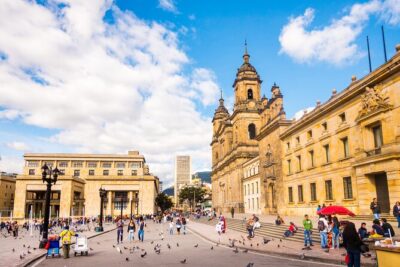
La Candelaria, Monserrate and Museums Bogotá Private City Tour
Read our review →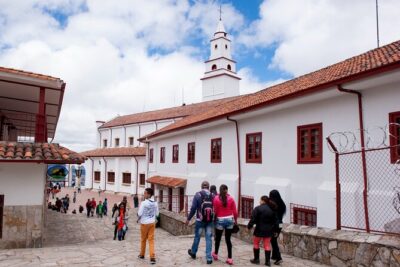
Bogota + Monserrate Private City Tour, Museums, Candelaria.
Read our review →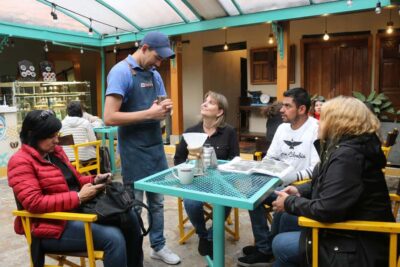
Bogotá City Tour with Monserrate, Gold and Botero Museums
Read our review →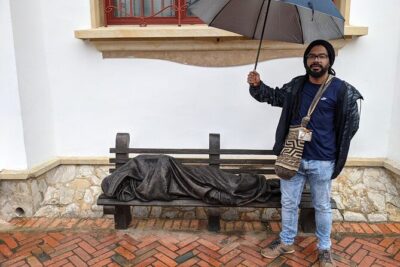
Bogotá Tour: Monserrate, Food, City Walk & Botero Museum
Read our review →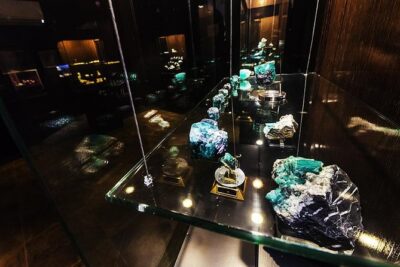
Emerald Museum & Jewelry Workshop: Behind the Scenes Tour
Read our review →
Private Tour in Bogota : Monserrate, Museums and Candelaria
Read our review →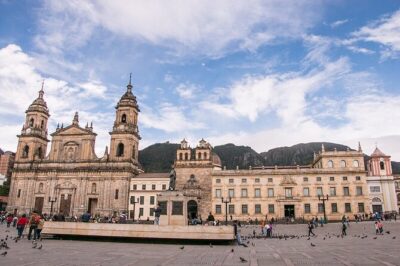
Private Bogotá Tour: Candelaria, Gold Museum, Optional Monserrate
Read our review →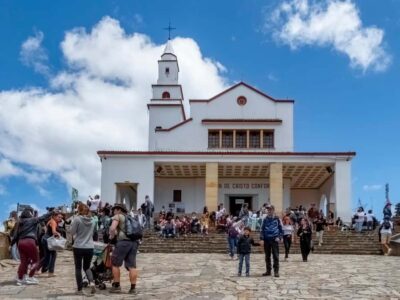
City Tour, Monserrate, Gold Museum, Plaza de Bolivar
Read our review →Browse the lists this tour appears in