
REVIEW · SALSA DANCING CLASSES
Cali Private City Tour with Salsa Lesson, Museums or Food
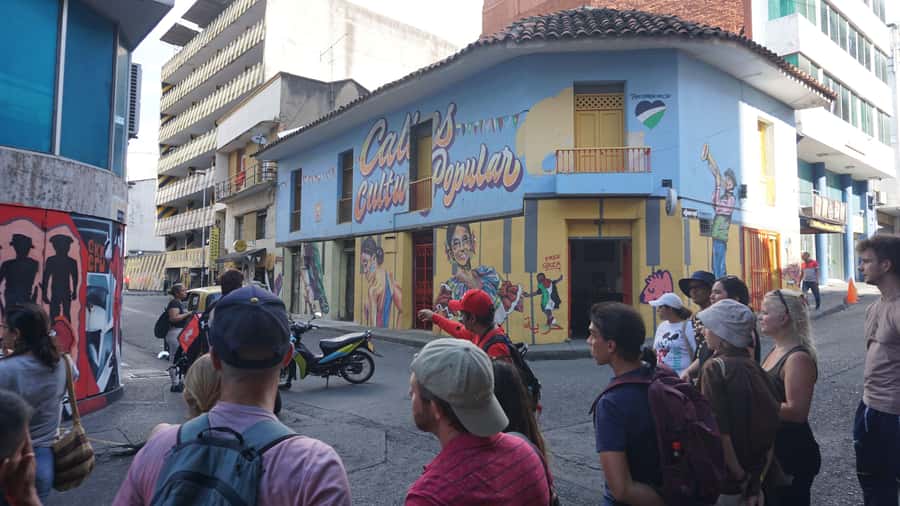
Cali makes you move. I like the way this private tour links salsa, African heritage, food, and political change, rather than treating the city as a quick dance stop. I also like the choice of seven formats, though the walking distance, about 7 kilometers, can feel long in heat or rain.
The tour follows Cali’s center with a local guide in English or Spanish. Guide Hans earned special praise for his clear explanations, street-food tastings, and help rearranging a salsa class to fit an itinerary. That sort of personal service matters in a city whose story includes civil conflict, discrimination, cartel-era change, pandemic-era revolts, and a proud cultural rebirth.
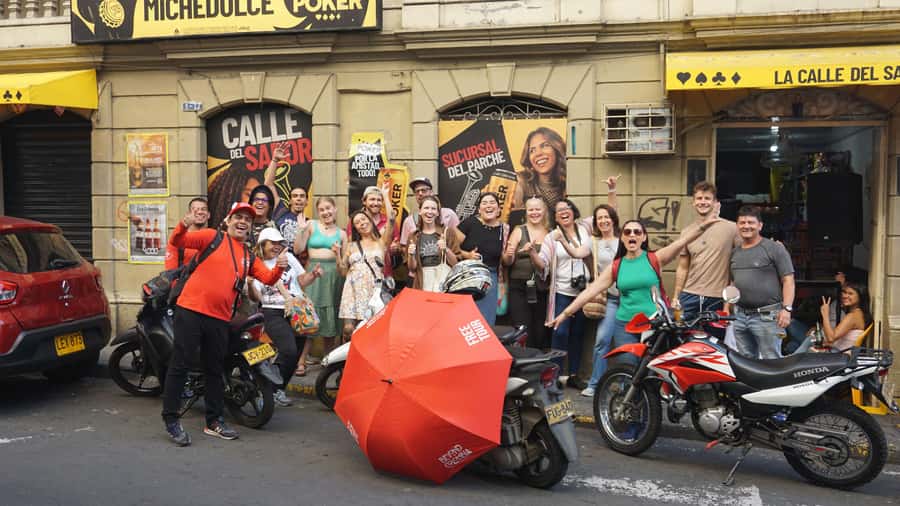
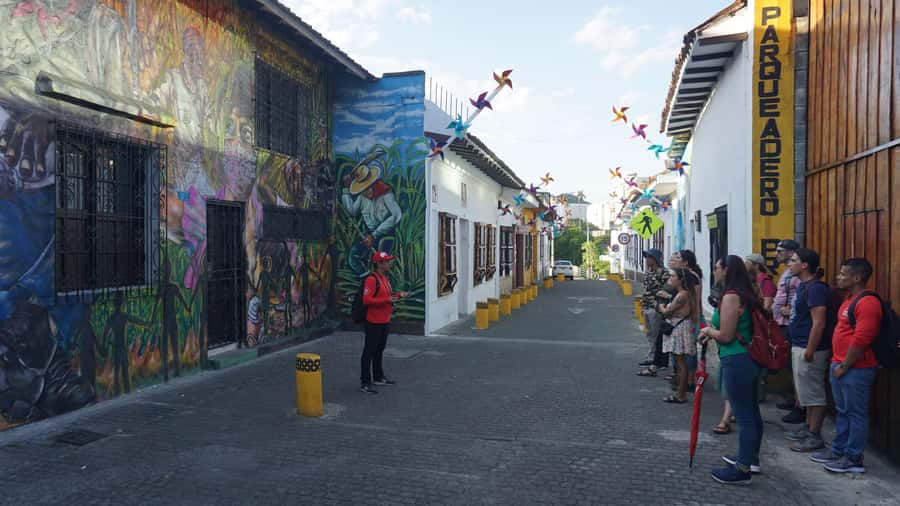
You meet at the red Beyond Colombia umbrellas outside Museo Arqueológico La Merced. From there, you can choose a three-hour city walk, a five-hour version with food, salsa, or the Jairo Varela Museum, or a seven-hour outing that combines several of these. The tradeoff is simple: more time brings more local flavor, but this is not a light sightseeing stroll.
In This Review
- Key points at a glance
- Starting at La Merced and meeting Cali’s past
- Plaza Cayzedo, La Ermita, and the city’s public face
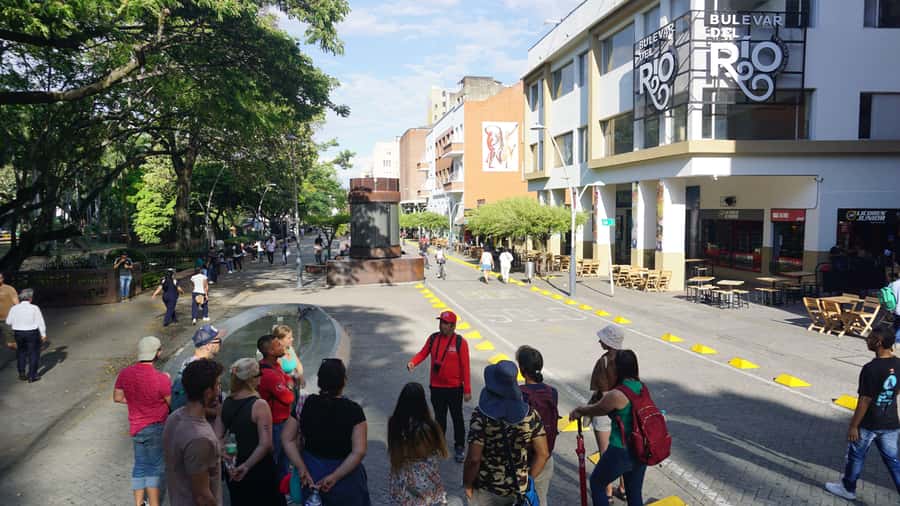
- Boulevard del Río, Puente Ortiz, and a changing center
- San Antonio and the view over Cali
- African heritage, food, and the making of salsa
- The local food stops: small tastes with a purpose
- The Jairo Varela Museum and Cali’s musical identity
- Why the private format matters
- Choosing the right length for your day
- Practical advice for a smoother visit
- Should you book the Cali private city tour?
- FAQ
- Where does the tour meet?
- How long does the experience last?
- Is the tour private?
- Which languages are available?
- Is transportation included?
- How far will I walk?
- Is a salsa lesson included?
- Is food included?
- Can I cancel the booking?
Key points at a glance
- Cali’s story goes beyond salsa: The route connects Indigenous roots, civil wars, discrimination, the arts, social revolts, and the city’s present-day identity.
- Seven tour formats offer useful choice: Pick a three-hour historic walk, a five-hour themed option, or a seven-hour combination.
- The salsa lesson is central, not decorative: The Caleña class shows how music and movement became part of everyday local culture.
- Street food adds real local context: Pandebono, a snack, beverages, and chontaduro when available are included in selected parts of the experience.
- The historic center is the main classroom: La Ermita, Puente Ortiz, Plaza Cayzedo, La Merced, San Francisco, and the Cultural Quarter bring the story into the streets.
- Private guiding improves flexibility: You can ask questions, adjust the pace, and request help with transportation or itinerary changes.
Starting at La Merced and meeting Cali’s past
Your starting point is easy to identify: look for the red Beyond Colombia umbrellas in front of Museo Arqueológico La Merced. This location puts you near several important historic buildings and lets the guide begin with Cali’s older foundations before moving into its modern cultural life.
The tour presents Cali as one of Colombia’s most ethnically varied cities. You hear about Indigenous and warrior ancestors, the development of the Valle del Cauca region, and the social forces that shaped the city. The emphasis is not only on famous buildings. It is on how people, conflict, music, food, and art made Cali what it is.
I like this approach because a city-center walk can otherwise become a parade of church facades and plazas. Here, the streets are used to explain how Cali changed over time. You get a history lesson, but it is tied to places you can actually see.
The guide also promises an objective approach to Colombian history. That matters in Cali, where civil wars, discrimination, drug-cartel power, and social protest are not side notes. They are part of the city’s modern identity. Keep an open mind, and expect serious subjects alongside the lighter parts of the tour.
More Food Tours in Cali
- Street Food Tour
★ 5.0 · 157 reviews - The Cali Street Food Walking Tour
★ 5.0 · 81 reviews - Cali: Street Food Tour
★ 4.8 · 71 reviews
Plaza Cayzedo, La Ermita, and the city’s public face
The route includes Plaza Cayzedo, one of the key public spaces in the center. This is a useful place to understand how Cali presents itself, how people gather, and how the historic core connects with daily life.
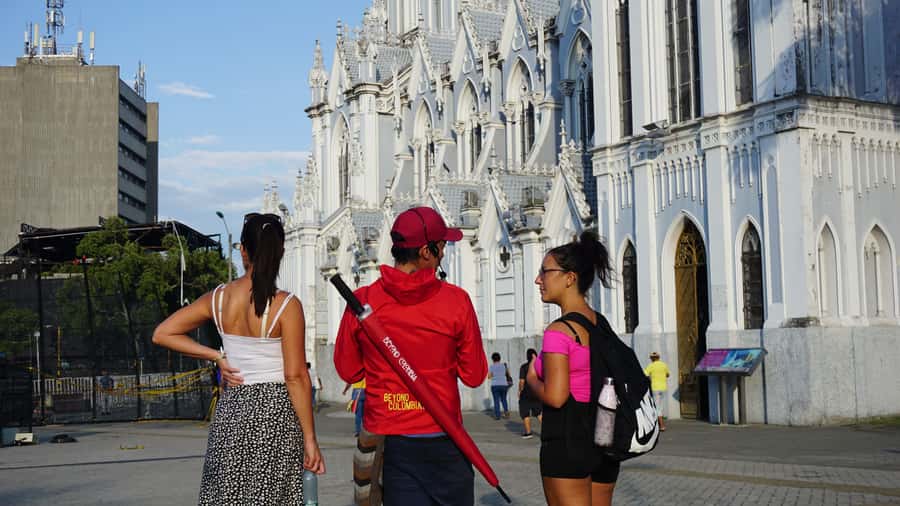
From there, the route takes in La Ermita, one of Cali’s best-known landmarks. The church’s architecture gives the tour a clear visual anchor, while the guide explains the role of the surrounding area in the city’s development. You are not simply stopping for a photograph. You are learning how religious and civic spaces fit into the wider story.
The walk also includes Teatro Municipal and San Francisco. These sites help shift the focus from colonial and religious architecture to the arts. Cali’s cultural growth was not limited to dance halls. Literature, cinema, and theater also helped shape how the city understood itself.
That broader picture is one of the strongest parts of the experience. You learn why Cali is known for salsa, but you also see that music grew alongside poetry, stage performance, film, and neighborhood culture.
Boulevard del Río, Puente Ortiz, and a changing center
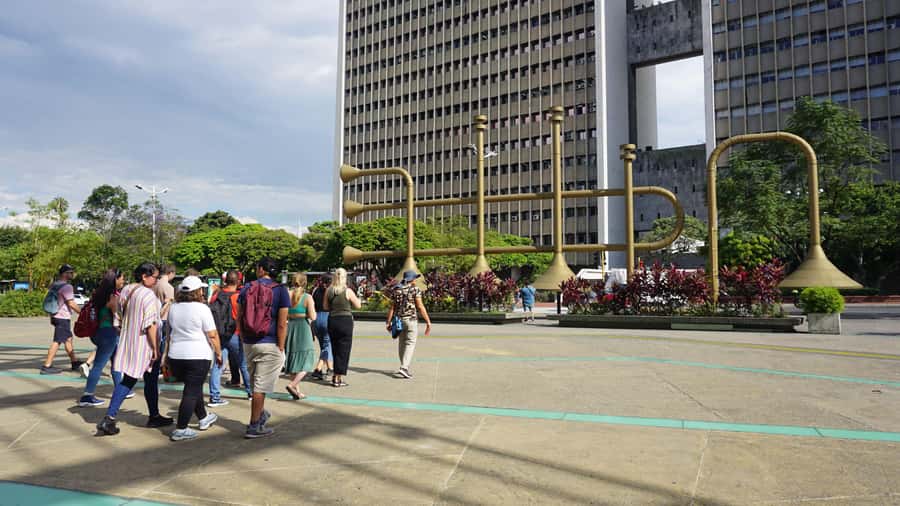
Boulevard del Río and Puente Ortiz show a more recent side of Cali. The tour uses these places to discuss urban change and the ongoing renewal of the center. The point is not that every problem has disappeared. Rather, you see how public spaces can become part of a city’s attempt to recover and reconnect.
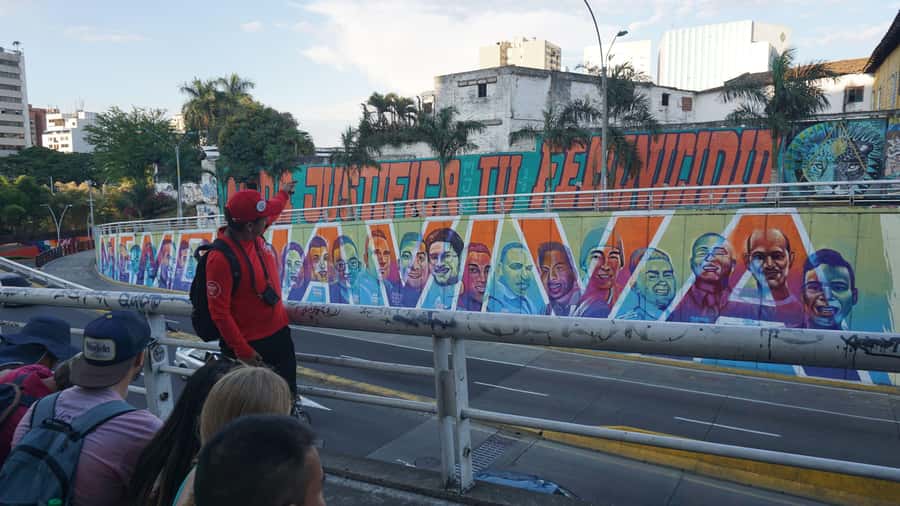
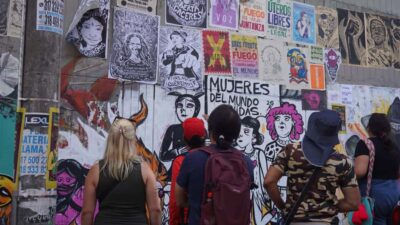
The guide also discusses social revolts during and after the pandemic. This gives the tour a present-day edge that many city walks avoid. Cali’s story is still being written, and the center carries signs of both strain and renewal.
You should expect the discussion to move between pride and difficulty. The city’s history includes hard moments, and the tour does not present a polished version with all the rough edges removed. That balance is valuable if you want more than a postcard view.
The walking route includes rest stops, but you should still plan for a physically active morning or afternoon. Seven kilometers is a considerable distance, particularly if the weather is wet or hot. Bring water, wear comfortable shoes, and carry an umbrella or rainproof coat.
San Antonio and the view over Cali
The seven-hour option that includes Barrio San Antonio adds a different feel to the day. The neighborhood is known for Iglesia San Antonio and its viewpoint, which gives you a chance to look across the city after spending time among its central streets.
This part of the tour helps you connect the historic center to the wider city. From the viewpoint, you can reflect on the scale of Cali and the role of its surrounding mountains and valleys. The stop also includes a local snack and souvenir.
San Antonio is best for you if you enjoy ending a city walk with a view and a slower neighborhood stop. It is less useful if you have limited time or mainly want museums and salsa instruction. The extra hours are worthwhile only if you want the full cultural arc rather than a quick introduction.
More Salsa Dancing Classes in Cali
- Historical Shared Tour Salsa, Graffiti & Resistance in Cali
★ 5.0 · 107 reviews - Shared Tour Cali’s Salsa, Graffiti & Resistance Experience
★ 4.8 · 53 reviews - Salsa Bar Hopping in Cali
★ 4.5 · 43 reviews - Salsa & Music Tour of Cali
★ 5.0 · 42 reviews
African heritage, food, and the making of salsa
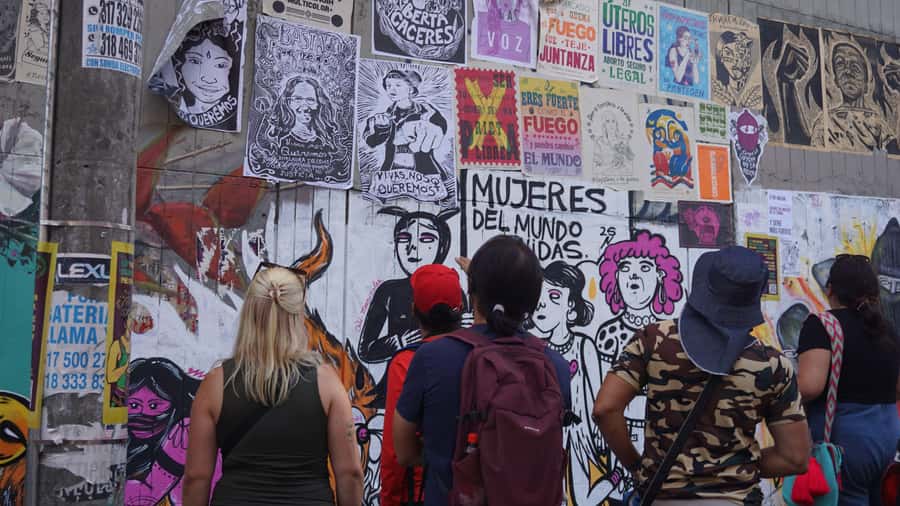
The tour treats African heritage as a major force in Cali’s salsa culture. That influence appears through gastronomy, music, dance, and community life. The lesson is not presented as an isolated tourist activity. It is tied to the evolution of a popular expression that belongs to the city.
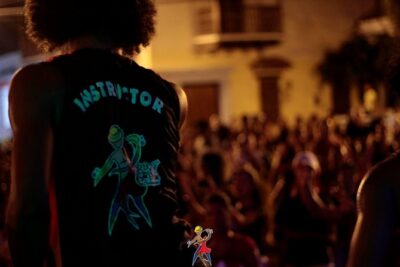
This is important because salsa in Cali is more than a soundtrack. The tour explains how rhythms developed into a local identity, including the fast footwork and acrobatic style associated with Caleña salsa. A class gives you a physical sense of that movement, even if you leave with more enthusiasm than technical skill.
The five-hour salsa option includes the city-center walk and a Caleña salsa lesson. The seven-hour versions add the class to either a local food experience, the Jairo Varela Museum, or San Antonio.
I would choose the salsa option if music is your main reason for visiting Cali. You get more than background information. You get a chance to participate, which can make the cultural explanation stick.
The local food stops: small tastes with a purpose
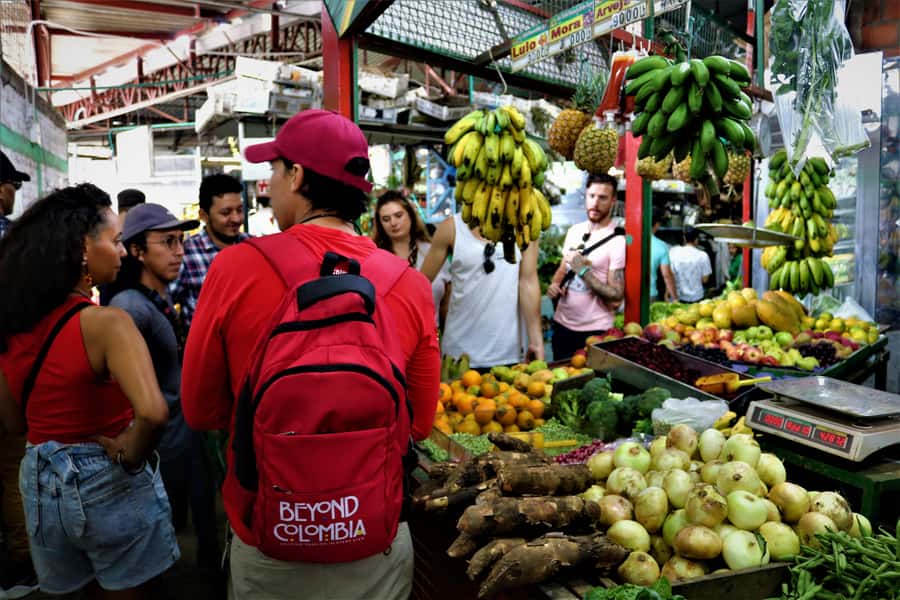
Food is handled in a practical way. The tour includes a local snack and pandebono tasting, with chontaduro offered when available. Selected options also include local beverages and a fuller Valluna food experience, including vegetarian choices.
These tastings help explain the Valle del Cauca region through flavor. They also keep the walking tour from feeling like a long stretch between monuments. A small snack can be welcome after several kilometers on foot.
Do not confuse the included tastings with a full restaurant itinerary. Food and drinks not specifically described are extra, and the food-focused five-hour option is the better choice if eating is a major priority.
I like that vegetarian options are mentioned. Still, if you have allergies or strict dietary needs, ask before booking. The available information confirms vegetarian choices, but it does not give a full ingredient list or detailed allergy policy.
The Jairo Varela Museum and Cali’s musical identity
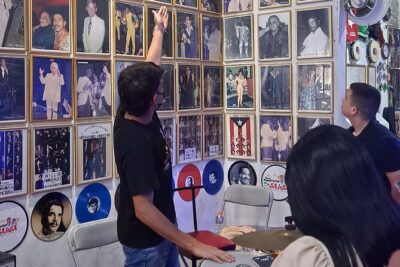
The Jairo Varela Museum is the clearest choice for anyone who wants to understand salsa through one of Cali’s major musical figures. The five-hour museum option includes admission and a local snack, while two seven-hour choices combine the museum with a salsa lesson.
The museum adds depth to the music story. Instead of hearing only that Cali loves salsa, you get a place dedicated to the composer and the city’s musical identity. It is especially useful if you want context before attending a performance or exploring salsa venues independently.
The route also explains the growth of the salsa movement during the years of drug cartels and the rise of La Feria de Cali. This is an uncomfortable but necessary part of the story. The tour connects music, money, nightlife, public celebration, and the darker forces that affected the city.
That context prevents the salsa story from becoming a simple success tale. Cali’s musical golden eras developed alongside serious social problems. The guide’s stated aim is to explain these events without taking sides, giving you room to form your own view.
Why the private format matters
At $112 per person, this is not the cheapest way to see Cali. The value depends on how much you want from the guide and which version you choose.
A basic three-hour walk gives you the historic center, major landmarks, tastings, and recommendations for further exploring. The longer options add a lesson, museum admission, food, or San Antonio. Since the experience is private, you can ask questions freely and spend more time on subjects that interest you.
That flexibility is especially useful in Cali. A large group tour can cover the same streets, but it may not give you much time to ask about music, social conflict, local food, or neighborhood renewal. A private guide can also help you adjust the pace.
There are limits. Transportation to and from your hotel is not included, and transportation during the tour is also not included unless you arrange it with the guide. The standard plan is walking, with rest stops. If walking 7 kilometers is difficult for you, ask about adding transportation before or during the tour.
The price also makes more sense for couples, families with older children, or small private groups who want a tailored day. For a solo visitor on a tight budget, the cost may feel high unless the private format and cultural detail are top priorities.
Choosing the right length for your day
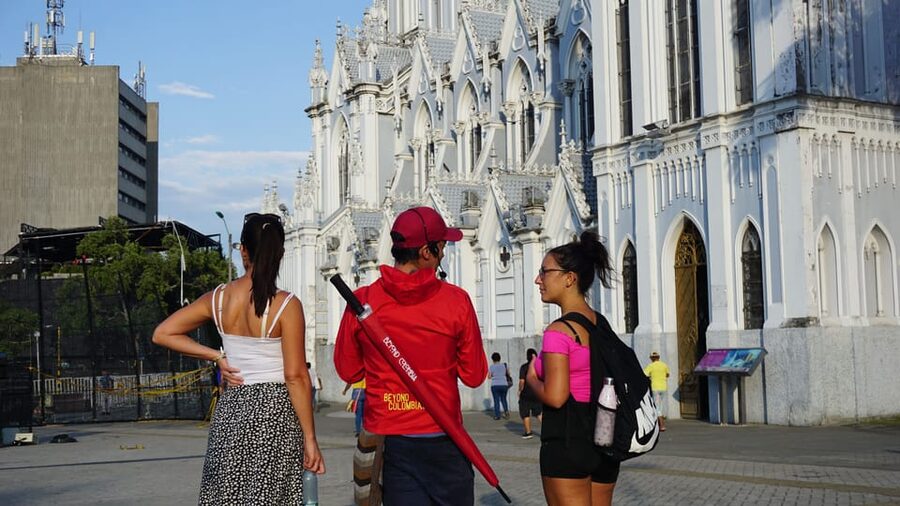
The three-hour Cali Downtown City Tour is the sensible choice if you have limited time. It covers the essential center, including La Ermita, Teatro Municipal, Boulevard del Río, and La Merced, while giving you an introduction to the city’s past and musical identity.
Choose the five-hour salsa option if you want to participate in the culture. This is likely the best fit for first-time visitors who want both history and a memorable activity.
The five-hour local food option suits you if Valluna cooking and street tastes matter more than a museum visit. It includes local food and beverages, with vegetarian choices noted.
The five-hour Jairo Varela Museum option is best for music fans who prefer cultural context to a dance class. You still get the central walk and a local snack.
The seven-hour combination with salsa and food gives you the broadest taste of daily culture. The salsa and museum version favors music history, while the salsa and San Antonio version gives you a viewpoint and neighborhood setting.
The longer options can make a full day of the experience. They also demand more stamina. If you dislike long walks or lose interest after several hours of guided history, the three-hour or five-hour choice will probably serve you better.
Practical advice for a smoother visit
Wear shoes you can walk in for several hours. The route includes standing, walking, and listening at stops, so fashion should come second to comfort.
Carry cash. You may want to buy something beyond the included tastings, and cash is specifically recommended for the tour.
Bring water or another preferred drink. Rain protection is also wise. Cali’s weather can change, and the tour cannot control when the clouds arrive.
Keep your belongings close in crowded areas. The local expression no dar papaya means do not make yourself an easy target. That is useful advice anywhere, but especially on an urban walking route.
The tour is offered in English or Spanish. Children under five are not accepted, and people over 95 are listed as unsuitable for the activity. The private group format makes it easier to ask questions and manage breaks, but it does not remove the physical demands of the walk.
Hans is a useful name to remember when considering the level of service. His guidance included landmarks, explanations, street foods, and beverages, and he helped move a salsa class to another day so the schedule worked better. That kind of adjustment can be worth a lot when you are fitting Cali into a tight Colombian itinerary.
Should you book the Cali private city tour?
Book it if you want Cali explained by its people, streets, music, food, and difficult recent history. The strongest choice for most first-time visitors is the five-hour salsa option, while music lovers should consider the Jairo Varela Museum and anyone with a full day can combine salsa with food or San Antonio.
Skip it if you want a short, transportation-based sightseeing ride or if 7 kilometers of walking sounds tiring. At $112 per person, this is a cultural guide experience rather than a bargain landmarks tour.
For a curious visitor who wants to understand why Cali dances, eats, argues, remembers, and keeps rebuilding, the private format gives the day real value.
FAQ
Where does the tour meet?
Meet in front of Museo Arqueológico La Merced, where the Beyond Colombia team uses red umbrellas.
How long does the experience last?
You can choose an option lasting three, five, or seven hours.
Is the tour private?
Yes. The activity is offered as a private group experience.
Which languages are available?
The live guide can lead the tour in English or Spanish.
Is transportation included?
No. Transportation to and from your hotel is not included, and the standard tour involves walking. Transportation can be requested or added with the guide.
How far will I walk?
You should expect to walk about 7 kilometers, with stops to rest and hear the guide’s explanations.
Is a salsa lesson included?
A Caleña salsa lesson is included in the five-hour and seven-hour options that specifically list it.
Is food included?
Included items can include a local snack, pandebono, chontaduro when available, and beverages. The local Valluna food option includes local food and drinks, with vegetarian choices. Other food and drinks cost extra.
Can I cancel the booking?
You can cancel up to 24 hours in advance for a full refund. A reserve-now, pay-later option is also available.
More Museum Tours in Cali
- Cristo Rey, Tertulia Museum and Downtown Cali City Tour
★ 4.5 · 44 reviews - Cali: Cristo Rey, Tertulia Museum & Downtown Cali City Tour
★ 4.4 · 16 reviews - Sugar Cane Museum and Hacienda La María
★ 5.0 · 12 reviews - Private Tour in Cali with Salsa Class, Museums and Local Food
★ 5.0 · 6 reviews
Just added in Cali
- Trekking to Pico de Loro★ 4.5 · 14 reviews
- Private Transfer from Cali Airport (CLO)★ 5.0 · 4 reviews
- Trekking & Rivering Reserve Pericos★ 5.0 · 5 reviews
- Transportes y Traslados desde Cali★ 5.0 · 1 review
- Sugar Cane Hacienda El Paraiso & Nature Day Tour★ 4.0 · 6 reviews
- CITY TOUR OF CALI | Discover with local experts Cali★ 5.0 · 2 reviews
- Friday Night Street Salsa and Bar Crawl in Cali, Colombia★ 4.5 · 24 reviews
- Saturday Night Bar Crawl in Cali, Colombia★ 5.0 · 20 reviews
Salsa Dancing Classes, compared.

Salsa & Bachata Nightlife Tour in Medellín with a Local Dancer
Read our review →
Historical Shared Tour Salsa, Graffiti & Resistance in Cali
Read our review →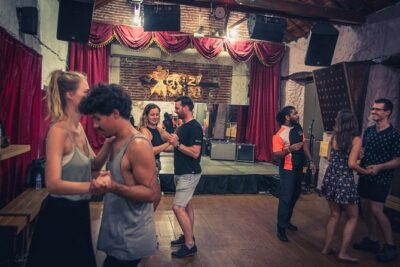
Salsa Tour in Cartagena with admission Ticket to Café Havana
Read our review →
Shared Tour Cali’s Salsa, Graffiti & Resistance Experience
Read our review →
Browse the lists this tour appears in