REVIEW · BOGOTÁ TOURS
Shared Tour Colombian Conflict War, Drug Trafficking & Peace
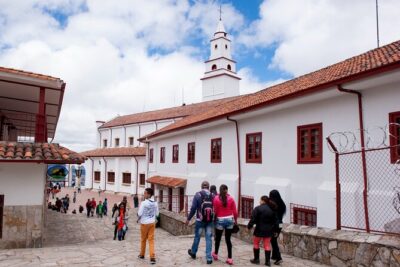
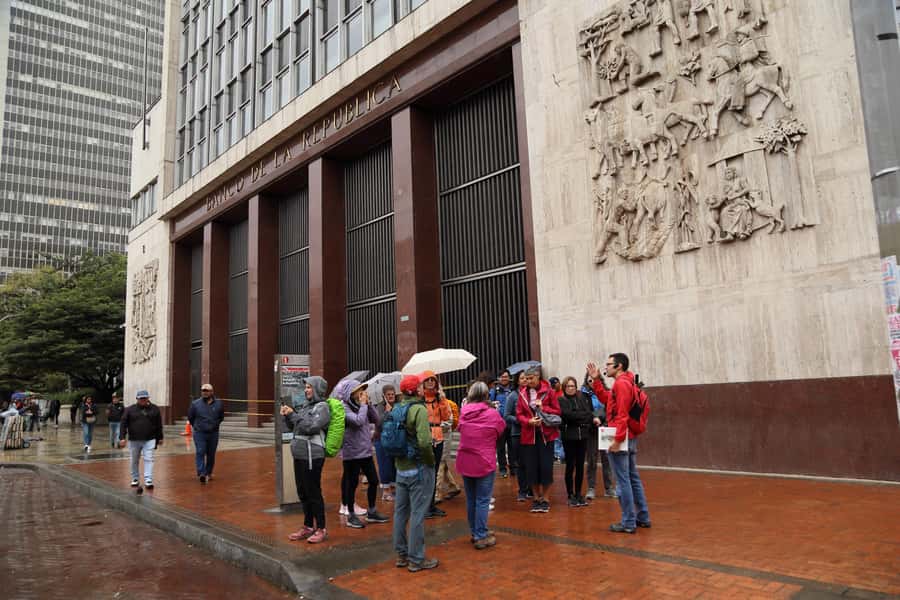
History gets personal here. This 150-minute Bogotá walking tour connects the 1948 Bogotazo, guerrilla warfare, drug trafficking, and the FARC peace process through key places in the historic center. I like its low price and its serious, even-handed subject. I also like that the guides invite questions instead of delivering a dry speech.
The main drawback is the sheer amount of ground covered. You may walk about 9 kilometers, and one recent assessment found the treatment of current politics too brief. If you want a basic framework for Colombia’s conflict, this is a strong choice. If you want a detailed study of today’s political battles, you may leave wanting more.
In This Review
- Key points to know before booking
- Why this Bogotá tour matters
- Starting at the Museo del Oro
- Independence and the Liberal-Conservative struggle
- The 1948 Bogotazo and La Violencia
- Military rule and the creation of guerrilla groups
- Drug trafficking, paramilitaries, and the wider war
- The FARC peace agreement and Colombia today
- Walking conditions and what to bring
- Is $13 good value?
- Who should book this experience?
- Should you book it?
- FAQ
- How long does the Colombian conflict walking tour last?
- How much does the tour cost?
- Where is the meeting point?
- Is the tour conducted in English?
- What subjects does the tour cover?
- How far will I walk?
- Can wheelchair users join?
Key points to know before booking
- Meet at the Museo del Oro: Look for Beyond Colombia’s red umbrellas directly in front of the Gold Museum.
- The Bogotazo anchors the story: The 1948 riot helps explain the period known as La Violencia and the long rivalry between Liberals and Conservatives.
- You walk about 9 kilometers: Comfortable shoes, water, sun protection, and rain gear are not optional extras in Bogotá.
- The subject is serious but interactive: Guides use questions and conversation to explain guerrillas, paramilitaries, drug cartels, the military dictatorship, and peace talks.
- Guides receive strong praise: Lorenzo, Hector, Santi, and Daniel are all singled out for clear explanations, friendliness, humor, and patience with questions.
- The tour costs $13 per person: That is good value for nearly three hours of guided history, though food, drinks, transport, and entrance tickets are not included.
Why this Bogotá tour matters
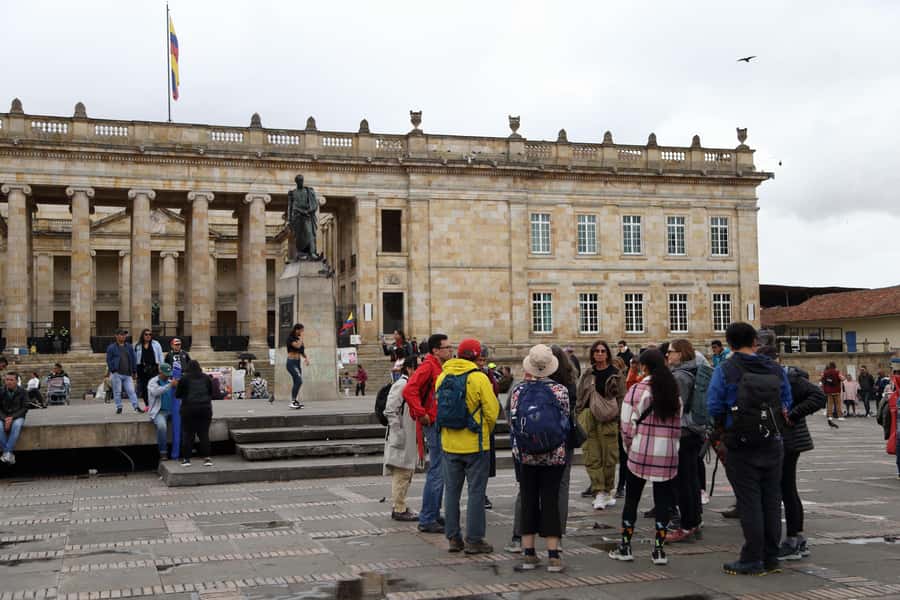
Colombia’s public image has long been tied to violence, cocaine, kidnappings, and armed groups. That picture is incomplete, but you cannot understand modern Colombia without knowing how those events grew from political conflict and social inequality.
This tour gives you a timeline. It begins with the independence process, moves through the Liberal and Conservative struggle for power, and then follows the country into the violence of the twentieth century. From there, it explains the rise of guerrilla groups such as FARC, ELN, and M-19, the growth of paramilitary forces, the role of drug trafficking, and the peace agreement signed with FARC.
I like this broad approach because it helps you connect events that are often presented as separate stories. A visitor may hear about Pablo Escobar, the FARC agreement, or Colombia’s political divisions without seeing how those subjects relate. Here, the aim is to show the chain of causes and consequences.
The promise of objectivity is also useful. The tour is designed not to take the Liberal, Conservative, military, guerrilla, or paramilitary side. That does not mean every issue will feel perfectly balanced to every person. History this painful cannot be reduced to a neat script. Still, a guide who explains competing motives gives you a better starting point than a tour built around heroes and villains.
More things to do in Bogota:
- Bogotá Bike Tour
★ 5.0 · 3,329 reviews - Bogota: Bicycle City Tour
★ 4.9 · 2,156 reviews - Zipaquirá: Salt Cathedral Group Tour with Pickup
★ 4.8 · 1,606 reviews
Starting at the Museo del Oro
The meeting point is simple: stand in front of the Museo del Oro and look for the red umbrellas marked Beyond Colombia. This is a practical location in central Bogotá, and the bright umbrellas should make the group easy to find.
The Gold Museum itself is one of the city’s best-known sights, but this walking experience is not centered on its exhibits. You should not expect a museum visit or an included admission. The meeting point is used to begin the outdoor route and place you in the historic center, where the guide can connect streets and public spaces to major political events.
Arrive ready to walk. The group will make stops to listen, but this is not a short stroll from one nearby monument to another. The full route is listed at about 9 kilometers, which can feel long at Bogotá’s altitude, especially if you are still adjusting to the city.
I would book this early in your stay if you want historical context for later sightseeing. It can help you understand why certain buildings, squares, political symbols, and memorials matter. Just save your energy. This is not the day to wear new shoes.
Independence and the Liberal-Conservative struggle
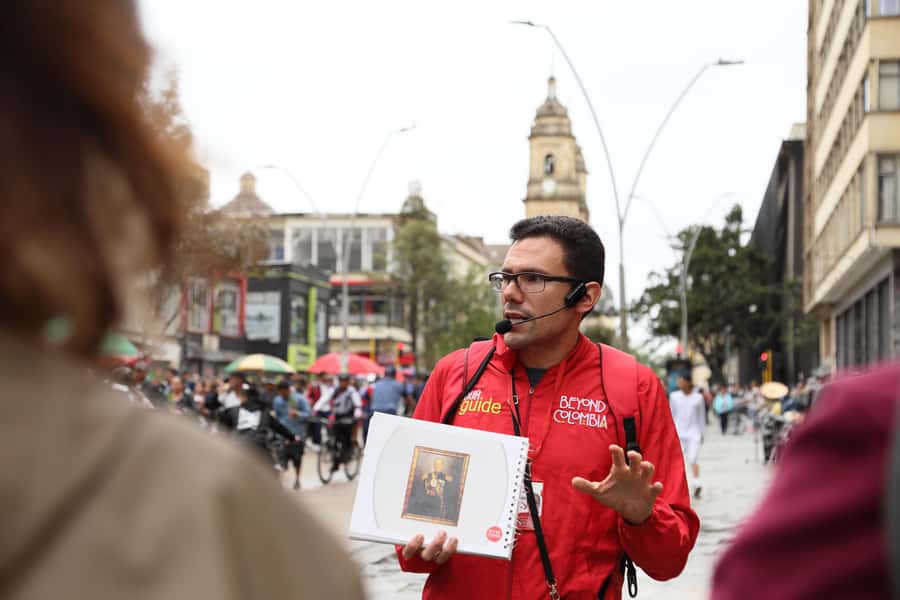
The first part of the story reaches back to Colombia’s independence process. This gives the guide a chance to explain how the country formed its political institutions and why arguments over power became so intense.
The central political tension is the long contest between Liberals and Conservatives. Their rivalry was not just a matter of party labels. It involved different views about the role of the church, government, social order, and the direction Colombia should take.
You will not receive a full university course in political theory during a walking tour, but this section gives you the basic frame needed for what follows. Without it, the later violence can seem like a series of random explosions. With it, you can see how old political loyalties helped shape local conflicts and national power struggles.
This is one of the tour’s useful features: it does not treat Colombia’s armed conflict as something that appeared suddenly in the late twentieth century. The guide instead links modern events to earlier struggles over who should govern and whose version of Colombia would prevail.
The 1948 Bogotazo and La Violencia
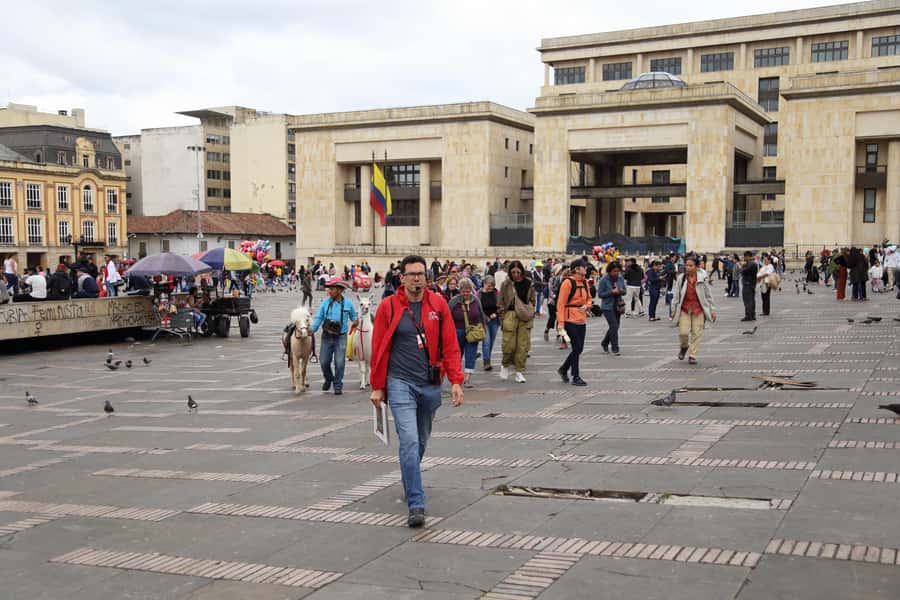
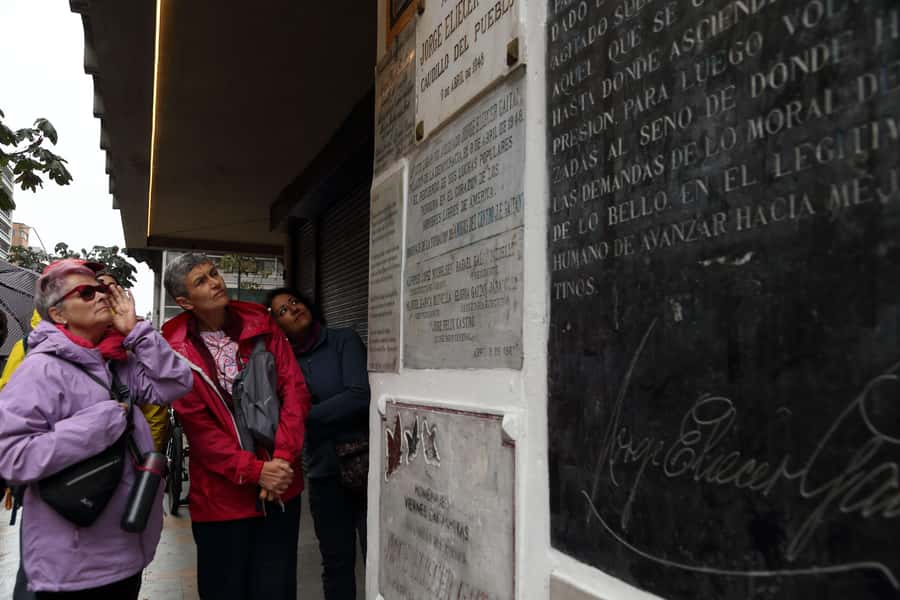
The 1948 riot in Bogotá is the emotional center of the route. Often called the Bogotazo, the event followed the assassination of Liberal leader Jorge Eliécer Gaitán. Bogotá erupted, and the unrest spread into a wider period of political violence.
For many people, this is the point when the tour becomes easier to grasp. The guide explains why Gaitán mattered, why his death created such a powerful reaction, and how the disorder fed the era known as La Violencia.
The Bogotazo was not simply one riot that ended when the streets grew quiet. It became part of a broader cycle of retaliation between Liberals and Conservatives. Rural communities were also drawn into the conflict, and political identity could become a matter of safety.
You will hear about this through places in the historic center rather than from inside a dedicated conflict museum. That has an advantage: the city itself becomes part of the lesson. The drawback is that outdoor storytelling depends on noise, weather, group size, and how clearly the guide can hold everyone’s attention.
I especially value this part for first-time visitors because it explains why the 1948 event still carries such weight in Bogotá. It is not treated as an isolated date to memorize. It is presented as a turning point that changed the city and helped set the stage for later armed movements.
A completely different kind of day:
- La Candelaria, Monserrate and Museums Bogotá Private City Tour
★ 5.0 · 1,567 reviews - Shared Tour of the Historic Candelaria in Bogotá
★ 5.0 · 1,551 reviews - Bogotá: Guided La Candelaria Walking Tour
★ 4.8 · 1,229 reviews - Graffiti Tour: a fascinating walk through a street art City
★ 5.0 · 1,074 reviews
Military rule and the creation of guerrilla groups
The route then moves into the formation of Colombia’s guerrilla movements. FARC, ELN, and M-19 each emerged from different political and social conditions, and the tour introduces their reasons for fighting.
This is an area where you should listen for distinctions. Guerrilla groups were not identical in purpose, structure, or political outlook. Treating them as one single force would miss much of the story. The guide’s role is to explain why armed opposition developed, how it challenged the state, and why the conflict lasted for decades.
The military dictatorship is also part of the account. Its place in the story helps explain the tension between demands for order and claims that political institutions were not allowing enough space for opposition.
M-19 is especially important in any Bogotá-focused account because of its connection to urban politics. FARC and ELN are also essential to understanding the wider armed conflict. The tour does not promise a separate lecture on each group, so the detail you receive may depend on the guide and the questions raised by the group.
That interactive format can work well. Lorenzo has been praised for explaining the main connections, involving people with questions, and adding humor without making light of a painful subject. Hector is also noted for answering questions in a friendly way, while Santi and Daniel receive strong praise for clear, informed presentations. These qualities matter here. Armed conflict is hard to explain in a short script, and a guide who listens can adjust the emphasis.
Drug trafficking, paramilitaries, and the wider war
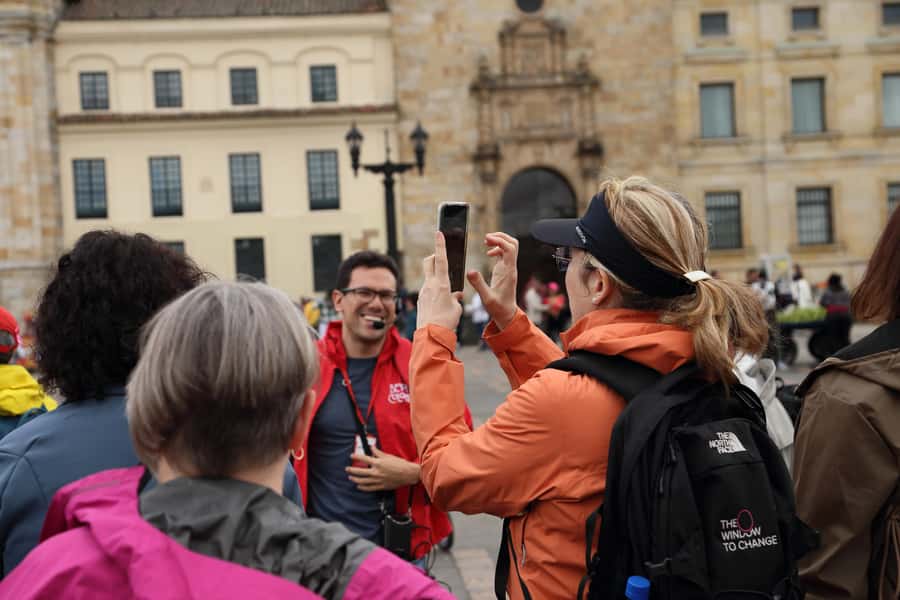
The tour also examines the connection between armed conflict and drug trafficking. This is where many visitors need careful context. Colombia’s drug trade did not create every political conflict, but it brought money, weapons, corruption, and international pressure into an already unstable situation.
You will learn about the role of drug cartels and the violence imposed on the country. The tour also discusses the reasons guerrillas and paramilitary groups continued fighting. Those motives could include territory, political control, economic interests, and opposition to rival groups, but the explanation needs room to show how these forces overlapped.
A useful guide should avoid presenting drug trafficking as the only cause of Colombia’s conflict. The political struggle came first in the tour’s timeline, and the drug economy intensified the damage. That distinction helps you avoid the familiar but shallow story that reduces Colombia’s past to cocaine.
The phrase You know who appears in the tour description as a reference to the figures behind the violence. You may hear about major cartel leaders and the forces that supported or opposed them, but you should not book this expecting a Pablo Escobar-focused tour. The emphasis is the country’s armed conflict and political history, with drug trafficking treated as one major part of that story.
The paramilitary question can also be difficult. You will be asked to understand why these groups formed, whom they claimed to defend, and how their actions added another layer of violence. The subject is morally and politically charged, which is why the promise of objective presentation matters.
The FARC peace agreement and Colombia today
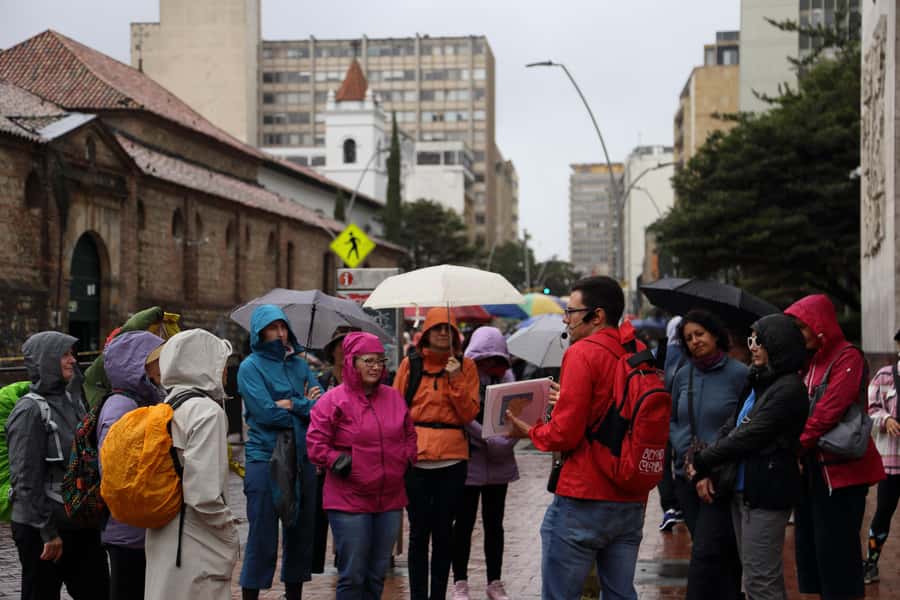
The final major section covers the peace process and the agreement signed with FARC. This is one of the most useful parts for anyone trying to understand present-day Colombia rather than only its past.
A peace agreement does not erase decades of fear, loss, displacement, or political disagreement. The guide can explain the agreement as a major change in the conflict while also showing why peace remains contested.
This is also the point where the tour has its clearest limitation. The advertised subjects include the current political situation and the ongoing effects of the peace agreement, but one assessment found that the present-day context was not explained with enough clarity. You may hear the main outline without getting a full account of current debates.
I would treat this section as a starting point, not the final word. The tour supplies recommendations for further reading and viewing, which is helpful if you want to continue learning. Keep your questions ready, especially about how former combatants, victims, political parties, and rural communities fit into the peace process.
The guide’s ability to answer questions will make a big difference. Daniel has been praised for handling this difficult subject with extensive knowledge, while Hector is noted for responding carefully to questions. Still, the amount of time available is limited. A 150-minute tour has to cover independence, the Bogotazo, dictatorship, guerrillas, paramilitaries, cartels, and peace talks. No guide can give every subject equal depth.
Walking conditions and what to bring
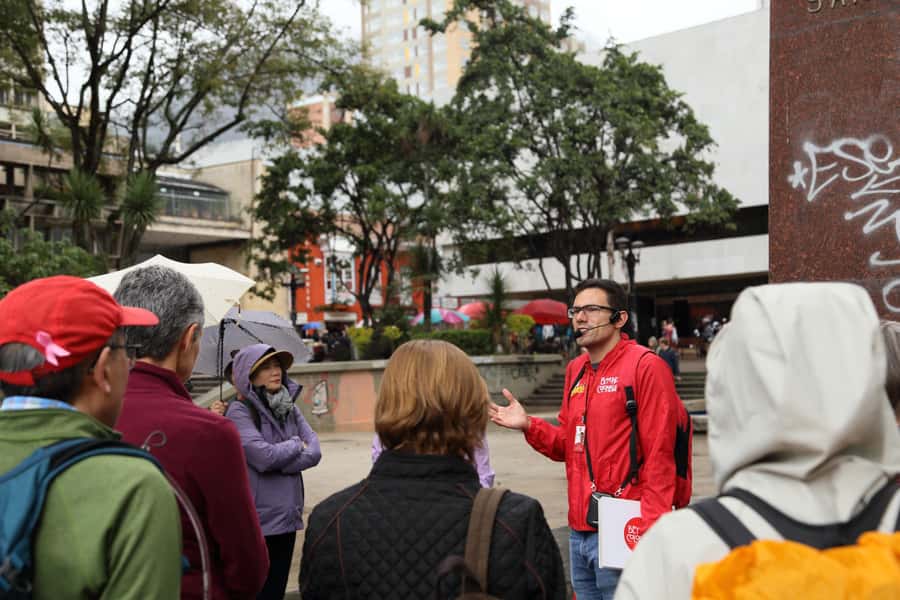
The practical side of this tour deserves attention. You will walk around 9 kilometers with several stops for explanation, so wear shoes that are already broken in. Bring water or another drink, sunscreen, a hat, and a camera if you want to record the places discussed.
Bogotá’s weather can change quickly. Bring a rainproof coat or an umbrella, even if the morning looks clear. The tour operator specifically asks you to prepare for rain because the group will spend the experience outdoors.
The route passes through crowded areas. Keep your phone, wallet, passport, and other valuables secure. The local warning not to give papaya is a colorful way of saying do not make yourself an easy target. Stay alert without letting security concerns take over your day.
There are resting stops, but this is still a physically demanding walk. The information says the experience is wheelchair accessible in one place, while the suitability section says it is not for wheelchair users or people with mobility impairments. That is a direct conflict. If you need step-free access or have trouble with long walks, contact Beyond Colombia before booking and get a clear answer about the current route.
Children under five are not suitable for the tour. Smoking, alcohol, and drugs are not allowed.
Is $13 good value?
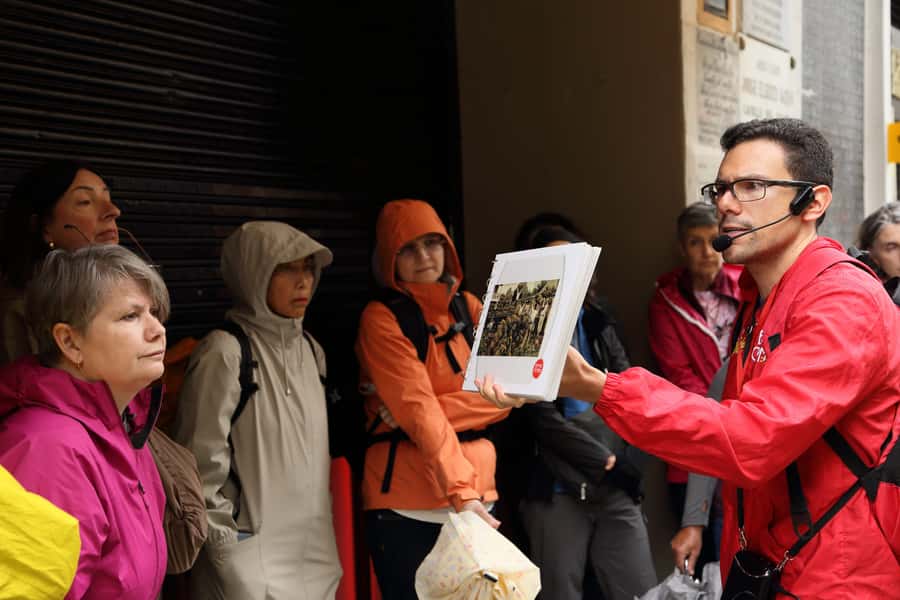
At $13 per person, this is an inexpensive way to spend most of an afternoon learning about Colombia’s recent past. The price includes an English-speaking guide, the walking route, historical interpretation, and recommendations for further material.
You do not pay for food, drinks, hotel transport, souvenirs, or attraction tickets. The route is designed to avoid sudden entrance charges, so the low price is not likely to be followed by surprise admissions during the walk.
The shared format keeps the cost down. You will not have a private guide, and you should expect to meet other people rather than set the pace entirely for yourself. That is a fair trade if you want an affordable introduction and enjoy asking questions in a group.
At the end, you receive a wristband that can provide benefits or discounts with recommended partners. I would treat that as a small bonus, not a reason to book. The real value is the guide’s ability to make a difficult subject understandable.
Who should book this experience?
I would recommend this tour to adults and older visitors who want political and social context for Bogotá. It suits people who prefer a serious walking experience over a quick list of monuments.
It is also a good fit if you have heard conflicting accounts of Colombia’s conflict and want a basic timeline. The guide explains the main actors, the roots of the violence, the role of drug trafficking, and the move toward peace in one connected experience.
You may want something else if you dislike long walks, need a slow pace, or want detailed current political analysis. The tour covers a lot, and the modern section may feel short. You should also think twice if you want a private conversation about sensitive subjects, since this is a shared group tour.
The tone is serious, but it is not presented as a grim march. Guides such as Lorenzo use questions and humor to keep people involved. That balance helps you stay focused without turning the subject into entertainment.
Should you book it?
Book this tour if you want a low-cost, clear introduction to Colombia’s conflict and are willing to walk for about 9 kilometers. The strongest parts are its broad timeline, focus on real places in central Bogotá, and the quality of guides such as Lorenzo, Hector, Santi, and Daniel.
Skip it if your priority is a highly detailed account of current politics, or if long walks are difficult for you. Before paying, also confirm the accessibility situation because the information gives conflicting guidance about wheelchair use.
For most history-minded visitors, I think the value is very good. You will not finish with every question answered, but you should leave with a far better sense of how Colombia moved from political rivalry and armed conflict toward a difficult, unfinished peace.
FAQ
How long does the Colombian conflict walking tour last?
The activity is listed as lasting 150 minutes, or about two and a half hours. The description also says to expect approximately three hours, so allow extra time for the full experience.
How much does the tour cost?
The price is $13 per person.
Where is the meeting point?
Meet directly in front of the Museo del Oro in Bogotá. Look for Beyond Colombia’s red umbrellas.
Is the tour conducted in English?
Yes. The experience includes a live English-speaking guide.
What subjects does the tour cover?
It covers Colombia’s independence process, the Liberals and Conservatives, the 1948 Bogotazo, La Violencia, the military dictatorship, FARC, ELN, M-19, drug trafficking, paramilitary groups, the peace process, and the current political situation.
How far will I walk?
You will walk about 9 kilometers, with stops to rest and listen to the guide.
Can wheelchair users join?
The information is inconsistent. One section lists the activity as wheelchair accessible, while another says it is not suitable for wheelchair users or people with mobility impairments. Contact Beyond Colombia before booking to confirm the current route.
Just added in Bogota
- Tour of Zipaquirá: Visit the Salt Cathedral and the main squares★ 4.5 · 55 reviews
- Catedral de Sal desde Bogotá en Tren★ 5.0 · 5 reviews
- Botanical Garden Bogotá Private Tour (4 Hrs.)★ 5.0 · 13 reviews
- Zipaquirá and Salt Cathedral Muisca Heritage with Guide – Private★ 4.5 · 23 reviews
- Zipaquira Salt Cathedral★ 4.5 · 12 reviews
- LOCAL GUIDE Zipaquirá PRIVATE TOUR – Salt Cathedral and Salt Oven★ 5.0 · 24 reviews
- Zipaquirá Salt Cathedral: An architectural wonder.★ 4.5 · 24 reviews
- Private Zipaquira Salt Cathedral and Guatavita Lagoon Tour from Bogota★ 4.5 · 44 reviews
Bogotá Tours, compared.
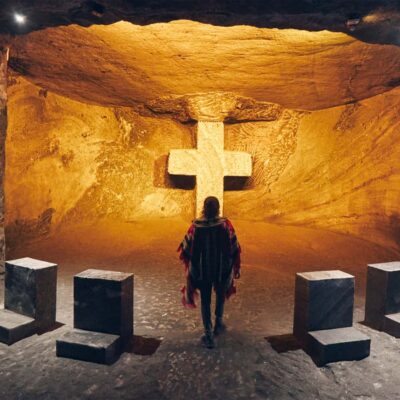
Zipaquirá: Salt Cathedral Group Tour with Pickup
Read our review →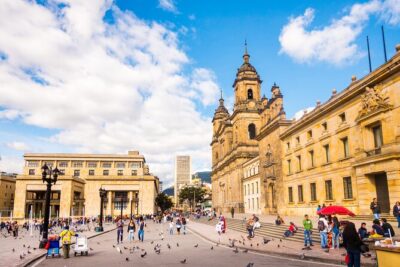
La Candelaria, Monserrate and Museums Bogotá Private City Tour
Read our review →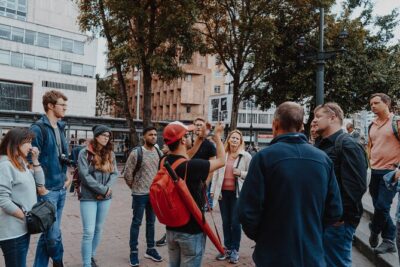
Shared Tour of the Historic Candelaria in Bogotá
Read our review →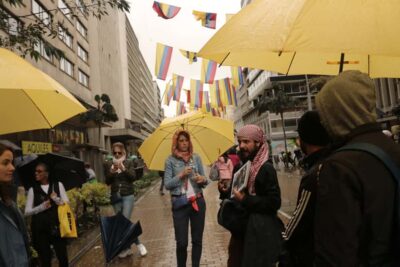
Graffiti Tour: a fascinating walk through a street art City
Read our review →