
REVIEW · SALT CATHEDRAL TOURS
Route of the 7 Treasures of El Dorado – Guatavita and Zipaquirá
Two legends, one long day. This Bogotá tour links the Muisca story of El Dorado with the remarkable underground Salt Cathedral at Zipaquirá. I like the smart pairing of Guatavita Lagoon and Zipaquirá, plus the strong guides, including bilingual leaders such as Esteban, Mateo, Mauricio, and Tatiana. The main catch is the schedule: expect 12 to 13 hours, plenty of road time, and a return that can slip toward 9 p.m.
I also like that transportation, entrance fees, insurance, and tour coordination are bundled into the $79 price. You get a useful introduction to Colombian history and culture without arranging several separate trips, but you should bring snacks because lunch is not included and may come late in the day.
In This Review
- Five things to know before you book
- Why combine Guatavita and the Salt Cathedral?
- Starting in La Candelaria or Parque de la 93
- The white town beside the Tominé Dam
- Walking up to Guatavita Lagoon
- The long road to lunch in Zipaquirá
- Inside the Zipaquirá Salt Cathedral
- What the $79 price really buys you
- Guides, language, and the human side
- Practical preparation for a 12-hour day
- Should you book the Guatavita and Salt Cathedral tour?
- FAQ
- How long does the tour last?
- Where can I meet the tour?
- Are entrance fees included?
- Is lunch included?
- How difficult is the walk to Guatavita Lagoon?
- Is the tour offered in English?
Five things to know before you book
- Guatavita reaches about 3,100 meters: The walk is manageable for many people, but the uphill steps feel harder at altitude.
- The Salt Cathedral fills two hours well: You follow an audio guide through 14 underground chambers, so bring headphones with a standard audio jack.
- The day starts at a Bogotá meeting point: Pick up is available in La Candelaria or near Parque de la 93, with red-jacketed staff and a marked van.
- Lunch is separate: You get time to eat, often at a traditional Colombian restaurant, but you pay for food and drinks yourself.
- Spanish is central to the day: The coordinator may explain things in English and Spanish, while the local Guatavita guide speaks Spanish.
- This suits active sightseers: Comfortable walking shoes, rain protection, warm clothes, and good stamina matter more than fancy gear.
Why combine Guatavita and the Salt Cathedral?
Bogotá is a high-altitude capital with plenty to see inside the city, but two of Colombia’s most unusual sights lie outside it. Guatavita connects you with the Muisca people and the El Dorado legend. Zipaquirá offers a very different experience, an enormous Catholic sanctuary carved inside an old salt mine.
The contrast is the point. In the morning, you are outdoors on a mountain path, hearing about sacred water, local plants, the páramo ecosystem, and the Muisca cacique. Later, you walk below ground through dark salt chambers marked by crosses and pools of colored light.
I find this better than booking two unrelated day trips. The pair gives your day a clear theme: belief, power, nature, mining, and the way Colombia’s past has been reshaped over time. You also save yourself the trouble of arranging separate transport to both places.
The tradeoff is distance. The tour spends a large part of the day in a van. If you want a relaxed morning and an early dinner back in Bogotá, this is the wrong outing. If you have only a few days in the city, the long hours can be a fair exchange for seeing both sites.
More Salt Cathedral trips:
- Zipaquirá: Salt Cathedral Group Tour with Pickup
★ 4.8 · 1,606 reviews - Bogota: Guatavita and Salt Cathedral Daily Group Tour
★ 4.7 · 615 reviews - Bogota: Zipaquirá Salt Cathedral and Lake Guatavita Day Tour
★ 4.8 · 551 reviews
Starting in La Candelaria or Parque de la 93
The tour offers two pickup areas. In La Candelaria, meet at Calle 16 #4-23, in front of Juan Valdez Coffee near Journalists’ Park Gabriel García Márquez. At Parque de la 93, the meeting point is Carrera 11 A #93A-10, also in front of Juan Valdez Coffee.
The exact meeting process matters on an early start. Look for a guide wearing a red jacket at the La Candelaria point. At Parque de la 93, find the Bogotá City Bus van and a driver in a red jacket. Arrive early enough to avoid beginning the day with a frantic search through busy streets.
The city pickup stops are brief, about 10 minutes each. They are not sightseeing stops, despite the names connected with Journalists’ Park and Parque de la 93. Think of them as organized meeting points.
The van holds a maximum of 22 people. That is not a private tour, but it is smaller and more manageable than a large coach. You can expect different nationalities in the group, and the social side can be pleasant, especially for solo visitors.
The driver is Spanish-speaking, while a tour coordinator handles the group in English and Spanish. Several guides have been praised for making sure English speakers understand the main explanations. Still, the day is not guaranteed to be primarily in English. If you speak some Spanish, your experience will likely be easier.
The white town beside the Tominé Dam
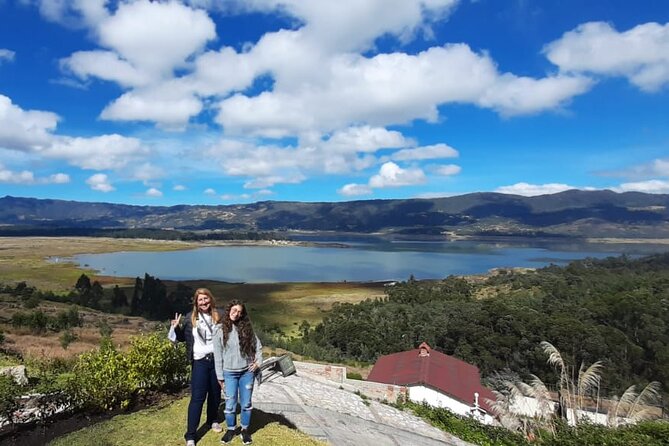
The first real stop is Guatavita town, a newer settlement created after the Tominé Dam project. Its white buildings and broad views offer a gentle introduction before the more demanding walk to the lagoon.
You get about 20 minutes here. That is enough for a short walk, photographs, and a first look at the local setting. It is not enough for a full town visit, so keep your expectations modest.
This short pause has value because it breaks up the morning drive and gives your guide a chance to explain the area. The town also helps you understand that Guatavita Lagoon is not simply a scenic viewpoint. It sits within a region shaped by water projects, changing communities, Indigenous traditions, and tourism.
Do not spend too long browsing if the group is gathering. The main event is still ahead, and the lagoon requires the best part of the morning.
Walking up to Guatavita Lagoon
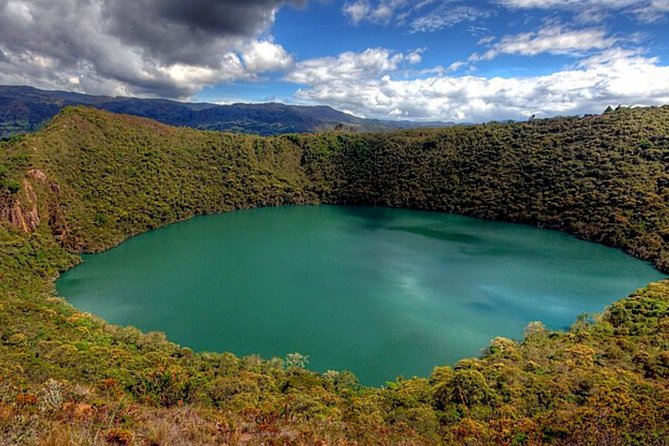
Guatavita Lagoon is the heart of the El Dorado story. The Muisca connection is explained through the role of the cacique, ceremonies, respect for nature, and the way Spanish colonial forces turned Indigenous traditions into a hunt for gold.
The tour gives you about two hours at the lagoon. A Spanish-speaking local guide leads the visit, and the tour coordinator translates or summarizes in English and Spanish. The quality of this explanation can shape the whole day. Guides such as Esteban, Mateo, Mauricio, and Sebastian have been singled out for clear translations, historical detail, and attention to group comfort.
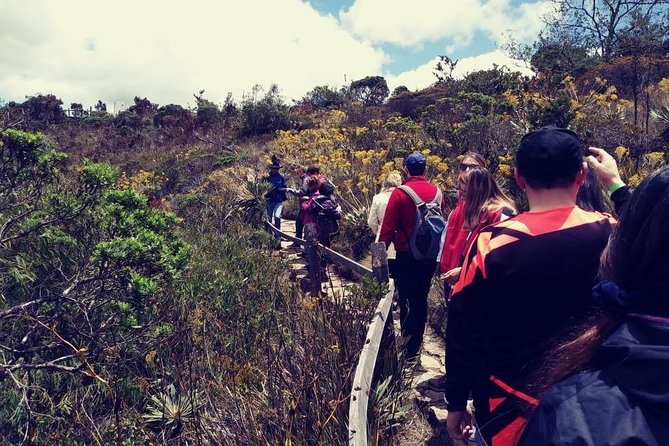
The path begins relatively flat, then rises toward the lagoon. The upper point reaches roughly 3,100 meters, and the climb can take around 30 minutes at a steady pace. The steps are defined, but thin air makes the effort more serious than the distance suggests.
I would not call this a technical hike. I would call it a moderate uphill walk at altitude. Take your time. A guide who adjusts the pace for different abilities makes a real difference, and that care has been a repeated strength of this experience.
The reward is the view from above. The lagoon feels remote and solemn, and the setting gives the El Dorado story more meaning than a museum display can. You are looking at a place tied to ceremony and spiritual life, not merely a supposed treasure site.
Conditions can change quickly. Wear walking shoes, warm layers, and rain protection. Comfortable clothes are essential, and a small snack is sensible. Restrooms are available near the lagoon area, and there may be simple places to buy food or drinks.
Be careful with prices at small cafés on the route. One visitor paid more than double for an item compared with another person in the same group. Check the price before buying, especially at the small stands near the path.
Altitude deserves serious attention. The tour description calls for a strong level of physical fitness, and that warning is useful. If you have just arrived in Bogotá, you may find this climb harder than expected. The altitude in Bogotá itself can already affect some people, and the lagoon sits higher still.
More Guatavita trips:
- Bogota:Zipaquirá Salt Cathedral & Guatavita Trip with Pickup
★ 4.8 · 183 reviews - New & Cheapest ZIPAQUIRA & GUATAVITA LAKE Visit 5 Sites/PICKUP
★ 5.0 · 153 reviews - Zipaquira Salt Cathedral and Guatavita Lagoon from Bogota (Private Tour)
★ 5.0 · 149 reviews - Shared Tour Zipaquirá Salt Cathedral and Guatavita Lagoon
★ 5.0 · 139 reviews
The long road to lunch in Zipaquirá
After Guatavita, the group drives toward Zipaquirá. The ride can take about an hour, and the entire day includes several long stretches in the van.
Lunch is scheduled during this part of the outing, often at a Colombian restaurant such as Toro Salvaje. Grilled meat, traditional dishes, and live music may be part of the setting. The meal can be tasty and reasonably priced, but it is not included in the tour cost.
Timing is the main issue. Some departures do not reach lunch until around 3 p.m. That makes breakfast important. Bring food and water from Bogotá because the early start and limited morning stops can leave you hungry. Small cafés may offer snacks, but the choices can be limited and prices may vary.
This is also where the tour’s rhythm can feel loose. You may have long pauses between major sights rather than a tightly timed sequence. The upside is that you are not rushed at Guatavita or the Salt Cathedral. The downside is a late finish.
Some tours reach Parque de la 93 around 8:30 or 9 p.m., even when an earlier return window was expected. Traffic is the obvious problem, and weekend road conditions can be worse. One practical warning from an experienced participant is to avoid Sunday if possible, since cyclists can slow mountain roads considerably.
Inside the Zipaquirá Salt Cathedral
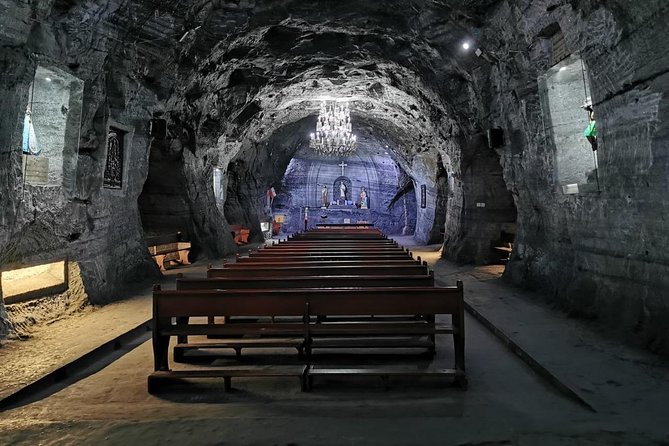
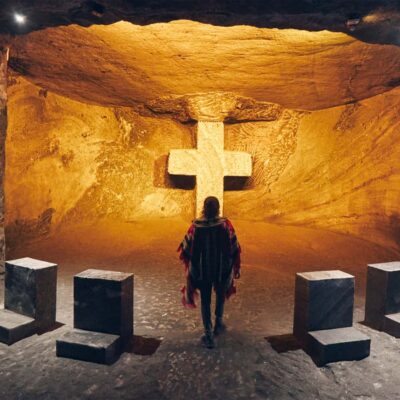
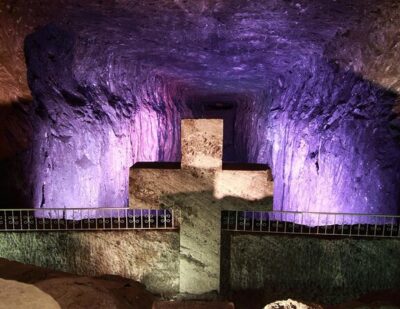
The Salt Cathedral is not a traditional cathedral built above ground. It is an underground religious complex inside a former salt mine, with 14 chambers, crosses cut into salt walls, and large spaces that feel far bigger than you expect below the surface.
You have about two hours here. That is a good amount of time. The audio guide takes you through the chambers and explains the religious and mining elements at your own pace.
Audio equipment is available in Spanish, English, and other languages. Bring your own headphones with a standard audio jack, since shared or unfamiliar earphones may be uncomfortable. The audio presentation is useful for structure, though some people find it dry. The visual setting does much of the work.
The scale is the surprise. Salt has been shaped into high chambers and symbolic spaces, and the underground quiet gives the visit a reflective mood. Even people less interested in religious architecture may appreciate the engineering and the skill required to create such rooms inside a mine.
The Salt Cathedral is a different kind of attraction from Guatavita. The lagoon asks you to walk, listen, and picture the past in an open setting. The cathedral gives you a carefully arranged route through a built environment. Some people prefer the lagoon, while others find the cathedral the day’s highlight.
Admission is included in the tour package according to the supplied details, along with the Guatavita Lagoon entrance. The Salt Cathedral wording can appear as optional in some descriptions, so confirm the exact inclusions at booking if this detail is important to your budget. The tour information also says all entry fees are included, which supports treating both major admissions as covered.
Two hours may sound excessive before you enter. Inside, it gives you time to follow the audio route without racing, stop for photographs where permitted, and take in the chambers. There may also be a small train to help with the return to the starting point, as well as salt-related services and refreshments in the wider complex.
What the $79 price really buys you
At $79 per person, the value rests in the transportation and the two admission tickets. If you tried to reach both destinations independently, you would need to manage separate buses or private transport, entrance arrangements, and timing across a long day.
You also receive insurance, a bilingual tour coordinator, a Spanish local guide at Guatavita, and transportation with a Spanish-speaking driver. Those services matter most on the lagoon visit, where translation and pacing can affect how much you understand and how comfortable you feel.
Lunch, snacks, and tips are extra. That is not unusual, but the late lunch schedule means you should budget for breakfast supplies and possibly a morning snack. A $79 day can feel less affordable if you arrive unprepared and buy every drink at tourist prices.
The group limit of 22 gives the tour a reasonable balance. It is not intimate in the way a private guide is, but it is small enough for a coordinator to keep track of the group and help with the hike.
Guides, language, and the human side
The guides are one of the strongest reasons to choose this particular outing. Esteban is praised for careful English translation and attention to well-being. Mateo is described as friendly and effective in both Spanish and English. Mauricio is known for high energy and storytelling, while Tatiana brought music, quizzes, and a playful spirit to the day.
Your guide will vary, so those names are examples rather than a promise. The consistent feature is the role itself: someone keeps the day moving, explains the cultural background, translates the local guide, and helps different ages and fitness levels stay together.
The best explanations connect the El Dorado legend to Muisca culture rather than treating it as a simple treasure tale. You may hear about the cacique, Indigenous ideas about nature and women, colonial damage, medicinal plants, and the páramo ecosystem.
The language balance can shift. Some groups have many Spanish speakers, and parts of the day may be delivered mainly in Spanish. The coordinator usually helps English speakers follow along, but you should not book this expecting an English-only tour.
Practical preparation for a 12-hour day
Pack as if you are heading into changing mountain weather, not just taking a city excursion.
- Wear shoes suited to uphill steps and uneven ground.
- Bring a warm layer and rain gear.
- Pack breakfast food, snacks, and water.
- Bring headphones with a standard audio jack for the Salt Cathedral.
- Use the restroom before the long drives.
- Carry some cash for lunch, drinks, and optional snacks.
- Allow for a return as late as about 9 p.m.
- Tell the guide if you need to slow down on the lagoon climb.
Service animals are allowed, and the pickup points are near public transportation. The tour requires a strong level of physical fitness, mainly because of the altitude, uphill walking, and long day rather than because of difficult hiking.
Free cancellation is available if you cancel at least 24 hours before the start time. Cancellations or changes made inside that window are not accepted for a refund.
Should you book the Guatavita and Salt Cathedral tour?
Book it if you have one free day in Bogotá and want a broad, guided introduction to two major sights beyond the city. You will see an important Muisca site, hear the El Dorado story in its Colombian setting, walk through an extraordinary salt mine, and avoid the stress of arranging long-distance transport yourself.
I especially recommend it for first-time visitors, solo visitors who like organized days, and anyone interested in Indigenous culture, colonial history, unusual architecture, and mountain scenery. The guides can add real value, particularly when English translation is needed.
Skip it if you dislike early starts, long van rides, late lunches, or full-day schedules. You should also think twice if altitude and uphill walking are serious concerns for you.
For most people who prepare with snacks, sturdy shoes, warm clothing, and realistic expectations, the $79 price is fair. It is a long day, but the pairing is memorable and the Salt Cathedral alone can justify the effort.
FAQ
How long does the tour last?
The experience lasts approximately 12 to 13 hours. Some departures may return to Parque de la 93 or La Candelaria later than expected, sometimes around 9 p.m., depending on traffic.
Where can I meet the tour?
You can meet in La Candelaria at Calle 16 #4-23, in front of Juan Valdez Coffee, or at Parque de la 93 at Carrera 11 A #93A-10, also in front of Juan Valdez Coffee.
Are entrance fees included?
The tour information states that entrance to Guatavita Lagoon and the Salt Cathedral is included. Because the Salt Cathedral is also described as optional in one part of the details, confirm the exact package inclusions when booking.
Is lunch included?
No. You receive time for lunch, but you pay for the meal yourself. Snacks, drinks, and tips are also not included.
How difficult is the walk to Guatavita Lagoon?
The route includes an uphill section reaching about 3,100 meters. The steps are defined, but altitude can make the walk strenuous, so you should have a strong level of physical fitness and take your time.
Is the tour offered in English?
The tour coordinator provides English and Spanish support, and Salt Cathedral audio guides are available in English. The local Guatavita guide speaks Spanish, so some explanations may be translated or summarized by the coordinator.
Just added in Bogota
- Tour of Zipaquirá: Visit the Salt Cathedral and the main squares★ 4.5 · 55 reviews
- Catedral de Sal desde Bogotá en Tren★ 5.0 · 5 reviews
- Zipaquirá and Salt Cathedral Muisca Heritage with Guide – Private★ 4.5 · 23 reviews
- Botanical Garden Bogotá Private Tour (4 Hrs.)★ 5.0 · 13 reviews
- Zipaquira Salt Cathedral★ 4.5 · 12 reviews
- LOCAL GUIDE Zipaquirá PRIVATE TOUR – Salt Cathedral and Salt Oven★ 5.0 · 24 reviews
- Zipaquirá Salt Cathedral: An architectural wonder.★ 4.5 · 24 reviews
- Private Zipaquira Salt Cathedral and Guatavita Lagoon Tour from Bogota★ 4.5 · 44 reviews
Salt Cathedral Tours, compared.
Zipaquirá: Salt Cathedral Group Tour with Pickup
Read our review →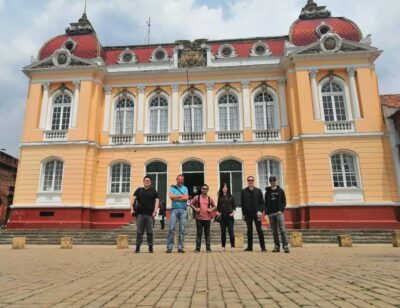
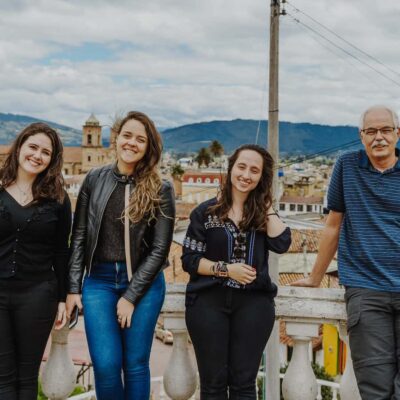
Zipaquirá Salt Cathedral and Lake Guatavita Day Tour
Read our review →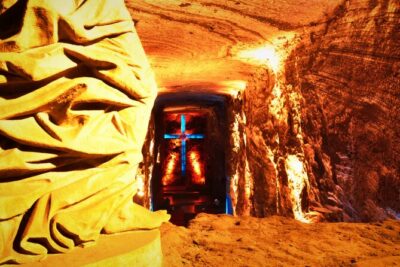
Bogota Zipaquira Salt Cathedral Private Tour + Lunch
Read our review →Small Group Tour Zipaquira Salt Cathedral with Pickup
Read our review →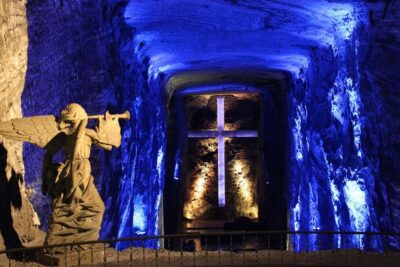
Zipaquirá Group Tour – More than Salt Cathedral
Read our review →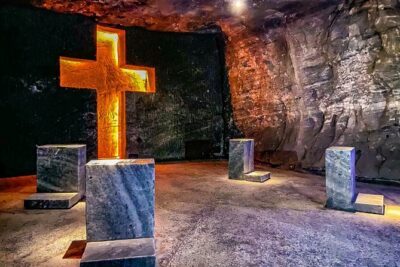
Gastronomic Zipaquira and salt cathedral (group tour)
Read our review →Browse the lists this tour appears in