
REVIEW · SALT CATHEDRAL TOURS
Bogota: Zipaquirá Salt Cathedral and Lake Guatavita Day Tour
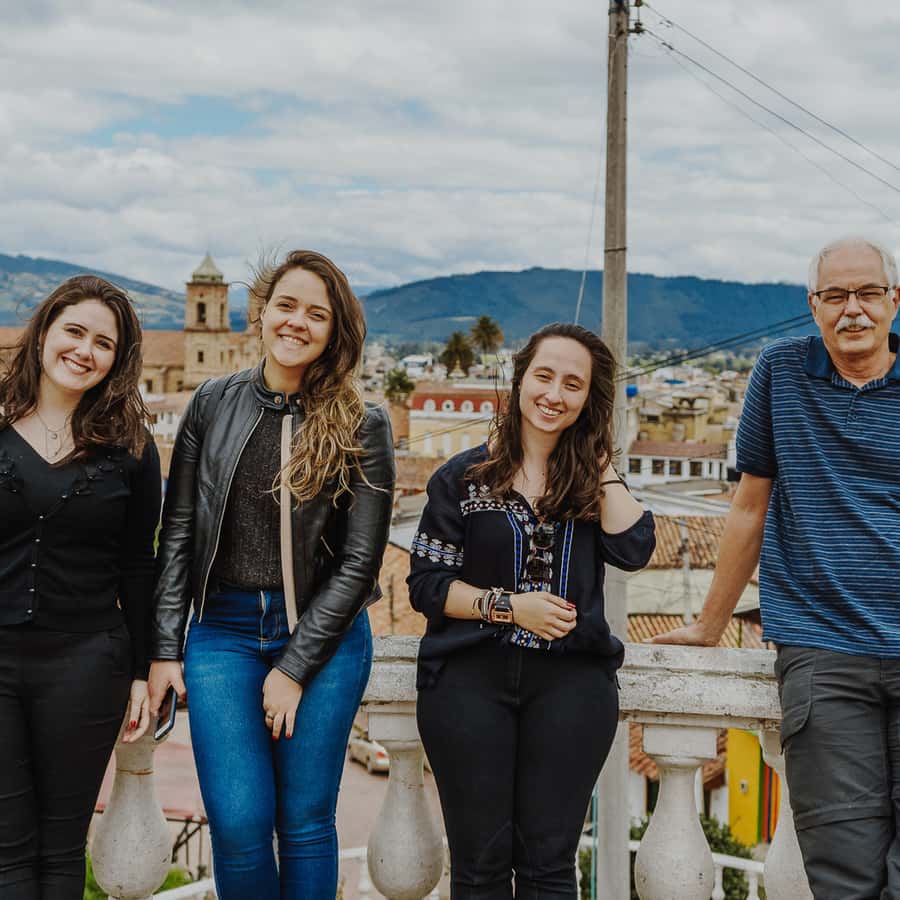
Gold, salt, and mountain air make this a memorable escape from Bogotá. This 12-hour tour combines Guatavita Town, the sacred lagoon tied to El Dorado, the Bogotá Savannah, Zipaquirá Town, and the remarkable Salt Cathedral carved underground.
I like the way the day joins Muisca culture with Colombian engineering, rather than treating the two sights as unrelated photo stops. I also like having a driver, entrance tickets, and English or Spanish commentary handled for you. The tradeoff is clear: this is a long day with substantial driving, a two-hour walk at altitude, and lunch that may not match everyone’s expectations.
In This Review
- Key points to know before booking
- Why Guatavita and Zipaquirá belong together
- Guatavita Town brings the legend down to earth
- The two-hour walk to Lake Guatavita
- Lunch in Zipaquirá, with time to make your own choice
- Entering the Salt Cathedral 180 meters below ground
- Transport, group size, and the reality of a 12-hour day
- Is $61 good value?
- Who should book this day trip?
- Practical details before you reserve
- Should you book it?
- FAQ
- How long does the tour last?
- What is included in the price?
- Is lunch included?
- How difficult is the walk at Guatavita Lagoon?
- Is the tour available in English?
- Is Lake Guatavita open every day?
- Is the tour suitable for wheelchair users?
Key points to know before booking
- The Guatavita walk is the day’s physical challenge: Expect uphill sections, many steps, cool air, and possibly slippery paths after rain.
- The Muisca story is handled with care: Gold was a spiritual offering to the earth and water, not simply a form of money.
- The Salt Cathedral reaches about 180 meters underground: Its chambers, cross-shaped carvings, lighting, and salt walls are the main architectural prize.
- Guides make a major difference: Guides including Sebastián, Sergio, Diego, Camilo, Steven, and Milena have been praised for clear explanations, humor, patience, and good English.
- Lunch is not included: You receive free time in Zipaquirá, but the restaurant choice can be uneven.
- The tour costs $61 per person: That is fair if you value hotel pickup, transport, entry tickets, and interpretation, but independent visitors may spend less.
Why Guatavita and Zipaquirá belong together
At first glance, a mountain lagoon and an underground church seem like an odd pair. They work because both places tell stories about Colombia’s past, one through Indigenous ritual and the other through mining, faith, and human ingenuity.
Guatavita helps you understand how the El Dorado legend began. Zipaquirá shows what people built from the mineral wealth beneath the same broad Andean region. I enjoy this contrast. One stop asks you to look across a quiet body of water and imagine an ancient ceremony. The other takes you below ground into a carefully lit series of chambers.
This is not a relaxed countryside outing. Pickup in Bogotá is followed by roughly 80 minutes in the van, then another 25-minute ride from Guatavita Town to the lagoon. After the lagoon, you drive about 70 minutes to Zipaquirá, spend time there, and face a roughly two-hour return drive to Bogotá.
The long transfers are part of the deal. They can feel tiring, especially with traffic leaving and returning to the capital. Still, a good guide turns the van into useful time, explaining Bogotá, Colombian history, plants, animals, and the sites ahead. Sebastián, Diego, Sergio, Camilo, and Steven are repeatedly praised for doing exactly that, often in both English and Spanish.
More Salt Cathedral trips:
- Zipaquirá: Salt Cathedral Group Tour with Pickup
★ 4.8 · 1,606 reviews - Bogota: Guatavita and Salt Cathedral Daily Group Tour
★ 4.7 · 615 reviews - Bogota Zipaquira Salt Cathedral Private Tour + Lunch
★ 5.0 · 521 reviews
Guatavita Town brings the legend down to earth
The day begins around Guatavita, where you receive a guided visit, a short walk, sightseeing time, and an opportunity to look around local shops. This stop helps separate the actual Muisca traditions from the European version of El Dorado that grew into a worldwide fantasy.
The key point is the meaning of gold. For the Muisca, gold was not mainly a way to buy things or measure wealth. It could serve as a sacred gift from the earth, placed in water or offered during important ceremonies. That difference matters. The famous story is not simply about a lost city made of gold. It grew from accounts of Muisca rituals, Spanish hunger for treasure, and years of exaggeration.
Your guide should explain how these pieces came together. The best commentary connects the lagoon, the Muisca relationship with nature, and the behavior of Spanish explorers who kept searching for a fortune that never existed in the form they imagined.
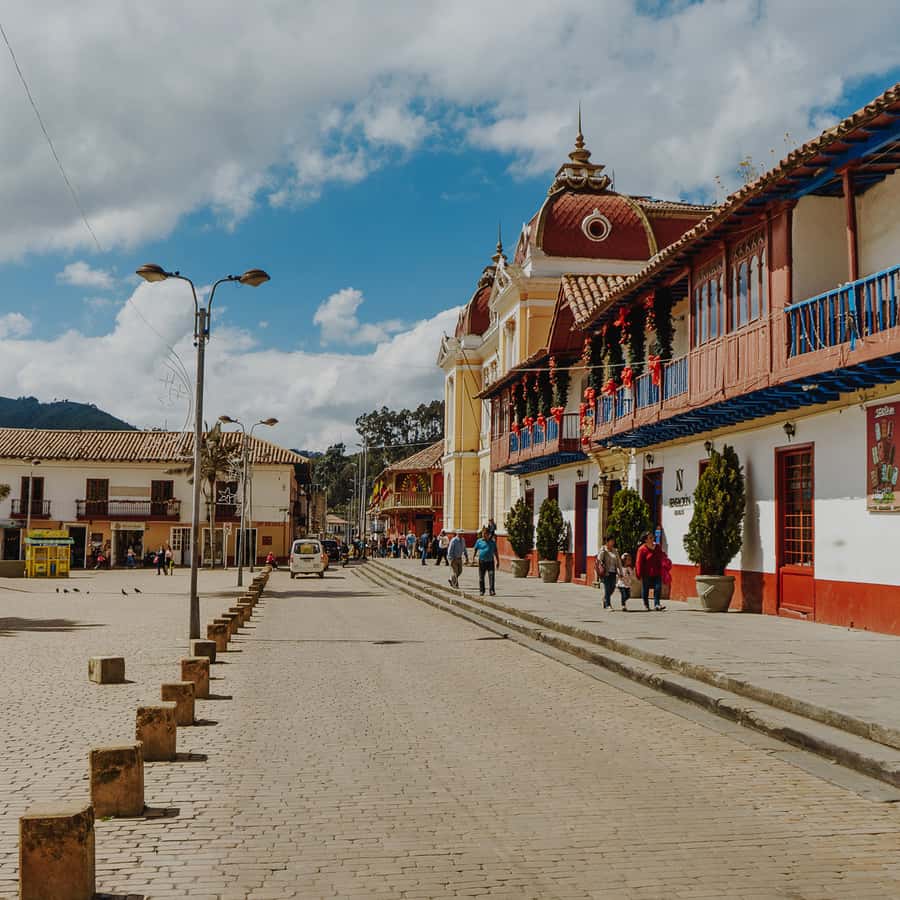
Guatavita Town itself is not the main attraction, so do not expect hours of sightseeing here. Think of it as a useful introduction and a chance to see a small Andean settlement before heading to the protected lagoon.
The two-hour walk to Lake Guatavita
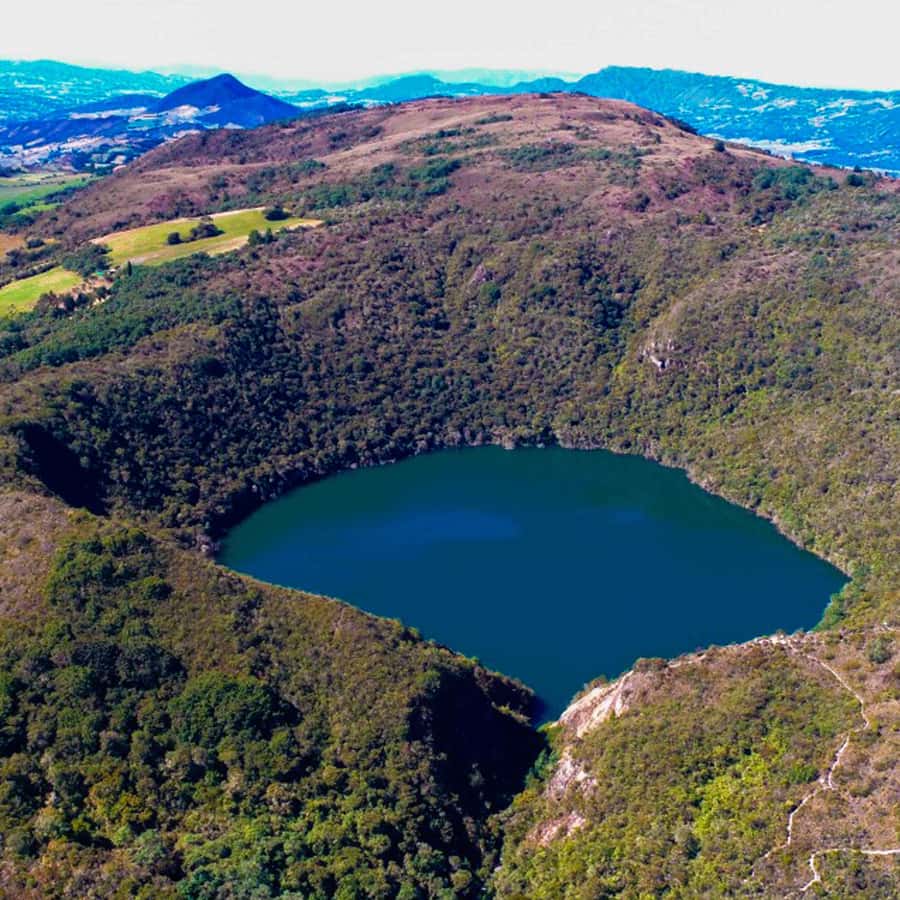
The route to Lake Guatavita is the most active part of the day. The visit includes a guided walk, hiking, a photo stop, and possible wildlife viewing. The total walk is often described as about two hours, with an uphill climb and a number of steps.
The path is manageable for many people, but altitude changes the equation. One traveler described it as a mid-level activity because of the thin air, elevation, and slippery steps in wet weather. Another advised wearing comfortable shoes and carrying a raincoat or umbrella. Take that advice seriously.
You will want:
- Comfortable walking shoes with a reliable sole
- A light waterproof layer or umbrella
- Sunscreen
- Water or another drink
- Comfortable clothing suited to cool mountain weather
Food and plastic bottles are not allowed on the lake hike, according to one detailed account. You may be able to buy an arepa or empanada at the start, so eating breakfast before pickup is sensible. The information provided also advises bringing drinks, but follow the local rules about where you can carry and consume them.
The guide adds value here by pointing out plants, animals, viewpoints, and the cultural meaning of the site. Sergio has been praised for explaining the lagoon particularly well, while Sebastián was singled out for showing good photo spots and adjusting the pace for people with different abilities.
Weather can alter the feel of the walk. In sunshine, the fresh air and mountain views should make the climb rewarding. In rain, the trail may be slippery and the visibility less impressive. Even then, the cultural story gives the stop purpose beyond taking a picture.
The lagoon itself is the natural centerpiece. Its calm, green appearance and highland setting provide the atmosphere behind the El Dorado story. I would give this stop your full attention instead of rushing through it. Several people who booked mainly for the cathedral ended up liking Guatavita more.
Lunch in Zipaquirá, with time to make your own choice
After the lagoon, the van continues to Zipaquirá. You get about an hour for lunch, regional food, and free time. The town also receives a panoramic visit, so you see some of its streets and character before entering the cathedral.
Lunch is not part of the $61 price. Drinks, food, and souvenirs are extra. The restaurant experience appears to depend on the day and the group’s assigned stop. Some meals were described as good, homemade, typical, or even excellent. Others found the restaurant too tourist-oriented, not especially Colombian, or simply average.
That makes this a small but real weakness. You are not paying for a meal, so you are not losing money on a poor lunch, but you do lose some control over what you eat. If local food matters to you, ask your guide what is available and use the free time wisely.
The schedule is fairly tight, so this is not the moment for a long independent exploration of Zipaquirá. Still, an hour gives you a break from the van and the chance to eat before the underground visit.
More Guatavita trips:
- Route of the 7 Treasures of El Dorado – Guatavita and Zipaquirá
★ 4.5 · 444 reviews - Bogota:Zipaquirá Salt Cathedral & Guatavita Trip with Pickup
★ 4.8 · 183 reviews - New & Cheapest ZIPAQUIRA & GUATAVITA LAKE Visit 5 Sites/PICKUP
★ 5.0 · 153 reviews - Zipaquira Salt Cathedral and Guatavita Lagoon from Bogota (Private Tour)
★ 5.0 · 149 reviews
Entering the Salt Cathedral 180 meters below ground

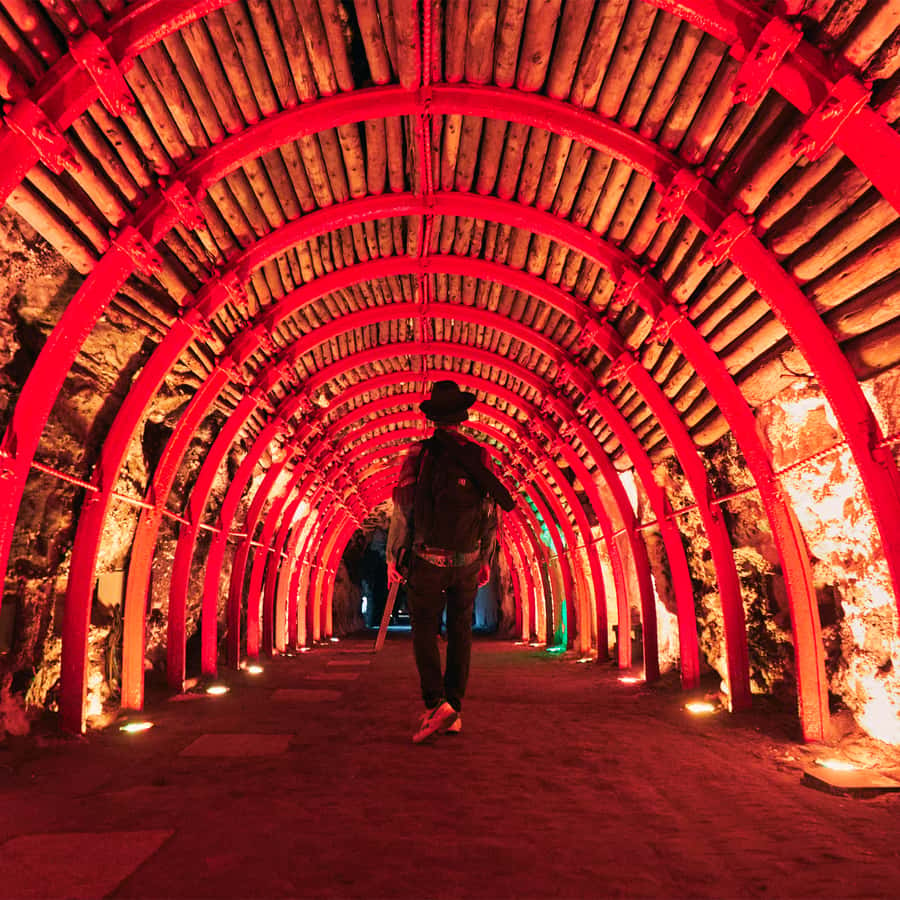
The Salt Cathedral is the tour’s grand engineering experience. It was carved into salt caverns about 180 meters underground, and the visit combines mining history, Catholic symbolism, sculpture, lighting, and large-scale architecture.
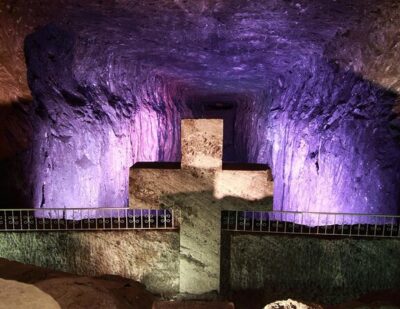
You begin by walking through illuminated tunnels and religious stations. The Stations of the Cross are carved into the salt, with lighting used to shape the mood and reveal the walls. The Dome and Central Nave provide the largest spaces and the strongest sense of scale.
The cathedral is not a conventional church built from stone blocks. It is a former mining space reshaped by people who knew the underground workings. The engineering challenge is a major part of its appeal: miners and builders had to work with the structure of the salt, create safe passages, and turn functional caverns into a place of worship.
The original church used by the first miners adds another useful layer. It shows that the spiritual life of the mine did not begin with the polished attraction you see today. The early workers created a place to pray underground, and later construction expanded the idea into a much larger complex.
The standard entry includes an audio guide in your language, while live guiding is available in Spanish and English. For groups of more than four, a tour guide is included. In some cases, the guide may not accompany you through every part of the cathedral, leaving you to use the audio guide instead.
That arrangement can be a strength or a weakness. An audio guide lets you move at your own pace and spend longer in the chambers that interest you. But one account found the presentation more like a sermon than a clear explanation, so expectations should be realistic. If you want detailed architectural commentary at every point, ask how the visit will be handled that day.
Allow about two hours at the cathedral, including the guided or audio-guided visit, photographs, sightseeing, and possible shopping. One person finished the indoor visit early and appreciated having the freedom to go off independently. That flexibility is useful, since not everyone wants the same amount of time for photos or religious interpretation.
Photographs are part of the fun, but the cathedral is more impressive in person than in pictures. The scale of the chambers, the dark salt walls, and the colored lighting are difficult to capture in a single frame.
Transport, group size, and the reality of a 12-hour day
Hotel pickup and drop-off are included, along with transportation in a modern vehicle. The drivers receive plenty of praise for safe handling on difficult roads. Names such as Alejandro, Andres, William, Hernan, Pedro, Jesus, Carmelo, and Carlos appear repeatedly in positive accounts of the driving and care provided.
The shared format keeps the price lower than a private tour. You do not receive an exclusive guide, and the group may include people with different languages, walking speeds, and interests. Guides such as Milena and Carmelo were praised for managing mixed groups, while Sebastián was noted for translating and explaining material for both English and Spanish speakers.
Vehicle comfort is mostly described as good, but there is one practical warning. A passenger found the van seats narrow, with an awkward headrest. If you are tall or need extra room, this could matter during several hours on the road.
The tour may include around eight people, though the exact group size can vary. Pickup communication is handled through WhatsApp, and some people appreciated receiving clear information after booking. One person did report waiting an extra hour because of incorrect information, so confirm your pickup time and location carefully.
The day begins early enough to fit all five major stops and ends back in Bogotá after a long return drive. Traffic can stretch the schedule. If you have evening plans, leave a generous buffer.
Is $61 good value?
At $61 per person, the cost is reasonable for a visitor who wants both major sights without arranging transport. You receive hotel pickup and return, the Salt Cathedral ticket, the Guatavita Lagoon National Park ticket, a driver, guiding, audio assistance, and the town visit in Zipaquirá.
The value is not just the ticket price. Guatavita and Zipaquirá are difficult to combine efficiently without a car or a carefully planned series of buses. The guide also fills the gaps between stops with stories about Bogotá, Indigenous traditions, plants, animals, and the El Dorado legend.
Independent travel could cost less, especially if you are comfortable with public transport, planning, and spending extra time at each site. But you would give up the convenience of door-to-door transport and the bilingual explanation that makes the day more than a collection of admissions.
Meals, drinks, and souvenirs are extra. That is important when comparing this with other day trips that include lunch. I would budget for food and carry sunscreen and rain protection rather than assuming the $61 covers every expense.
Who should book this day trip?
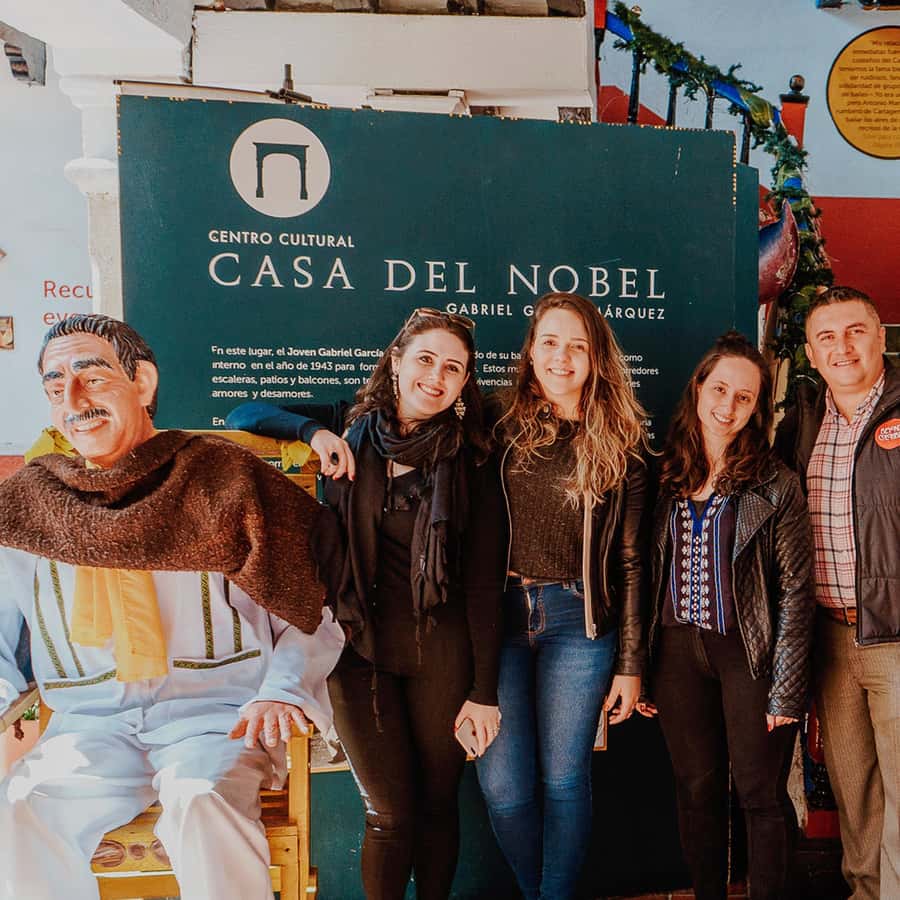
I would recommend it to you if you have limited time in Bogotá and want two major excursions in one day. It suits people who enjoy a mix of nature, Indigenous culture, mythology, engineering, and religion.
It is also a good choice if you prefer not to navigate unfamiliar roads or coordinate several transfers. The drivers are widely praised for safety, and the guides often make the long rides useful rather than dead time.
You should think twice if you dislike early starts, long van journeys, shared groups, uphill walks, or fixed lunch stops. The route is not suitable for wheelchair users, and it is listed as unsuitable for pregnant women. The Guatavita path also demands more effort than a simple viewpoint visit.
The best guides are a major part of the experience. Sebastián is often described as funny, energetic, and well prepared. Sergio receives praise for his explanations and attention. Diego is noted for fluent English and care with the group, while Camilo is praised for making Indigenous culture especially interesting. The exact guide is not guaranteed, but the pattern is encouraging.
Practical details before you reserve
Guatavita Lagoon is closed on Mondays for maintenance. If Monday is a public holiday, it opens that day and closes on Tuesday instead, so check your date before paying.
Free cancellation is available up to 24 hours before departure for a full refund, and you can reserve now and pay later. Live guiding is offered in Spanish and English, while the audio guide is available in your language.
Bring comfortable clothes, sunscreen, a drink, and sturdy shoes. A raincoat or umbrella is a smart addition because weather can change quickly on the mountain path.
Should you book it?
Book this tour if you want the easiest way to see Lake Guatavita and the Salt Cathedral in one ambitious day. The combination is excellent, the cultural background gives the sights meaning, and the strongest guides make the long schedule feel worthwhile.
Skip it if you want a slow visit, a guaranteed excellent lunch, or complete control over timing. For most first-time visitors with one free day beyond Bogotá, I think the $61 is a fair trade for transport, tickets, safety, and clear interpretation. Just arrive ready for a hike, a long ride, and a full day of Colombia’s most unusual contrasts.
FAQ
How long does the tour last?
The experience lasts 12 hours, including pickup in Bogotá, visits to Guatavita and Zipaquirá, and the return drive.
What is included in the price?
The price includes hotel pickup and drop-off, transportation, the Salt Cathedral entrance ticket, the Guatavita Lagoon National Park entrance ticket, a driver, guiding, an audio guide in your language, the Zipaquirá town visit, and free time for lunch.
Is lunch included?
No. Food, drinks, and souvenirs are not included. You receive free time for lunch in Zipaquirá.
How difficult is the walk at Guatavita Lagoon?
The visit includes about two hours of walking and hiking, with uphill sections, steps, altitude, and possible slippery surfaces in wet weather. Comfortable shoes are essential.
Is the tour available in English?
Yes. Live guiding is available in English and Spanish. The Guatavita Lagoon tour is in English when available, with Spanish always confirmed, and an audio guide in your language is included.
Is Lake Guatavita open every day?
The lagoon is closed on Mondays for maintenance. If Monday is a public holiday, it opens on Monday and closes on Tuesday instead.
Is the tour suitable for wheelchair users?
No. The experience is not suitable for wheelchair users. It is also listed as unsuitable for pregnant women.
Just added in Bogota
- Tour of Zipaquirá: Visit the Salt Cathedral and the main squares★ 4.5 · 55 reviews
- Catedral de Sal desde Bogotá en Tren★ 5.0 · 5 reviews
- Zipaquirá and Salt Cathedral Muisca Heritage with Guide – Private★ 4.5 · 23 reviews
- Botanical Garden Bogotá Private Tour (4 Hrs.)★ 5.0 · 13 reviews
- Zipaquira Salt Cathedral★ 4.5 · 12 reviews
- LOCAL GUIDE Zipaquirá PRIVATE TOUR – Salt Cathedral and Salt Oven★ 5.0 · 24 reviews
- Zipaquira Salt Cathedral★ 5.0 · 4 reviews
- Zipaquirá Salt Cathedral: An architectural wonder.★ 4.5 · 24 reviews
Salt Cathedral Tours, compared.
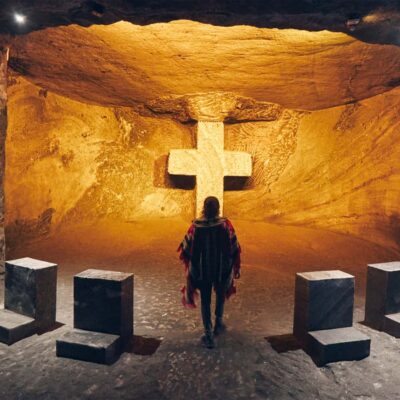
Zipaquirá: Salt Cathedral Group Tour with Pickup
Read our review →
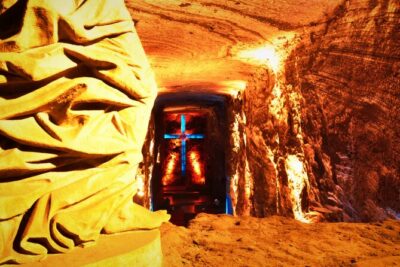
Bogota Zipaquira Salt Cathedral Private Tour + Lunch
Read our review →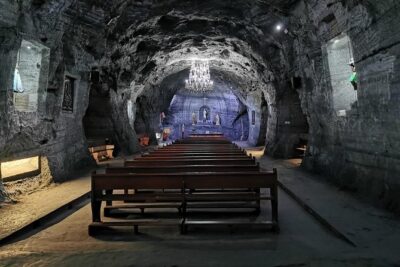
Route of the 7 Treasures of El Dorado – Guatavita and Zipaquirá
Read our review →Small Group Tour Zipaquira Salt Cathedral with Pickup
Read our review →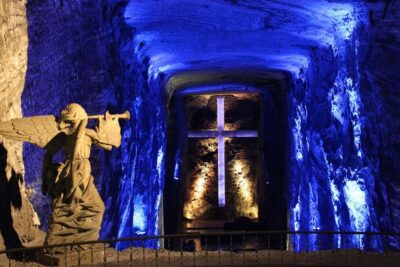
Zipaquirá Group Tour – More than Salt Cathedral
Read our review →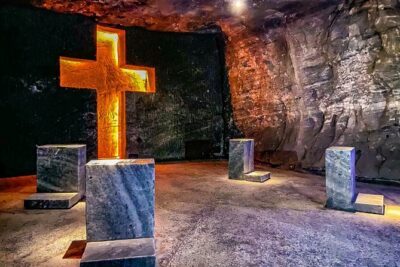
Gastronomic Zipaquira and salt cathedral (group tour)
Read our review →Browse the lists this tour appears in