REVIEW · GUIDED
Private Guided Tour in The Archaeological Park
Some ancient sites are best seen slowly. This private tour of San Agustín Archaeological Park gives you a local guide, a small group, and time to make sense of the stone figures rather than simply pass them by. I like the personal format, and I like that the route includes both the museum and the main archaeological areas, including the striking Lavapatas Fountain.
The main consideration is the walking. The route covers about 3 kilometers, with moderate inclines and elevation changes of up to 70 meters. If you have back trouble, a heart condition, or another serious medical issue, this may not be the right outing. The five-star rating and the brief verified note praising the guide point to the human side of the experience, but the published feedback is limited, so you should judge the tour mainly by its clear itinerary and private format.
In This Review
- Key Points Before You Book
- Why San Agustín Deserves More Than a Quick Stop
- Pickup in San Agustín and the Local Taxi Ride
- Starting at the Small Archaeological Museum
- Mesitas A, B, C, and D: The Core Archaeological Areas
- The Forest of Statues Adds a Change of Pace
- Lavapatas Fountain: The Most Distinctive Stop
- Reaching Alto del Lavapatas
- What the Private Format Is Worth at $169
- Guide Languages and the Value of Explanation
- Fitness, Weather, and What to Bring
- Who Will Get the Most From This Tour
- Should You Book It?
- FAQ
- How long does the private tour last?
- Where does the tour begin?
- Is transportation included?
- Which languages are available?
- What does the tour visit?
- How much walking is involved?
- Are meals included?
- What happens if bad weather cancels the tour?
Key Points Before You Book
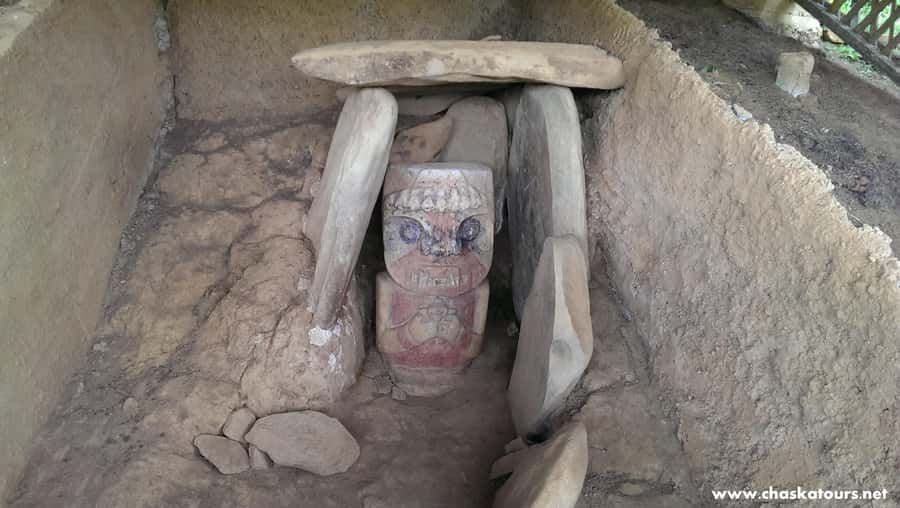
- A private route through Mesitas A, B, C, and D: You explore the park with only your own group, not a large mixed party.
- The Lavapatas Fountain is the visual high point: Carved channels, basins, and figures make this one of the park’s most memorable stops.
- About 3 kilometers of walking: Expect some moderate slopes and elevation changes of up to 70 meters.
- Pickup and return transport are included: A local taxi takes you from your San Agustín hotel to the park area, then returns you afterward.
- Four guide languages are available: You can request Spanish, English, French, or German.
- The $169 price buys privacy and convenience: Entry, guide service, taxes, and taxi costs are included, but meals are not.
Why San Agustín Deserves More Than a Quick Stop
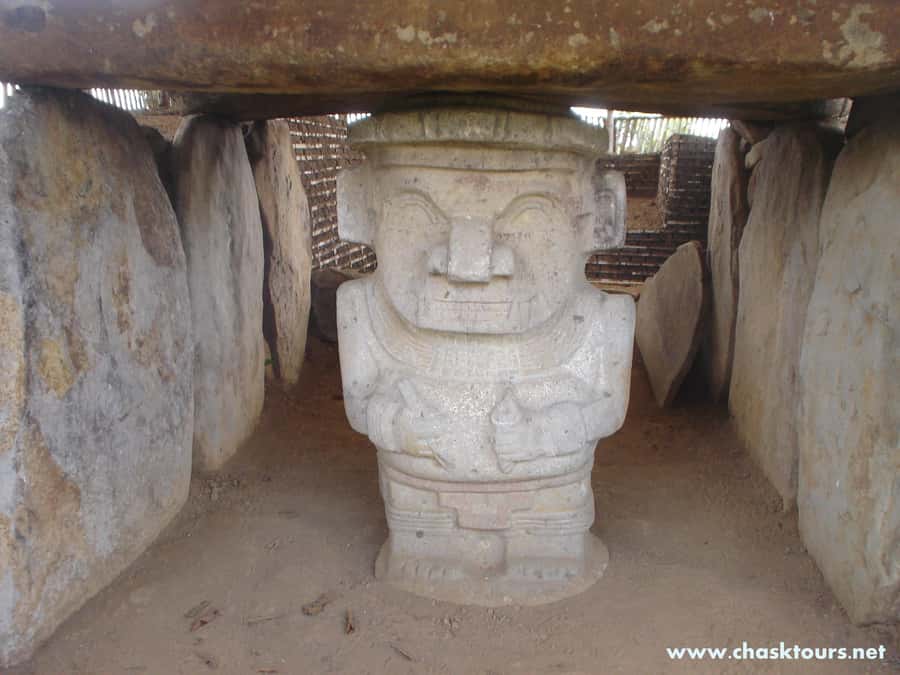
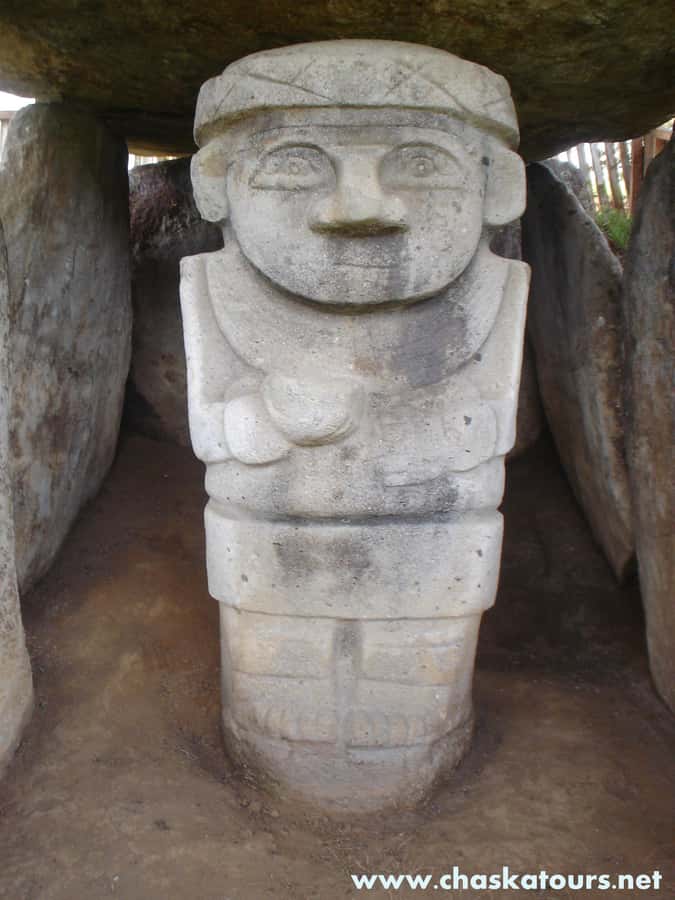
San Agustín is known for its carved stone figures, burial sites, ceremonial areas, and unusual religious imagery. The archaeological park brings many of these pieces together, but it is not simply an outdoor gallery. You move between open areas, paths, forest, slopes, and carved stone features that make more sense when a guide explains how the park is arranged.
I like the fact that this tour begins with context at the small archaeological museum. That first stop can help you look at the monuments with more purpose. Instead of seeing a stone figure as an isolated object, you can begin to notice its posture, facial features, animals, and repeated symbols.
A private guide also gives you room to ask direct questions. If you want more time with the statues, the burial areas, or the water carvings, you can say so. The route can be adjusted to match your interests and available time, although the advertised visit is planned for about 3.5 hours.
A few more options to weigh up in Colombia
- Guided Tour of Comuna 13 Medellín with Snacks Included
★ 5.0 · 1,649 reviews - Bogotá: Guided La Candelaria Walking Tour
★ 4.8 · 1,229 reviews - Cartagena: Guided Street Food Tour with Tastings
★ 4.9 · 833 reviews
Pickup in San Agustín and the Local Taxi Ride
Your day begins with pickup in San Agustín. The tour provider arranges a local taxi to take you from your hotel to the starting point, where you meet the guide.
This is a useful detail in a town where getting around can add needless friction. You do not need to arrange a separate ride to the park, and you do not need to bargain for a taxi after the visit. At the end, the guide calls a taxi for your return, and those taxi costs are already covered.
The taxi is local rather than a private tour vehicle dedicated to your group. That keeps the transport simple and practical, but it is worth knowing what you are paying for. The private part of the experience refers mainly to your guide and sightseeing group, while the short transfers use organized local taxis.
Starting at the Small Archaeological Museum
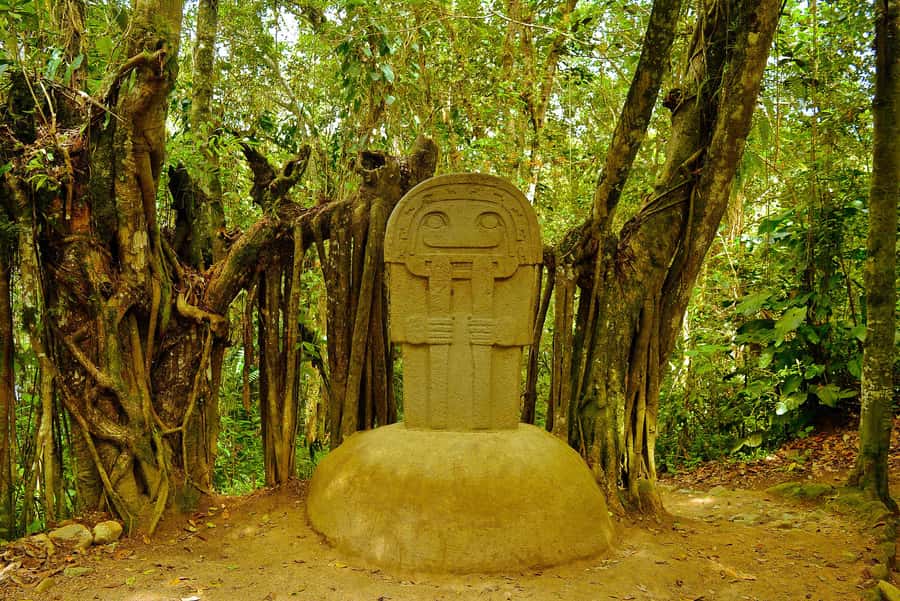
The museum is small, so do not expect a major collection or a long indoor visit. Its value comes from its role as an introduction.
Before walking among the monuments, you can use the museum to get your bearings. It gives the guide a natural place to explain the site and point out details that might otherwise be easy to miss. For many people, this short beginning will make the open-air sections easier to follow.
A small museum also means the tour does not spend most of the morning indoors. You soon move outside, where the stonework, paths, and wooded areas create the main experience. If museums are your priority, this stop may feel brief. If you prefer outdoor archaeology, it is a sensible opening chapter.
Mesitas A, B, C, and D: The Core Archaeological Areas
The tour continues through Mesitas A, B, C, and D. These areas form the central sequence of the park and give you a chance to see the monuments in different settings.
Your guide can help you compare the sites instead of treating them as one long line of statues. Look for differences in placement, scale, and the relationship between the carved figures and their surroundings. The setting matters here. These are not objects arranged on a museum floor. They are part of an archaeological area where paths, earth, trees, and changes in height shape what you see.
The four Mesitas also give the tour a steady rhythm. You are not stopping at one monument and then rushing away. You move through several connected areas, with time for explanation and questions. Because the outing is private, you can ask the guide to pause when a particular sculpture catches your attention.
The drawback is physical rather than cultural. The total route is only about 3 kilometers, but distance alone does not tell the whole story. Part of the walk includes moderate inclines, and the elevation change can reach 70 meters. Comfortable shoes are essential, and sunscreen is a practical necessity.
A completely different kind of day:
- Medellin: Comuna 13 Graffiti Tour, Cable Car & Street Food
★ 4.8 · 9,046 reviews - Comuna 13 Graffiti Tour with Street Food
★ 5.0 · 7,503 reviews - Museo Pablo Escobar
★ 5.0 · 7,242 reviews - Guatapé Tour: Piedra del Peñol with Boat Tour, Breakfast, Lunch
★ 5.0 · 7,035 reviews
The Forest of Statues Adds a Change of Pace
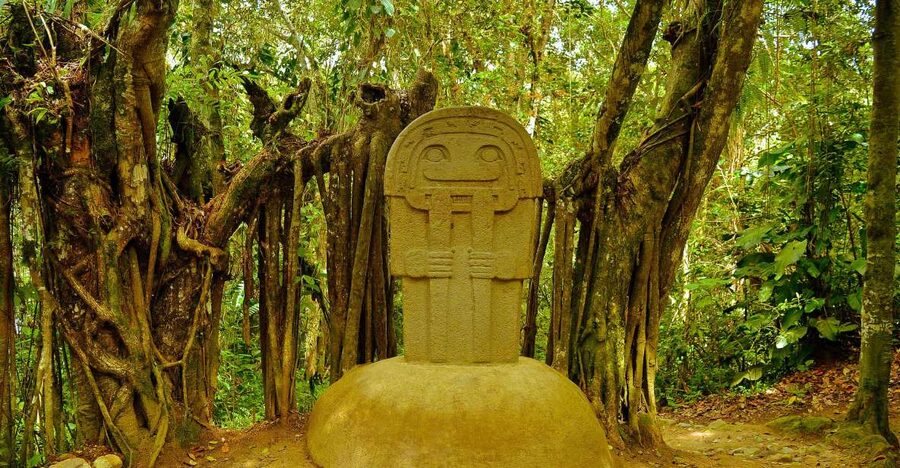
The Forest of Statues brings a different mood to the route. Here, the archaeological figures are encountered along a wooded walk rather than in a more open, formal area.
I like this part because it breaks up the sequence of named archaeological sites. You get a quieter walk and a different way to look at the carvings. The trees can frame the statues and make the route feel less like a checklist of monuments.
This is also where a guide’s pacing matters. In a large group, a wooded path can become a march from one stop to the next. In a private group, you can ask for a slower pace or spend longer with the pieces that interest you.
The Forest of Statues is still part of a walking tour, not a flat garden stroll. If uneven paths or inclines are difficult for you, ask about tailoring the route before you book. The tour is not suitable for wheelchair users, and it is not recommended for people with back problems.
Lavapatas Fountain: The Most Distinctive Stop
The Lavapatas Fountain is likely to be the tour’s visual high point. It is not a conventional fountain built for decoration. The site features carved channels, basins, and figures worked into stone, creating a complex water-related monument.
The name can make you expect a simple water feature. The reality is more interesting. The carving spreads across the rock, so you need time to look closely. Your guide can point out the shapes and explain how water moves through the site, giving you a better chance to understand why this place matters.
The fountain also rewards a slower visit. From a distance, the carving can appear busy or hard to read. Up close, individual forms begin to separate. Notice how the stone surface, channels, and surrounding setting work together.
This stop requires some uphill walking as part of the overall route. Bring water even though it is not specifically listed among the required items. Sunscreen and good shoes are listed, and both are sensible for an outdoor archaeological site with slopes.
Reaching Alto del Lavapatas
The route finishes at Alto del Lavapatas, another important archaeological area above the fountain. Reaching it gives the walk a clear sense of progression. You begin with museum context, pass through the main Mesitas, walk through the forest, visit the carved fountain, and then continue upward to the final site.
The higher position also makes the last section feel like a destination rather than just another stop. The climb is part of the experience, but it is also the point where fitness matters most. The total elevation change can reach 70 meters, so you should not judge the outing by its moderate duration alone.
If you want the full route, allow the entire 210 minutes. The guide can adjust the path for your interests and available time, but a shorter visit may mean less time at one or more sections. Ask early if you want to focus on the fountain, the statues, or the main burial areas.
What the Private Format Is Worth at $169
At $169 per person, this is not the cheapest way to see San Agustín Archaeological Park. The value depends on how much you care about privacy, language support, and simple transport.
The fee includes all taxes and fees, park admission, a local guide, and the organized taxi transfers from San Agustín. You are not left to arrange entry or find a ride back. That bundled setup can be useful if you are visiting the area without a car or if you want one person to handle the practical details.
The private group is the bigger benefit. You can ask questions without holding up a large party, adjust the pace, and request a route shaped around your interests. That matters at an archaeological site where the meaning of a carving is not always obvious at first glance.
The price does not include meals. Since the activity lasts 210 minutes, you should plan food separately before or after the tour. No meal stop is part of the stated route, so do not expect lunch or refreshments to be built into the visit.
For a solo visitor, $169 per person is a substantial outlay. For a small private group, the cost may make more sense, especially when the same price structure includes the guide, admission, and local taxis. Check the final price for your group size and date before booking.
Guide Languages and the Value of Explanation
The tour is available in Spanish, English, French, and German. That is helpful at a site where a short explanation can change how you see an entire group of monuments.
The guide is not only there to lead the way. The route includes several named areas, a museum, a forest walk, a carved water monument, and an elevated site. Without explanation, those stops could blur together. With a good guide, you can connect the places and understand why each one has a different role.
The available information gives only a brief five-star verified rating, dated February 23, 2025, from Rafael Gonzalez of Spain. The short note singles out the guide, which supports the idea that the personal guiding is a central strength. Still, there is not enough published detail to promise a particular guide, storytelling style, or depth of expertise.
Fitness, Weather, and What to Bring
Wear comfortable walking shoes. This is the clearest practical advice for the tour because the route covers about 3 kilometers and includes moderate inclines.
Use sunscreen as well. The tour takes place outdoors, and the route moves between open archaeological areas and wooded sections. Weather matters enough that the experience requires good conditions. If poor weather causes a cancellation, you are offered another date or a full refund.
The tour is suitable for most people who can manage the walking, but it is not designed for everyone. It is not suitable for wheelchair users, people with back problems, or people with pre-existing medical conditions. It is also not recommended for anyone with heart problems or another serious medical issue.
You should be comfortable with walking on a route that changes height. If you have any health concern, consider the 70-meter elevation change before paying. The route can be tailored, but the supplied information does not promise a fully flat or accessible alternative.
Who Will Get the Most From This Tour
I would choose this experience if you want the park explained in a private setting and prefer a planned visit over arranging each detail yourself. It suits couples, families with older children, friends, and small groups who want to set their own pace.
It is also a good match if you need a guide in English, French, German, or Spanish. The multilingual option removes one of the main barriers at a site where names, symbols, and archaeology can be difficult to follow without help.
You may want a different arrangement if your main goal is a quick visit, a low-cost entry ticket, or a completely flat route. The tour spends 3.5 hours in the park and includes several sections, so it is more than a brief look at the most famous statue.
The flexible route helps, but it does not erase the physical demands. A private tour can slow down or change emphasis, yet it still involves walking outdoors and reaching Alto del Lavapatas if you follow the full plan.
Should You Book It?
Book this tour if you want private guiding, included transport, and a full park route that reaches the museum, Mesitas A through D, the Forest of Statues, Lavapatas Fountain, and Alto del Lavapatas. The $169 price is easiest to justify for a small group that values convenience and personal attention.
Skip it if you need wheelchair access, cannot manage moderate slopes, or want meals included. For fit visitors with limited time in San Agustín, this is a well-organized way to see the park’s main areas without worrying about entry, taxis, or finding your way between stops.
FAQ
How long does the private tour last?
The tour lasts 210 minutes, or about 3.5 hours.
Where does the tour begin?
Pickup is arranged in San Agustín. A local taxi takes you from your hotel to the starting point, where you meet the guide.
Is transportation included?
Yes. Private transportation is provided through organized local taxi rides. The return taxi is arranged after the tour, and taxi costs are included.
Which languages are available?
The live guide can conduct the tour in Spanish, English, French, or German.
What does the tour visit?
The route includes the small archaeological museum, Mesitas A, B, C, and D, the Forest of Statues, Lavapatas Fountain, and Alto del Lavapatas.
How much walking is involved?
The route covers about 3 kilometers and includes partially moderate inclines with elevation changes of up to 70 meters.
Are meals included?
No. Meals are not included in the tour price.
What happens if bad weather cancels the tour?
If poor weather causes cancellation, you are offered a different date or a full refund. You can also cancel up to 24 hours in advance for a full refund.
Just added in Colombia
- Private History Photography Tour★ 5.0 · 17 reviews
- Self-Guided Audio Tour: Pirate Tales in Cartagena★ 3.0 · 2 reviews
- Paue Island Tour in the Rosary Islands★ 5.0 · 1 review
- Totumo Volcano★ 3.5 · 15 reviews
- Palmarito Beach★ 3.5 · 4 reviews
- Party without limits! Cartagena; VIP Party.★ 4.5 · 32 reviews
- Paragliding Experience in Cartagena★ 5.0 · 8 reviews
- Tour cultural to san Basilio de Palenque from cartagena★ 5.0 · 45 reviews
Guided, compared.

Guided Tour of Comuna 13 Medellín with Snacks Included
Read our review →

Guided Tour, with La Popa Convent, and San Felipe
Read our review →

Medellin Historic Walking Tour with Expert Guide
Read our review →